The best cycling routes around El Ràfol D'Almúnia
4.4
(1204)
28,711
riders
258
rides
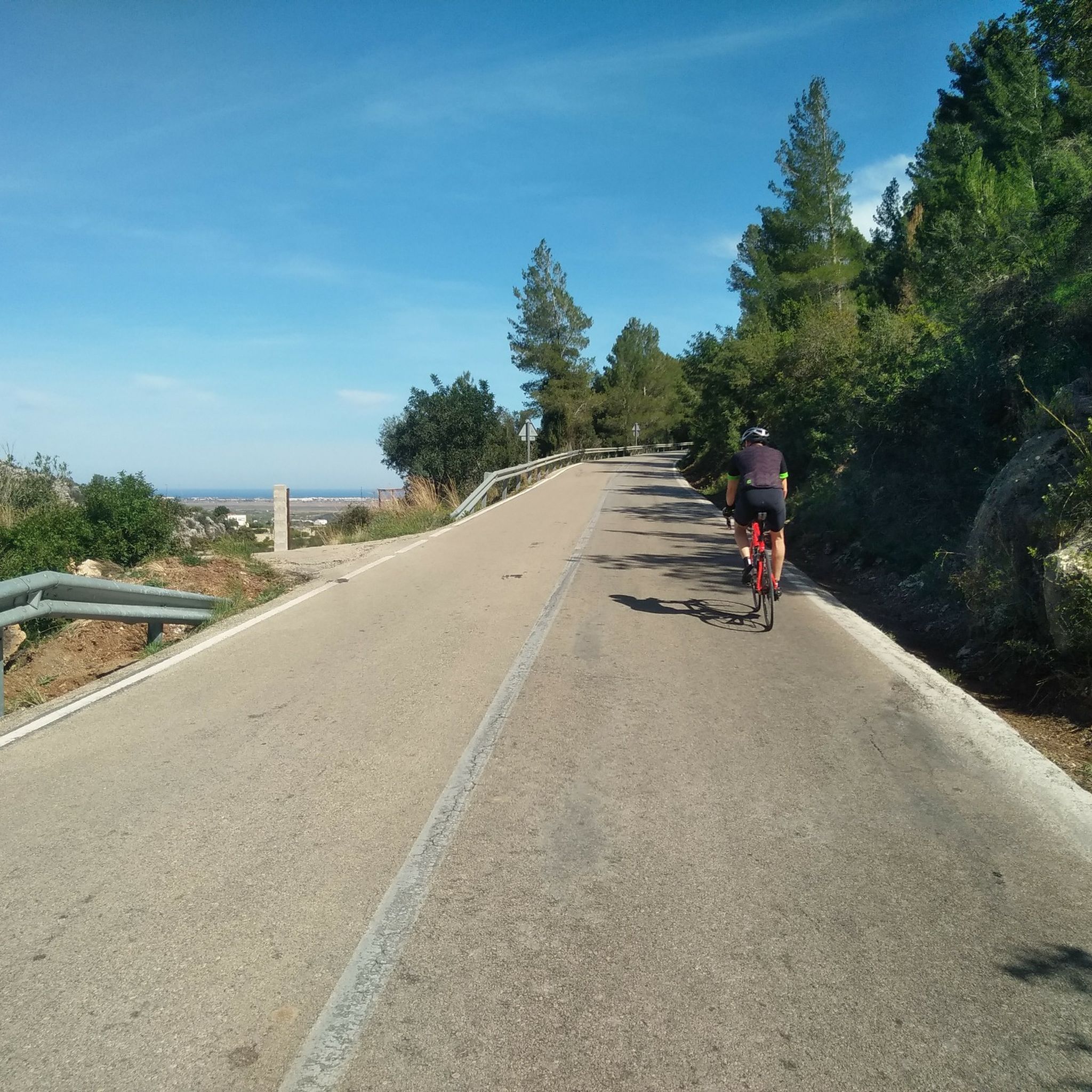
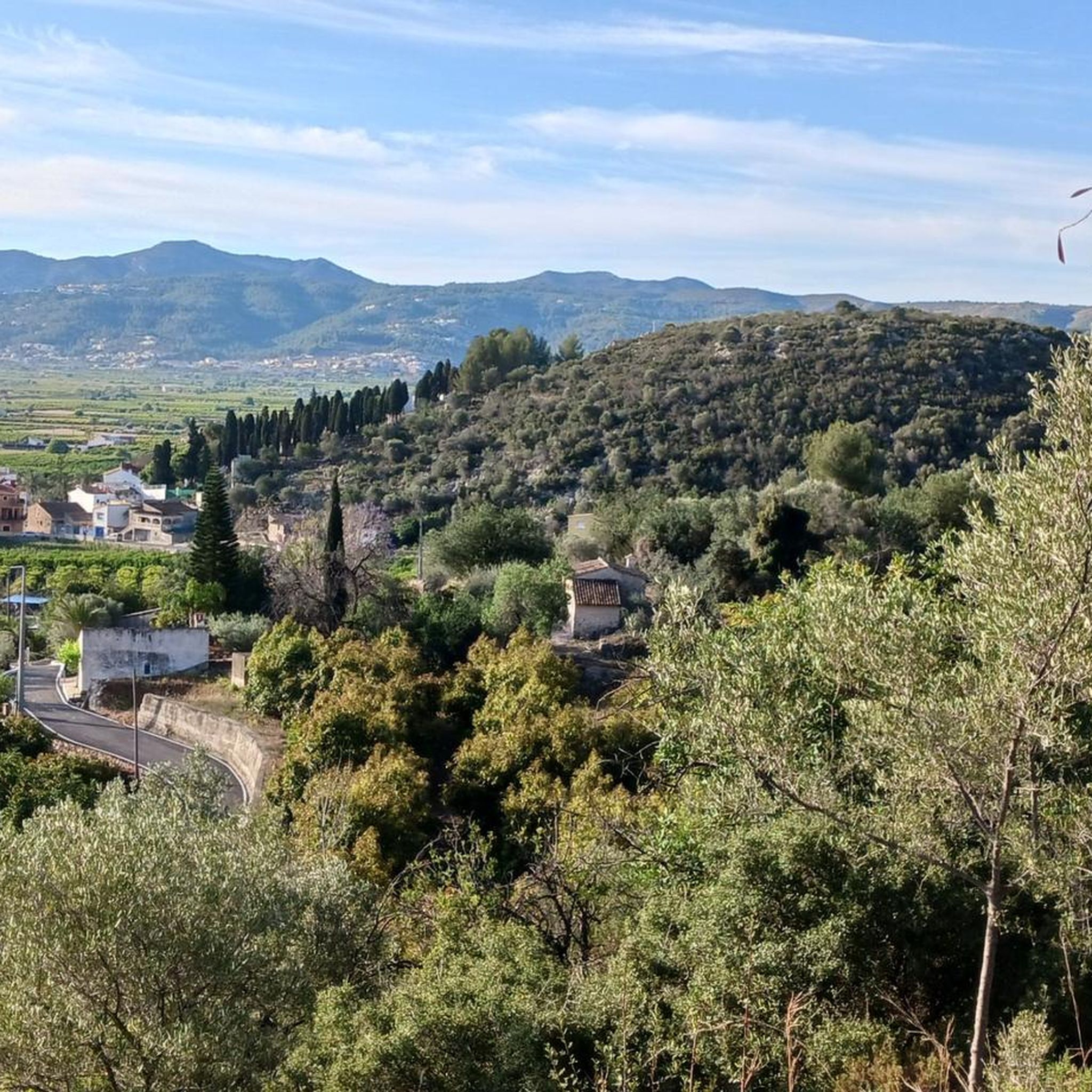
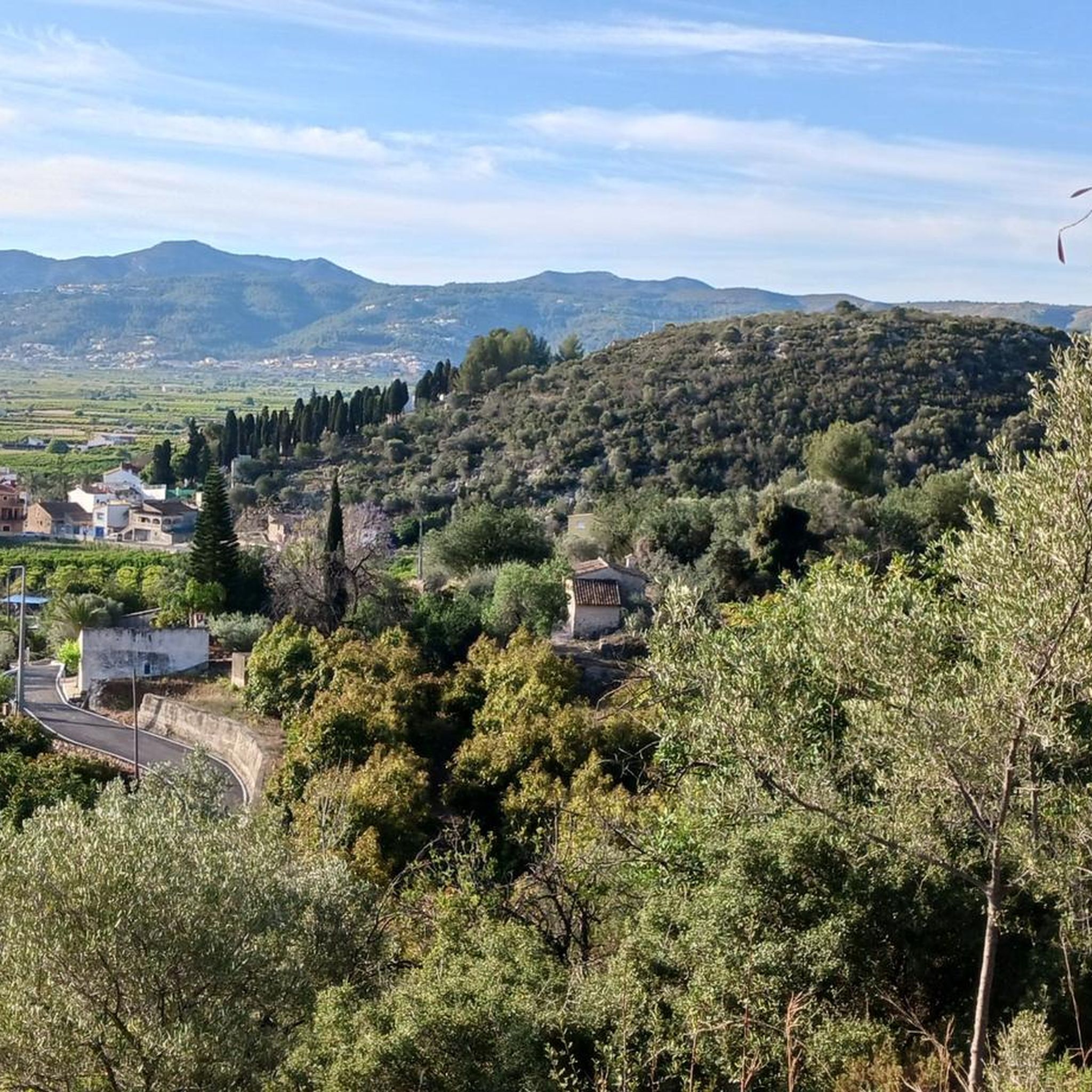
Touring cycling routes around El Ràfol D'Almúnia traverse a diverse landscape, situated at the base of the Sierra de Segària mountain range and within the River Girona valley. The region features a blend of mountainous terrain, fertile lowlands, and extensive orange groves. These varied elevations offer a range of cycling experiences, from gentle rides through agricultural areas to more challenging climbs into the hills. The nearby Pego-Oliva Marshes also provide a unique natural park environment for exploration.
Best touring cycling routes around El Ràfol D'Almúnia
- The most popular touring cycling route is Pego–Sagra Road – Vall d'Ebo Pass loop from Tormos, a difficult 18.8 miles (30.2 km) trail that takes 2 hours 15 minutes to complete. This route features significant elevation gain through the Vall d'Ebo Pass.
- Another top favourite among local touring cyclists is View of Marjal de Pego-Oliva – L'Atzúbia loop from el Ràfol d'Almúnia, a difficult 39.1 miles (62.9 km) path. This route offers views of the Pego-Oliva Marshes and passes through varied agricultural and natural landscapes.
- Local touring cyclists also love the L'Atzúbia – View of Marjal de Pego-Oliva loop from Urbanització L'Almúnia, a 31.0 miles (49.9 km) trail leading through the natural park area and surrounding villages, often completed in about 3 hours 27 minutes.
- Touring cycling around El Ràfol D'Almúnia is defined by scenic orange groves, the Sierra de Segària mountains, and the River Girona valley. The network offers options for different ability levels, from valley rides to challenging mountain ascents.
- The routes in El Ràfol D'Almúnia are highly rated by the komoot community with an average score of 4.5 stars from over 1,000 reviews. More than 28,000 touring cyclists have used komoot to explore El Ràfol D'Almúnia's varied terrain.
Last updated: June 26, 2026
1,972
riders
30.2km
02:15
730m
730m
Hard bike ride. Very good fitness required. Mostly paved surfaces. Suitable for all skill levels.
5.0
(2)
1,219
riders
63.5km
04:19
1,070m
1,070m
Hard bike ride. Very good fitness required. Mostly paved surfaces. Suitable for all skill levels.

Sign up for free
5.0
(1)
19
riders
65.9km
04:20
810m
810m
Hard bike ride. Very good fitness required. Mostly paved surfaces. Suitable for all skill levels.
4.7
(6)
41
riders
26.1km
01:46
330m
330m
Moderate bike ride. Good fitness required. Mostly paved surfaces. Suitable for all skill levels.
5.0
(3)
65
riders
74.3km
04:38
600m
610m
Hard bike ride. Very good fitness required. Mostly paved surfaces. Suitable for all skill levels.
Get access to more routes and recommendations from other explorers.
Sign up for free
Already have an account?
Our route recommendations are based on thousands of hikes, rides, and runs completed by other people on komoot.
Start today with a free account
Your next adventure awaits.
Login or Signup


Tips from the Community

From the bridge you have a beautiful view of the estuary, where the river meanders through reeds and dunes before flowing into the sea.
1
0

water levels can be deep and fast moving afters rains,caution!.
0
0
Forna is a small, very quiet village in the municipality of L’Atzúbia, in the hinterland of the Costa Blanca. It lies nestled in a hilly, Mediterranean landscape characterized by orange groves and unspoiled valleys. With fewer than one hundred inhabitants, the village has an almost familial atmosphere and has retained its traditional, rural character: narrow streets, whitewashed houses, and flowers adorning doorways. Above the village rises the impressive Castillo de Forna, a fortified palace dating from the late Middle Ages. Its towers and walls define the village's appearance and are a reminder of the region's Moorish past. Later, the castle served as a lord's residence and remains a central landmark of Forna. The village's history stretches far back, as the area was already settled during the Islamic period. Even after the resettlement of new inhabitants in the 17th century, Forna remained a small, agricultural village that has preserved its historical structure. Visitors to Forna will experience a tranquil and charming place. The tranquility, the surrounding nature and the immediate proximity to the mountains make it an ideal destination for anyone seeking an authentic atmosphere and historical architecture away from mass tourism.
1
0
At the mouth of the Río Molinell, which forms the border between Dénia and Oliva, a small bridge spans the river. It connects the coastal paths of both towns and provides cyclists and walkers with a convenient crossing away from the main roads. From here, a wide view opens up of the estuary, where the river winds its way through reed beds and dunes to the sea. The confluence of fresh and salt water is particularly impressive, creating a diverse landscape with a rich birdlife. For cyclists, the bridge provides a convenient crossing point for continuing their tour between Dénia and Oliva or for taking a short break.
2
0
From the paths along the Riu Nou de Racons in the Parc Natural de la Marjal, the ride continues towards the famous hot springs, the Font Salada. The cycle path leads through the vast plain of rice fields, lined with canals, reed beds, and small waterways that reflect the landscape. With every kilometer, you get closer to the spring, which lies on the edge of the park and has been used as a natural bathing spot for centuries. The route is flat and rich in natural experiences – an ideal combination of a leisurely bike ride through a culturally rich landscape and the destination of a special natural gem that invites you to rest and refresh yourself.
0
0

The eastern area of the marsh is more "wild" for enjoying nature by bike.
0
0
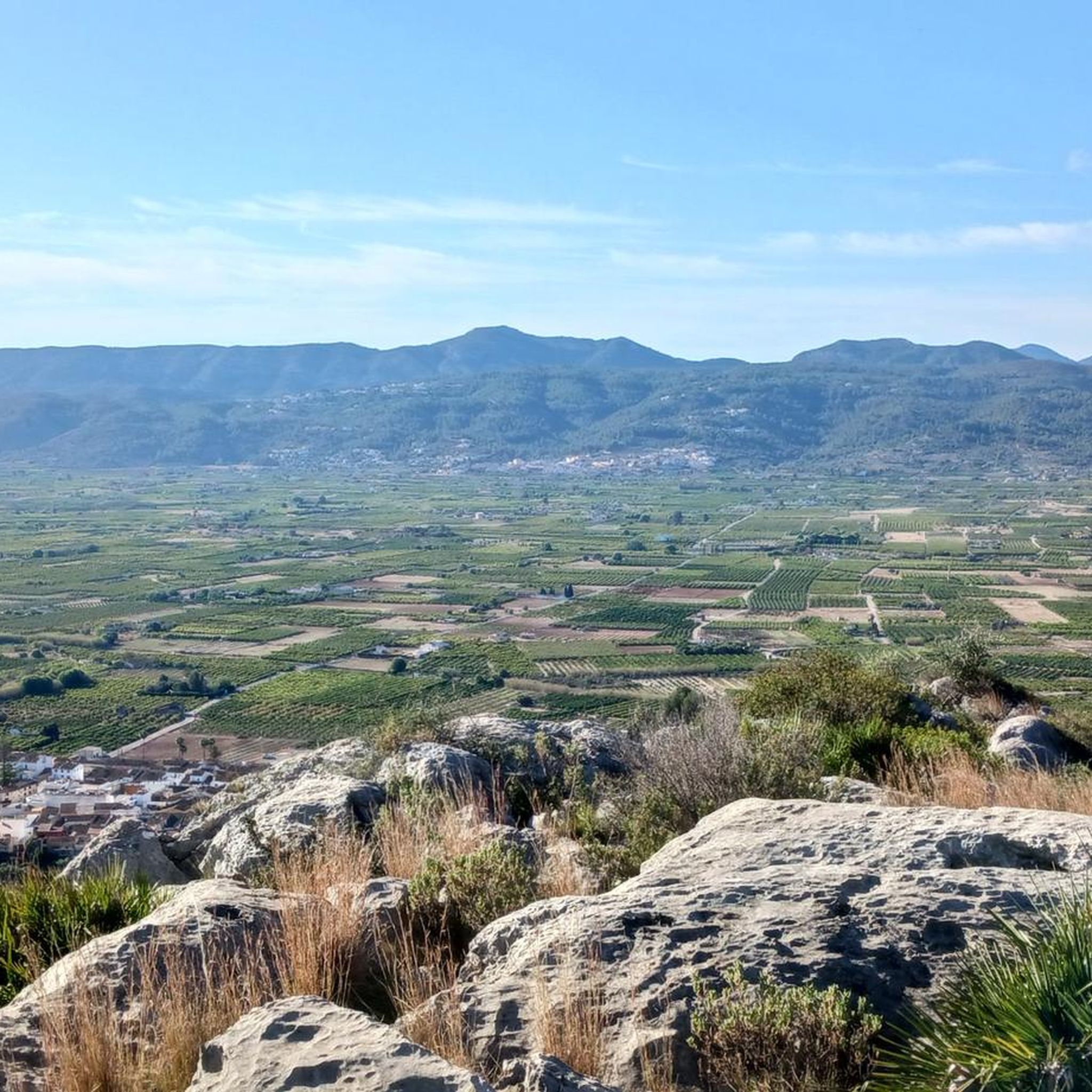
Beautiful views of the Marjal Pego-Oliva National Park.
0
0
Beautiful views of the Marjal Pego-Oliva National Park from a hilltop in the port of Sorell.
1
0
Frequently Asked Questions
How many touring cycling routes are available around El Ràfol D'Almúnia?
There are over 250 touring cycling routes around El Ràfol D'Almúnia, offering a wide variety of experiences. These include 123 easy routes, 70 moderate routes, and 66 difficult routes, catering to all skill levels.
What kind of landscapes can I expect to see while cycling around El Ràfol D'Almúnia?
The region offers a diverse landscape for touring cyclists. You'll ride through picturesque orange groves, along the scenic River Girona valley, and at the foot of the Sierra de Segària mountain range. The nearby Pego-Oliva Marshes also provide a unique natural park environment with wetlands and rice fields, offering a blend of agricultural and natural scenery.
Are there easy touring cycling routes suitable for beginners or families?
Yes, El Ràfol D'Almúnia offers over 120 easy touring cycling routes perfect for beginners or families. A particularly appealing option is the Dénia to Gandía Greenway, a well-maintained, flat cycleway following a former railway line through orange groves and fields, offering a less strenuous, scenic ride.
What are some challenging touring cycling routes for experienced riders?
For experienced cyclists seeking a challenge, the region provides routes with significant elevation gain. Consider the Pego–Sagra Road – Vall d'Ebo Pass loop from Tormos, which features substantial climbing through the Vall d'Ebo Pass. Another demanding option is the View of Marjal de Pego-Oliva – L'Atzúbia loop from el Ràfol d'Almúnia, which covers a longer distance with considerable ascents and offers views of the Pego-Oliva Marshes.
Are there any circular touring cycling routes in the area?
Yes, many routes in the area are circular, allowing you to start and end in the same location. For example, the L'Atzúbia – View of Marjal de Pego-Oliva loop from Urbanització L'Almúnia is a popular circular trail leading through the natural park area and surrounding villages.
What do other touring cyclists enjoy the most about touring cycling in El Ràfol D'Almúnia?
The touring cycling routes around El Ràfol D'Almúnia are highly rated by the komoot community, with an average score of 4.5 stars from over 1,000 reviews. Cyclists often praise the diverse terrain, from scenic orange groves to challenging mountain ascents, and the beautiful views of the Sierra de Segària and the Pego-Oliva Marshes.
Are there any scenic viewpoints or natural attractions along the touring cycling routes?
Absolutely. The region is rich in natural beauty. You can find scenic viewpoints overlooking the Pego-Oliva Marshes, and explore natural monuments like The Salty Spring or the Natural area of the "Font Salà". The Marjal de Pego-Oliva Natural Park itself is a significant attraction for nature lovers.
Can I combine my cycling trip with visits to other interesting places?
Yes, the area offers several attractions beyond cycling. You can explore the impressive Gallinera Valley, or visit historical sites like Juvees d'Alt. Further afield, but still within the surrounding area, are the beautiful Cova del Rull cave and the impressive Barranc de l'Infern (Hell's Ravine) in La Vall d'Ebo, known for its steep rock faces.
What is the best time of year for touring cycling in El Ràfol D'Almúnia?
The region generally enjoys a mild climate, making it suitable for cycling for much of the year. Spring and autumn offer pleasant temperatures, ideal for longer rides. Even winter can be a good time, as the weather remains relatively mild compared to many other European destinations, allowing for comfortable cycling through the orange groves.
Are there routes that pass through charming villages or offer opportunities for refreshments?
Many touring cycling routes in the area connect charming villages, providing opportunities to stop for refreshments. Routes like the Xaló – Velosol Café loop from Sagra are specifically designed to include stops at local cafes, allowing you to experience the local culture and cuisine.
Are there any very long touring cycling routes for multi-day trips or endurance training?
For those looking for longer rides or endurance training, the region offers extensive routes. The Castell de Castells – La Vall Viewpoint loop from Benimeli is a challenging route over 112 km (70 miles) with significant elevation gain, perfect for a full day's adventure or as part of a multi-day itinerary.
Most popular routes around El Ràfol D'Almúnia
Most popular attractions around El Ràfol D'Almúnia

Get inspired with the komoot mobile app


Explore more
Browse the best Cycling routes in other regions.
