The best cycling routes around Tormos
4.3
(942)
26,846
riders
187
rides
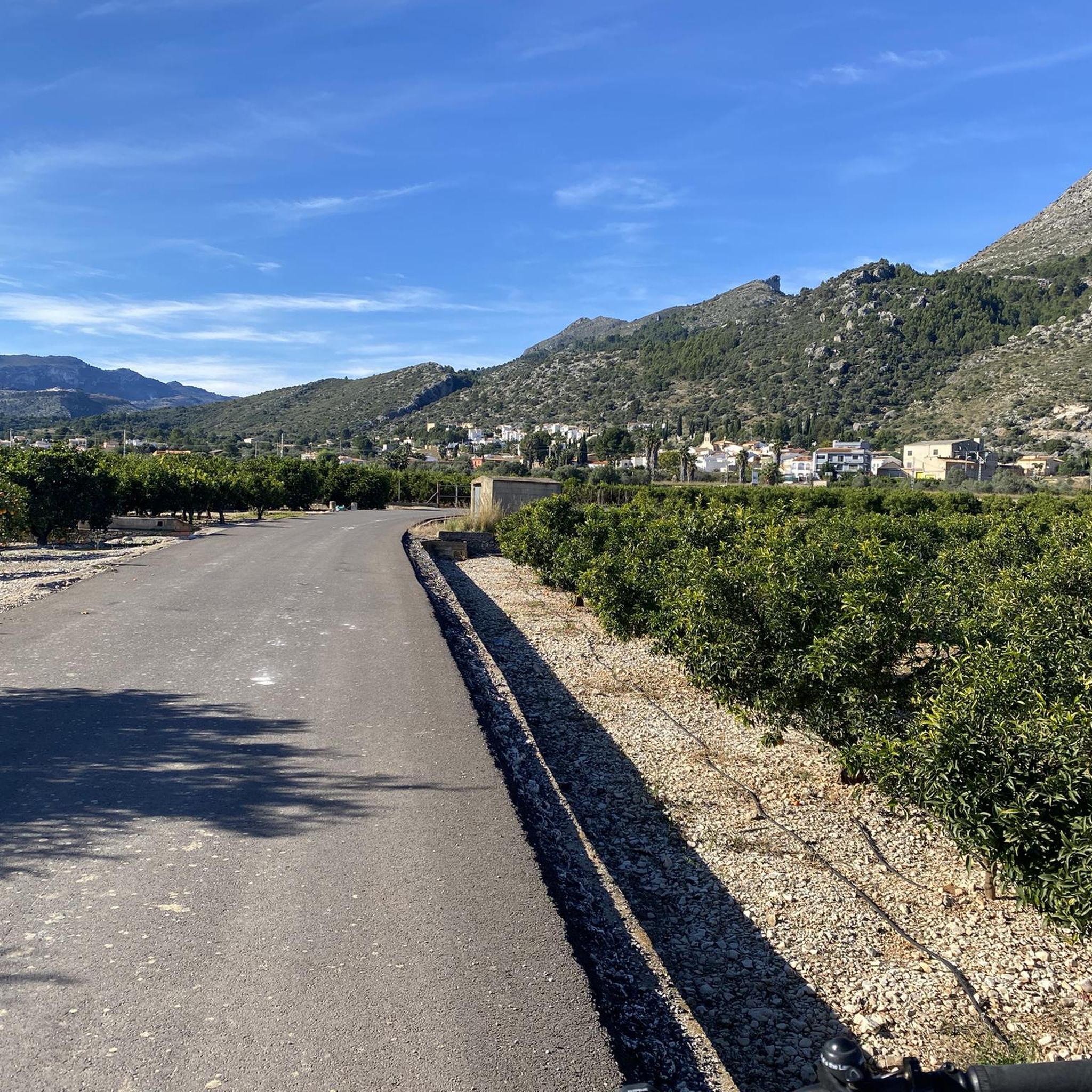
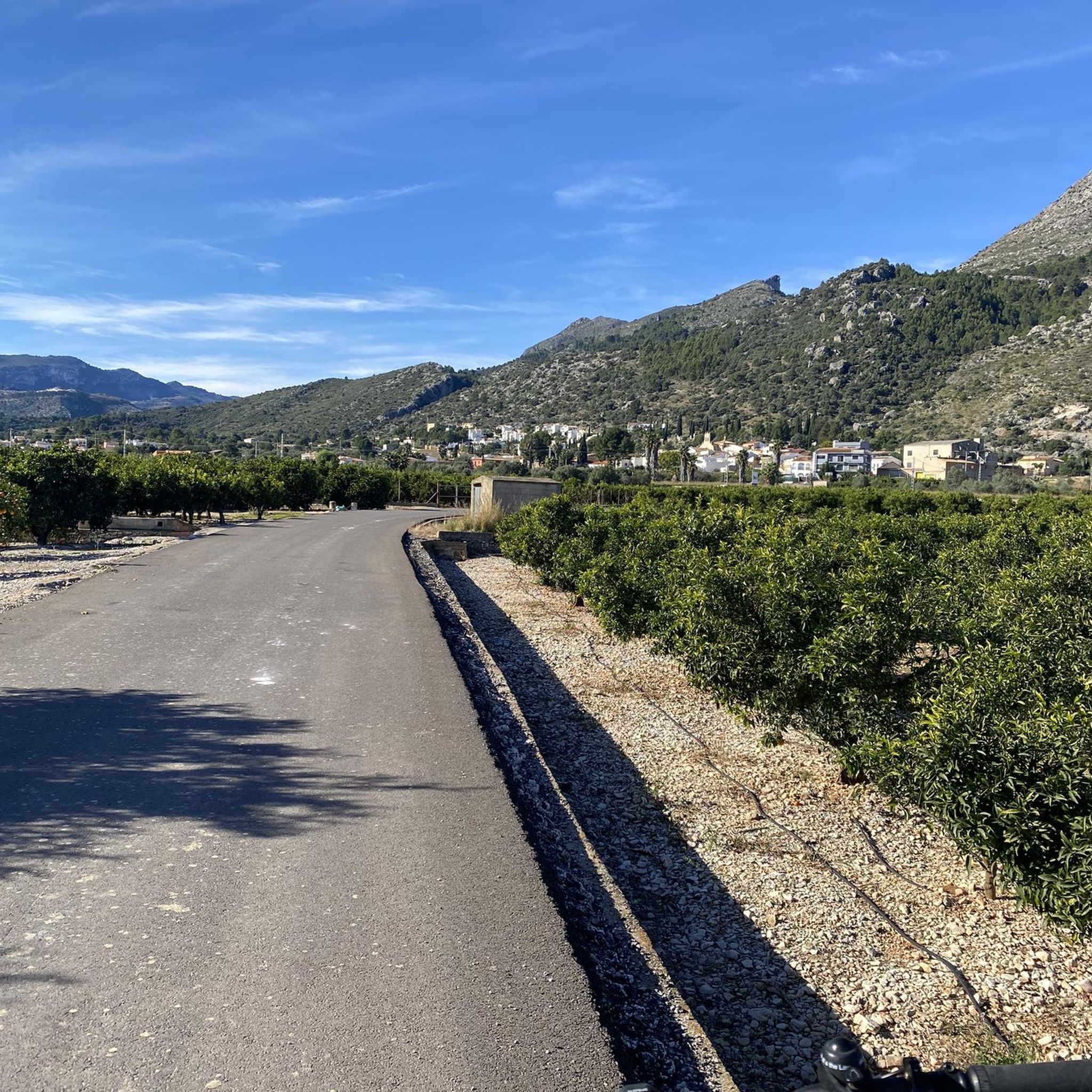
Touring cycling routes around Tormos are situated in the Marina Alta sub-region of Spain, at the foot of the Sierra del Recingle, flanked by the Caval and Migdía mountains. The landscape features extensive orange groves and a Mediterranean ecosystem with olive and almond trees. This varied terrain offers a mix of agricultural lands and mountain backdrops, providing diverse cycling experiences. The region's proximity to the coast also adds another dimension to its outdoor offerings.
Best touring cycling routes around Tormos
…Last updated: August 20, 2026
1,993
riders
30.2km
02:15
730m
730m
Hard bike ride. Very good fitness required. Mostly paved surfaces. Suitable for all skill levels.
5.0
(2)
1,234
riders
63.5km
04:19
1,070m
1,070m
Hard bike ride. Very good fitness required. Mostly paved surfaces. Suitable for all skill levels.

Sign up for free
5.0
(1)
19
riders
65.9km
04:20
810m
810m
Hard bike ride. Very good fitness required. Mostly paved surfaces. Suitable for all skill levels.
3.0
(1)
29
riders
70.3km
04:57
1,290m
1,290m
Hard bike ride. Very good fitness required. Mostly paved surfaces. Suitable for all skill levels.
4.0
(3)
56
riders
47.3km
03:00
490m
490m
Hard bike ride. Very good fitness required. Mostly paved surfaces. Suitable for all skill levels.
Get access to more routes and recommendations from other explorers.
Sign up for free
Already have an account?
Our route recommendations are based on thousands of hikes, rides, and runs completed by other people on komoot.
Start today with a free account
Your next adventure awaits.
Login or Signup

Tips from the Community

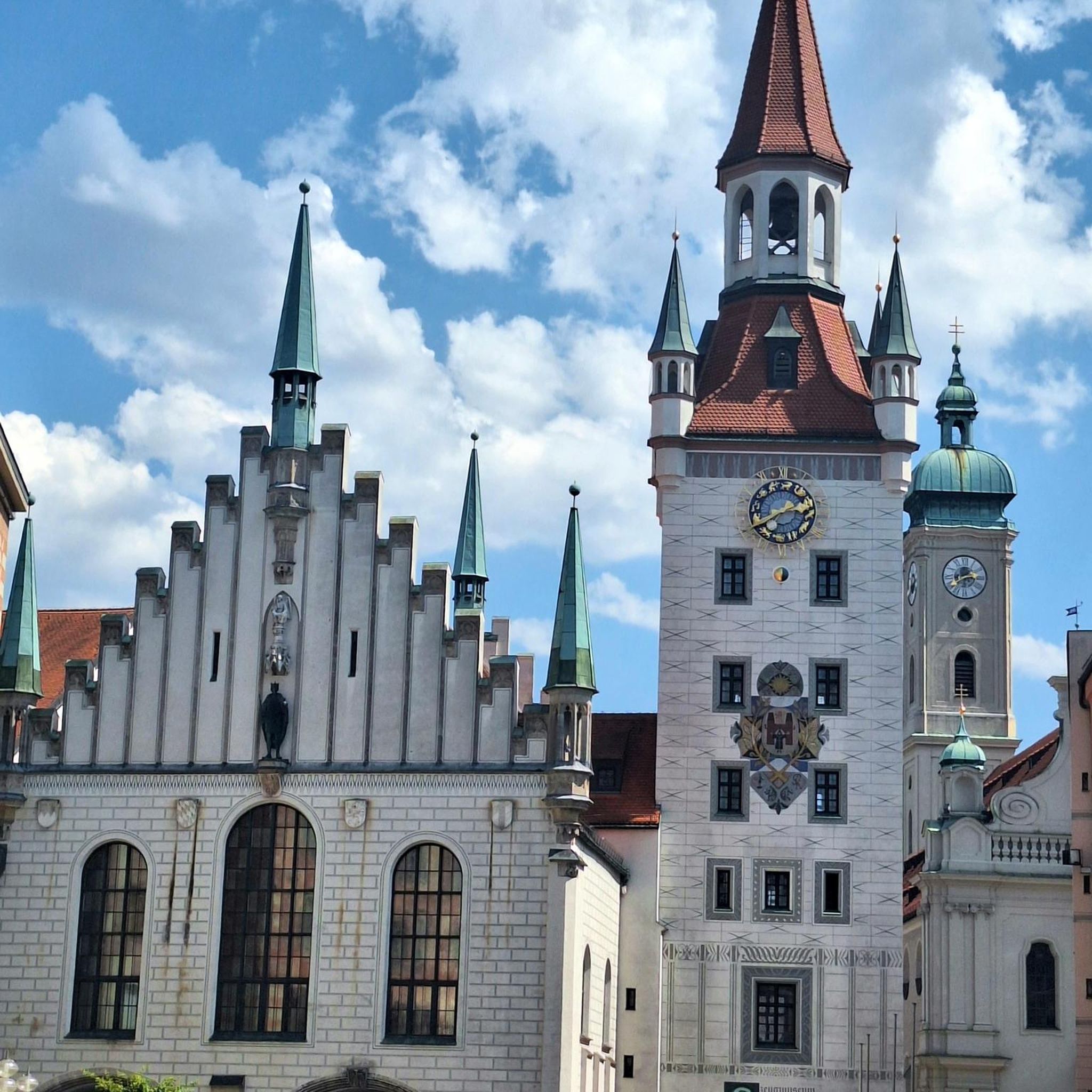
The building complex consists of a former Franciscan monastery and the associated church, which is dedicated to the Holy Family. The complex was built towards the end of the 19th century. The church is built in the neo-Gothic style and is characterized by pointed arches, high windows and a striking bell tower. Surrounded by the tranquil landscape of the Marina Alta, the place is today both a religious center and an interesting historical building in the region.
0
0
From the paths along the Riu Nou de Racons in the Parc Natural de la Marjal, the ride continues towards the famous hot springs, the Font Salada. The cycle path leads through the vast plain of rice fields, lined with canals, reed beds, and small waterways that reflect the landscape. With every kilometer, you get closer to the spring, which lies on the edge of the park and has been used as a natural bathing spot for centuries. The route is flat and rich in natural experiences – an ideal combination of a leisurely bike ride through a culturally rich landscape and the destination of a special natural gem that invites you to rest and refresh yourself.
0
0

The eastern area of the marsh is more "wild" for enjoying nature by bike.
0
0
Beautiful views of the Marjal Pego-Oliva National Park.
0
0
Beautiful views of the Marjal Pego-Oliva National Park from a hilltop in the port of Sorell.
1
0

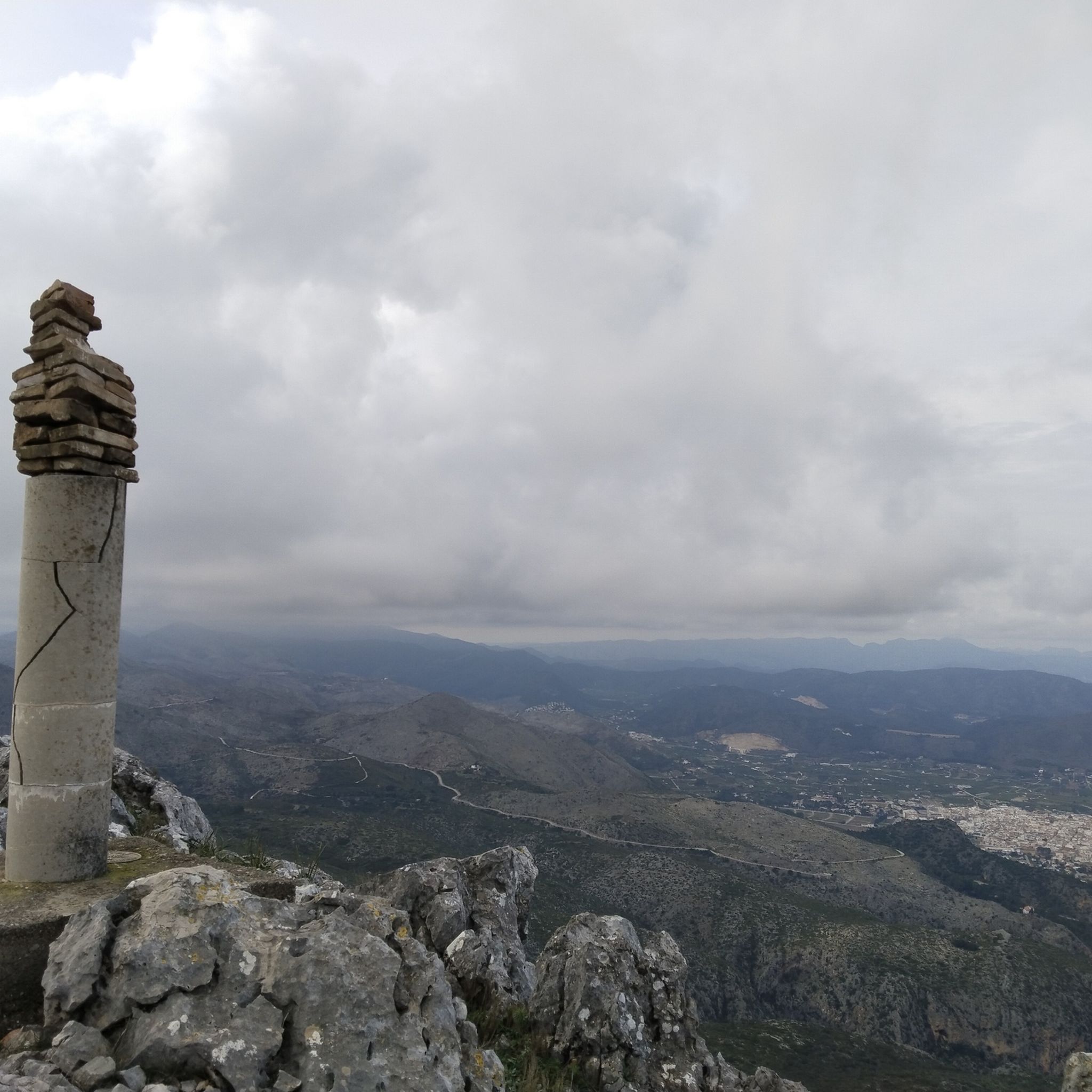
Just off the road between Sagra and Pego, the small turnoff toward Vall d’Ebo leads into one of the most beautiful and tranquil climbs in the Costa Blanca mountains. It may not be famous outside of cycling circles — but pros know it well: Tadej Pogačar holds the Strava KOM on this climb. From the Pego side, the ascent runs for about 8 km, gaining 400 metres at a steady average of 5%. The road is smooth, quiet, and beautifully engineered — with a flowing rhythm and wide, elegant curves. The landscape is peaceful and wild, with cliffs, pines, and far-reaching views. At the top, just before you descend into Vall d’Ebo, you’re rewarded with a spectacular view in both directions: looking back, the coastline and the Mediterranean Sea; looking ahead, the lush green valley of Vall d’Ebo, framed by rugged ridges and rocky outcrops. It’s a rare and stunning double panorama. If you continue past the village, you can create a magnificent loop via Pla de Petracos, riding through remote canyons and ancient rock formations before descending into Benigembla and back to the Vall de Pop. If you're riding from Vall d’Ebo toward Pego, the climb is shorter — about 3 km at 6% — but still very scenic, especially as you rise above the valley with dramatic views behind you. Vall d’Ebo may be quiet, but it’s world-class: pure road, total calm, and the kind of climb you’ll want to ride again and again.
3
1
The road from Pego to Sagra is a hidden gem for cyclists. With almost no traffic, it winds gently upward through shaded sections and rolling gradients — never too steep, but always engaging. Perfect for finding rhythm after the descent from Port de Sorell, this stretch offers a rare mix of quiet, flow, and relief from the sun on hot days.
0
2

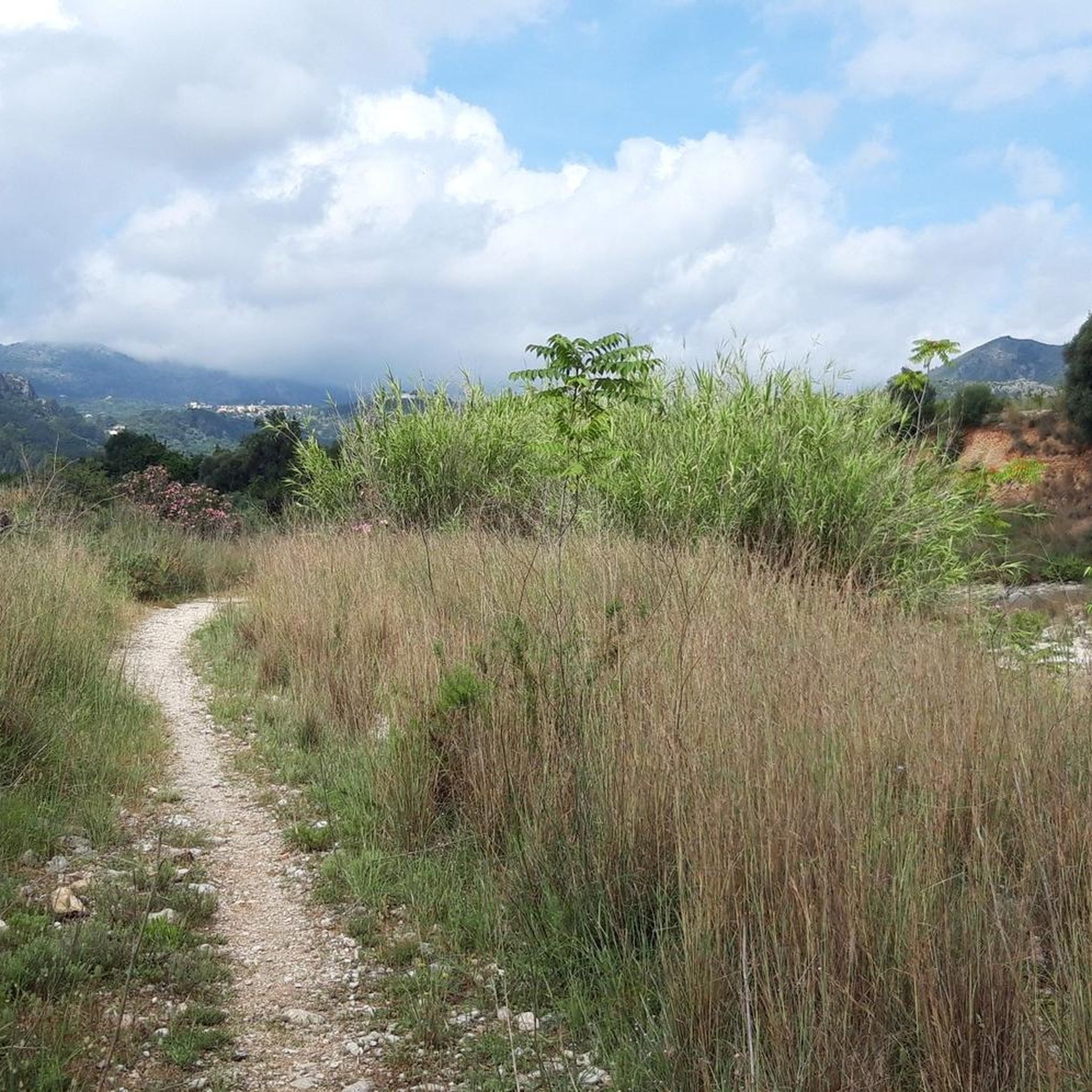
Gorgos Cat, from the Village of the Korbflechter.
0
0
Frequently Asked Questions
How many touring cycling routes are available around Tormos?
There are over 190 touring cycling routes available around Tormos, offering a wide variety of options for different skill levels. These include 78 easy, 55 moderate, and 58 difficult routes.
What is the best time of year for touring cycling in Tormos?
Tormos enjoys a mild climate with approximately 320 days of sunshine annually, making the winter months particularly ideal for touring cycling. Spring and autumn also offer pleasant conditions for exploring the region's landscapes.
Are there any easy, family-friendly touring cycling routes in Tormos?
Yes, Tormos offers several easy, paved paths suitable for all skill levels, including families. A notable option is the Vía Verde de Dénia, a flat, traffic-free cycle path that follows a former railway line through orange groves. While not directly starting in Tormos, routes like Mural in Els Poblets – Via Verde de Dénia loop from Orba incorporate sections of this scenic greenway.
What kind of scenery can I expect on touring cycling routes around Tormos?
The routes around Tormos offer diverse scenery, from extensive orange groves and Mediterranean ecosystems with olive and almond trees to dramatic mountain backdrops provided by the Sierra del Recingle, Caval, and Migdía mountains. Some routes also provide expansive views of natural parks like the Marjal de Pego-Oliva.
Are there challenging routes for experienced touring cyclists?
Absolutely. Tormos is well-regarded for its more rigorous cycling options. Routes like Pego–Sagra Road – Vall d'Ebo Pass loop from Tormos and View of Marjal de Pego-Oliva – L'Atzúbia loop from el Ràfol d'Almúnia present significant elevation gains and are classified as difficult, suitable for very good fitness levels.
What are some notable landmarks or attractions to see along the cycling routes?
Cyclists can encounter several interesting points. The Vall d'Ebo Pass is a significant feature on some challenging routes. The Coll de Rates is another well-known mountain pass in the vicinity. You might also pass by the Pego–Sagra Road, known for its scenic views.
Are there any circular touring cycling routes around Tormos?
Yes, many touring cycling routes around Tormos are designed as loops, allowing you to start and end in the same location. Examples include the challenging Mural of the Cyclist of Senija – Xaló loop from Benidoleig, which takes you through the Xaló valley, and Xaló – Velosol Café loop from Sagra.
What do other touring cyclists enjoy most about cycling in Tormos?
The touring cycling routes in Tormos are highly rated by the komoot community, with an average score of 4.5 stars from over 780 reviews. Cyclists often praise the diverse terrain, from fragrant orange groves to challenging mountain backdrops, and the tranquility of the region.
Are there opportunities to combine cycling with other outdoor activities?
Yes, the region around Tormos is also a hub for hiking, with trails leading to a cave overlooking the coastline. The nearby coast offers stunning blue flag beaches and marine reserves like Les Rotes for snorkeling or diving. Historical attractions such as Castell de Guadalest and the Castle of Denia are also within reach, making it easy to combine cycling with cultural exploration.
Can I find cafes or resting spots along the cycling routes?
The region has a welcoming culture for cyclists, with establishments historically serving as popular resting spots. While specific cafes vary by route, the presence of villages and towns along many routes means you can often find places to refuel and rest. The Xaló – Velosol Café loop from Sagra even highlights a specific cafe in its name.
Most popular attractions around Tormos

Get inspired with the komoot mobile app


Explore more
Browse the best Cycling routes in other regions.
