Attractions and Places To See around Paterna Del Campo - Top 11
Best attractions and places to see around Paterna Del Campo, a town in Huelva, Spain, offers a blend of historical landmarks and natural landscapes. The region has a rich history, with influences from the Metal Ages, Tartessians, Romans, and Muslims. It features fertile countryside, forested mountains, and significant archaeological sites. This area provides diverse points of interest for visitors.
Best attractions and places to see around Paterna Del Campo
- The most popular attractions is Plaza de España - La Palma…
Last updated: June 29, 2026
Plaza de España - La Palma del Condado
Highlight • Settlement
Translated by Google •
Tip by

Gadea Bridge, Riotinto
Highlight • Bridge
Translated by Google •
Tip by
Sign up now to discover places like this
Get recommendations on the best single tracks, peaks, & plenty of other exciting outdoor places.
Sign up for free
The Osbourne Ox
Highlight • Monument
Tip by

Hermitage of Our Lady of Sorrows, Villarrasa
Highlight • Religious Site
Translated by Google •
Tip by

Church of Saint Bartholomew
Highlight • Religious Site
Translated by Google •
Tip by
Sign up for free to discover even more attractions around Paterna Del Campo.
Sign up for free
Already have an account?
Start today with a free account
Your next adventure awaits.
Login or Signup
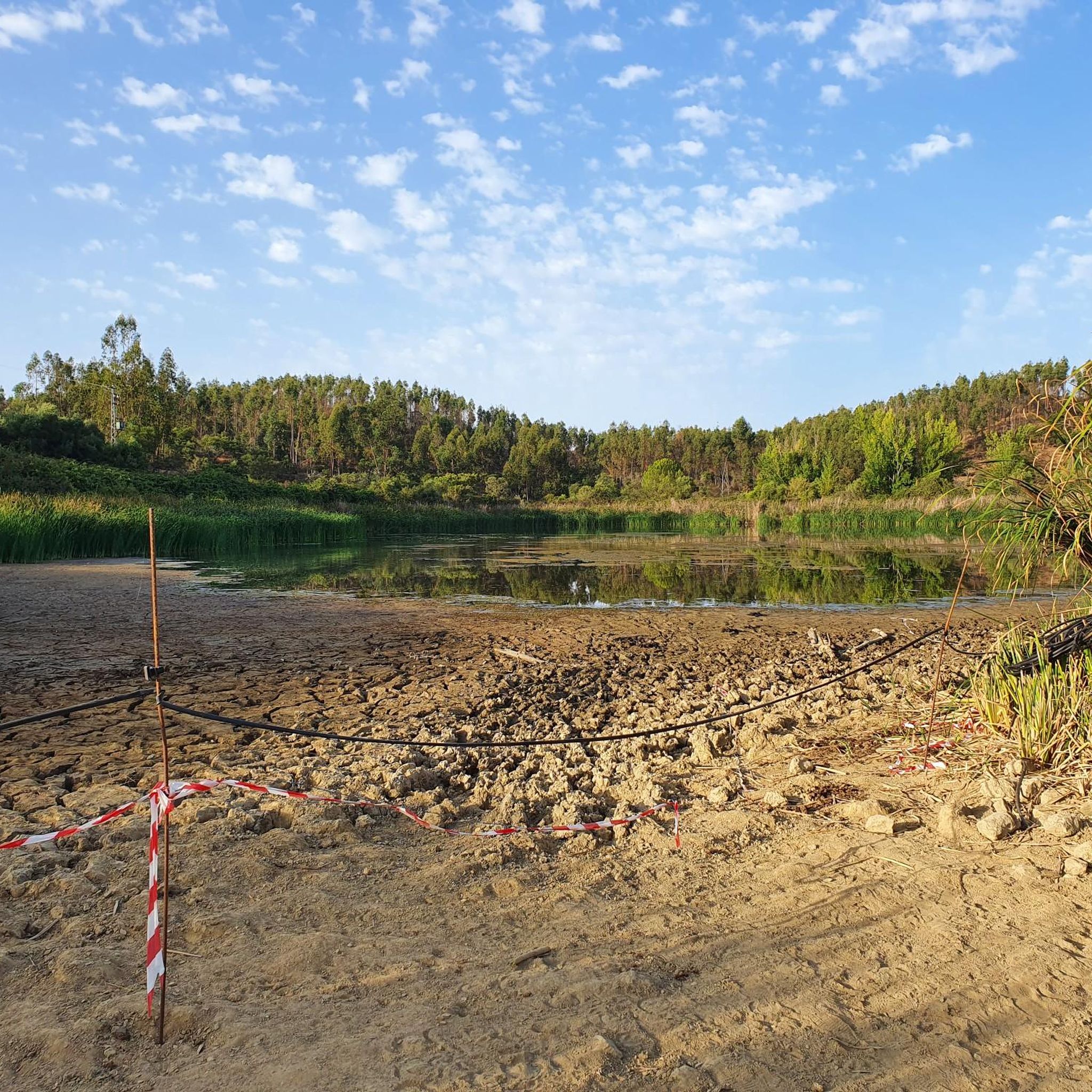
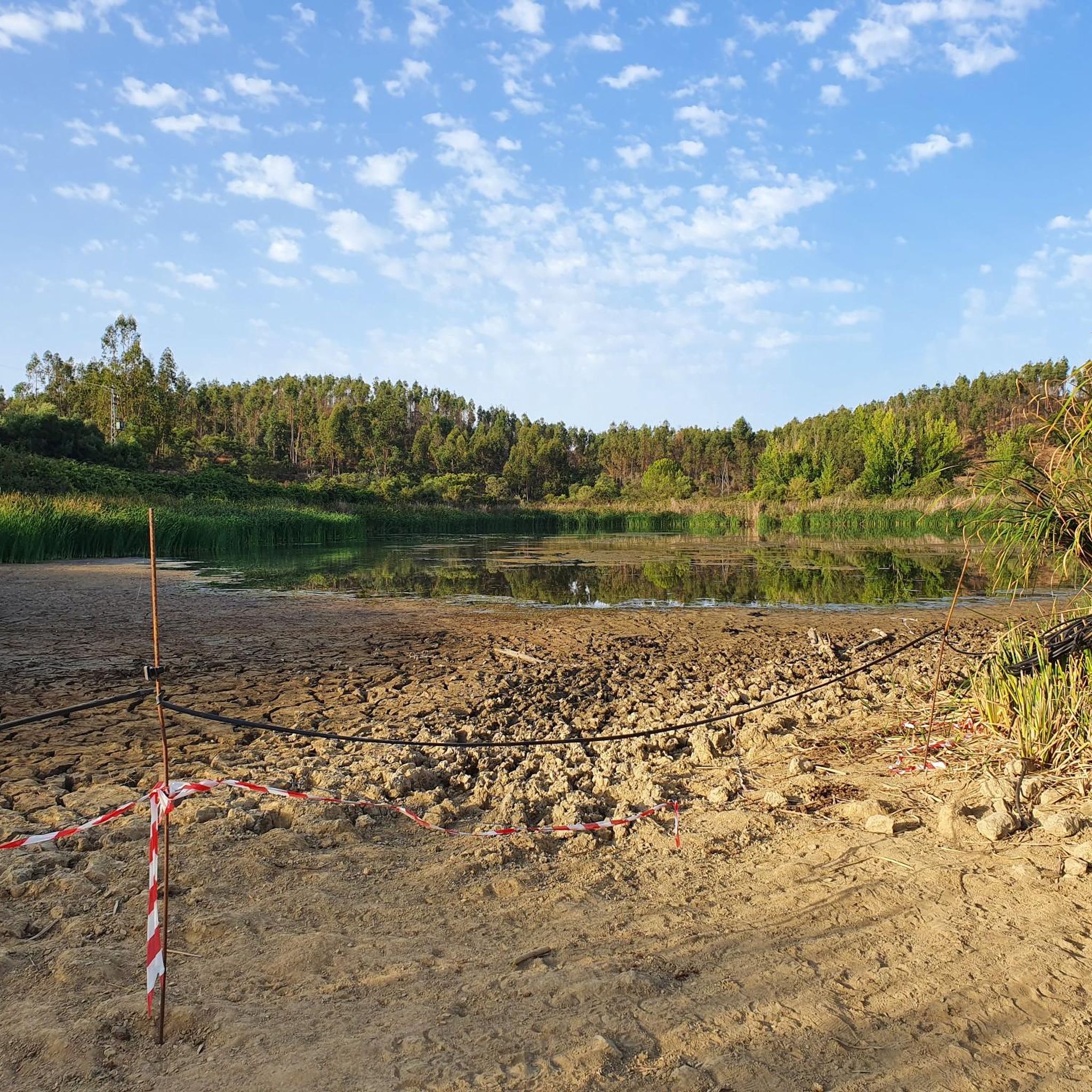
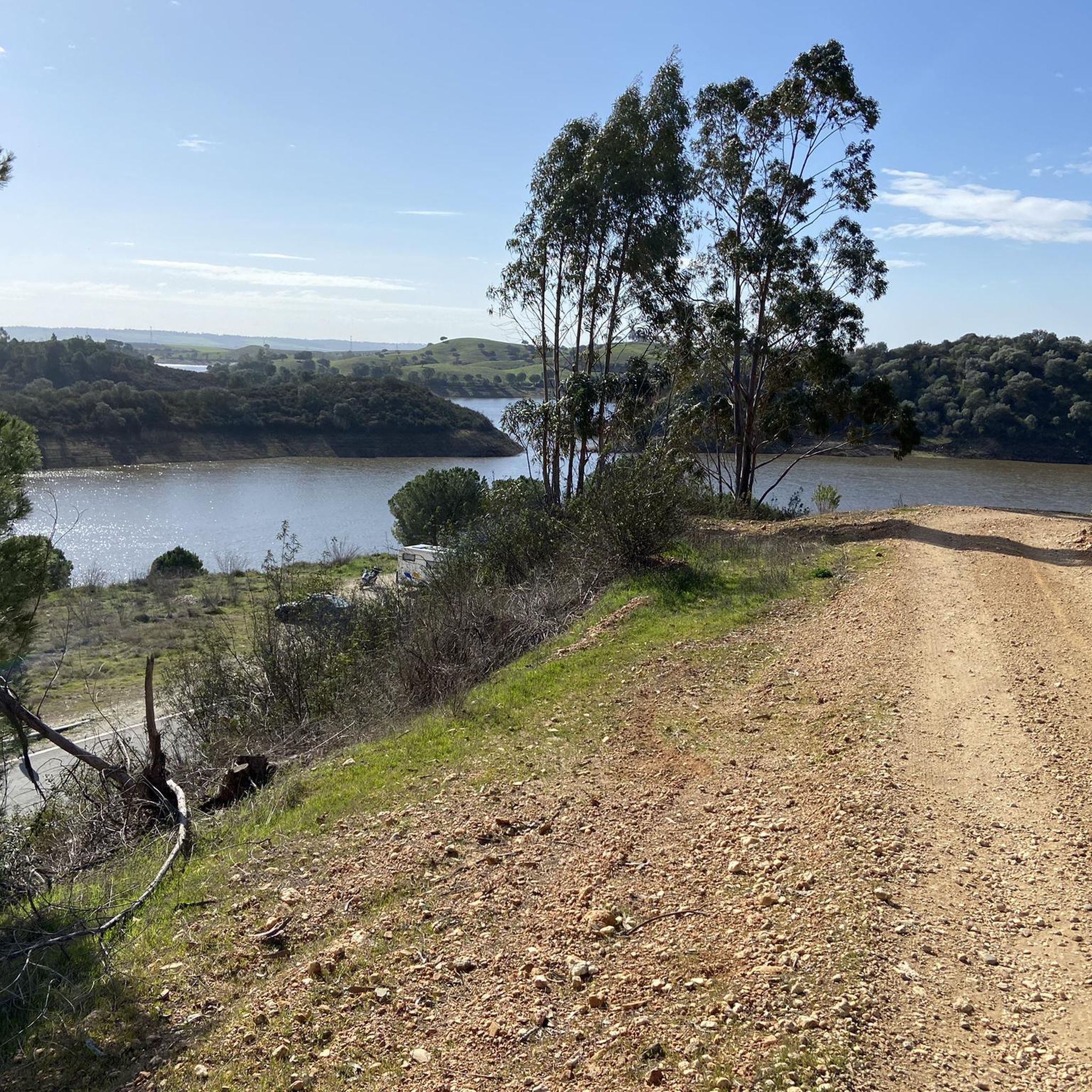
Tips from the Community

Iconic silhouette along the old Camino de Sevilla, the brand icon of excellent liquor is so large, that it is still easily noticeable from the newer paved highway.
0
0

The Plaza de España in La Palma del Condado is an emblematic and central place in this charming town in the province of Huelva. Surrounded by historic buildings and with a vibrant atmosphere, it is a popular meeting point for both locals and visitors. In this square, you can find the Parish Church of San Juan Bautista, one of the most representative churches of the 18th century Sevillian Baroque style. In addition, the square is close to other points of interest such as the Convent of Our Lady of Carmen and the Old Town Hall.
3
0

It is a route without many complications, it can be done as a family.
0
0

It is a church registered in an old Almohad fortress that was declared an Asset of Cultural Interest in 1931. It is undoubtedly the most outstanding monument in Villalba del Alcor.
1
0
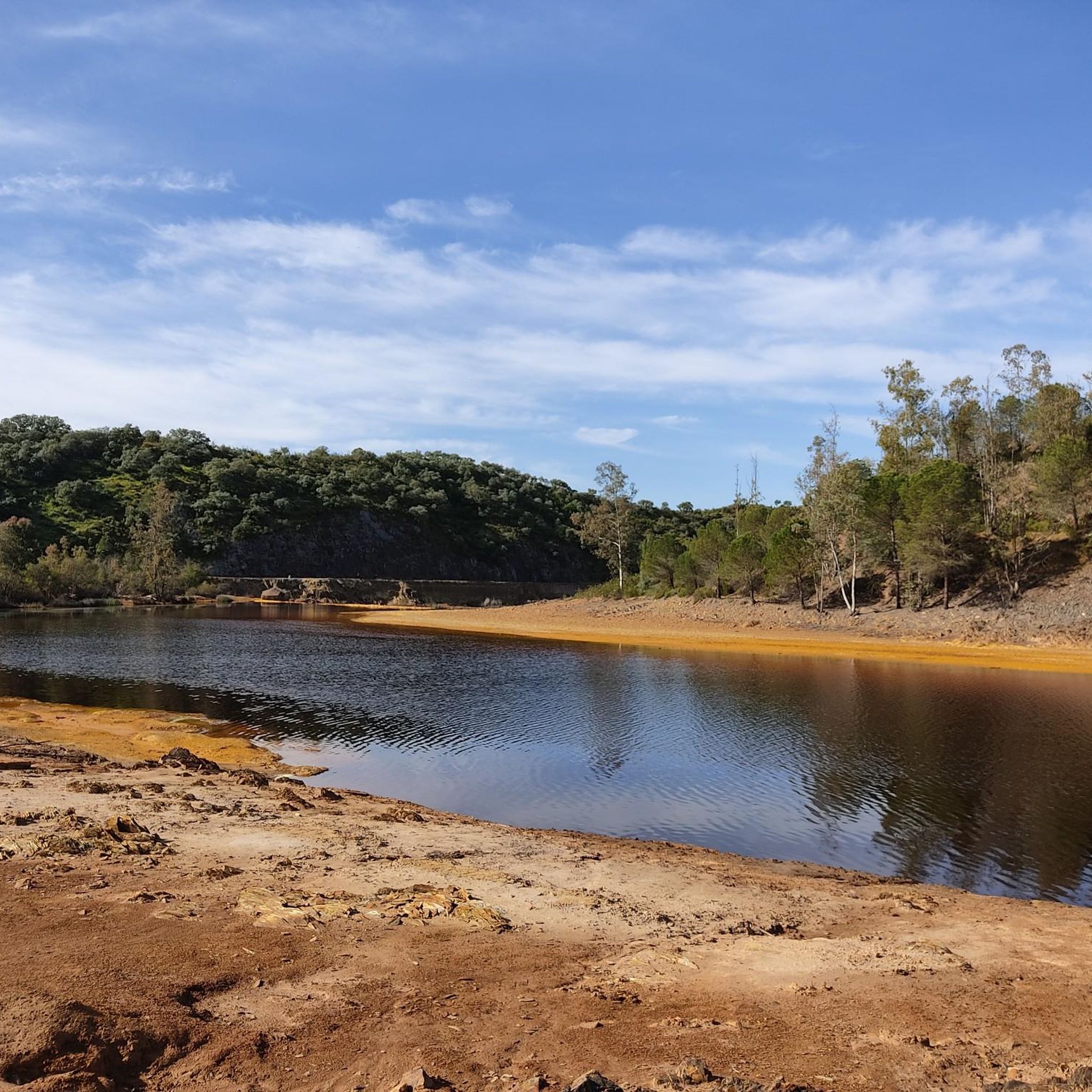
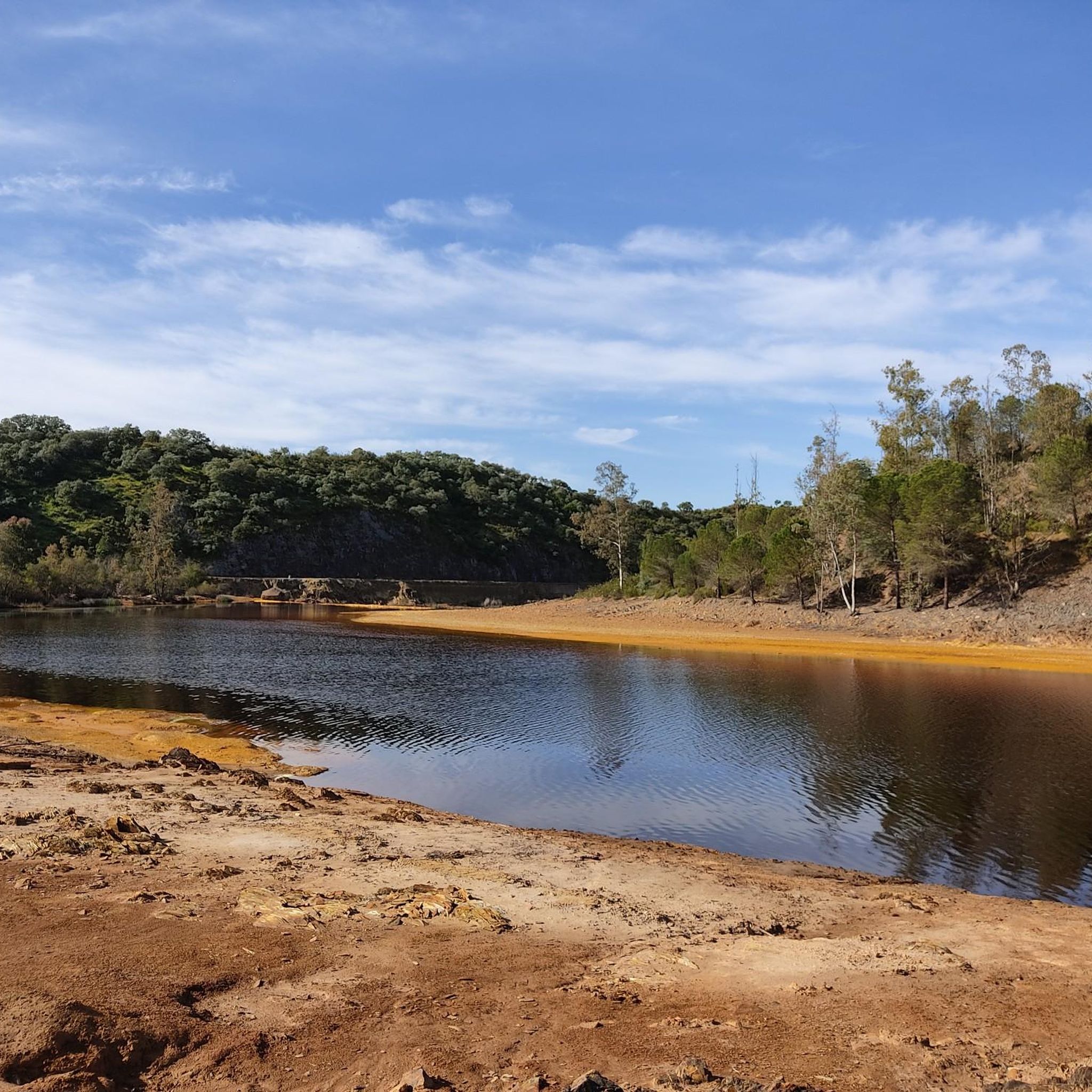
Villarrasa is a place where a multitude of cultures have taken place. Carthaginians, Romans, Visigoths and Muslims have left their mark in their wake. There are numerous religious buildings, but the oldest is the hermitage of Nuestra Señora de las Angustias, in which Mudejar, Renaissance and Baroque elements coexist. There are also beautiful meadows and natural landscapes such as "Clarina", "Huerto del Hambre" and "Gadea", unique for the color that the waters of the Tinto River give it.
1
0
A place of crosses between Seville and the Portuguese Algarve. It has a monumental artistic and literary past and magnificent brandies, vinegars and wines are produced here.
1
0
A Church incomparable with none in the province and full of history. Its Mudejar style stands out, since in the 13th century it was formerly a fortress of the Taifa de Niebla Kingdom.
1
0

This imposing engineering work was built in 1935 and played a fundamental role in communicating the towns of the County with Andévalo and the Sierra.
3
0
Frequently Asked Questions
What historical sites can I explore in and around Paterna del Campo?
Paterna del Campo is rich in history. You can visit the ancient Castillo del Alpízar, an Almohad fortress from the 11th century believed to be built on a Roman villa. Other notable historical structures include the Casa de la Cilla, designed to collect tithes, a reconstructed Acueducto Romano in the "Colina Verde" neighborhood, and La Fontanilla, an 11th-century artificial water source of Arab origin. The broader region also features significant archaeological vestiges from Tartessian and Roman cultures.
Are there any significant religious buildings to visit in the area?
Yes, Paterna del Campo and its surroundings host several important religious sites. The Iglesia Parroquial de San Bartolomé, built on an ancient mosque, features a 16th-century image of San Bartolomé and a Mudéjar-style "Puerta del Perdón." You can also visit various chapels like the Neoclassical Capilla de Nuestro Padre Jesús del Gran Poder and the Baroque-style Capilla de la Santa Cruz de la Victoria. Further afield, don't miss the Church of Saint Bartholomew in Villalba del Alcor, registered in an old Almohad fortress, or the Church of Our Lady of the Purification, known for its beautiful tower.
What natural attractions are there near Paterna del Campo?
The area offers diverse natural beauty. Explore El Chorrito, a humid spot with freshwater springs and dense vegetation, or the Acebuchal del Alpízar, known for its wild olive trees and varied landscapes. The wider region includes the unique Río Tinto Protected Landscape, famous for its reddish waters, and the fertile plains fed by streams flowing into the Hardachón River, surrounded by a mountainous area with significant forest resources.
Can I find family-friendly activities or attractions in the area?
Yes, several attractions are suitable for families. The Plaza de España - La Palma del Condado is a vibrant social center surrounded by unique buildings, perfect for a leisurely stroll. The Gadea Bridge, Riotinto, offers an easy route that can be enjoyed as a family. Many of the religious buildings, such as the Hermitage of Our Lady of Sorrows, Villarrasa, and the Church of Saint Bartholomew, are also considered family-friendly historical sites.
What kind of outdoor activities can I do around Paterna del Campo?
The region around Paterna del Campo is excellent for outdoor enthusiasts. You can enjoy hiking, cycling, horseback riding, or off-road vehicles in the dense mountainous region around the Corumbel River basin. For specific routes, check out the hiking routes around Paterna del Campo or the cycling routes around Paterna del Campo.
Are there hiking opportunities near Paterna del Campo?
Absolutely! There are several hiking opportunities. You can explore trails like "On the banks of the Riotinto along the old railway" (moderate, 9 km), "Villarrasa - Gadea Bridge over the Tinto River" (moderate, 10 km), or the longer "Corumbel Reservoir Route from Villalba" (moderate, 19 km). For more options, visit the hiking guide for Paterna del Campo.
What makes the landscape around Paterna del Campo unique?
The landscape is a captivating blend of fertile countryside, dedicated to cereals, olives, and vineyards, and lush forested mountains. This diverse terrain is shaped by the Arroyo de Tejada and the Corumbel River basin, offering picturesque views and a rich ecosystem. The presence of the unique Río Tinto Protected Landscape, with its distinct reddish waters, further adds to the area's natural allure.
What do visitors particularly enjoy about the attractions near Paterna del Campo?
Visitors frequently praise the historical depth and architectural beauty of the region. The Plaza de España - La Palma del Condado is often highlighted as one of the most beautiful in Huelva, perfect for enjoying sunsets. The Church of Saint Bartholomew in Villalba del Alcor is admired for its unique fortress-like appearance and historical significance. The engineering marvel of the Gadea Bridge, Riotinto, is also appreciated for its historical role and accessibility for families.
What is the best time of year to visit Paterna del Campo for sightseeing?
The best time to visit Paterna del Campo for sightseeing and outdoor activities is generally during the spring (March to May) and autumn (September to November). During these seasons, the weather is typically mild and pleasant, ideal for exploring historical sites, natural areas, and enjoying hiking or cycling without the intense heat of summer.
Are there cycling routes available near Paterna del Campo?
Yes, there are numerous cycling routes for various skill levels. You can find challenging road cycling routes like "La Palma del Condado - Río Tinto Loop" (73 km) or "El Madroño – El Berrocal Viewpoint loop from La Palma del Condado" (99 km). For touring bicycles, options include "Torre del Agua Geodetic Vertex – Cejo Watchtower loop from Escacena" (86 km). Explore more options in the cycling guide and road cycling routes guide for Paterna del Campo.
Where can I experience the local culture and gastronomy of Paterna del Campo?
Paterna del Campo's local culture is deeply rooted in its history and traditions, often centered around its religious sites and community gatherings. The town hall (Ayuntamiento) is a central contemporary building reflecting local governance. For gastronomy, you can savor traditional dishes made from local produce, such as migas, caldereta, gazpacho, and chickpea stews. Don't forget to try local sweets like roscos de vino y huevo and pestiños.
Are there any ancient Roman or Tartessian remains to see?
Yes, the area surrounding Paterna del Campo, particularly the Campo de Tejada, is rich in archaeological vestiges. You can see the reconstructed Acueducto Romano and the remains of ancient Roman baths at Fuente de los Frailes. The Castillo del Alpízar is also believed to have been built on a Roman villa. The broader region was home to Tejada la Vieja, an important Tartessian commercial and metallurgical center, indicating a deep history of ancient settlements.
Most popular routes around Paterna Del Campo

Get inspired with the komoot mobile app


Explore more
Still not found the Highlight you’re looking for? See guides of the top attractions in other regions:
