Attractions and Places To See around Santiponce - Top 20
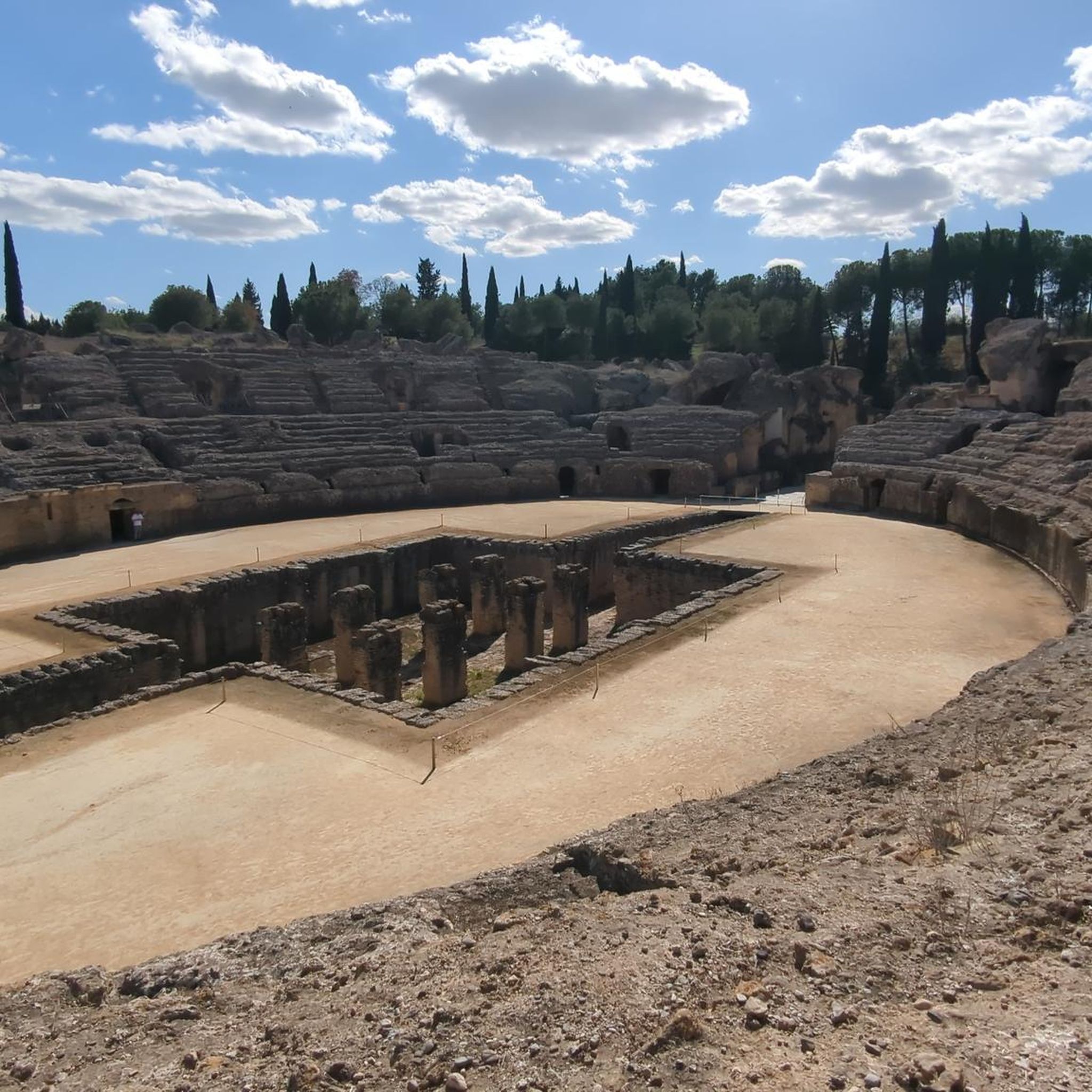
Best attractions and places to see around Santiponce include significant historical sites and cultural landmarks. Located near Seville, the town is primarily known for its Roman heritage, particularly the ancient city of Itálica. The surrounding landscape features cereal fields, olive groves, and fruit orchards characteristic of the Aljarafe region. Santiponce offers a blend of ancient history and natural scenery for visitors to explore.
Best attractions and places to see around Santiponce
- The most popular attractions is Plaza of Spain,…
Last updated: July 6, 2026
Seville Cathedral (Cathedral of Seville)
Highlight • Religious Site
Translated by Google •
Tip by

Plaza of Spain
Highlight • Monument
Translated by Google •
Tip by
Sign up now to discover places like this
Get recommendations on the best single tracks, peaks, & plenty of other exciting outdoor places.
Sign up for free
The Giralda and the cathedral
Highlight • Religious Site
Translated by Google •
Tip by
Torre del Oro
Highlight • Monument
Translated by Google •
Tip by
Metropol Parasol (Seville's Mushrooms)
Highlight • Monument
Translated by Google •
Tip by
Sign up for free to discover even more attractions around Santiponce.
Sign up for free
Already have an account?
Start today with a free account
Your next adventure awaits.
Login or Signup

Tips from the Community

A truly impressive tower. It was actually a minaret before being converted into a bell tower after the Christian reconquest of Spain.
5
0

Seville Cathedral, also known as the Cathedral of Saint Mary of the See, is one of the largest Gothic cathedrals in the world. Built on the site of a former mosque, its construction began in 1401 and was completed in 1507. Some highlights include: La Giralda: The bell tower, originally a minaret of the mosque, is one of Seville's most recognizable symbols. Royal Chapel: Houses the remains of several monarchs, including Ferdinand III of Castile. Main Altarpiece: Considered one of the largest altarpieces in Christendom, with an impressive collection of sculptures and reliefs. The cathedral also houses a rich art collection, including works by Murillo and Goya.
13
0

This former minaret serves as the church tower of the cathedral. From the top you have a beautiful view of the cathedral and the Real Alcazar. Strange is its staircase that is not really one, it is a steeply sloping path, numbered from 1 to 34. Unfortunately, you can only visit the Giralda in combination with the cathedral. So you have to queue there first before you can visit the Giralda.
4
0

The Plaza de España is one of the most famous squares in Seville. It was built in 1929 for the Ibero-American Exhibition
18
0
The Torre del Oro in Seville is an iconic historical monument that houses the Maritime Museum. This 13th-century defensive tower, located on the banks of the Guadalquivir River, was built by the Almohads and has had various uses over the centuries, including a chapel, prison and gunpowder store.
18
0
The Plaza de España in Seville, located in the María Luisa park, is an impressive and unique architectural complex. It was designed by architect Aníbal González and built between 1914 and 1929. This semicircular plaza houses a large central building, which serves as the Army headquarters, and is surrounded by galleries with monumental stairs. In addition, at the ends, there are two buildings with towers that house state agencies. If you want to explore this magnificent place, I recommend considering a guided tour to discover all its details and history. I hope you enjoy your visit! 🌟
29
0
The Metropol Parasol is the largest wooden structure in the world. It is composed of two concrete columns that house the elevators leading to the observation deck. Its shape, resembling giant mushrooms, has led to its popular nickname, the Encarnación Mushrooms. It was designed by architect Jürgen Mayer and opened in 2011.
22
0
The Setas de Sevilla, also known as Metropol Parasol, are an iconic structure located in the Plaza de la Encarnación in Seville. Designed by architect Jürgen Mayer, this impressive construction resembles enormous mushrooms and is the largest wooden structure in the world.
23
0
Frequently Asked Questions
What historical sites are there to explore in Santiponce?
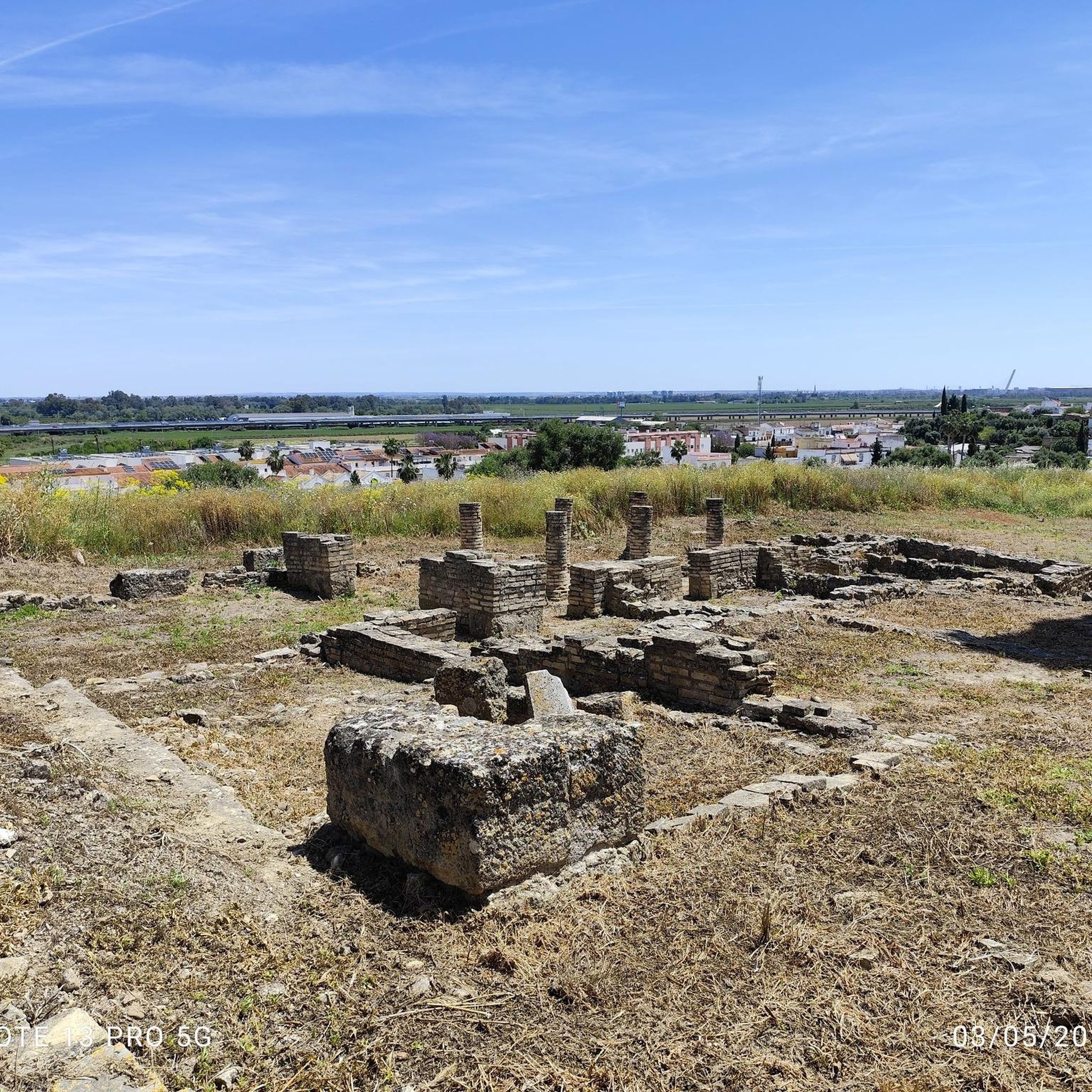
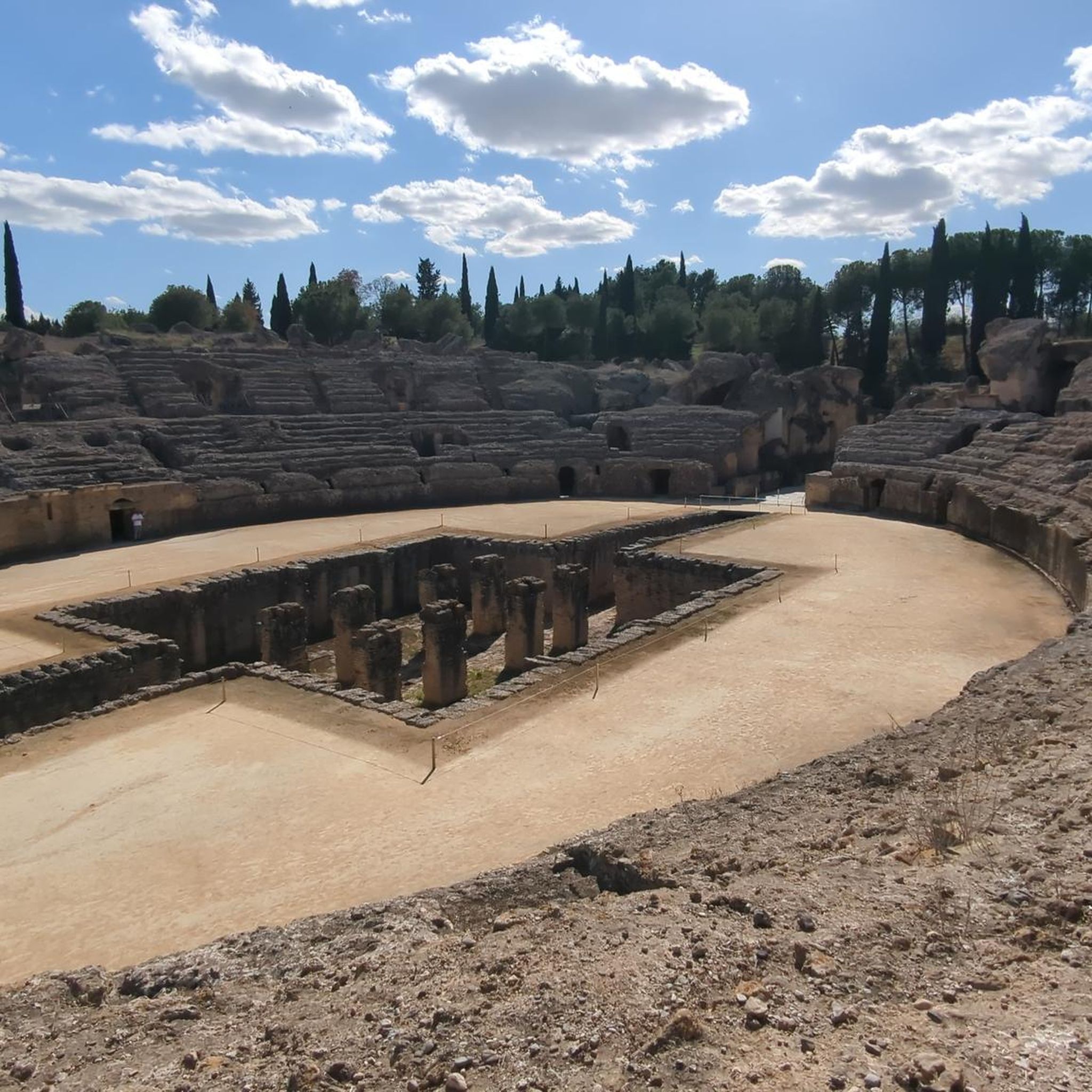
Santiponce is renowned for its rich Roman heritage. The most significant site is the Itálica Archaeological Site, the first Roman city on the Iberian Peninsula, featuring a monumental amphitheater, Roman theatre, baths, and houses with stunning mosaics. Another key historical site is the Monastery of San Isidoro del Campo, a medieval monastery showcasing Gothic and Mudejar architectural styles.
What outdoor activities and routes can I find near Santiponce's attractions?
The area around Santiponce offers various outdoor activities. You can find several hiking and gravel biking routes. For example, there's an easy 6.2 km loop from Santiponce around the Italica Archaeological Site and its Amphitheatre. For more options, explore the hiking routes around Santiponce or the gravel biking routes in the region.
How can I get to the main attractions in Santiponce, especially Itálica?
Santiponce is conveniently located just seven kilometers from Seville, making it easily accessible. Public transport options are available from Seville to Santiponce, allowing visitors to reach the Itálica Archaeological Site and other attractions. Specific bus routes connect Seville with Santiponce.
What is the best time of year to visit Santiponce and its Roman ruins?
The best time to visit Santiponce and its Roman ruins is typically during the spring (March to May) and autumn (September to November) months. During these periods, the weather is milder and more pleasant for exploring outdoor archaeological sites. Summers can be very hot, while winters are generally mild but can be rainy.
Are there family-friendly attractions in Santiponce?
Yes, Santiponce offers family-friendly attractions. The Itálica Archaeological Site provides an engaging historical experience for all ages, allowing families to explore ancient Roman ruins. Additionally, the Cotidiana Vitae - Roman Daily Life Theme Centre offers an interactive reenactment of daily life in ancient Rome, which can be particularly interesting for children.
How much time should I allocate to visit the Itálica Archaeological Site?
To fully appreciate the vastness and details of the Itálica Archaeological Site, including the amphitheater, Roman theatre, and various houses with mosaics, it is recommended to allocate at least 2 to 3 hours. This allows for a comprehensive exploration without feeling rushed.
Beyond the Roman ruins, what other cultural sites can I explore in Santiponce?
Besides the Roman ruins, Santiponce offers other cultural sites. The Monastery of San Isidoro del Campo is a significant medieval monastery with unique Gothic and Mudejar architecture. You can also visit the Fernando Marmolejo Municipal Museum, which showcases the region's artistic legacy, including replicas of Tartessian and Almohad goldsmith works.
Are there any significant natural features or viewpoints in the Santiponce area?
While Santiponce is primarily known for its historical sites, the surrounding landscape features characteristic cereal fields, olive groves, and fruit orchards of the Aljarafe region. The town's historical development was also influenced by the Guadalquivir River, which shaped the local geography.
Are there places to eat or stay near the archaeological sites in Santiponce?
Yes, Santiponce is a town with local amenities. You can find various cafes and restaurants within the town, offering options for meals and refreshments. There are also accommodation options available in Santiponce for visitors wishing to stay overnight and explore the area more extensively.
Can I visit attractions in Santiponce with my dog?
While the Itálica Archaeological Site generally has restrictions on pets, it's best to check their official website for the most current pet policies. However, the surrounding natural areas and some outdoor routes, like those found in the hiking guides for Santiponce, may offer dog-friendly walking opportunities.
Are there any wheelchair-accessible attractions in Santiponce?
Accessibility can vary at historical sites. While the Itálica Archaeological Site, being an archaeological ruin, may have uneven terrain, efforts are often made to provide some accessible paths. For specific information on wheelchair accessibility, it is advisable to contact the site directly before your visit.
What events or festivals take place in Santiponce?
Santiponce hosts several notable events. The Itálica International Dance Festival is held at the beginning of July in the Roman Theatre, offering impressive performing arts. The Aljarafe's Stations of the Cross, declared a National Tourist Interest, takes place through Itálica on the first Saturday of Lent. There is also the Itálica International Cross Race, a unique running event within the archaeological site.
Most popular attractions around Santiponce

Get inspired with the komoot mobile app


Explore more
Still not found the Highlight you’re looking for? See guides of the top attractions in other regions:
