The best MTB trails around Verea
4.4
(5)
43
riders
10
rides
Mountain biking around Verea offers a diverse landscape for riders. The region features varied terrain, including plateaus and areas with significant elevation changes, providing both challenging climbs and rewarding descents. Routes often traverse natural landscapes, characterized by open spaces and potentially forested sections. This combination creates a dynamic environment suitable for mountain biking.
Best mountain bike trails around Verea
- The most popular mountain bike trail is Castro Laboreiro Plateau Megalithic Loop, a 30.7 miles (49.4 km) trail that takes…
Last updated: July 4, 2026
4.0
(1)
15
riders
49.4km
04:29
930m
930m
Hard mountain bike ride. Very good fitness required. Suitable for all skill levels.
5.0
(1)
9
riders
29.0km
02:19
510m
510m
Moderate mountain bike ride. Good fitness required. Suitable for all skill levels.

Sign up for free
5.0
(1)
8
riders
34.0km
02:55
630m
630m
Moderate mountain bike ride. Good fitness required. Suitable for all skill levels.
4.0
(1)
2
riders
26.2km
02:14
520m
530m
Moderate mountain bike ride. Good fitness required. Advanced riding skills necessary.
1
riders
65.3km
06:28
1,880m
1,880m
Hard mountain bike ride. Very good fitness required. Advanced riding skills necessary.
Get access to more routes and recommendations from other explorers.
Sign up for free
Already have an account?
Our route recommendations are based on thousands of hikes, rides, and runs completed by other people on komoot.
Start today with a free account
Your next adventure awaits.
Login or Signup

Tips from the Community

These are the ruins of a Romanesque castle with a walled enclosure around a central tower with a cistern, located on the top of an isolated hill at 1,033 meters (3,389 feet) above the Minho and Lima rivers. It has an oval plan oriented north-south. The main entrance is the Porta do Sol, which opens to the east, while the Gate of Traitors, the Porta do Sapo, is located at the other end. The exit is well-maintained and normal for its location.
0
0

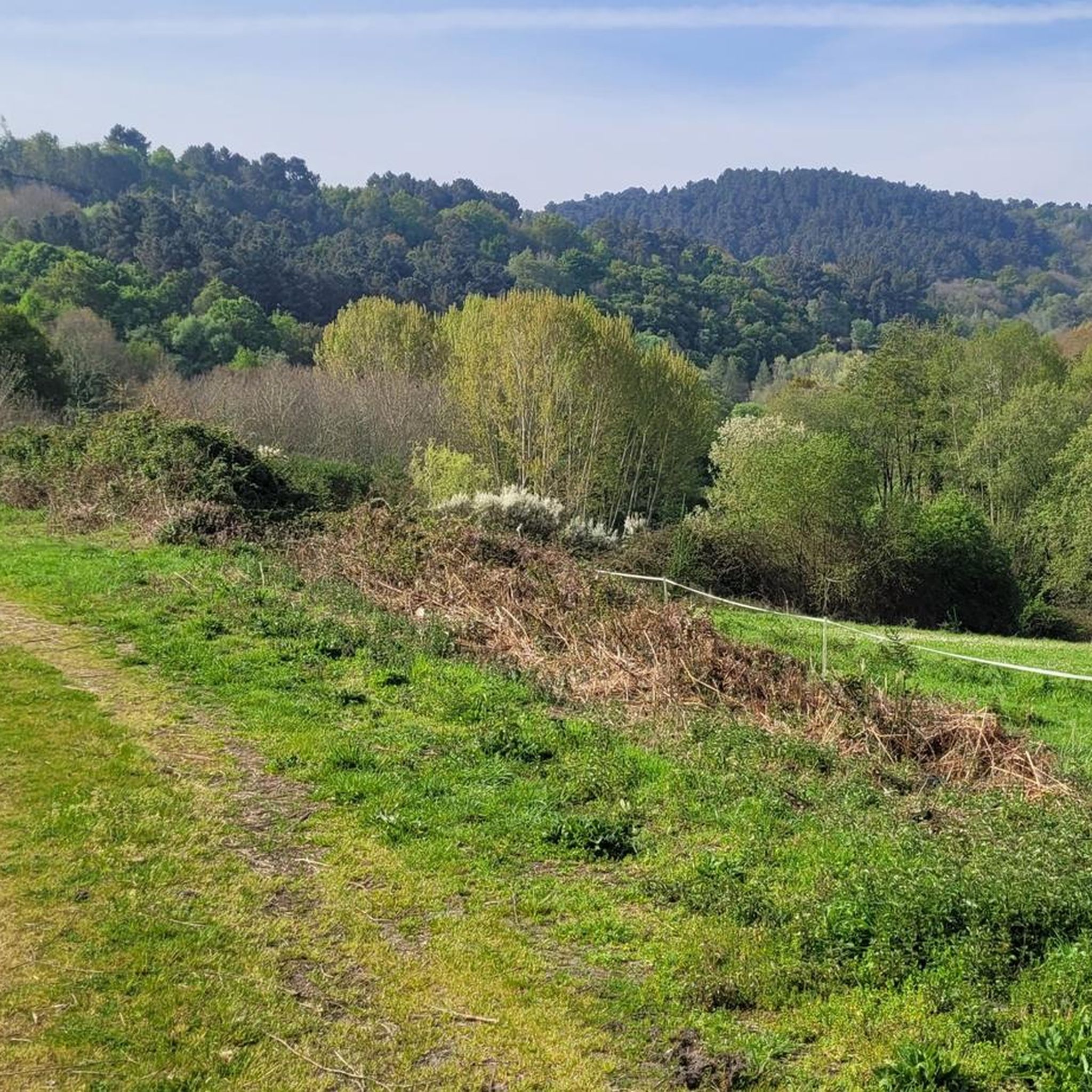
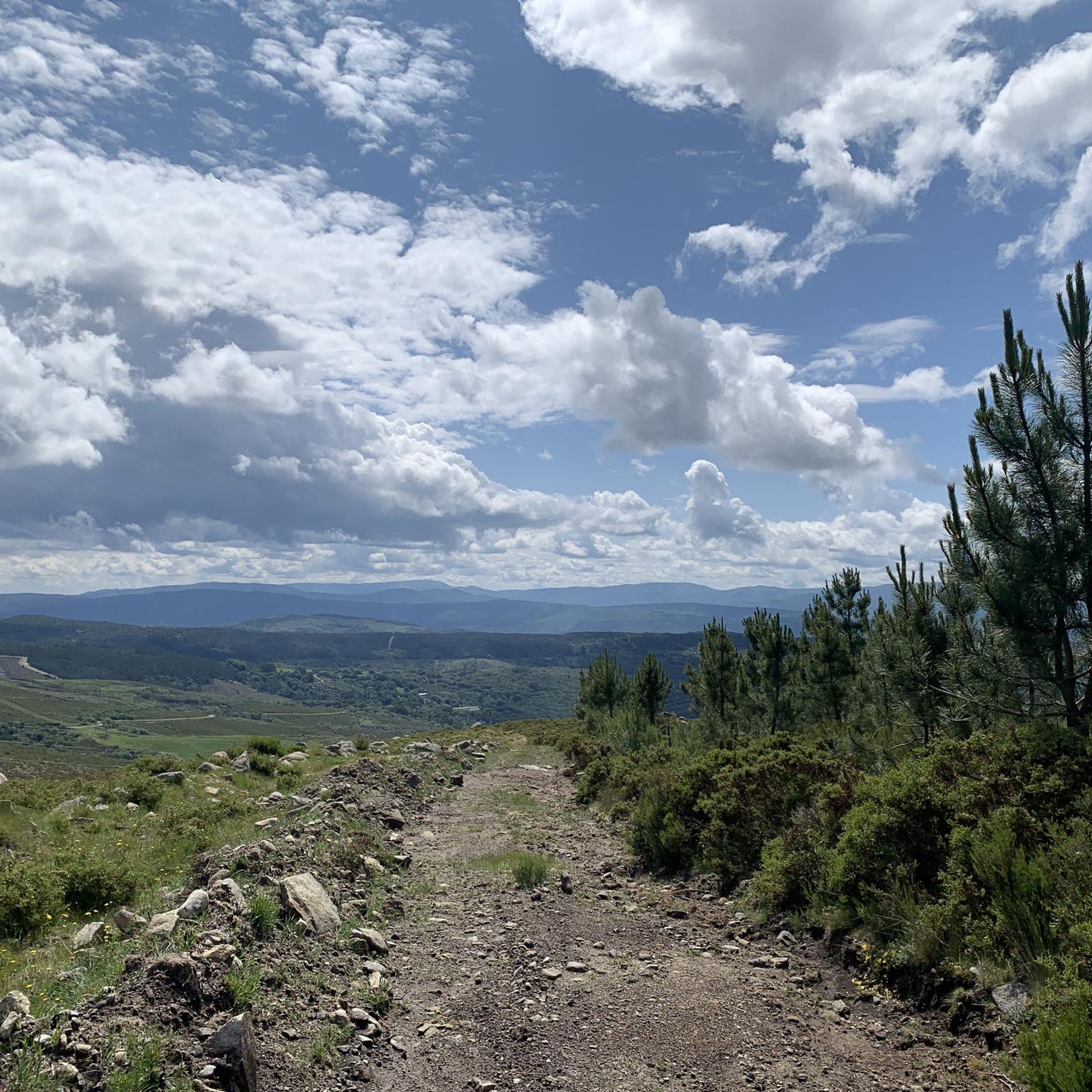
The trail here is rocky and at times not easy to cycle, but you're immersed in greenery amidst the sounds, colors, and scents of nature.
1
0
This impressive complex, now reduced mainly to its church, has medieval roots and was originally a Benedictine or Cistercian monastery (its exact origin is debated among historians). Built mainly in Romanesque style in the 12th century, it has undergone significant modifications and additions over the centuries, particularly in the 17th and 18th centuries, which have given it Mannerist and Baroque elements. Despite the transformations, it still retains many of its original Romanesque features, such as the four-archivolt portal on the façade and the structure of the choir divided into quadrangular chapels. Classified as a National Monument, the Mosteiro de Fiães is an important example of Portuguese religious architecture and a testimony to its rich monastic history.
0
0
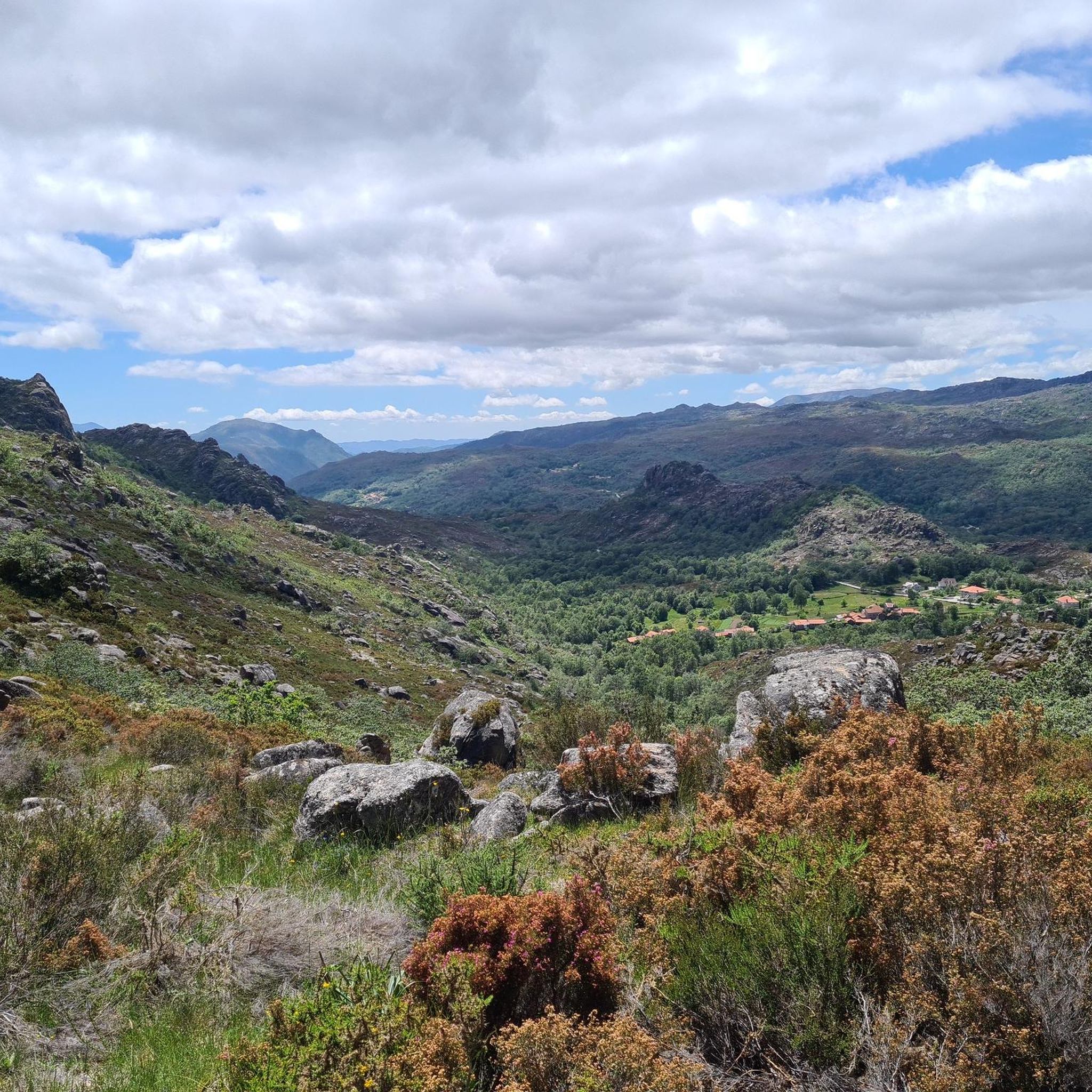
Here you can pedal in peace while enjoying the beautiful view of the surrounding hills.
0
0
Built on a granite hill over 1,000 metres above sea level, the castle dominates the Laboreiro River valley, offering spectacular views of the surrounding landscape. Its origins are ancient, probably dating back to Roman or pre-Roman times, but the current structure mainly reflects medieval modifications and extensions, particularly during the Reconquista and the formation of the Kingdom of Portugal. The castle, although now in ruins, still preserves its defensive walls, part of the watchtower and the main gate, elements that testify to its strategic importance in controlling the borders. It is a symbol of the history and resistance of the region, and its isolated and wild location adds to its charm.
0
0
Mamoa Alto da Mansão do Guerreiro 1 is an important megalithic tomb. This "mamoa" is a passage tomb, a funerary structure dating back to the Neolithic and Chalcolithic periods, which range from approximately the 4th to the 3rd millennium BC. It is an artificial mound of earth and stones, which covered a burial chamber (the "dolmen") accessible by a corridor. Its importance lies in the fact that it is a significant testimony to the funerary practices and culture of the prehistoric populations that inhabited this region. These monuments were used for collective burials and often contained grave goods, offering valuable information about the life and beliefs of these ancient communities. Mamoa Alto da Mansão do Guerreiro 1 is, therefore, a fundamental piece of Portugal's archaeological heritage.
0
0

Nice walk but certainly not easy and not flat. Lots of scrambling and climbing First part was a lot of climbing but doable. Descent after the castle was sometimes difficult
0
2

Guaranteed fun, be prepared for the sometimes low temperatures
0
0
Frequently Asked Questions
How many mountain bike trails are available in Verea?
Verea offers a selection of 10 mountain bike trails, catering to various skill levels. These routes provide a diverse experience across the region's unique terrain.
What are the typical difficulty levels for mountain biking in Verea?
The mountain bike trails in Verea are predominantly moderate to difficult. You'll find 8 moderate routes and 2 difficult routes, ensuring options for riders looking for a balanced challenge or a more demanding adventure.
What kind of terrain should I expect on Verea's mountain bike trails?
Verea's mountain bike trails feature varied terrain, including plateaus and areas with significant elevation changes, offering both challenging climbs and rewarding descents. You can expect natural landscapes, often characterized by open spaces and forested sections, with some trails potentially including rocks, roots, and creek crossings, similar to the diverse conditions found in areas like Berea.
Are there any long-distance mountain bike routes for experienced riders in Verea?
Yes, for experienced riders seeking a longer challenge, the Ring route from Lamas de Mouro towards Mosteiro de Fiães is a difficult trail spanning over 40 miles (65 km) with substantial elevation gain. Another demanding option is the Castro Laboreiro Plateau Megalithic Loop, which is 30.7 miles (49.4 km) long and also rated as difficult.
Can I find loop trails for mountain biking in Verea?
Absolutely. Several routes in Verea are designed as loops, allowing you to start and finish in the same location. Popular options include the Castro Laboreiro Plateau Megalithic Loop and the Lamas de Mouro and Castro Laboreiro Loop, which offer diverse landscapes and varying distances.
What are some scenic viewpoints or natural attractions I can see while mountain biking in Verea?
While mountain biking in Verea, you can encounter several natural attractions. Keep an eye out for the Bico do Patelo and the Vieiro Spring. The region's varied terrain itself provides scenic backdrops, with opportunities to ride through forested areas and along ridgelines, similar to the picturesque trails found in areas like Berea, Kentucky, which boast viewpoints like Indian Fort Lookout and Eagle's Nest.
Are there any historical landmarks or points of interest near the mountain bike trails?
Yes, the Verea region is rich in historical landmarks. You can explore the impressive Castro Laboreiro Castle, or discover ancient crossings like the Old Bridge of Castro Laboreiro, the Ponte da Cava da Velha, and the Varziela Bridge and Varziela Village, which are often close to the mountain biking routes.
What do other mountain bikers say about the trails in Verea?
The mountain biking trails in Verea are highly regarded by the komoot community, holding an average rating of 4.4 stars from over 5 reviews. Riders often praise the diverse landscapes, the balance of challenging climbs and rewarding descents, and the natural beauty encountered along the routes.
What is the best time of year to go mountain biking in Verea?
While specific seasonal recommendations for Verea are not detailed, mountain biking in similar regions like Berea is generally enjoyable during spring and fall when temperatures are milder. Summer can be pleasant, but always check local weather conditions, especially for potential heat or rain, which can impact trail conditions. Winter riding might be possible but could involve colder temperatures and potentially wet or icy sections.
Are there any moderate-difficulty trails that offer a good balance of challenge and scenery?
Certainly. The Castro Laboreiro Plateau Megalithic Trail is a popular moderate-difficulty option. This 18.0-mile (29.0 km) path offers a balanced ride through varied terrain with notable elevation changes, providing both a good workout and scenic views without being overly strenuous.
Can I find mountain bike routes that explore ancient sites?
Yes, the Verea region is known for its megalithic structures and ancient sites. The Castro Laboreiro Plateau Megalithic Trail is an excellent example, allowing you to cycle through a landscape dotted with historical remnants, offering a unique blend of outdoor activity and cultural exploration.
Most popular attractions around Verea

Get inspired with the komoot mobile app


Explore more
Browse the best MTB trails in other regions.
