Attractions and Places To See around Quintela De Leirado - Top 20
Best attractions and places to see around Quintela De Leirado is a municipality in the province of Ourense, Spain, known for its historical landmarks, cultural sites, and natural landscapes. Situated at the foot of the Serra do Leboreiro mountains and traversed by the Deva River, the area offers opportunities for cultural exploration and outdoor activities. It features a blend of architectural heritage and significant natural features.
Best attractions and places to see around Quintela De Leirado
- The most popular attractions…
Last updated: June 29, 2026
Castro Laboreiro Castle
Highlight • Castle
Translated by Google •
Tip by

Bico do Patelo
Highlight • Natural Monument
Translated by Google •
Tip by

Sign up now to discover places like this
Get recommendations on the best single tracks, peaks, & plenty of other exciting outdoor places.
Sign up for free
Ponte da Cava da Velha
Highlight • Bridge
The name Ponte Nova indicates the existence of another structure constructed in the same location (or nearby) at one time preceding the current bridge. This may …
Translated by Google •
Tip by

Varziela Bridge and Varziela Village
Highlight • Bridge
Translated by Google •
Tip by
Freixo Roman Bridge
Highlight • Bridge
Translated by Google •
Tip by

Sign up for free to discover even more attractions around Quintela De Leirado.
Sign up for free
Already have an account?
Start today with a free account
Your next adventure awaits.
Login or Signup

Tips from the Community

This ancient stone bridge crosses the Ribeira da Varziela near the village of Varziela. Built with large granite blocks and a simple arch, it is a fine example of traditional mountain architecture.
0
0
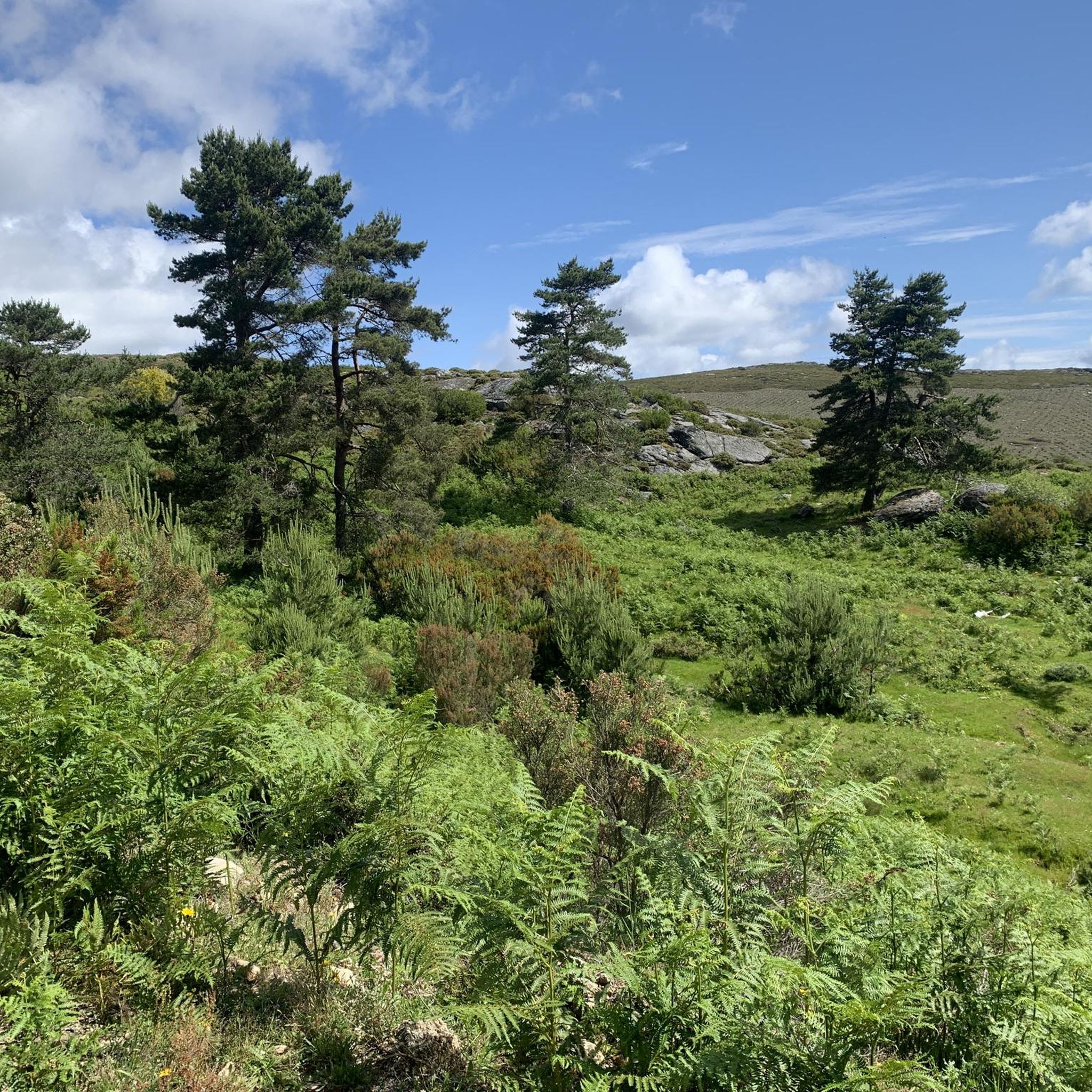
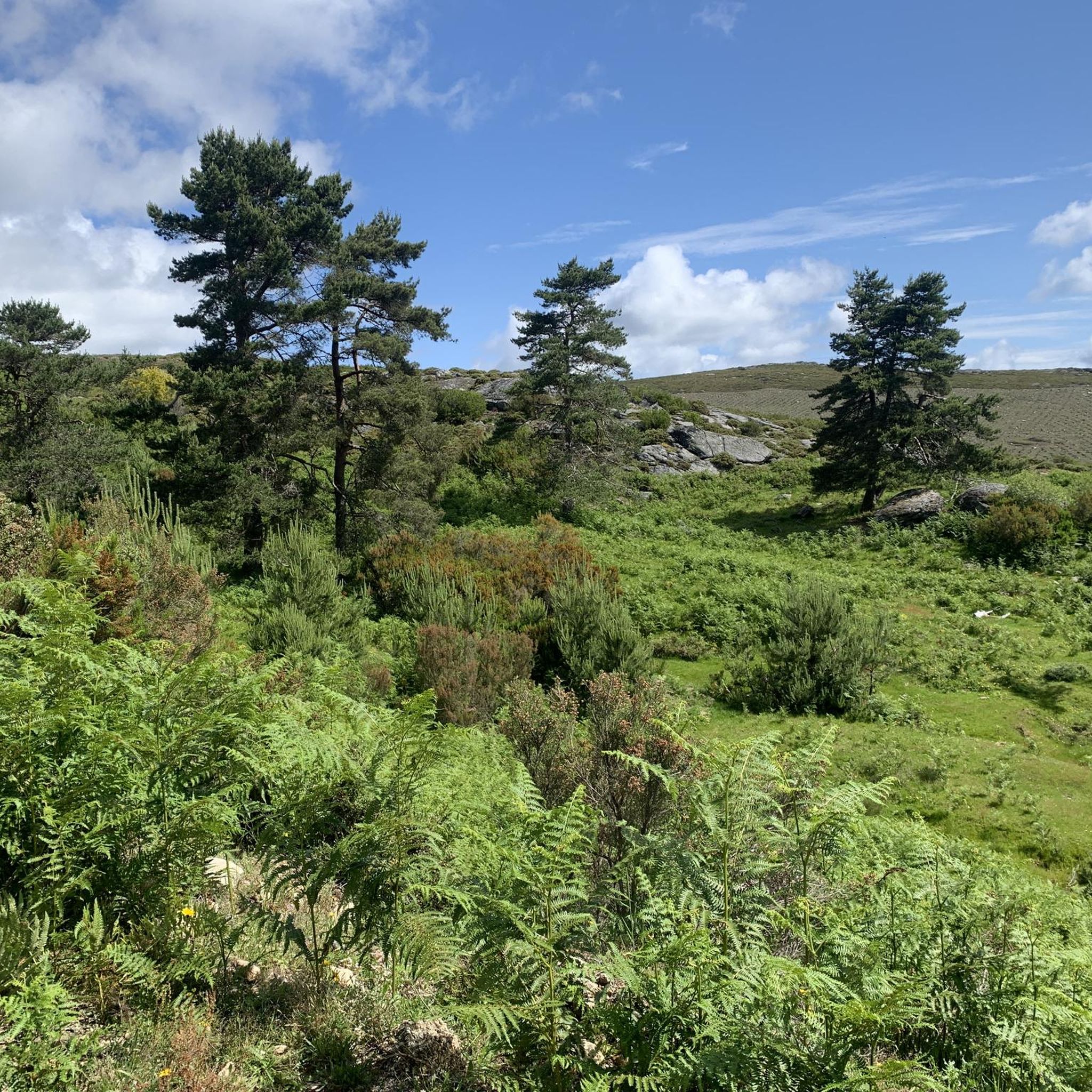
Bico do Patelo, literally "Patelo’s Beak," is a striking granite rock formation in Peneda-Gerês National Park. Its bold shape rises above the surrounding hills, catching the eye from different points along the PR3 Castrejo trail. As you approach, the unusual form makes it a natural landmark and one of the memorable sights of the hike.
0
0

These are the ruins of a Romanesque castle with a walled enclosure around a central tower with a cistern, located on the top of an isolated hill at 1,033 meters (3,389 feet) above the Minho and Lima rivers. It has an oval plan oriented north-south. The main entrance is the Porta do Sol, which opens to the east, while the Gate of Traitors, the Porta do Sapo, is located at the other end. The exit is well-maintained and normal for its location.
0
0

Built on a granite hill over 1,000 metres above sea level, the castle dominates the Laboreiro River valley, offering spectacular views of the surrounding landscape. Its origins are ancient, probably dating back to Roman or pre-Roman times, but the current structure mainly reflects medieval modifications and extensions, particularly during the Reconquista and the formation of the Kingdom of Portugal. The castle, although now in ruins, still preserves its defensive walls, part of the watchtower and the main gate, elements that testify to its strategic importance in controlling the borders. It is a symbol of the history and resistance of the region, and its isolated and wild location adds to its charm.
0
0

Nice walk but certainly not easy and not flat. Lots of scrambling and climbing First part was a lot of climbing but doable. Descent after the castle was sometimes difficult
0
2

Varziela is a typical village in the region, where the stone houses defy time and preserve the authenticity of the past. Among the various historic bridges that still stand, the Varziela Bridge stands out as the one that most clearly shows traces of medieval architecture. However, some argue that this bridge is actually a medieval reinterpretation of an older Roman structure, as was the case with other bridges in the region.
2
0
Among the low scrubland, oak groves and winding streams, the imposing granite outcrops that define this mountain landscape stand out. Sculpted by time, wind and water, they form escarpments and rocks of improbable balance, such as the Bico do Patelo, an immense rock that seems to defy gravity. In this wild landscape, the mountain goat reigns supreme, agile and imposing, running along the cliffs as if they were trails traced just for it.
1
0

Frequently Asked Questions
What natural features can I explore in Quintela de Leirado?
Quintela de Leirado offers diverse natural landscapes. You can explore the Serra do Leboreiro mountains, part of the NATURA 2000 network, which provides a stunning natural backdrop. The Deva River Valley is another key feature, offering picturesque scenery and natural pools. Don't miss the impressive granite rock formation of Bico do Patelo, which appears to defy gravity.
Are there historical or cultural sites to visit in the region?
Yes, the region is rich in history and culture. Notable sites include the 17th-century Castro Laboreiro Castle ruins, the Baroque Iglesia de San Pedro de Leirado, and the unique freestanding Torre del Reloj do Facho. You can also find the Iglesia de San Pablo de Quintela, the only church dedicated to Saint Paul in the Diocese of Ourense, and the Iglesia de San Salvador de Redemuíños with its fine Baroque altarpiece.
What kind of hiking trails are available around Quintela de Leirado?
Quintela de Leirado is a hiker's paradise with numerous trails. Options range from the long Ruta O Miradoiro (11.5 km) ascending to Alto de Penagache for panoramic views, to shorter paths like the Ruta do Facho (0.5 km). Other trails include the Ruta Ponte dos Carros passing an ancient Roman bridge, and routes following the Deva River like Ruta do Río Deva and Ruta dos Muíños. For more detailed routes, you can explore the hiking guides for the area.
Where can I enjoy panoramic views of the area?
For breathtaking panoramic views, head to Alto de Penagache, the highest point in the municipality at 1,226 meters, offering vistas of the Deva, Arnoia, and Miño valleys. The Mirador de Xacebáns, a metal and wood viewpoint, also provides excellent views of the surrounding landscape. Additionally, the balustraded top of the Torre del Reloj do Facho serves as a scenic viewpoint.
What is the best time of year to visit Quintela de Leirado for outdoor activities?
The region is generally pleasant for outdoor activities during spring and autumn. Summer offers warmer temperatures suitable for swimming in the Deva River's natural pools, though the water can be cold. Winter is when the "O Salto do Gato" Waterfall near Penagache is most visible due to higher water volume, making it a good time for specific natural sights.
Are there opportunities for cycling or mountain biking near the attractions?
Yes, the area around Quintela de Leirado offers various cycling and mountain biking routes. You can find challenging MTB trails like the 'Castro Laboreiro Plateau Megalithic Loop' or 'Ring route from Lamas de Mouro'. For road cycling, routes such as 'Celanova and Allariz Biosphere Reserve Loop' are available. Explore more options in the MTB Trails, Cycling, and Road Cycling Routes guides for the region.
What unique historical artifacts or monuments can I discover?
Beyond the churches and castles, you can discover unique historical elements. The areas around Penagache host one of the largest concentrations of Roman funerary monuments on the Iberian Peninsula, with approximately 130 cataloged tumuli, including "A Mota Grande." A Roman altar (ara) was also discovered in Xacebáns. The Peto de Ánimas de Redemuíños is a distinctive shrine with sculpted figures dedicated to spirits.
Are there any places for swimming or water activities?
The Deva River Valley features natural pools that are ideal for swimming, especially during warmer months, though the water can be quite cold. Additionally, the municipality provides Municipal Swimming Pools for recreation during the summer season.
Is Quintela de Leirado suitable for visitors interested in local architecture?
Absolutely. The region showcases a blend of architectural styles. The Iglesia de San Pedro de Leirado is a prime example of 17th and 18th-century Baroque architecture with exquisite altarpieces. You can also see traditional mountain architecture in structures like Ponte da Cava da Velha, an ancient Roman bridge, and the medieval-style Old Bridge of Castro Laboreiro.
Can I find family-friendly activities or attractions?
While specific 'family-friendly' attractions are not explicitly listed, the natural environment offers many opportunities. Families can enjoy easy walks along the Deva River, explore the Biohealthy Parks equipped with fitness equipment in various villages, or visit the Municipal Swimming Pools during summer. The scenic viewpoints and historical sites can also be engaging for older children.
What kind of wildlife or natural landscapes can I expect to see?
The region's natural landscapes are dominated by the Serra do Leboreiro mountains and the Deva River Valley. You can expect to see lush riverine vegetation, granite outcrops, and low scrubland. The Ruta de la Cachena (3 km) offers a chance to observe the native Cachena cattle breed. The wild landscape around Bico do Patelo is also known for mountain goats.
Are there any museums in Quintela de Leirado?
Yes, the Museo de la Emigración a Guinea Ecuatorial is located in Quintela de Leirado. This museum documents the unique history of emigration from the municipality to Equatorial Guinea, featuring videos, photographs, and personal testimonies, offering a unique cultural insight into the region's past.

Get inspired with the komoot mobile app


Explore more
Still not found the Highlight you’re looking for? See guides of the top attractions in other regions:
