Attractions and Places To See around Santiago Del Campo - Top 20
Best attractions and places to see around Santiago Del Campo, a municipality in Cáceres, Spain, offer a blend of historical sites and natural landscapes. The area is characterized by its proximity to significant reservoirs like the Tagus and Alcántara, providing opportunities for outdoor activities. Visitors can explore historical structures and enjoy the natural routes Santiago del Campo Extremadura offers, including scenic hiking trails. This region provides a tranquil experience with access to the wider Cáceres province's natural features.
Best attractions…
Last updated: May 26, 2026
Bridge Over the Tagus Reservoir
Highlight • Bridge
Translated by Google •
Tip by

Hermitage of Santiago
Highlight • Religious Site
Translated by Google •
Tip by

Sign up now to discover places like this
Get recommendations on the best single tracks, peaks, & plenty of other exciting outdoor places.
Sign up for free
Cheese Museum - Torta del Casar
Highlight • Monument
Translated by Google •
Tip by
La Jaminel del Tajo Shelter
Highlight • Mountain Hut
Translated by Google •
Tip by

Landscape north of Casar de Cáceres
Highlight (Segment) • Viewpoint
Showing Translation
Tip by

Sign up for free to discover even more attractions around Santiago Del Campo.
Sign up for free
Already have an account?
Start today with a free account
Your next adventure awaits.
Login or Signup
Tips from the Community

This 16th-century building, with its simple rectangular nave and the absence of an apse, is a small structure that was renovated in the 18th century. The oldest preserved document of the brotherhood dates from 1578.
10
1
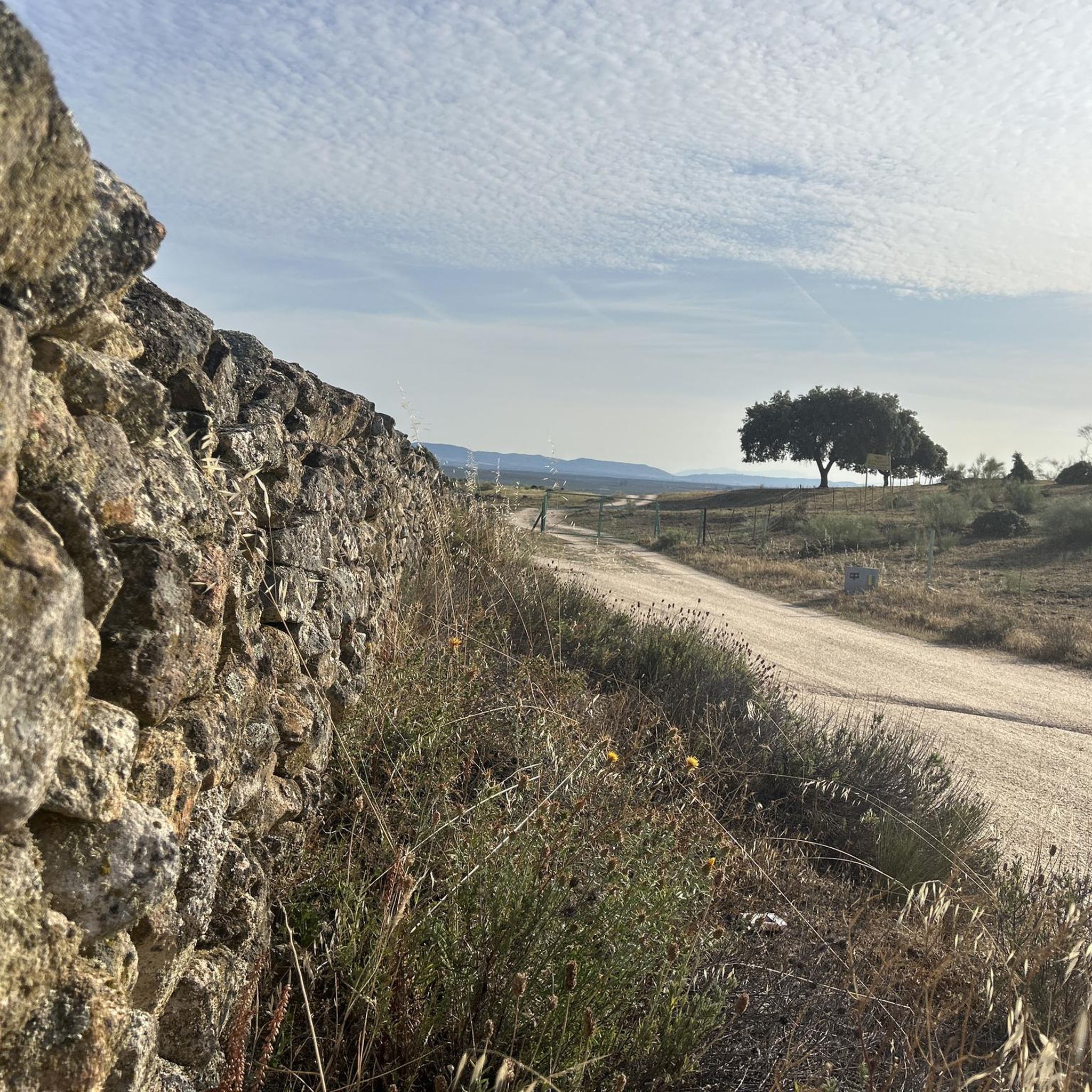
Beautiful steppe landscape, rolling grassland and great views, what a pleasure.
11
0

The open landscape of the province of Cáceres is charming. Its beauty combines the natural and the agrarian in perfect harmony.
4
0

This hermitage, located at the northern end of the town, is part of the Ruta de la Plata, also known as the Camino de las Barcas. Although its origins date back to the 15th century and construction continued in subsequent centuries, a renovation had to be carried out in the 60s of the 20th century given the poor condition it was in.
3
1

This refuge offers protection from the sun and inclement weather for hikers who walk the Tagus Nature Trail. It is an ideal place to rest in the shade and enjoy the views of the Alcántara reservoir.
2
0

Located to the north of the urban area, at the end of Larga Baja street, next to the Vía de la Plata, also known as the Camino de las Barcas, it was a place to stop and shelter pilgrims and passers-by. It would be built between the end of the 15th century and the beginning of the 18th century, but after its significant deterioration, a reform was carried out in the 60s of the 20th century, in which part of the original construction disappeared.
15
0
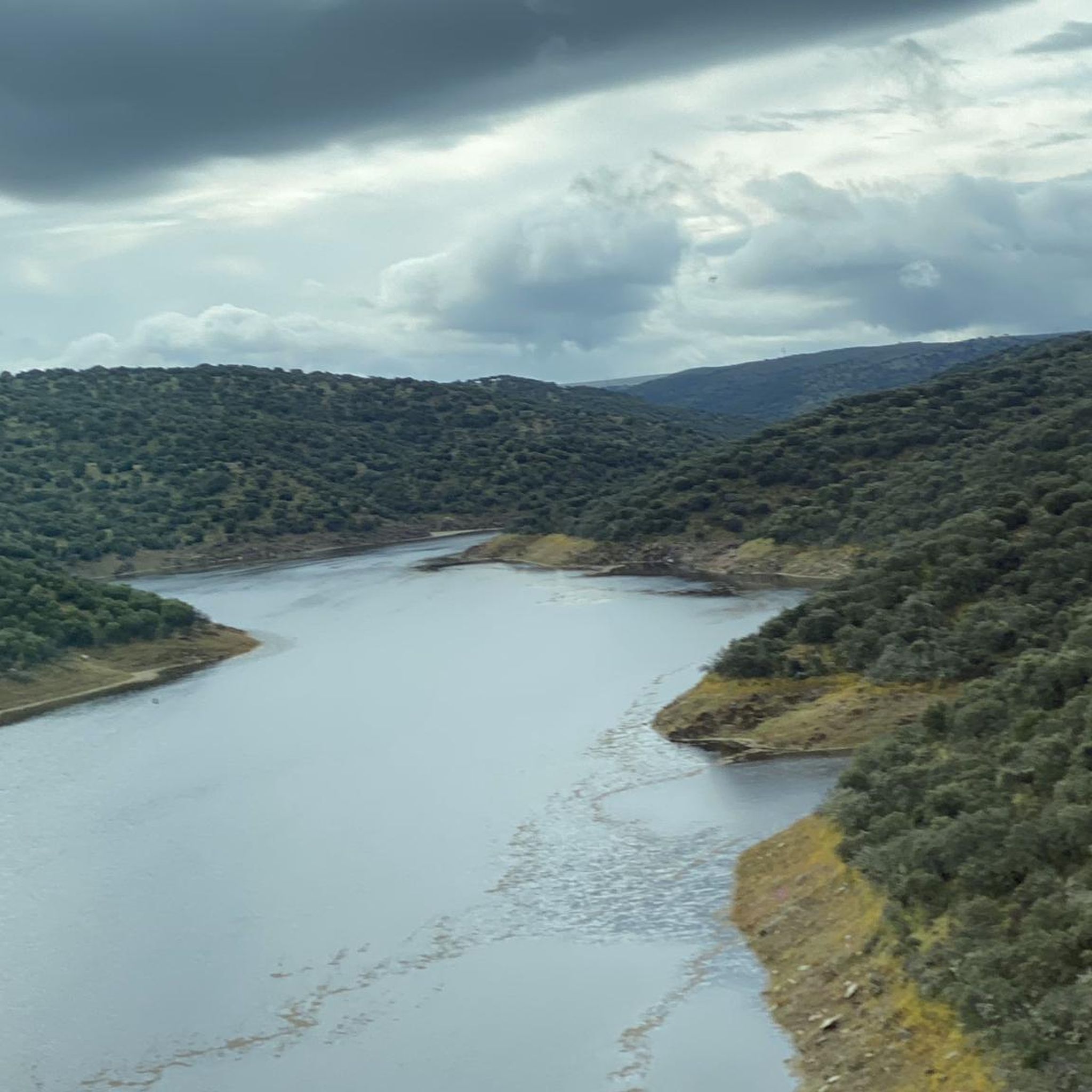
This bridge allows you to circumvent one of the most important structures in modern Spain, the Tagus reservoir, the longest river in the Iberian Peninsula with more than 1000 kilometers in length. From the top you can see the majesty of the reservoir and the bridge of the high-speed railway line, another marvel of modern engineering. Under the waters lies the original layout of the Roman road that has succumbed to the current needs of Extremadura.
1
0
Deli hides in the smallest places. The cheese from the Torta del Casar is famous for its creaminess, its cured crust gives it a solid appearance, but when you cut it to create a lid, a creamy and dairy universe worthy of the best cheeses in the world opens up. The Torta del Casar is one of the highest representatives of the traditional products of the Extremaduran countryside.
3
0
Frequently Asked Questions
What historical sites can I explore around Santiago Del Campo?
The area offers several historical points of interest. You can visit the Hermitage of Santiago, which is part of the historic Ruta de la Plata. The 16th-century Iglesia de la Asunción in Santiago del Campo, known for its stork nests, is also notable. Additionally, the 14th-century Puente Gótico de San Benito is located near Cañaveral, and the Floripes Tower, part of the submerged Alconétar castle, becomes visible when reservoir levels are low.
Are there any natural landmarks or viewpoints to visit?
Yes, the region is rich in natural beauty. The Bridge Over the Tagus Reservoir offers impressive views of the Tagus River and the high-speed railway line. You can also find the La Jaminel del Tajo Shelter, which provides a resting spot with views of the Alcántara reservoir. The Tajo and Alcántara reservoirs themselves are significant natural features, offering opportunities for birdwatching and enjoying the landscape.
What outdoor activities can I do near these attractions?
The area around Santiago Del Campo is excellent for outdoor activities, especially cycling and mountain biking. You can find various routes, such as the 'Osborne Bull on the N-630 – Laguna de Casar loop' for road cycling, or the 'Circunvalación del Pantano del Casar Trail' for mountain biking. For more options, explore the guides for Road Cycling Routes, Cycling, and MTB Trails around Santiago Del Campo.
Are there family-friendly attractions or activities?
Many of the natural and historical sites can be enjoyed by families. The Hermitage of Santiago and the La Jaminel del Tajo Shelter are noted as family-friendly. The scenic hiking and walking trails around the Tajo Reservoir also offer gentle options for families to explore nature together.
What is the best time of year to visit Santiago Del Campo for outdoor activities?
The region of Extremadura, where Santiago del Campo is located, generally experiences hot summers. Spring (April-May) and autumn (September-October) are often considered the best times for outdoor activities like hiking and cycling, as the weather is milder and more pleasant for exploration.
Where can I learn about local products or culture?
Near Santiago del Campo, in Casar de Cáceres, you can visit the Cheese Museum - Torta del Casar. This museum is dedicated to the famous Torta del Casar cheese, a renowned local delicacy, offering insight into its production and cultural significance.
What are some unique engineering marvels in the area?
The Almonte Viaduct, part of the Madrid-Extremadura High-Speed Line, is an impressive modern engineering feat. It spans 996 meters and is located between Garrovillas de Alconétar and Santiago del Campo, crossing the Alcántara-Garrovillas Reservoir section. The Bridge Over the Tagus Reservoir also offers views of a high-speed railway line bridge.
What do visitors enjoy most about the attractions around Santiago Del Campo?
Visitors appreciate the blend of historical sites and natural landscapes. The tranquility of the area, the scenic views from places like the Bridge Over the Tagus Reservoir, and the opportunity to rest at spots like the La Jaminel del Tajo Shelter are frequently highlighted. The komoot community has shared over 10 photos and given more than 30 upvotes to these attractions.
Are there any specific trails for hiking or walking near Santiago Del Campo?
Yes, the region offers scenic hiking and walking trails. Popular routes include the 'Tajo Reservoir – San Benito Gothic Bridge loop' and the 'Hermitage of Santiago – Gravel Highway loop.' The area's proximity to the Tagus River and Monfragüe National Park provides a variety of options for exploring on foot.
Where can I find accommodation or dining options near Santiago Del Campo?
While Santiago del Campo itself is a small municipality, nearby towns like Casar de Cáceres and Hinojal offer more options for accommodation, cafes, pubs, and restaurants. The city of Cáceres, approximately 20 kilometers away, provides a wider range of services and amenities.
Can I visit Monfragüe National Park from Santiago Del Campo?
Yes, Santiago del Campo is located relatively close to Monfragüe National Park, which is known for its rich wildlife, especially birds of prey, and stunning landscapes. The park offers numerous hiking trails and viewpoints, making it a popular destination for nature lovers. You would typically need to drive to access the park's main areas.
Most popular attractions around Santiago Del Campo

Get inspired with the komoot mobile app


Explore more
Still not found the Highlight you’re looking for? See guides of the top attractions in other regions:
