Attractions and Places To See around Santa Bárbara De Casa - Top 6
Attractions and places to see around Santa Bárbara De Casa, located in the Huelva province of Spain, offer a blend of historical, cultural, and natural sites. This municipality in the Andévalo region is characterized by its picturesque landscapes and rich heritage. Visitors can explore ancient archaeological sites, traditional towns, and expansive natural areas. The region provides opportunities for outdoor activities amidst its diverse terrain.
Best attractions and places to see around Santa Bárbara De Casa
- The most popular attractions is…
Last updated: May 17, 2026
Vila Verde de Ficalho
Highlight • Settlement
Translated by Google •
Tip by

Hermitage of La Peña of Puebla de Guzmán
Highlight • Religious Site
Translated by Google •
Tip by

Sign up now to discover places like this
Get recommendations on the best single tracks, peaks, & plenty of other exciting outdoor places.
Sign up for free
Santa Bárbara de Casa
Highlight • Settlement
Translated by Google •
Tip by

Church of San Sebastián, Cabezas Rubias
Highlight • Religious Site
Translated by Google •
Tip by
Paymogo
Highlight • Settlement
Translated by Google •
Tip by
Start today with a free account
Your next adventure awaits.
Login or Signup
Popular around Santa Bárbara De Casa
Tips from the Community

The Hermitage of Our Lady of La Peña in Puebla de Guzmán (Huelva) is one of the most emblematic sanctuaries in the Andévalo region of Huelva province, with a deep spiritual, artistic, and cultural tradition. Location: On Cerro del Águila (Eagle Hill), about 4 km from the town center. Origin: Probably built in the 16th century, with significant renovations in the 17th century, 1960, and 1992. Founding legend: According to tradition, the Virgin Mary appeared to the shepherd Alonso Gómez in the 15th century, who was instructed to build a hermitage on that site.
4
0

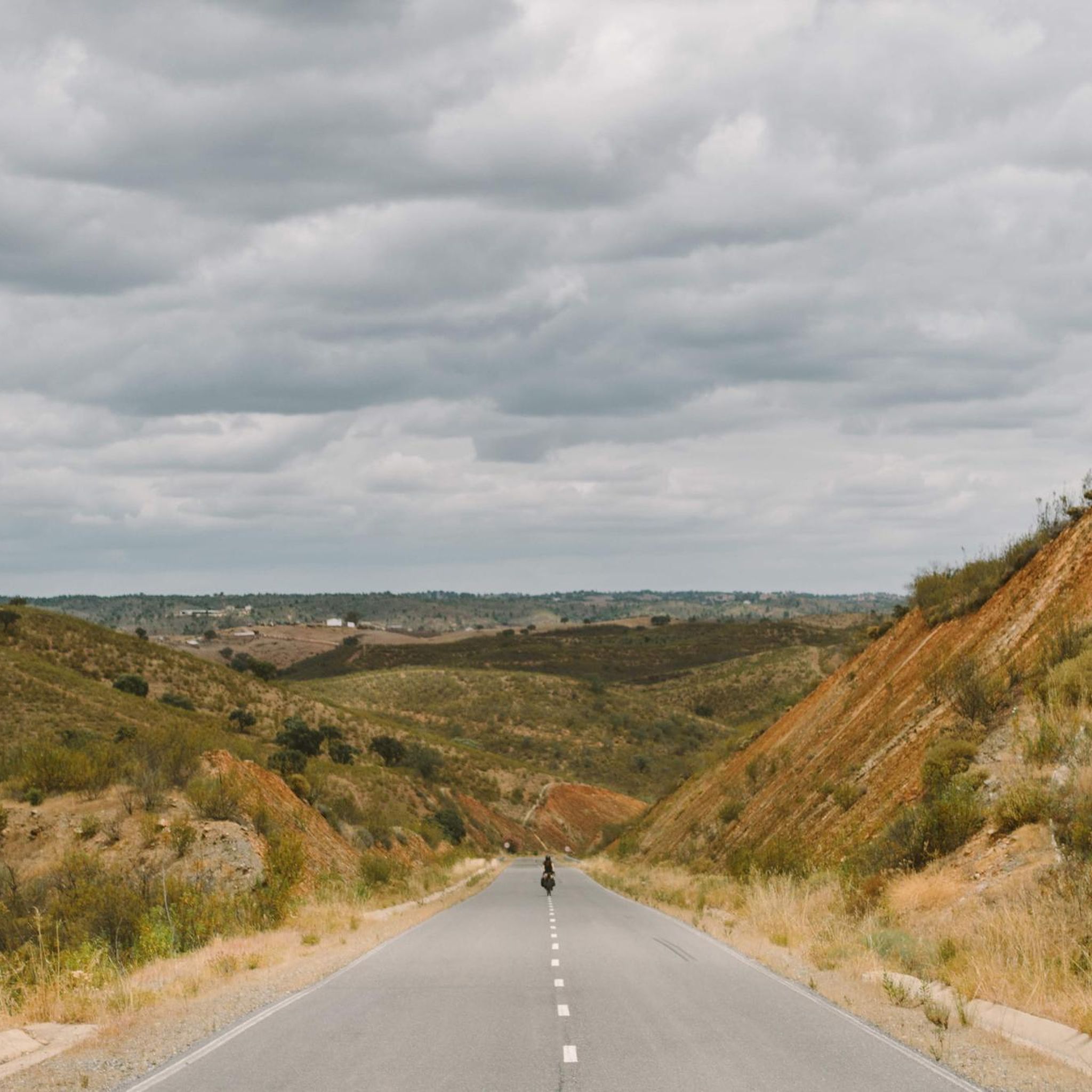
Pretty town near the Portugal-Spain border at the foot of the Ficalho hill that gives the town its name. It can be reached from Rosal de al Frontera (SP) by a picturesque road through the hill that crosses the border.
0
0

Vila Verde Ficalho has history. It is a village located in the easternmost part of the municipality of Serpa, bordering the Spanish town of Rosal de la Frontera and belonging to the territory known as the Left Bank of the Guadiana. Our people have ancient traditions and historical records that extol them. All the landscape, historical and cultural settings make this border village very special, both for its inhabitants and visitors. Its area measures approximately 10,402,3909 hectares, and the town is flanked by the Ficalho mountain range, which is approximately 518 metres high. Throughout our region, you can see mountains, valleys, hills, dotted with trees, wells and springs. All the archaeological heritage found here reveals bits and pieces of the passage of various peoples through our land, from the Paleolithic era, when man was still a gatherer, to the Neolithic era (3500 BC), to the Visigoths, the Romans (where the city of Finis possibly existed), and the Arab people who left us several customs. The exact date of the founding of our town as a historical place is unknown; hypothetically, it was in the 1940s, in the 13th century, at the end of the reign of D. Sancho II and the beginning of the reign of D. Afonso III. Our people are mainly dedicated to agriculture, although artisanal agriculture is still being seen, new technologies are beginning to be used. There has been a significant decrease in commercial activity, many establishments have been closing and we no longer see, as we once did, clusters of Spanish people. It is worth noting that tourism is likely to increase in this area; in recent months, some have appeared in our town. tourists who have shown a fondness for this small village with an aging population.
2
0

It is not a border town, since the urban centre is 20 km from the border line, although the municipal area is a border town.
0
1

Today's town was created in 1232 as part of the new settlements after the Reconquista under King D. Sancho II. The community is characterized by agriculture, particularly by the striking olive groves. It has always been known for its olive oil, wine and honey. Ficalho's coat of arms shows a honey bee and olive tree branches.
3
1

Town located in slightly uneven terrain and dedicated to agriculture and livestock, with areas of pines and eucalyptus trees. It has an extensive forest that takes its name from the stream that runs through its land. This is the reason for the economy of this town based on forestry and forest exploitation.
0
0
Town on the border with Portugal, located on a small hill surrounded by trees and whose lands are dedicated to cereal and olive agriculture. There are remains that show the prehistoric origins of the town, as well as the Roman and Muslim presence. Its monuments of interest include the Hermitage of La Peña, the Church of Santa Cruz, the Convent of María Auxiliadora and the Casa de Isabelita.
2
1
Frequently Asked Questions
What historical and cultural sites can I explore in Santa Bárbara de Casa?
Santa Bárbara de Casa offers a rich historical and cultural heritage. You can visit the Iglesia de Nuestra Señora de la Piedad, a significant religious structure from the 18th century, or the Ermita de Santa Bárbara, dedicated to the town's patron saint. The Dólmenes de "La Zarcita" are also notable archaeological sites from the Chalcolithic period, showcasing the region's ancient history.
Are there any significant religious buildings to visit near Santa Bárbara de Casa?
Yes, the region is home to several important religious buildings. The most popular is the Hermitage of La Peña of Puebla de Guzmán, known for its deep spiritual and cultural tradition. Within Santa Bárbara de Casa, you can also find the Iglesia de Nuestra Señora de la Piedad and the Ermita de Santa Bárbara.
What natural attractions are there for outdoor enthusiasts?
For nature lovers, the area around Santa Bárbara de Casa is ideal. You can explore the Molinos Harineros de Agua y de Viento, where one windmill has been restored into a bird observatory offering views of the Andévalo region. The Rivera del Chanza and Dehesa de Santa Bárbara are recognized for their ecological value, perfect for hiking and birdwatching amidst dehesa woodland.
What kind of outdoor activities can I do near Santa Bárbara de Casa?
The municipality is excellent for outdoor activities. You can enjoy countryside walks with panoramic views, such as those from the Ermita de la Santa or along the Casa stream. There are also popular mountain biking trails towards Aroche. For road cycling, you can find various routes, including a challenging loop through the Sierra Pelada Natural Park. Discover more road cycling routes on the Road Cycling Routes around Santa Bárbara De Casa guide.
Are there any family-friendly places to visit around Santa Bárbara de Casa?
Yes, several settlements in the area are considered family-friendly. Vila Verde de Ficalho, a historic settlement near the Portugal-Spain border, offers a glimpse into ancient traditions. The town of Santa Bárbara de Casa itself, with its extensive forest and natural settings, is also suitable for families. Additionally, Paymogo is a cozy town close to Portugal that families might enjoy.
What is the local gastronomy like in Santa Bárbara de Casa?
The local gastronomy is rich and unique. The region is famous for its "gurumelo," a highly prized wild mushroom often grilled with olive oil. Other traditional dishes include migas, el cardillo, potaje de gurumelos, and poleás. For sweet treats, look for bizcochos, pestiños, and roscos. Game dishes and scrambled eggs with mushrooms are also popular.
What kind of flora and fauna can I expect to see in the region?
The area boasts rich biodiversity. You'll find pine and eucalyptus forests, and a variety of bird species such as partridges, thrushes, quail, and doves. Black vultures can even be seen nesting in the Picos de Aroche. Mammals like rabbits, wild pigs, and foxes also inhabit the region.
What are the main squares or gathering places in Santa Bárbara de Casa?
The Plaza del Santo and Plaza la Resolana are considered important gathering places within the locality. Plaza del Santo was historically the site of an old hermitage dedicated to San Sebastián.
Can I find any ancient archaeological sites near Santa Bárbara de Casa?
Yes, the Dólmenes de "La Zarcita" (Cabezo de los Vientos) are significant archaeological sites dating back to the Chalcolithic period (fourth to third millennium B.C.). They include a settlement and a necropolis located southwest of Santa Bárbara de Casa, offering a glimpse into the region's prehistoric past.
What is the best time of year to visit Santa Bárbara de Casa for outdoor activities?
Given the focus on outdoor activities like hiking, mountain biking, and birdwatching, spring and autumn generally offer the most pleasant weather for exploring Santa Bárbara de Casa. Temperatures are milder, and the natural landscapes are vibrant. Summers can be quite hot, while winters are cooler but still suitable for some activities.
Are there any settlements with historical significance near the Portugal-Spain border?
Yes, Vila Verde de Ficalho is a settlement with historical significance located near the Portugal-Spain border. It's known for its ancient traditions, archaeological heritage, and olive groves, offering a unique cross-border cultural experience.
Most popular routes around Santa Bárbara De Casa

Get inspired with the komoot mobile app


Explore more
Still not found the Highlight you’re looking for? See guides of the top attractions in other regions:
