Attractions and Places To See around Mesas De Ibor - Top 20
Best attractions and places to see around Mesas De Ibor include a blend of historical landmarks, natural landscapes, and cultural insights. This municipality in Cáceres, Extremadura, is situated in the Ibor valley, bordered by the Tagus River to the north and the Ibor River to the east and south. The area is part of the Villuercas-Ibores-Jara UNESCO Global Geopark, highlighting its geological and natural heritage.
Best attractions and places to see around Mesas De Ibor
- The most popular attractions is…
Last updated: July 2, 2026
Temple of the Woodcutters of Augustobriga
Highlight • Historical Site
Translated by Google •
Tip by

Acueducto de las Herrerías
Highlight • Monument
Translated by Google •
Tip by

Sign up now to discover places like this
Get recommendations on the best single tracks, peaks, & plenty of other exciting outdoor places.
Sign up for free
Granite Pillar of Almaraz
Highlight • Monument
Translated by Google •
Tip by
Almaraz Bridge over the Tagus River
Highlight • Bridge
Translated by Google •
Tip by
Castle of Belvís de Monroy
Highlight • Castle
Translated by Google •
Tip by
Sign up for free to discover even more attractions around Mesas De Ibor.
Sign up for free
Already have an account?
Start today with a free account
Your next adventure awaits.
Login or Signup

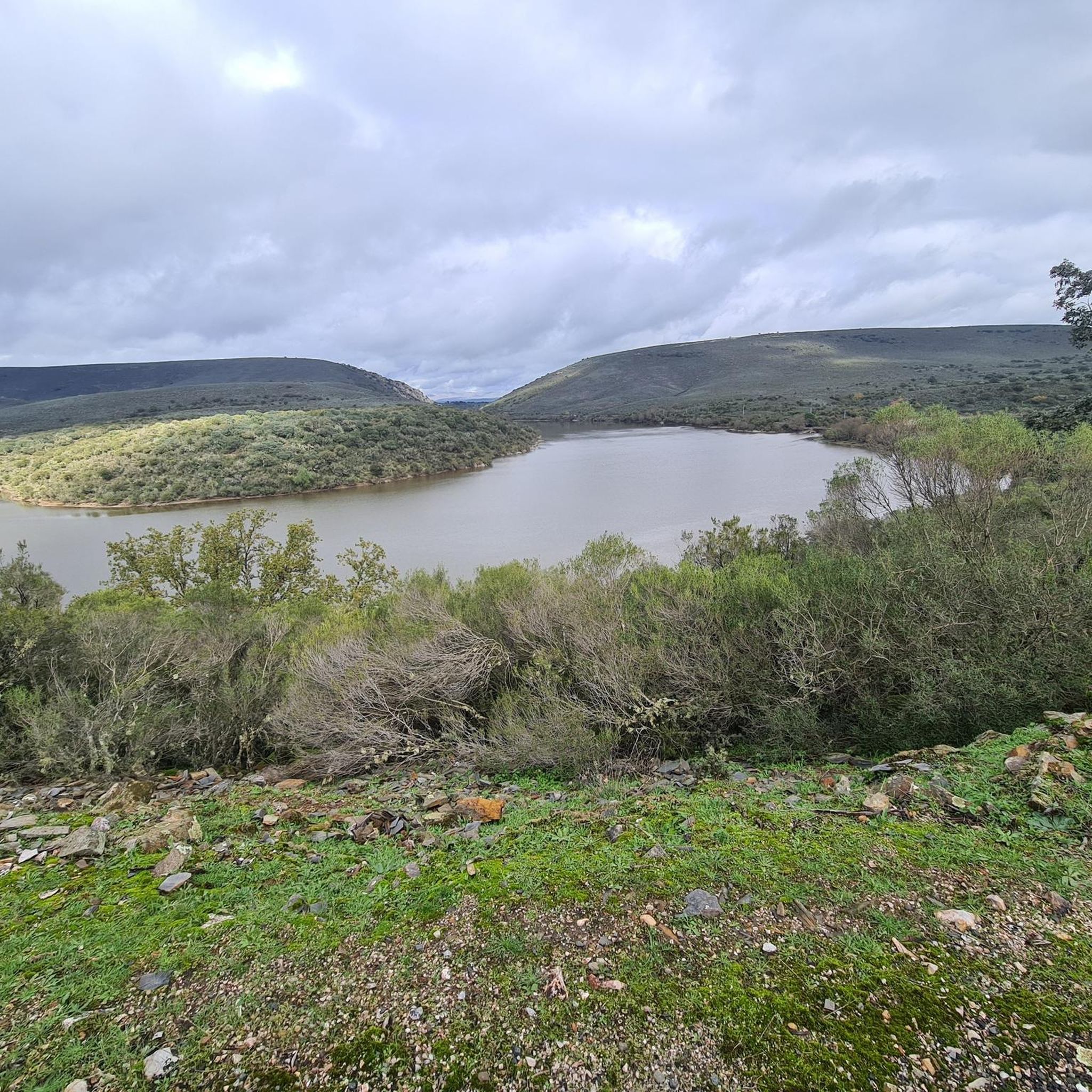

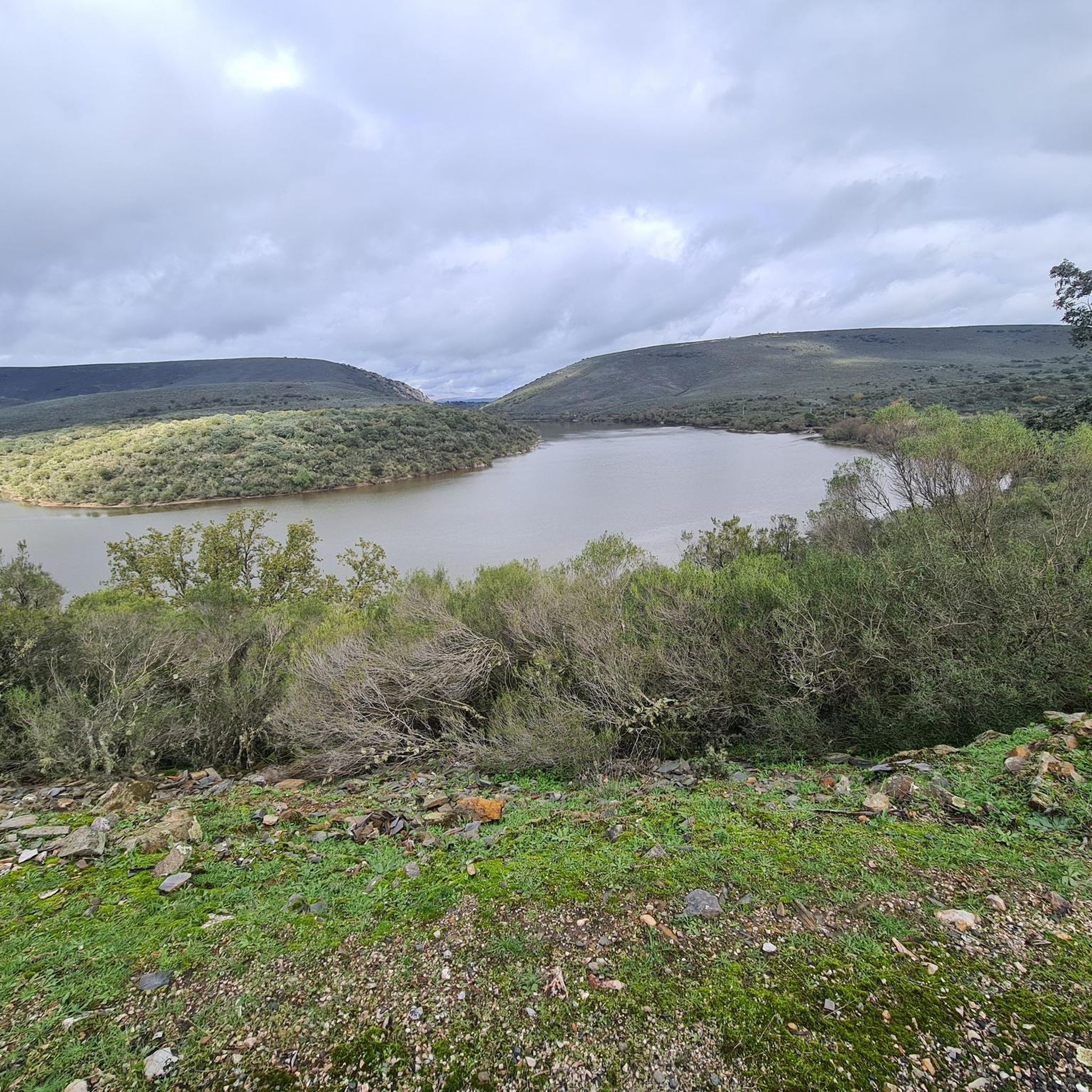

Tips from the Community

A must-see photo stop if your route takes you there...
0
1

The Herrerías aqueduct is an old hydraulic infrastructure designed to supply energy to a blacksmith shop in Campillo de Deleitosa. Later it would also be used to supply three mini power plants. Actually, the aqueduct is only part of a larger work, which consists of a seven-kilometer canal and its related structures. This canal begins in a dam built right where the Batanes, Colmenar and Torneros gorges converge.
8
1

Both the views of the bridge over the river and the panoramic view you have of the Tagus when you cross it, from the siding, justify a stop on your route.
0
1

Almaraz is a small town next to the Tagus River and the Arrocampo Reservoir where the Almaraz Nuclear Power Plant is located. If you cycle through the town that is on the Camino Real, you must visit the Torre de Almaraz and also see the Rollo de Almaraz Granite.
1
0
A bridge over the Tagus River along the famous Camino Real de Extremadura route between Madrid and Portugal. Stop for stunning views of the river valley below.
1
0
Spectacular but ghostly remains of a marble temple from an ancient Roman city called Augustobriga. Close your eyes and imagine what the city looked like in its great days.
1
1
Belvís de Monroy is a small town in the Campo Arañuelo region, next to the Tagus River, near the entrance to the Monfragüe National Park. The medieval castle of Belvís el Monroy dominates the town dominating the surrounding landscape and can be seen from afar.
1
0
Remains of a marble temple from an ancient Roman city called Augustobriga. Spectacular views of the Valdecañas reservoir and the bridge that crosses Guadalupe.
1
1
Frequently Asked Questions
What historical landmarks can I explore near Mesas de Ibor?
The region is rich in history. You can visit the ancient Temple of the Woodcutters of Augustobriga, which features remains of a Roman temple with spectacular views of the Valdecañas reservoir. Other notable historical sites include the 16th-17th century Iglesia San Benito Abad, the impressive Acueducto de las Herrerías, the Medieval Bridge of Las Veredas (also known as the Bridge of La Mesta), and the rustic Rollo o Picota (Pillory).
Are there any natural attractions or geological features to see?
Mesas de Ibor is part of the Villuercas-Ibores-Jara UNESCO Global Geopark, offering unique natural sights. Don't miss the 'Marmitas de Gigante' (Giant's Kettles), which are large, spherical concavities formed by erosion in the Ibor River. You can also explore 'El Chorrero', a beautiful natural spot on the Ibor River with a large pool, or 'Las Juntas', where the Ibor meets the Tagus River, featuring impressive rock formations.
What kind of outdoor activities can I do near Mesas de Ibor?
The area is excellent for outdoor enthusiasts. You can find various hiking routes, including sections of the GR-113 or Camino Natural del Tajo, which offer high ecological value. For more specific activities, explore hiking trails, mountain biking routes, and cycling tours in the surrounding areas.
Are there any family-friendly attractions in the area?
Yes, families can enjoy several spots. The Granite Pillar of Almaraz is a notable man-made monument that is considered family-friendly. The natural areas like El Chorrero, with its swimming opportunities, also provide a great outing for families. Many of the easier hiking trails are also suitable for families.
Where can I find scenic views or viewpoints?
For panoramic views, the Temple of the Woodcutters of Augustobriga offers spectacular vistas of the Valdecañas reservoir. Additionally, the Almaraz Bridge over the Tagus River provides stunning panoramic views of the Tagus river valley, making it a worthwhile stop.
What is the best time of year to visit Mesas de Ibor?
The best time to visit Mesas de Ibor generally depends on your preferred activities. Spring (April-May) and Autumn (September-October) offer pleasant temperatures for hiking and exploring natural sites, with lush landscapes in spring and vibrant colors in autumn. Summers can be hot, but are ideal for enjoying river spots like El Chorrero.
Are there any ancient or prehistoric sites in the region?
Beyond the Roman remains, the area around Mesas de Ibor features prehistoric enclaves that bear witness to early human settlement. These sites offer a glimpse into the ancient past of the region, showcasing its long history of human presence.
What is the significance of the rivers in Mesas de Ibor?
The Río Ibor and Río Tajo are the primary natural resources, forming a rich hydrographic network. The Ibor River is central to many natural attractions like El Chorrero and Las Juntas, while the Tagus River forms the northern border of the municipality, contributing to the diverse ecosystems and scenic beauty of the area.
Can I find traditional architecture in Mesas de Ibor?
Yes, the town of Mesas de Ibor itself showcases traditional popular architecture. You can observe well-preserved examples of local building styles, including traditional pigsties (zahúrdas de cerdos) in its surroundings, offering insight into the region's cultural heritage.
What kind of hiking trails are available near Mesas de Ibor?
You'll find a variety of hiking trails, from easy walks to more challenging routes. For example, the 'Belvis de Monroy – circular via the Berrocal Hermitage and San Francisco Convent' is an easy 6.8 km hike, while 'Talavera la Vieja (Augustobriga) by the Valdecañas Reservoir' is a moderate 10.7 km option. You can find more details and routes on the hiking guide for Mesas de Ibor.
Are there any castles or fortified structures nearby?
Yes, you can visit the Castle of Belvís de Monroy. This medieval castle dominates the landscape from a small town next to the Tagus River, near the entrance to the Monfragüe National Park, offering historical interest and scenic views.
What are 'dehesas' and can I see them in Mesas de Ibor?
Dehesas are unique agro-silvo-pastoral systems, characterized by wooded pastures of holm oaks and cork oaks. This diverse ecosystem is a prominent feature of the landscape around Mesas de Ibor, often interspersed with granite outcrops known as 'berrocales', providing a distinctive natural environment for exploration.
Most popular routes around Mesas De Ibor
Most popular attractions around Mesas De Ibor

Get inspired with the komoot mobile app


Explore more
Still not found the Highlight you’re looking for? See guides of the top attractions in other regions:
