Attractions and Places To See around Bohonal De Ibor - Top 17
Attractions and places to see around Bohonal De Ibor offer a blend of historical sites, cultural experiences, and natural beauty. Situated near the Valdecañas reservoir and the Tajo River, this region in Extremadura provides a scenic backdrop for exploration. Visitors can discover ancient Roman ruins, traditional village architecture, and diverse natural features. The area is well-suited for those interested in history, culture, and outdoor activities.
Best attractions and places to see around Bohonal De Ibor
- The most popular attractions is…
Last updated: August 26, 2026
Temple of the Woodcutters of Augustobriga
Highlight • Historical Site
Translated by Google •
Tip by

Talavera la Vieja (ruins)
Highlight • Historical Site
Translated by Google •
Tip by

Sign up now to discover places like this
Get recommendations on the best single tracks, peaks, & plenty of other exciting outdoor places.
Sign up for free
Acueducto de las Herrerías
Highlight • Monument
Translated by Google •
Tip by
Castle of Belvís de Monroy
Highlight • Castle
Translated by Google •
Tip by
Valdecañas Reservoir Bridge
Highlight • Bridge
Translated by Google •
Tip by
Sign up for free to discover even more attractions around Bohonal De Ibor.
Sign up for free
Already have an account?
Start today with a free account
Your next adventure awaits.
Login or Signup
Popular around Bohonal De Ibor




Tips from the Community

A must-see photo stop if your route takes you there...
0
1

The Herrerías aqueduct is an old hydraulic infrastructure designed to supply energy to a blacksmith shop in Campillo de Deleitosa. Later it would also be used to supply three mini power plants. Actually, the aqueduct is only part of a larger work, which consists of a seven-kilometer canal and its related structures. This canal begins in a dam built right where the Batanes, Colmenar and Torneros gorges converge.
8
1

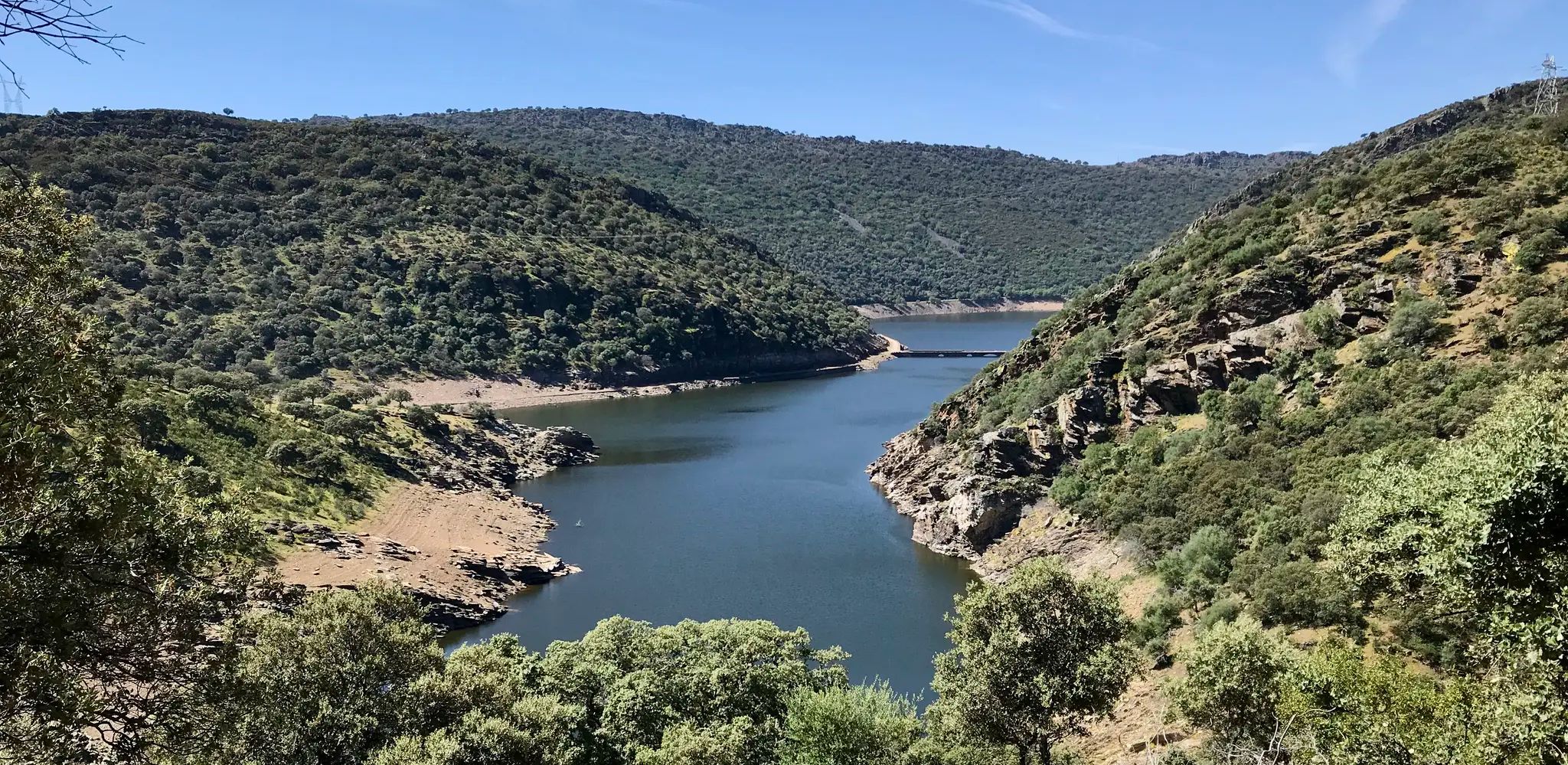
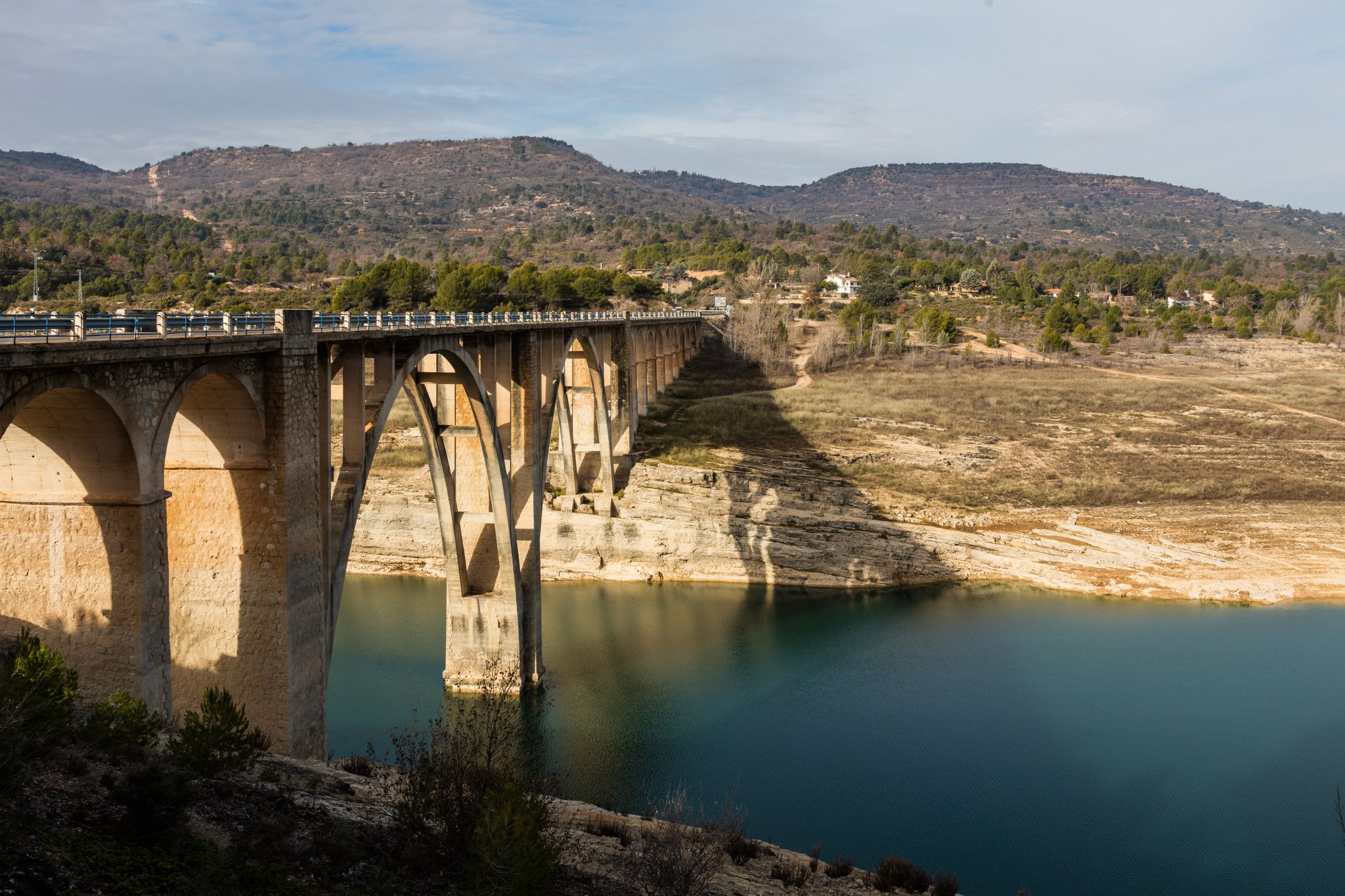
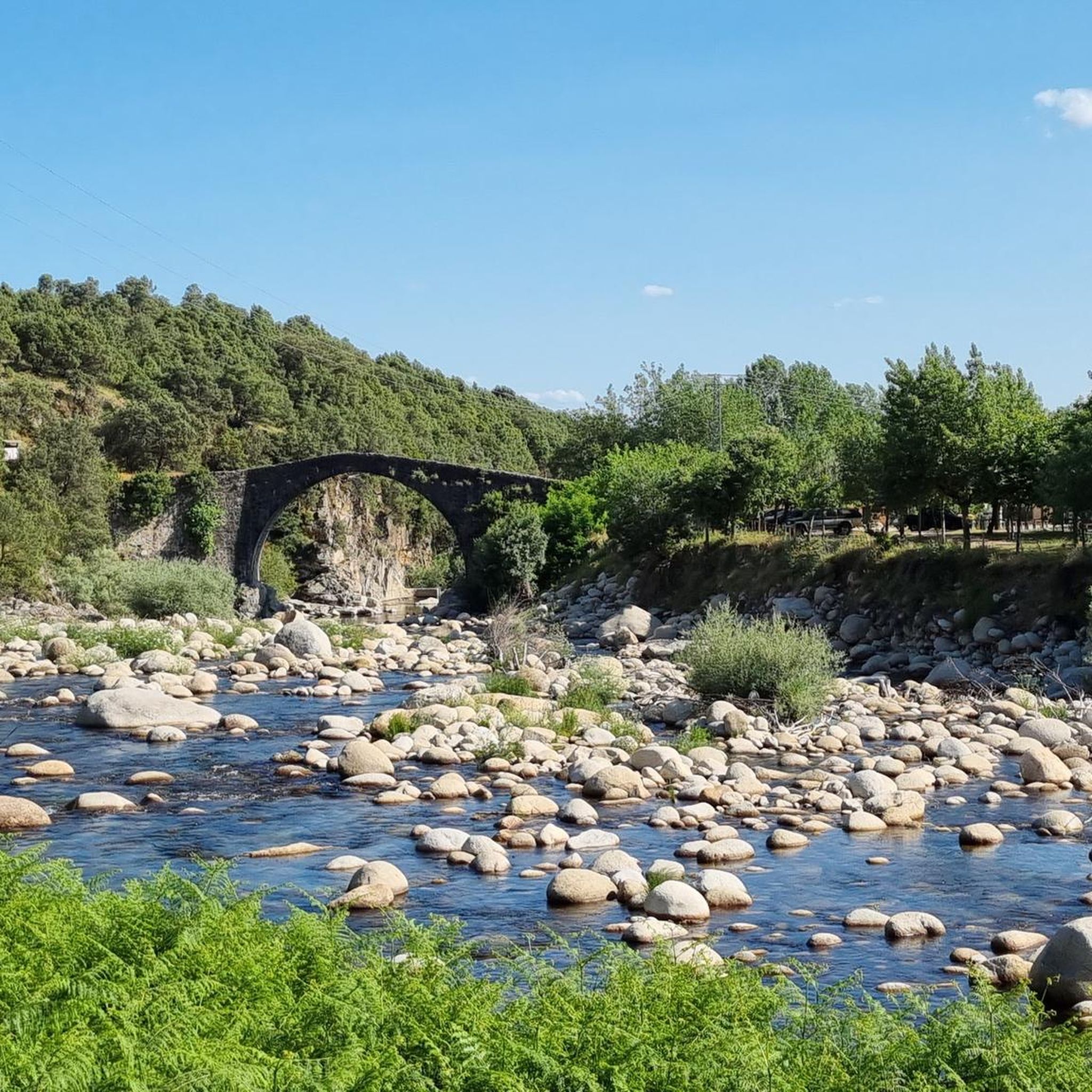
Bridge over the Tagus River and the EX-118 Valdecañas Reservoir road between Bohonal de Ibor and Peraleda de la Mata. You can't walk past without stopping for a photo.
1
1
Spectacular but ghostly remains of a marble temple from an ancient Roman city called Augustobriga. Close your eyes and imagine what the city looked like in its great days.
1
1
Talavera la Vieja corresponds to the Roman city of Augustobriga, halfway between Mérida (Emérita Augusta) and Talavera de la Reina (Caesarobriga). For a long time it was doubted that this was the Roman city, until an inscription was discovered that unquestionably linked the ancient city with the town of Talavera la Vieja. It is interesting to note that the only Roman portico of the Curia that is preserved today comes from this city. Today it is next to the EX-118, since it was saved from the flood by moving the stones and relocating them in the place where they are now. This historical monument is better known as "the marbles".
9
0
Belvís de Monroy is a small town in the Campo Arañuelo region, next to the Tagus River, near the entrance to the Monfragüe National Park. The medieval castle of Belvís el Monroy dominates the town dominating the surrounding landscape and can be seen from afar.
1
0
Remains of a marble temple from an ancient Roman city called Augustobriga. Spectacular views of the Valdecañas reservoir and the bridge that crosses Guadalupe.
1
1

Site with a lot of history behind it that goes back to the time of the Romans in the second century. The old town of Talavera la Vieja or also known as Talaverilla, originally located on the banks of the Tagus River, was flooded in 1963 due to the construction of the Valdecañas Reservoir. Today they can be seen from its shores in a movie landscape but what stands out the most are the Roman ruins of "Los Mármoles" and the "Cilla" temple that can still be visited and date back to the 2nd century when in this place The citadel of Augustobriga was located, which used to have between 4,000 and 7,500 inhabitants at that time. The discovery, in addition to several dolmens, allows us to indicate that there was a population in this area even before it was inhabited by the Romans.
2
0
Frequently Asked Questions
What historical sites can I visit in Bohonal de Ibor?
Bohonal de Ibor is rich in history. You can explore the significant Roman Portico of Augustobriga, also known as Los Mármoles, a 2nd-century AD Roman temple relocated stone by stone. Nearby, you'll find the Ruins of Talavera la Vieja, which correspond to the ancient Roman city of Augustobriga. Another notable historical site is the Castle of Belvís de Monroy, a medieval fortress offering commanding views.
Are there any cultural attractions in the town center of Bohonal de Ibor?
Yes, the main square, Plaza España, is a charming, arcaded area where you can admire local architecture. It is home to the Church of San Bartolomé Apóstol, a central cultural and religious site built at the end of the 15th century, featuring a single nave and stained glass windows.
What natural features can I explore around Bohonal de Ibor?
The area offers diverse natural beauty. Bohonal de Ibor is situated near the Valdecañas reservoir and the Tajo River, providing picturesque views. You can also discover prehistoric vestiges like dolmens in areas such as Paraje del Pibor, located near the confluence of the Ibor and Tajo Rivers. The region also features unique geological formations like the 'giant's kettles' at Geositio 32: Marmitas de Gigante.
Are there opportunities for hiking or cycling near Bohonal de Ibor?
Absolutely. The region is well-suited for outdoor activities. You can find various routes for different sports. For hiking, consider trails like the 'Belvis de Monroy – circular via the Berrocal Hermitage and San Francisco Convent' or 'Talavera la Vieja (Augustobriga) by the Valdecañas Reservoir'. Cyclists can enjoy routes such as 'Bohonal de Ibor from Belvís de Monroy – circular by Río Tajo' or 'Monroy Castle Loop from Navalmoral de la Mata'. For more options, explore the hiking guide and cycling guide for the area.
Where can I find scenic viewpoints in the region?
Many historical sites double as excellent viewpoints. The Roman Portico of Augustobriga offers spectacular views of the Valdecañas reservoir. Similarly, the Castle of Belvís de Monroy provides commanding views of the surrounding landscape near the Tagus River.
Is Bohonal de Ibor suitable for family-friendly activities?
While specific family-friendly activities are not detailed, the natural surroundings and historical sites can be engaging for families. Exploring the Roman ruins or enjoying easy walks along the riverbanks can be pleasant. Many of the hiking routes around Bohonal de Ibor, such as the 'Belvis de Monroy – circular via the Berrocal Hermitage and San Francisco Convent', are rated as easy, making them suitable for families.
What is the terrain like for outdoor activities in the Ibor Valley?
The terrain in the Ibor Valley and around Bohonal de Ibor is varied, ranging from riverbanks near the Tajo and Ibor rivers to elevated areas with geological features. You'll find a mix of flat paths, especially along natural routes like the Camino Natural del Tajo, and more undulating terrain around historical sites and natural elevations like Cancho la Vieja and Librillo. Difficulty levels for routes vary from easy to difficult, catering to different fitness levels.
When is the best time to visit Bohonal de Ibor for outdoor activities?
Extremadura generally experiences hot summers. For outdoor activities like hiking and cycling, spring (April-May) and autumn (September-October) offer milder temperatures, making them ideal for exploring the natural beauty and historical sites comfortably. Winter can also be pleasant for walks, though some routes might be affected by rain.
What do visitors enjoy most about the attractions in Bohonal de Ibor?
Visitors particularly appreciate the historical significance and scenic beauty. The Temple of the Woodcutters of Augustobriga is often highlighted for its spectacular yet ghostly remains and the impressive views of the Valdecañas reservoir. The blend of ancient history with the tranquil natural setting of the Tajo River and reservoir is a key draw.
Are there any ancient aqueducts or hydraulic structures to see?
Yes, you can visit the Acueducto de las Herrerías. This old hydraulic infrastructure was designed to supply energy to a blacksmith shop and later mini power plants. It's part of a larger system that includes a seven-kilometer canal, showcasing historical engineering in the region.
Where can I find prehistoric sites in the area?
The municipality of Bohonal de Ibor is rich in prehistoric vestiges. Numerous dolmens are scattered throughout the surrounding areas, including the Dolmen Pibor, which can be found in the natural area of Paraje del Pibor, near the mouth of the Ibor River into the Tajo.
What kind of outdoor sports can I do around Bohonal de Ibor?
Besides hiking and cycling, the proximity to the Valdecañas reservoir and the Tajo River offers opportunities for sport fishing and sailing. Mountain biking is also popular, with routes like 'Castillo de Monroy – View of Castillo de Monroy loop from Navalmoral de la Mata' available. You can find more details in the MTB trails guide.
Most popular routes around Bohonal De Ibor

Get inspired with the komoot mobile app


Explore more
Still not found the Highlight you’re looking for? See guides of the top attractions in other regions:
