The best road cycling routes around Aldeadávila De La Ribera
3.0
(1)
62
riders
5
rides
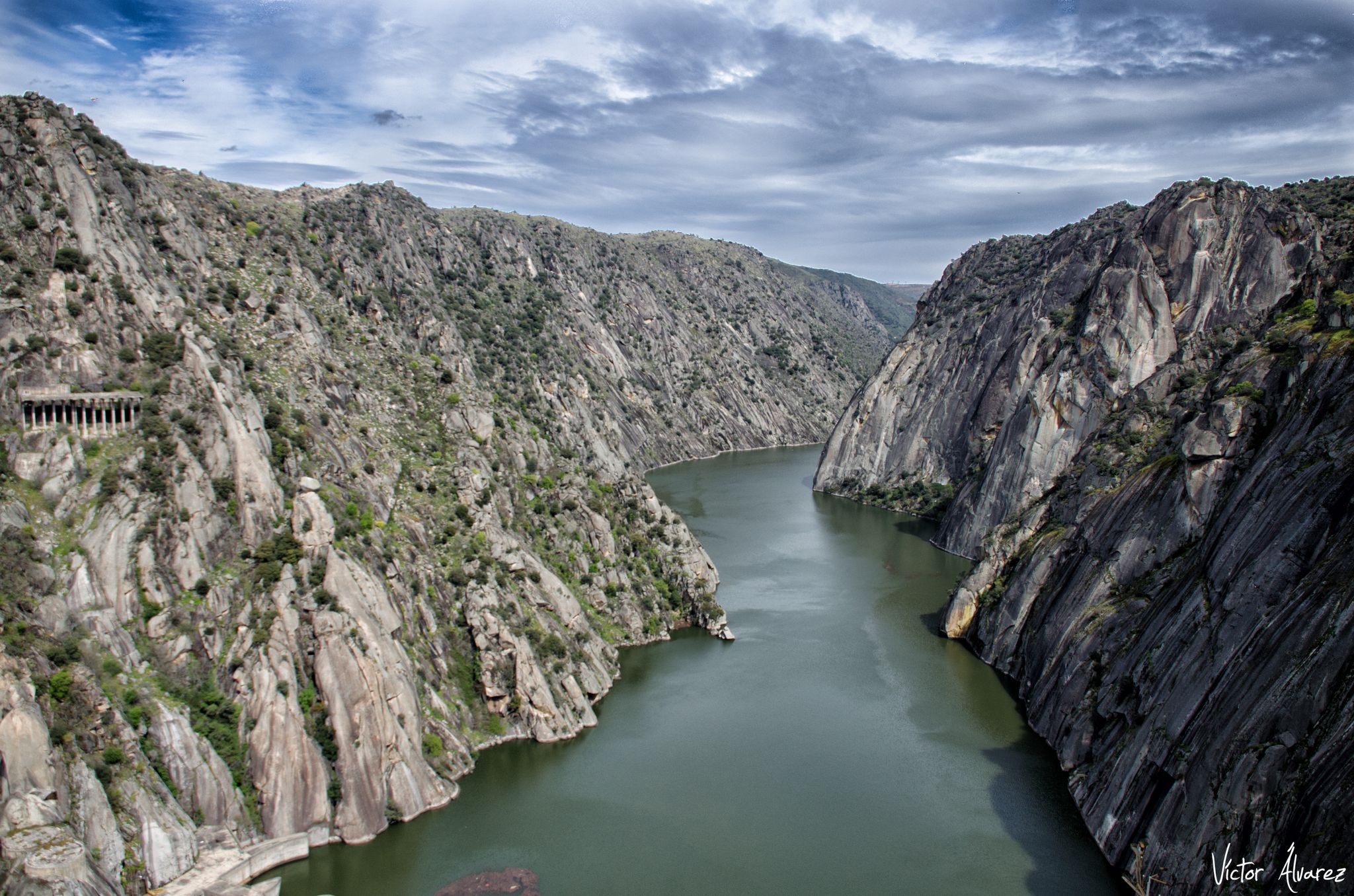
Road cycling routes around Aldeadávila De La Ribera traverse a challenging landscape within the Arribes del Duero Natural Park. The region is defined by the deep Duero River canyon, featuring dramatic vertical walls and significant elevation changes. While the broader Northern Plateau presents a generally hilly relief, the riverbeds carve out a distinct and demanding terrain for cyclists. The geological composition includes granitoids, schists, and slates, contributing to the varied surfaces encountered on routes.
Best road cycling routes around Aldeadávila…
Last updated: July 2, 2026
3
riders
Moderate road ride. Good fitness required. Mostly well-paved surfaces and easy to ride.
3.0
(1)
7
riders
Moderate road ride. Good fitness required. Mostly well-paved surfaces and easy to ride.

Sign up for free
4
riders
44.3km
02:03
420m
420m
Moderate road ride. Good fitness required. Mostly well-paved surfaces and easy to ride.
7
riders
65.6km
03:09
900m
900m
Hard road ride. Very good fitness required. Mostly well-paved surfaces and easy to ride.
3
riders
68.1km
03:16
810m
810m
Moderate road ride. Good fitness required. Some segments of this route may be unpaved and difficult to ride.
Our route recommendations are based on thousands of hikes, rides, and runs completed by other people on komoot.
Start today with a free account
Your next adventure awaits.
Login or Signup


Other adventures around Aldeadávila De La Ribera

Tips from the Community

The Embarcadero de La Barca is located in Vilvestre, Salamanca, and is a starting point for boat trips along the Duero River. From here, the boats take routes that allow you to enjoy the impressive landscapes of the Duero Internacional and Arribes del Duero Natural Parks. These trips usually last around an hour and a half and offer the opportunity to observe the rich flora and fauna of the region, including birds of prey such as the golden eagle and the griffon vulture. In addition, the route allows you to contemplate the natural beauty of the cliffs and the Mediterranean microclimate of the area. 😊
6
0

Beautiful town with very beautiful views of the Douro. Visit Rostro beach and take a boat ride on the river.
0
0

The municipality of Aldeadávila de la Ribera, in the province of Salamanca, is one of the towns with the most tourist offers in the heart of the Arribes de Duero natural park.
1
0
View of the Duero from the viewpoint of the Castillo de Vilvestre, Salamanca province, Castilla y León, Spain. The other side of the river belongs to Portugal.
9
0
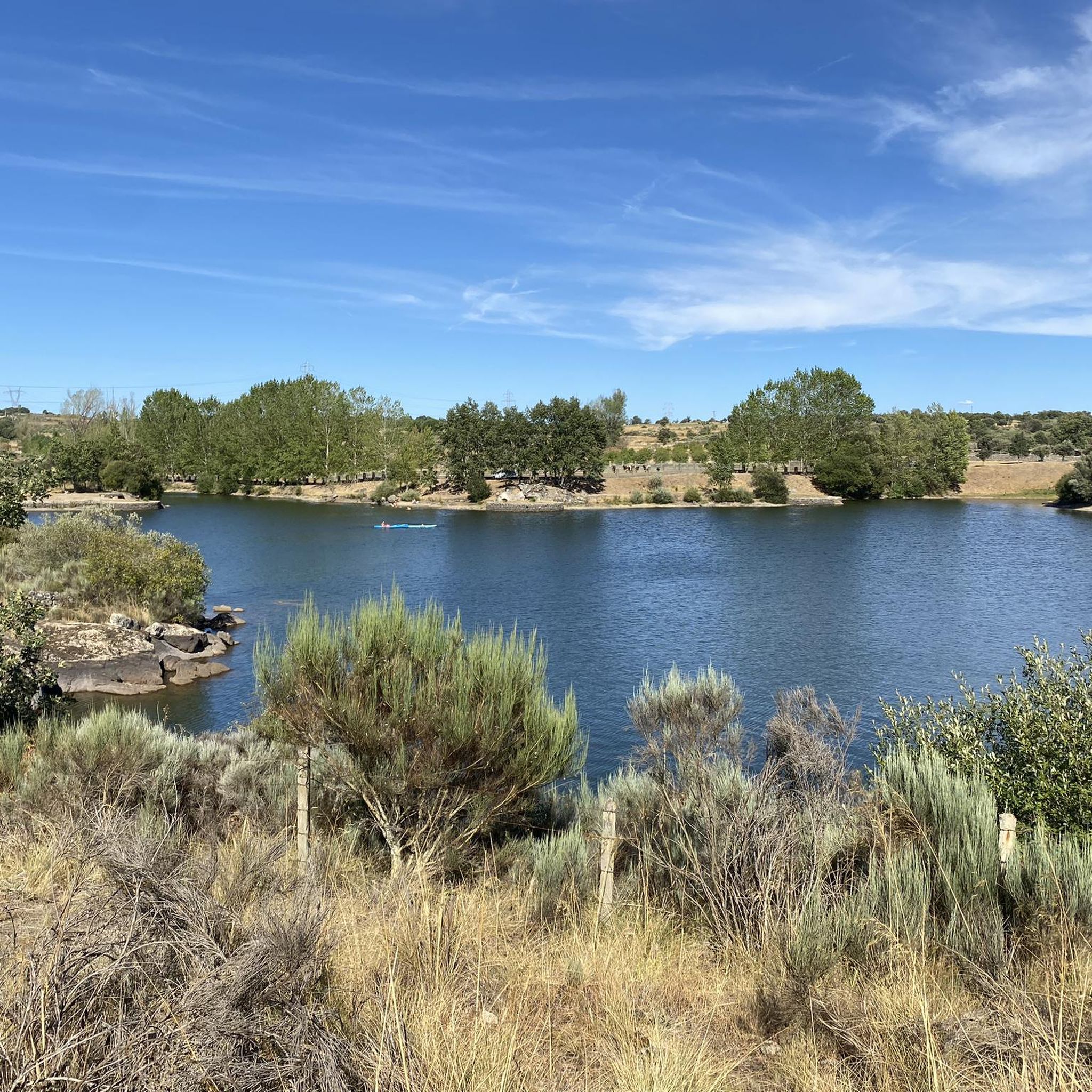
Recreational area located next to the Duero River where we can find a picnic area, a shelter and a river dock.
5
0

A wonder of nature in an environment that does not have large rocks and this wonder appears from the bowels of the earth. You cannot climb to the top but the views from the base are fantastic.
0
0
Spectacular viewpoint to the Almendra dam, both at the top and at the bottom. Depending on when the reservoir is visited, it is more or less full of water.
0
0
Castle that is located in the highest part of the historic center of Vilvestre, next to the Hermitage of the Virgen del Castillo (to which it gives its name), presiding over the mound under which the town sits.
0
0
Frequently Asked Questions
What is the typical terrain like for road cycling in Aldeadávila De La Ribera?
Road cycling in Aldeadávila De La Ribera is characterized by the dramatic Duero River canyon, featuring significant elevation changes and challenging landscapes. While the broader Northern Plateau has a generally hilly relief, the riverbeds carve out a demanding terrain. Cyclists can expect routes with substantial climbs and descents, often on well-paved surfaces, offering stunning canyon views.
What is the best time of year for road cycling in this region?
The most favorable seasons for road cycling in Aldeadávila De La Ribera are generally from April to mid-June and from September to the end of October. During these periods, the weather is typically more temperate, making the challenging routes more enjoyable.
Are there any beginner-friendly road cycling routes in Aldeadávila De La Ribera?
The road cycling routes around Aldeadávila De La Ribera are generally considered exacting and best suited for experienced cyclists due to significant elevation changes and challenging terrain. There are no routes currently classified as easy within the komoot guide for this area.
Can you recommend a challenging road cycling route with significant elevation gain?
For experienced cyclists seeking a challenge, the Pastry shop in Moncorvo – Pocinho Station loop from Castelo Branco is a difficult 99.9 km (62.1 miles) path featuring substantial elevation gain, reaching nearly 1,800 meters. Another demanding option is the View of Mogadouro Castle – Sambade loop from Castelo Branco, which covers 128.9 km (80.1 miles) with over 2,300 meters of ascent.
Are there circular road cycling routes available?
Yes, there are several circular road cycling routes. A popular option is the Mirador del Castillo and views of the Duero River — circular Parque Natural de Arribes del Duero, a 50.5 km (31.4 miles) trail. Another local favorite is the Aldeadávila de la Ribera – La Peñagorda loop from Aldeadávila de la Ribera, which is 49.7 km (30.9 miles) long.
What kind of landmarks or viewpoints can I expect to see along the cycling routes?
The region is famous for its numerous 'miradores' (viewpoints) offering unparalleled vistas of the Duero canyon. You might encounter stunning spots like the Rupurapay Viewpoint or the Friar's Viewpoint. The impressive Aldeadávila Dam is also a significant landmark in the area.
Are there any waterfalls accessible near the road cycling routes?
Yes, the spectacular Pozo de los Humos Waterfall is a notable natural attraction in the vicinity. You can also find the Pozo de los Humos Viewpoint for excellent views, and the Cascada de Pinero.
How long do road cycling routes typically take to complete in Aldeadávila De La Ribera?
The duration of road cycling routes varies depending on their length and difficulty. For example, the Mirador del Castillo and views of the Duero River — circular Parque Natural de Arribes del Duero typically takes around 2 hours 30 minutes, while longer, more difficult routes like the Mogadouro Castle – Albufeira do Azibo loop from Castelo Branco can take over 5 hours.
What do other road cyclists enjoy most about road cycling in Aldeadávila De La Ribera?
The area is rated by the komoot community with an average score of 3.0 stars. Cyclists often praise the stunning canyon views, the challenging nature of the terrain, and the opportunity to pass through picturesque villages within the Arribes del Duero Natural Park.
Are there many road cycling routes to choose from in Aldeadávila De La Ribera?
There are several road cycling routes available, offering a variety of distances and challenges. The komoot guide features over 5 distinct road cycling tours, primarily catering to moderate to difficult skill levels.
What are some of the natural features that make this region unique for cycling?
The region's unique appeal for cycling stems from the dramatic Duero River canyon, which boasts vertical walls over 1,300 feet high. The geological composition of granitoids, schists, and slates creates varied surfaces, and the warmer microclimate in the canyon supports olive groves, vineyards, and almond trees, adding to the scenic beauty.
Most popular attractions around Aldeadávila De La Ribera

Get inspired with the komoot mobile app


Explore more
Browse the best Road cycling routes in other regions.
