The best mountain hikes around Ochagavía/Otsagabia
14
hikers
4
hikes
Mountaineering routes around Ochagavía/Otsagabia traverse the rugged terrain of the Pyrenees, characterized by high mountain passes, dense forests, and deep valleys. The region features significant elevation changes, offering challenging ascents and rewarding panoramic views. Waterfalls and natural swimming pools are often found along the routes, adding to the diverse landscape. This area provides a true mountain experience within the Navarre region.
Best mountaineering routes around Ochagavía/Otsagabia
- The most popular mountaineering route is Ateas de Belabarze Pass – Belabarzeko Urjausia -…
Last updated: July 3, 2026
7
hikers
Moderate mountaineering route. Good fitness required. Mostly accessible paths. Sure-footedness required.
4
hikers
13.7km
04:12
440m
440m
Moderate mountaineering route. Good fitness required. Easily-accessible paths. Suitable for all skill levels.

Sign up for free
2
hikers
Hard mountaineering route. Very good fitness required. Mostly accessible paths. Sure-footedness required.
1
hikers
Moderate mountaineering route. Good fitness required. Mostly accessible paths. Sure-footedness required.
Our route recommendations are based on thousands of hikes, rides, and runs completed by other people on komoot.
Start today with a free account
Your next adventure awaits.
Login or Signup
Popular around Ochagavía/Otsagabia
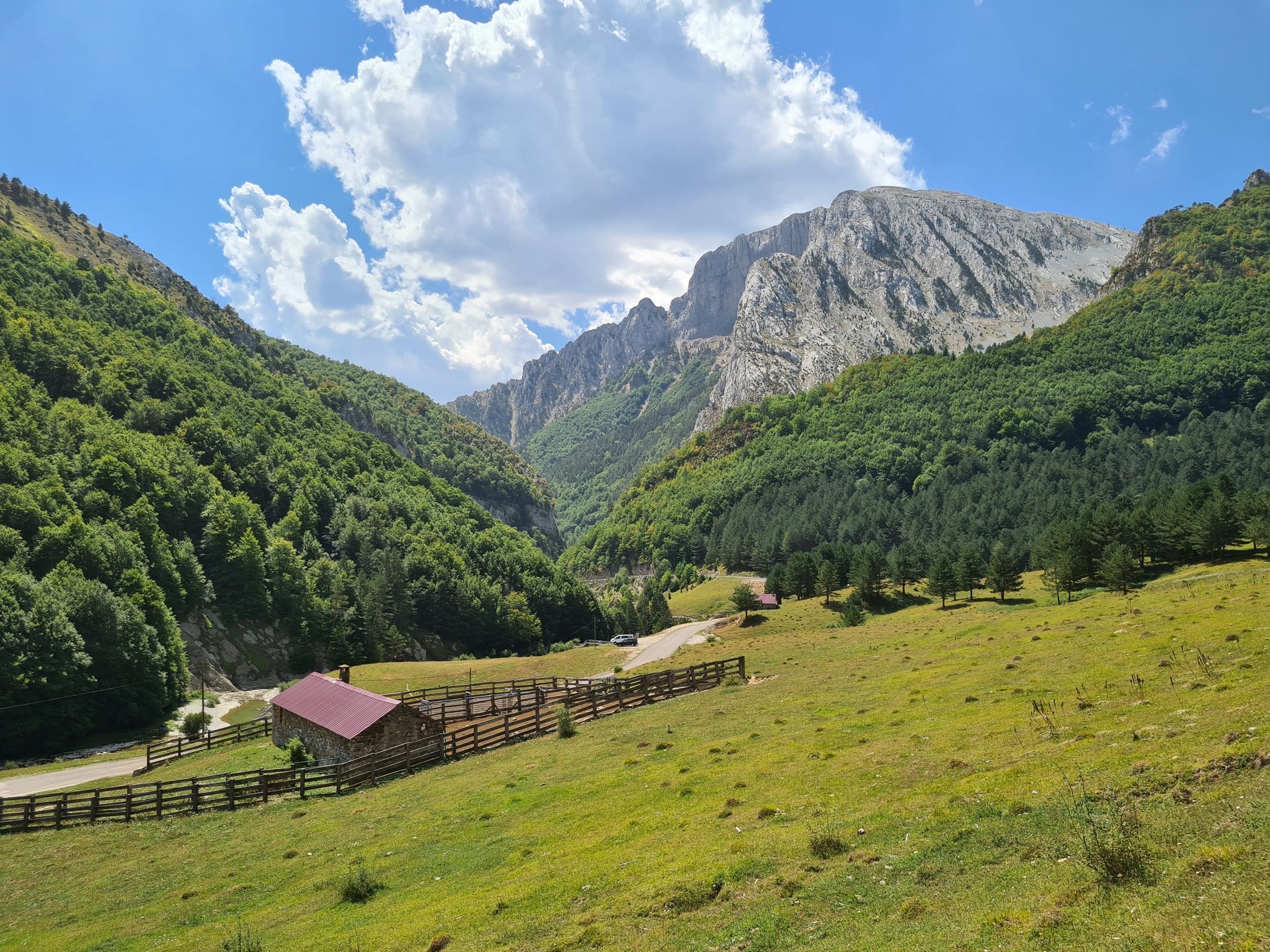
On the other side of the Pyrénées
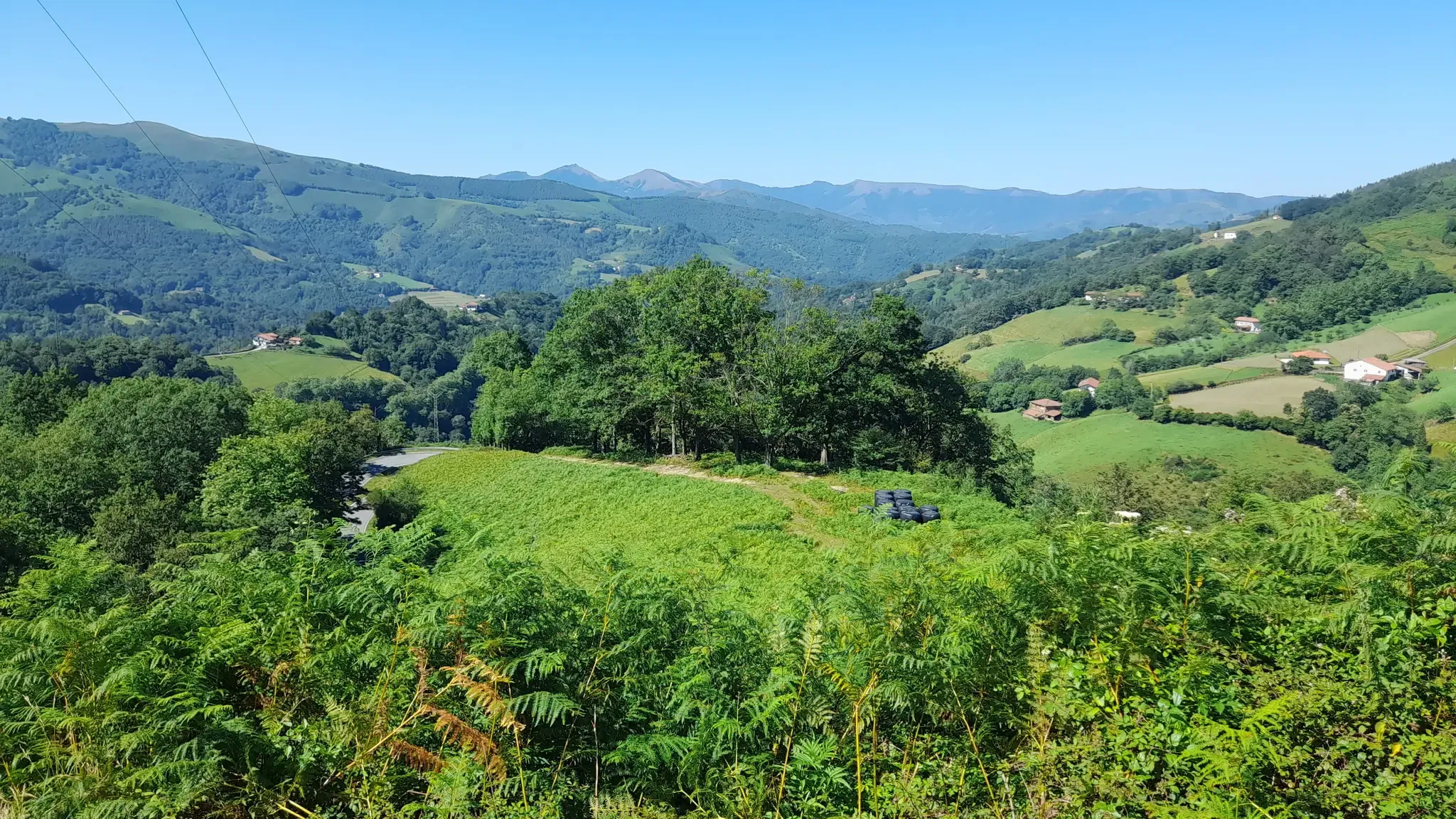
Discover the Basque Country and Navarre on the Pyrenean Path – GR 11
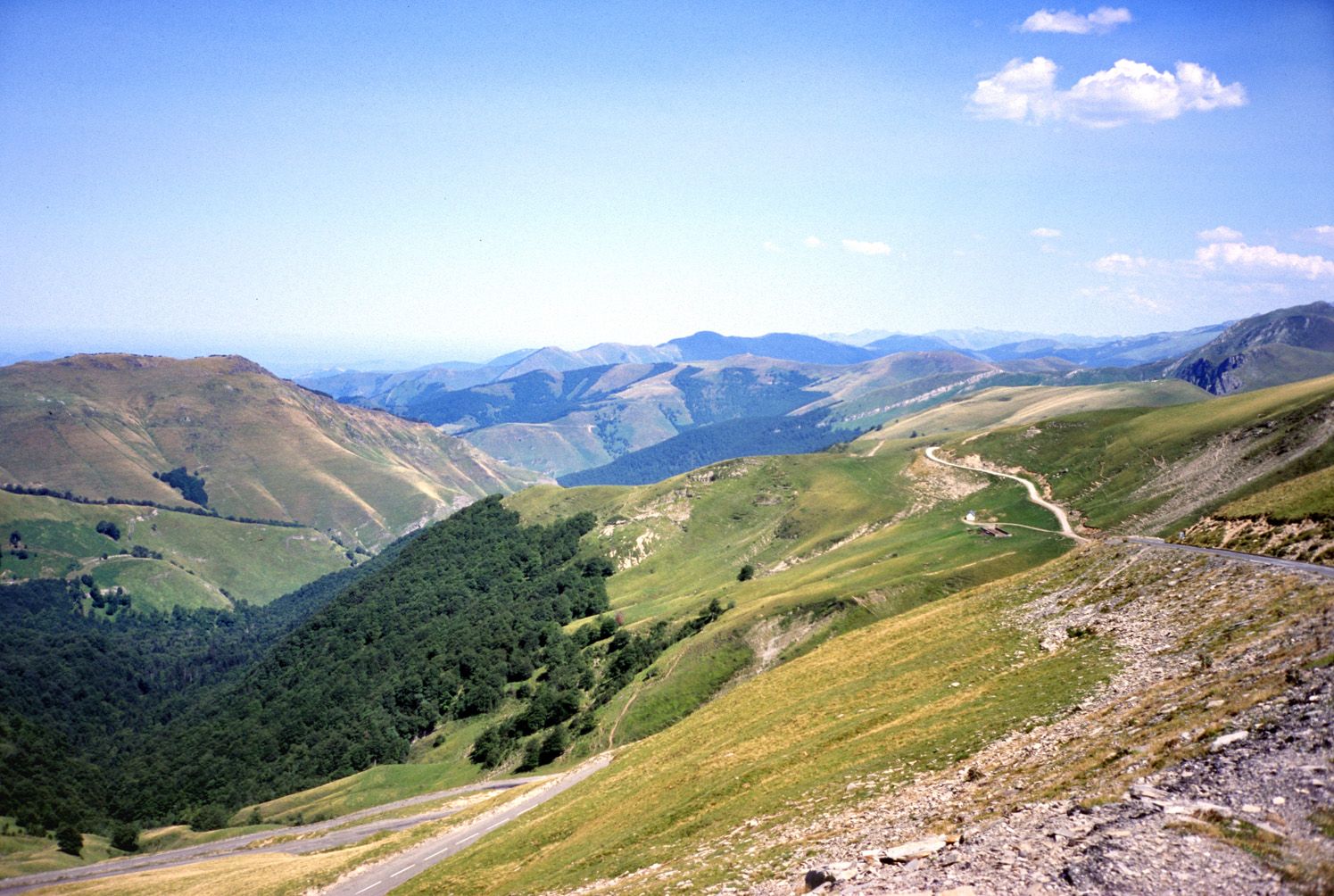
The most beautiful road bike passes of the Pyrenees
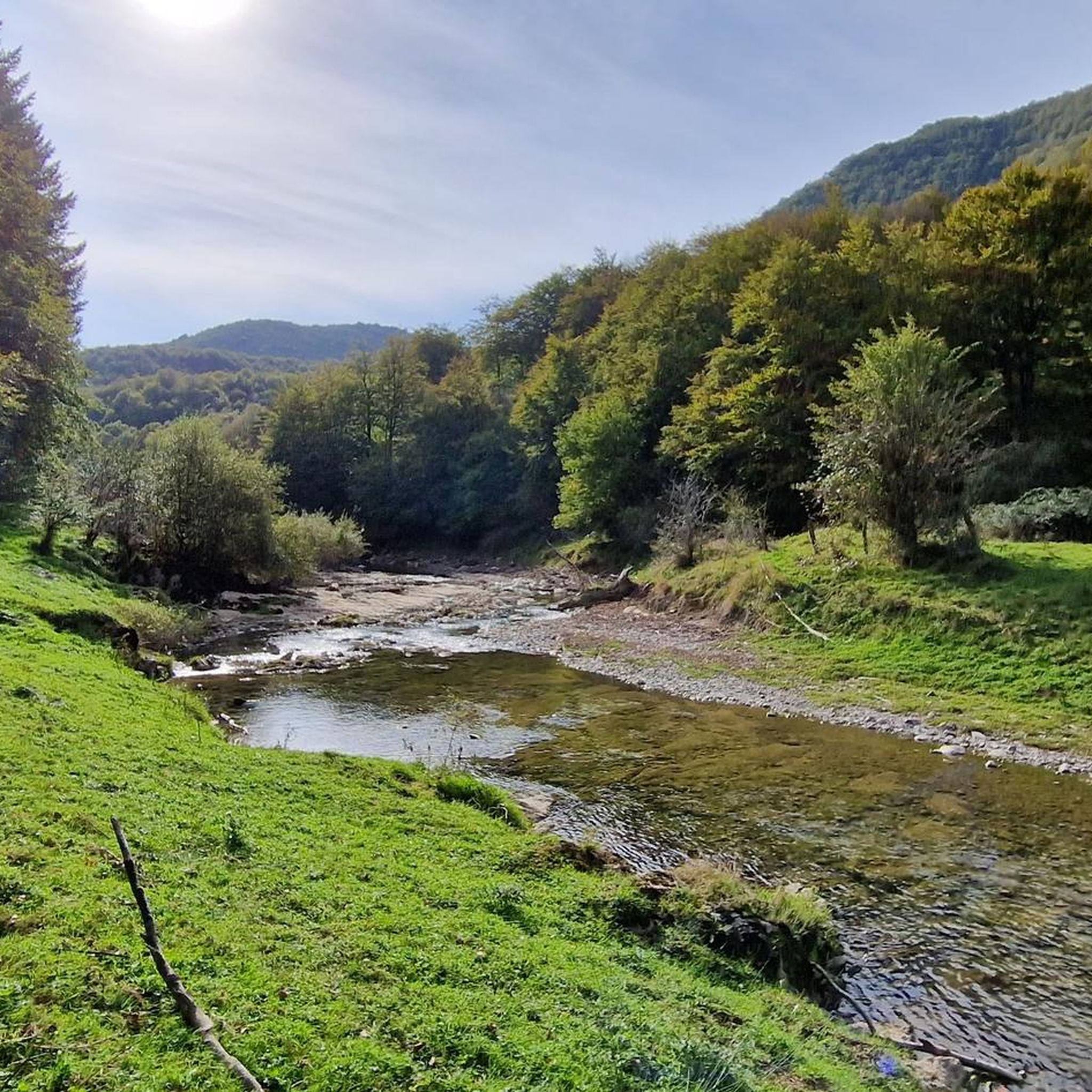
Hiking around Ochagavía/Otsagabia
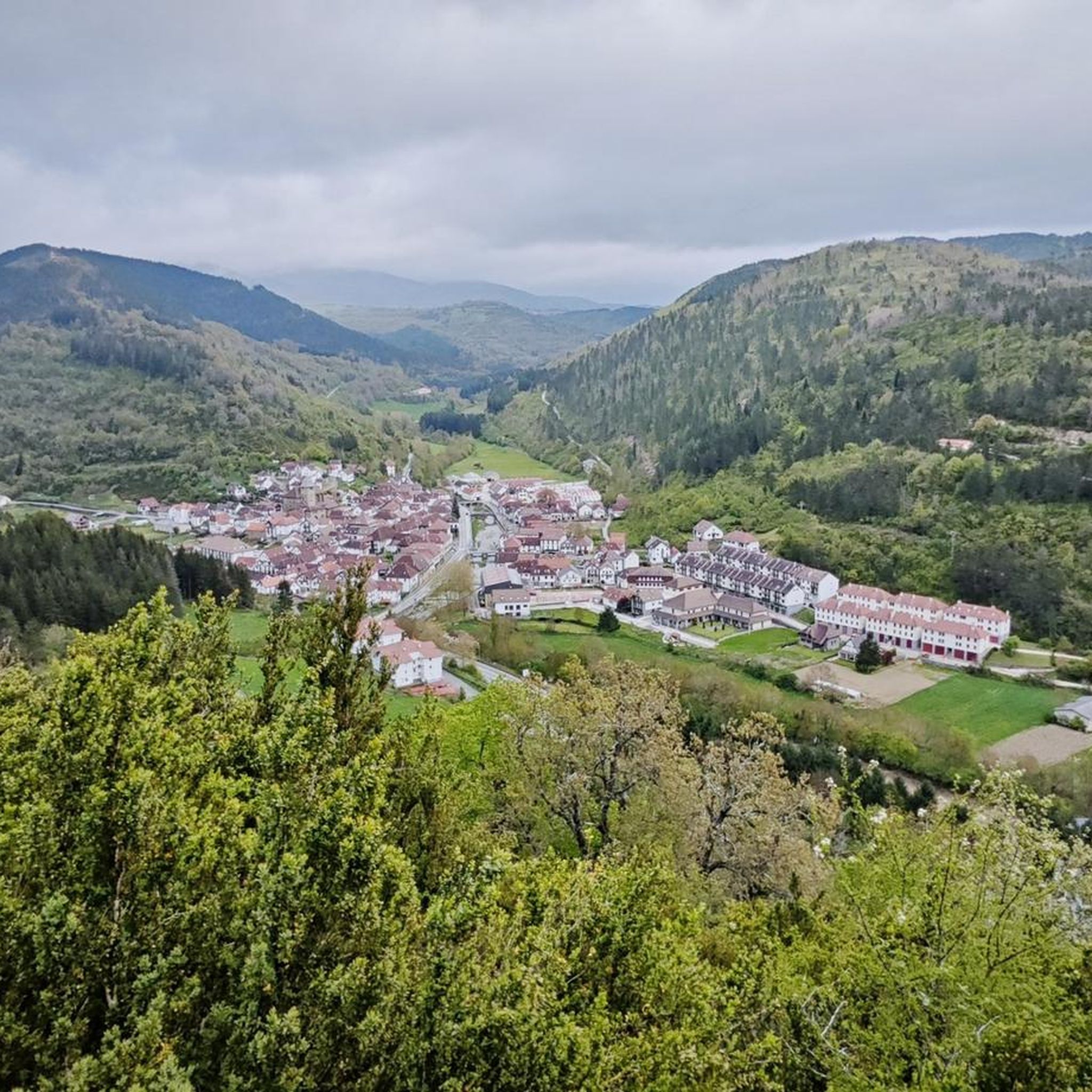
MTB Trails around Ochagavía/Otsagabia
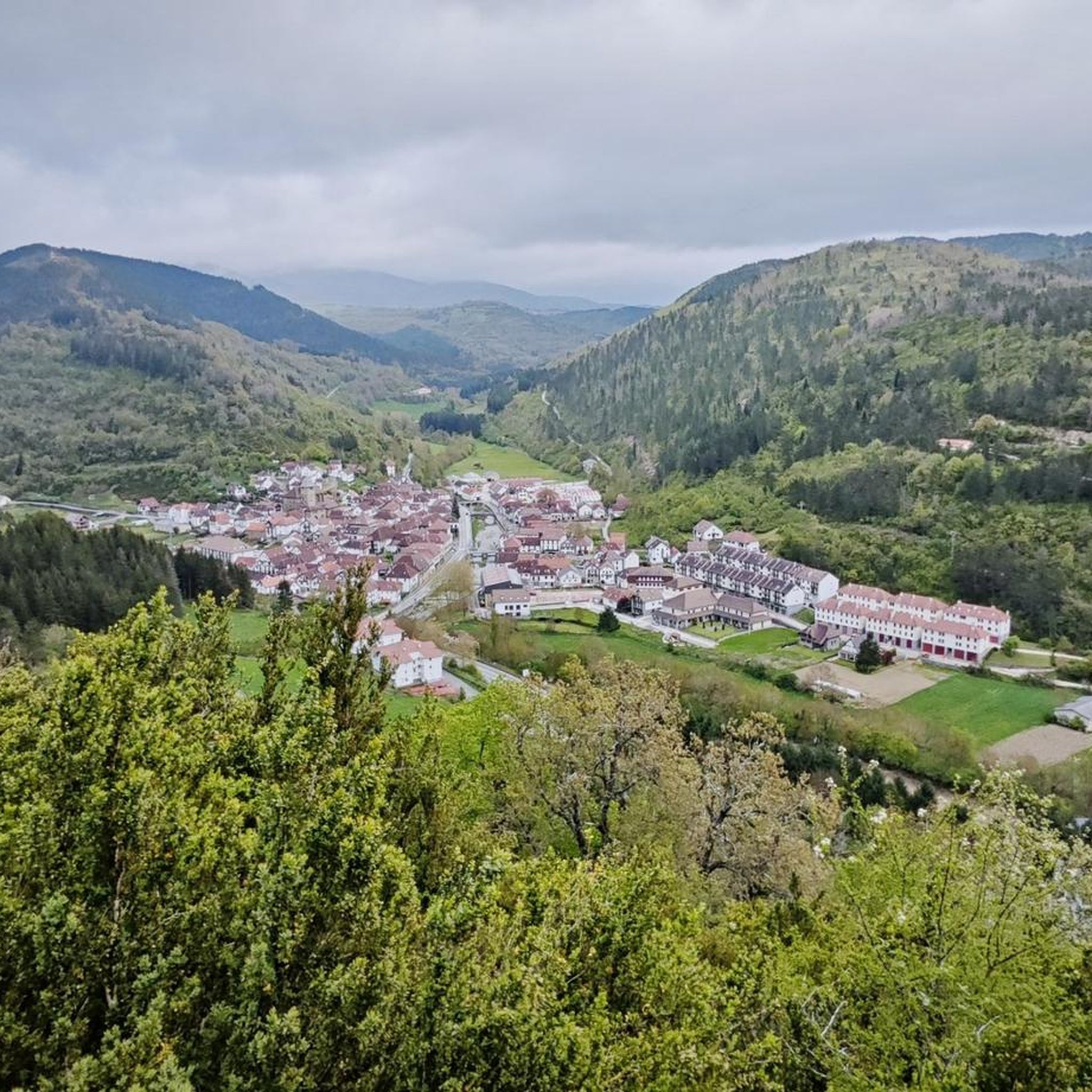
Road Cycling Routes around Ochagavía/Otsagabia
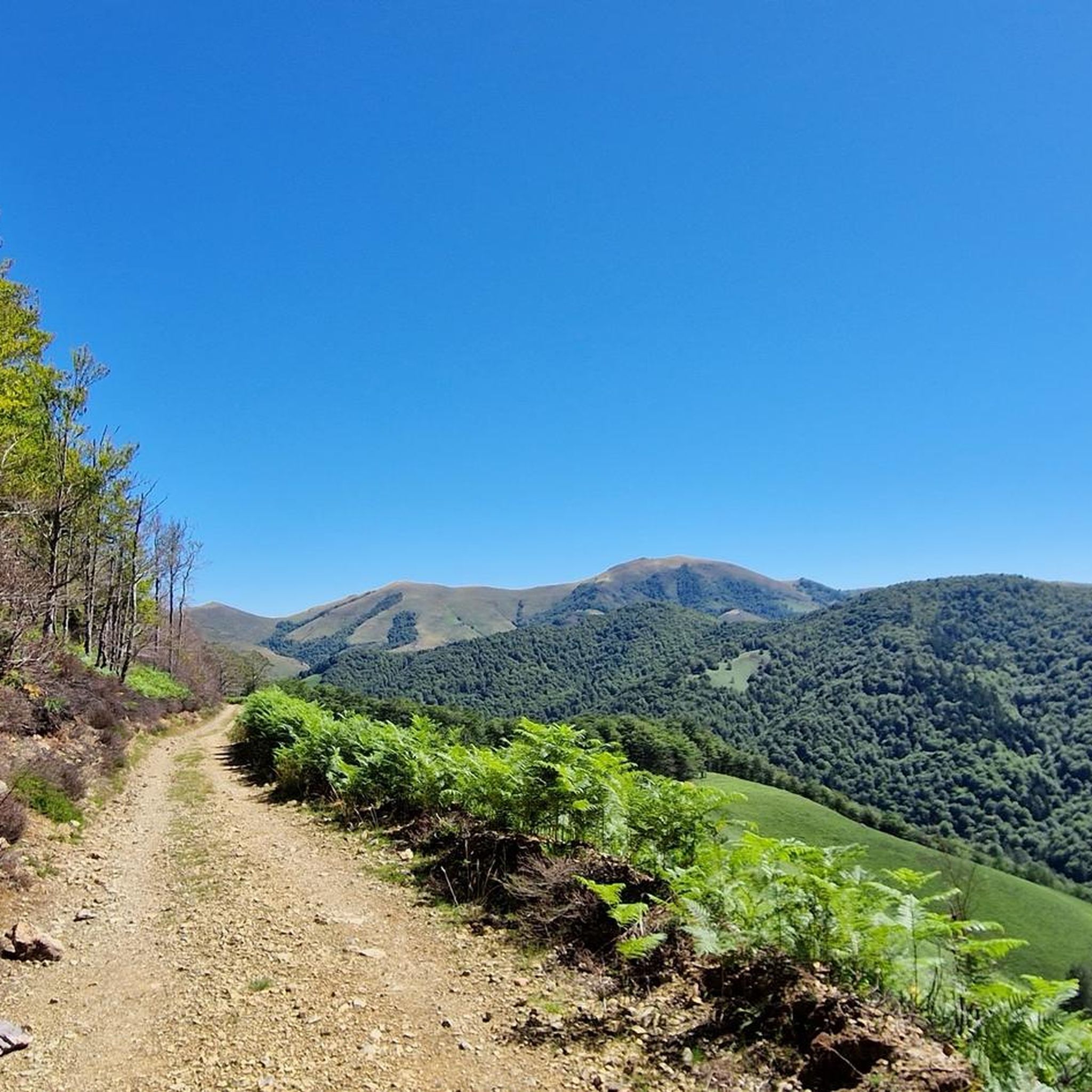
Running Trails around Ochagavía/Otsagabia
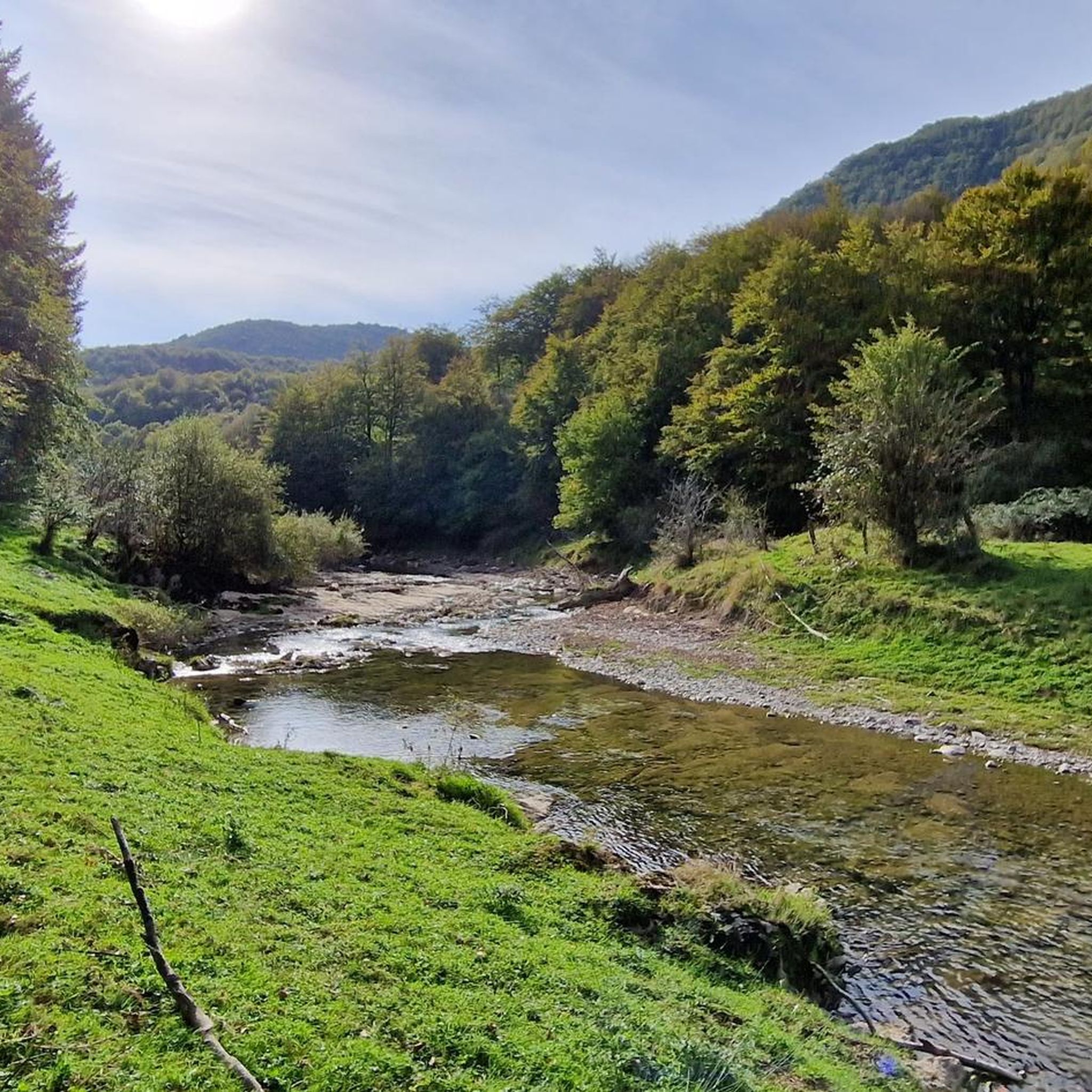
Cycling around Ochagavía/Otsagabia
Other adventures around Ochagavía/Otsagabia


Tips from the Community

They have the best accessible toilet within a 20 km radius.
0
0

Drinking water from the well and Bocas and also food in the restaurant
0
0

Path frequented by hikers respect everyone. It is worth coming to see the waterfall, it is very easy to access.
1
0

It is one of the gateways to the Irati Jungle. Many paths start from here to enter the forest, reaching the Irabia reservoir or passing to France. These roads are not paved, although they can be crossed with a road bike if the tire size is 27 or larger. At this entrance there is a bar/hostel where you can eat very well. It usually has a lot of atmosphere on weekends and holiday periods.
0
0
I have visited the Irati Jungle many times. This area is one of the best in the Pyrenees for cycling: dreamlike landscapes, ports of all kinds, quiet roads, beautiful towns and good food. Do not hesitate to visit the Irati Forest and its surroundings, whether in Spain or France. It is a unique experience.
0
0
We are at the entrance to the Irati beech forest on the French side, near the Chalet Pedro d'Irati. Nearby there are a couple of very small lakes surrounded by beech forests that are worth visiting.
0
0

Magnificent waterfall in the Belabarce valley. After a good walk, a place to refresh.
0
0

I don't remember having seen the title of "one of the most beautiful towns in Navarra" or similar, but the truth is that, if it doesn't have it, it deserves it.
2
0
Frequently Asked Questions
How difficult are the mountaineering routes around Ochagavía/Otsagabia?
The mountaineering routes in this region offer a range of challenges. You'll find mostly moderate routes, with some more difficult options. For example, the Barangada Viewpoint – Collado de Millingrate loop from Uztárroz / Uztarroze is considered difficult, involving significant elevation changes over 10.5 miles (17 km).
Are there any beginner-friendly mountaineering routes in Ochagavía/Otsagabia?
While many routes involve significant elevation, some moderate options can be suitable for those with a good fitness level and some hiking experience. The region's routes are generally characterized by high mountain passes and varied terrain, so even moderate routes require preparation. There are no routes specifically classified as 'easy' in this guide, but routes like the Ateas de Belabarze Pass – Belabarzeko Urjausia - natural swimming pool loop from Isaba / Izaba offer a moderate challenge with rewarding features.
What is the typical length and duration of mountaineering routes here?
The mountaineering routes around Ochagavía/Otsagabia vary in length and duration. You can expect routes ranging from approximately 7.5 miles (12 km) to 10.5 miles (17 km). Durations typically range from around 4 to 6 hours, depending on the route's difficulty and your pace. For instance, the El Cubo Waterfall – Irati Houses loop from Orreaga-Iratiko oihana BBE-KBE is about 8.5 miles (13.7 km) and takes roughly 4 hours to complete.
When is the best time of year for mountaineering in Ochagavía/Otsagabia?
The best time for mountaineering in the Pyrenees region, including Ochagavía/Otsagabia, is typically from late spring to early autumn (May to October). During these months, the weather is generally more stable, and trails are clear of snow at lower to mid-altitudes. Autumn offers stunning foliage, but be prepared for cooler temperatures and potential rain. Always check local weather forecasts before heading out.
What essential gear should I bring for mountaineering in Ochagavía/Otsagabia?
Given the varied terrain and potential for rapid weather changes in the Pyrenees, it's crucial to be well-prepared. Essential gear includes sturdy hiking boots, layered clothing (waterproof and windproof outer layers are a must), sufficient water and snacks, a map and compass or GPS device, sun protection, and a first-aid kit. Trekking poles can also be very helpful on steep ascents and descents.
Are there any circular mountaineering routes in the area?
Yes, several routes in the region are designed as loops, allowing you to start and finish at the same point. Examples include the Ateas de Belabarze Pass – Belabarzeko Urjausia - natural swimming pool loop from Isaba / Izaba and the Col de Sourzay – Zurtzai Ipar loop from Col de Burdincurutcheta, which offers a moderate challenge over 10.8 miles (17.4 km).
What kind of wildlife might I spot while mountaineering in Ochagavía/Otsagabia?
The Pyrenees are rich in biodiversity. While mountaineering, you might encounter various bird species, including raptors like griffon vultures. Mammals such as chamois, deer, and wild boar are present, though often shy. Keep an eye out for unique flora as well, especially during spring and summer.
Are there any notable natural attractions or landmarks along these routes?
Yes, the region is known for its natural beauty. Many routes feature impressive waterfalls and natural swimming pools, such as those found on the Ateas de Belabarze Pass – Belabarzeko Urjausia - natural swimming pool loop from Isaba / Izaba. You can also explore highlights like the Holzarte Footbridge or the majestic Pic d'Orhy, a prominent summit in the area.
Can I bring my dog on the mountaineering routes?
Many trails in the Pyrenees are dog-friendly, but it's always best to check local regulations for specific areas, especially within natural parks or protected zones. Generally, dogs should be kept on a leash to protect wildlife and ensure their safety on challenging terrain. Remember to bring enough water for your dog and clean up after them.
Are there any hidden gem mountaineering routes or less-trafficked trails?
While the guide highlights popular routes, the vastness of the Pyrenees means there are always opportunities to discover quieter trails. Exploring routes that venture deeper into the Irati forest or less-known passes can offer a more secluded experience. The Col de Sourzay – Zurtzai Ipar loop from Col de Burdincurutcheta, for example, offers a challenging and immersive experience away from the busiest spots.
Is parking readily available near the trailheads in Ochagavía/Otsagabia?
Parking availability can vary depending on the specific trailhead. In general, smaller villages and popular starting points for mountain routes often have designated parking areas, though these can fill up quickly during peak season. It's advisable to arrive early, especially for popular routes, or to research specific parking options for your chosen starting point.
Are there options for winter mountaineering in Ochagavía/Otsagabia?
Winter mountaineering in Ochagavía/Otsagabia is possible but requires specialized skills, equipment (such as snowshoes, crampons, and ice axes), and a thorough understanding of avalanche safety. Many routes become significantly more challenging and potentially dangerous due to snow and ice. It is recommended only for experienced mountaineers with proper winter training and gear, and always check conditions and forecasts before attempting.
What do other mountaineers enjoy most about the routes in Ochagavía/Otsagabia?
Mountaineers using komoot frequently praise the diverse landscape, from dense forests like the Irati to high mountain passes and rewarding panoramic views. The presence of natural features such as waterfalls and swimming pools, as seen on routes like the Ateas de Belabarze Pass – Belabarzeko Urjausia - natural swimming pool loop from Isaba / Izaba, is also a highlight for many.
Most popular routes around Ochagavía/Otsagabia
Most popular attractions around Ochagavía/Otsagabia

Get inspired with the komoot mobile app


Explore more
Browse the best Mountain Hikes & Routes in other regions.
