The best running trails around Cáceres
3.9
(16)
1,370
runners
123
runs
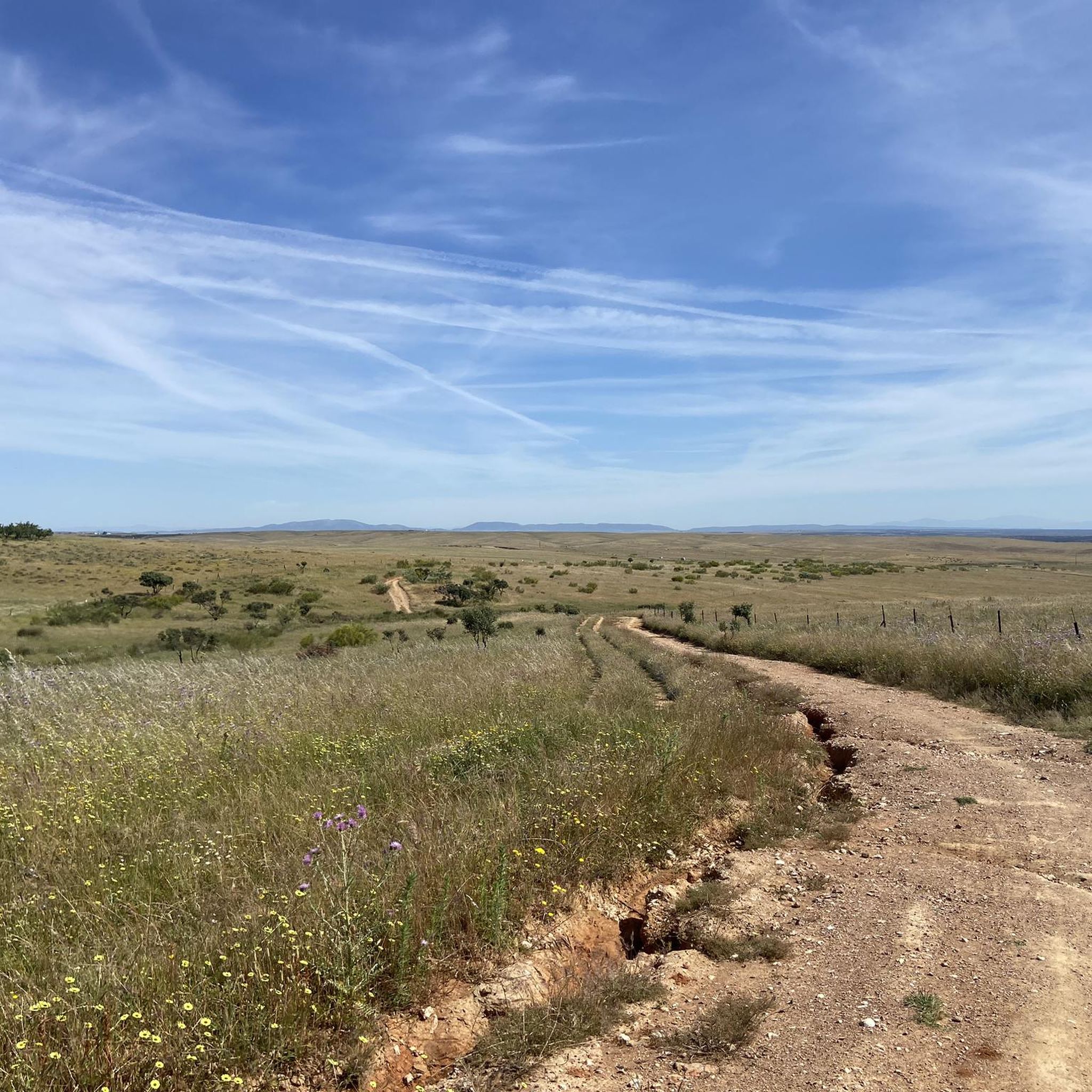
Jogging around Cáceres offers diverse opportunities to explore its unique natural landscapes and historic urban areas. The region features a blend of well-maintained urban parks and significant protected natural spaces, providing varied terrains for running. Runners can experience routes through distinctive granite rock formations, Mediterranean vegetation, and gentle hills. The area's rich natural heritage complements its historic city center, making it an appealing destination for outdoor pursuits.
Best jogging routes around Cáceres
- The most popular jogging route is Vía de…
Last updated: July 7, 2026
38
runners
5.64km
00:36
110m
110m
Moderate run. Good fitness required. Mostly paved surfaces. Suitable for all skill levels.
4.0
(1)
32
runners
9.83km
01:05
120m
120m
Moderate run. Good fitness required. Mostly accessible paths. Some sure footedness required.

Sign up for free
12
runners
9.63km
01:10
200m
200m
Moderate run. Good fitness required. Mostly accessible paths. Some sure footedness required.
10
runners
8.22km
00:57
210m
220m
Hard run. Good fitness required. Sure-footedness, sturdy shoes and alpine experience required.
9
runners
9.53km
01:14
240m
240m
Hard run. Good fitness required. Sure-footedness, sturdy shoes and alpine experience required.
Get access to more routes and recommendations from other explorers.
Sign up for free
Already have an account?
Our route recommendations are based on thousands of hikes, rides, and runs completed by other people on komoot.
Start today with a free account
Your next adventure awaits.
Login or Signup
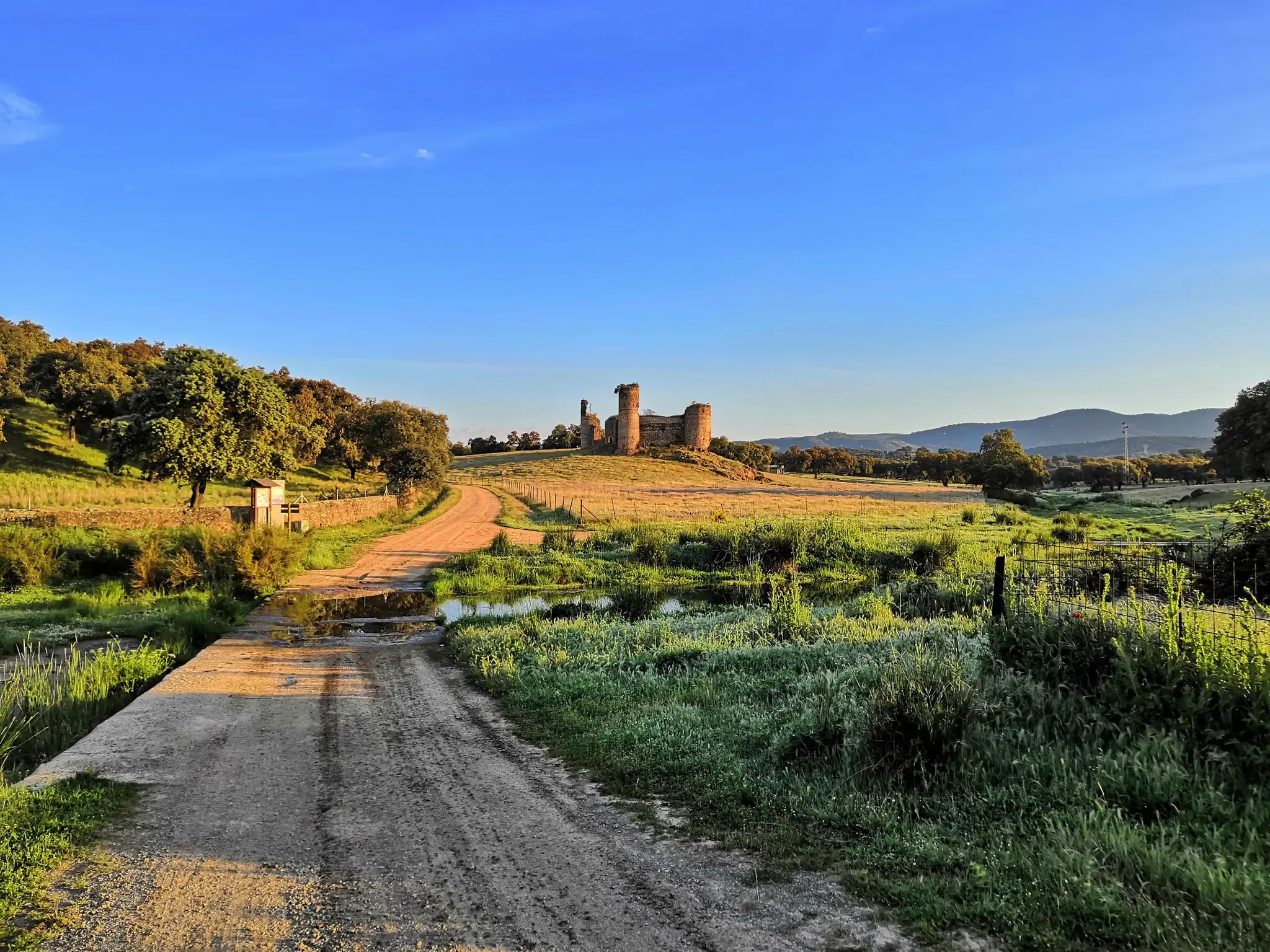
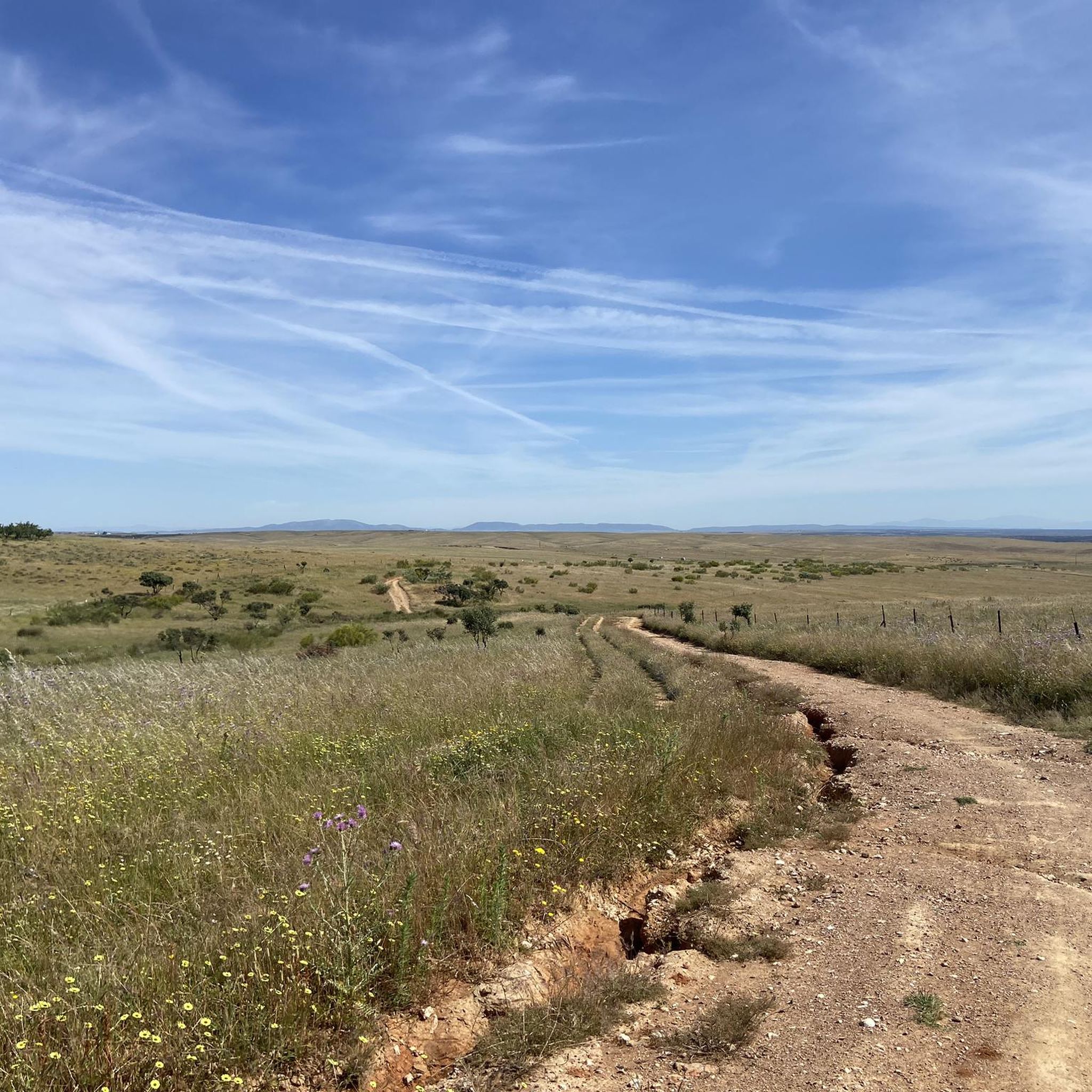
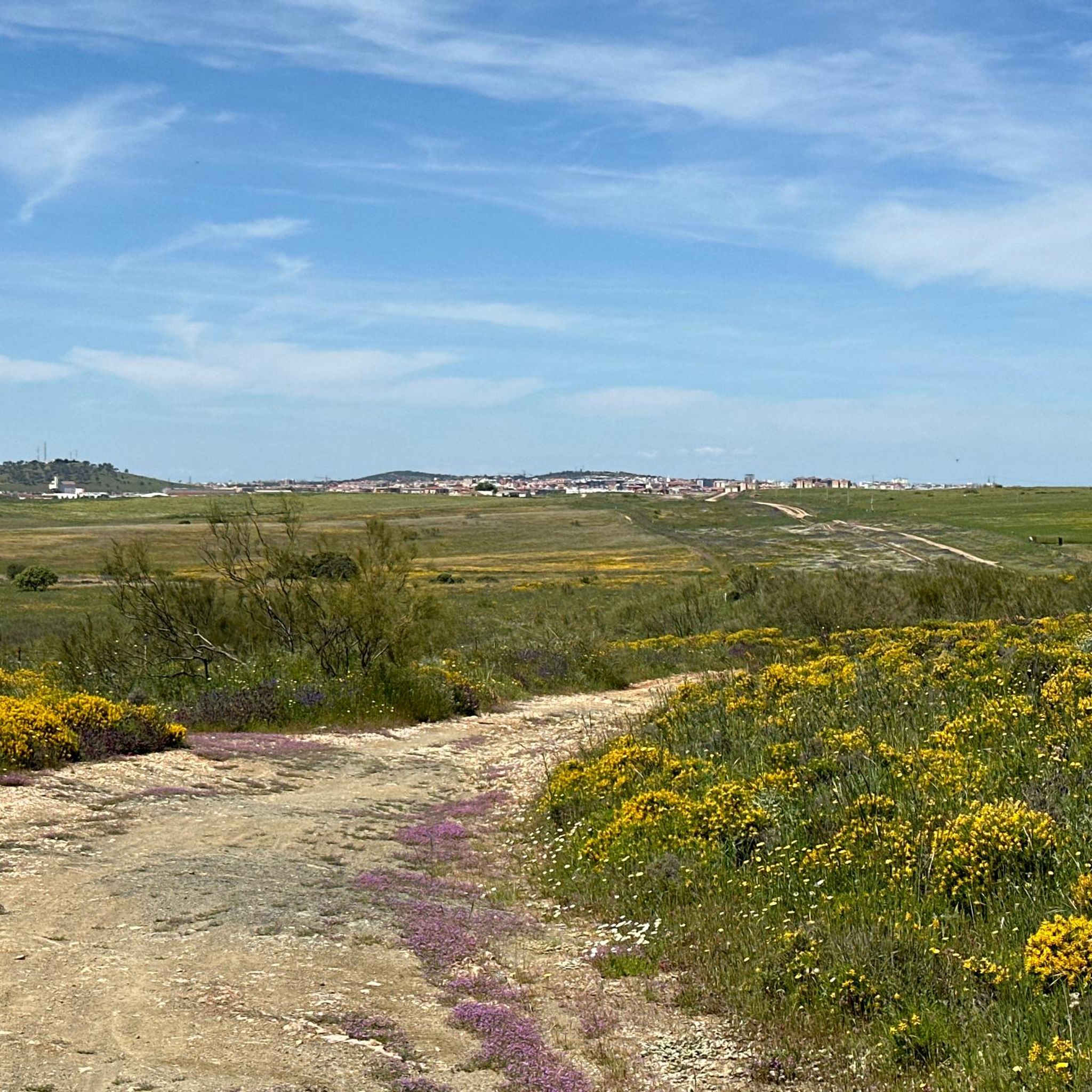
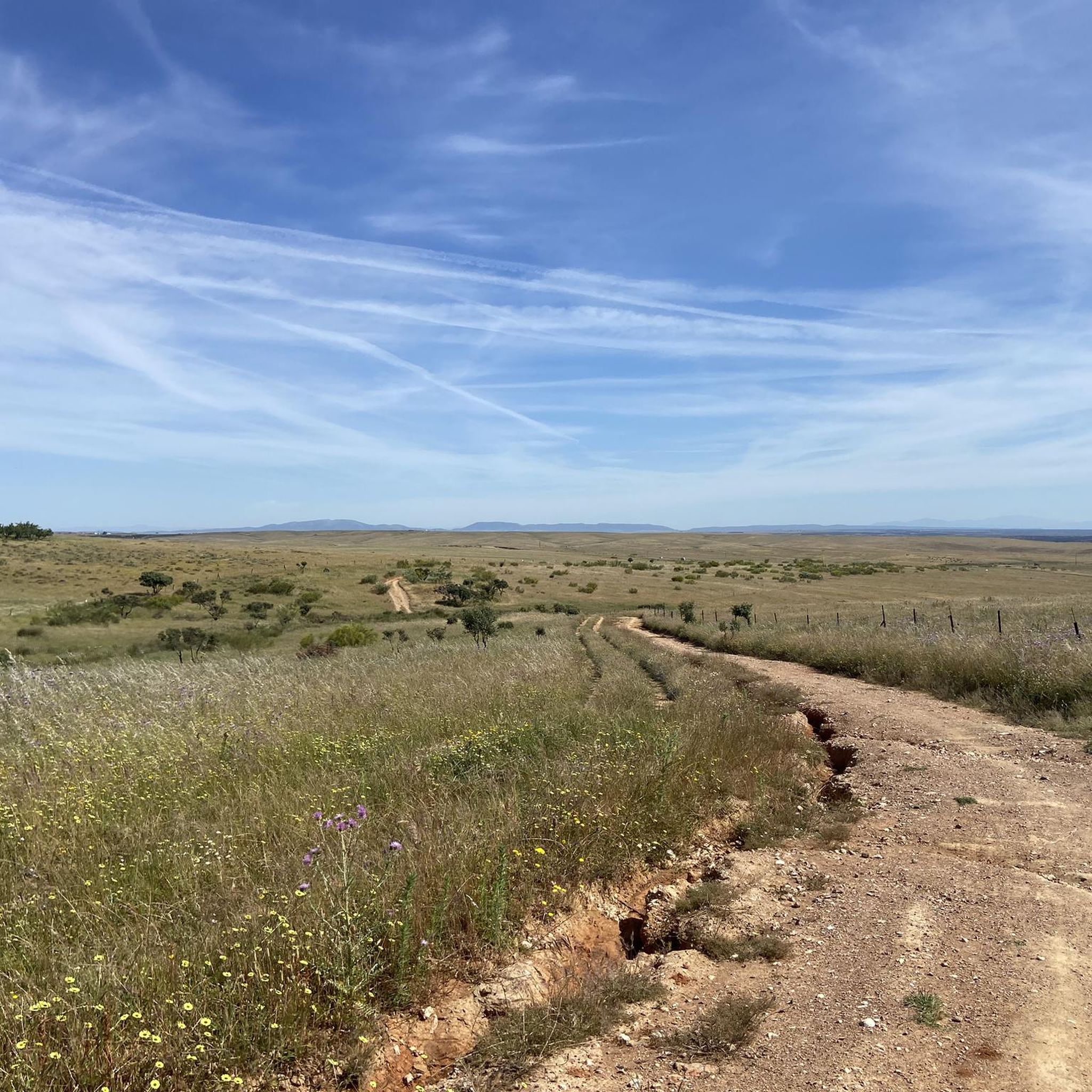

Other adventures around Cáceres

Tips from the Community

Well integrated into the city, it is located between Hernán Cortés Avenue and Rodríguez de Ledesma Avenue. It is a pleasant space with a large central pond and an Open-Air Sculpture Museum, which we can admire as we stroll through. At the main entrance, there is a botanical garden, and at the end, a fountain known as La Madrila, restored by the Escuela Taller (Workshop School) and once used as a drinking trough and wash house.
3
0
Walking anywhere along its narrow cobblestone streets is like traveling back in time. You'll find yourself surrounded by mansions, Renaissance palaces, and churches crowned with stork nests, and you'll understand why Cáceres is a World Heritage City. Get your camera ready to photograph one of Spain's most beautiful historic centers.
2
0
This square is legally protected as an Asset of Cultural Interest (BIC) and is within the catalog of protected assets of the Cáceres city council. Its neo-Mudejar architecture and rich history make it an emblematic place for lovers of bullfighting and culture.
8
0
This palace combines two styles: Renaissance and Gothic. The name is derived from its owner in the 18th century, Dª Josefa de Ovando, wife of General D. Antonio Vicente de Arce. Like many other strong houses and palaces in Cáceres Monumental, it was built in the 19th century. XIV, being renovated in the 15th and 16th centuries. It has a tower that is topless and on the doorway a semi-cylindrical machicolation accompanied by shields of the Ovando-Mogollón family. It has had many and diverse uses, headquarters of the Extremadura Newspaper, Faculty of Law and currently Central Services of the University of Extremadura.
24
0
It was initially built on a Roman-era construction, of which recently, during the restoration, some Roman archaeological remains have been found. Stately mansion of a family that founded an important mayorazgo, the first in the province and one of the oldest in Spain, hence the name of the palace. The building presents various construction phases: the side façade and the patio are Gothic in style; Its main façade dates from the late 15th and early 16th centuries. It features two beautiful mullioned windows with a central marble mullion and the family coat of arms. Under the shield there is an inscription that says: “Be your Lord for us a tower of strength and our youth will be renewed like that of the eagle”, which refers to the coat of arms of this family, half eagle and half tower. The façade is renovated, as it was destroyed by a bomb that fell in the Plaza de Santa María during the Spanish Civil War, in 1937.
21
0
This palace combines two styles: Renaissance and Gothic. The name is derived from its owner in the 18th century, Dª Josefa de Ovando, wife of General D. Antonio Vicente de Arce. Like many other strong houses and palaces in Cáceres Monumental, it was built in the 19th century. XIV, being renovated in the 15th and 16th centuries. It has a tower that is topless and on the doorway a semi-cylindrical machicolation accompanied by shields of the Ovando-Mogollón family.
6
0
Imposing house from the late 15th and early 16th centuries. It concentrates the elements typical of the facades of Cáceres mansions (main door in a semicircular arch made with long voussoirs, alfíz, shield) in very little space, not seeming how wide it really is.
27
0
The peculiar structure of this bullring testifies to its historical past, which has earned it being declared a Site of Cultural Interest. The Cáceres Bullring, also known as “Coso de la Era de los Mártires”, is one of the oldest in Spain. Its construction began in 1844 and the works were completed two years later. The first bullfight was held on August 6, 1846, with bulls led by D. Gaspar Muñoz. The square is built with granite and masonry walls, it has a capacity of 8,000 spectators spread over three floors. In addition to bullfighting celebrations, it is also used for other types of events such as music concerts.
16
0
Frequently Asked Questions
How many running routes are available in Cáceres?
Cáceres offers a wide selection of running routes, with over 130 different trails available for exploration. These routes cater to various fitness levels, ranging from easy strolls to more challenging runs.
Are there easy running paths for beginners or casual joggers in Cáceres?
Yes, Cáceres provides several easy running paths perfect for beginners or those looking for a relaxed jog. While the majority are moderate, there are at least 3 routes specifically rated as easy. You can find pleasant green spaces within the city, such as Parque de El Príncipe and Olivar de los Frailes, which offer accessible paths.
What kind of terrain can I expect on the running trails around Cáceres?
The running trails around Cáceres feature diverse terrain. You'll encounter urban green spaces, paths through distinctive granite rock formations, and areas with Mediterranean vegetation. Some routes include gentle hills, while others offer flatter sections, providing a varied experience for runners.
Can I find routes with scenic views or natural landmarks?
Absolutely! Many routes offer rewarding views and pass by significant natural landmarks. For an uphill challenge with panoramic vistas, consider the ascent to the Sanctuary of the Virgen de la Montaña, which is part of the Portanchito and Sanctuary of the Mountain Trail. The nearby Los Barruecos Natural Monument is also renowned for its unique granite formations and large white stork colonies, offering picturesque running opportunities.
Are there any family-friendly running routes in Cáceres?
While specific 'family-friendly' designations aren't always explicit, urban parks like Parque de El Príncipe and Parque de El Cuartillo offer green spaces and established paths that are generally suitable for families. These areas provide a safe and pleasant environment for a jog or walk with children.
Are dogs allowed on the running trails in Cáceres?
Many natural areas and urban parks in Cáceres are dog-friendly, though it's always advisable to keep dogs on a leash, especially in protected areas or where wildlife is present. For specific routes, checking local signage or community comments on komoot tours can provide the most up-to-date information on dog policies.
Are there circular running routes available?
Yes, many of the running routes in Cáceres are circular, allowing you to start and end at the same point. An example is the Mining and Hermitages Route — circular from Cáceres, which explores varied terrain outside the city. Another is Parque del Príncipe y Olivar de los Frailes — circular por el Cerro Otero.
What are some notable natural attractions near the jogging routes?
Beyond the routes themselves, Cáceres is surrounded by impressive natural attractions. The Los Barruecos Natural Monument, known for its granite rock formations and storks, is a must-see. You can also find beautiful water features like the Lower Barrueco Pond and the Guadiloba Reservoir nearby, offering scenic backdrops for your runs.
What do other runners say about the trails in Cáceres?
The running routes in Cáceres are highly regarded by the komoot community, boasting an average rating of 3.9 stars from over 15 reviews. Runners often praise the varied terrain, the blend of urban and natural landscapes, and the rewarding views from local hills. Over 1400 runners have already used komoot to explore the area.
Are there challenging running routes for experienced runners?
Yes, for experienced runners seeking a challenge, Cáceres offers a good selection of difficult routes. Approximately 34 routes are rated as difficult, featuring more significant elevation changes and potentially more technical terrain. The Paseo Alto y la Sierrilla — circular desde el Estadio Príncipe Felipe is an example of a more challenging option.
What is the best time of year to go jogging in Cáceres?
Cáceres offers good jogging conditions for much of the year. Spring and autumn are particularly pleasant, with mild temperatures and lush landscapes. Summer can be warm, but routes with shade or early morning/late evening runs are enjoyable. The region's diverse natural features, including woodlands and natural swimming pools in areas like Sierra de Gata, suggest that different seasons offer unique experiences.
How accessible are the running routes by public transport or car parking?
Within Cáceres city, many urban parks and starting points for routes are generally accessible by public transport or offer nearby parking. For routes further afield, such as those near Monfragüe National Park or Los Barruecos, car access is often the most convenient option, with designated parking areas available at popular trailheads. It's recommended to check specific route details for parking information.
Can I find running routes that explore the historic parts of Cáceres?
Yes, you can combine your run with a glimpse into Cáceres's rich history. The Vía de la Plata: Cáceres Historic Center Loop offers a unique experience through the city's historic core, allowing you to jog past ancient walls and historic buildings. While the Old Town is primarily for leisurely exploration, this route provides a taste of its unique atmosphere.
Most popular attractions around Cáceres

Get inspired with the komoot mobile app


Explore more
Browse the best Running Trails & Routes in other regions.
