The best cycling routes around Esterri De Cardós
4.5
(35)
518
riders
22
rides
Touring cycling around Esterri De Cardós offers routes through the mountainous terrain of the Pyrenees, characterized by high passes, deep valleys, and forested slopes. The region features varied elevations, with routes often following river courses or ascending towards mountain villages. Cyclists can expect a landscape shaped by the Alt Pirineu Natural Park, providing a mix of challenging climbs and scenic descents.
Best touring cycling routes around Esterri De Cardós
- The most popular touring cycling route is Valls de Àneu —…
Last updated: July 4, 2026
5.0
(2)
25
riders
56.3km
05:27
1,890m
1,890m
Hard bike ride. Very good fitness required. You may need to push your bike for some segments of this route.
27
riders
29.9km
03:14
1,110m
1,110m
Hard bike ride. Very good fitness required. Mostly paved surfaces. Suitable for all skill levels.

Sign up for free
13
riders
25.4km
02:14
820m
820m
Hard bike ride. Very good fitness required. You may need to push your bike for some segments of this route.
15
riders
52.8km
03:59
1,170m
1,170m
Hard bike ride. Very good fitness required. You may need to push your bike for some segments of this route.
10
riders
21.6km
01:28
370m
370m
Moderate bike ride. Good fitness required. Mostly paved surfaces. Suitable for all skill levels.
Get access to more routes and recommendations from other explorers.
Sign up for free
Already have an account?
Our route recommendations are based on thousands of hikes, rides, and runs completed by other people on komoot.
Start today with a free account
Your next adventure awaits.
Login or Signup
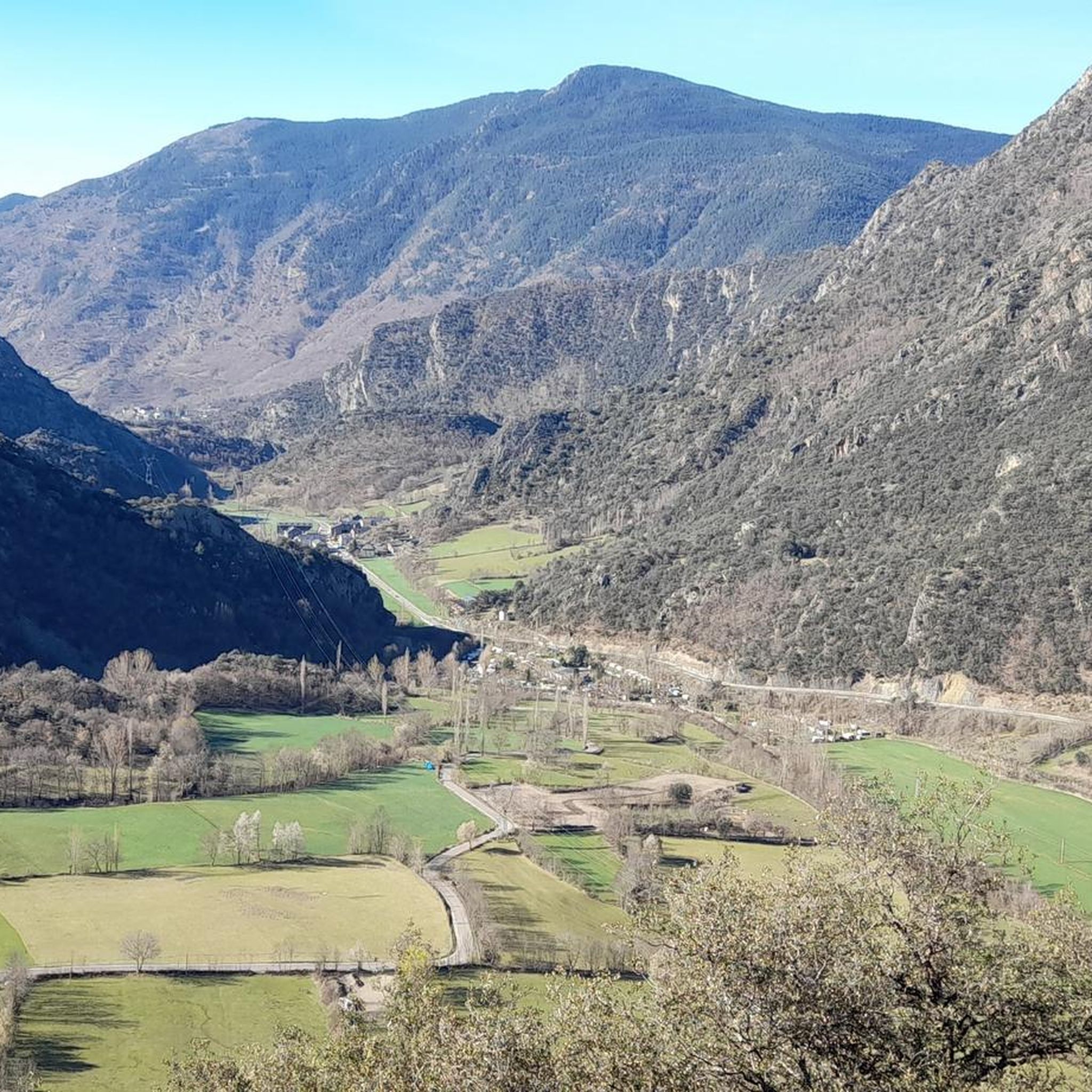
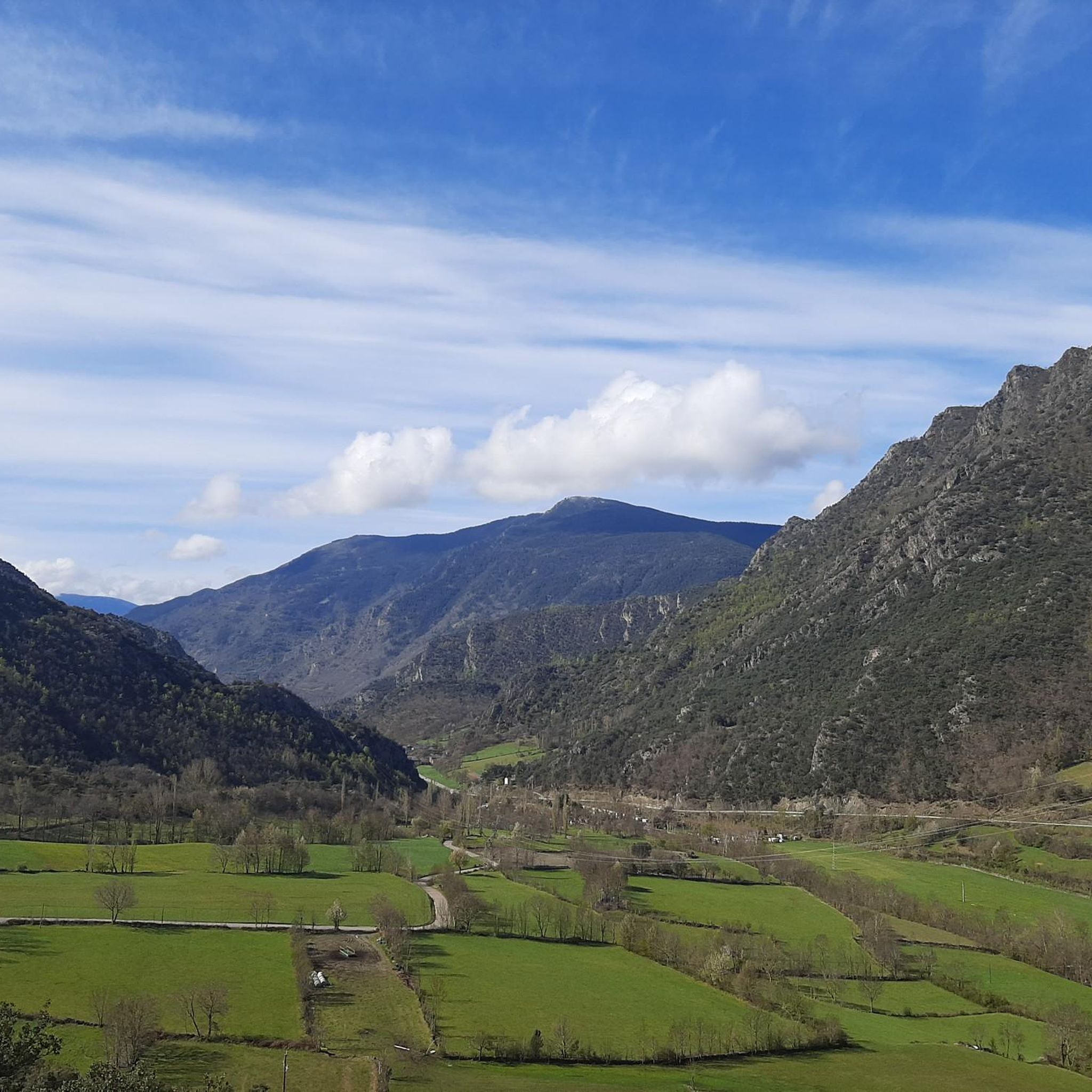
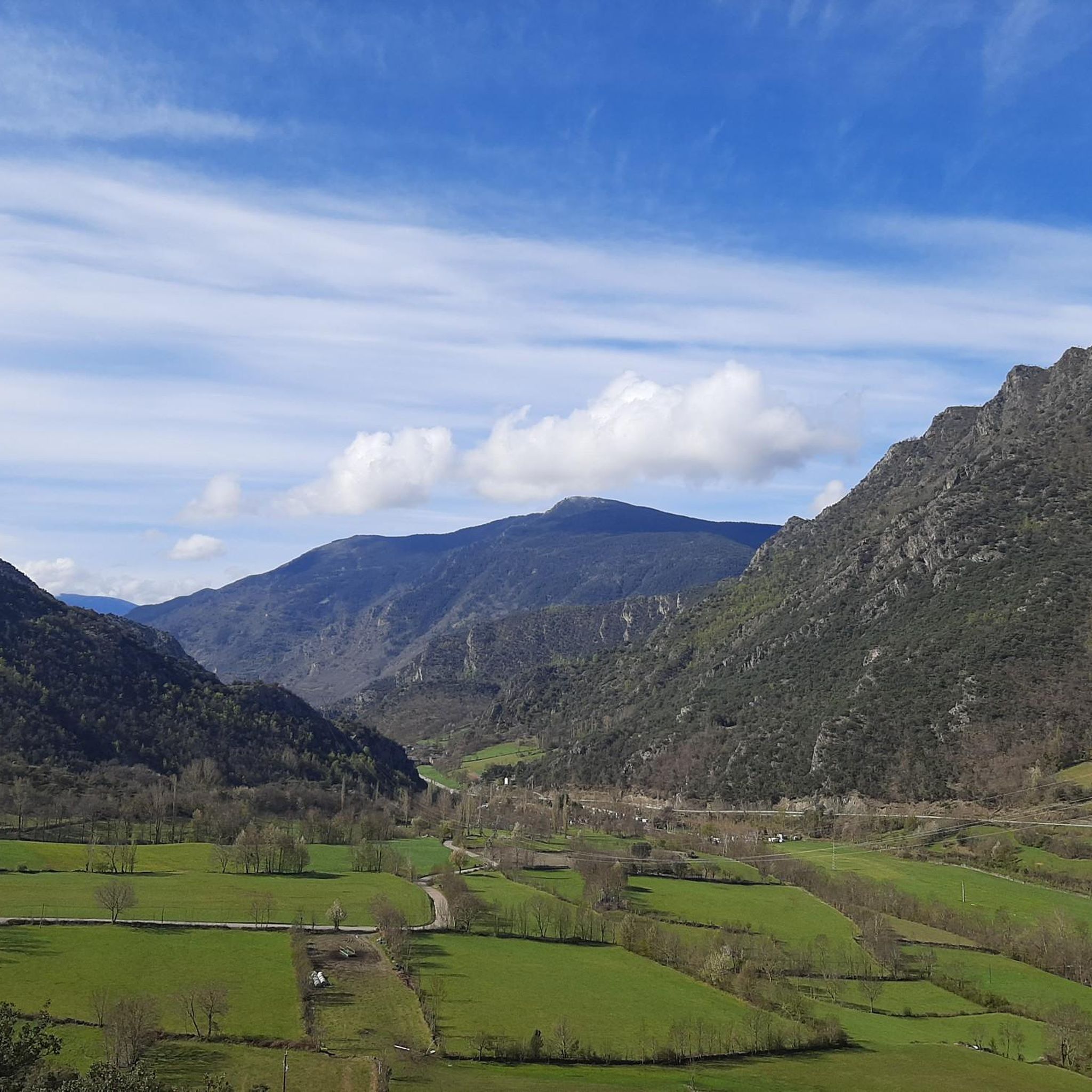
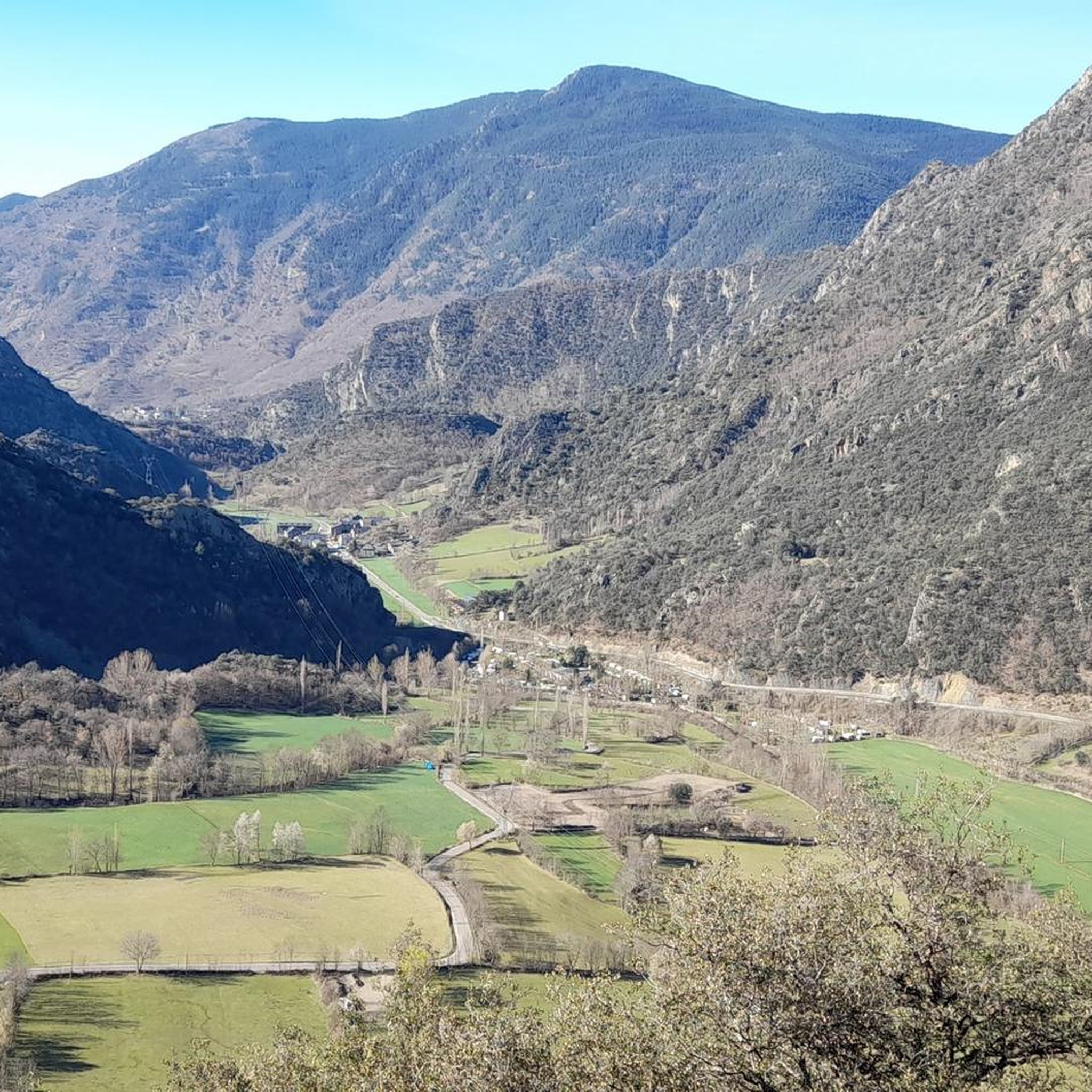
Tips from the Community

I cycled from Cardós to this summit. A constant climb. A fantastic condition test and doable. The same way back on softer tires went perfectly. The steeper short descent from the summit via a singletrack through the forest seemed unwise to me. In short, a beautiful tour even though it was an up and down.
0
0

After the very strenuous climb on the Spanish side to Port des Cabús, which leads over long stretches of gravel, this descent is a welcome and rapid descent. For many kilometers, you roll swiftly downhill, passing spectacular views. After the peace and solitude of the port, the signs of urban life gradually come to the fore, until you finally arrive in the hustle and bustle of Andorra's capital.
0
0

Tor is one of the highest villages in the Pyrenees, right on the border with Andorra, a small village in the Catalan Pyrenees that administratively belongs to the municipality of Alins, in the region of Pallars Sobirá. This village borders Andorra. The village is at an altitude of 1,649 meters and is surrounded by two ravines. On the summit to the north of the village, known as Roc de Sant Pere, are the ruins of a medieval castle, the Força de Tor, and near it are the remains of a Romanesque church. The village is not very well connected. On the Spanish side, there is an asphalt road that reaches a small bridge, after which there is a private dirt track that covers a distance of one and a half kilometers to reach the village. To the east, another dirt track heads towards Andorra, which forks before reaching the Principality. In winter, these roads fill with snow, making car travel difficult. Due to its strategic position in the passes to Andorra through the Pyrenees, ownership of the mountain of Tor has been a source of conflict, initially for timber exploitation and later for real estate interests, to which must be added the smuggling routes that passed through there to Andorra. These conflicts are part of the dark history of Tor and its most tragic events.
0
0
The Cabús Pass is a mountain pass that crosses the Pyrenees at 2,302 m above sea level. It is located on the border between Andorra and Spain, between the parish of La Massana and the municipality of Alins. Only the Andorran side is paved. From Alins, in the High Pyrenees, the climb is impressive and involves paths and trails that are not always in good condition.
0
0
A forgotten place. Worth seeing.
0
0
Up to the gate, the road is easy to drive but narrow and has a steady incline. It gets tight when cars want to overtake. About 2km before the gate, the road turns into a gravel track. The journey is worth it.
0
0

Port de Cabús is a mountain pass on the border between Andorra and Spain, known for its stunning scenery and appeal for hiking, cycling, and other mountain activities. Being on the border, Port de Cabús has particular significance, as it has historically been used as a cross-border crossing for trade and, in more recent times, as a less conventional route to cross between Andorra and Spain. Although the pass itself has no formal border control, it is important to carry documentation when crossing from one country to the other.
0
0
Frequently Asked Questions
How many touring cycling routes are available around Esterri De Cardós, and what are their difficulty levels?
There are over 15 touring cycling routes in the Esterri De Cardós area. The majority, 14 routes, are classified as difficult, offering significant elevation changes. There is also 1 easy route available for those seeking a less strenuous ride.
Are there any easy or family-friendly touring bike routes in Esterri De Cardós?
Yes, there is one easy touring cycling route available. While many routes in the mountainous Pyrenees region are challenging, you can find options suitable for a more relaxed pace. For a moderately challenging but scenic option, consider the Valls de Àneu — circular through the villages of Pallars Sobirà, which offers a circular journey through traditional villages and scenic valleys.
Which touring bike routes are recommended for advanced cyclists looking for a challenge?
Advanced cyclists will find plenty of challenging options. The region is known for its high passes and significant elevation changes. A particularly demanding route is the Port de Cabús – Tor loop from Alt Pirineu Natural Park, which covers 35 miles (56.3 km) with substantial climbing, offering panoramic views within the natural park.
Are there any circular touring bike routes in the Esterri De Cardós area?
Yes, several routes are circular, allowing you to start and end in the same location. The Valls de Àneu — circular through the villages of Pallars Sobirà is a popular circular option. Another is the Park loop from Ribera de Cardós, which leads through mountainous landscapes.
What kind of natural attractions or landmarks can I see along the touring cycling routes?
The routes often pass through the Alt Pirineu Natural Park, offering stunning natural beauty. You can encounter impressive mountain peaks like Lo Calbo Summit or Monteixo Summit (2,905 m). There are also beautiful lakes such as Estany de Mascarida and the Torrassa Reservoir, which offer scenic viewpoints like Views of the valley and the Torrassa reservoir.
When is the best time of year to go touring cycling in Esterri De Cardós?
The best time for touring cycling in Esterri De Cardós is typically from late spring to early autumn (May to October). During these months, the weather is generally milder, and the higher mountain passes are more likely to be clear of snow, offering optimal conditions for exploring the Pyrenean landscape.
Is parking available near the trailheads for touring bike routes in Esterri De Cardós?
Yes, parking is generally available in and around the villages that serve as starting points for many routes, such as Esterri De Cardós itself, Ribera de Cardós, or Escaló. Look for designated parking areas within these communities, especially near public facilities or town centers.
Can I access touring bike trailheads in Esterri De Cardós using public transport?
Public transport options in this mountainous region can be limited. While local bus services connect some of the larger villages, direct access to all trailheads might require a combination of public transport and cycling or a short taxi ride. It's advisable to check local bus schedules in advance, especially if you plan to rely on public transport for your journey.
Are touring cycling trails in Esterri De Cardós dog-friendly?
When cycling with dogs in the Esterri De Cardós area, especially within the Alt Pirineu Natural Park, it's important to keep them on a leash to protect local wildlife and livestock. While many trails are physically accessible for dogs, always ensure your dog is fit for the distance and elevation, and carry enough water for both of you. Check specific park regulations for any restrictions.
Are there any touring bike routes that pass by villages with cafes or places to stop for refreshments?
Many routes in Esterri De Cardós pass through or near charming Pyrenean villages where you can find cafes and local eateries. For example, the Valls de Àneu — circular through the villages of Pallars Sobirà route takes you through traditional villages, offering opportunities to stop for refreshments and experience local culture.
What do other touring cyclists enjoy most about cycling in Esterri De Cardós?
The area is highly rated by the komoot community, with an average score of 4.7 stars from over 29 reviews. Reviewers often praise the challenging climbs, the stunning panoramic views of the Pyrenees, and the sense of adventure found on routes that traverse high passes and deep valleys. The diverse terrain and the opportunity to explore traditional mountain villages are also frequently highlighted.
Are there any less-known or 'hidden gem' touring bike routes in the region?
While many routes offer unique experiences, the Tor – Tor Village and Church loop from Alt Pirineu Natural Park offers a journey into a more secluded part of the region, leading to the historic Tor village. This route provides a blend of challenging cycling and cultural exploration away from the more frequented paths.
Can I find wild swimming spots near the touring cycling routes in Esterri De Cardós?
The region's numerous lakes and rivers, such as those around the Torrassa Reservoir or Tavascan Reservoir and Village, offer opportunities for wild swimming. While not directly on every cycling route, many are accessible with a short detour. Always check local regulations and water safety conditions before swimming in natural bodies of water.
Most popular attractions around Esterri De Cardós

Get inspired with the komoot mobile app


Explore more
Browse the best Cycling routes in other regions.
