The 13 Most Amazing Peaks around Portbou
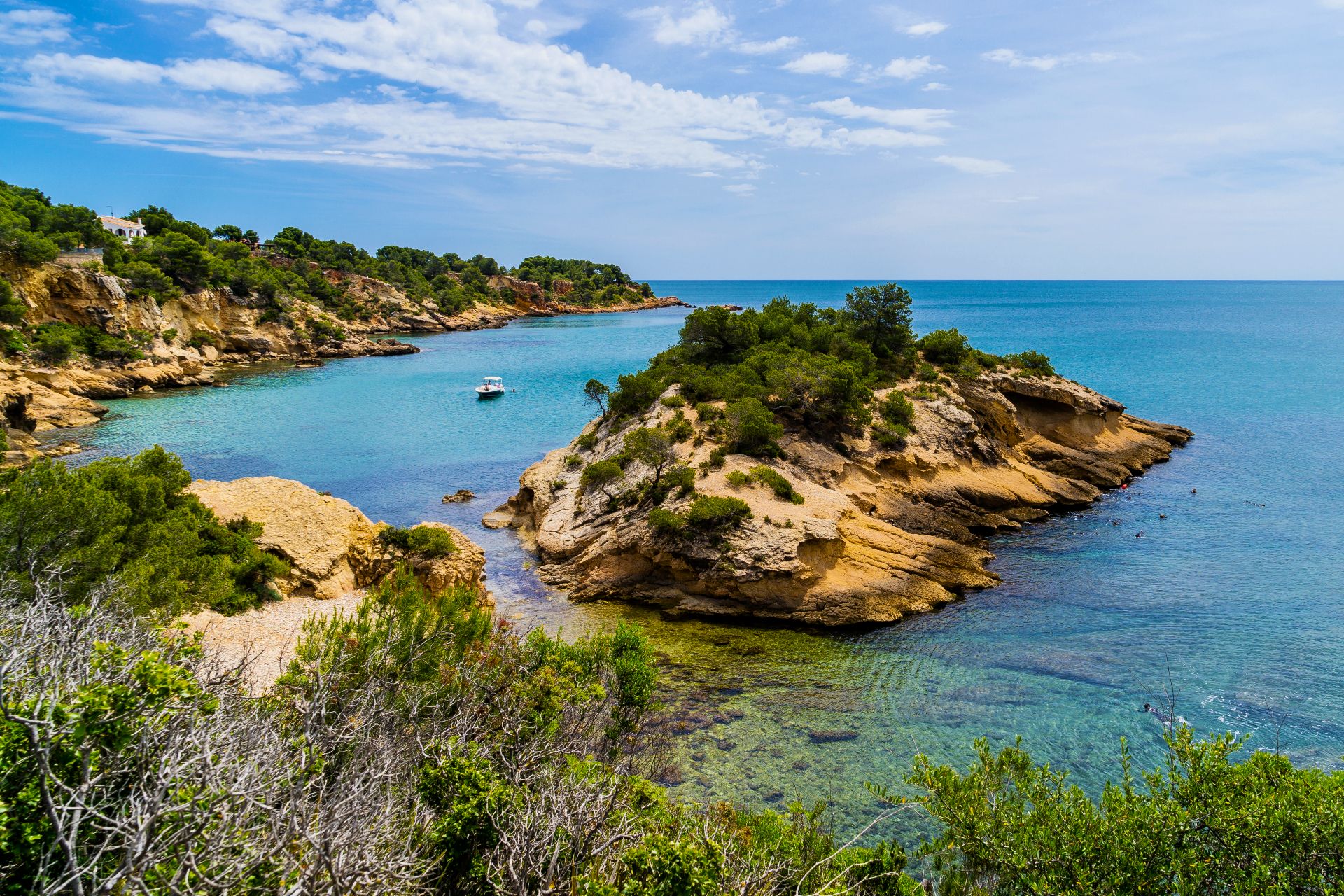
Best mountain peaks around Portbou are found where the Albera mountain range meets the Mediterranean. This region offers a selection of mountain peaks and passes that are rewarding for visitors. It is known for its rugged coastal mountains and diverse landscapes, providing opportunities for hiking and exploring historical sites. The area features various trails that offer views over both land and sea.
Best mountain peaks around Portbou
- The most popular mountain peaks is Querroig Castle, a castle that consists…
Last updated: May 11, 2026
Madeloc
Highlight • Summit
Translated by Google •
Tip by

Querroig Castle
Highlight • Castle
Once upon a time there was a small castell, now only the base of a tower is left.
Translated by Google •
Tip by

Sign up now to discover places like this
Get recommendations on the best single tracks, peaks, & plenty of other exciting outdoor places.
Sign up for free
Summit of Puig d'Esquers
Highlight • Summit
Translated by Google •
Tip by

Sallfort Peak
Highlight • Summit
Translated by Google •
Tip by

Puig de Cervera
Highlight • Summit
Translated by Google •
Tip by

Sign up for free to discover even more peaks around Portbou.
Sign up for free
Already have an account?
Start today with a free account
Your next adventure awaits.
Login or Signup
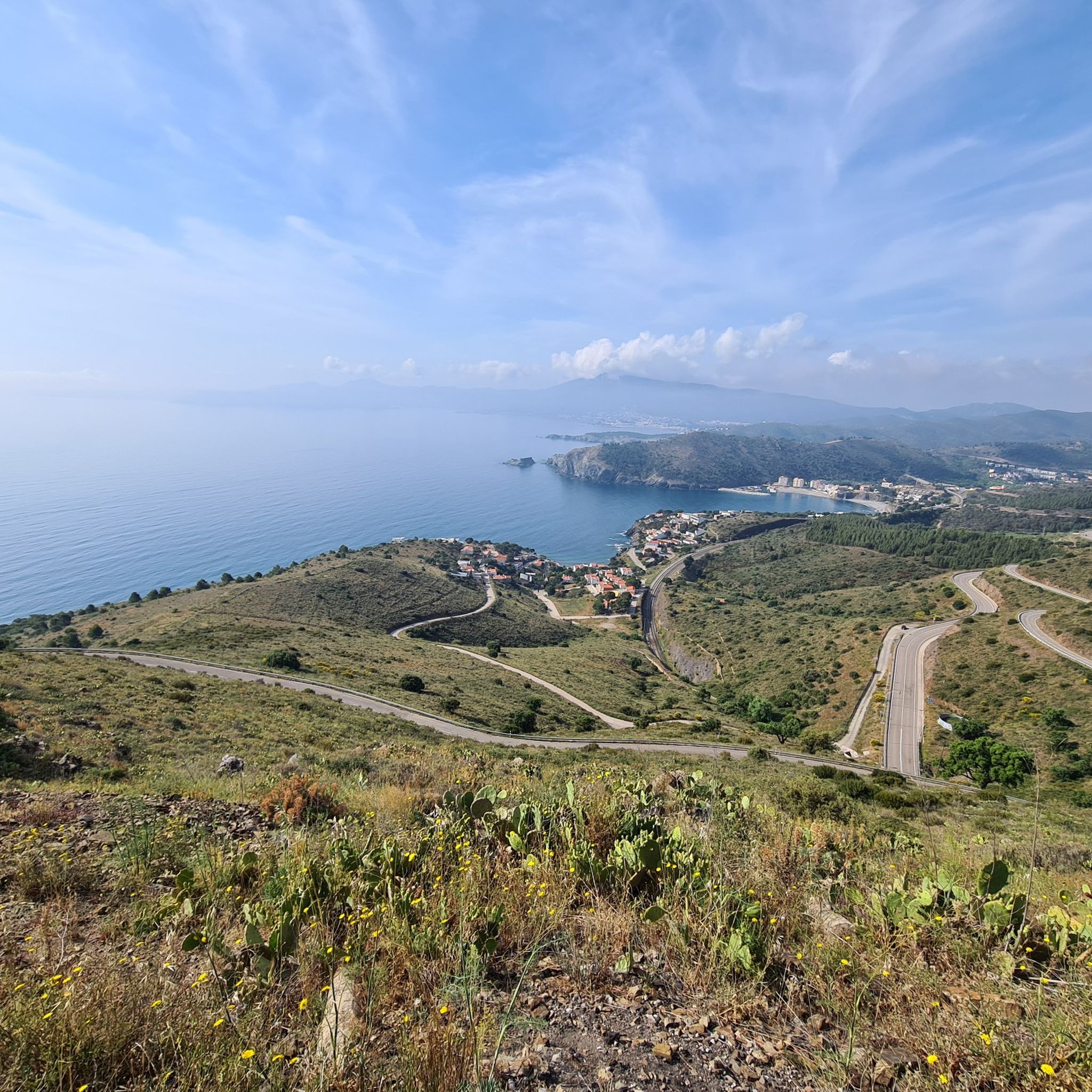
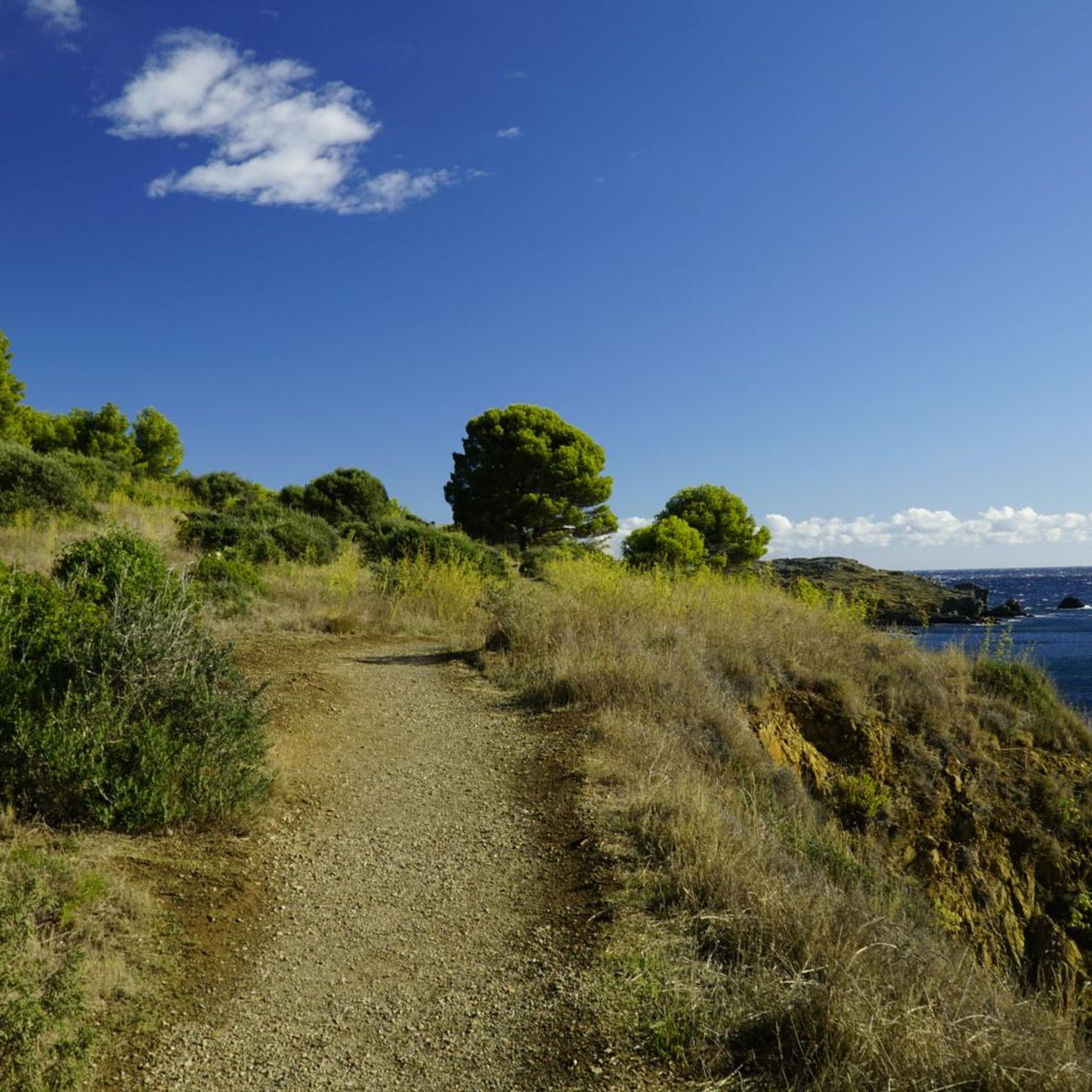



Tips from the Community


Very nice view on the France/Spain border.
0
0

The 205 m high Puig de Cervera lies directly on the border between the southern French municipality of Cerbère and the northern Catalan municipality of Portbou, marked by the border cross N 601. The view of the sea is magnificent, the descent to Portbou is somewhat exposed and not entirely easy.
0
0


Peak that is part of the FEEC list of 100 peaks where two states and three municipalities meet, Portbou, Cervera de la Marenda and Banyuls de la Marenda. From this point you get wonderful views of the Mediterranean to the east and the Albera mountains to the west, in a magnificent 360º panorama that includes Puig de Sallafort, Puig Neulós and Cap de Creus. At the top we find the ruins of an old medieval castle from the s. X-XI. The round tower is a later construction of the s. XIV or s. XV Until the Treaty of the Pyrenees (1659) when the current northern Catalan counties came under French jurisdiction, the castle depended ecclesiastically on the Count of Empúries and the Bishopric of Girona. The construction technique, like the material, is reminiscent of the castle of Sant Salvador Saverdera, near Sant Pere de Rodes, a peak also included in the list of the 100 Peaks. Salvem Querroig is a northern Catalan association that aims to restore the remains of the castle. For this reason, he had to contact the heir of the last known owner, Ponç Hug, Count of Empúries (1309). The current owner turned out to be Sol María de la Blanca de Medina i Orléans-Braganza, countess of Empúries, of the Ducal House of Medinaceli, based in Seville, and who has granted her permission for the works.
1
0
Modest summit located at the easternmost point of the Pyrenean ridge. This fact is what gives it a well-deserved relevance, since it can well be considered the first/last summit of the Pyrenees. Although the small range of Cap de Creus, geographically, is located in a more eastern area, we can not consider it properly Pyrenean since it is located clearly outside its axial axis. El Puig de Cervera (208m), on the other hand, is located entirely on this imaginary axial axis of the Pyrenean chain, and for this reason, we can consider it another peak of the aforementioned mountain range. Another notable feature is that at the same summit we will find border bollard no. 601, and therefore penultimate of all those located on the interstate border. The last border pillar, no. 602, we will find it at the so-called Punta de l'Ocell, which is nothing more than the eastern spur of the Puig de Cervera, which ends up plunging into the Mediterranean. Access to Punta de l'Ocell can only be done with a boat going into the sea. Even so, the access is delicate since this whole area is made up of rocky cliffs, so the person who wants to approach this Point must have a good mastery of the marine arts. This fact is probably what has caused this pylon, number 602, to be possibly the least visited of all the existing ones, despite having a great symbolic load. It has recently been included in the list of 100 peaks of the F.E.E.C: https://www.feec.cat/activitatis/100-cims/cim/puig-de-cervera/
0
0

https://www.youtube.com/watch?v=HPlOy4QOhtc. The Madeloc tower is a 13th century watchtower located in North Catalonia, in the Albera mountain range. With a height of 650 m, it is visible from the Mediterranean coast to the massifs of the French Pyrenees-Orientales. The tower, erected in the times of Jaume II, king of Mallorca and count of Roselló, had the mission of watching out for Arab incursions on the coast. During the Mallorcan and Aragonese sovereignty, it was part of a network of watchtowers together with the Maçana tower.
5
0

Pic de Sallfort, a majestic peak in the Swiss Alps, offers breathtaking views and a challenging ascent for avid hikers and mountaineers. Its rugged beauty and serene surroundings make it a must-visit destination for those seeking adventure and natural splendor in the heart of Switzerland. https://alexandrareisen.com/
0
3
Frequently Asked Questions
What are some of the most rewarding mountain peaks to visit near Portbou?
The Portbou area, where the Albera mountain range meets the Mediterranean, offers several captivating peaks. Among them, Puig de Cervera stands directly on the border, providing magnificent sea views. Torre de Querroig, located on Puig de Querroig, offers exceptional panoramas encompassing the sea, the Albera region, and even the distant Canigó mountain on clear days. Another must-see is Madeloc, known for its extensive views in all directions, and Sallfort Peak, which culminates at 994 meters above sea level on the Franco-Spanish border, offering a grand panorama of Catalonia and the Mediterranean Sea.
Are there any historical sites among the mountain peaks in the Portbou area?
Yes, the region is rich in history. Torre de Querroig, on the summit of Puig de Querroig, features the ruins of a medieval castle from the 10th-11th centuries and a 14th-15th century watchtower. This site once served as a surveillance point and marks a tripoint between Portbou, Banyuls, and Cervera. Additionally, the Banyuls Pass is a historic border crossing with information and memorial plaques commemorating its role as a crucial route for those fleeing repression during the Franco regime.
Which mountain peaks offer the best panoramic views of the sea and surrounding region?
For breathtaking panoramas, consider visiting Puig de Cervera, which offers magnificent views of the sea from its border location. The summit of Torre de Querroig provides exceptional and constantly beautiful panoramas that include the sea, the Albera region, Alt Empordà, Roussillon, and even the distant Canigó mountain. Madeloc is also highly praised for its extensive views of the sea and mainland, while Sallfort Peak offers a magnificent panorama of Catalonia and the Mediterranean Sea.
What kind of hiking trails can I find around the mountain peaks near Portbou?
The Albera mountain range, where these peaks are located, is a prime destination for hiking. You'll find a variety of trails, from moderate to difficult. For example, a moderate Portbou - Querroig Loop Trail is available, and the hike to Torre de Querroig is considered moderate to difficult due to steep gradients. The descent from Puig de Cervera towards Portbou is also described as somewhat exposed and not entirely easy, adding to its adventurous appeal. Many routes, including those leading to these peaks, are interwoven with historical narratives like the Walter Benjamin route.
Are there any family-friendly mountain walks in the Portbou area?
While some peaks involve challenging sections, the region offers options that can be enjoyed by families. For instance, the Summit of Puig d'Esquers is categorized as family-friendly and offers exceptional views of the Empordà plain and the Mediterranean coast. When planning, look for trails marked as 'easy' or 'moderate' and consider the distance and elevation gain to ensure it suits your family's abilities.
What makes the Banyuls Pass a significant place to visit?
The Banyuls Pass is significant for its incredibly wild and preserved natural beauty, offering unique panoramic views. Beyond its natural appeal, it holds substantial historical weight as a crucial border crossing between France and Spain. It served as a route for those fleeing repression during the Franco regime and other periods of exile, a past commemorated by information and memorial plaques at the pass. On the Catalan side, there's also a small, publicly accessible refuge.
Can I find challenging mountain routes for experienced hikers near Portbou?
Yes, experienced hikers will find challenging routes in the Portbou area. The hike to Torre de Querroig is considered moderate to difficult, involving steep gradients. Sallfort Peak is also categorized as challenging. For those seeking more strenuous activities, consider exploring routes like the Rumpissa Pass – Querroig Castle loop from Portbou, which is a difficult running trail, or the challenging gravel biking routes around Portbou.
What is the best season to hike the mountain peaks around Portbou?
The Portbou region, with its Mediterranean climate, is generally pleasant for hiking in spring and autumn when temperatures are milder. Summer can be hot, especially at lower elevations, but higher peaks might offer cooler conditions. Winter can bring colder weather, but snow is less common at lower altitudes. Always check the local weather forecast before heading out.
What unique natural features can I expect to see on these mountain peaks?
The mountain peaks around Portbou are part of the rugged coastal Albera mountain range, offering diverse landscapes where mountains meet the Mediterranean. You'll encounter dramatic sea views, especially from peaks like Puig de Cervera and Madeloc. The area is known for its wild and preserved natural beauty, particularly around the Banyuls Pass. The easternmost sector of the Albera range, where Torre de Querroig is located, provides stunning vistas over both land and sea.
Are there any multi-day or circular hiking trails that incorporate these peaks?
Many routes in the area, including those leading to these peaks, can be undertaken as part of a loop trail. For instance, the hike to Torre de Querroig can be part of a loop trail from Portbou. The region is also home to sections of historical routes like the Walter Benjamin route. For specific circular hiking options, you can explore the hiking guide for Portbou, which lists routes such as the Portbou - Querroig Loop Trail.
What do visitors enjoy most about the mountain peaks around Portbou?
Visitors consistently praise the exceptional and constantly beautiful panoramas that encompass the sea, the Albera region, and beyond. The combination of rugged coastal mountains and diverse landscapes provides stunning views in all directions. Hikers appreciate the adventurous appeal of the trails, even if some descents are exposed. The historical significance of sites like Torre de Querroig and Banyuls Pass also adds a cultural dimension to the outdoor experience, making it rewarding for those interested in both nature and history.
Most popular routes around Portbou
Most popular attractions around Portbou

Get inspired with the komoot mobile app


Explore more
See even more amazing summits around Portbou with these guides:
