The best road cycling routes around La Vall De Boí
4.4
(52)
3,145
riders
11
rides
Road cycling around La Vall De Boí is characterized by its diverse terrain within the Catalan Pyrenees, featuring elevated landscapes ranging from 1,200 to 3,000 meters. The region includes granite peaks, numerous glacial lakes, and winding rivers, with dense forests and alpine valleys. Cyclists encounter long climbs and fast descents, with some gradients reaching up to 15% on well-paved surfaces. This varied topography provides a range of road cycling experiences.
Best road cycling routes around La Vall De Boí
- The…
Last updated: October 7, 2026
4.0
(2)
135
riders
52.3km
03:08
1,190m
1,190m
Hard road ride. Very good fitness required. Mostly well-paved surfaces and easy to ride.
5.0
(1)
53
riders
Moderate road ride. Good fitness required. Mostly well-paved surfaces and easy to ride.

37
riders
67.8km
03:42
1,390m
1,390m
Hard road ride. Very good fitness required. Mostly well-paved surfaces and easy to ride.
37
riders
Hard road ride. Very good fitness required. Mostly well-paved surfaces and easy to ride.
17
riders
30.1km
02:13
990m
990m
Hard road ride. Very good fitness required. Some segments of this route may be unpaved and difficult to ride.
Get access to more routes and recommendations from other explorers.
Already have an account?
Our route recommendations are based on thousands of hikes, rides, and runs completed by other people on komoot.
Start today with a free account
Your next adventure awaits.
Popular around La Vall De Boí
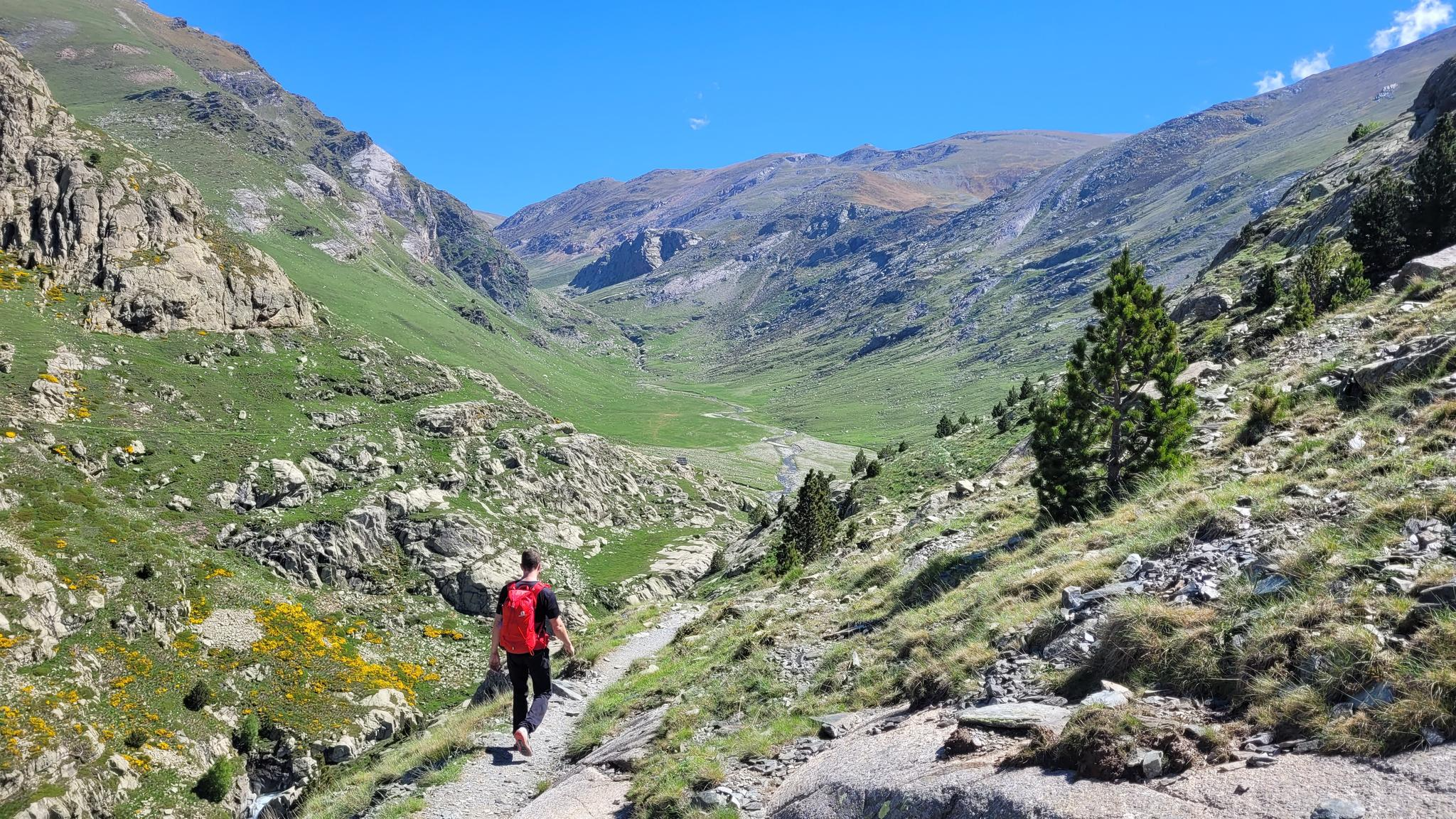
10 hikes with teenagers — Catalan paradises
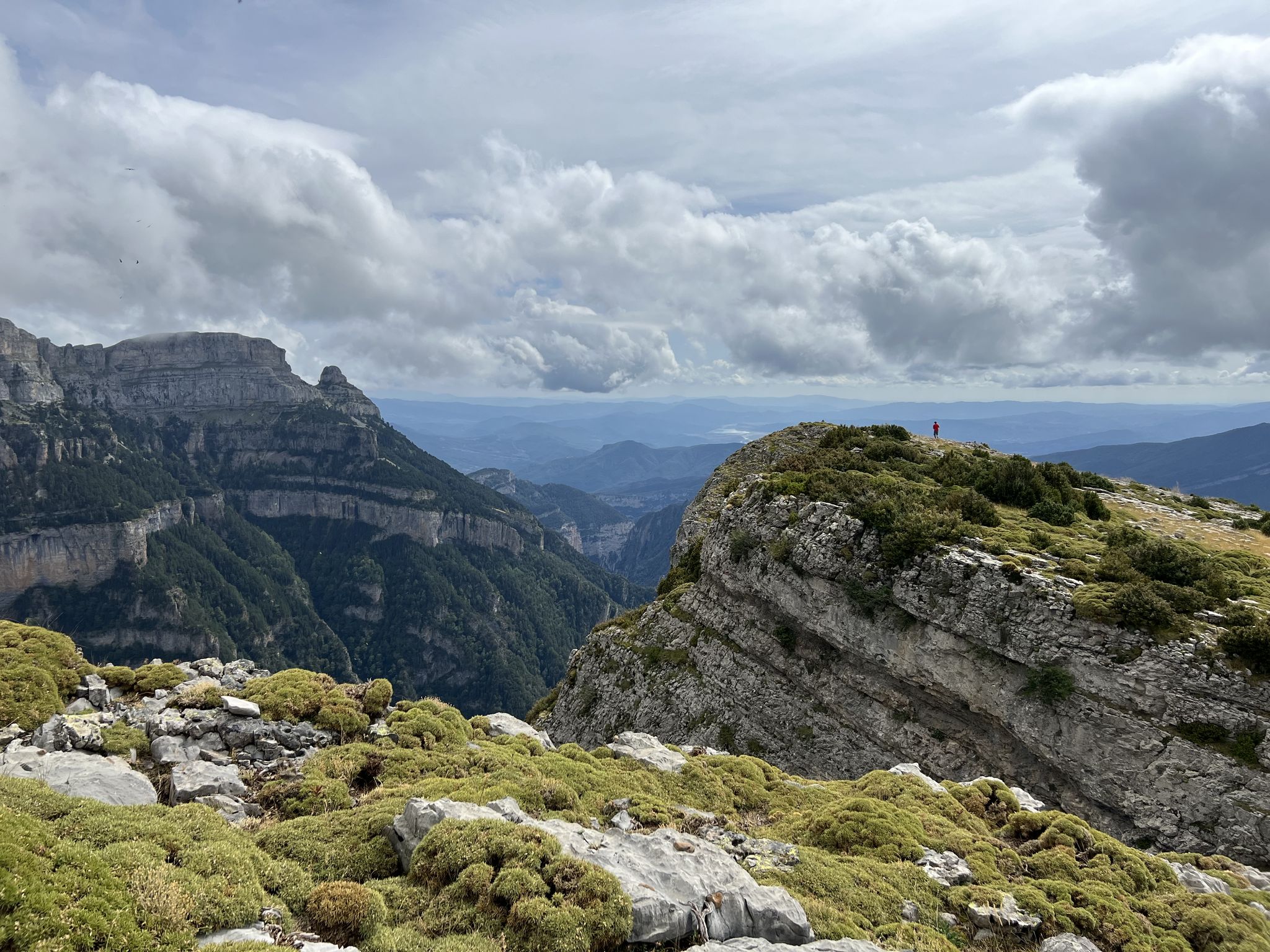
Summit conquests and idyllic mountain lakes – Spanish Pyrenees
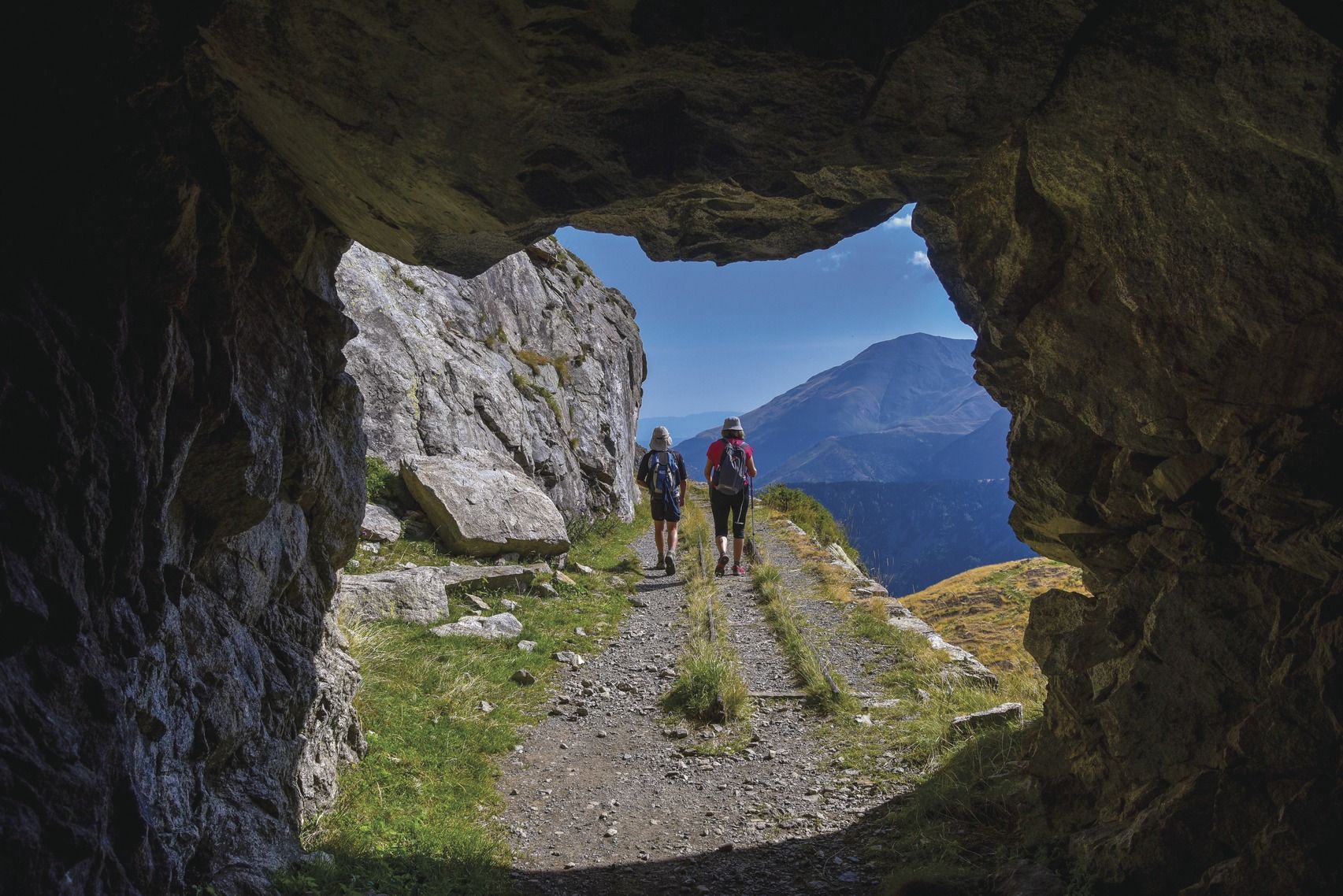
Six spectacular circular tours to discover Catalonia
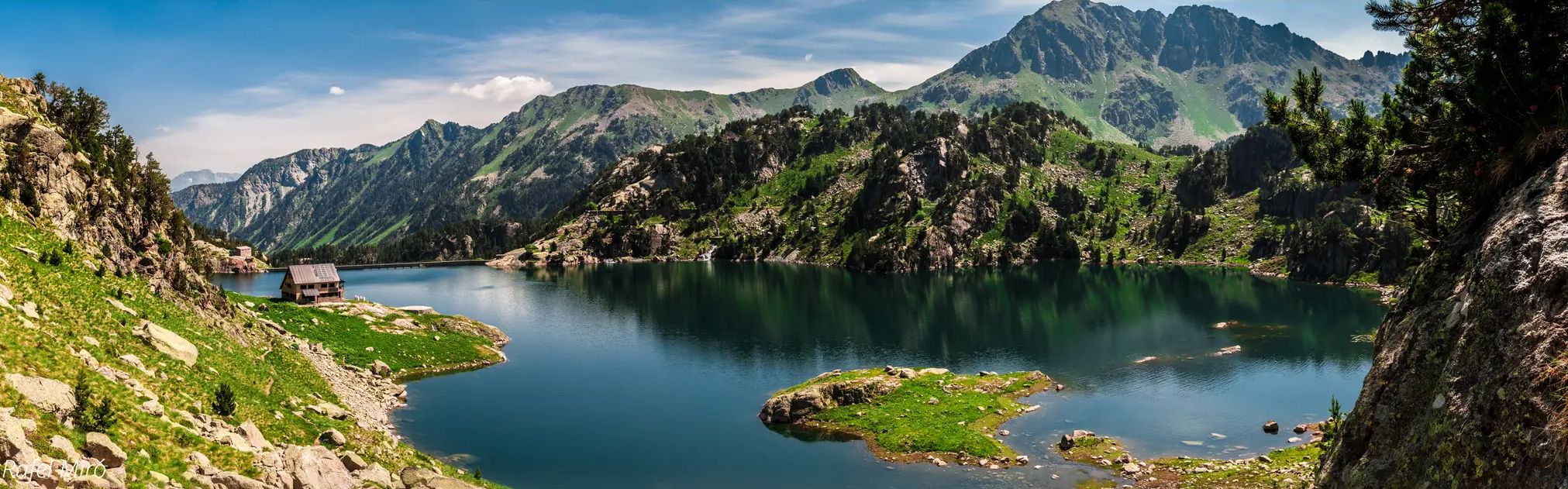
Aigüestortes lakes and mountain huts – Carros de Foc Plus
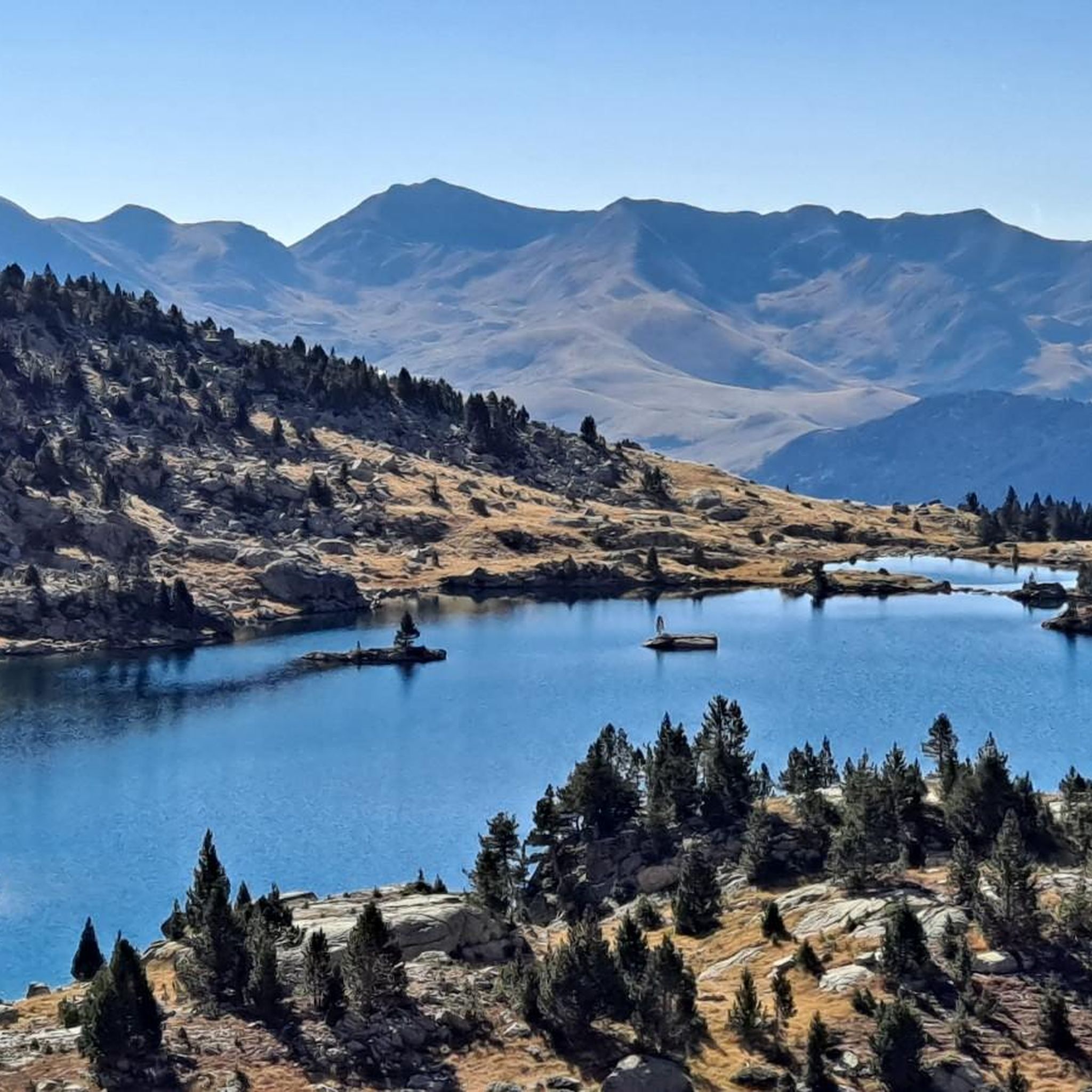
Hiking around La Vall De Boí
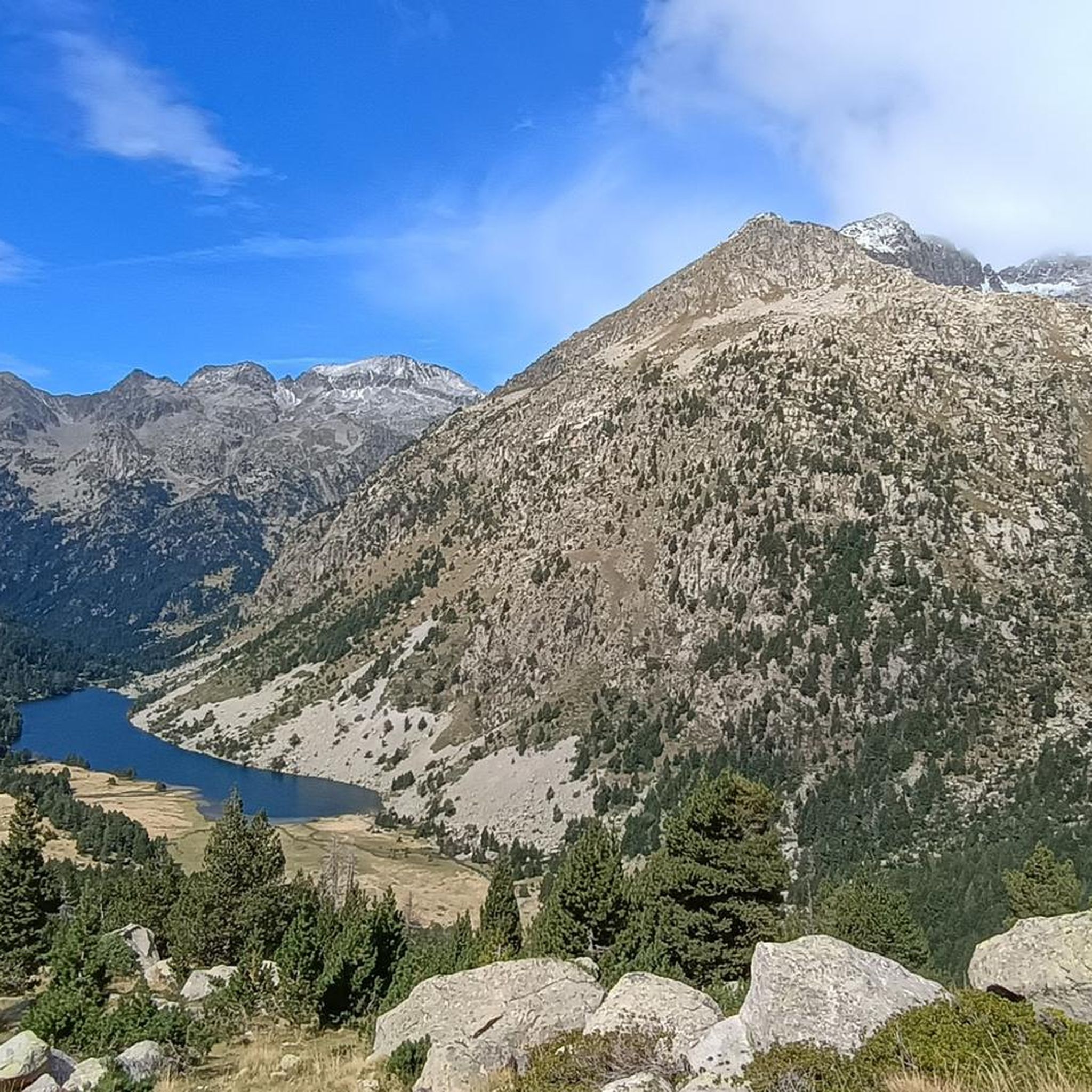
MTB Trails around La Vall De Boí
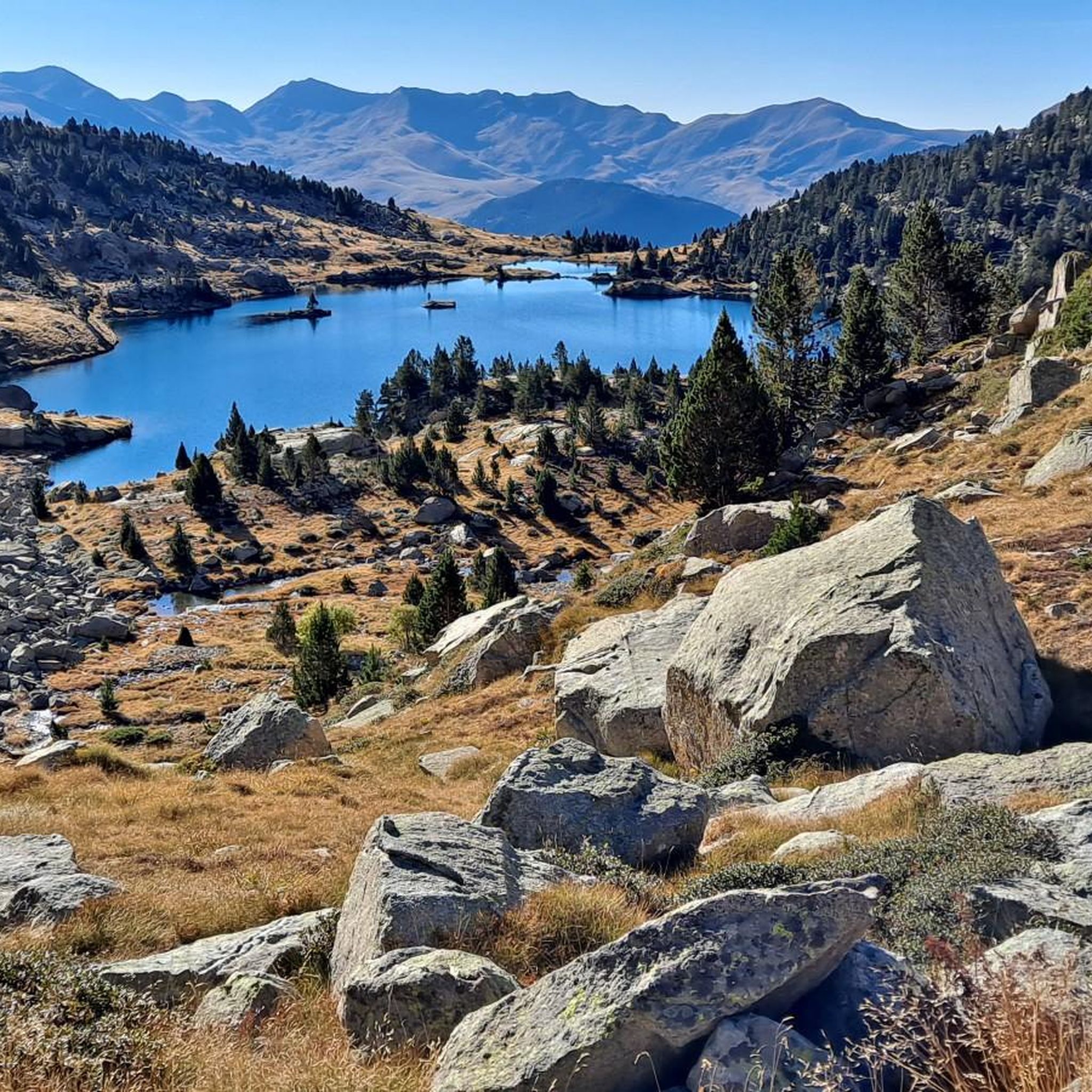
Running Trails around La Vall De Boí
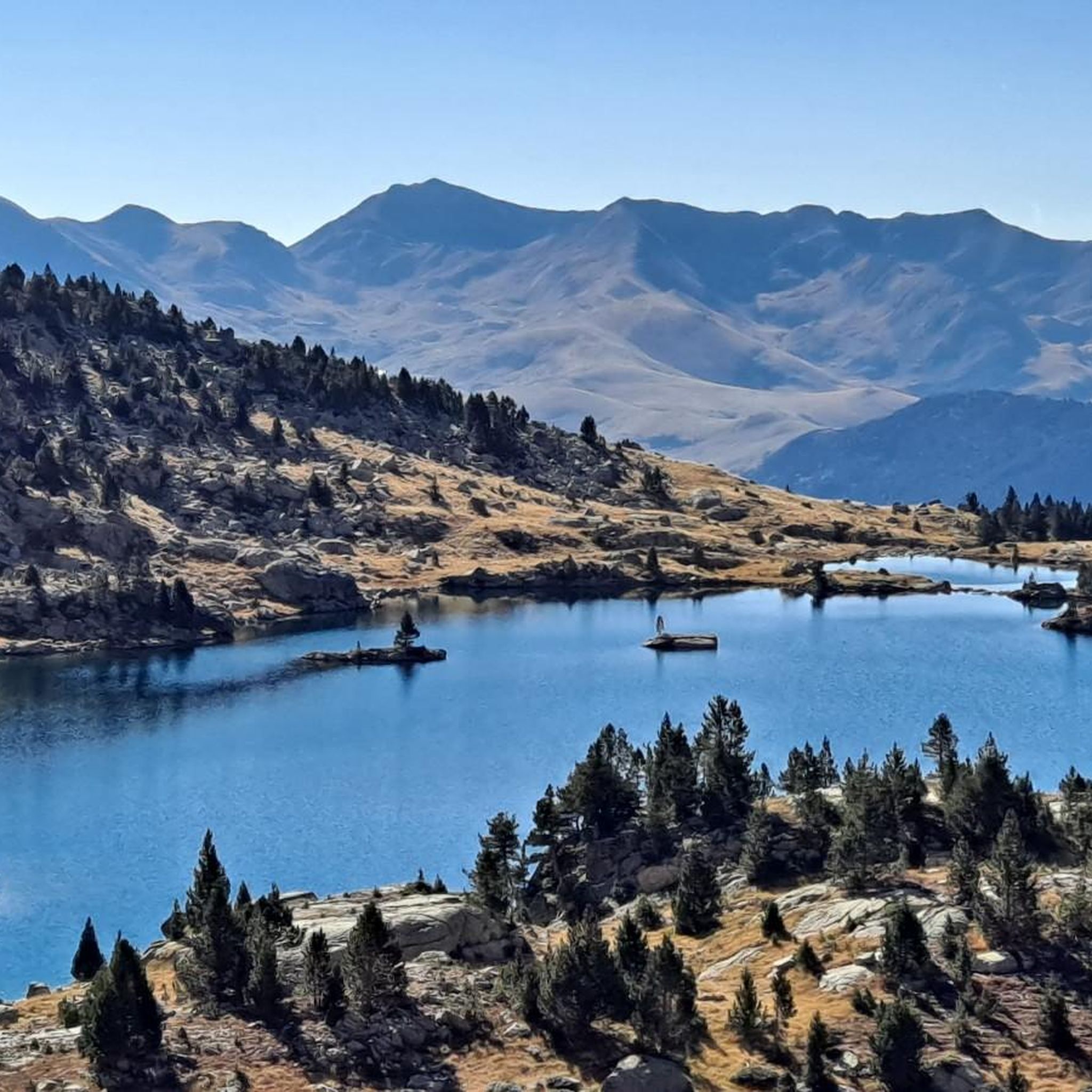
Cycling around La Vall De Boí
Gravel biking around La Vall De Boí

Mountain Hikes around La Vall De Boí
Other adventures around La Vall De Boí


Tips from the Community

This Romanesque cultural heritage is beautiful. The highlight for me was climbing the tower.
0
0

Beautiful lake, located in a very bucolic basin
0
0
Very beautiful waterfall with spectacular "giant's pothole" type pools.
0
0

"The Vall de Boi is a narrow valley, carved deep into the Catalan Pyrenees. More than 1,000 years ago, seven small villages emerged in the valley, which no one would remember if nine Romanesque churches hadn't been built at that time. The isolation has contributed to the fact that at least some of these churches have been preserved almost in their original state," says the website for the television series "Treasures of the World - Heritage of Humanity." Comprising several hundred episodes, the series (in German) presents special places from all continents and eras that – despite all their diversity – have one thing in common: They have been awarded the honorary title of World Heritage Site by UNESCO. The film about the VALL DE BOI with its Romanesque churches is available in the ARD media library under the following link => https://www.ardmediathek.de/video/schaetze-der-welt/vall-de-boi-spanien-folge-260/swr/Y3JpZDovL3N3ci5kZS82ODk4NDYw
0
0

A table-bench combination in the shade of the forest.
1
0

The urbanization of Plan de l'Ermita is located at 1600 meters in the municipality of Taüll, in an exceptional natural environment.
1
0
A spa of Roman origin. Today it is an important thermal and tourist center, with two hotels. The waters are considered mineral-medicinal and flow from a total of 37 sources.
2
0

The Romanesque church of Sant Feliu de Barruera dates from the 11th century, although the nave, the bell tower, two chapels and the portal were added in the 12th century. It is very interesting to compare the different architectural details according to the period in which they were built.
0
0
Frequently Asked Questions
How many road cycling routes are available in La Vall De Boí?
La Vall De Boí offers a wide selection of road cycling routes, with 38 tours available on komoot. These range from moderate to difficult, catering to various skill levels.
What kind of terrain can I expect when road cycling in La Vall De Boí?
You can expect diverse Pyrenean terrain, including lush forests, picturesque valleys, and impressive mountain peaks. The routes feature significant elevation gains with gradients reaching up to 15% on well-paved surfaces, as well as gentler valley rides. The area is characterized by granite peaks and glacial lakes, especially near the Aigüestortes i Estany de Sant Maurici National Park.
Are there any challenging road cycling routes in the region?
Yes, La Vall De Boí is known for its challenging climbs. For example, the Bonansa Pass – Mirador de Montanuy climb loop from Vilaller is a difficult 121.6 km route featuring significant elevation gains and panoramic views of the Pyrenees. Another demanding option is the Sant Feliu de Barruera Church – Sant Climent de Taüll loop from Santa Maria de l'Assumpció de Cóll, a 52.1 km difficult trail connecting historic Romanesque churches through varied mountain terrain.
What cultural landmarks can I see along the road cycling routes?
La Vall De Boí is home to a unique ensemble of UNESCO World Heritage Romanesque Churches. Many routes pass through charming villages where you can visit these historic sites. For instance, the Sant Joan de Boí Church – Sant Climent de Taüll loop from Estació d'esquí Boí-Taüll leads through alpine valleys and past several of these heritage sites, including Sant Climent de Taüll.
Are there any circular road cycling routes available?
Yes, many routes in La Vall De Boí are designed as loops. Examples include the Sant Feliu de Barruera Church – Sant Climent de Taüll loop from Santa Maria de l'Assumpció de Cóll and the Bonansa Pass – Mirador de Montanuy climb loop from Vilaller, both offering a complete circular experience.
What do other cyclists say about road cycling in La Vall De Boí?
The road cycling routes in La Vall De Boí are highly rated by the komoot community, with an average score of 4.9 stars from over 24 reviews. Cyclists often praise the stunning natural beauty, the challenging climbs, and the opportunity to explore UNESCO World Heritage sites and charming villages along the way.
Are there any waterfalls or scenic viewpoints accessible by road bike?
While some waterfalls are typically accessed by hiking, road cycling routes can offer views of the stunning natural landscape. The La Llebreta Lake – Sant Esperit Waterfall loop from Sant Joan de Boí, for example, brings you close to the area where you can experience the beauty of Sant Esperit Waterfall and View of Estany de Sant Maurici. The region is rich with natural highlights like Ratera Waterfall and various mountain passes like Monestero Pass.
What is the best time of year for road cycling in La Vall De Boí?
The best time for road cycling in La Vall De Boí is generally from late spring to early autumn. During these months, the weather is more favorable, and mountain passes are typically clear of snow, offering optimal conditions for exploring the diverse terrain and enjoying the scenic views.
Are there places to eat or stay along the road cycling routes?
Yes, cycling routes often pass through picturesque villages such as Barruera, Taüll, Boí, and Erill la Vall. These villages provide opportunities for rest stops, with cafés and food options available. You can also find accommodation in these towns, making them convenient bases for your cycling adventures.
Can I find routes suitable for a moderate fitness level?
Yes, while many routes are challenging, there are options for moderate fitness levels. For instance, the Sant Joan de Boí Church – Sant Climent de Taüll loop from Estació d'esquí Boí-Taüll is a moderate 26.6 km route that takes you through alpine valleys and past UNESCO World Heritage sites, offering a rewarding experience without extreme difficulty.
Is there public transport or parking available for cyclists in La Vall De Boí?
The region offers services catering to cyclists, including parking options in and around the main villages like Barruera, Boí, and Taüll. While specific public transport details for cyclists vary, the area is generally accessible, and local services are often cyclist-friendly. For more general information about the region, you can visit visitpirineus.com.
Most popular routes around La Vall De Boí
Most popular attractions around La Vall De Boí

Get inspired with the komoot mobile app


Explore more
Browse the best Road cycling routes in other regions.
