Top 20 Mountain Passes around Molló
Mountain passes around Molló offer access to high-altitude routes in the Catalan Pyrenees. This region provides a setting for mountain enthusiasts, characterized by its alpine environment and panoramic views. Molló is situated to explore various passes that serve as geographical divides and gateways to hiking and mountaineering routes. The area features diverse terrain, including both paved and unpaved sections, suitable for different types of outdoor activities.
Best mountain passes around Molló
- The most popular mountain passes is Marrana Pass,…
Last updated: September 29, 2026
Coll d'Arès
Highlight • Mountain Pass
Translated by Google •
Tip by

Vallter 2000 Mountain Pass
Highlight • Mountain Pass
Showing Translation
Tip by

Sign up now to discover places like this
Get recommendations on the best single tracks, peaks, & plenty of other exciting outdoor places.
Collade des Roques Blanches (2252 m)
Highlight • Mountain Pass
Translated by Google •
Tip by

Marrana Pass
Highlight • Mountain Pass
Translated by Google •
Tip by

Three Peaks Pass
Highlight • Mountain Pass
Tip by

Sign up for free to discover even more mountain passes around Molló.
Already have an account?
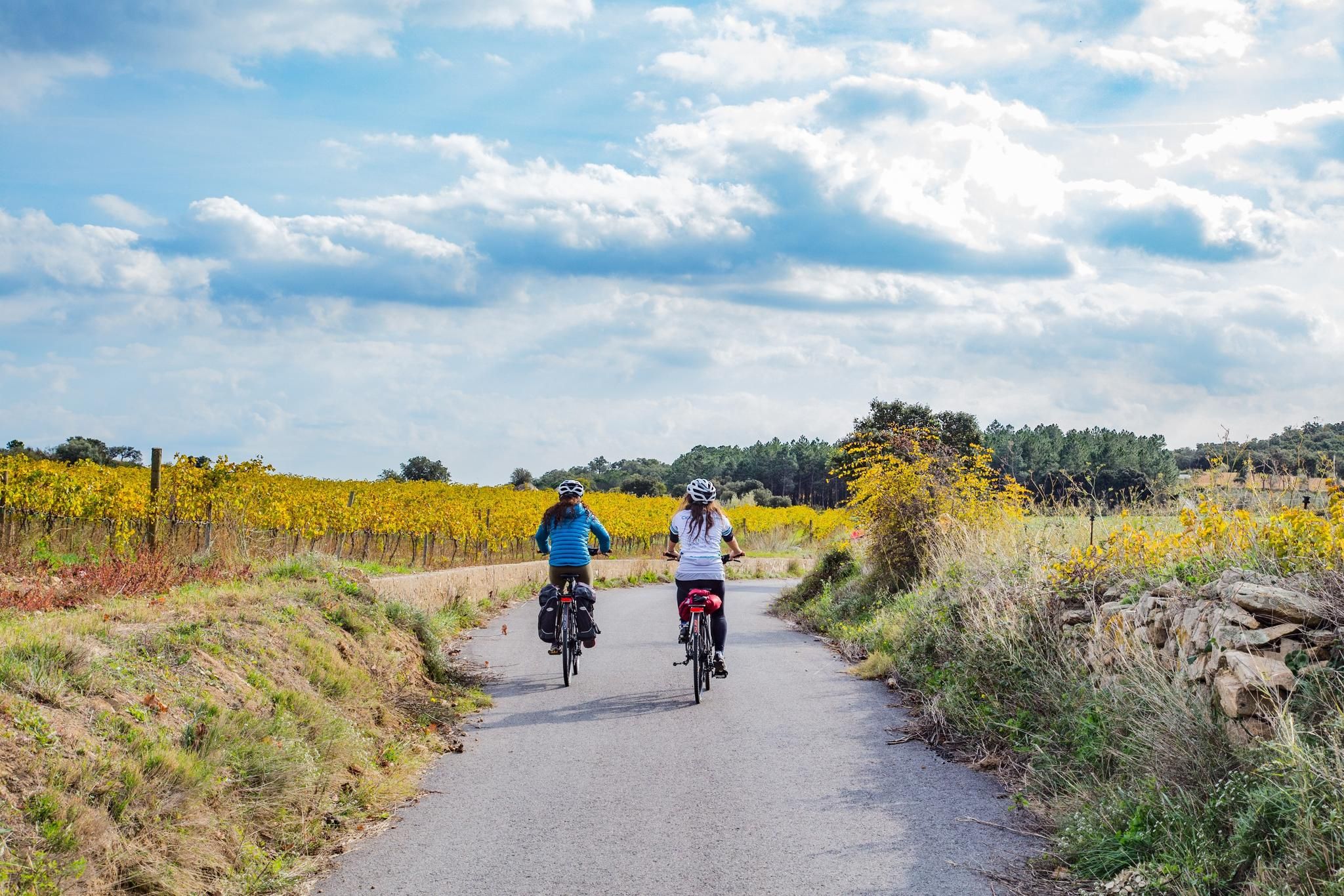
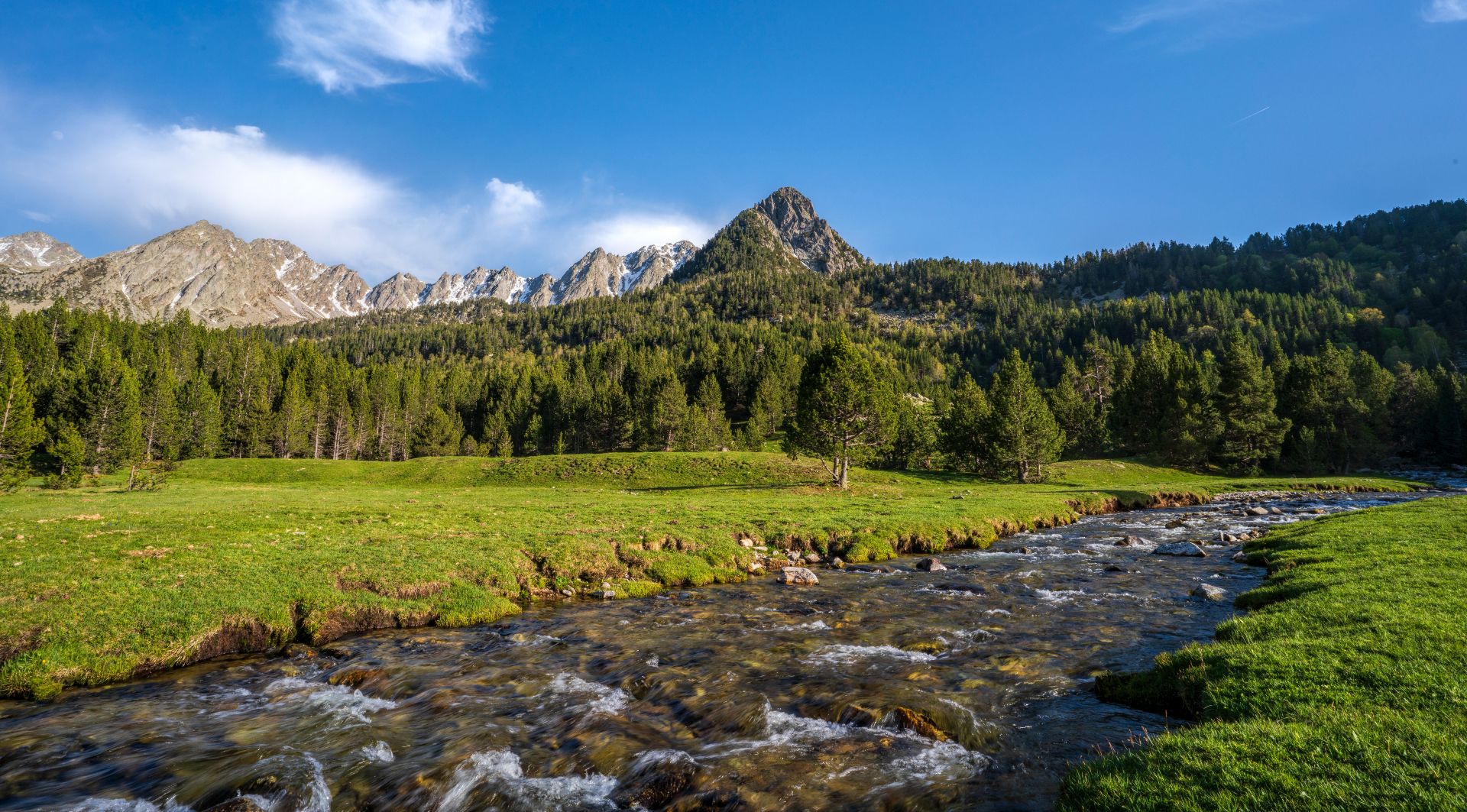
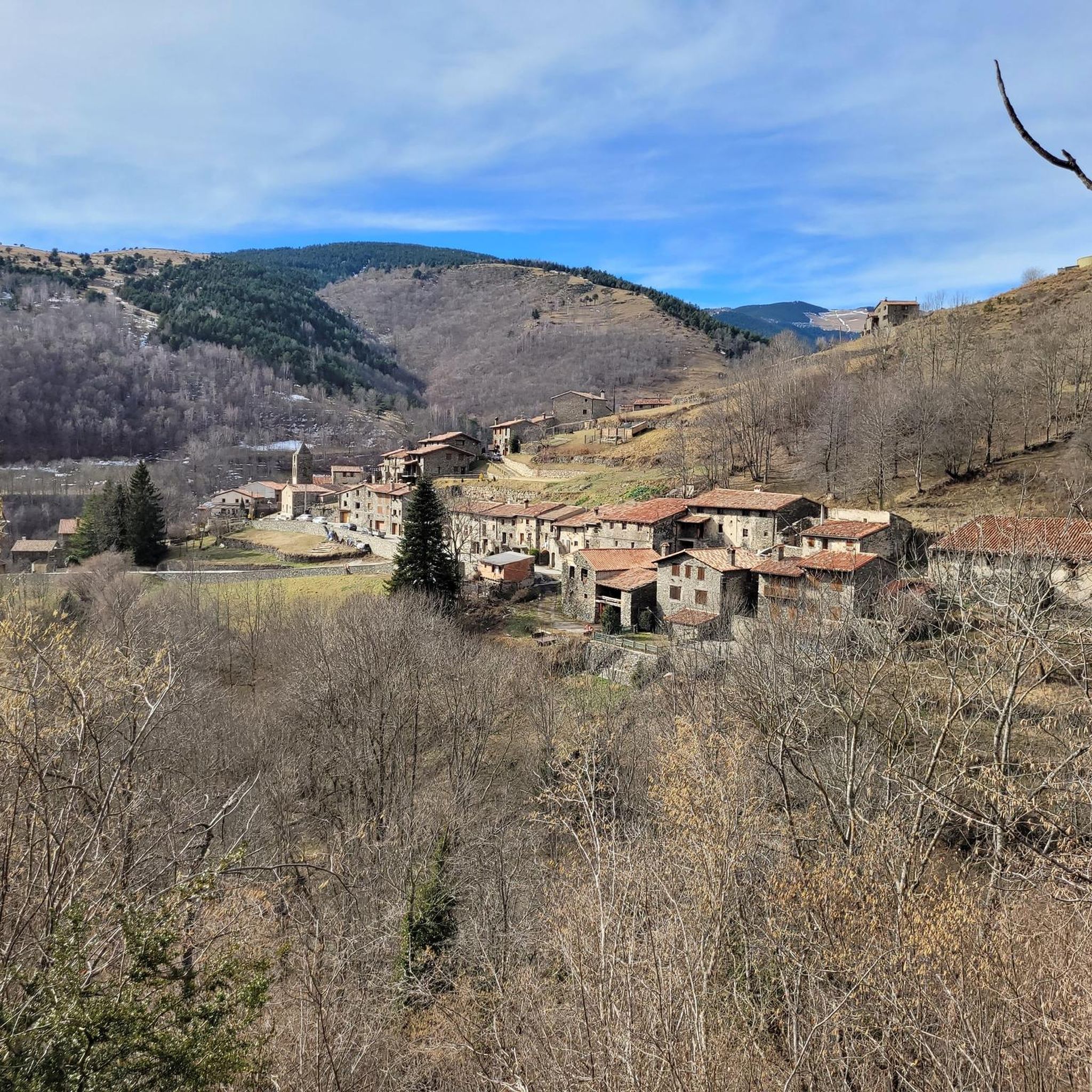


Tips from the Community

Beautiful climb, good percentages leaving Prat de Mollo, climbed in 36/28, steep at the end.
0
0

beautiful ascent, with a less attractive destination – The journey is the destination
0
0
from the French side a regular ascent to the pass
0
0

The ski resort, located on the main ridge of the Pyrenees in Ripollès on the border with France, is also one of the highest mountain passes that you can reach by bike on an asphalted road. The ski resort has been the finish line for the Volta a Catalunya several times, most recently in 2019.
1
0

A pass that is not too difficult to climb and offers a magnificent landscape when crossing the border at the summit.
0
0

Ridden in Gravel, well loaded: it's fine, but you don't have to be in a hurry! From the Conques refuge, no walls that are too steep, but lots and lots of stones. You can hear (and maybe see?) the marmots. The breathtaking views along the way will not make you regret a single drop of sweat! However, be careful of cows which can block the path, especially if they have young ones.
0
0

You get here with pains and work, I got off the bike a few meters earlier, there are parts with a very steep slope and just before the pass today I found snow. From the pass you have many routes, but none to be able to do on top of the bike. At the bottom of the valley, on the opposite side if you go up Fontlletera, you can see the refuge of Coma de Vaca, on the left the ascent to Balandrau and on the left in the background the peak of Bastiments and next to the path the house with antenna and the Gr cap in Vallter
1
0

The Coll d'Ares is a mountain pass in the Pyrenees that joins the counties of Ripollès and Vallespir, between the municipal terms of Molló and the communal areas of Prats de Molló and la Presta. If we are lucky the views are spectacular. In my case I went up with a Gravel Bike along the road from Camprodon.
1
0
Frequently Asked Questions
What kind of views can I expect from the mountain passes around Molló?
The mountain passes around Molló offer breathtaking panoramic views of the surrounding Pyrenean landscape. For instance, the Marrana Pass provides high-alpine vistas, while Coll d'Arès offers expansive views of the Vallespir and Ripollès regions. From Col de la Brossa, near Camprodon, you can even see the majestic Canigó massif.
What are the difficulty levels of mountain passes near Molló?
The difficulty varies significantly. Passes like Marrana Pass are generally accessible for day trips, serving as a gateway to various hiking routes. However, passes such as Three Peaks Pass are considered challenging, often involving steep ascents to peaks like Pico del Balandrau. Some, like Collade des Roques Blanches, feature unpaved sections and steep gradients, making them more suitable for mountain biking than touring bikes.
Are there family-friendly mountain passes or routes in the Molló area?
Yes, some passes offer more accessible options. The Capsacosta Pass is noted for being a very quiet road with little traffic, making it a pleasant option for families. While specific family-friendly routes directly over passes might require careful planning, many moderate hiking trails around Molló are suitable for families. You can explore options in the Hiking around Molló guide.
What is the best time of year to visit the mountain passes around Molló?
The best time to visit is generally during the warmer months, from late spring to early autumn (May to October), when the weather is more stable and the passes are free of snow. This period offers ideal conditions for hiking, cycling, and enjoying the panoramic views. During winter, some higher passes may be covered in snow, requiring specialized gear and experience.
What outdoor activities can I do near these mountain passes?
The area around Molló's mountain passes is excellent for various outdoor activities. You can enjoy extensive hiking, including routes that lead to prominent peaks from passes like Marrana. There are also numerous options for road cycling and mountain biking, with passes like Coll d'Arès and Capsacosta being popular cycling destinations.
Are there specific hiking trails accessible from the passes?
Absolutely. The Marrana Pass is a key access point for routes to peaks like Bastiments and Gra de Fajol, and connects to the routes of Queralbs and Núria. From Three Peaks Pass, you can embark on routes to climb the Pico del Balandrau. The wider GR 11 (Pyrenean Trail) also includes numerous high-altitude sections accessible from the Molló area, offering challenging and rewarding experiences.
Can I combine mountain passes with cycling routes?
Yes, many passes around Molló are popular among cyclists. Coll d'Arès is a well-known road pass connecting towns, while Capsacosta Pass is famous for being part of the Terra de Remences Cycling Tour. For those seeking a challenge, Collade des Roques Blanches offers a demanding ride, particularly suitable for mountain bikes due to its unpaved sections. You can find more cycling routes in the Road Cycling Routes around Molló guide.
What natural features can I see at the mountain passes?
The passes are often defined by significant natural features. Marrana Pass, for example, is situated between the impressive Bastiments Peak and Gra de Fajol, and separates the Ter and Freser valleys at their origins. The high-alpine environment itself, with its unique flora and fauna, is a major draw, offering a true Pyrenean experience.
Are there any historical or cultural sites near the mountain passes?
While the passes themselves are primarily natural features, the wider region offers cultural insights. Near Camprodon, a town neighboring Molló, Col de la Brossa is home to the Hermitage of Sant Antoni, dating back to 1702, adding a historical dimension to the scenic beauty. The passes often mark historical border crossings, such as Coll d'Arès, which connects France and Spain.
What do visitors enjoy most about the mountain passes around Molló?
Visitors frequently praise the spectacular views and the sense of accomplishment from reaching these high-altitude points. The opportunity to access numerous hiking and mountaineering routes directly from the passes, such as those leading to emblematic peaks from Marrana Pass, is highly valued. The diverse terrain, from quiet roads to challenging trails, also caters to a wide range of outdoor enthusiasts.
Are there any specific tips for navigating the passes, especially for cyclists?
For cyclists, it's important to note the terrain. Passes like Collade des Roques Blanches have unpaved upper sections, making them better suited for MTBs or gravel bikes rather than narrow racing tires. Coll d'Arès has different gradients on its French and Spanish sides, so planning your ascent and descent is key. Always check current conditions, especially for snow or cattle, as mentioned in tips for some passes.
What should I pack for a hike or ride over the mountain passes?
Given the high-alpine environment, it's essential to be prepared. Pack layers of clothing, as weather can change rapidly. Bring sufficient water and snacks, especially for longer routes. Sturdy hiking boots are crucial for trails, and if cycling, ensure your bike is suitable for the terrain, especially if tackling unpaved sections. Sun protection, a map, and a fully charged phone are also highly recommended.
Most popular routes around Molló
Most popular attractions around Molló

Get inspired with the komoot mobile app


Explore more
See even more epic mountain passes by checking out these guides around Molló:
