Attractions and Places To See around Cizur - Top 20
Best attractions and places to see around Cizur include a blend of historical, cultural, and natural sites. Situated between the Arga and Elorz rivers and near the mountains of Peña de Etxauri and Alto del Perdón, the area offers diverse landscapes. Cizur Menor is an integral part of the French Way of the Camino de Santiago, featuring several significant landmarks. The region provides opportunities to explore ancient architecture and scenic routes.
Best attractions and places to see around Cizur
- The…
Last updated: July 6, 2026
Pilgrim Monument at Alto del Perdón
Highlight • Monument
Translated by Google •
Tip by

Puente la Reina Romanesque Bridge
Highlight • Bridge
Translated by Google •
Tip by

Sign up now to discover places like this
Get recommendations on the best single tracks, peaks, & plenty of other exciting outdoor places.
Sign up for free
Pamplona Cathedral and the Citadel
Highlight • Historical Site
Translated by Google •
Tip by

Portal de Francia
Highlight • Monument
Translated by Google •
Tip by
Church of Saint John the Baptist, Obanos
Highlight • Religious Site
Translated by Google •
Tip by

Sign up for free to discover even more attractions around Cizur.
Sign up for free
Already have an account?
Start today with a free account
Your next adventure awaits.
Login or Signup
Tips from the Community

During the Pamplona bullfight, young men in particular risk their health and sometimes their lives. Despite protests from animal rights activists, the "Sanfermines" festival attracts millions of people every year. Around 6,000 bulls are said to have died in the arena over the past 100 years. Since 1911, a total of 16 deaths have been linked to the Pamplona bull runs and fights.
2
1

The Church of San Juan Bautista in Obanos, located in the Plaza de los Fueros, is a beautiful example of neo-Gothic architecture. Built in 1912, this church exudes an impressive historical charm. The church’s façade features a portico and a square tower, which contribute to the building’s majestic appearance. Inside, the church exudes a serene and sacred atmosphere, with beautiful stained glass windows and detailed decorations that reflect the church’s rich history.
1
0

Beautifully restored city gate through which all Santiago de Compostela walkers pass. Even the mechanism to open and close the gate is still there (with counterweights).
1
0

An almost authentic pilgrimage on the Frances, because this is where streams of pilgrims came to the city in the Middle Ages. One of the impressive walls of the fortified city and here you can also see the silver Bicigrino symbols embedded in the ground that lead to the exit: a great feature!
2
0

Imagine yourself on a horse and living in the Middle Ages... entering this gate... what will happen to you?
2
0

"Although this is the most populous city on the Way of St. James, crossing it is relatively pleasant. We enter the old town directly, are led through it to the Citadel Park and quickly leave the city again after a short stretch through the new town." (Text source: Cordula Rabe in "Camino Frances. Spanish Way of St. James from the Pyrenees to Santiago de Compostela", Rother Verlag)
3
0

Opened in the 90s of the last century, it has become a landmark and one of the most visited places.
4
0

Pamplona, the city renowned for its bullfighting
2
1
Frequently Asked Questions
What historical and cultural sites can I explore around Cizur?
Cizur is rich in history, especially due to its connection with the Camino de Santiago. You can visit the late 12th-century Romanesque Iglesia de San Miguel Arcángel in Cizur Menor, which historically served as a pilgrim hospital. Other notable sites include the 11th-century Parish Church of Saints Emeterio and Celedonio, and the historic Puente la Reina Romanesque Bridge, where two branches of the Camino meet. Further afield, explore Pamplona Cathedral and the Citadel, or the 16th-century Portal de Francia, a historic gate in Pamplona.
Are there any significant Camino de Santiago landmarks near Cizur?
Yes, Cizur Menor is an integral part of the French Way of the Camino de Santiago. A significant landmark is the Pilgrim Monument at Alto del Perdón, a striking art installation of rusty iron pilgrim silhouettes. The historic Puente la Reina Romanesque Bridge is another key point where the Aragonese and Navarrese branches of the Way converge. The Old Pilgrim Hospital (Hospital de Nuestra Señora del Perdón) in Cizur Menor also highlights the area's long tradition of pilgrim hospitality.
What natural features and viewpoints are there to enjoy?
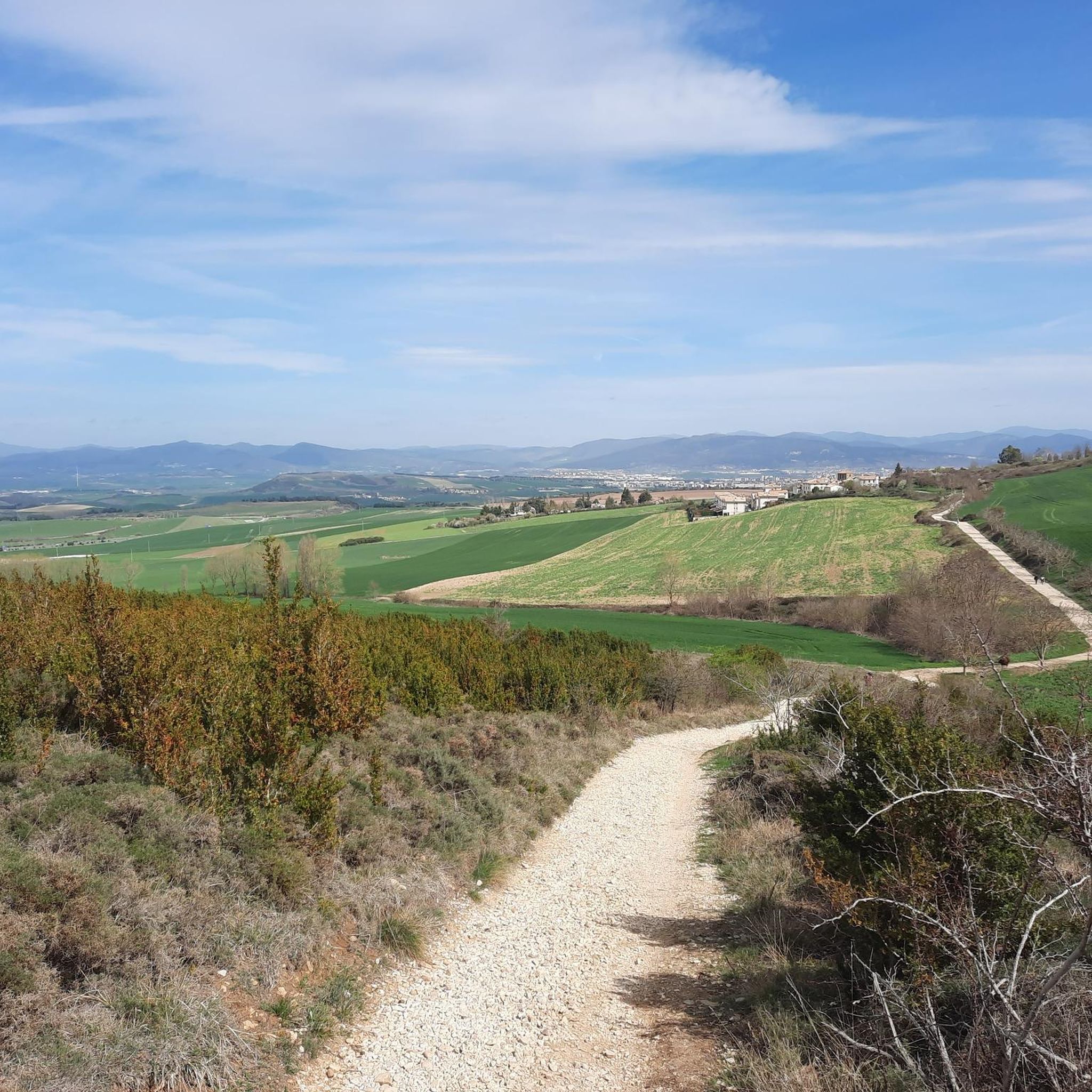
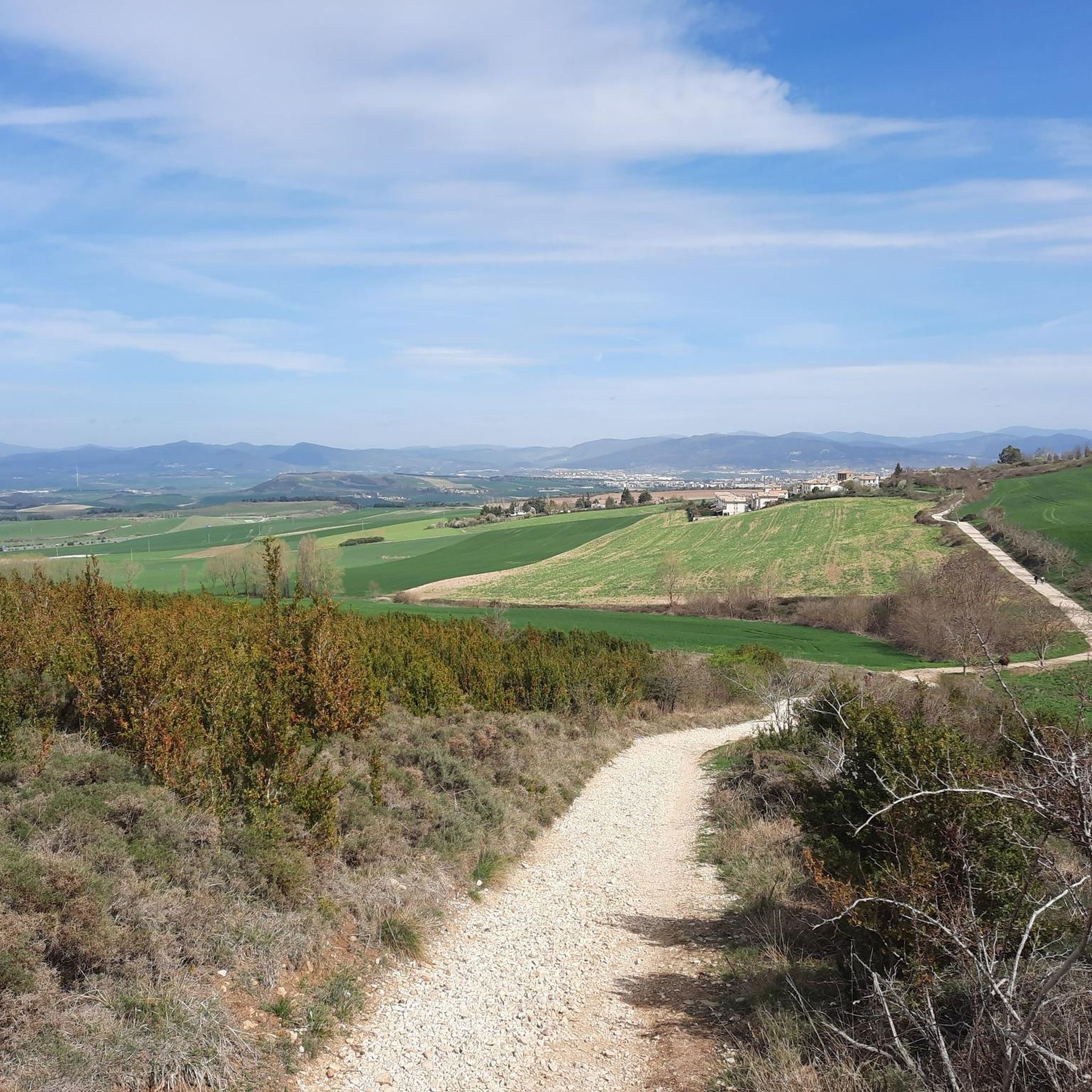
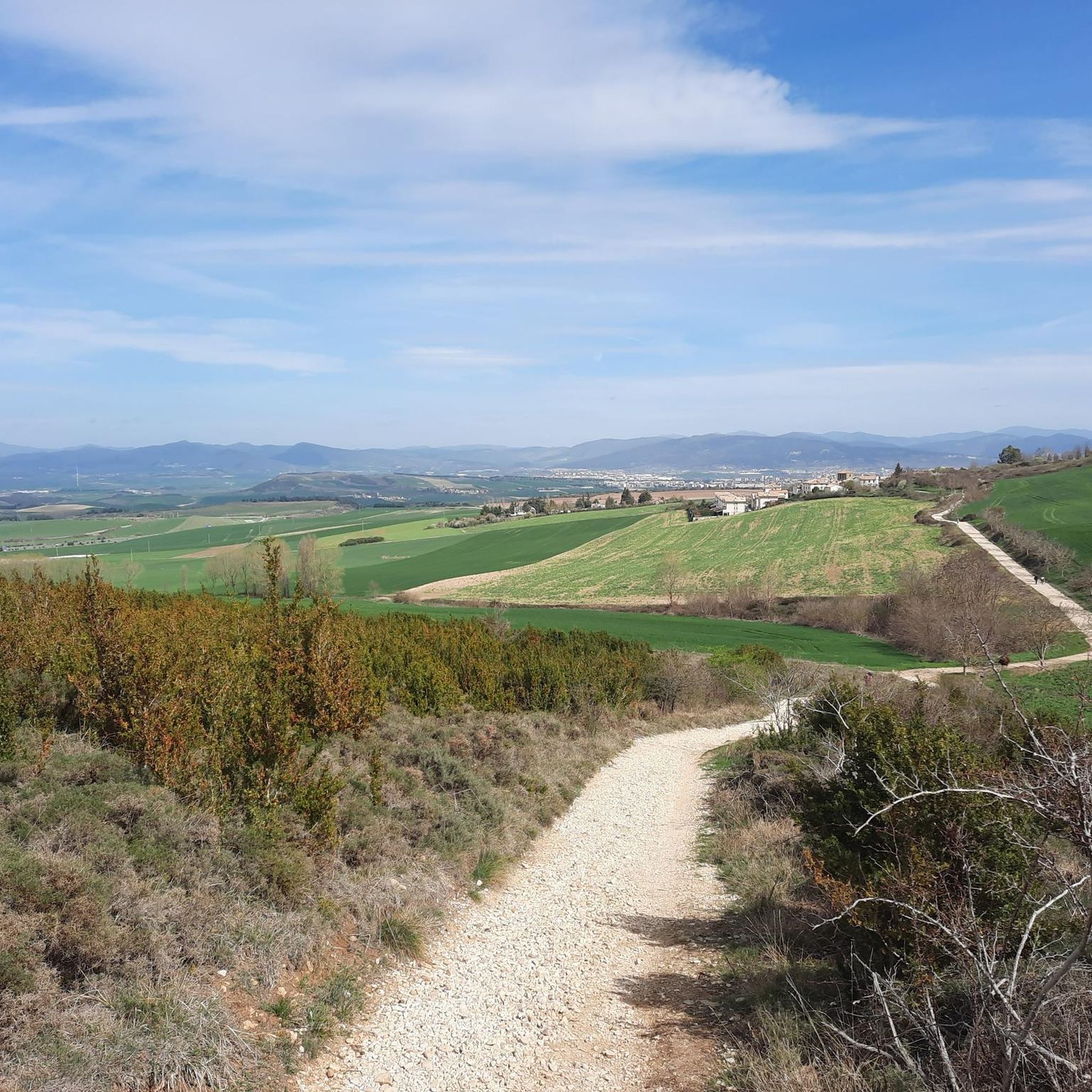
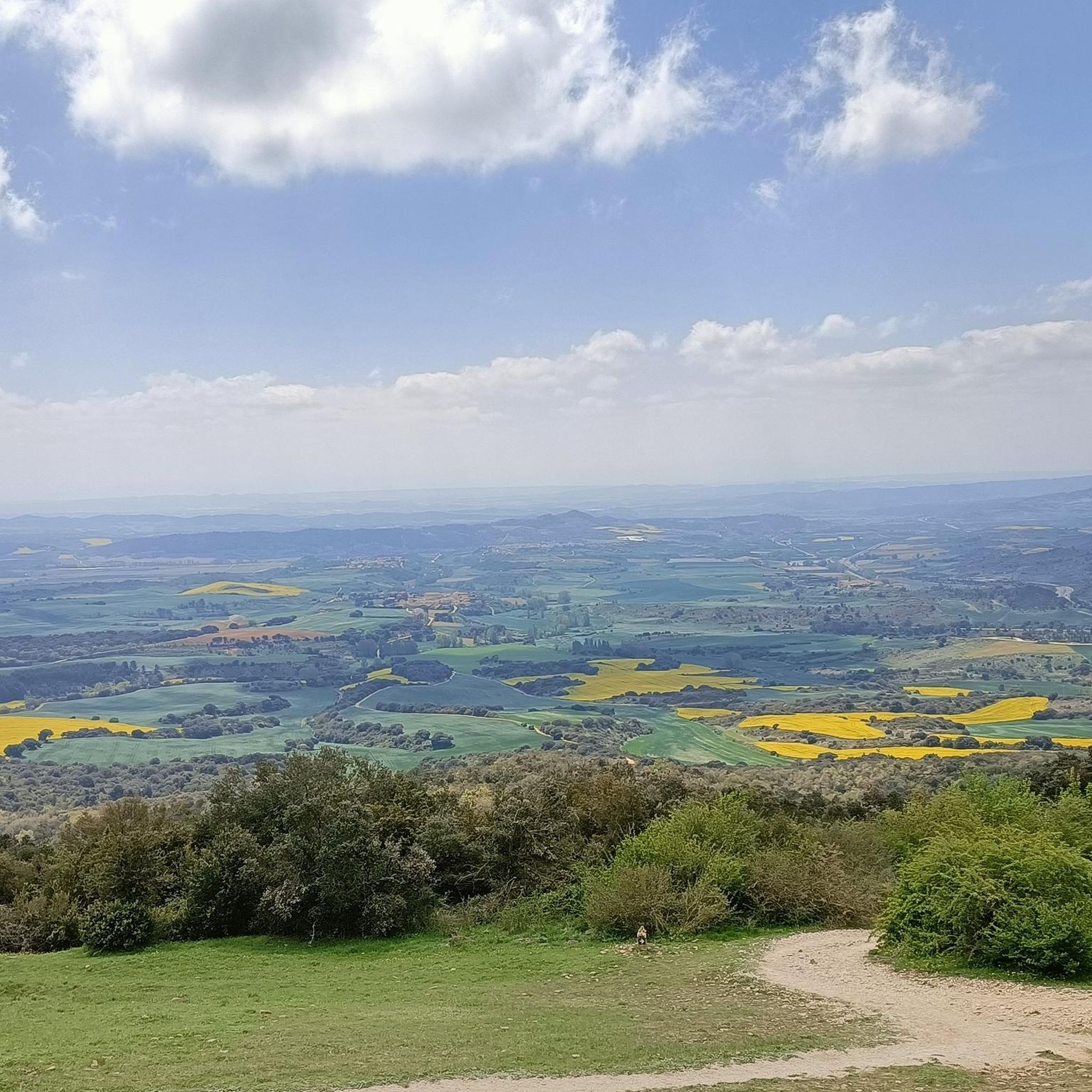
The area around Cizur offers diverse landscapes situated between the Arga and Elorz rivers and near the mountains of Peña de Etxauri and Alto del Perdón. The ascent to Alto del Perdón provides extensive views towards Pamplona and the Pyrenees. You can also explore the Soto de las Norias, a designated Special Conservation Zone, emphasizing the region's biodiversity.
What outdoor activities can I do around Cizur?
The region is well-regarded for its outdoor opportunities, particularly hiking and cycling. You can find numerous routes that integrate with historical sections of the Camino de Santiago. For cycling, consider routes like the 'Scenic Route to Estella' or 'Views of the fields – Puente la Reina Romanesque Bridge loop'. Mountain biking enthusiasts can explore trails such as 'Puente de Ibero – Aguachiquita Bridge loop'. For more details on routes, visit the Cycling around Cizur, MTB Trails around Cizur, and Running Trails around Cizur guides.
Are there family-friendly attractions or activities in Cizur?
Yes, several attractions are suitable for families. The Puente la Reina Romanesque Bridge is an accessible historical site. In Pamplona, Pamplona Cathedral and the Citadel offer historical exploration that can engage children. The Portal de Francia, a 16th-century city gate, also provides an interesting historical experience for all ages. Additionally, many of the walking paths and trails around Cizur are suitable for family outings, with varying difficulty levels.
What are some popular hiking trails near Cizur?
The area offers diverse hiking opportunities. A popular route involves the path to the Alto del Perdón, which offers rewarding views. Many trails integrate with sections of the Camino de Santiago, providing both scenic beauty and historical context. For running, you can find routes like the 'University of Navarra – Stone Bridge loop' or the 'Alto del Perdón loop from Zariquiegui / Zarikiegi'. You can find more detailed information on routes in the Running Trails around Cizur guide.
What is the best time of year to visit Cizur for outdoor activities?
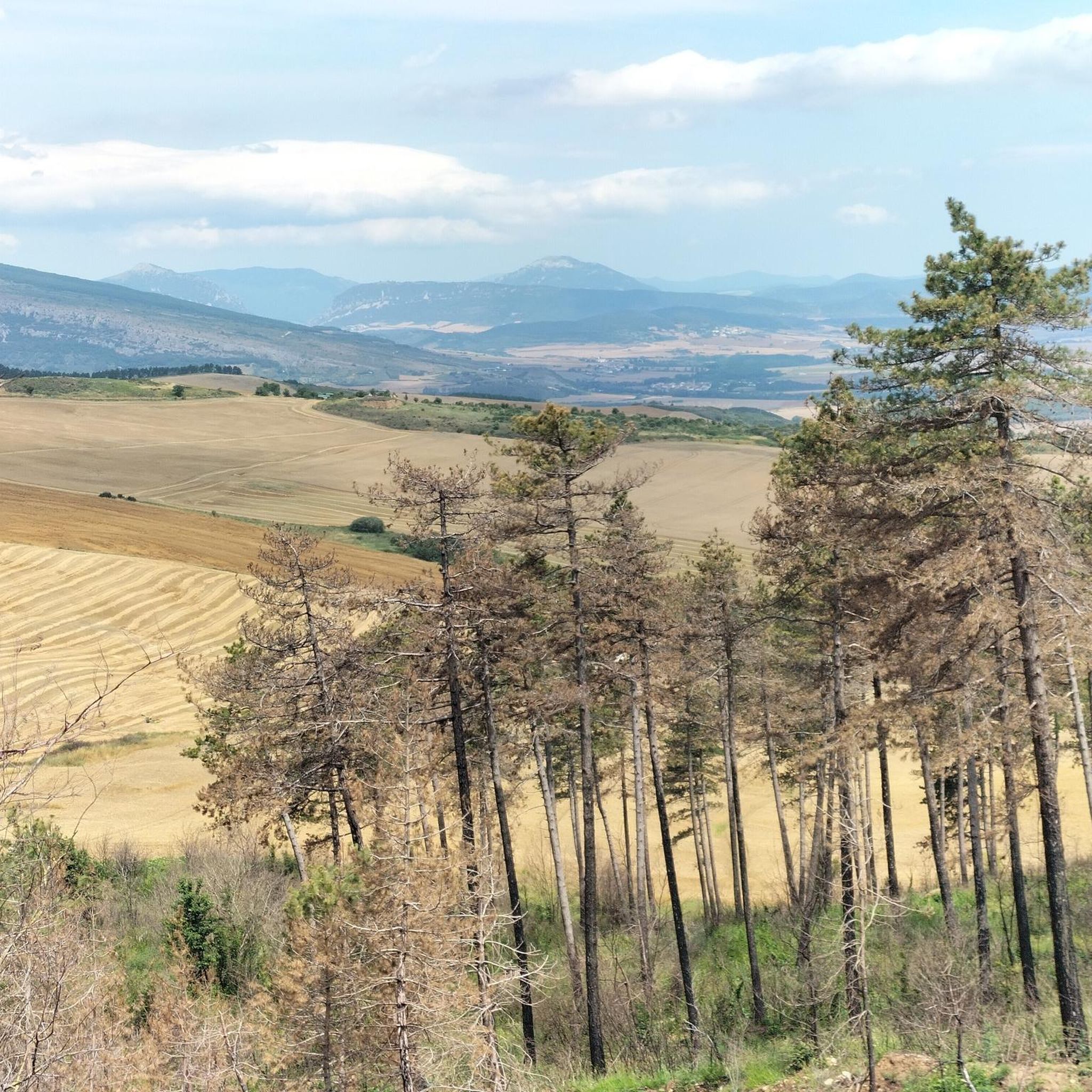
The landscape of Cizur changes beautifully with the seasons. Depending on your preference, you can witness the browns of autumn, the vibrant greens of spring, or the yellows of summer. Spring and early autumn generally offer pleasant temperatures for hiking and cycling. While winter hiking is possible, be prepared for cooler weather and potentially different trail conditions. Always check local weather forecasts before heading out.
Are there any hidden gems or lesser-known attractions worth visiting?
Beyond the main Camino de Santiago landmarks, Cizur Menor itself holds charm with its historic houses, such as the Echeberría house (dating to 1777) and the complex Nonecua house. The Church of Saint John the Baptist in Obanos, with its neo-Gothic style, is another beautiful, perhaps less-traveled, religious site nearby.
Where can I find cafes or places to rest near walking routes in Cizur?
Cizur Menor, being a significant stop on the Camino de Santiago, has facilities catering to pilgrims, including albergues (pilgrim hostels) and likely cafes or small eateries. These establishments often provide refreshments and a place to rest. You'll find more options in the larger nearby city of Pamplona.
What do visitors enjoy most about the attractions around Cizur?
Visitors particularly appreciate the blend of historical significance and natural beauty. The sense of walking in the footsteps of pilgrims on the Camino de Santiago, the extensive views from Alto del Perdón, and the architectural marvels like the Puente la Reina Romanesque Bridge are frequently highlighted. The komoot community has shown strong appreciation, with 448 upvotes and 324 photos shared across the attractions.
Is public transport available to access attractions around Cizur?
Cizur Menor is located southwest of Pamplona, which serves as a regional hub. Public transport options, such as local buses, connect Cizur with Pamplona and potentially other nearby towns. For specific trailheads or more remote attractions, personal transport or taxis might be necessary. It's advisable to check local bus schedules for the most up-to-date information.
Most popular attractions around Cizur

Get inspired with the komoot mobile app


Explore more
Still not found the Highlight you’re looking for? See guides of the top attractions in other regions:
