The best running trails around Sant Llorenç De La Muga
4.9
(23)
1,402
runners
80
runs
Jogging around Sant Llorenç De La Muga offers a diverse landscape for runners. The region is characterized by its river valleys, such as the Muga, and surrounding forested hills. These natural features provide a mix of flat riverside paths and more challenging ascents. The area's terrain is suitable for various running styles, from leisurely jogs to demanding trail runs.
Best jogging routes around Sant Llorenç De La Muga
- The most popular jogging route is Santa Magdalena and Santuario de la…
Last updated: July 2, 2026
5.0
(1)
11
runners
Hard run. Very good fitness required. Sure-footedness, sturdy shoes and alpine experience required.
5.0
(3)
83
runners
12.2km
01:41
410m
410m
Hard run. Very good fitness required. Sure-footedness, sturdy shoes and alpine experience required.

Sign up for free
5.0
(1)
61
runners
14.6km
02:01
530m
520m
Hard run. Very good fitness required. Mostly paved surfaces. Suitable for all skill levels.
5.0
(1)
23
runners
7.86km
01:02
250m
250m
Moderate run. Good fitness required. Mostly paved surfaces. Suitable for all skill levels.
9
runners
9.26km
01:11
370m
360m
Hard run. Very good fitness required. Mostly paved surfaces. Suitable for all skill levels.
Get access to more routes and recommendations from other explorers.
Sign up for free
Already have an account?
Our route recommendations are based on thousands of hikes, rides, and runs completed by other people on komoot.
Start today with a free account
Your next adventure awaits.
Login or Signup
Popular around Sant Llorenç De La Muga
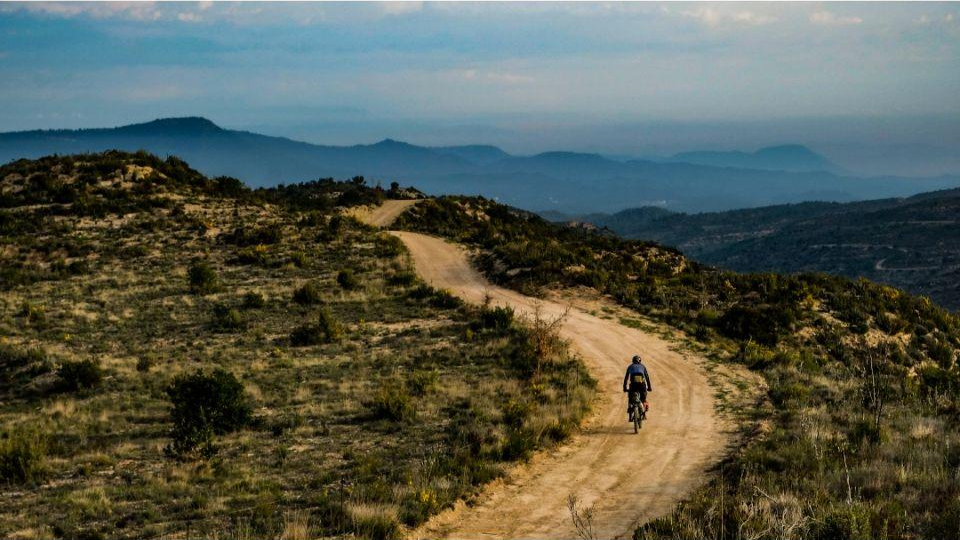
European Divide Trail across the Iberian Peninsula – north
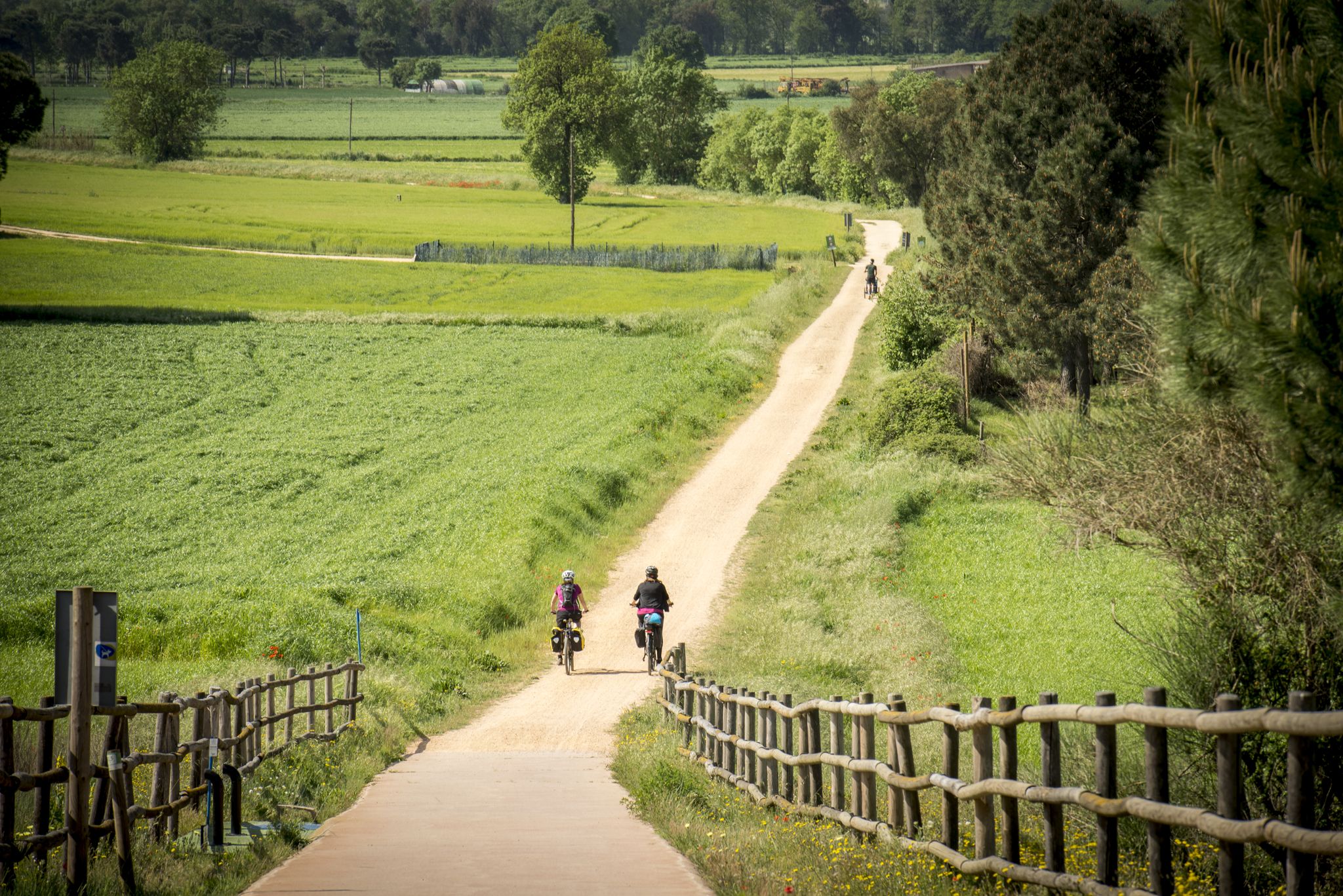
Ideas para recorrer Girona en bicicleta en un fin de semana
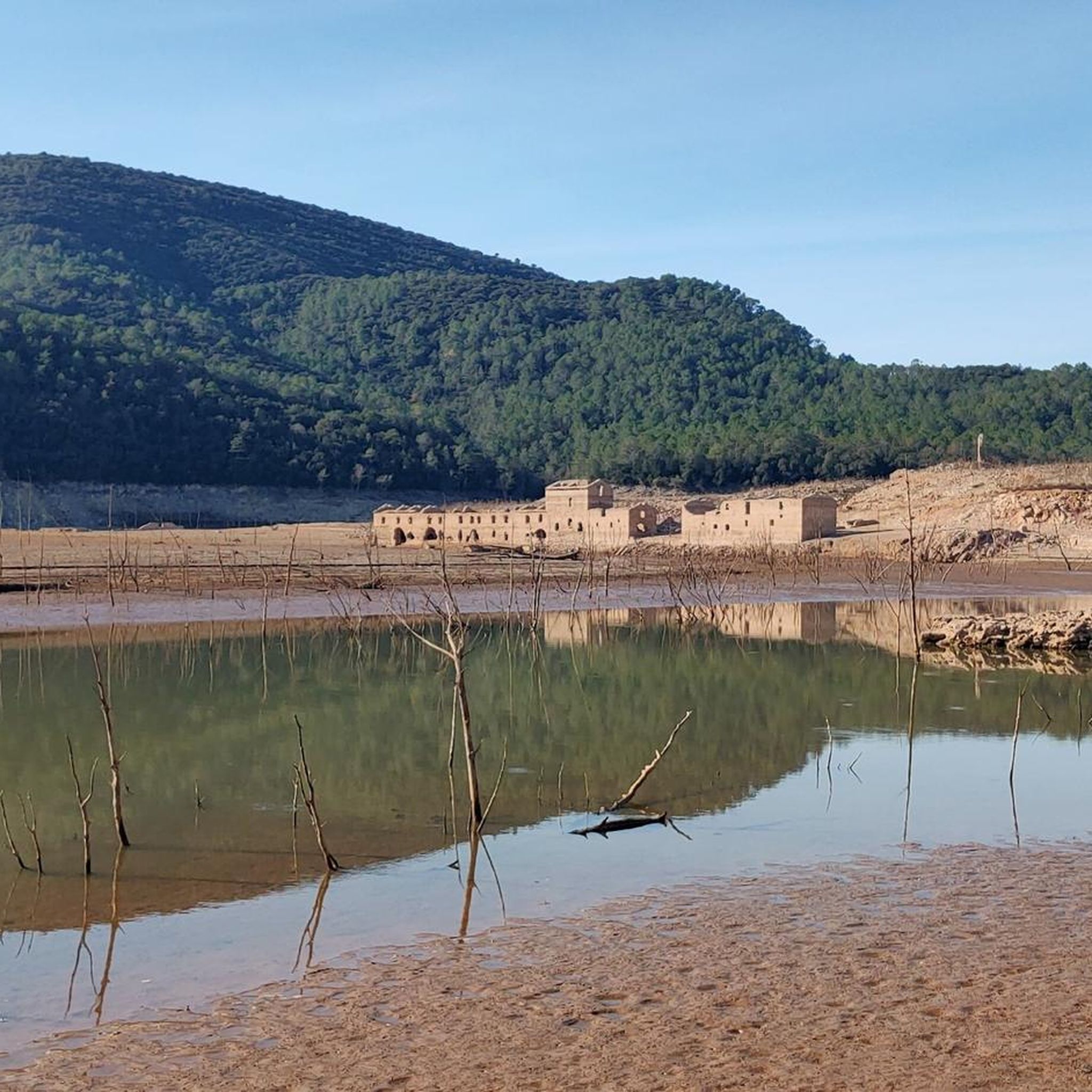
MTB Trails around Sant Llorenç De La Muga
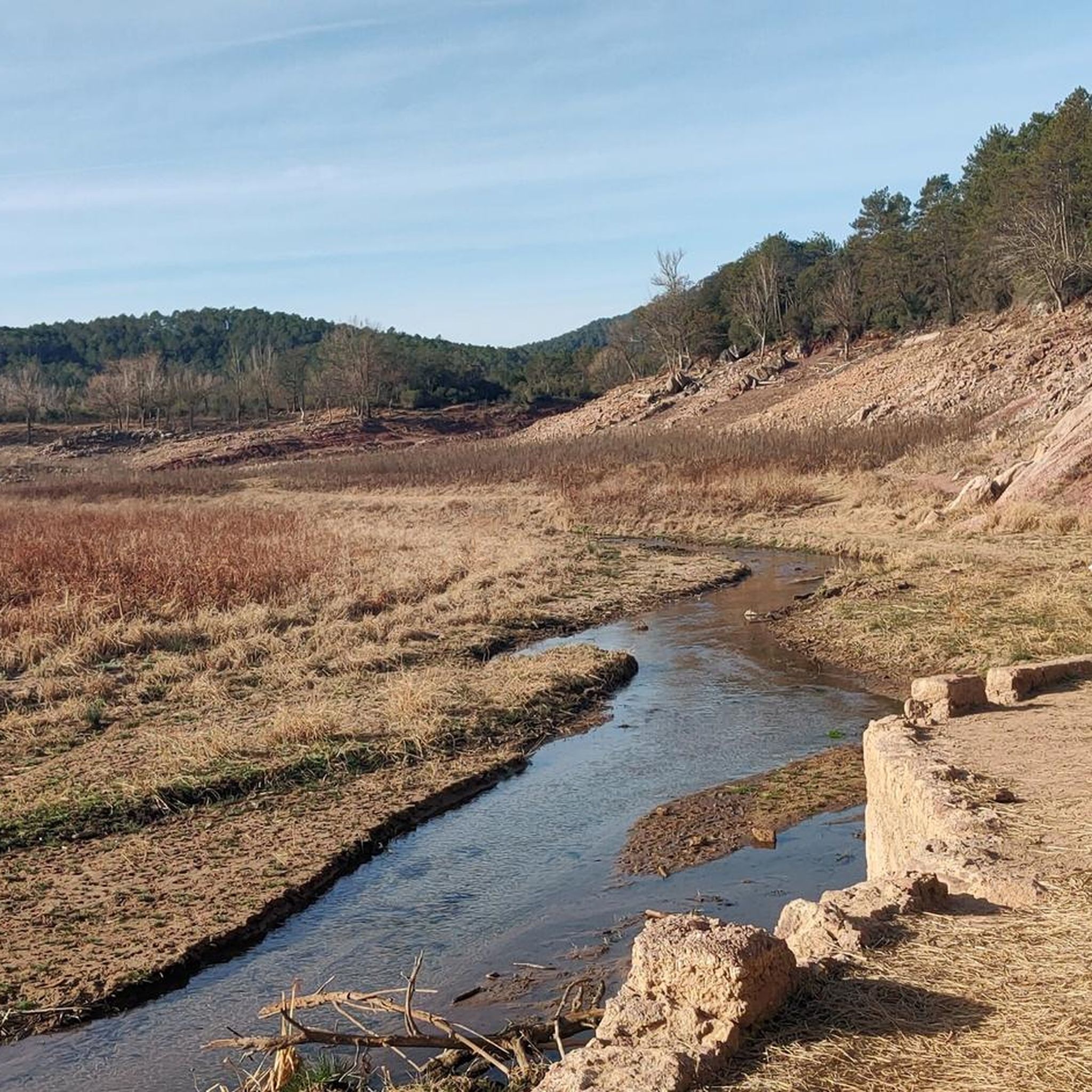
Hiking around Sant Llorenç De La Muga
Road Cycling Routes around Sant Llorenç De La Muga
Cycling around Sant Llorenç De La Muga

Gravel biking around Sant Llorenç De La Muga


Tips from the Community

Formerly known as Santa Maria del Codó, the church has been documented since the 14th century. The current building, constructed after 1438, is likely a reconstruction of the original structure and retains the typical style of the late Romanesque period. It features a single-nave church with a pointed vault and a semicircular apse. The portal is a keystone doorway with a round arch and a gabled tower.
2
0

Fantastic gorges that today have enough water to immerse yourself in with your whole body. Today I was the only one who swam in them, but it was a "tasty" after almost 50 km and 1400 meters of elevation gain.
1
0

Sant Llorenc de la muga is considered one of the most beautiful towns in Catalonia and is always worth a visit!
0
0

Fanatical medieval village Where you will lose track Of time ⏲️ This town and its surroundings are so beautiful that you will surely fall in love with it 😍
0
0

https://www.youtube.com/shorts/x3xhty0PfKEPinturas Murales: Inside the church, you can find mural paintings dating from the 13th and 14th centuries. These paintings depict religious scenes and provide a unique insight into medieval iconography. Place of Pilgrimage: The church has been a place of pilgrimage for centuries, and its religious and cultural importance has endured over time. Visitors flock to the place to admire its historic architecture and art. Location in a Natural Environment: Sant Llorenç de la Muga is located in an impressive natural environment, surrounded by mountains and picturesque landscapes. The church integrates perfectly into this environment, which adds to its appeal. Festival: The town of Sant Llorenç de la Muga celebrates its festival on August 10 in honor of San Lorenzo, the patron saint of the church. During this festival, processions and cultural activities are held that attract visitors from the region.
0
0
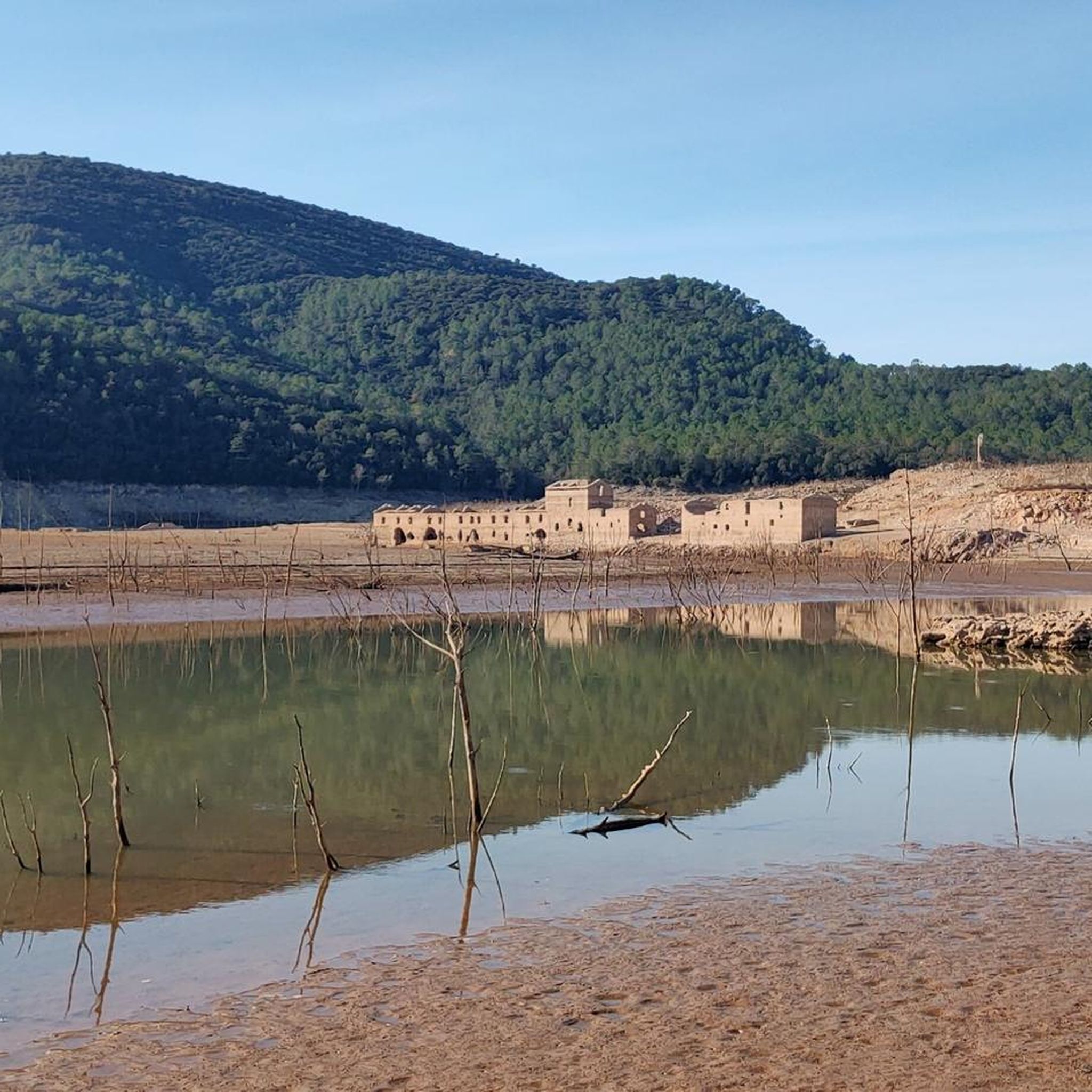
The Pantà de Darnius-Boadella, also known as the Boadella Reservoir, is an important reservoir located on the Muga River, near the town of Darnius in Catalonia, Spain. The construction of this hydroelectric dam began in 1959 and was completed in 1969. The dam is mainly located in Darnius, but also extends within the limits of Sant Llorenç de la Muga, Terrades and Maçanet de Cabrenys. This reservoir is notable for its size and capacity. It has an area of 363.3 hectares and can contain up to 60.2 hm³ of water. The dam itself is a gravity dam with a height of 63 meters and a length of 250 meters. Its main purposes include hydroelectric power production, irrigation and drinking water supply. In addition to its operational functions, the reservoir offers recreational activities such as water skiing, canoeing and sailing. It is known as a freshwater beach alternative for those who prefer enclosed waters over open seas. The reservoir supplies water to the city of Figueres and several coastal towns in the region, as well as irrigating approximately 4,200 hectares of land.
3
0
Church located on the left bank of the Muga and next to the Albanyà road. This temple has a single nave, rectangular plan and without a prominent head. It has a roof on two sides, and inside the vault is barrel vaulted. The portal is made of tiles with a simple rose window, and above it, a bell tower with a single arch, also made of tiles. In front of the facade there is a galilea, with a roof on two sides that opens with three semi-circular arcades made of tiles. On the frontal arcade is the date 1835. On the altar there is a small altarpiece from the 19th century. Historical news On the frontal arcade of the galilea is the date 1835. Two documents speak of the construction and blessing of the chapel, both also dated 1835. The first refers to the work of Pere Caballer. The second document is the act of blessing dated April 22, 1835.”
3
0
https://www.youtube.com/watch?v=TUrjRePfgak https://www.youtube.com/watch?v=aJoib-4269s https://www.santllorencdelamuga.cat/ca/Sant Llorenç de la Muga is located in the high Muga valley, in an area also known as the mountain Empordà or the Garrotxa d'Empordà due to its mountainous terrain. The urban center is located in a pronounced meander of the La Muga river, which crosses the municipal area in a route of eleven kilometers, where there is a great diversity of pools. The medieval walled enclosure stands out for its good state of conservation, as well as most of the houses in the old town. In the center of Sant Lllorenç there are very pleasant corners that are part of the history of the town. Sant Llorenç preserves the spirit of a quiet and welcoming rural town. The Sant Llorenç mountains, low in altitude and with a wide range of rural roads, trails and forest tracks, allow you to enjoy this natural space all year round, with changing landscapes depending on the season. Scattered throughout this territory of mountains near the river, you can find small architectural treasures such as the hermitage of San Jorge, the oratory of Sant Ponç, the hermitage and the bridge of San Antonio near La Muga, the hermitage and the fountain of Palau, the Old Bridge or the Lion Fountain.
3
0
Frequently Asked Questions
How many running routes are available in Sant Llorenç De La Muga?
There are over 70 running routes around Sant Llorenç De La Muga, offering a diverse range of experiences from riverside paths to challenging trail runs through forested hills.
Are there easy jogging routes suitable for beginners in Sant Llorenç De La La Muga?
Yes, while many routes are challenging, there are a few easier options and several moderate ones suitable for those building endurance. The region's river valleys often provide flatter sections ideal for a more relaxed pace.
Can I find family-friendly running trails in the area?
The region offers a mix of terrain. While specific "family-friendly" designations aren't always explicit, routes with less elevation gain along the river valleys could be suitable for active families. Look for shorter, moderate trails for a good family outing.
Are dogs allowed on the running routes around Sant Llorenç De La Muga?
Generally, dogs are welcome on trails in the region, but it's always best to keep them on a leash, especially near livestock or in protected natural areas. Ensure you carry water for your dog, particularly on longer runs.
Are there circular running routes available?
Yes, many of the running routes in Sant Llorenç De La Muga are circular, allowing you to start and finish at the same point. For example, the Santa Magdalena and Santuario de la Salut - circular trail run is a popular option.
What kind of landmarks or viewpoints can I expect to see on these runs?
The routes often pass by historical sites and offer scenic viewpoints. You might encounter ancient bridges, hermitages like the Hermitage of Saint Anthony, and enjoy panoramic views of the Muga river valley and surrounding hills. Some routes also lead past significant peaks such as Mare de Déu del Mont Summit.
Are there any waterfalls along the running trails?
Yes, the region is home to several beautiful waterfalls and gorges. You might find yourself running near the Gorges of Albanyà or discover hidden cascades like the La Caula Waterfall, offering refreshing sights during your run.
What is the best time of year for running in Sant Llorenç De La Muga?
Spring and autumn generally offer the most pleasant conditions for running, with mild temperatures and vibrant natural scenery. Summers can be hot, making early morning or late afternoon runs preferable, while winters are typically mild but can be damp.
What do other runners enjoy most about jogging in Sant Llorenç De La Muga?
The area is highly rated by the komoot community, with an average score of 4.9 stars. Reviewers often praise the diverse terrain, the blend of natural beauty with historical landmarks, and the well-maintained paths that cater to various running styles.
How long do the running trails typically take to complete?
Running times vary significantly depending on the route's distance and elevation. For instance, the Hermitage of Saint Anthony loop, a moderate 7.8 km trail, takes around 1 hour to complete, while more challenging routes can take over 2 hours.
Are there any running routes that pass by cafes or places to refuel?
While many routes venture into natural, secluded areas, some trails may pass through or near small villages where you can find local cafes or shops to refuel. It's always advisable to carry sufficient water and snacks, especially on longer runs.
What are the typical terrain conditions for running in this region?
The terrain is quite varied, ranging from relatively flat paths along the Muga river to more challenging ascents and descents through forested hills. You can expect a mix of dirt trails, gravel paths, and sometimes rocky sections, providing a good challenge for trail runners.
Most popular routes around Sant Llorenç De La Muga
Most popular attractions around Sant Llorenç De La Muga

Get inspired with the komoot mobile app


Explore more
Browse the best Running Trails & Routes in other regions.
