Top 19 Mountain Passes around La Jonquera
Best mountain passes around La Jonquera are located in the eastern Pyrenees, offering access to routes that serve as natural border crossings between France and Spain. This region provides a blend of geographical features and historical significance. The passes feature diverse terrain and natural environments.
Best mountain passes around La Jonquera
- The most popular mountain passes is Banyuls Pass, a mountain pass that connects Spain with France. The approach from Catalonia is more gradual, while the French side features…
Last updated: May 14, 2026
Banyuls Pass
Highlight • Mountain Pass
Translated by Google •
Tip by

Ascent to Coll de Banyuls from Espolla
Highlight (Segment) • Mountain Pass
Translated by Google •
Tip by

Sign up now to discover places like this
Get recommendations on the best single tracks, peaks, & plenty of other exciting outdoor places.
Sign up for free
Pou de la Neu Pass
Highlight • Mountain Pass
Translated by Google •
Tip by

Ullat Pass
Highlight • Mountain Pass
Translated by Google •
Tip by

Coll de l'Estaca
Highlight • Mountain Pass
Translated by Google •
Tip by

Sign up for free to discover even more mountain passes around La Jonquera.
Sign up for free
Already have an account?
Start today with a free account
Your next adventure awaits.
Login or Signup
Popular around La Jonquera
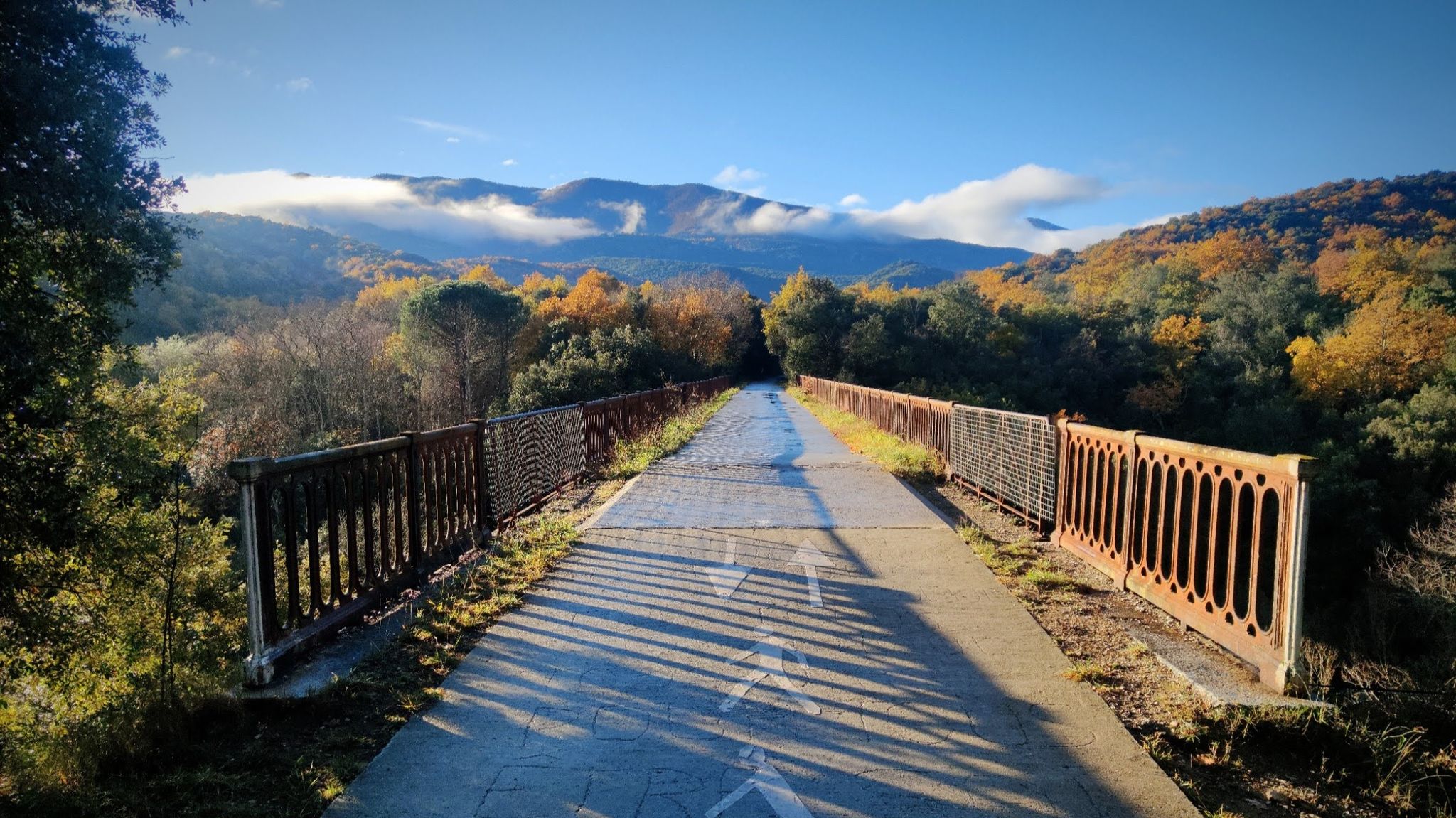
Landscapes and monuments of the Empordà plain by bike -- Pirinexus
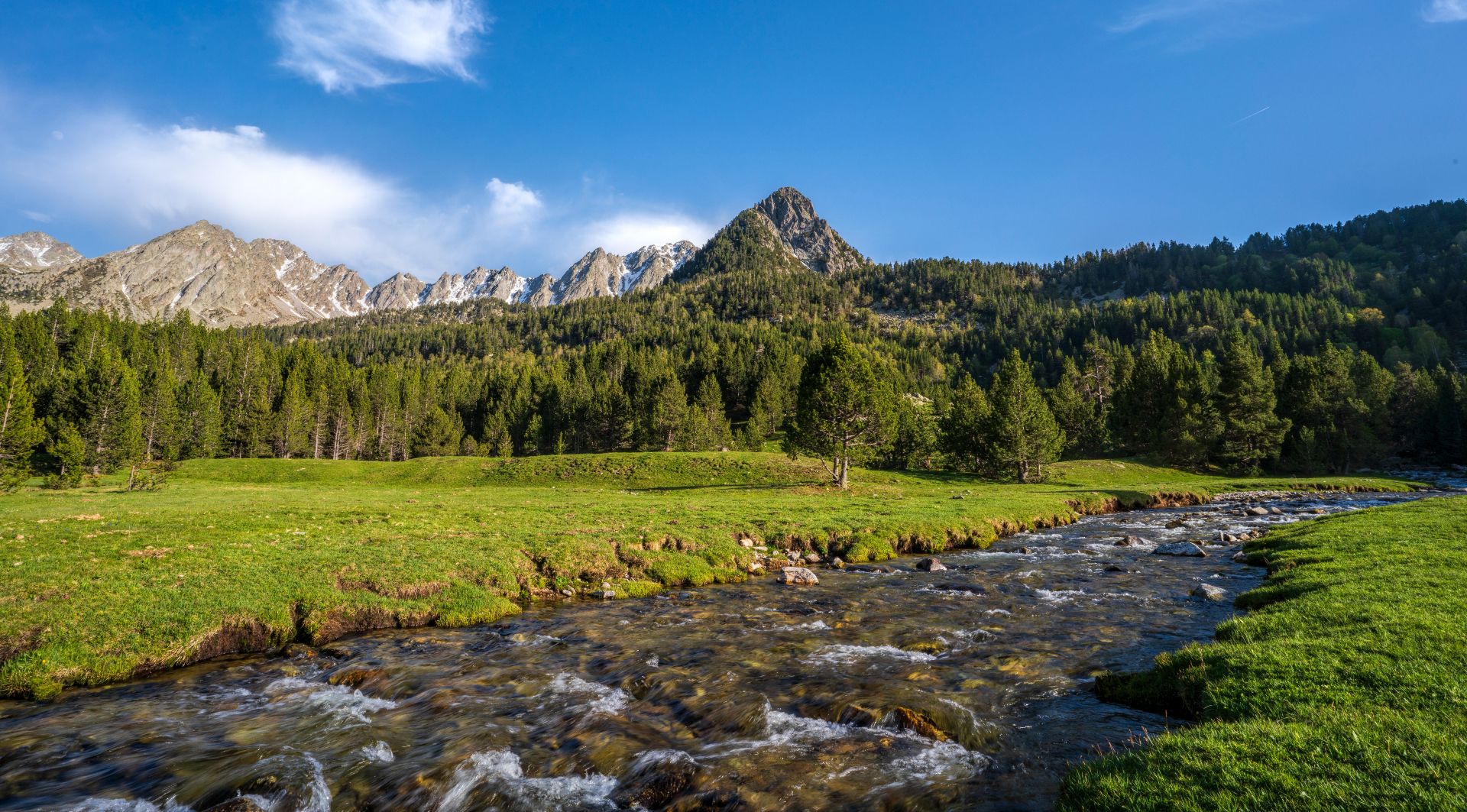
Catalonia and Andorra on the Pyrenean Trail – GR 11
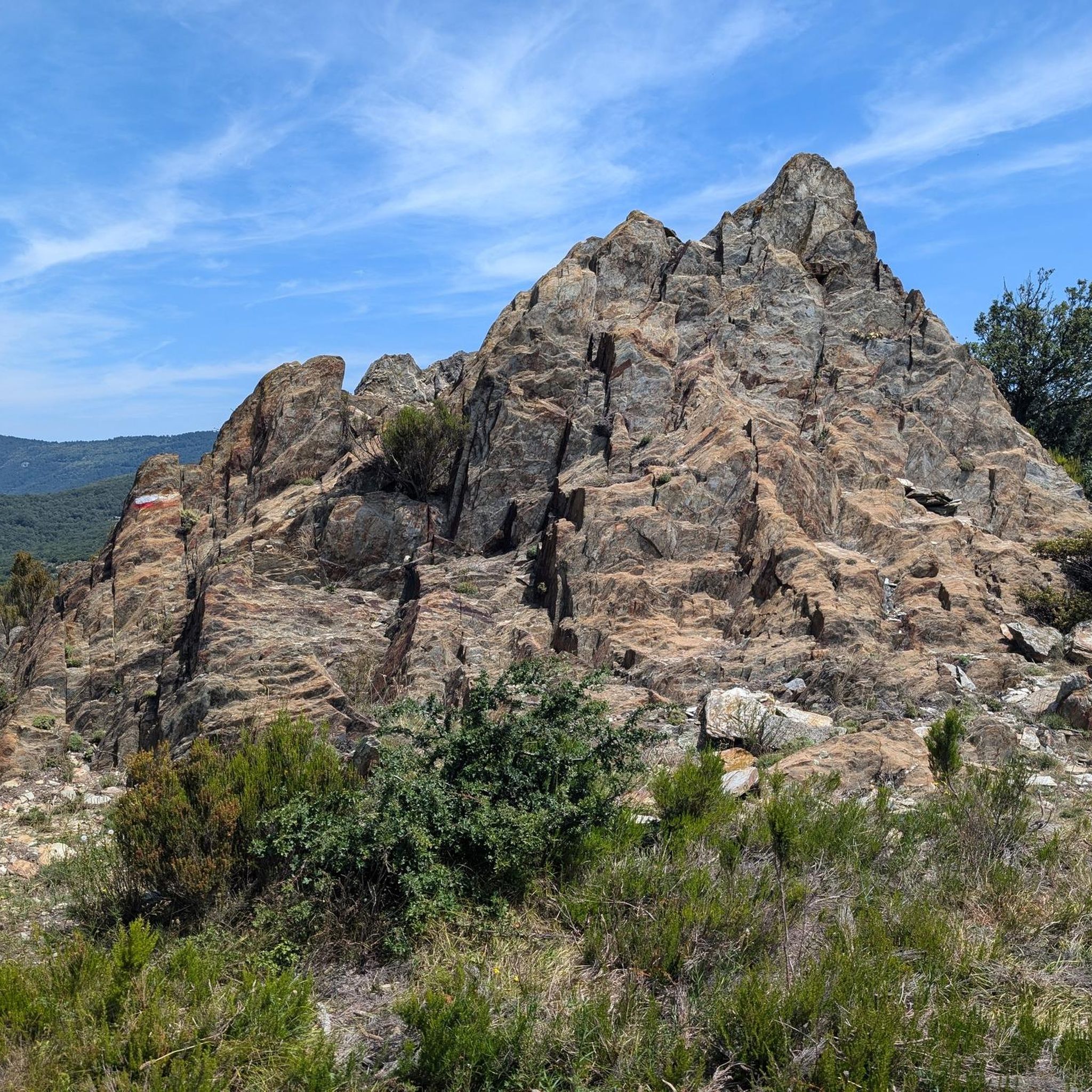
Hiking around La Jonquera
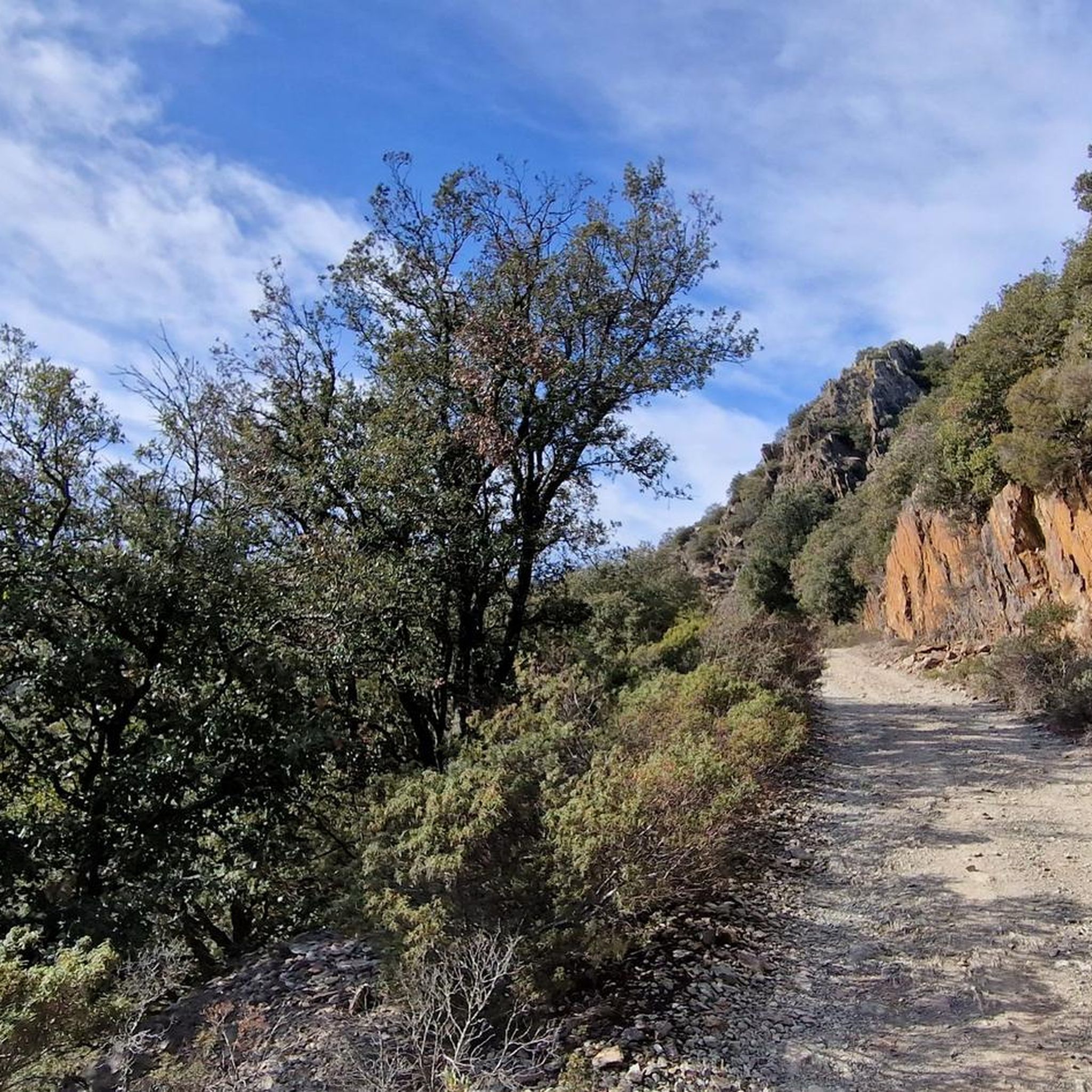
Road Cycling Routes around La Jonquera
Running Trails around La Jonquera
MTB Trails around La Jonquera
Cycling around La Jonquera

Gravel biking around La Jonquera

Mountain Hikes around La Jonquera


Tips from the Community

Beautiful route and a great view
0
0

A hill with spectacular views. Several trails depart from here. It's worth taking a detour when descending from Puig Neulós to visit this spot with views on the border between the French eastern Pyrenees and the Catalan Pyrenees.
1
0

This pass was important as a passage between regions, especially in activities such as transhumance or the transport of goods. The snow wells that give the place its name were also key elements in the economy of the mountainous areas. The term "Pou de la Neu" refers to the snow or ice wells that were traditionally used to store snow during the winter. These structures, dug into the ground or built with stones, served to preserve ice that was later transported to the lower areas for use in food, medicine or food preservation.
1
0
The Green MEPs Jordi Solé and François Alfonsi, and the Social Democrat Éric Andrieu, launched a letter to Pedro Sánchez and Emmanuel Macron, presidents of Spain and France respectively, calling for the reopening of the crossings to be discussed at the 27th Franco-Spanish summit on 19 January in Barcelona. The letter, signed by 31 MEPs, was presented at a press conference at the European Parliament in Strasbourg. Two days later, on 20 January, residents of Espolla reopened the coll for the annual Feria de l'Oli y de l'Olivera in the village. However, on 23 January the French authorities closed the crossing again.
3
0
It is located at an altitude of approximately 936 metres in the Albera mountain range in the Pyrénées-Orientales, France. It is accessible by road via a narrow, paved route, which climbs from Le Boulou and Laroque-des-Albères. The road offers panoramic views as it ascends through the forest.
3
0
At the Col de l'Ullat, there is also a refuge that offers basic services for hikers. Surrounded by forests and with panoramic views, it is an ideal place to enjoy nature and explore the region.
3
1

very nice to drive with great views
1
0
Through the Coll de Banyuls, formerly called the Coll d'Espills, one of the routes that connected southern Catalonia, l'Empordà, with northern Catalonia, el Rosselló, ran. It was one of the three passes, the central one, that the Visigoth king Wamba used to cross the Serra de l'Albera in the direction of Septimania. It went up from the Roussillon coast towards the mountains through the Ravaner valley. To its west, another step was through the Vall de Sant Martí, towards the Torre de la Maçana and the Coll de la Carbassera, and to the east, towards Cotlliure via the Coll de la Farella.
3
0
Frequently Asked Questions
What are the best times of year to visit the mountain passes near La Jonquera?
The mountain passes around La Jonquera offer pleasant conditions for outdoor activities year-round. The Ullat Pass, for example, is ideal for activities with minimal snow and cool summer temperatures. Generally, spring and autumn provide mild weather perfect for hiking and cycling, while summer offers warmth for higher altitude exploration. Winter can bring snow to higher passes, making them suitable for different types of activities.
What kind of views can I expect from the mountain passes near La Jonquera?
The passes offer diverse and spectacular views. From Ullat Pass, you can see the majestic Canigou peak, the Roussillon plain, the Corbières massif, and the Empordà plain extending into Spain. Banyuls Pass provides superb panoramic vistas of France's Côte Vermeille and Spain's Bay of Roses. Even lower passes like Col du Perthus offer a spectacular panorama of Jurassic geological formations.
Are there historical sites or features to explore on these mountain passes?
Yes, many passes in the region are rich in history. Col du Perthus, a key border point, has remnants of Roman fortifications nearby, highlighting its ancient strategic importance. Banyuls Pass was the site of a battle in 1793 and features memorial plaques commemorating those who fled the Franco regime. Pou de la Neu Pass is also recognized as a historical site, and Ullat Pass includes historical features like the 'Portell Estret' and an old 'Puits à Glace' (snow pit).
What outdoor activities can I do near the mountain passes around La Jonquera?
The region around La Jonquera's mountain passes is excellent for various outdoor activities. You can find numerous hiking trails, mountain biking routes, and road cycling opportunities. For example, the Ullat Pass is a key point on sections of the GR®10 long-distance hiking route and is popular for hiking, mountain biking, and horse riding. You can explore more options for hiking, running, and mountain biking in the area.
Are there any family-friendly mountain passes or activities suitable for children?
While specific 'family-friendly' categories are not always listed for passes, many areas offer accessible trails. The Ullat Pass, with its refuge chalet, restaurant, terrace, and picnic/barbecue facilities, provides a comfortable base for families to enjoy the outdoors. Shorter, easier sections of trails around passes can also be suitable for families. Always check the specific trail difficulty before embarking with children.
What are the cycling conditions like on the mountain passes?
Cycling conditions vary by pass and direction. The approach to Banyuls Pass from the French side features steep ramps up to 20%, offering a challenging ascent. From the Spanish side, the ride is more gradual, winding through secluded landscapes and vineyards. Col du Perthus is a major transportation artery, but road cycling through forests and ridges towards the Cirque de Labeil offers enjoyable routes with less traffic.
Are there facilities like refuges or restaurants at the mountain passes?
Yes, some passes offer facilities. At Banyuls Pass, there is a small, publicly accessible refuge with basic amenities like a table, oven, and bedroom, along with a spring. The Ullat Pass features a welcoming refuge chalet with a restaurant and terrace, as well as picnic and barbecue facilities, making it a comfortable stop for visitors.
What is the difficulty level of hiking trails around these mountain passes?
The difficulty of hiking trails around La Jonquera's mountain passes ranges from easy to difficult. For instance, the Banyuls Pass offers diverse terrain catering to various skill levels. Trails around Pou de la Neu Pass are described as a 'real hub' for hikers, implying a variety of options. Always check specific route details and elevation profiles before starting a hike.
Can I bring my dog on the trails near the mountain passes?
While specific regulations for dogs on every trail are not provided, many outdoor areas in the Pyrenees are generally dog-friendly. It's always recommended to keep dogs on a leash, especially in areas with wildlife or livestock, and to follow local signage. Ensure you carry enough water for your pet and clean up after them. The natural environment of the passes, with forests and open trails, is generally suitable for dogs.
What makes Coll de l'Estaca a notable mountain pass?
Coll de l'Estaca is notable for its great landscape and historical significance. It was formerly called Coll d'Espills and was one of the crucial routes connecting southern Catalonia (l'Empordà) with northern Catalonia (el Rosselló). It lies along the GR 10 path, offering beautiful views and a sense of history as you traverse the Serra de l'Albera.
What are the unique natural features of the mountain passes near La Jonquera?
The passes boast unique natural features. Col du Perthus is known for its spectacular panorama of Jurassic geological formations, including clear limestones and marls. The Ullat Pass area is characterized by dense forests of Laricio pines and beech trees. The wild and unspoiled natural environment around Banyuls Pass, with its vineyards, olive groves, and Mediterranean forests, also adds to the region's natural beauty.
Is there public transport or parking available at the mountain passes?
Information on specific public transport to each pass is limited, but many passes are accessible by road. Col du Perthus is a major transportation artery, marking the junction of major motorways (A9 and AP-7) and national roads (N-II and D900), making it easily reachable by car. For other passes like Ullat Pass, which is accessible via the D71 road from Le Perthus, parking is generally available near refuges or trailheads. It's advisable to check local transport options or driving directions for each specific pass.
Most popular routes around La Jonquera
Most popular attractions around La Jonquera

Get inspired with the komoot mobile app


Explore more
See even more epic mountain passes by checking out these guides around La Jonquera:
