Attractions and Places To See around Medina De Las Torres - Top 20
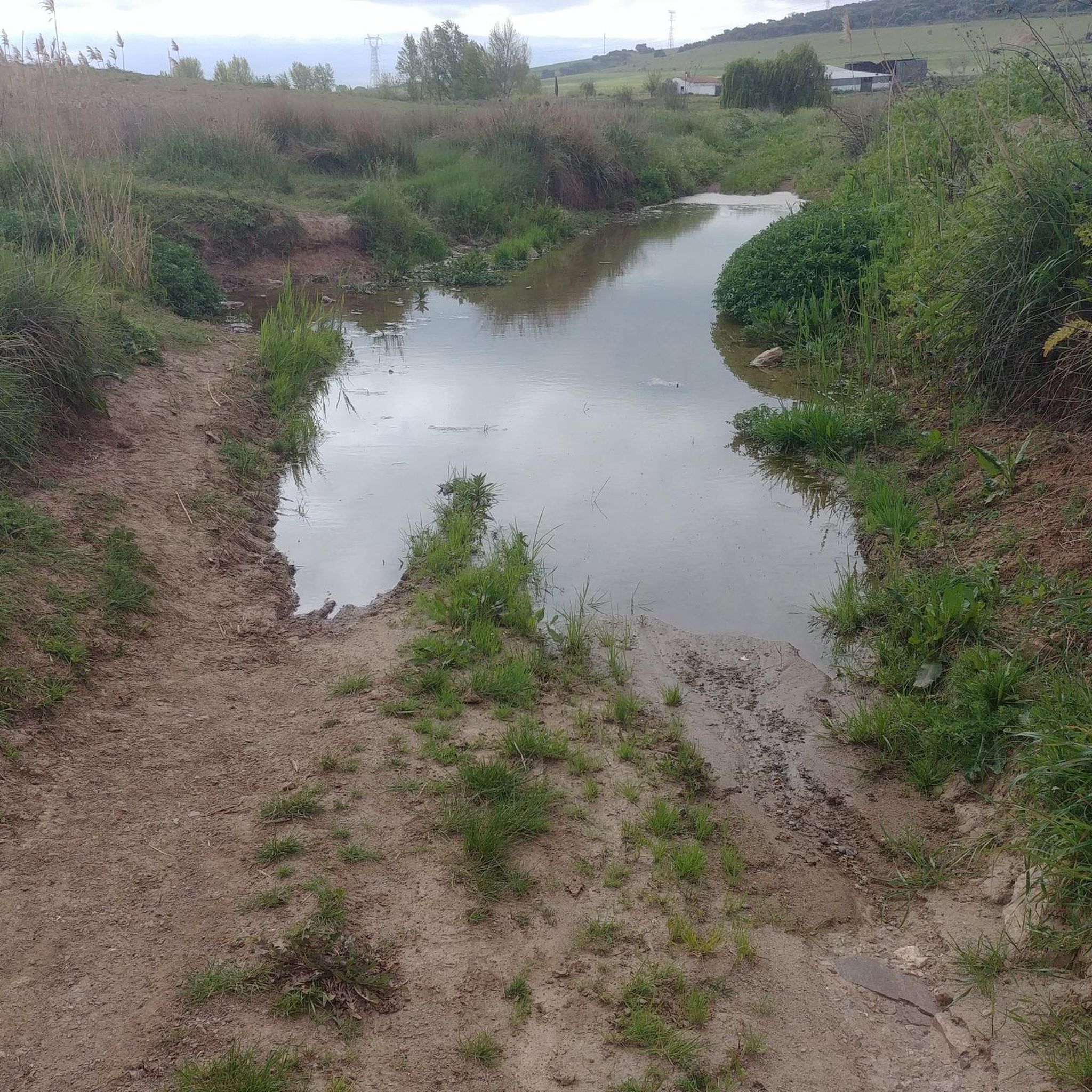
Best attractions and places to see around Medina De Las Torres, a municipality in the province of Badajoz, Extremadura, Spain, offers a blend of historical, cultural, and natural sites. The area has pre-Roman origins, with significant archaeological remains like the Roman city of Contributa Iulia. Its landscape features the Rivera Atarja and Río Bodión rivers, along with the characteristic dehesa ecosystem. Visitors can explore ancient landmarks, religious buildings, and unique man-made structures.
Best attractions and places to see around Medina…
Last updated: May 26, 2026
San Francisco Tower of Zafra
Highlight • Historical Site
Translated by Google •
Tip by

Parador Nacional Duques de Feria
Highlight • Castle
Translated by Google •
Tip by
Sign up now to discover places like this
Get recommendations on the best single tracks, peaks, & plenty of other exciting outdoor places.
Sign up for free
El Capricho de Cotrina
Highlight • Monument
Translated by Google •
Tip by

Parish Church of Our Lady of Granada
Highlight • Religious Site
Translated by Google •
Tip by

Zafra
Highlight • Settlement
Translated by Google •
Tip by

Sign up for free to discover even more attractions around Medina De Las Torres.
Sign up for free
Already have an account?
Start today with a free account
Your next adventure awaits.
Login or Signup
Tips from the Community

The Parador de Zafra is located in what was once the palace of the Dukes of Feria. The building clearly reflects its long and rich history, which includes the Extremaduran explorer Hernán Cortés, a distinguished guest of the palace. The Parador preserves beautiful coffered ceilings, chests, ironwork, handrails, and decorative elements from the former palace.
6
0
The church was built on the site of a 14th-century hermitage and has undergone several phases of reconstruction, especially in the 15th and 18th centuries. In the 18th century, the interior was reorganised and the current tower was built, which was completed in 1799. The church is located in the heart of Fuente de Cantos, opposite the town hall, and is a must-see for pilgrims and tourists interested in history and religious art.
2
0
The Parish Church of Our Lady of Granada in Fuente de Cantos is an impressive temple with a rich history dating back to the 15th century. This building has witnessed numerous renovations and extensions over the centuries, giving it a mix of architectural styles, mainly Baroque.
2
0

A visit is not possible because it is a hotel. The patio/inner courtyard, which is worth seeing, can be visited. And if you want to spend more time here, you can take a break in the café.
3
0

If you deviate slightly from the N630, near Santos de Maimona, next to the EX-101 road, a construction different from the rest emerges from the fields. It is the work of Don Francisco González Gragera, a retired bricklayer who more than 30 years ago began what today would be the fulfillment of a dream that he outlined years ago on paper. Cotrina's Whim.
0
0

El Capricho de Cotrina is often confused with the work of Gaudí, the Catalan architect. However, this building was built by a local mason and marble worker named Francisco González Gragera. This peculiar family home that took 30 years to build can now be visited and admired.
2
0
The Parador de Zafra is located in what was once the palace of the Dukes of Feria. The building is a clear example of its long and rich history, which includes the discoverer from Extremadura, Hernán Cortés, an illustrious guest of the palace. The Parador preserves beautiful coffered ceilings, chests, ironwork, handrails and decorative elements from the old palace.
9
0
The tower of the convent of San Francisco is the only remains of what was the Franciscan convent of San Benito. It was located outside the city of Zafra, although it is currently within the urban area. The convent was founded and built in the last third of the 15th century by the second Count of Feria, Gomes II Suárez de Figueroa, and by his mother, Countess María Manuel. Starting in 1565, the cloister and bedrooms were enlarged with the aim of housing a greater number of religious.
9
1
Frequently Asked Questions
What historical sites can I explore in Medina de las Torres?
Medina de las Torres offers a rich historical tapestry. You can visit the remains of the Roman city of Contributa Iulia on the Cerro de Los Cercos, which was an important city of Celtic Baeturia. The municipal area also contains Dólmenes del Calcolítico and ancient Arab and Roman tombs. Additionally, the Castillo de la Encomienda, also known as the 'Tower of the Moors,' is a significant landmark, built by the Order of Santiago between the 14th and 16th centuries.
Are there any Roman ruins to visit in the area?
Yes, the impressive Roman city of Contributa Iulia is a major archaeological highlight in Medina de las Torres. Located on the Cerro de Los Cercos, you can explore remains of one of its original access gates, a guardhouse, parts of the wall, and what is believed to be the city's basilica. Many findings from this site are housed in the Archaeological Museum of Badajoz.
What natural attractions are there in the Medina de las Torres area?
The region is characterized by the Rivera Atarja and Río Bodión. A significant wetland at the confluence of Rivera Atarja and Arroyo Matasanos is one of Extremadura's most important, attracting various bird species. To the west, you'll find the Dehesa ecosystem, a unique European landscape known for its ecological value and diverse wildlife.
Can I find cultural sites beyond historical ruins?
Absolutely. The Iglesia Parroquial Nuestra Señora del Camino houses an imposing 16th-century altarpiece. For a deeper dive into local history, visit the Centro de Interpretación de Contributa Iulia, located in the former Casa de la Encomienda of the Order of Santiago. The town also features contemporary Art Murals that beautify the area and reflect local culture.
Are there family-friendly attractions around Medina de las Torres?
Yes, several attractions are suitable for families. Children might enjoy the unique architecture of El Capricho de Cotrina, a peculiar family home built by a local mason. Historical sites like Parador Nacional Duques de Feria and San Francisco Tower of Zafra also offer engaging experiences for all ages. The Centro de Interpretación de Contributa Iulia provides educational workshops.
What outdoor activities can I do near Medina de las Torres?
The area around Medina de las Torres is excellent for outdoor enthusiasts. You can explore various routes for hiking, cycling, and mountain biking. For example, there are easy to moderate hiking trails like the 'Ermita de Belén - circular from Zafra' or 'Puebla de Sancho Pérez – Via de la Plata loop'. Cyclists can enjoy routes such as the 'Zafra and Los Santos de Maimona Loop'. For more options, explore the hiking, cycling, and MTB guides for the region.
Are there hiking trails suitable for different skill levels?
Yes, the region offers a range of hiking trails. You can find easy loops like 'Zafra Old Town – Calle Sevilla, Zafra loop' (5.5 km) or 'Puebla de Sancho Pérez – Via de la Plata loop' (6.6 km). For those seeking a moderate challenge, the 'Ermita de Belén - circular from Zafra' (8.6 km) is a good option. More difficult trails are also available for experienced hikers. Check the hiking guide for detailed information on difficulty and elevation.
What kind of wildlife can I expect to see in the natural areas?
The natural areas around Medina de las Torres, particularly near the Rivera Atarja and Río Bodión, boast a rich and varied fauna. Birdwatchers can spot species like herons, spoonbills, shelducks, Western marsh harriers, flamingos, black storks, and Eurasian eagle-owls. Mammals such as wildcats, mongooses, and genets also inhabit the region's dehesa ecosystem.
Where can I learn more about the Roman city of Contributa Iulia?
To gain a deeper understanding of the Roman city of Contributa Iulia, visit the Centro de Interpretación de Contributa Iulia. Housed in the historic Casa de la Encomienda, this center features informative panels, models, archaeological replicas, and audiovisual resources that bring the classical world and the town's Roman legacy to life.
What unique architectural sites are there in the region?
Beyond ancient ruins, the region features unique architectural creations. El Capricho de Cotrina is a distinctive, whimsical house built by a local mason over 30 years, often compared to Gaudí's work. The Castillo de la Encomienda also presents an interesting elliptical shape adapted to the terrain, with its entrance flanked by square towers.
What do visitors enjoy most about the attractions around Medina de las Torres?
Visitors frequently appreciate the rich history and unique character of the attractions. The Parador Nacional Duques de Feria is praised for its preserved historical elements like coffered ceilings and ironwork. El Capricho de Cotrina captivates with its imaginative design. The historical significance of sites like the San Francisco Tower of Zafra is also highly valued by those interested in the region's past.
Are there any ancient water management structures to see?
Yes, the municipality still preserves several hydraulic mills from the medieval period. These structures offer a fascinating glimpse into historical water management techniques and local industry, showcasing how the community utilized its natural resources centuries ago.
What is the Dehesa ecosystem and why is it important?
The Dehesa ecosystem, found to the west of Medina de las Torres, is a characteristic landscape of Extremadura and a unique European ecosystem. It's highly valued for its ecological, economic, and social significance, representing a balanced coexistence between human activity and nature. This environment, alongside olive groves and cereal fields, provides an ideal habitat for various steppe birds and other wildlife.
Most popular routes around Medina De Las Torres

Get inspired with the komoot mobile app


Explore more
Still not found the Highlight you’re looking for? See guides of the top attractions in other regions:
