The best road cycling routes around La Fregeneda
96
riders
19
rides
Road cycling around La Fregeneda is characterized by its location within the Arribes del Duero Natural Park, where the Duero and Águeda rivers have carved deep gorges and cliffs. The terrain features rugged topography with winding roads that offer varying ascents and descents. This region provides a challenging environment for cyclists, with routes traversing riverbeds and offering views of the steep valleys.
Best road cycling routes around La Fregeneda
- The most popular road cycling route is Arribes del Duero International…
Last updated: July 11, 2026
14
riders
95.6km
05:02
1,830m
1,830m
Hard road ride. Very good fitness required. Mostly well-paved surfaces and easy to ride.
10
riders
90.5km
04:26
1,380m
1,380m
Hard road ride. Very good fitness required. Mostly well-paved surfaces and easy to ride.

Sign up for free
9
riders
42.7km
02:01
470m
470m
Moderate road ride. Good fitness required. Some segments of this route may be unpaved and difficult to ride.
8
riders
94.9km
04:48
1,540m
1,540m
Hard road ride. Very good fitness required. Mostly well-paved surfaces and easy to ride.
6
riders
57.5km
03:19
1,370m
1,370m
Hard road ride. Very good fitness required. Mostly well-paved surfaces and easy to ride.
Get access to more routes and recommendations from other explorers.
Sign up for free
Already have an account?
Our route recommendations are based on thousands of hikes, rides, and runs completed by other people on komoot.
Start today with a free account
Your next adventure awaits.
Login or Signup
Popular around La Fregeneda
Tips from the Community

Hinojosa de Duero is a charming village in the El Abadengo region (Salamanca), located right on the border with Portugal and within the Arribes del Duero Natural Park, making it an ideal destination for rural tourism, nature and gastronomy.
3
0
What to see in Hinojosa de Duero Church of San Pedro 16th century, Gothic style with later renovations. Its Baroque altarpieces are particularly noteworthy. Hermitage of Christ of Mercy Located on San Pedro hill, with a 13th-century Romanesque carving and spectacular views. Monument to the Sacred Heart of Jesus Erected during the Second Republic, in the upper part of the town, surrounded by crosses and a Calvary. El Corralito and Plaza de la Constitución Former town hall meeting place, now a local gathering spot. Ethnographic Museum Collections on traditional life and local culture. Natural viewpoints Peña La Vela, Mirador del Contrabando, Cachón del Camaces, and Cachón de la Diabla offer unique views of the Duero River and the Arribes del Duero Natural Park.
2
0
Hinojosa de Duero is a charming village in the El Abadengo region (Salamanca), located right on the border with Portugal and within the Arribes del Duero Natural Park, making it an ideal destination for rural tourism, nature, and gastronomy. [turismocas...ayleon.com], [pte.es]
1
0
What to see in Hinojosa de Duero Church of San Pedro 16th century, Gothic style with later renovations. Its Baroque altarpieces are particularly noteworthy. Hermitage of Christ of Mercy Located on San Pedro hill, with a 13th-century Romanesque carving and spectacular views. Monument to the Sacred Heart of Jesus Erected during the Second Republic, in the upper part of the town, surrounded by crosses and a Calvary. El Corralito and Plaza de la Constitución Former town hall meeting place, now a local gathering spot. Ethnographic Museum Collections on traditional life and local culture. Natural viewpoints Peña La Vela, Mirador del Contrabando, Cachón del Camaces, and Cachón de la Diabla offer unique views of the Duero River and the Arribes del Duero Natural Park.
3
0
Hinojosa de Duero is a charming village in the El Abadengo region (Salamanca), located right on the border with Portugal and within the Arribes del Duero Natural Park, making it an ideal destination for rural tourism, nature, and gastronomy. [turismocas.
3
0

The bridge was designed and built in 1955 by the renowned Portuguese engineer Edgar Cardoso. It is considered the first motorway bridge in the Portuguese section of the Douro River and is a concrete arch bridge with a length of approximately 300 meters. It is named after the Portuguese naval officer and colonial administrator Almirante Manuel Maria Sarmento Rodrigues, who served as governor of Guinea and Mozambique under the Salazar dictatorship and later became Minister of Colonies.
1
0

Castelo Rodrigo holds millennia of history, from Paleolithic and Roman remains to the Muslim presence in the castle. Conquered and reconquered between the 12th and 13th centuries, it became a town and municipality under King Alfonso IX of León and passed definitively to Portugal in 1297, when King Dinis rebuilt and repopulated the castle. Marked by wars, charters, and restorations, it welcomed pilgrims on their way to Santiago and remains today one of the twelve Historic Villages of Portugal.
3
0
Castelo Rodrigo is a village with a medieval soul, where time has left its deep marks: walls, stone streets and remains of an ancient community of New Christians. Surrounded by magnificent landscapes, from the Douro International Natural Park to the Côa Valley, passing through the Serra da Marofa and the Faia Brava Reserve, this village is an invitation to contemplation and to taste. Here, history is served at the table: Marofa lamb, octopus in migas or rice are flavors that count as much as the books.
2
0
Frequently Asked Questions
How challenging is road cycling around La Fregeneda?
Road cycling in La Fregeneda is generally quite challenging due to its location within the Arribes del Duero Natural Park. The terrain features rugged topography with winding roads, deep gorges carved by the Duero and Águeda rivers, and significant elevation changes. Out of the 18 available routes, 14 are classified as difficult, 3 as moderate, and 1 as easy, offering options for various skill levels.
What kind of terrain can I expect on road cycling routes in La Fregeneda?
You can expect dramatic and varied terrain. Routes often traverse riverbeds, offering captivating vistas of steep valleys, rocky outcrops, and impressive cliffs. The area is also known for its tranquil secondary roads, which wind through picturesque villages and extensive almond groves, especially beautiful when in bloom in late February or early March.
Are there any easy road cycling routes in La Fregeneda?
While most routes are challenging, there is one easy road cycling route available. This route provides a gentler introduction to the region's beauty, allowing cyclists to enjoy the scenery without extensive climbs.
When is the best time of year for road cycling in La Fregeneda?
The spring, particularly late February to early March, is a spectacular time to visit due to the blooming almond trees, which create a picturesque landscape. The tranquil environment, away from heavy motor vehicle traffic, makes it appealing for cyclists seeking a peaceful adventure. Summers can be hot, so early mornings or late afternoons are preferable during those months.
What natural features or landmarks can I see while road cycling in La Fregeneda?
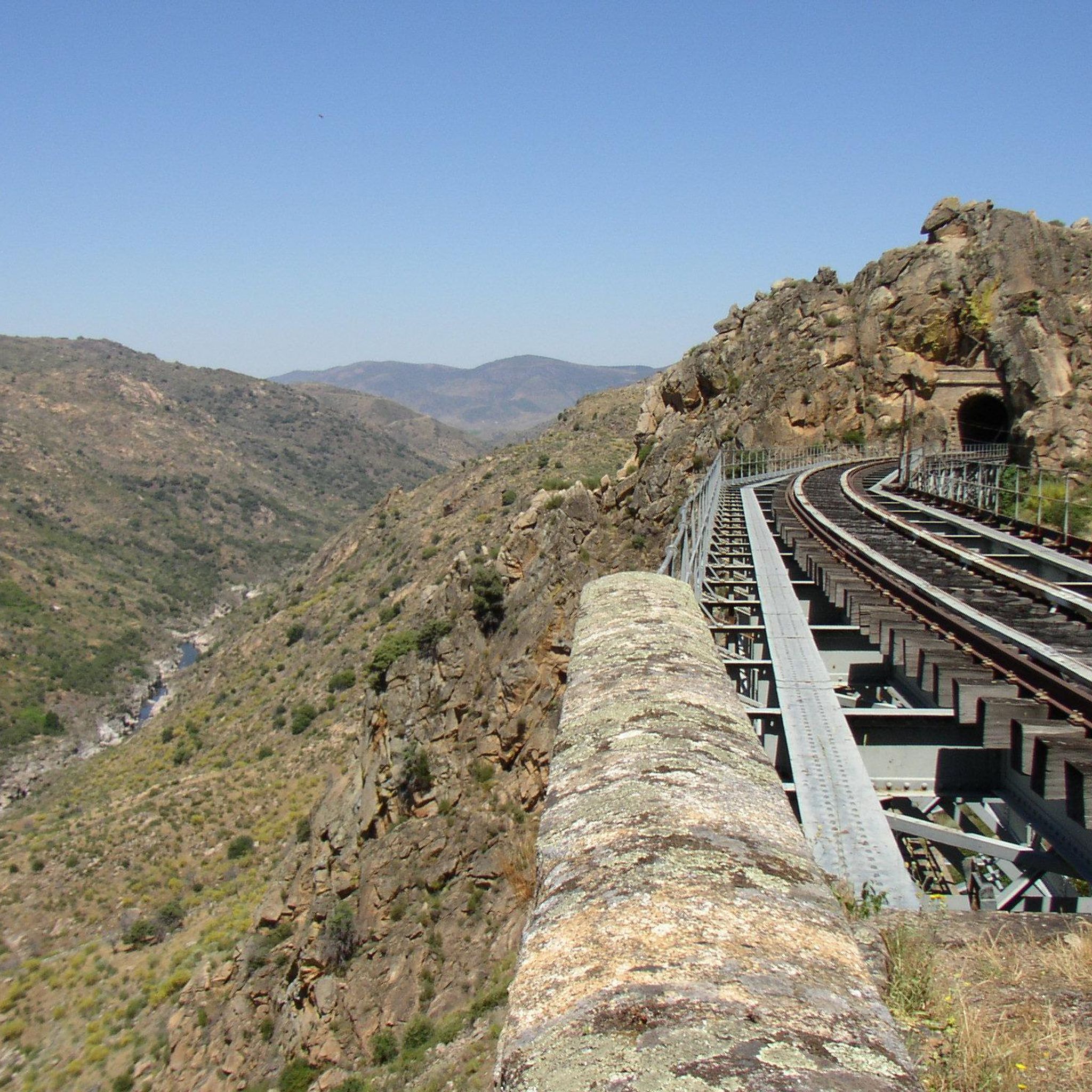
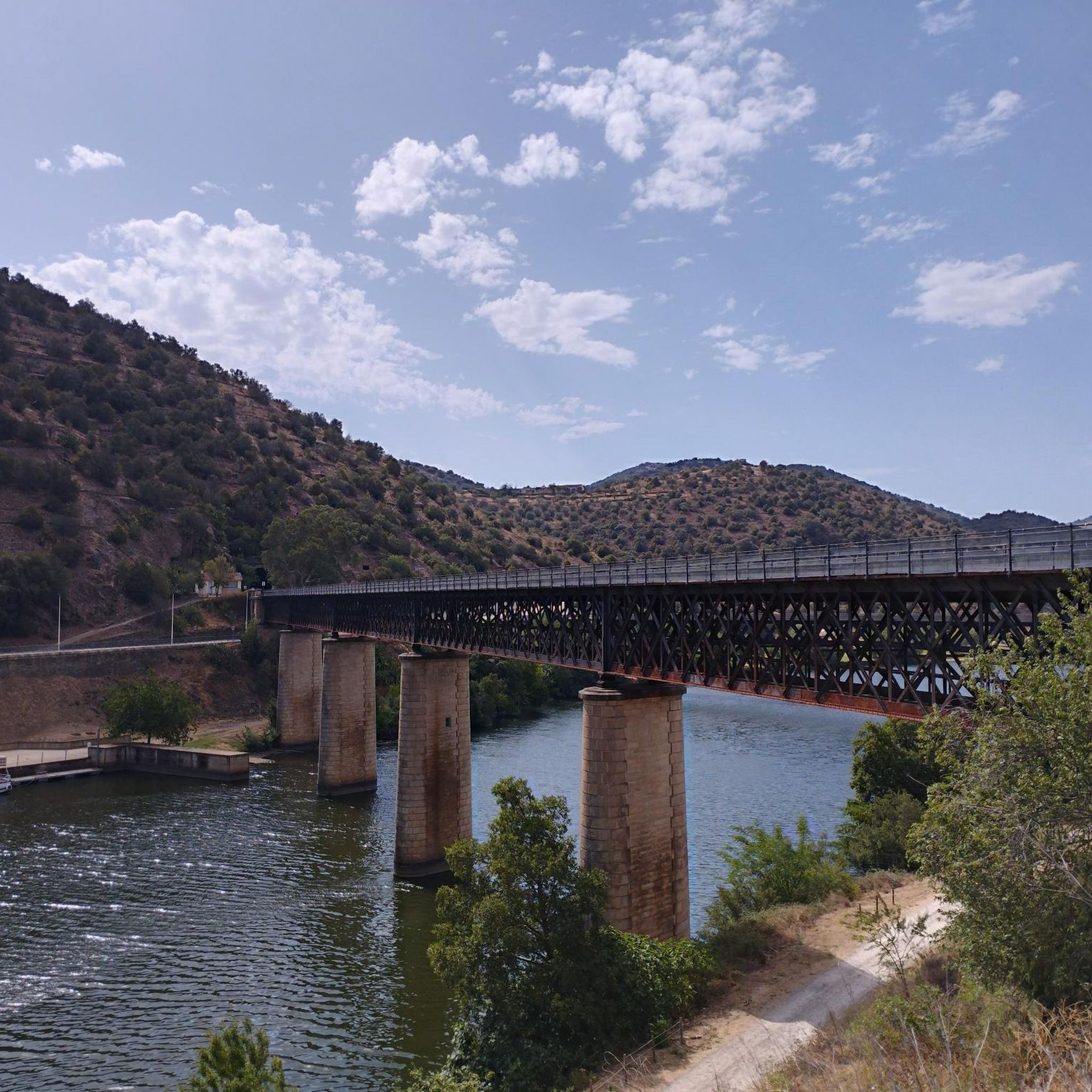
The region is rich in natural beauty and historical landmarks. You'll cycle through the Arribes del Duero Natural Park, witnessing the impressive gorges of the Duero and Águeda rivers. Notable attractions include the Saucelle Viewpoint, offering panoramic river views, and the historic Camino de Hierro, an old railway line with dramatic tunnels and bridges. You might also encounter the Vega Terrón River Pier and Railway Bridge, the only navigable river port in Castile and León.
Are there any notable viewpoints along the road cycling routes?
Yes, the region boasts several elevated lookouts that provide sweeping panoramas. The Saucelle Viewpoint is directly accessible on some routes. Additionally, the Mafeito Viewpoint and Penedo Durão Lookout (mentioned in regional research) offer spectacular views of the Duero River gorge and are ideal for appreciating the grandeur of the valley.
Are there circular road cycling routes available in La Fregeneda?
Yes, many of the road cycling routes around La Fregeneda are designed as loops, allowing you to start and finish in the same location. Examples include the challenging Arribes del Duero International Park Loop and the moderate Hinojosa de Duero – Hinojosa de Duero loop from La Fregeneda.
Can I cycle the Camino de Hierro?
The Camino de Hierro is a historic railway route, now primarily converted into a hiking trail. While intriguing with its 20 tunnels and 10 bridges, some sections can be challenging for bicycles due to the nature of the disused railway line. It's important to be aware that it's not a typical road cycling path and may require dismounting in parts.
What is the longest road cycling route in the area?
One of the longest and most challenging routes is the Arribes del Duero International Park Loop, which spans approximately 95.6 km (59.4 miles) and features significant elevation changes, making it a demanding ride for experienced cyclists.
Are there any routes that cross into Portugal?
Yes, some routes in the region, such as the La Fregeneda – Castelo Rodrigo Village loop from Sobradillo, will take you across the border into Portugal, offering a unique international cycling experience and views of the international bridge over the Águeda River.
What do other road cyclists enjoy the most about road cycling in La Fregeneda?
Over 90 road cyclists have used komoot to explore La Fregeneda's varied terrain. They frequently praise the dramatic landscapes of the Arribes del Duero Natural Park, the challenging climbs, and the panoramic views of the river gorges. The tranquility of the natural environment and the quiet secondary roads are also highly valued.
Are there any historical sites or bridges to see on the routes?
Absolutely. Besides the tunnels and bridges of the Camino de Hierro, you can encounter the Ponte de Santa over the Ribeira do Mosteiro and the Ponte Almirante Sarmento Rodrigues. These structures are testaments to 19th-century engineering and add a historical dimension to your ride.
What is the average elevation gain on road cycling routes in La Fregeneda?
Given the rugged topography and river gorges, road cycling routes in La Fregeneda feature substantial elevation gains. For example, the Arribes del Duero International Park Loop involves over 1800 meters (5900 feet) of climbing, indicating the challenging nature of the terrain.
Most popular routes around La Fregeneda
Most popular attractions around La Fregeneda

Get inspired with the komoot mobile app


Explore more
Browse the best Road cycling routes in other regions.
