The best road cycling routes around Cútar
4.7
(56)
3,509
riders
58
rides
Road cycling routes around Cútar are set within the elevated Axarquía region of Málaga, offering diverse terrain for cyclists. The area is characterized by rolling hills, olive groves, and vineyards, with an average elevation of over 330 meters above sea level. Cyclists encounter significant climbs and descents on well-maintained roads that connect picturesque white villages. The landscape provides panoramic views of the mountains and distant Mediterranean Sea, featuring valleys formed by rivers like the Cueva and Cútar.
Best road cycling…
Last updated: October 28, 2026
14
riders
29.1km
01:51
830m
830m
Moderate road ride. Good fitness required. Mostly well-paved surfaces and easy to ride.
4.9
(17)
1,130
riders
89.4km
05:34
2,300m
2,300m
Hard road ride. Very good fitness required. Some segments of this route may be unpaved and difficult to ride.

4.0
(2)
110
riders
85.0km
04:33
1,580m
1,590m
Hard road ride. Very good fitness required. Mostly well-paved surfaces and easy to ride.
4.0
(2)
113
riders
36.3km
01:51
600m
600m
Moderate road ride. Good fitness required. Mostly well-paved surfaces and easy to ride.
32
riders
76.3km
04:05
1,420m
1,420m
Hard road ride. Very good fitness required. Mostly well-paved surfaces and easy to ride.
Get access to more routes and recommendations from other explorers.
Already have an account?
Our route recommendations are based on thousands of hikes, rides, and runs completed by other people on komoot.
Start today with a free account
Your next adventure awaits.
Tips from the Community

On 2.11.26 the reservoir was well filled! Great landscape, demanding tour through Viñuela with very steep inclines.
0
0

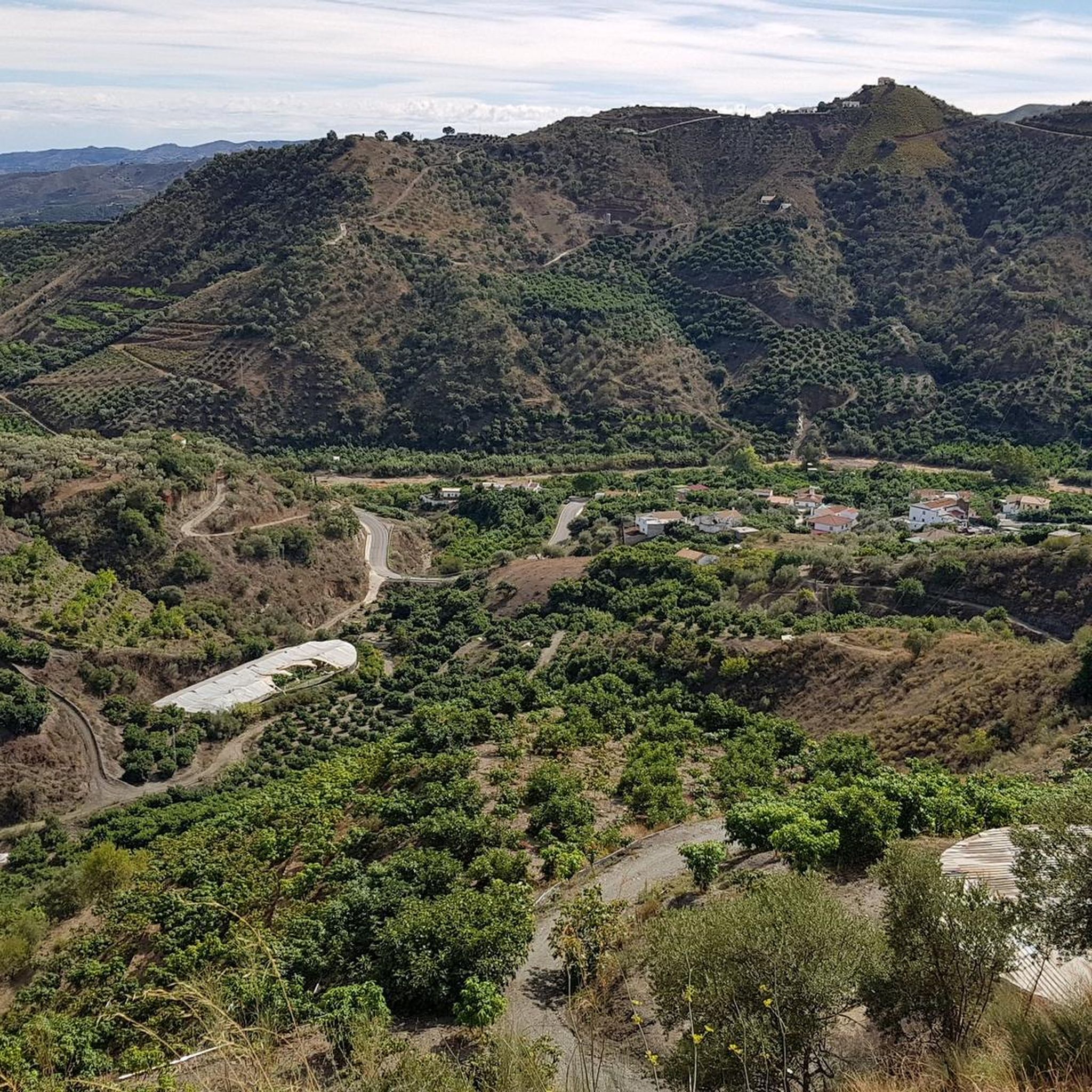
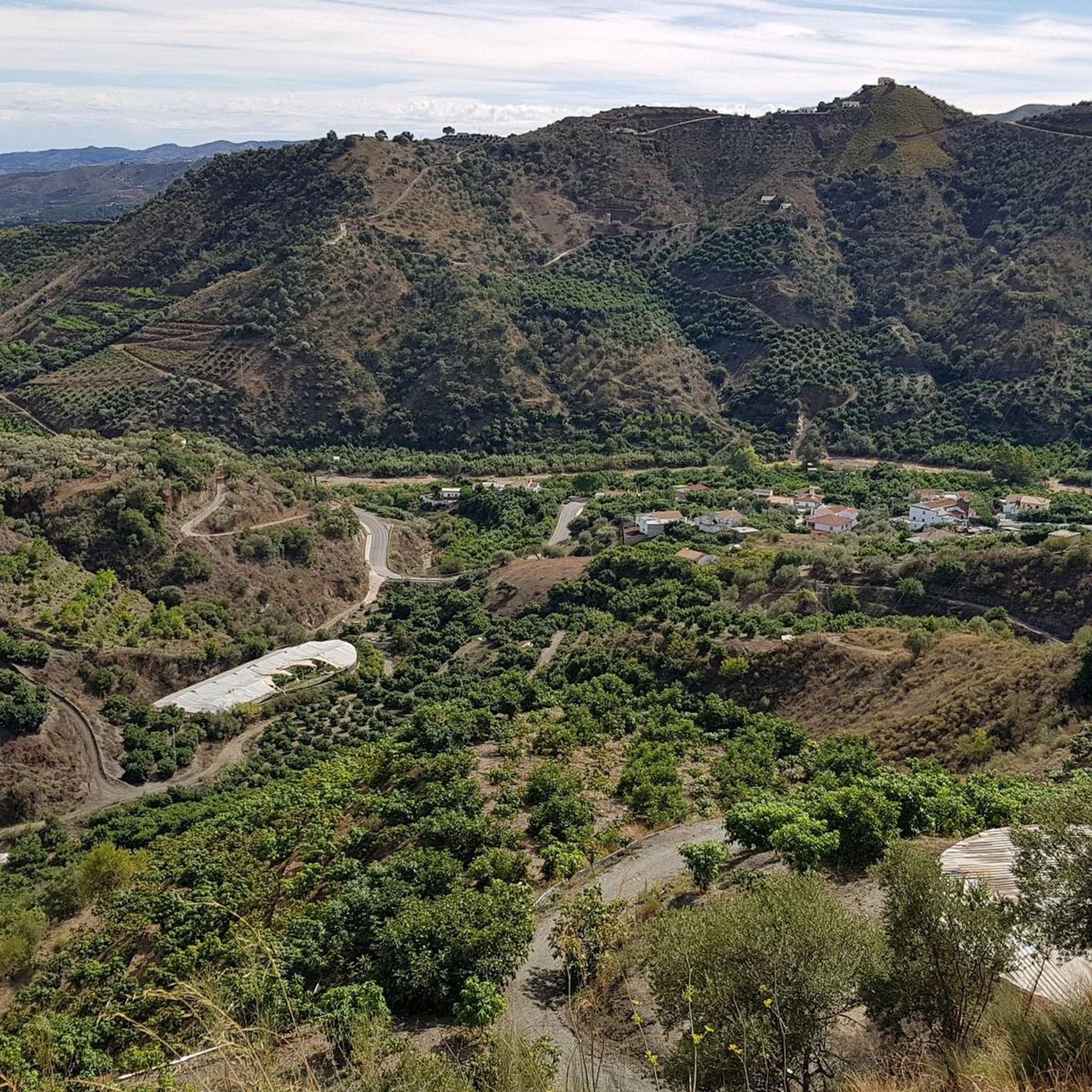
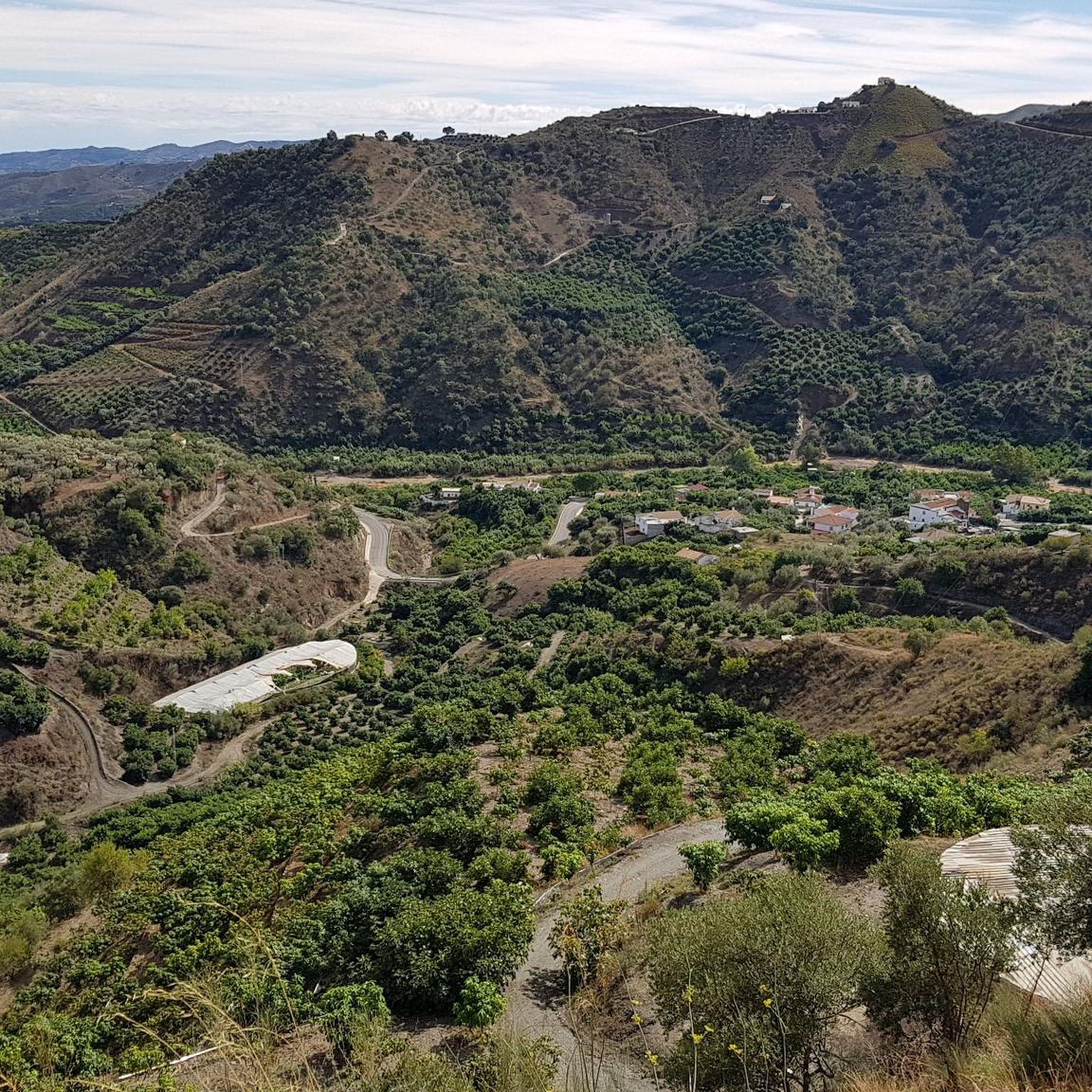
The views of the surrounding mountain ranges are magnificent and even the Embalsa de la Viñuela reservoir is visible, and it gets even better: when you arrive by bike from the inland, you can suddenly see the sea, WOW.
13
0

Thank you for the photos and for sharing.🙏📸
2
0

Colmenar, a picturesque village in the Andalusian province of Málaga, was founded at the end of the 15th century after the Christian reconquest of the region. The village's name derives from the Spanish word colmena ("beehive") and recalls the long tradition of beekeeping, which once played a central role here. Thanks to its favorable location in the Montes de Málaga mountains and the lush vegetation, beekeeping was one of the most important sources of income for the population for centuries. Even today, Colmenar is known as the "Village of Honey" and proudly maintains this cultural heritage. Among the village's most important landmarks is the Ermita de la Candelaria, a small 17th-century chapel perched on a hill overlooking the village, offering sweeping views of the surrounding mountains. In the town center stands the Iglesia de Nuestra Señora de la Asunción, a church dating from the 16th and 17th centuries, which impresses with its simple Andalusian style and tranquil atmosphere. At the town entrance, visitors are greeted by the Puerta de la Cruz, a symbolic gate featuring a monolith bearing the village's coat of arms – adorned with a bee and a honeycomb, representing Colmenar's history and identity. A particular highlight is the Museo de la Miel, the "Honey Museum," where visitors can learn all about beekeeping, the work of bees, and honey production. Thus, Colmenar harmoniously blends history, nature, and tradition – a place where the region's past and a deep love for its landscape are reflected in every street and every scent of wild rosemary.
6
0
This section of the route offers a steady but noticeable climb and magnificent views. It gains approximately 500 meters in elevation, beginning gently and gradually increasing. The route leads through a diverse hilly landscape with olive groves and sweeping views of the Andalusian countryside. Shortly before Casabermeja, a somewhat steeper section awaits before reaching the white village at an elevation of approximately 550 meters. Once at the top, traditional inns and restaurants invite you to take a well-deserved break while enjoying the peace and quiet and the view of the mountains.
2
0

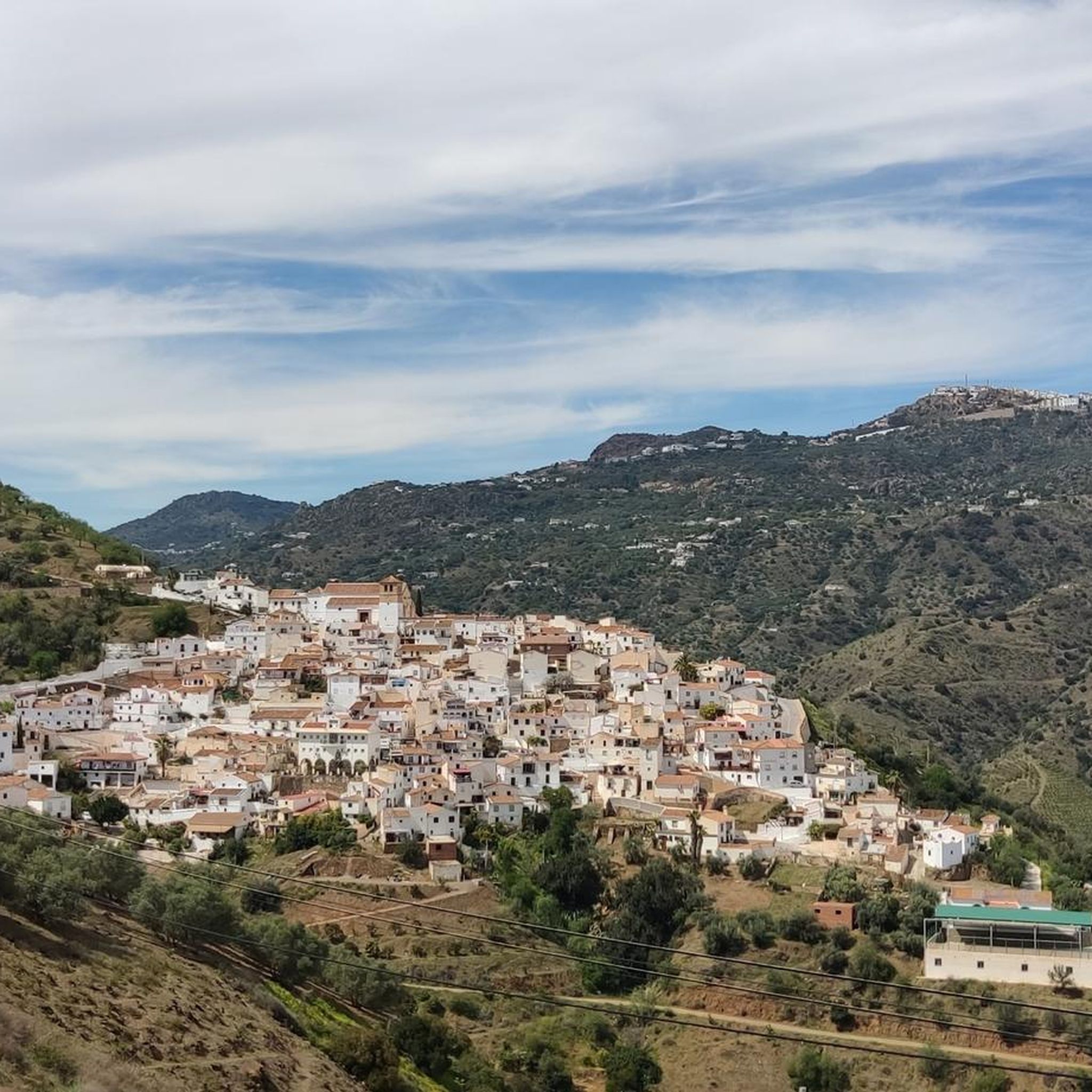
A town famous for its honey and sausages, among other things. A visit to its central square and the church located at the top of the town are highly recommended.
0
0

This balcony in the Comares Palace offers a fairytale view of the city of Granada and the Albaicín district. From here, the Nasrid kings admired their empire, surrounded by the refined architecture of the Alhambra.
8
0
Comares is a picturesque, traditional Andalusian village in the province of Málaga, Spain, known as the "Balcony of the Axarquía" for the breathtaking views from its hilltop location, some 700 meters above sea level. The village is characterized by its Moorish past, evident in the narrow, winding streets and the remains of the Arab fortress on Musmullar Hill. Places of interest include the Church of Our Lady of the Incarnation and the opportunity to enjoy the panoramic views, stroll, and discover local crafts, such as traditional clothing.
11
0
Frequently Asked Questions
What is the general difficulty of road cycling routes around Cútar?
Road cycling routes around Cútar offer a diverse range of difficulties, primarily featuring moderate to difficult terrain. The region is known for significant climbs and descents, with many routes involving over 1000 meters of elevation gain. Out of approximately 48 routes, 27 are classified as moderate and 20 as difficult, catering to cyclists seeking a vigorous workout amidst mountainous landscapes.
Are there any easier road cycling routes for beginners around Cútar?
While Cútar is known for its challenging terrain, there is at least one route classified as easy among the approximately 48 available. Additionally, some moderate routes might be suitable for beginners looking for a steady climb rather than intense elevation, allowing them to enjoy the scenic backdrop of almond trees and vineyards.
What kind of landscapes can I expect to see while road cycling around Cútar?
Road cycling around Cútar offers majestic landscapes characterized by rolling hills, olive groves, and vineyards. You'll encounter picturesque white villages, mountainous areas, and fertile valleys formed by rivers like the Cueva and Cútar. Many routes provide breathtaking panoramic views of the mountains and the distant Mediterranean Sea, especially from elevated positions.
Are there any notable landmarks or viewpoints along the road cycling routes?
Yes, the routes often pass through or near charming white villages with preserved Arab-origin architecture. You can also find stunning viewpoints such as the Mirador de Cútar and Mirador de la Axarquía, offering expansive panoramic views. The Top of the Climb and Pico de Vilo are also notable points of interest that cyclists might encounter.
What natural features can be explored on road cycling routes near Cútar?
Cútar, known as the 'Fuente de Paraiso' (Source of Paradise), boasts abundant water resources, including natural springs. Cyclists can explore the valleys of the rivers Cueva and Cútar, with El Salto del Negro being a particularly interesting highlight. Other natural features include the Baños de Vilo Hot Springs and the Source of the Guaro River.
What do other road cyclists enjoy the most about road cycling in Cútar?
The area is highly rated by the komoot community, with an average score of 4.7 stars from over 60 reviews. Reviewers often praise the well-maintained, relatively traffic-free roads, the challenging climbs, and the impressive 360-degree views of the mountains and distant sea. The network of white villages connected by mountain roads also adds to the unique cycling experience.
Are there any long-distance or challenging road cycling routes available?
Yes, Cútar offers several challenging routes for experienced cyclists. For instance, the Climb to Casabermeja – Queen's Fountain loop from Arroyo de Solano is a difficult 55.9-mile (90.0 km) path with substantial elevation gain, perfect for those seeking a vigorous workout through mountainous terrain.
Can I find circular road cycling routes around Cútar?
Yes, the network of white villages and mountain roads around Cútar allows for the creation of diverse circular routes. An example is the Comares – circular route to the Río Solano, a moderate 18.1-mile (29.1 km) trail that offers significant climbs and views of the surrounding hills and valleys.
What is the best time of year for road cycling in Cútar?
The Axarquía region, including Cútar, generally offers favorable conditions for road cycling for much of the year. Spring and autumn are particularly pleasant, with milder temperatures ideal for tackling the significant climbs. Summer can be hot, especially at lower elevations, but the elevated position of Cútar (over 330 meters above sea level) can provide some relief.
Are there routes that pass through agricultural areas like vineyards or olive groves?
Absolutely. Cútar is situated on the 'Ruta de la Pasa' (Raisin Route), emphasizing the region's agricultural heritage. Many routes, such as the Benamargosa – El Borge loop from Almáchar, lead through picturesque almond trees, vineyards, and olive groves, offering a scenic and culturally rich cycling experience.
How many road cycling routes are available around Cútar on komoot?
There are approximately 48 road cycling routes available around Cútar on komoot, offering a wide variety of distances and difficulty levels to explore the region's diverse terrain.
Are there any routes that offer views of the Mediterranean Sea?
Yes, due to Cútar's elevated position and the region's topography, many routes provide breathtaking panoramic views that extend to the distant Mediterranean Sea. Viewpoints like Mirador de Cútar and Mirador de la Axarquía are excellent spots to enjoy these vistas.
Most popular attractions around Cútar

Get inspired with the komoot mobile app


Explore more
Browse the best Road cycling routes in other regions.
