The best cycling routes around Viñuela
4.5
(292)
2,106
riders
16
rides
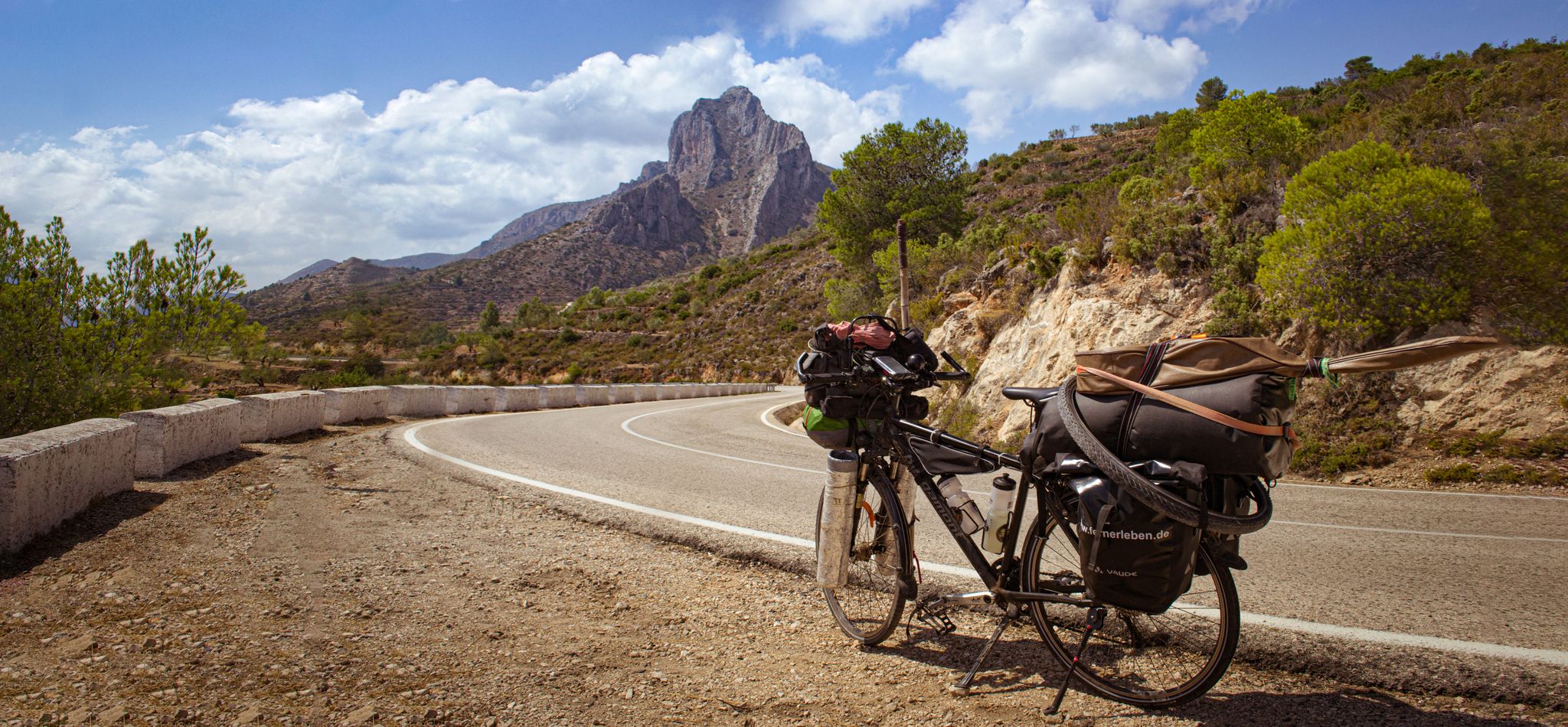
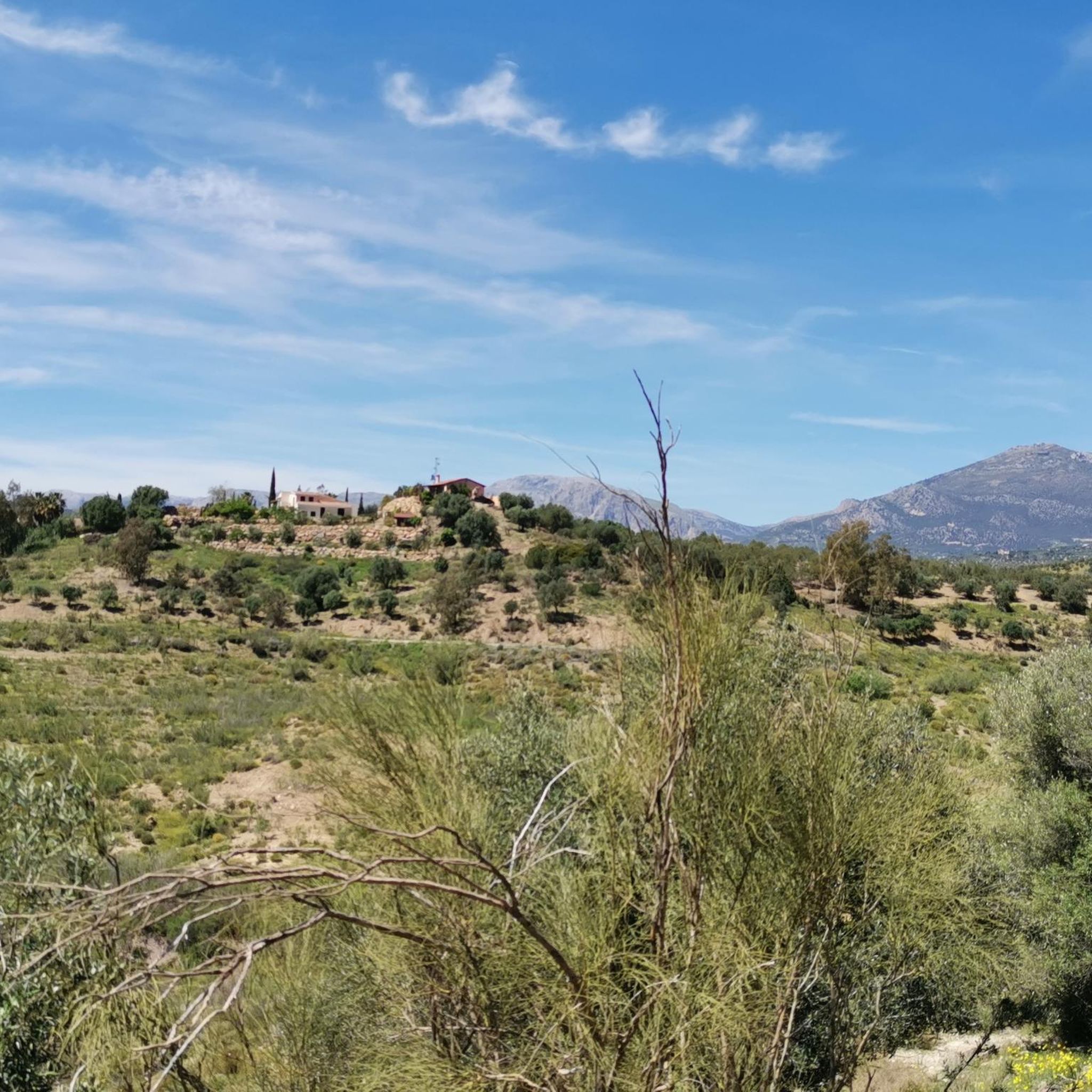
Touring cycling routes around Viñuela traverse the Axarquía region in Málaga province, Spain, characterized by its diverse landscapes. The area features the central Lake Viñuela, surrounded by undulating terrain that includes olive and avocado groves. Routes often involve climbs through hills and lead to traditional white villages, offering views of the Sierra Tejeda mountain range.
Best touring cycling routes around Viñuela
- The most popular touring cycling route is Canillas de Aceituno – Mudéjar Minaret of Árchez loop from Los Martínez…
Last updated: May 8, 2026
5.0
(1)
71
riders
59.4km
04:21
1,340m
1,340m
Hard bike ride. Very good fitness required. Mostly paved surfaces. Suitable for all skill levels.
4.5
(2)
40
riders
49.1km
04:19
1,130m
1,130m
Hard bike ride. Very good fitness required. Mostly paved surfaces. Suitable for all skill levels.

Sign up for free
5.0
(1)
28
riders
58.3km
04:35
1,610m
1,610m
Hard bike ride. Very good fitness required. Mostly paved surfaces. Suitable for all skill levels.
5.0
(2)
20
riders
47.5km
03:33
1,070m
1,070m
Hard bike ride. Very good fitness required. You may need to push your bike for some segments of this route.
21
riders
82.4km
05:45
1,590m
1,590m
Hard bike ride. Very good fitness required. Mostly paved surfaces. Suitable for all skill levels.
Get access to more routes and recommendations from other explorers.
Sign up for free
Already have an account?
Our route recommendations are based on thousands of hikes, rides, and runs completed by other people on komoot.
Start today with a free account
Your next adventure awaits.
Login or Signup

Other adventures around Viñuela

Tips from the Community

The Museo de la Miel (Honey Museum) in Colmenar is dedicated to beekeeping and honey production. It showcases honey making from antiquity to the present day, explains how beehives work, and the role of bees in nature. The museum is organized thematically, displaying the life of bees, different types of beehives, honey production, and beekeeping tools. Interactive screens supplement the exhibition with information on pollination, beekeeping practices, and products from the hive. In addition, the museum regularly hosts events such as workshops, tastings, and culinary tours that highlight regional products like honey and cheese. Visitors can purchase various types of honey, beeswax candles, and other handcrafted items in the museum shop. Thus, the Museo de la Miel offers a comprehensive insight into the world of bees and the tradition of honey production.
5
0
Colmenar, a picturesque village in the Andalusian province of Málaga, was founded at the end of the 15th century after the Christian reconquest of the region. The village's name derives from the Spanish word colmena ("beehive") and recalls the long tradition of beekeeping, which once played a central role here. Thanks to its favorable location in the Montes de Málaga mountains and the lush vegetation, beekeeping was one of the most important sources of income for the population for centuries. Even today, Colmenar is known as the "Village of Honey" and proudly maintains this cultural heritage. Among the village's most important landmarks is the Ermita de la Candelaria, a small 17th-century chapel perched on a hill overlooking the village, offering sweeping views of the surrounding mountains. In the town center stands the Iglesia de Nuestra Señora de la Asunción, a church dating from the 16th and 17th centuries, which impresses with its simple Andalusian style and tranquil atmosphere. At the town entrance, visitors are greeted by the Puerta de la Cruz, a symbolic gate featuring a monolith bearing the village's coat of arms – adorned with a bee and a honeycomb, representing Colmenar's history and identity. A particular highlight is the Museo de la Miel, the "Honey Museum," where visitors can learn all about beekeeping, the work of bees, and honey production. Thus, Colmenar harmoniously blends history, nature, and tradition – a place where the region's past and a deep love for its landscape are reflected in every street and every scent of wild rosemary.
6
0

A town famous for its honey and sausages, among other things. A visit to its central square and the church located at the top of the town are highly recommended.
0
0


Generous open recreation area along the Colmenares gravel road, with campsites in the shade under trees, picnic sites with fireplaces, drinking water fountain, restrooms, shelters, seasonal restaurant, and great trailhead information panels
2
0
A large bronze sculpture dominates this overlook of the Río del Alcázar source valley. The little rest area with a platform raised on natural stone walls along the Colmenares gravel forest road is an unexpected quality in this remote location, thanks to the nature preserve.
2
0

This town, which belongs to the municipality of Alhama de Granada, has about 1,300 inhabitants who base their economy on irrigated agriculture. It was born as a hostel in the Boquete de Zafarraya, next to the Camino Real Málaga-Granada. At the beginning of the twentieth century it enjoyed an economic bonanza, with the construction of a train station that operated until the 1960s. The population has increased considerably in recent years thanks to tourism and the agricultural sector.
7
0
In Alfarnate, La Venta de Alfarnate dates back to the 13th century, and is considered the oldest in Andalusia. Due to the numerous stories and legends surrounding it, it is considered a true popular monument, and it is not for nothing that it now houses the Museum of Andalusian Banditry. All kinds of people and all social classes have passed through here: muleteers, black marketeers, bandits, even King Alfonso XIII and Saint Joseph of Calasanz, not to mention artists, painters, and more. La Venta de Alfarnate remains faithful to its principles, its mystery, and its romantic magic. Its cuisine is fundamentally based on Andalusian mountain and country cuisine, with notable dishes including Alfarnate crumbs, eggs a lo bestia (roasted eggs), garlic goat, fried lamb blood sausage with tomatoes, and scrambled eggs with anise porridge.
7
0
Frequently Asked Questions
How many touring cycling routes are available in Viñuela?
There are over 15 touring cycling routes around Viñuela, offering diverse experiences across the Axarquía region. These routes are highly rated by the komoot community, with an average score of 4.4 stars from nearly 300 reviews.
What are the typical difficulty levels for touring cycling routes in Viñuela?
The touring cycling routes in Viñuela are predominantly challenging, with 14 out of 16 routes classified as difficult. These often involve significant elevation gains and varied terrain. There are also a couple of moderate routes for those seeking a less strenuous ride.
Are there any family-friendly touring cycling routes around Viñuela?
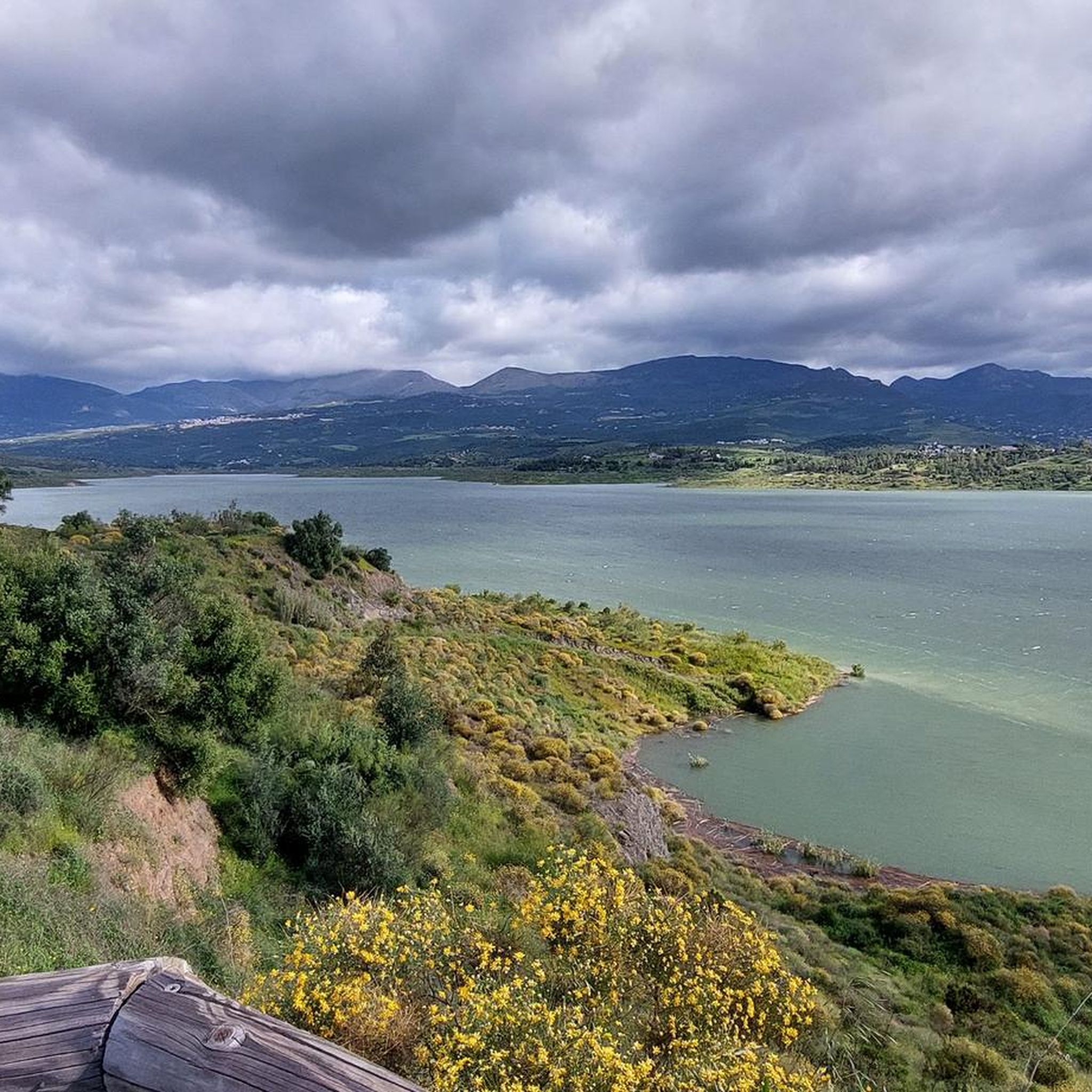
While many routes are challenging, cycling around Lake Viñuela (Embalse La Viñuela) itself offers a more family-friendly experience with lower entry-level fitness requirements. The views around the lake are consistently spectacular and there are numerous starting points.
Can I find circular touring cycling routes in Viñuela?
Yes, many touring cycling routes in Viñuela are circular, allowing you to start and end at the same point. For example, the Canillas de Aceituno – Mudéjar Minaret of Árchez loop from Los Martínez is a popular circular option, as is the Puente de Don Manuel – El Boquete Viewpoint loop from Los Martínez.
What is the best season for touring cycling in Viñuela?
The region around Viñuela is generally pleasant for cycling for much of the year. Spring and autumn offer ideal temperatures. Summers can be hot, especially in July and August, so early morning or late afternoon rides are recommended during these months. Winters are mild, making it a good option for off-season cycling.
What kind of terrain can I expect on touring cycling routes in Viñuela?
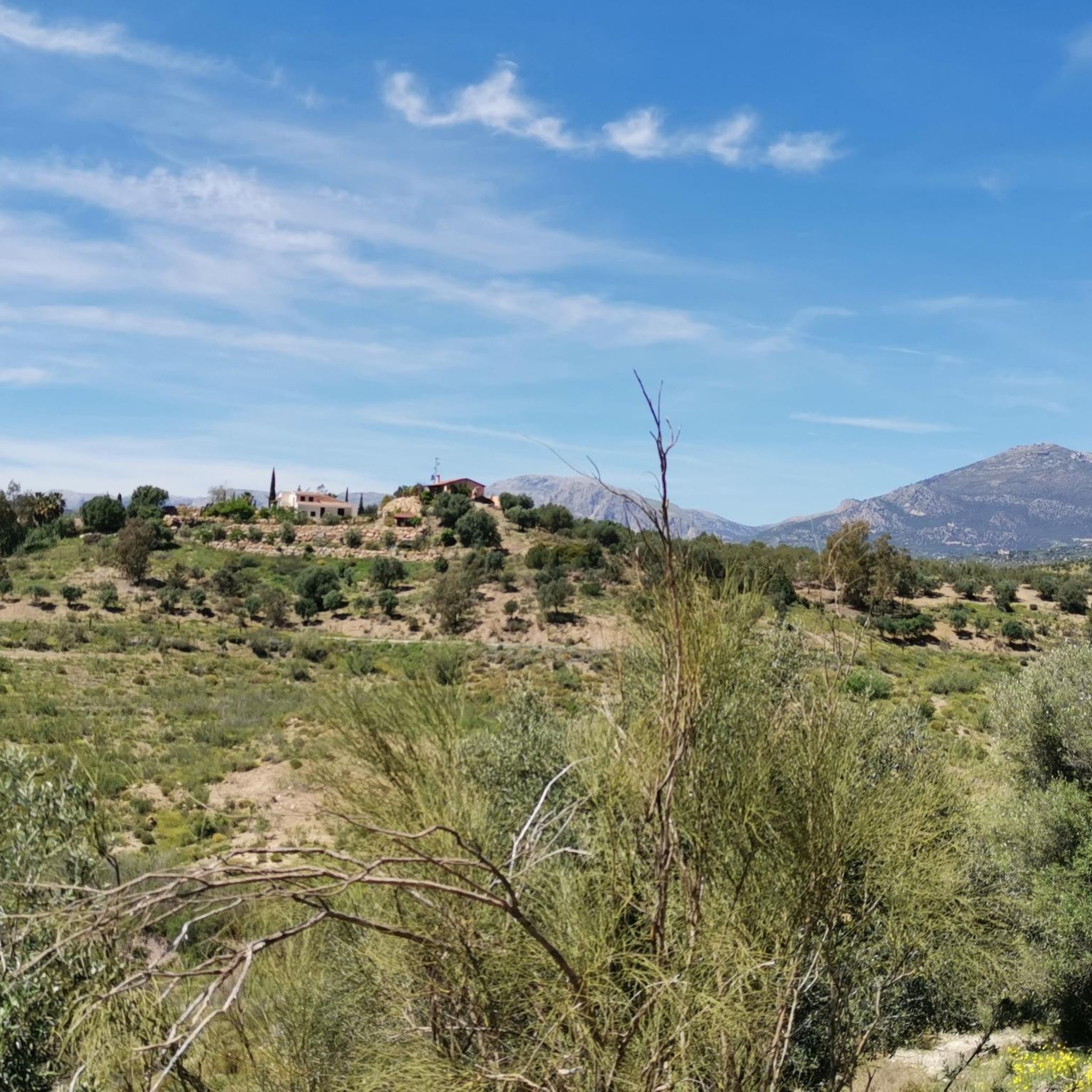
You can expect a diverse landscape. Routes often feature undulating terrain with significant climbs and descents, winding through extensive olive and avocado groves. You'll also pass through traditional white villages and enjoy views of the Sierra Tejeda mountain range, including La Maroma.
Are there any notable viewpoints along the touring cycling routes?
Absolutely. Many routes offer incredible vistas of Lake Viñuela, the surrounding mountains, and agricultural valleys. The Puente de Don Manuel – El Boquete Viewpoint loop from Los Martínez specifically highlights a viewpoint. Additionally, routes extending to villages like Periana provide rewarding panoramic views.
What historical sites or landmarks can I explore near the cycling routes?
The area is rich in history. You might encounter sites like the 15th-century Moorish watchtower, Torre de la Atalaya, or the crumbling Moorish castle, Castillo de Zalia. The View of Comares from the Moorish Fortress Remains is another fascinating stop. The San José Church in La Viñuela village, with parts dating back to the 16th century, also offers a glimpse into local heritage.
What do other touring cyclists enjoy most about cycling in Viñuela?
The komoot community highly rates the touring cycling in Viñuela, with an average score of 4.4 stars. Cyclists often praise the extensive views of the mountains and valleys, the varied terrain passing through agricultural landscapes, and the charm of the hillside villages and olive groves.
Are there opportunities for wildlife spotting on the touring cycling routes?
While specific wildlife sightings can vary, the diverse natural landscapes around Viñuela, including the lake, mountains, and agricultural areas, provide habitats for various bird species and small mammals. Keep an eye out, especially in quieter sections of the routes.
What should I pack for touring cycling in Viñuela, especially in warmer months?
For warmer months, essential items include plenty of water, sun protection (sunscreen, hat, sunglasses), lightweight and breathable cycling apparel, and basic bike repair tools. Given the challenging terrain, appropriate gearing and sturdy tires are also advisable. Always check the weather forecast before you set out.
Are there any routes that pass through traditional white villages?
Yes, many routes are designed to take you through the picturesque white villages (Pueblos Blancos) that dot the hillsides. For instance, the Mudéjar Minaret of Árchez – Canillas de Aceituno loop from Los Martínez leads through several such villages and olive groves, offering a cultural and scenic experience.
Can I find places to eat or get refreshments along the cycling routes?
The routes often pass through or near villages like Periana, Riogordo, and La Viñuela, where you can find local cafes, restaurants, and shops to refuel and enjoy traditional Spanish cuisine. It's always a good idea to carry some snacks and water, especially on longer or more remote sections.
Most popular attractions around Viñuela

Get inspired with the komoot mobile app


Explore more
Browse the best Cycling routes in other regions.
