Attractions and Places To See around Paymogo - Top 15
Best attractions and places to see around Paymogo include a blend of historical sites, natural landscapes, and cultural experiences. Located in the west of Huelva province, Spain, near the Portuguese border, the area is characterized by its countryside, extensive holm oak woods, and proximity to the Rio Chança. Visitors can explore ancient landmarks and enjoy scenic routes for various outdoor activities.
Best attractions and places to see around Paymogo
- The most popular attractions is Mina de São Domingos, a…
Last updated: July 8, 2026
Achada do Gamo Copper Mine Ruins
Highlight (Segment) • Monument
Tip by

Mina de São Domingos
Highlight • Historical Site
Translated by Google •
Tip by

Sign up now to discover places like this
Get recommendations on the best single tracks, peaks, & plenty of other exciting outdoor places.
Sign up for free
Rest area by the lake
Highlight • Lake
Translated by Google •
Tip by

Dirt road through the mines
Highlight • Trail
Tip by

Hermitage of La Peña of Puebla de Guzmán
Highlight • Religious Site
Translated by Google •
Tip by

Sign up for free to discover even more attractions around Paymogo.
Sign up for free
Already have an account?
Start today with a free account
Your next adventure awaits.
Login or Signup

Other adventures around Paymogo

Tips from the Community

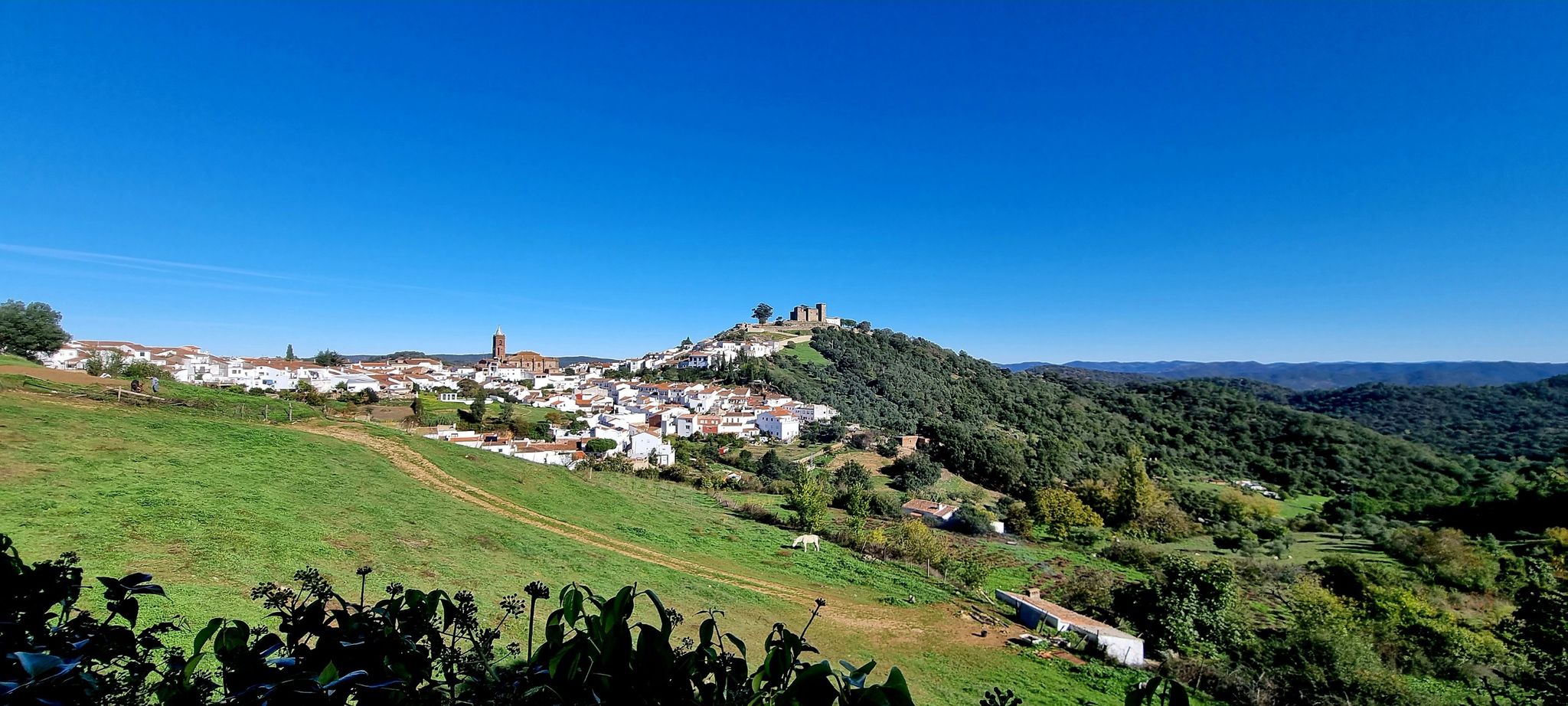
The Hermitage of Our Lady of La Peña in Puebla de Guzmán (Huelva) is one of the most emblematic sanctuaries in the Andévalo region of Huelva province, with a deep spiritual, artistic, and cultural tradition. Location: On Cerro del Águila (Eagle Hill), about 4 km from the town center. Origin: Probably built in the 16th century, with significant renovations in the 17th century, 1960, and 1992. Founding legend: According to tradition, the Virgin Mary appeared to the shepherd Alonso Gómez in the 15th century, who was instructed to build a hermitage on that site.
4
0

The São Domingos Mine is a living memory of a time of fire and iron. Here, where the earth opened up to reveal gold, silver, and copper since ancient times, one of the greatest legacies of the Iberian Pyrite Belt arose in the 19th century. Between 1854 and 1966, millions of tons of ore were extracted here, leaving not only its mark on the soil and landscape, but also progress: one of the country's first railway lines and the first power plant in the Alentejo. Today, the former mining complex is a public heritage site, a place of contrasts and rare beauty.
2
0

Located in the tranquil setting of the Barragem da Tapada Grande reservoir, this river beach of the same name is a very pleasant recreational area with a sandy beach, lawns, and comprehensive infrastructure. Nearby is the village of Minas de São Domingos, which was developed in connection with the now-defunct mining operations.
4
1

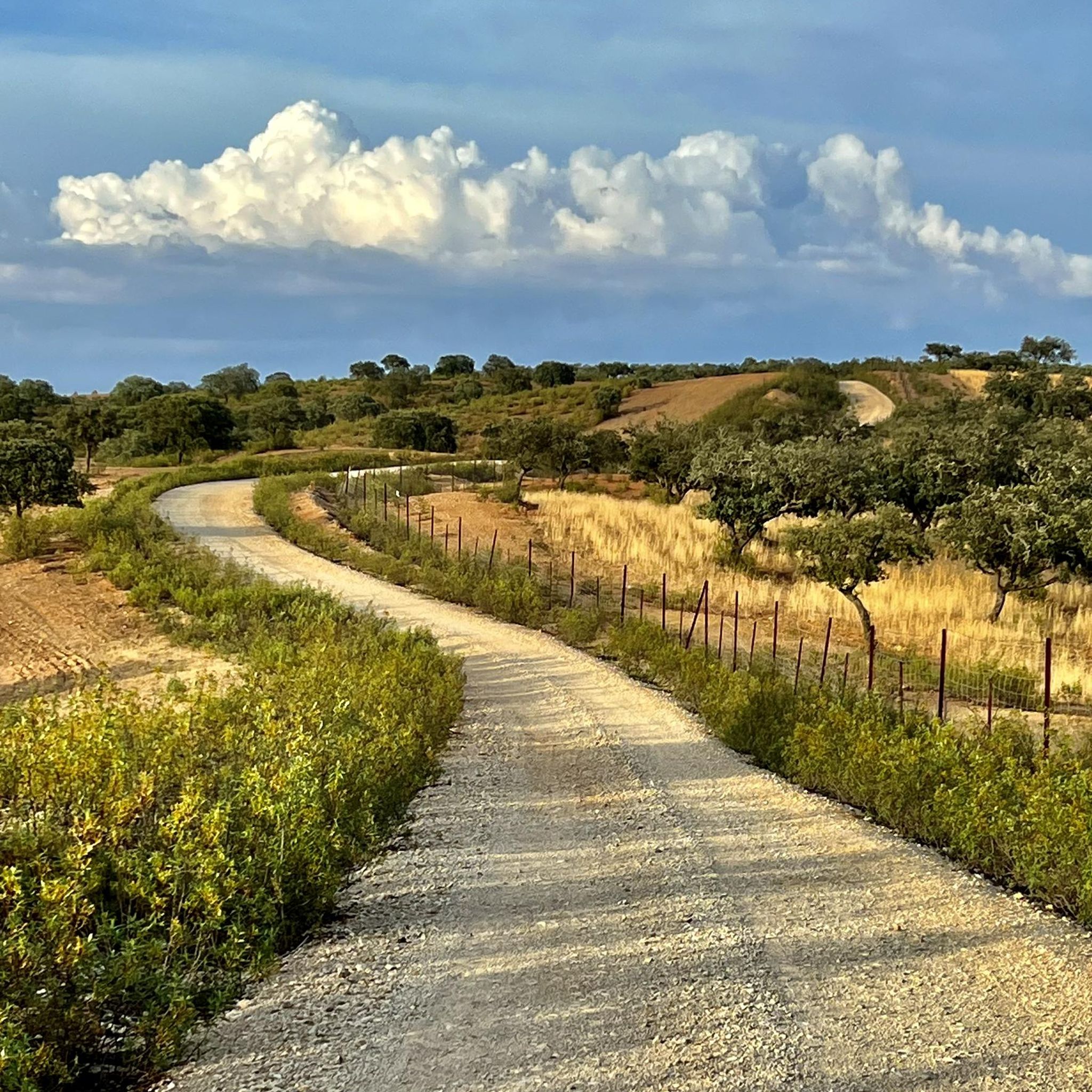
Unforgettable connection between Mina and Santana de Cambas. Route of the old railway line. The ACHADA DO GAMO site is post-apocalyptic (blast sulphur furnaces from the 1940's).
2
0

It is not a border town, since the urban centre is 20 km from the border line, although the municipal area is a border town.
0
1

This abandoned mine presents itself to the viewer like a bizarre stage set. A dam-like road leads through the area on the finest gravel. Streams and ponds shimmer in copper to green and black. Signs warn about the water. Dramatic and eerily beautiful.
3
0
The name of this lake is “Tapada Grande” and it was a consequence of mining exploration between 1860 and 1960. Here there are picnic tables, a cafe and a river beach.
1
1
The name of this lake is “Tapada Grande” and it was a consequence of the mining exploration between 1860 and 1960.
1
0
Frequently Asked Questions
What historical sites can I explore around Paymogo?
The region offers a rich history, particularly with its mining heritage. You can visit the Mina de São Domingos, a former mining complex that is now a public heritage site, showcasing the legacy of the Iberian Pyrite Belt. Another unique historical experience is the Achada do Gamo Copper Mine Ruins, which presents a dramatic "lunar landscape" with copper-colored lakes. Within Paymogo itself, explore the ruins of the fifteenth-century castle and the adjacent Iglesia Castillo Santa María Magdalena, or the seventeenth-century Ermita de San Sebastián.
Are there any natural attractions or scenic spots near Paymogo?
Yes, Paymogo is surrounded by natural beauty. The Rest area by the lake, located at the Barragem da Tapada Grande reservoir, offers a pleasant recreational area with a sandy beach and lawns. The area is also characterized by the Rivera de Malagón and Rio Chança, which forms the natural border with Portugal, and extensive holm oak woods, perfect for scenic walks and enjoying the countryside.
What kind of outdoor activities are available around Paymogo?
The region is ideal for various outdoor activities. You can find numerous routes for hiking, cycling, and mountain biking through the countryside and holm oak woods. For specific routes, check out the hiking guide for Paymogo or the cycling guide for Paymogo, which include trails like the 'Virgen de la Peña Trail' and routes around the Barragem da Tapada Grande reservoir.
Are there family-friendly attractions in the Paymogo area?
Absolutely. The Rest area by the lake at Barragem da Tapada Grande reservoir is a great option for families, offering a sandy beach, lawns, and comprehensive facilities for a relaxing day out. The natural landscapes and gentle trails also provide opportunities for family walks and picnics.
Where can I find religious or cultural landmarks in the region?
Beyond the Iglesia Castillo Santa María Magdalena and Ermita de San Sebastián in Paymogo, you can visit the Hermitage of La Peña of Puebla de Guzmán. This emblematic sanctuary, located on Cerro del Águila, dates back to the 16th century and holds deep spiritual and cultural significance in the Andévalo region. The Ermita de la Santa Cruz, a few kilometers from Paymogo, is also the site of an annual pilgrimage.
What is the best time of year to visit Paymogo for outdoor activities?
The best time to visit Paymogo for outdoor activities like hiking and cycling is generally during the spring (March to May) and autumn (September to November). During these seasons, the weather is typically milder and more pleasant, avoiding the intense heat of summer and the cooler, wetter days of winter, making it ideal for exploring the natural landscapes and historical sites.
Can I find trails that follow historical routes or old railways?
Yes, the area offers unique trails with historical significance. The Dirt road through the mines is an example, following the path of an old mine railway that was operational until 1966. This route connects historical mining sites and offers good views and a smooth gravel surface, perfect for cycling or walking.
What are some unique natural features to look out for in the landscape?
The landscape around Paymogo is characterized by extensive holm oak woods, which are important for local pig farming and game. The Rio Chança, forming the border with Portugal, offers scenic banks and trails, sometimes requiring wading near old mills. The Achada do Gamo Copper Mine Ruins also feature striking copper-colored lakes, creating a visually distinct environment.
What do visitors particularly enjoy about the attractions around Paymogo?
Visitors appreciate the blend of historical depth and natural beauty. The Mina de São Domingos is valued as a 'living memory of a time of fire and iron,' offering a glimpse into the region's industrial past. The Rest area by the lake is praised for its tranquil setting and comprehensive facilities, making it a pleasant recreational spot. The 'lunar landscape' and copper-colored lakes of the Achada do Gamo Copper Mine Ruins are also frequently highlighted for their dramatic and unique visual experience.
Are there any specific cycling routes recommended for the area?
Yes, the area is well-suited for cycling. You can find various routes, including those that explore the Dehesa del Andévalo or connect different historical sites. For example, the 'Rest area by the lake – Dirt road through the mines loop' is a moderate cycling route. More options, including road cycling routes, are available in the cycling guide for Paymogo.
What is the significance of the Rio Chança in the Paymogo area?
The Rio Chança is a significant natural feature, as it forms the natural border between Spain and Portugal. Its banks offer hiking trails, and it is notable for the presence of three old mills (Molino de la Laguna, Molino de Pablo, and La Cirujana) along its course. There is also an international bridge over the Chança connecting Paymogo with Serpa in Portugal, facilitating cross-border exploration.

Get inspired with the komoot mobile app


Explore more
Still not found the Highlight you’re looking for? See guides of the top attractions in other regions:
