The best cycling routes around Torrecillas De La Tiesa
19
riders
6
rides
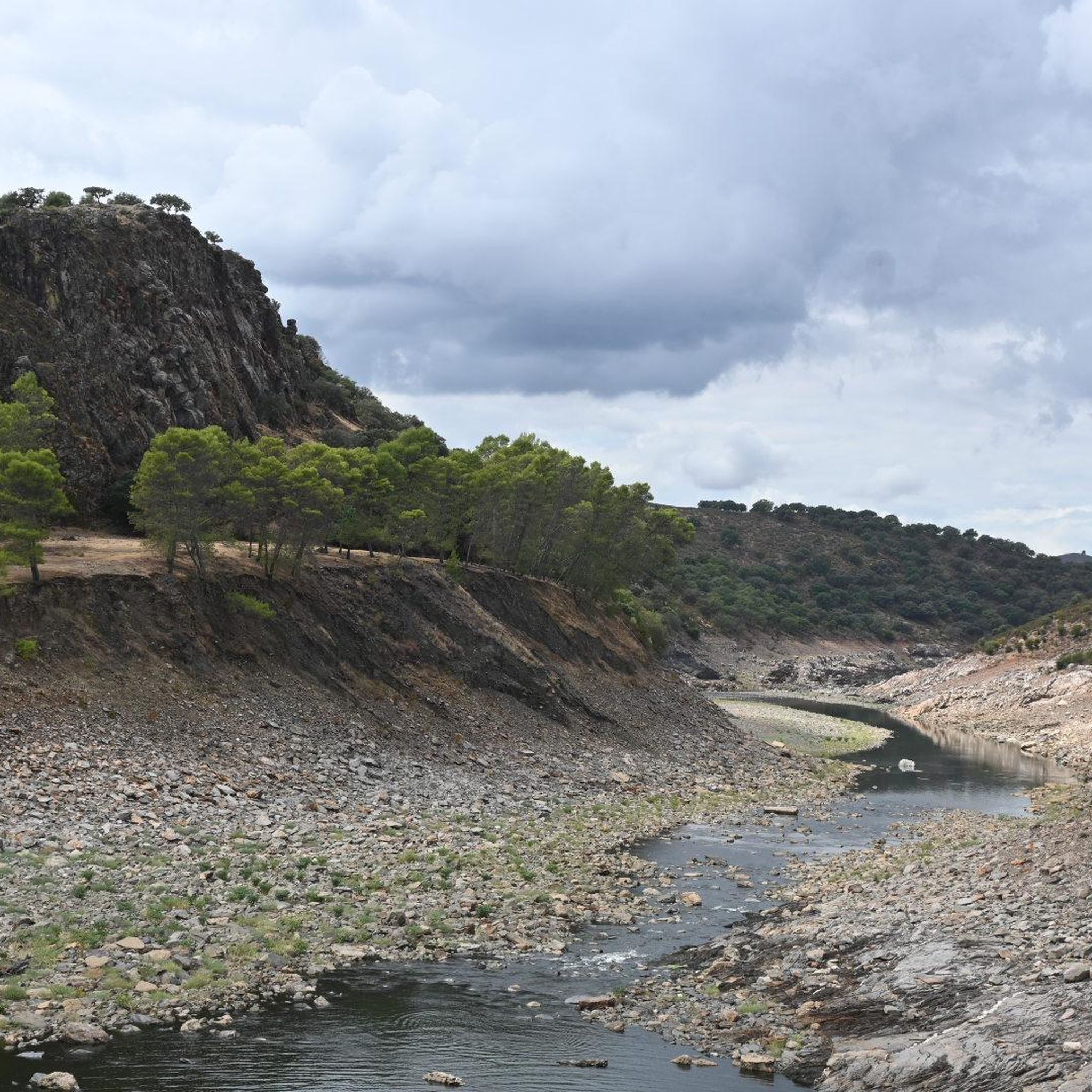
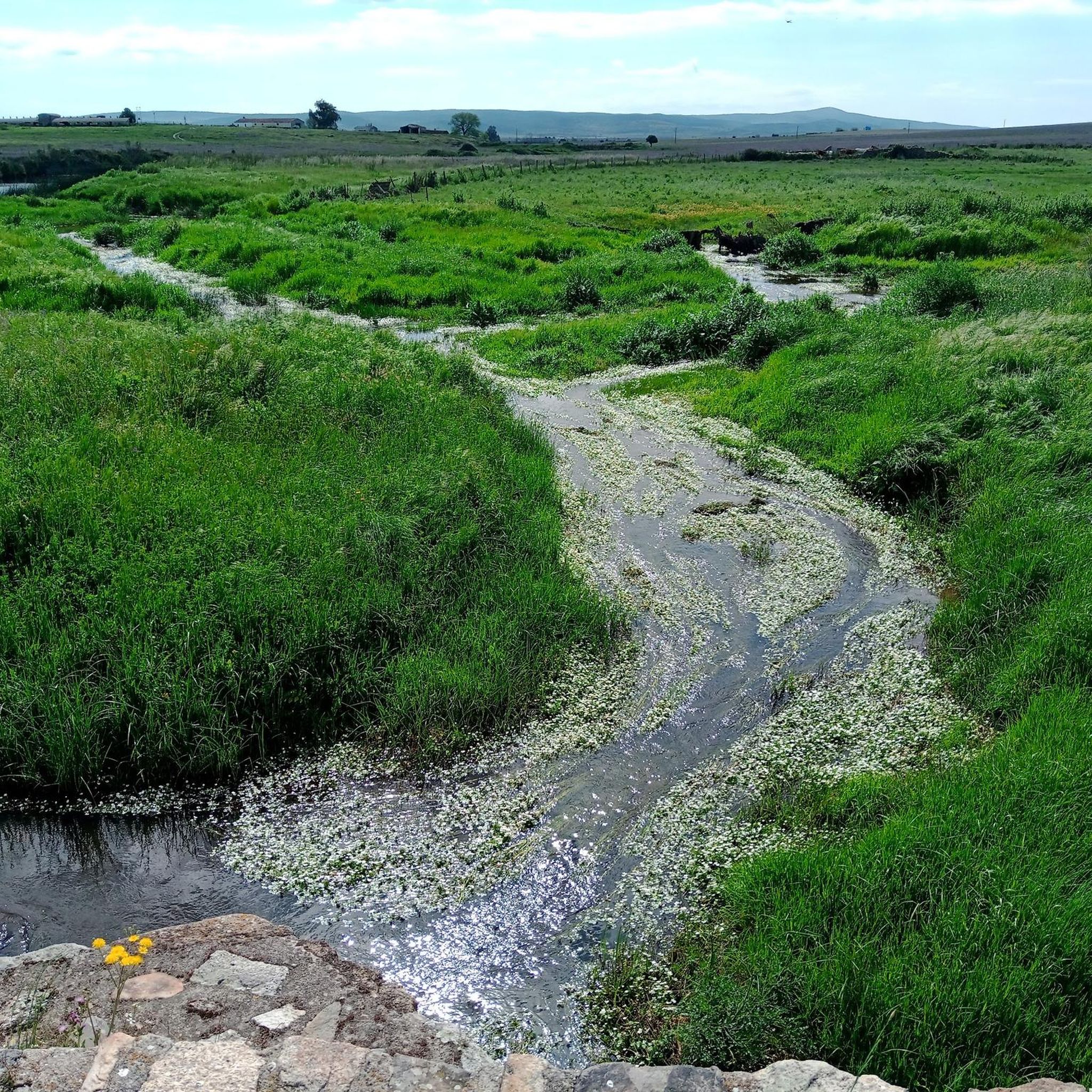
Touring cycling around Torrecillas De La Tiesa offers routes through the characteristic Extremaduran dehesa landscape, featuring holm and cork oaks. The terrain includes undulating steppes, olive groves, and rolling hills, providing varied cycling experiences. Situated in the central zone of Cáceres province, the area presents a blend of natural environments and cultural exploration. Cyclists can expect quiet roads and scenic views across this agro-silvo-pastoral system.
Best touring cycling routes around Torrecillas De La Tiesa
- The most popular touring cycling route…
Last updated: July 11, 2026
4
riders
62.4km
03:55
680m
680m
Hard bike ride. Very good fitness required. Mostly paved surfaces. Suitable for all skill levels.
7
riders
39.7km
03:57
690m
690m
Hard bike ride. Very good fitness required. Mostly paved surfaces. Suitable for all skill levels.

Sign up for free
3
riders
44.5km
02:57
700m
700m
Hard bike ride. Very good fitness required. Mostly paved surfaces. Suitable for all skill levels.
2
riders
48.9km
03:19
410m
410m
Moderate bike ride. Good fitness required. Mostly paved surfaces. Suitable for all skill levels.
1
riders
32.4km
02:20
320m
320m
Moderate bike ride. Good fitness required. Mostly paved surfaces. Suitable for all skill levels.
Our route recommendations are based on thousands of hikes, rides, and runs completed by other people on komoot.
Start today with a free account
Your next adventure awaits.
Login or Signup
Popular around Torrecillas De La Tiesa
Tips from the Community

Trujillo Castle (Cáceres, Extremadura) is one of Spain's most emblematic fortresses, boasting a fascinating history and architecture that blends Arab and Christian influences. Arab Origins (9th-12th centuries): It was built on Cabeza del Zorro hill during the Muslim period. The oldest remains are two Arab cisterns. Reconquest: In 1186, Alfonso VIII captured the city, although it fell under Almohad rule before being definitively incorporated into the Crown in 1232. Middle Ages: It played a key role in the border defense between Castile and Portugal and was the scene of conflicts such as the War of the Castilian Succession. Modern Era: It lost its military importance and became a stately residence.
7
0
Trujillo Castle and the Alcazaba of Trujillo, two historical gems in the city of Cáceres: Trujillo Castle (Alcazaba) Origin: Initially built as an Arab citadel in the 9th century on Cabeza del Zorro hill. Later renovations in the 10th and 11th centuries and Christian expansions after the Reconquista (1232). Architecture: Irregular layout adapted to the terrain, with granite walls, barbican towers, and two cisterns. Simple interior: parade ground, cisterns, and, later, a chapel in the keep dedicated to Our Lady of Victory.
13
0
Palace of the Marquises of Lorenzana Origin: 16th century, Renaissance style. It was the residence of the Pizarro Hinojosa family, Lords of Torrecillas, and from 1642, Marquises of Lorenzana, a title granted to Álvaro Pérez Quiñones y Lorenzana, Governor of Panama and Guatemala. Current use: Headquarters of the Royal Academy of Extremadura of Letters and Arts since 1980.
8
0
The city of Trujillo, a town located about 50 km east of Cáceres, sits on a huge granite batholith, on the old road to Madrid. It is an important urban complex formed by different periods and architectural-urban mentalities, whose testimonies have made it one of the most important towns in Extremadura, as far as architectural heritage is concerned.
11
0
The Plaza Mayor in Trujillo is an iconic and historic place in Extremadura. This Renaissance square, dating back to the 16th century, is known for its impressive architecture and vibrant social and cultural life. In the centre of the square is the equestrian statue of Francisco Pizarro, the famous conquistador born in Trujillo. The square is surrounded by historic buildings, such as the Palace of the Marquises of the Conquest and the Church of San Martín de Tours. In addition, it is a place where numerous cultural events and festivals are held throughout the year.
13
0
The city of Trujillo, a town located about 50 km east of Cáceres, sits on a huge granite batholith, on the old road to Madrid. It is an important urban complex formed by different periods and architectural-urban mentalities, whose testimonies have made it one of the most important towns in Extremadura, as far as architectural heritage is concerned.
16
0
El Mirador is located in the old town of Trujillo, next to the castle. From here, you can enjoy a spectacular view of the Extremaduran landscape. Architecture and Environment: El Mirador was built using the technique of Spanish colonial architecture, combined with local elements. It has three levels, and at the top, there is a panoramic terrace surrounded by wooden fences and columns.
8
0
The equestrian statue of Francisco Pizarro is located in Trujillo, a city in the Extremadura region, Spain. This imposing statue pays tribute to one of the illustrious residents of Trujillo: the conquistador Francisco Pizarro. The statue was created by American sculptor Charles Cary Rumsey (1879-1922). It is located in the Plaza Mayor of Trujillo, on a granite pedestal. Although not its original location, this statue is an important symbol in the city where Pizarro was born.
12
0
Frequently Asked Questions
How many touring cycling routes are available around Torrecillas De La Tiesa?
There are 8 touring cycling routes documented on komoot for the Torrecillas De La Tiesa area. These routes offer a variety of experiences through the region's distinctive landscapes.
What kind of landscapes can I expect to see while cycling around Torrecillas De La Tiesa?
The region is characterized by the unique Extremaduran dehesa landscape, featuring extensive pastures dotted with holm and cork oaks. You'll also encounter undulating steppes, olive groves, and rolling hills, providing a diverse and scenic backdrop for your rides.
Are there any challenging touring cycling routes in the area?
Yes, the area offers several challenging routes. For example, the Bike loop from Deleitosa is a difficult 39.7 km route with significant elevation gain, traversing the dehesa landscape. Another difficult option is the Bike loop from La Ventilla del Camionero, covering 44.3 km with varied terrain.
What historical or cultural points of interest can I visit while cycling near Torrecillas De La Tiesa?
Beyond the natural beauty, you can explore historical sites. In Torrecillas de la Tiesa itself, the 16th-century Iglesia Parroquial de Santa Catalina and El Rollo in Plaza España are notable. The municipality also has Celtic archaeological remains, such as the 'Castro Celta' in the La Coraja estate. Further afield, you might encounter highlights like the Miravete Mountain Pass and Ruins of the Zúñiga Fortification.
Are there any moderate touring cycling routes suitable for a less strenuous ride?
Yes, there are moderate options available. The Plaza Mayor of Trujillo – Trujillo Castle loop from Trujillo is a moderate 39.5 km route, offering a blend of historical sights and cycling. Another moderate choice is the Embalse de Helechoso loop from Deleitosa, which is 32.1 km long.
What is the best time of year for touring cycling in Torrecillas De La Tiesa?
The Extremadura region generally offers pleasant cycling conditions during spring (March to May) and autumn (September to November) when temperatures are milder. Summers can be very hot, and winters can be cooler, so these shoulder seasons are often preferred for touring cycling.
Are there any circular touring cycling routes in the area?
Yes, many of the routes around Torrecillas De La Tiesa are designed as loops. Examples include the Bike loop from Aldeacentenera, which is a 46.2 km trail through the dehesa, and the Bike loop from Deleitosa.
What are the typical road conditions for touring cyclists in this region?
You can expect to cycle on quiet roads that wind through the rural landscape. The terrain varies from flat sections in the steppes to rolling hills and some challenging ascents, particularly on the more difficult routes. Surfaces are generally suitable for touring bicycles.
Can I find places to eat or stay near the cycling routes?
Torrecillas De La Tiesa and surrounding towns like Deleitosa and Aldeacentenera offer local amenities including cafes, pubs, and accommodation options. These can serve as convenient stops for refreshments or overnight stays during your touring cycling adventures.
What makes the dehesa landscape unique for touring cycling?
The dehesa is a unique agro-silvo-pastoral system, characterized by open woodlands of holm and cork oaks used for grazing. For touring cyclists, this means serene, lightly trafficked roads, picturesque views, and opportunities to observe local wildlife in a tranquil natural setting, distinct from more densely forested or urban areas.
Are there any specific natural features or viewpoints along the touring routes?
While specific named viewpoints are not extensively detailed for every route, the rolling hills and open dehesa landscape naturally offer numerous panoramic vistas. You'll enjoy expansive views of the Extremaduran countryside, olive groves, and the characteristic oak trees throughout your rides. The region's diverse landscapes, including river valleys and steppes, provide a constantly changing scenic backdrop.
Most popular routes around Torrecillas De La Tiesa
Most popular attractions around Torrecillas De La Tiesa

Get inspired with the komoot mobile app


Explore more
Browse the best Cycling routes in other regions.
