Attractions and Places To See around Angüés - Top 20
Best attractions and places to see around Angüés, located in the Hoya de Huesca region of Aragon, Spain, offers access to a diverse landscape. This area serves as a gateway to natural beauty and historical sites. The region is characterized by the Sierra y Cañones de Guara Natural Park and a rich Romanesque heritage. Visitors can explore protected natural areas and ancient structures.
Best attractions and places to see around Angüés
- The most popular attractions is Tamara Spring, a…
Last updated: June 23, 2026
Salto de Bierge
Highlight • Waterfall
Translated by Google •
Tip by

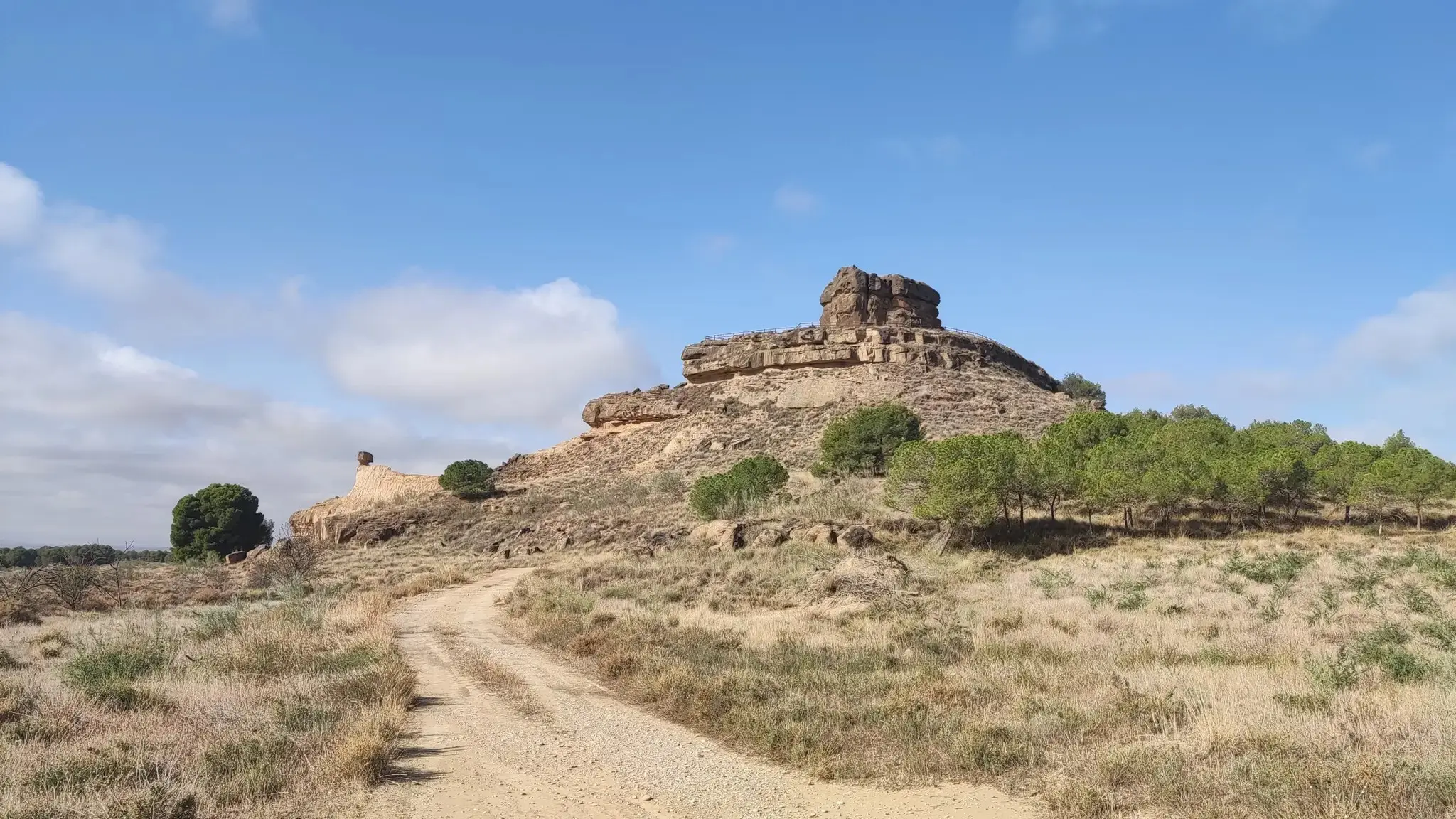
Montearagón Castle
Highlight • Castle
Translated by Google •
Tip by

Sign up now to discover places like this
Get recommendations on the best single tracks, peaks, & plenty of other exciting outdoor places.
Sign up for free
The Beautiful Hermitage of Treviño
Highlight • Religious Site
Translated by Google •
Tip by

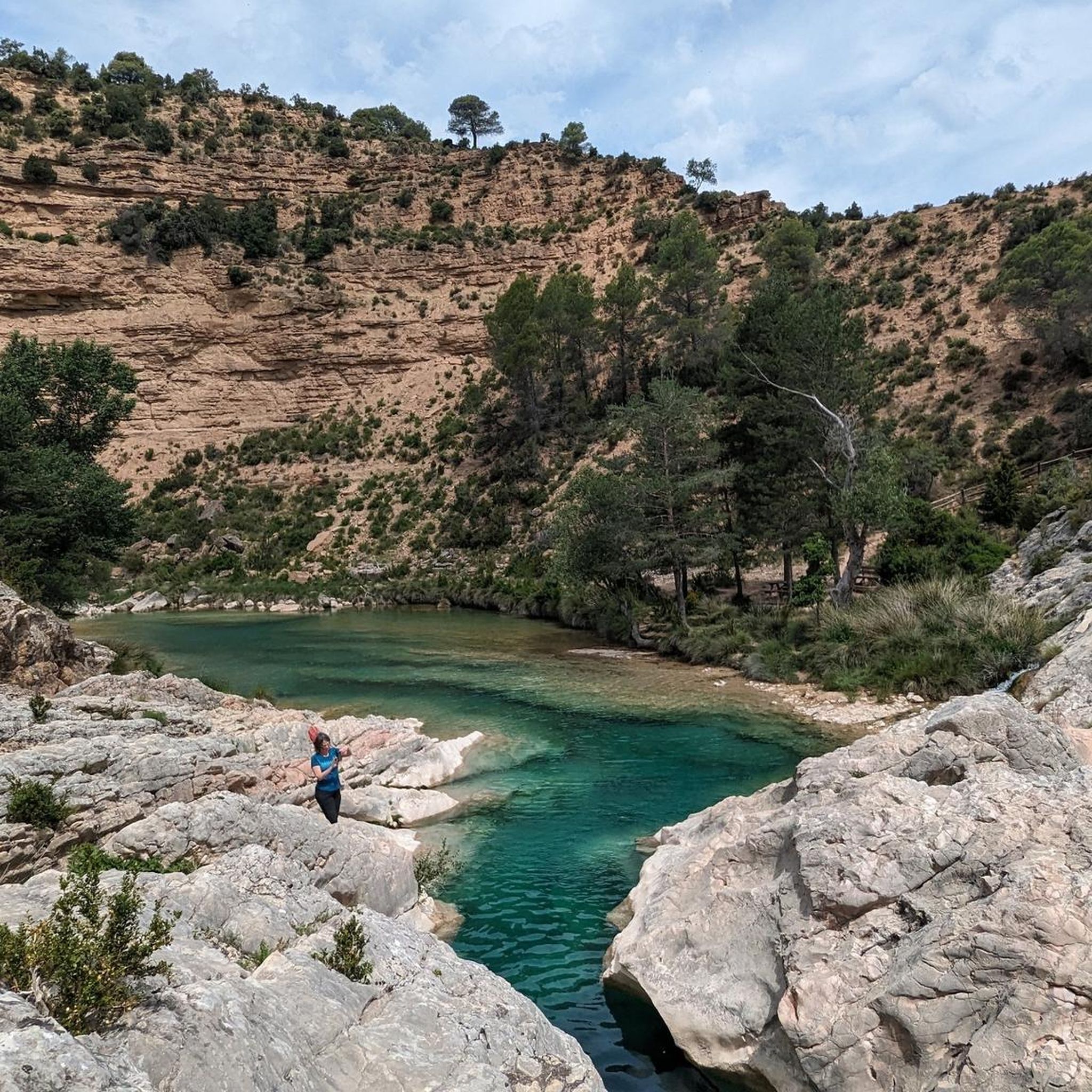
Tamara Spring
Highlight • River
Translated by Google •
Tip by

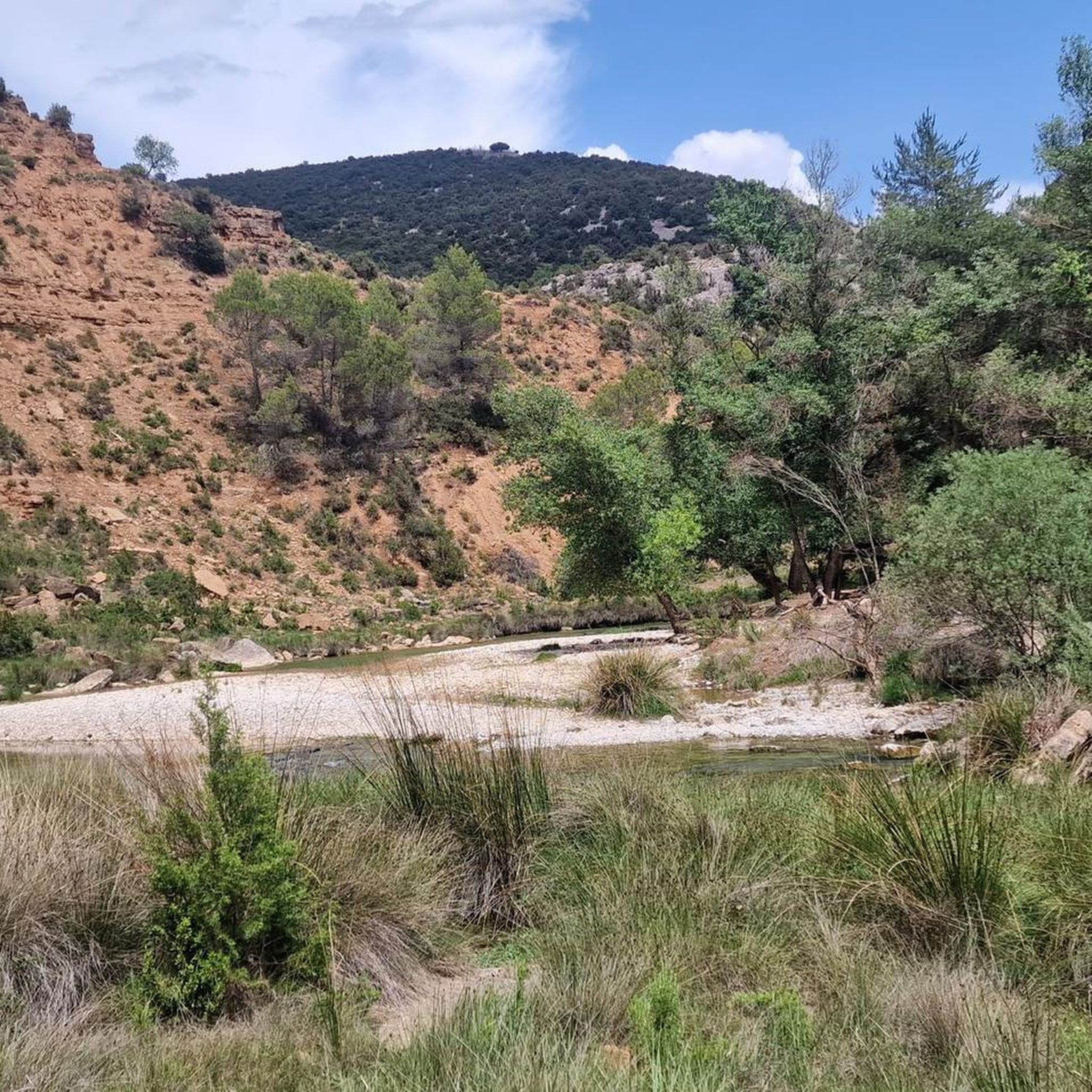
Garganta de Tamara
Highlight • Canyon
Translated by Google •
Tip by
Sign up for free to discover even more attractions around Angüés.
Sign up for free
Already have an account?
Start today with a free account
Your next adventure awaits.
Login or Signup

Other adventures around Angüés

Tips from the Community

Magnificent place! The water is clear but cold! Ideal for relaxing at the end of the canyon or for spending a quiet day by the river.
0
0

A beautiful waterfall. The experience is worth it: there are picnic tables and restaurants nearby. Access to the "area" costs €3 as of July 2025. With this ticket, you have access to the entire riverbank. It's recommended to wear a swimsuit, since to access the area, you have to cross the (very cold) river. There are restrooms that can be used as changing rooms before crossing the river. Once you've crossed, you can settle down wherever you like and take a dip. At the first corner of the river, you can jump from a safe rock. A place for teenagers. You can go upstream as far as you want.
2
1

Really beautiful castle in the middle of a semi arid landscape with perfect gravel roads. Surprisingly empty!
1
0

Founded and built by Sancho Ramírez of Aragón in Romanesque style in the 11th and 12th centuries, Montearagón Castle was a fortified complex that included military housing, a church and a royal monastery. It is located on a strategic promontory in the Huesca town of Quicena, in the Hoya de Huesca region, Aragon. Although its military function ended with the taking of Huesca and the end of the Spanish-Arab wars, it continued to house the canonical abbey under the name of the Abbey of Jesús de Nazaret de Montearagón. Several Aragonese kings were buried in the castle in addition to its founder, Sancho Ramírez of Aragón.
2
0

A route without too much difficulty, except for the last descent located before the small bridge.
0
0


Montearagón Castle is an abandoned castle-abbey located in the municipality of Quicena, in the province of Huesca. It was strategically built in 1085 by Sanç I of Aragon and Pamplona to help in the conquest of Washka (Husca) in the Taifa of Zaragoza.
1
0

The one known as Salto de Bierge is currently one of the most popular and crowded places in the entire Sierra de Guara due to its use as a bathing place.
10
0
Frequently Asked Questions
What natural attractions can I explore around Angüés?
The region around Angüés is rich in natural beauty, particularly within the Sierra y Cañones de Guara Natural Park. You can visit the Tamara Spring, a natural pool with emerald green, transparent waters ideal for a refreshing dip. Another notable spot is Salto de Bierge, a wide waterfall on the Río Alcanadre, though its use as a bathing place is now regulated and it is currently closed. The Río Alcanadre itself forms numerous narrow passages with beautiful geological sandstone formations and clay ravines, popular for canyoning.
Are there any historical sites or cultural landmarks near Angüés?
Yes, the Hoya de Huesca region boasts a rich Romanesque heritage. A prominent historical site is Montearagón Castle, an 11th-century Romanesque fortified complex that served as a royal monastery and burial place for Aragonese kings. You can also discover The Beautiful Hermitage of Treviño, a late-Romanesque church featuring a Gothic porch and remnants of medieval murals.
What outdoor activities are popular in the Angüés area?
The area around Angüés is a prime destination for outdoor enthusiasts. The Sierra y Cañones de Guara Natural Park is renowned for canyoning, with over 60 ravines to explore, including the challenging Garganta de Tamara. Hiking and cycling are also popular. For specific routes, you can find various options for cycling, road cycling, and running trails around Angüés.
Is the Tamara Spring suitable for swimming?
Yes, the Tamara Spring is known for its large, calm basin with turquoise blue, clear water, making it a suitable and comfortable spot for swimming and cooling off. However, be aware that the hike to reach it can be somewhat difficult.
What should I know about visiting Salto de Bierge?
Salto de Bierge is a popular waterfall and natural monument on the Río Alcanadre. While it was once a well-known bathing spot, its use is now regulated, and it is currently closed to the public. It features a wide waterfall that is nine meters high.
Can I see wildlife in the natural areas around Angüés?
Yes, the region around Angüés, particularly within the Sierra y Cañones de Guara Natural Park, is home to diverse wildlife. You might spot griffon vultures, eagles, falcons, wild boars, foxes, and various aquatic birds. Pine and oak forests provide habitat for smaller animals like squirrels and martens.
What is the best time to visit Angüés for outdoor activities?
The Sierra y Cañones de Guara Natural Park, which is a major draw for outdoor activities like canyoning, hiking, and cycling, is best enjoyed during spring and early autumn. The weather is generally pleasant, and water levels in the canyons are suitable. Summer can be very hot, making water-based activities more appealing, but some trails might be less comfortable for hiking.
Are there any challenging outdoor experiences near Angüés?
Absolutely. The Sierra y Cañones de Guara Natural Park is internationally recognized for its challenging canyoning routes. The Garganta de Tamara, for instance, is categorized as a challenging canyoning experience, offering impressive views and demanding sections for experienced adventurers.
What is the significance of Montearagón Castle?
Montearagón Castle is a significant Romanesque historical site founded by Sancho Ramírez of Aragón in the 11th and 12th centuries. It was a strategic fortified complex that included military housing, a church, and a royal monastery. It also served as the burial place for several Aragonese kings, including its founder.
What kind of architecture can I expect to see in the Hoya de Huesca region?
The Hoya de Huesca region, where Angüés is located, is characterized by a dominant Romanesque artistic style. You'll find numerous examples in village churches and in the city of Huesca itself, including the Palace of the Kings of Aragon and the church of San Pedro el Viejo. Montearagón Castle and The Beautiful Hermitage of Treviño are excellent examples of this architectural heritage.
Are there any easy hiking or running trails around Angüés?
Yes, there are various trails suitable for different fitness levels. For running, you can explore options like the 'Hermitage of the Virgin of the Vineyard loop from Ayera' or the 'Running loop from Siétamo', both categorized as moderate difficulty. You can find more details on running trails around Angüés.

Get inspired with the komoot mobile app


Explore more
Still not found the Highlight you’re looking for? See guides of the top attractions in other regions:
