The best walks and hikes around Monflorite-Lascasas
4.1
(51)
584
hikers
81
hikes
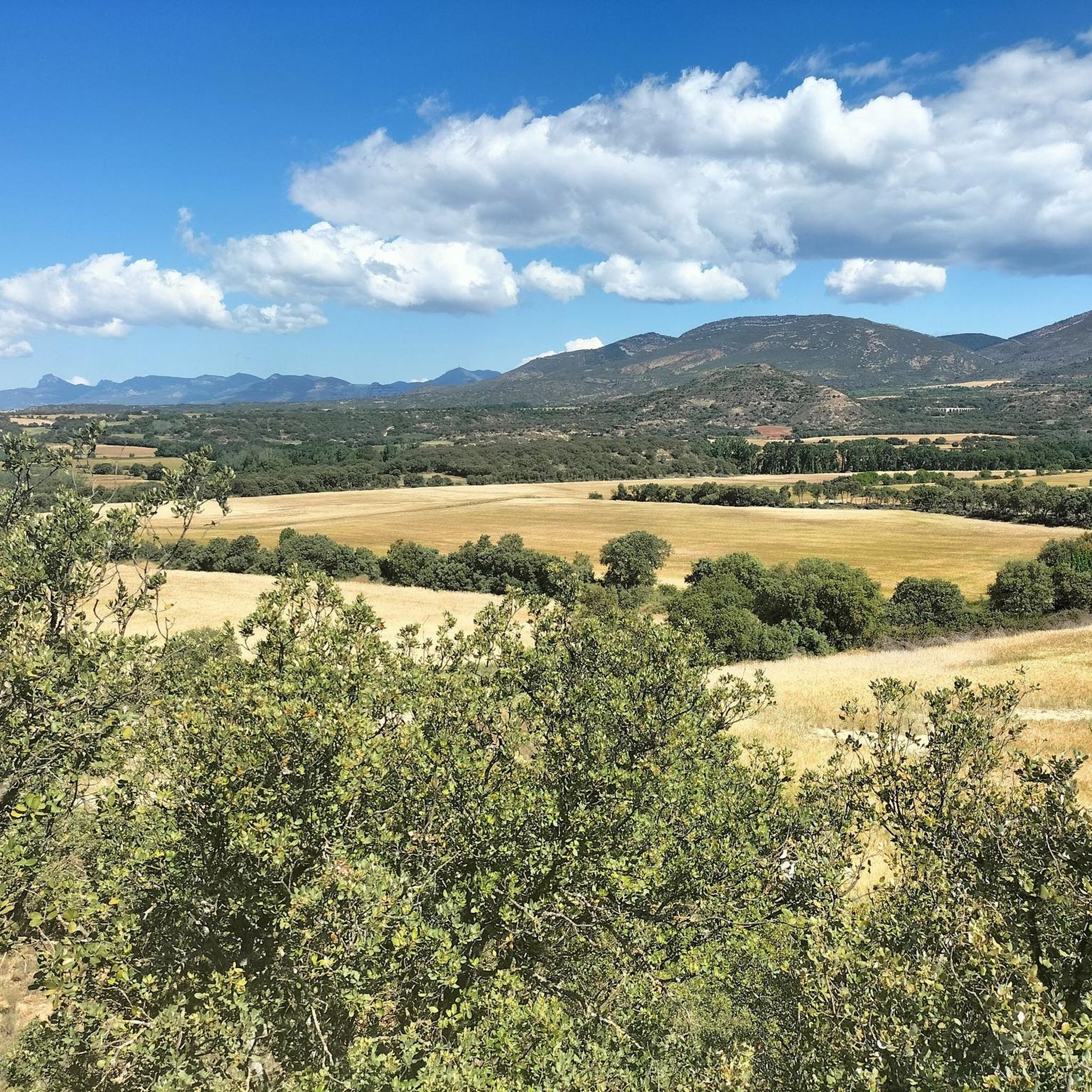
Hiking around Monflorite-Lascasas offers diverse landscapes within the Hoya de Huesca region, a transitional zone between the Pre-Pyrenean Sierras and the Ebro Valley plain. The terrain features rugged mountains, river valleys, and notable geological formations such as the imposing "mallos" rock outcrops. Hikers can explore a variety of ecosystems, including pine and oak woods, alongside ravines and canyons carved by rivers like the Gállego and Isuela.
Best hiking trails around Monflorite-Lascasas
- The most popular hiking route is Alberca de Cortés…
Last updated: July 4, 2026
3.9
(7)
35
hikers
12.8km
03:19
70m
70m
Moderate hike. Good fitness required. Mostly accessible paths. Sure-footedness required.
3.0
(1)
27
hikers
6.44km
01:38
20m
20m
Easy hike. Great for any fitness level. Easily-accessible paths. Suitable for all skill levels.

Sign up for free
5.0
(4)
21
hikers
22.0km
05:53
260m
260m
Hard hike. Very good fitness required. Easily-accessible paths. Suitable for all skill levels.
4.8
(4)
17
hikers
16.5km
04:16
90m
90m
Moderate hike. Good fitness required. Easily-accessible paths. Suitable for all skill levels.
5.0
(4)
16
hikers
15.9km
04:13
150m
150m
Moderate hike. Good fitness required. Easily-accessible paths. Suitable for all skill levels.
Get access to more routes and recommendations from other explorers.
Sign up for free
Already have an account?
Our route recommendations are based on thousands of hikes, rides, and runs completed by other people on komoot.
Start today with a free account
Your next adventure awaits.
Login or Signup


Tips from the Community

Museum with exhibits on the region, including art and prehistoric exhibits, in a magnificent historic building.
0
0


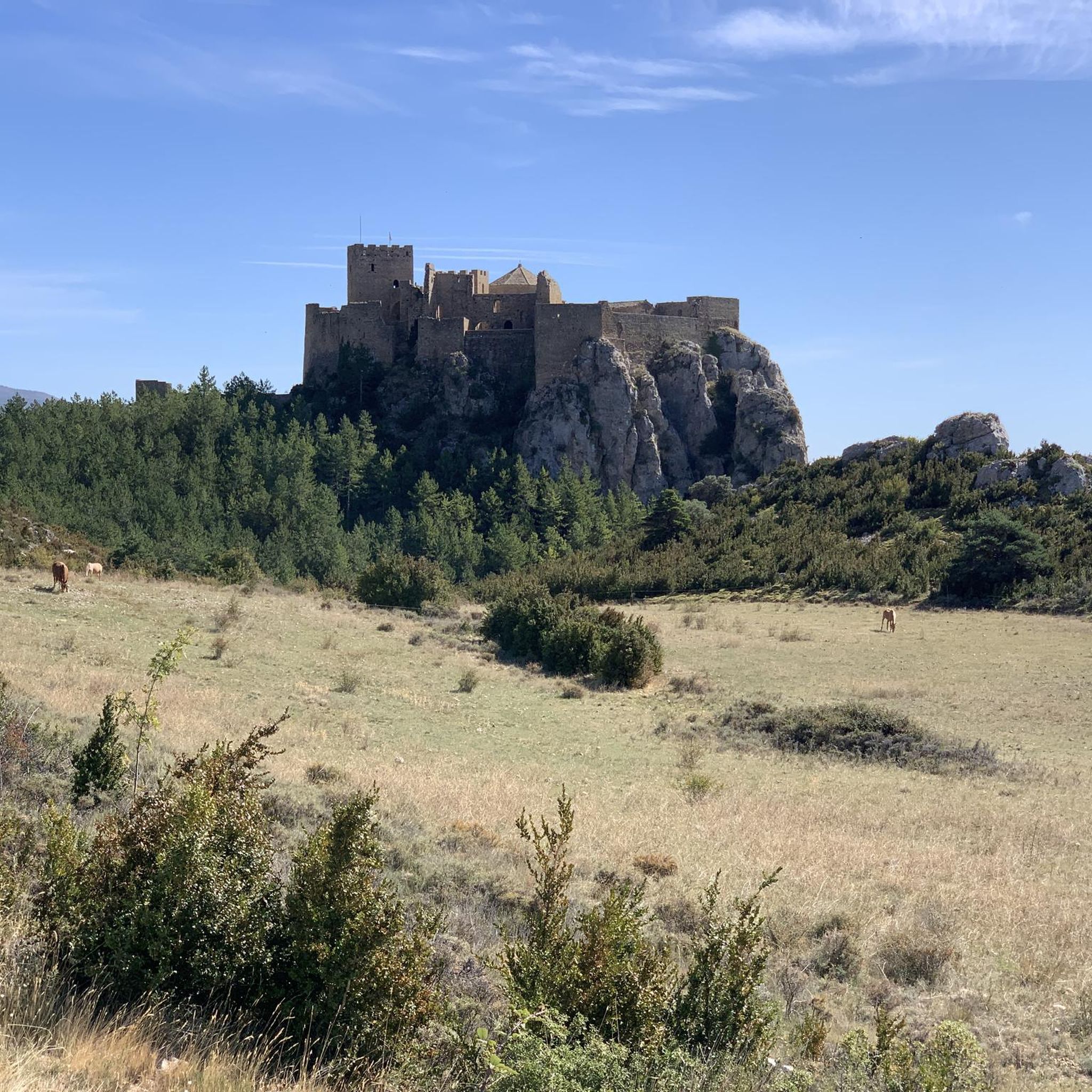
A sturdy 11th-century fortress used to recapture the Muslim city of Huesca in 1096. Sancho Ramírez ordered the construction of the castle-abbey to secure the siege of the city. In 1093 he began building the church and founded a monastery, transferring the community of clerics from Loarre. The Abbey of Montearagón exercised great power throughout the Middle Ages and modern times and had a very wide sphere of influence. The walled complex is hexagonal and irregular, and the church is attached to it, forming part of the wall. The splendor of this castle-abbey can still be seen in Huesca today, notably the high altarpiece in the Diocesan Museum and the tomb of King Alfonso I the Fighter in the cloister of San Pedro el Viejo. Visits: Guided tours of the castle by prior reservation at 622 573 497 (WhatsApp or by phone) - or via the website https://www.facebook.com/CastillodeMontearagon There you can also find videos and photos of the interior.
4
0

Really beautiful castle in the middle of a semi arid landscape with perfect gravel roads. Surprisingly empty!
1
0

Founded and built by Sancho Ramírez of Aragón in Romanesque style in the 11th and 12th centuries, Montearagón Castle was a fortified complex that included military housing, a church and a royal monastery. It is located on a strategic promontory in the Huesca town of Quicena, in the Hoya de Huesca region, Aragon. Although its military function ended with the taking of Huesca and the end of the Spanish-Arab wars, it continued to house the canonical abbey under the name of the Abbey of Jesús de Nazaret de Montearagón. Several Aragonese kings were buried in the castle in addition to its founder, Sancho Ramírez of Aragón.
2
0
And you can't enter with your dog
0
1

Montearagón Castle is an abandoned castle-abbey located in the municipality of Quicena, in the province of Huesca. It was strategically built in 1085 by Sanç I of Aragon and Pamplona to help in the conquest of Washka (Husca) in the Taifa of Zaragoza.
1
0
Huesca is the capital of one of the three Aragonese provinces, Huesca. the city, with a very large old town, a set of well-known architectural elements appear: the museum, the cathedral or the monastery are the case. Also the Plaça de Toros or the Plaça de D. Luis López Allué.
0
0
Frequently Asked Questions
How many hiking trails are available around Monflorite-Lascasas?
There are over 80 hiking routes in the Monflorite-Lascasas area, offering a wide range of options for different skill levels and preferences. The komoot community has explored these trails over 500 times.
What types of terrain can I expect on hikes in Monflorite-Lascasas?
The region offers diverse terrain, from rugged mountains and river valleys to unique geological formations like the imposing "mallos" rock outcrops. You'll find paths winding through pine and oak woods, alongside rivers like the Gállego and Isuela, and through ravines and canyons carved by water erosion.
Are there any easy, family-friendly hiking options in Monflorite-Lascasas?
Yes, there are many easy routes suitable for families. For example, the Ermita de Salas loop from Huesca is an easy 4.0-mile (6.4 km) path with relatively flat terrain, perfect for a shorter walk with children.
What historical landmarks can I see while hiking in the area?
The region is rich in history. A prominent landmark is the 11th and 12th-century Romanesque Montearagón Castle, strategically located on a promontory. You can also explore the Trenches Route, which offers a unique historical and environmental experience. Other notable sites include the Arab Wall of Huesca and Huesca Cathedral.
Are there any circular hiking routes available?
Yes, many routes in the area are circular, allowing you to start and end at the same point. A popular moderate option is the Alberca de Cortés – circular from Huesca, which is 8.0 miles (12.8 km) long with gentle elevation changes.
What do other hikers say about the trails in Monflorite-Lascasas?
The hiking trails in Monflorite-Lascasas are highly rated by the komoot community, with an average score of 4.4 stars from over 45 reviews. Hikers often praise the varied landscapes, the integration of natural beauty with historical sites, and the well-maintained paths.
Are there any challenging hikes for experienced trekkers?
Yes, for those seeking a challenge, there are difficult routes available. The Huesca Cathedral – Montearagón Castle loop from Huesca is a difficult 13.4-mile (21.6 km) trail with significant elevation gain, typically taking nearly 6 hours to complete.
Can I find trails that offer good viewpoints or scenic overlooks?
Absolutely. The region's location in the Hoya de Huesca, with its dramatic geological formations and transitional landscapes, provides numerous opportunities for breathtaking views. Trails leading to or around sites like Montearagón Castle often offer panoramic vistas of the surrounding Pre-Pyrenean Sierras and the Ebro Valley plain.
What kind of wildlife or natural features might I encounter?
The diverse ecosystems, including pine and oak woods, river valleys, and unique rock formations, support a vibrant natural life. The area is particularly good for birdwatching, with opportunities to spot birds of prey and various migrating birds. You'll also encounter impressive geological features like the 'mallos' and deep canyons.
Are there any parks or natural areas to explore near Monflorite-Lascasas?
Yes, the broader Hoya de Huesca region is part of the Aragonese Pyrenees foothills and includes protected areas that showcase significant biodiversity. You can explore diverse ecosystems within these areas, such as the Parque Miguel Servet, which offers a pleasant natural space.
How many moderate hiking trails are there?
There are 48 moderate hiking trails around Monflorite-Lascasas, offering a good balance of distance and elevation for those looking for more than an easy stroll but less than a strenuous climb. An example is the Montearagón Castle – Castle of Montearagón loop from Huesca.
Most popular routes around Monflorite-Lascasas
Most popular attractions around Monflorite-Lascasas

Get inspired with the komoot mobile app


Explore more
Browse the best Hikes in other regions.
