The best walks and hikes around Quicena
4.1
(56)
640
hikers
86
hikes
Hiking around Quicena offers a variety of trails that explore the gently undulating landscape of the region. The area features historical landmarks and natural spaces, including paths near water bodies and through open terrain. Many routes connect to nearby Huesca, providing access to both urban and peri-urban natural environments.
Best hiking trails around Quicena
- The most popular hiking route is Alberca de Cortés – circular from Huesca, a 8.0 miles (12.8 km) trail that takes 3 hours 20 minutes…
Last updated: July 4, 2026
4.6
(7)
50
hikers
7.74km
02:01
50m
50m
Moderate hike. Good fitness required. Easily-accessible paths. Suitable for all skill levels.
3.0
(1)
27
hikers
6.44km
01:38
20m
20m
Easy hike. Great for any fitness level. Easily-accessible paths. Suitable for all skill levels.

Sign up for free
3.0
(1)
15
hikers
Moderate hike. Good fitness required. Easily-accessible paths. Suitable for all skill levels.
11
hikers
6.56km
01:41
30m
30m
Easy hike. Great for any fitness level. Easily-accessible paths. Suitable for all skill levels.
5.0
(1)
7
hikers
9.59km
02:39
170m
170m
Moderate hike. Good fitness required. Easily-accessible paths. Suitable for all skill levels.
Get access to more routes and recommendations from other explorers.
Sign up for free
Already have an account?
Our route recommendations are based on thousands of hikes, rides, and runs completed by other people on komoot.
Start today with a free account
Your next adventure awaits.
Login or Signup


Tips from the Community

Museum with exhibits on the region, including art and prehistoric exhibits, in a magnificent historic building.
0
0

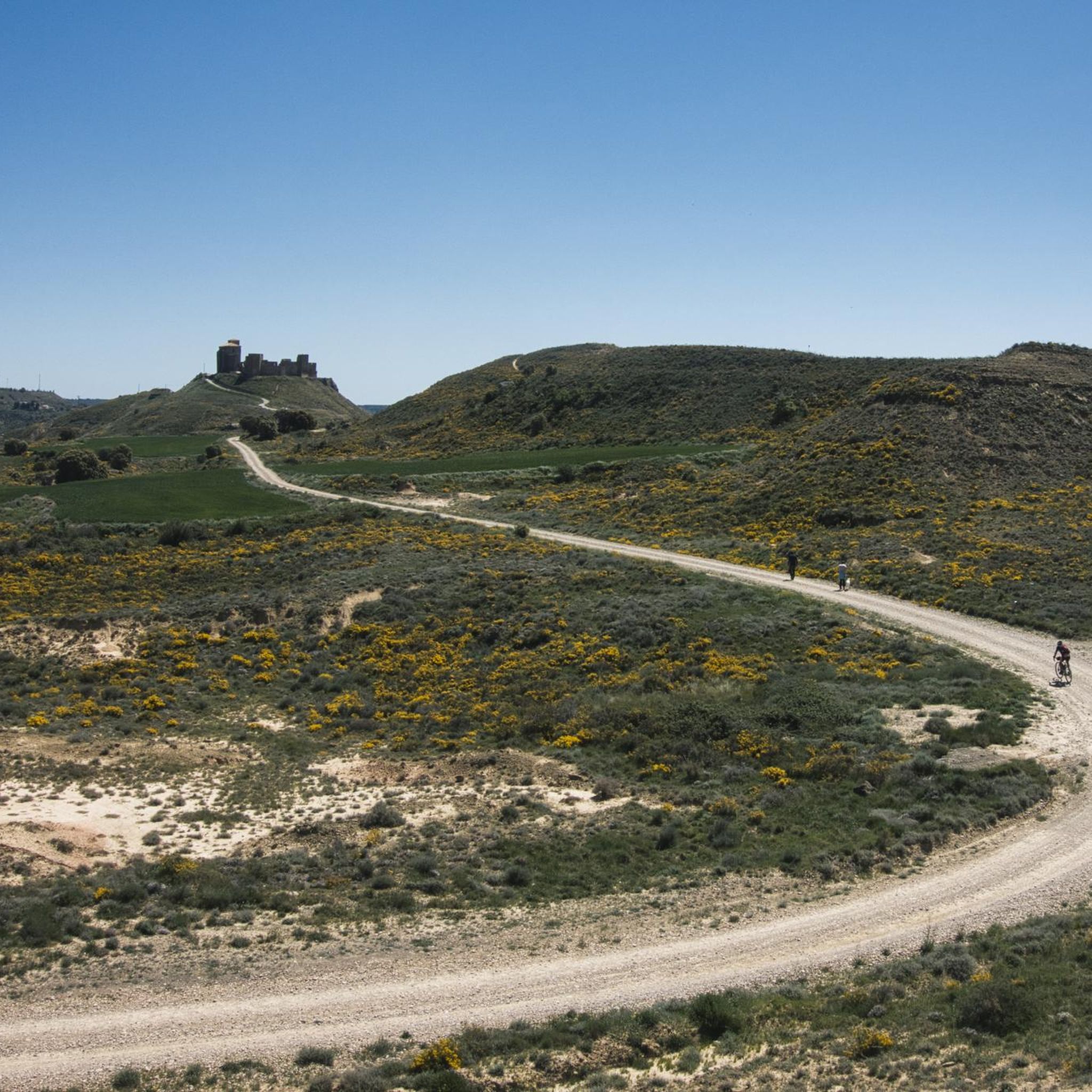
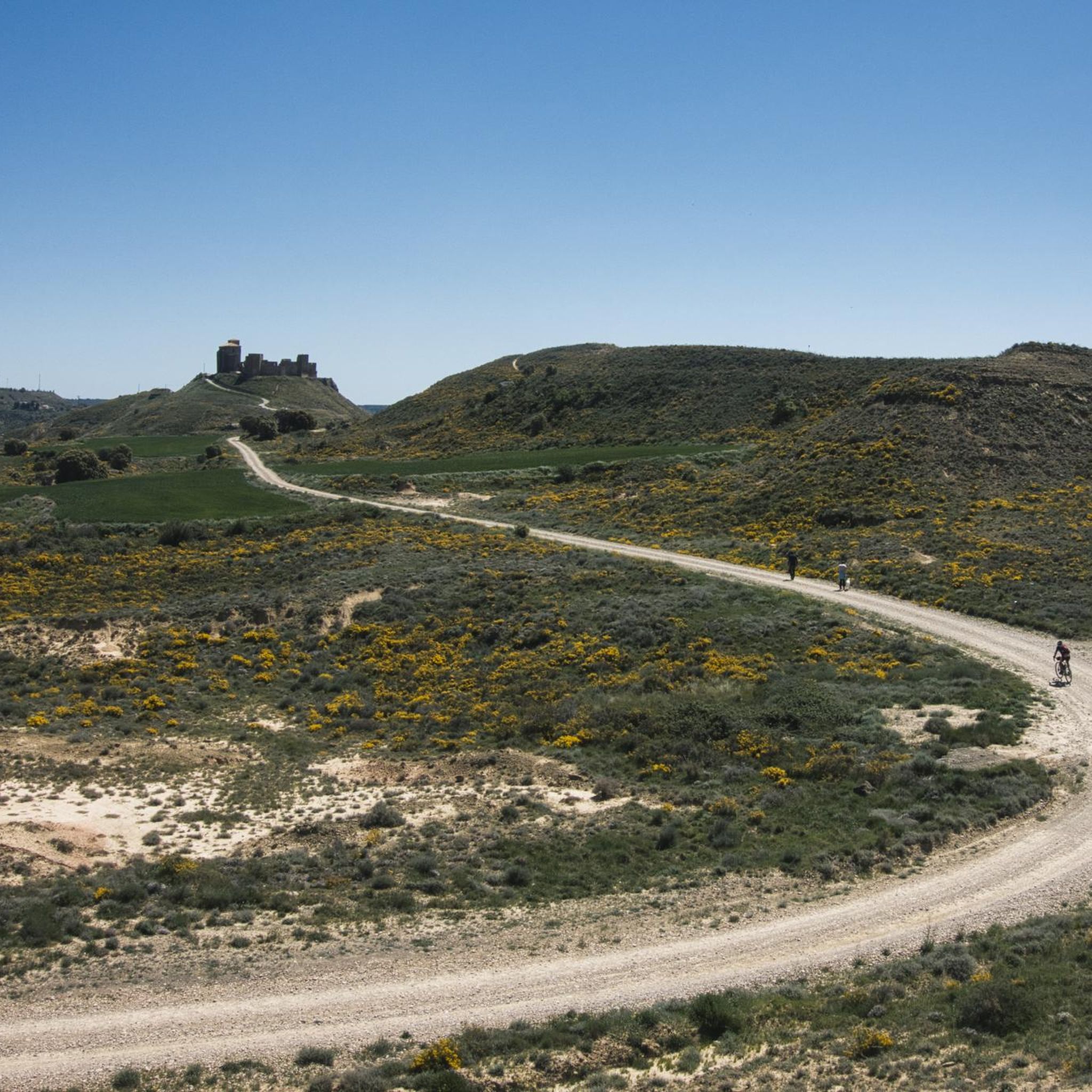
A sturdy 11th-century fortress used to recapture the Muslim city of Huesca in 1096. Sancho Ramírez ordered the construction of the castle-abbey to secure the siege of the city. In 1093 he began building the church and founded a monastery, transferring the community of clerics from Loarre. The Abbey of Montearagón exercised great power throughout the Middle Ages and modern times and had a very wide sphere of influence. The walled complex is hexagonal and irregular, and the church is attached to it, forming part of the wall. The splendor of this castle-abbey can still be seen in Huesca today, notably the high altarpiece in the Diocesan Museum and the tomb of King Alfonso I the Fighter in the cloister of San Pedro el Viejo. Visits: Guided tours of the castle by prior reservation at 622 573 497 (WhatsApp or by phone) - or via the website https://www.facebook.com/CastillodeMontearagon There you can also find videos and photos of the interior.
4
0

Really beautiful castle in the middle of a semi arid landscape with perfect gravel roads. Surprisingly empty!
1
0

Founded and built by Sancho Ramírez of Aragón in Romanesque style in the 11th and 12th centuries, Montearagón Castle was a fortified complex that included military housing, a church and a royal monastery. It is located on a strategic promontory in the Huesca town of Quicena, in the Hoya de Huesca region, Aragon. Although its military function ended with the taking of Huesca and the end of the Spanish-Arab wars, it continued to house the canonical abbey under the name of the Abbey of Jesús de Nazaret de Montearagón. Several Aragonese kings were buried in the castle in addition to its founder, Sancho Ramírez of Aragón.
2
0

Montearagón Castle is an abandoned castle-abbey located in the municipality of Quicena, in the province of Huesca. It was strategically built in 1085 by Sanç I of Aragon and Pamplona to help in the conquest of Washka (Husca) in the Taifa of Zaragoza.
1
0
Path parallel to the Río Isuela that winds along the bed of the same river until reaching the capital of Huesca. This path, between waters, reaches the Fuentes de Marcelo, near the town of Chimillas.
1
0

This square is also popularly known as the market square.
1
0
Huesca is one of the oldest important cities on the Peninsula, being a main nucleus in pre-Roman Iberian times. Later in time, when it came under Arab rule, the caliphate of Córdoba around 874 gave the powerful governor of "Waska" Amrus-ibn-Umar the order to wall the city to protect it from the threatening incursions of the troops of Charlemagne. When the city was taken by Pedro I, the Islamic population was expelled to the Moors south of the walls, outside the walls.
1
0
Frequently Asked Questions
How many hiking trails are available around Quicena?
There are over 90 hiking routes in the Quicena area, offering a wide range of options for different skill levels and preferences. Many of these trails explore the gently undulating landscape, historical landmarks, and natural spaces, often connecting to nearby Huesca.
Are there easy hiking trails suitable for beginners or families in Quicena?
Yes, Quicena offers a good selection of easy trails. For instance, the Ermita de Salas loop from Huesca is an easy 4.0 miles (6.4 km) route that takes about 1 hour 38 minutes, leading through open terrain. Another easy option is the Hiking loop from Huesca, which is 6.7 km long.
What kind of natural features and landmarks can I expect to see on hikes around Quicena?
Hiking around Quicena allows you to explore a mix of historical landmarks and natural spaces. You can find paths near water bodies and through open terrain. Notable attractions include the historic Montearagón Castle and the ancient Arab Wall of Huesca. The region also features the Vadiello Dam and Vadiello Reservoir, offering scenic views.
Are there any circular hiking routes in the Quicena area?
Yes, many of the trails around Quicena are circular, making them convenient for day trips. A popular moderate circular route is Alberca de Cortés – circular from Huesca, which is 8.0 miles (12.8 km) long. Another option is the Arab Wall of Huesca – Marcelo Springs loop from Huesca, a moderate 4.8 miles (7.7 km) path.
What do other hikers enjoy most about the trails in Quicena?
The hiking routes in Quicena are highly rated by the komoot community, with an average score of 4.4 stars from over 50 reviews. Hikers often praise the varied terrain, which includes historical landmarks, open landscapes, and paths near water features, offering a diverse and engaging experience.
Are the hiking trails around Quicena suitable for dogs?
While specific regulations for dogs on every trail are not provided, generally, trails in open and natural areas like those around Quicena are dog-friendly. It is always recommended to keep dogs on a leash, especially near wildlife or livestock, and to carry water for them. Please check local signage for any specific restrictions.
What is the best time of year to go hiking in Quicena?
The region around Quicena, being in Aragon, Spain, generally experiences hot summers and mild winters. Spring (April-May) and autumn (September-October) are often ideal for hiking, offering pleasant temperatures and comfortable conditions. Winter hiking is also possible on many trails, but always check weather conditions.
Are there longer or more challenging hikes available near Quicena?
Yes, for those seeking a more challenging experience, there are difficult routes available. An example is the Huesca Cathedral – Montearagón Castle loop from Huesca, a demanding 13.4 miles (21.5 km) trail with significant elevation gain, offering a full day's adventure.
How long do the hiking trails around Quicena typically take to complete?
The duration of hikes around Quicena varies significantly depending on the route's length and difficulty. Easy trails like the Ermita de Salas loop can be completed in about 1 hour 38 minutes. Moderate routes, such as the Alberca de Cortés – circular from Huesca, typically take around 3 hours 20 minutes. Longer, more difficult trails can extend to 6 hours or more.
Is public transport available to access hiking trailheads near Quicena?
Quicena is located very close to Huesca, a larger city with public transport connections. Many trails either start directly from Huesca or are easily accessible from there. While specific bus routes to individual trailheads might be limited, reaching Huesca by bus or train and then starting a hike from the city's outskirts is a common approach.
Are there any point-to-point hiking options around Quicena?
While many popular routes are circular, the extensive network of trails connecting Quicena with Huesca and other surrounding areas does allow for point-to-point hikes. These often require planning for transport at the end point. You can use komoot's route planner to create custom point-to-point routes based on your preferences.
What should I wear for hiking in Quicena during the summer months?
During summer, Quicena can experience high temperatures. It's advisable to wear lightweight, breathable clothing, a wide-brimmed hat, and sunglasses. Sunscreen is essential. Carry plenty of water to stay hydrated, and consider starting your hikes early in the morning to avoid the midday heat.
Most popular attractions around Quicena

Get inspired with the komoot mobile app


Explore more
Browse the best Hikes in other regions.
