Attractions and Places To See around Teguise - Top 20
Best attractions and places to see around Teguise offer a blend of historic charm and unique volcanic landscapes. As the former capital of Lanzarote, Teguise features well-preserved colonial architecture and cultural sites. The area is characterized by its volcanic terrain, providing opportunities to explore craters and natural formations. Visitors can discover a variety of landmarks, natural features, and cultural experiences.
Best attractions and places to see around Teguise
- The most popular attractions is Caldera Blanca, a volcano that offers…
Last updated: August 16, 2026
Caldera Blanca
Highlight • Volcano
Translated by Google •
Tip by

La Caldereta Crater
Highlight • Volcano
Translated by Google •
Tip by
Sign up now to discover places like this
Get recommendations on the best single tracks, peaks, & plenty of other exciting outdoor places.
Sign up for free
Islet and Caldera Blanca Trail
Highlight (Segment) • Volcano
Translated by Google •
Tip by
Timanfaya National Park
Highlight • Volcano
Translated by Google •
Tip by

Timanfaya National Park Entrance
Highlight • Volcano
Translated by Google •
Tip by

Sign up for free to discover even more attractions around Teguise.
Sign up for free
Already have an account?
Start today with a free account
Your next adventure awaits.
Login or Signup
Popular around Teguise
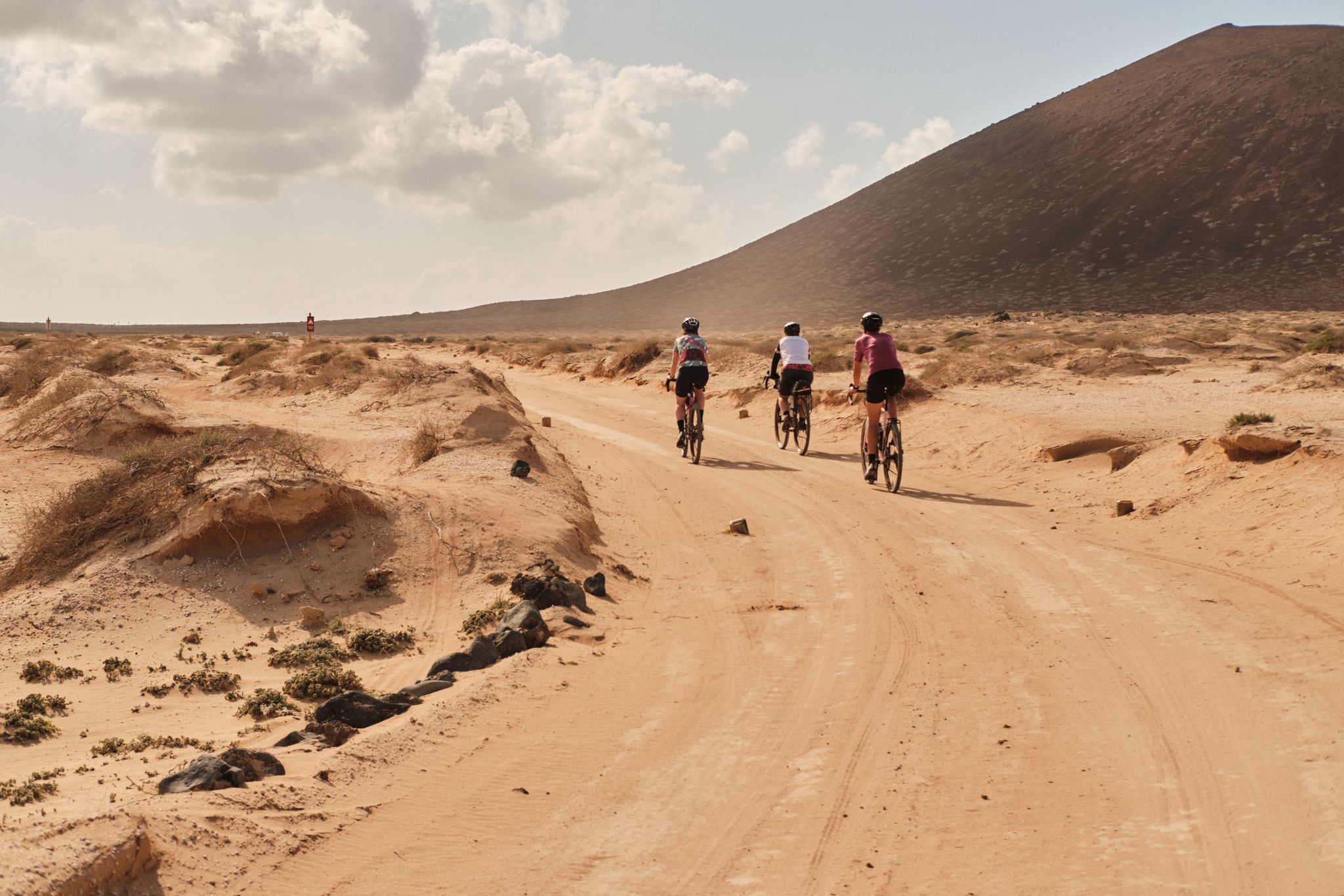
GranGuanche gravel – Komoot women's rally 2023
GranGuanche Audax Trail – my first ultra race on the Canary Islands
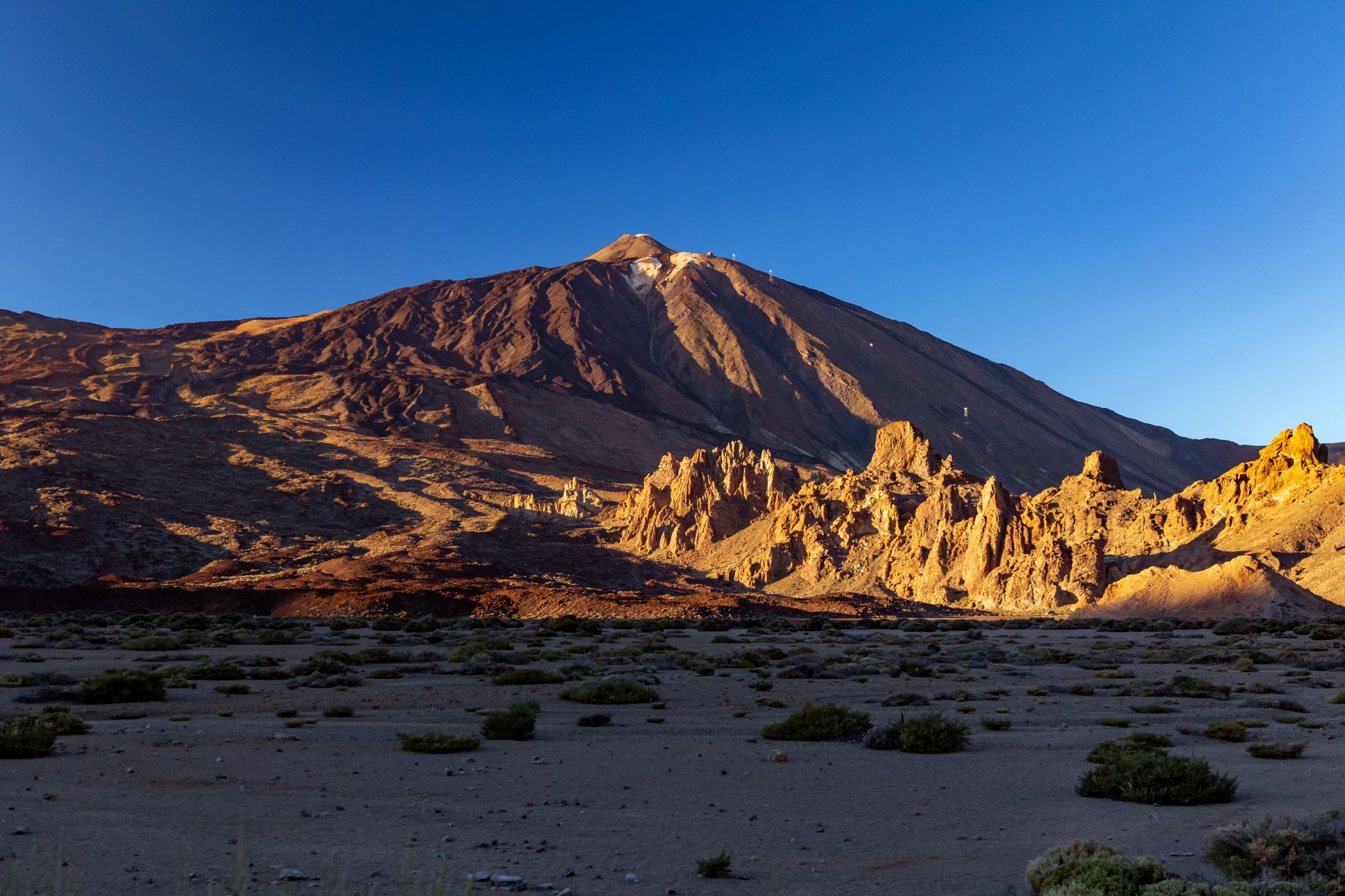
Six fascinating ways to discover the Canary Islands on foot
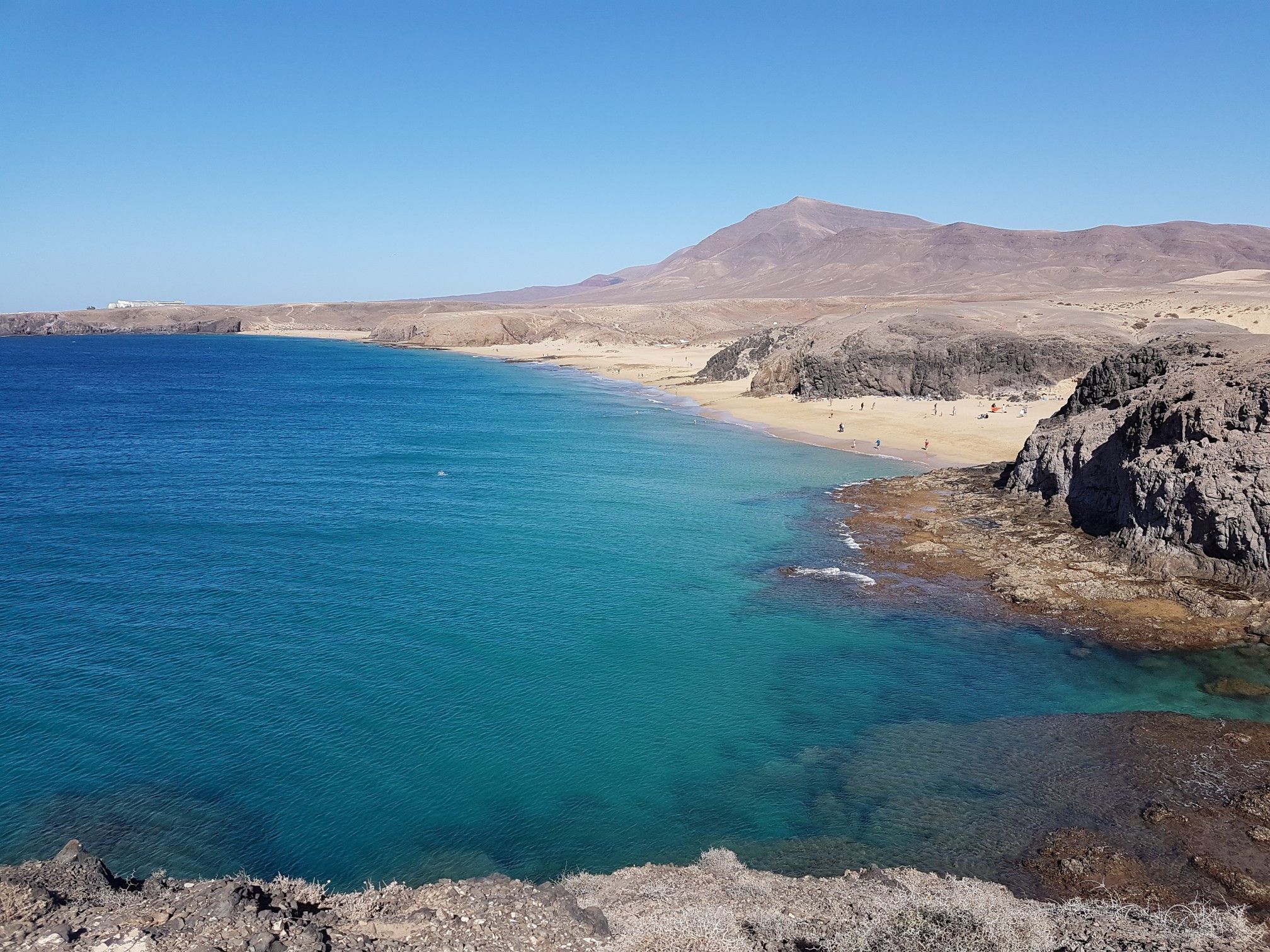
Volcanic and coastal hikes in Lanzarote
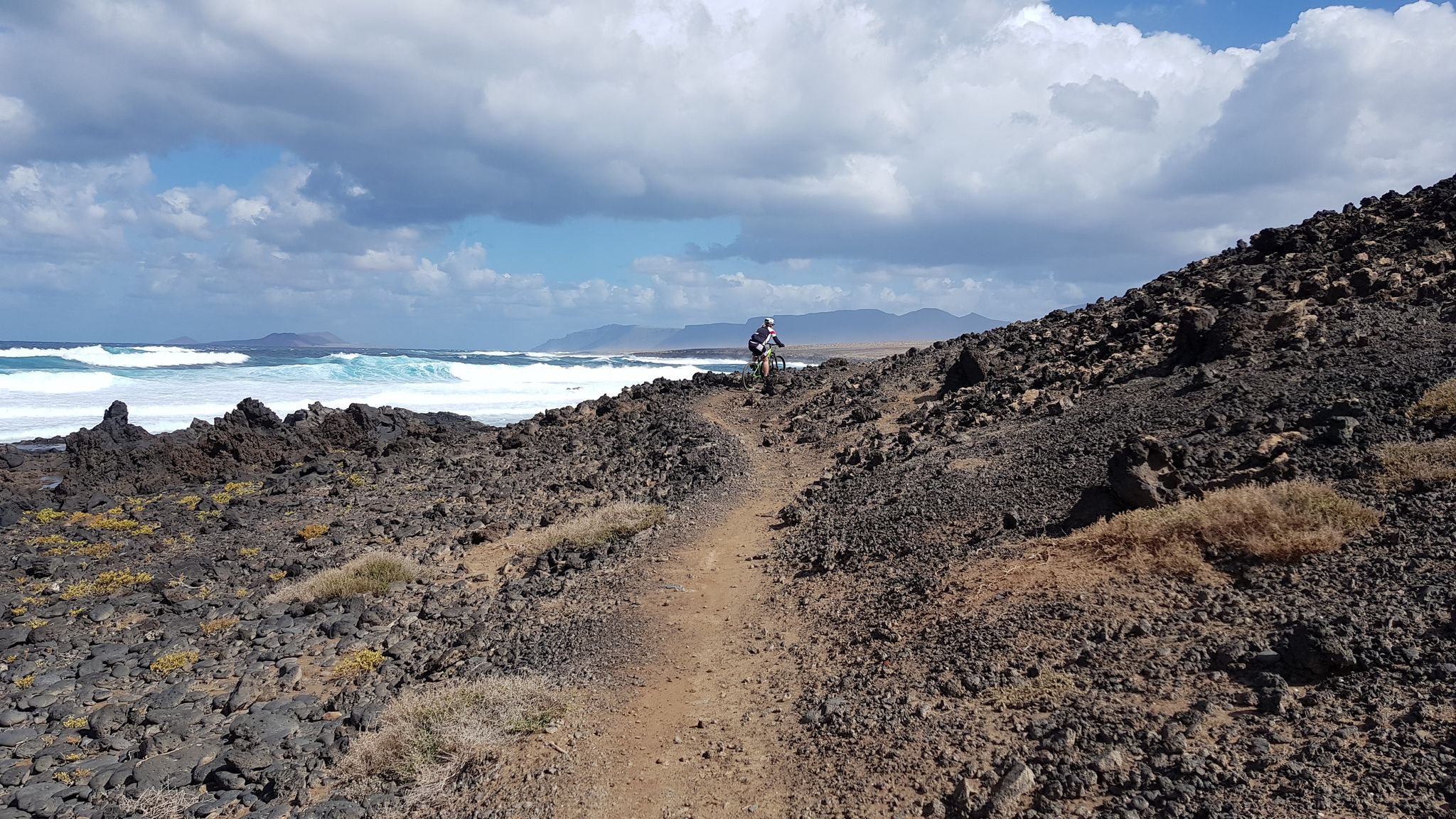
MTB on the island of volcanoes – Pedales de Lava
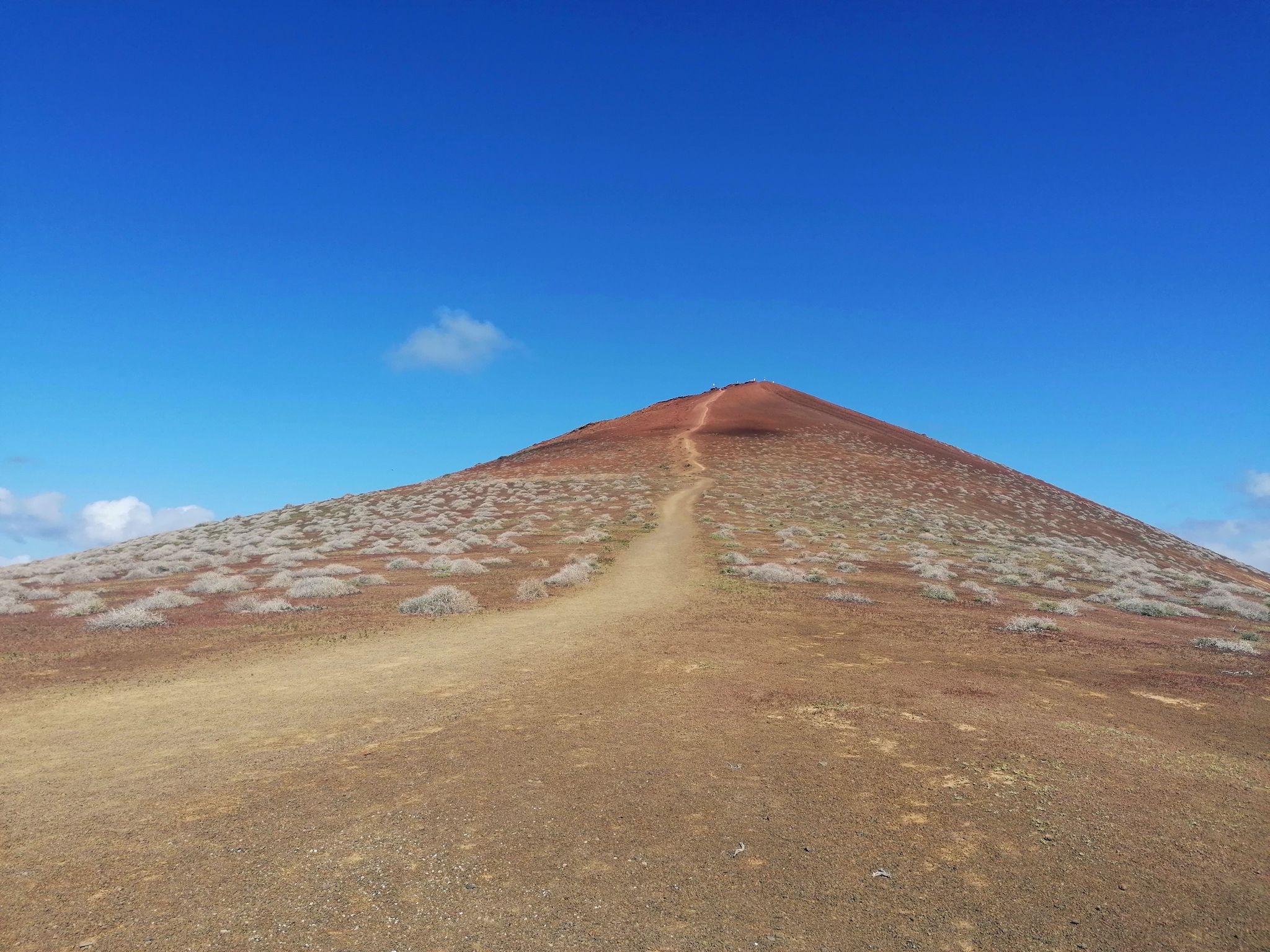
Adventures on the eighth island – hiking in La Graciosa
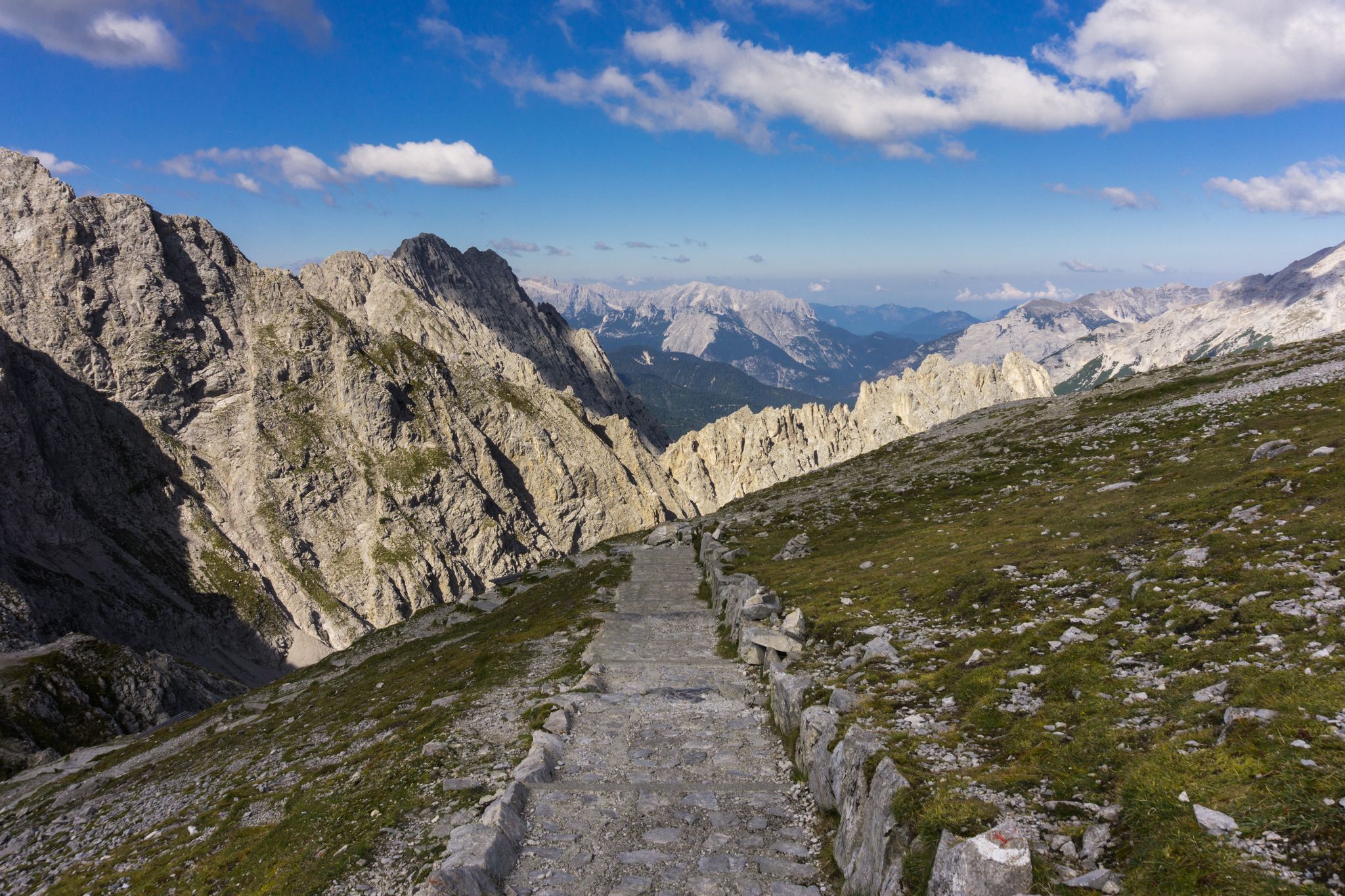
Las Cumbres Reinas de España — Spanish mountain trail races
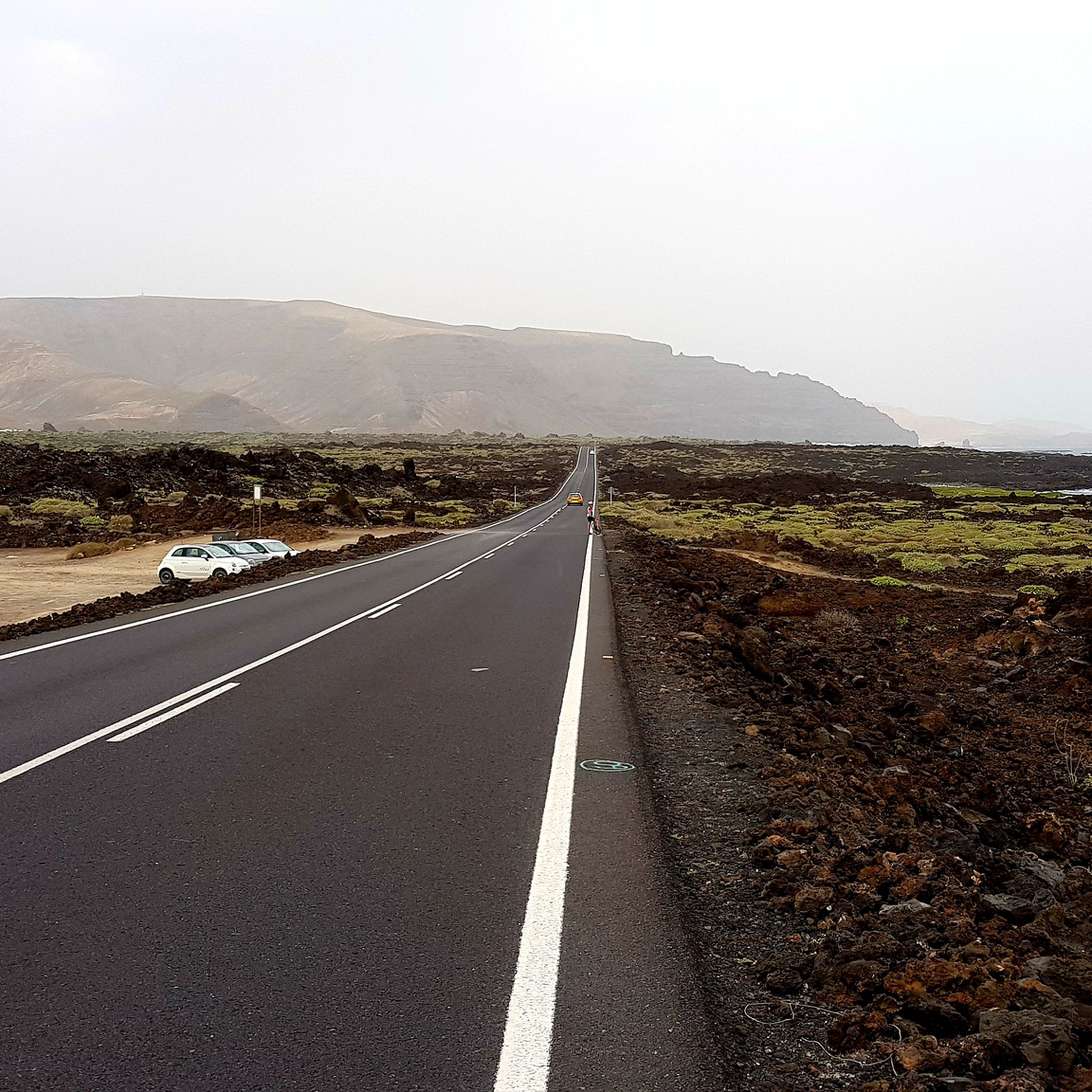
Road Cycling Routes around Teguise
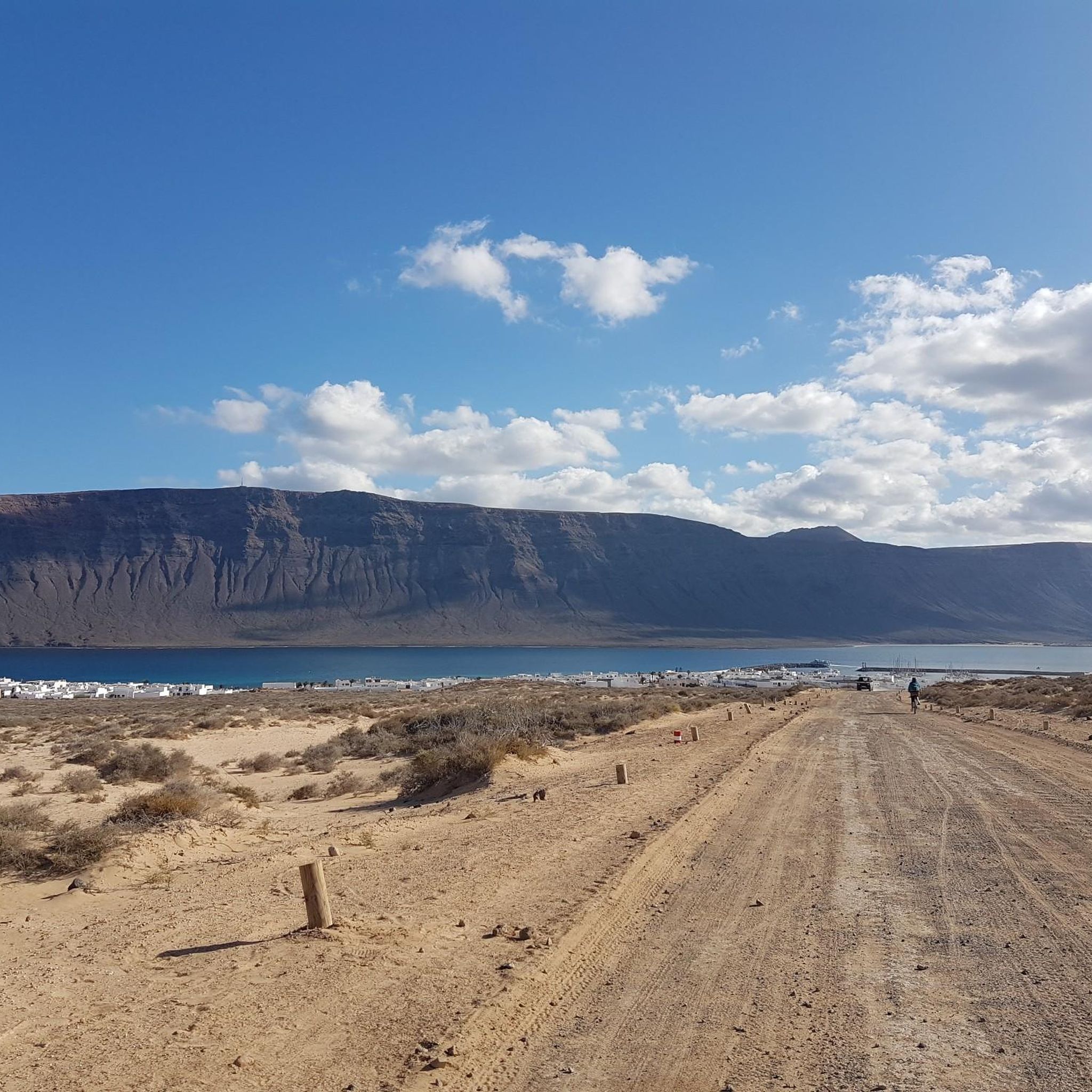
Hiking around Teguise
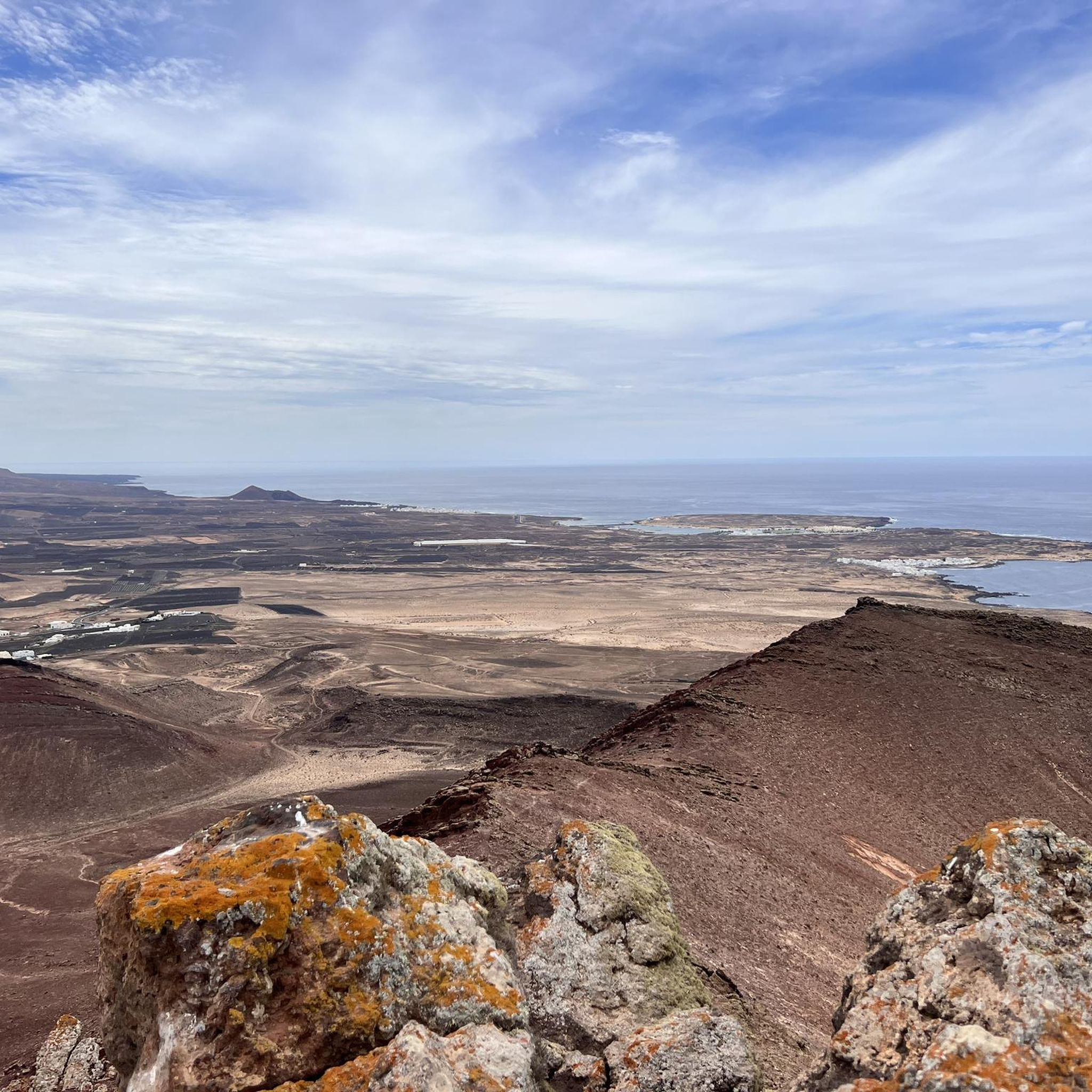
Cycling around Teguise
Other adventures around Teguise


Tips from the Community


Such a crater is impressive and it is worth walking along the top
0
0
Such a crater is impressive and it is worth walking along the top
0
0


The volcanic crater of the smaller subsidiary volcano of the Caldera Blanca is also worth seeing
1
0

A special place, with impressive views and a curious history of geological formation in which two volcanic episodes are mixed. You can skirt the entire caldera, although the last section is a little more exposed and you can avoid it by going down to the path again. By the way, the caldera is more than a kilometer in diameter!
6
1
It is easy to understand the traditional name of this path when you see yourself surrounded by a sea of black lava and your destination is two literal islets. An almost lunar experience in which life is present in the form of centuries-old lichens that sprout on the stones despite the harsh conditions. The path is simple, but it is necessary to wear appropriate footwear and be protected from the sun and carry water, and it is advisable to go early in any case.
6
0
This is the first volcanic cone you encounter on the route. Its highest part is 325 meters above sea level and its caldera measures 300 meters in diameter. Its shape is somewhat oval and has an opening, which facilitates access to the bottom of the crater. For this reason, agriculture and livestock farming was practiced inside until the mid-20th century, since the craters accumulate more water and result in more fertile land than the outside.
8
1
Frequently Asked Questions
What natural volcanic features can I explore around Teguise?
The area around Teguise is rich in volcanic landscapes. You can explore impressive craters like Caldera Blanca, which offers panoramic views and a unique geological history. Another notable spot is La Caldereta Crater, an oval-shaped volcanic cone where agriculture was once practiced inside. Don't miss the Caldera of the Crows, the first cone formed during the Timanfaya eruption, which allows you to walk inside its crater. The nearby Timanfaya National Park also offers stunning volcanic scenery.
What historical sites and landmarks can I visit in Teguise?
Teguise, as the former capital of Lanzarote, boasts a rich history. You can wander through the charming Teguise Historic Center with its colonial architecture. Key landmarks include the 15th-century Castillo de Santa Bárbara, offering panoramic island views and housing a piracy museum, and the beautiful Iglesia de Nuestra Señora de Guadalupe. The Palacio Spínola, an 18th-century manor, now hosts the Timple Museum, dedicated to a traditional Canarian instrument. The Convento de San Francisco, Lanzarote's first convent, now houses the Museum of Religious Art.
Are there any family-friendly attractions or activities near Teguise?
Yes, several attractions around Teguise are suitable for families. The Caldera of the Crows is considered family-friendly, offering an accessible path to walk inside a volcanic crater. The Jardín de Cactus, a unique garden featuring thousands of cactus species, is also a fascinating and educational visit for all ages. Exploring the Teguise Market on Sundays provides a vibrant cultural experience with local crafts and food that families can enjoy together.
What kind of outdoor activities, like cycling, are available around Teguise?
The Teguise area is excellent for various cycling activities. You can find numerous routes for touring bicycles, gravel biking, and road cycling. For touring, explore options like the 'North Route' or loops from Costa Teguise. Gravel biking offers challenging routes such as the 'Famara Cove Beach – Historic Center of Teguise loop'. Road cyclists can tackle longer rides like the 'Órzola Coastal Road – Descent to Haría loop'. For detailed routes and difficulty levels, check the Cycling around Teguise, Gravel biking around Teguise, and Road Cycling Routes around Teguise guides.
Where can I find unique cultural experiences or markets in Teguise?
For a vibrant cultural experience, visit the Teguise Market (Mercadillo de Teguise) every Sunday morning. The historic quarter transforms into one of the most popular markets in the Canary Islands, offering handicrafts, local produce, souvenirs, and food. You can also explore the Timple Museum within the Palacio Spínola to learn about the traditional Canarian string instrument, or visit the Convento Santo Domingo, which now serves as an exhibition hall and cultural center.
Are there any notable beaches near Teguise?
Yes, Famara Beach, located north of Teguise, is a significant natural attraction. This large beach of golden sand stretches to the cliffs of El Risco and is renowned for its waves, making it a popular spot for surfing. It's also considered one of the best places to watch the sunset. The charming fishing village of Caleta de Famara is situated at one end of the beach.
What are some unique viewpoints or scenic spots around Teguise?
Many of the volcanic features double as excellent viewpoints. The Castillo de Santa Bárbara, perched on Guanapay volcano, offers panoramic views of Teguise and a large portion of the island. The rim of Caldera Blanca provides sensational views into its vast crater. Additionally, the La Caldereta Crater offers unique color contrasts of the lava fields from its highest point.
What is the Jardín de Cactus and why is it worth visiting?
The Jardín de Cactus is one of César Manrique's last major artistic interventions, a unique garden featuring approximately 4,500 cactus plants from 450 different species collected from around the world. It's worth visiting for its striking combination of art and nature, set within an old quarry. The garden also incorporates some of the last remaining Canarian windmills, and the surrounding area showcases fields of cochineal-producing cactus, adding to its distinct character.
What do visitors enjoy most about the attractions around Teguise?
Visitors frequently highlight the impressive views and unique geological history of the volcanic craters, often describing the experience as 'sensational' and 'almost lunar.' The variety of color gradations in the lava fields and the opportunity to walk inside a volcano, such as the Caldera of the Crows, are particularly appreciated. Many also enjoy the well-preserved historic center and the vibrant atmosphere of the Sunday market.
Can I visit the César Manrique Foundation or the La Geria Wine Region from Teguise?
Yes, both the César Manrique Foundation and the La Geria Wine Region are easily accessible from Teguise. The César Manrique Foundation, located nearby, was the artist's former residence and is an original museum blending architecture with the volcanic landscape. The La Geria Wine Region, a short drive away, offers a unique opportunity to see vineyards growing in black volcanic ash and to enjoy tastings of the island's Malvasía wine at local bodegas.
What is the significance of the Castillo de Santa Bárbara?
The Castillo de Santa Bárbara is a historic 15th-century fortress perched atop the Guanapay volcano. It originally served as a crucial lookout point and refuge during pirate attacks, offering strategic panoramic views of Teguise and a large portion of the island. Today, it houses a museum dedicated to the history of piracy in the Canary Islands, making it a significant historical and cultural site.
Are there any attractions that showcase traditional Canarian architecture?
Teguise's historic center itself is a prime example of traditional Canarian architecture, with its well-preserved colonial buildings and white-walled houses. The Palacio Spínola, an 18th-century manor, is an outstanding example of this style. Additionally, Casa Francisco Torres, an 18th-century residence, showcases typical lime walls, dark stones, carved wooden shutters, and a beautiful wooden door, offering a glimpse into the region's architectural heritage.
Most popular routes around Teguise
Most popular attractions around Teguise

Get inspired with the komoot mobile app


Explore more
Still not found the Highlight you’re looking for? See guides of the top attractions in other regions:
