The best walks and hikes around Épernay
4.4
(1227)
6,584
hikers
501
hikes
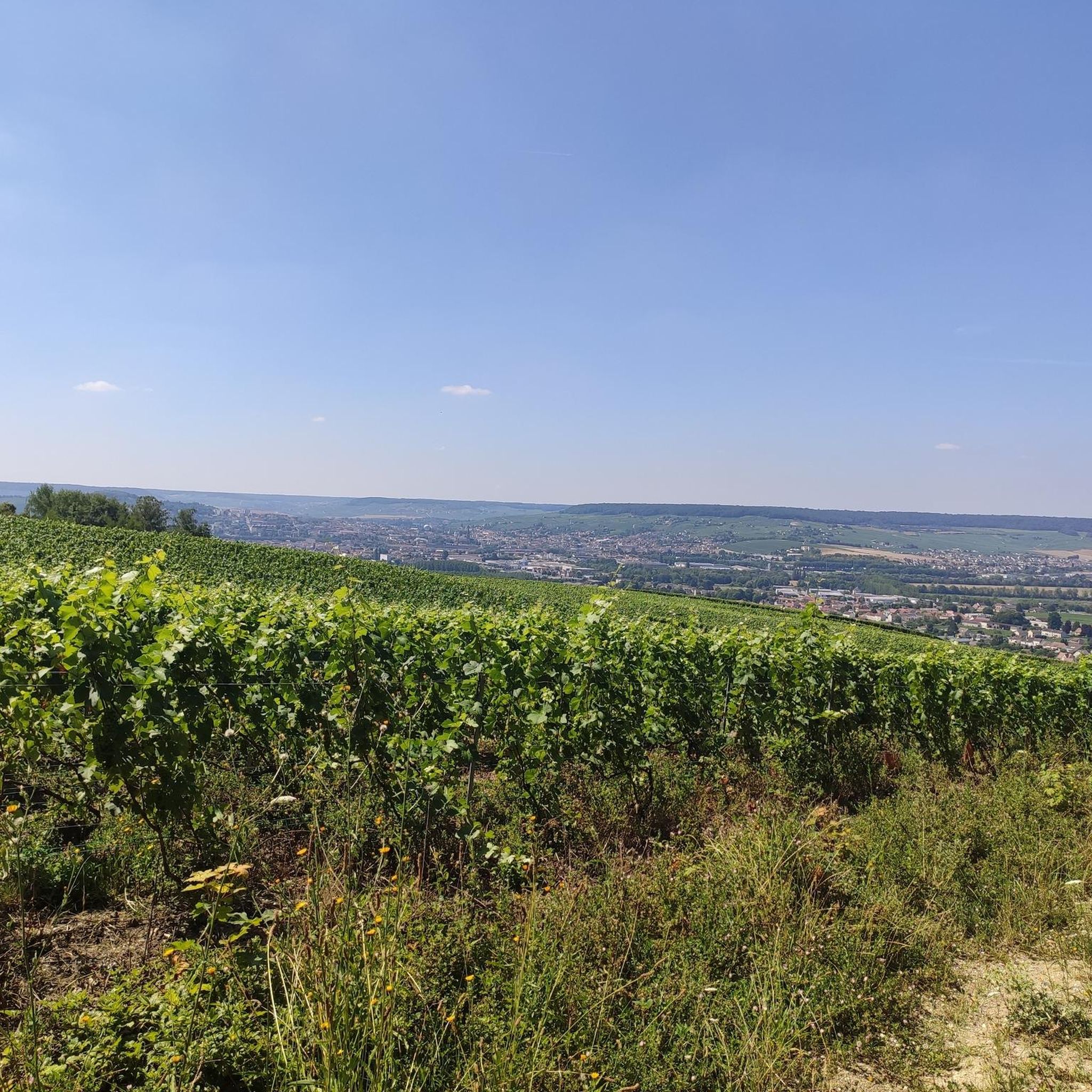
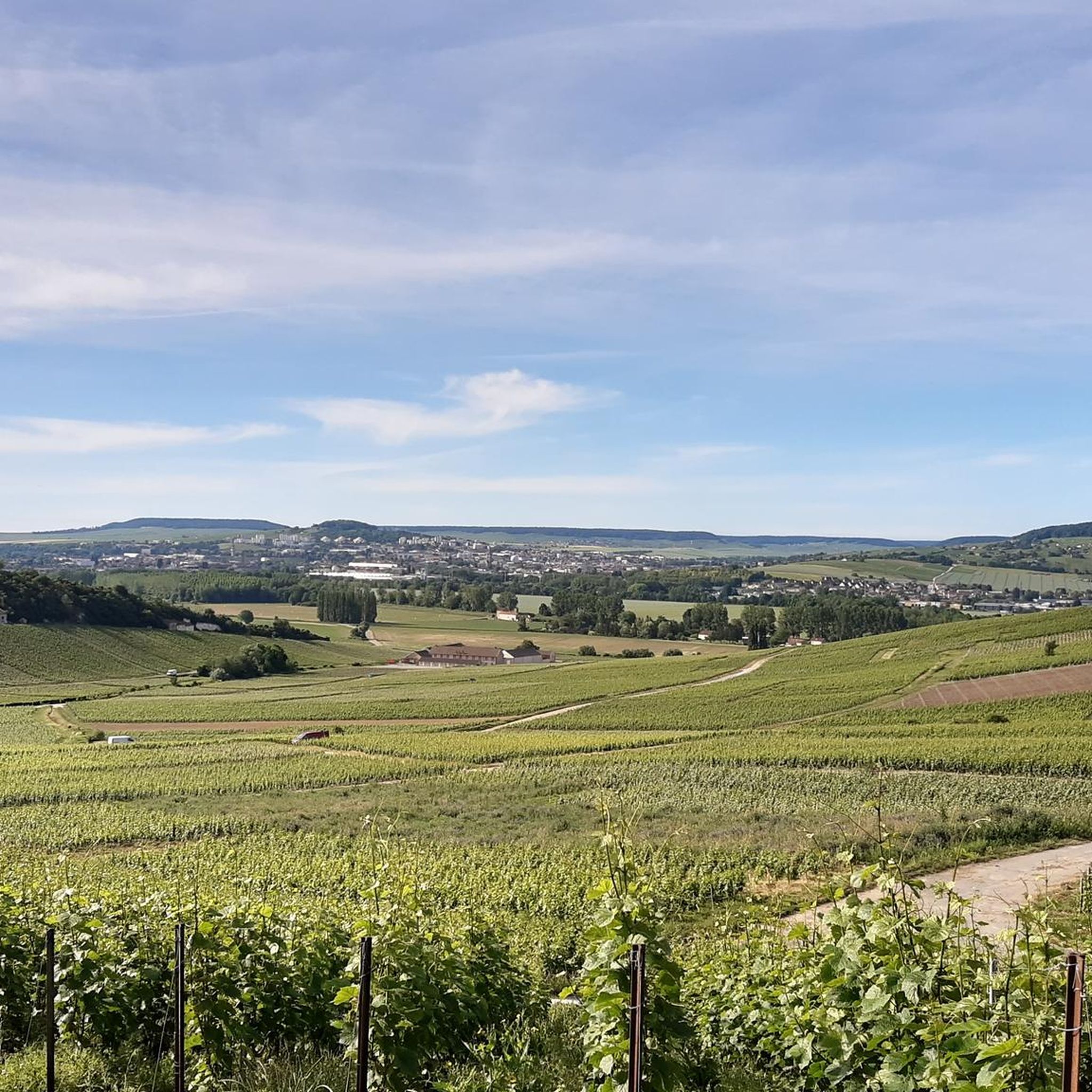
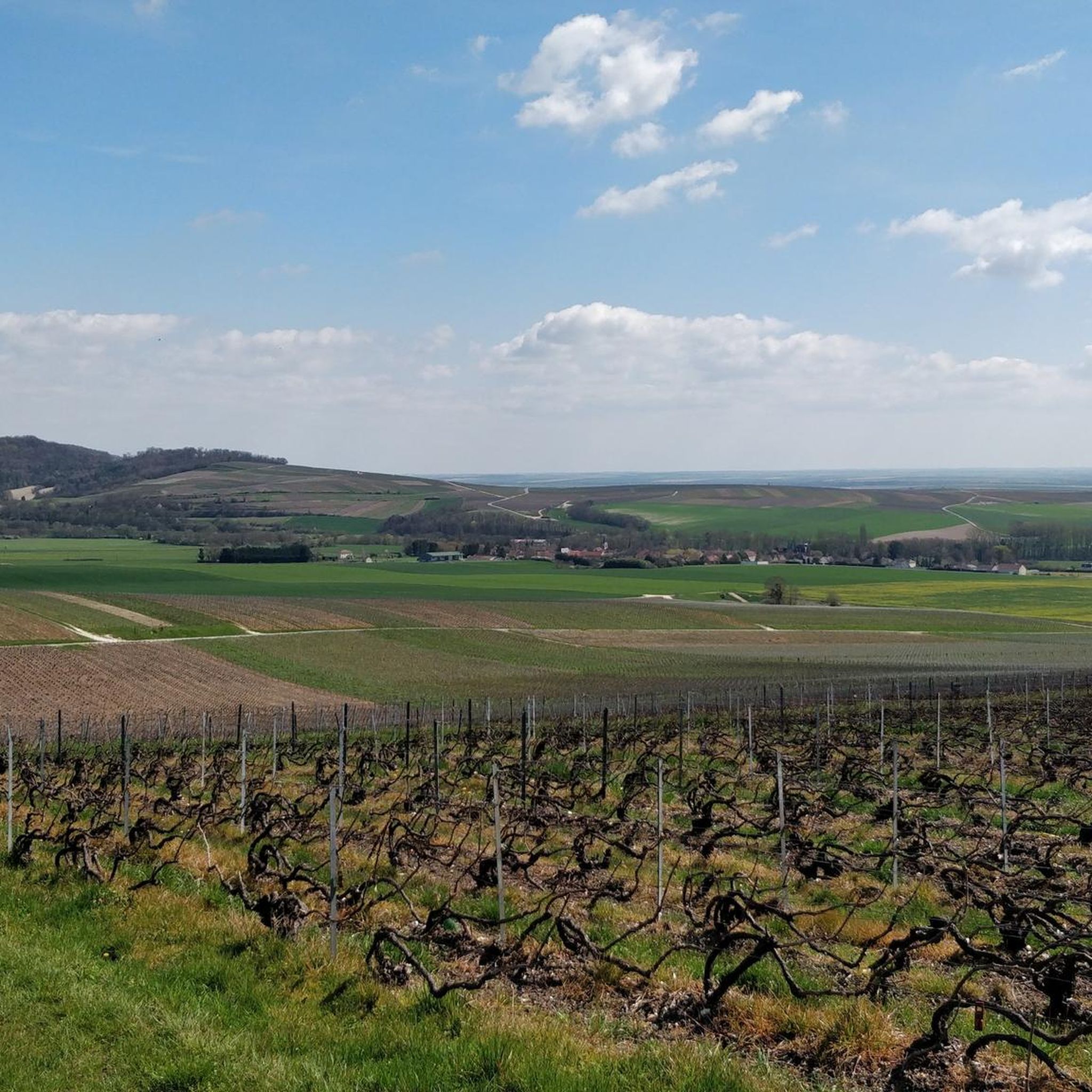
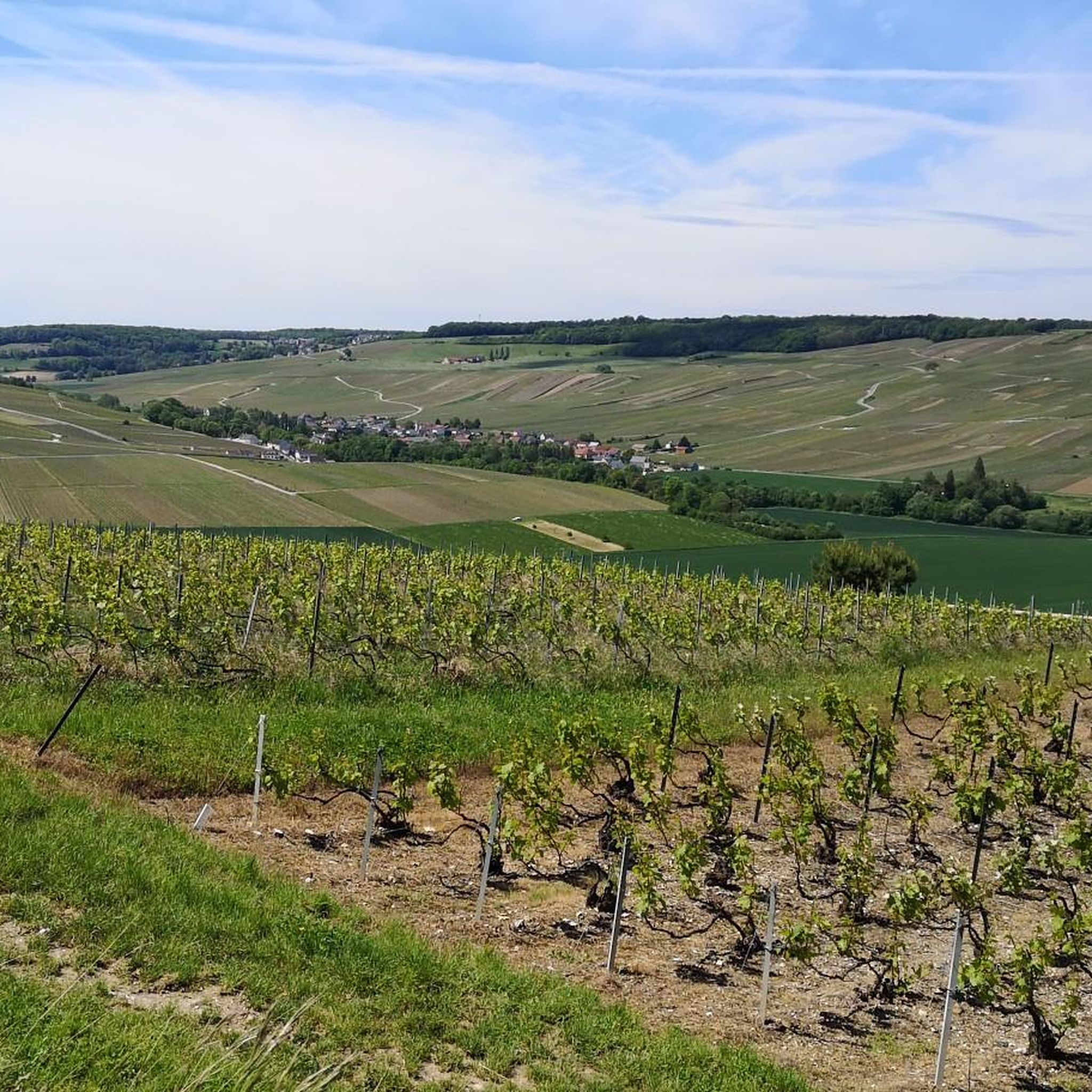
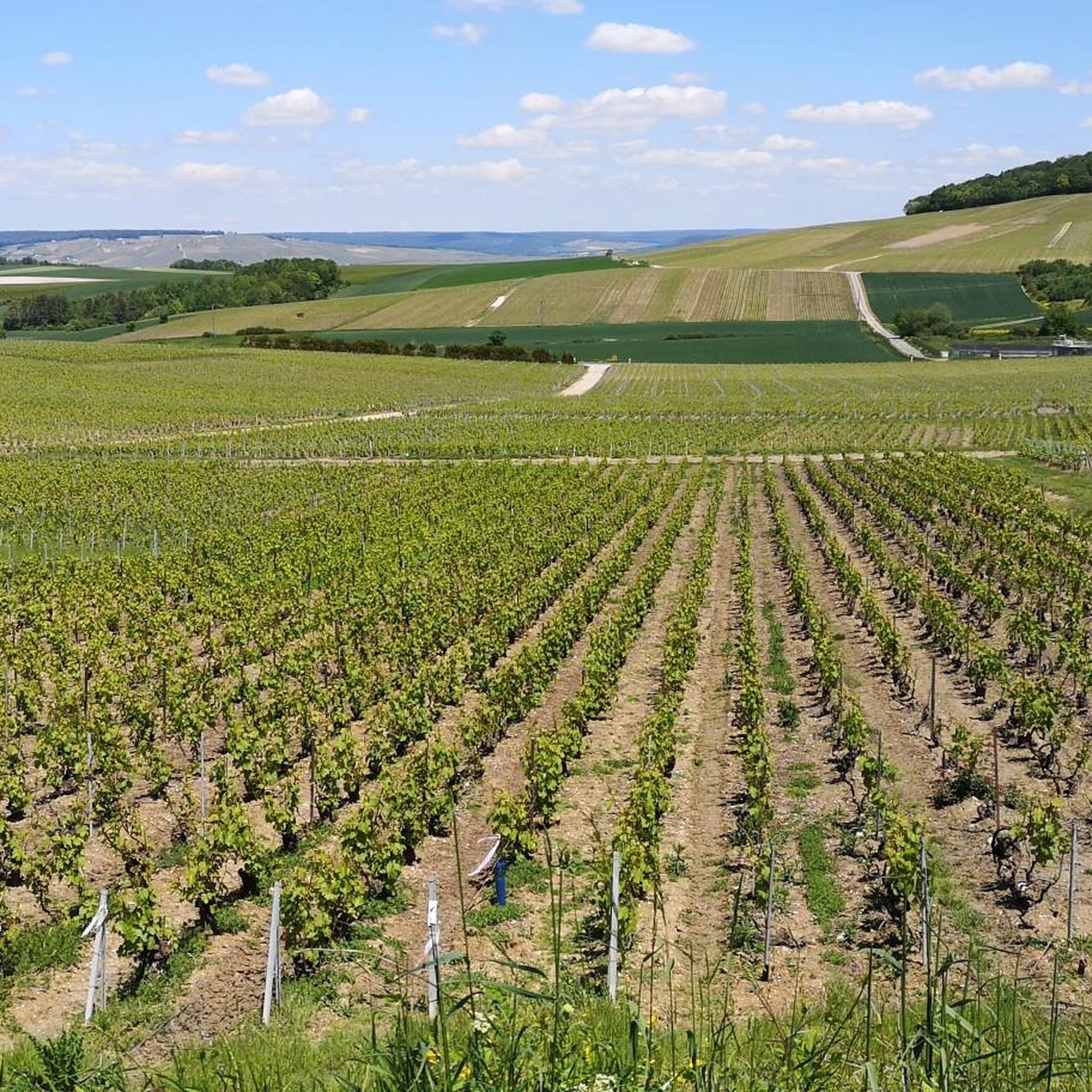
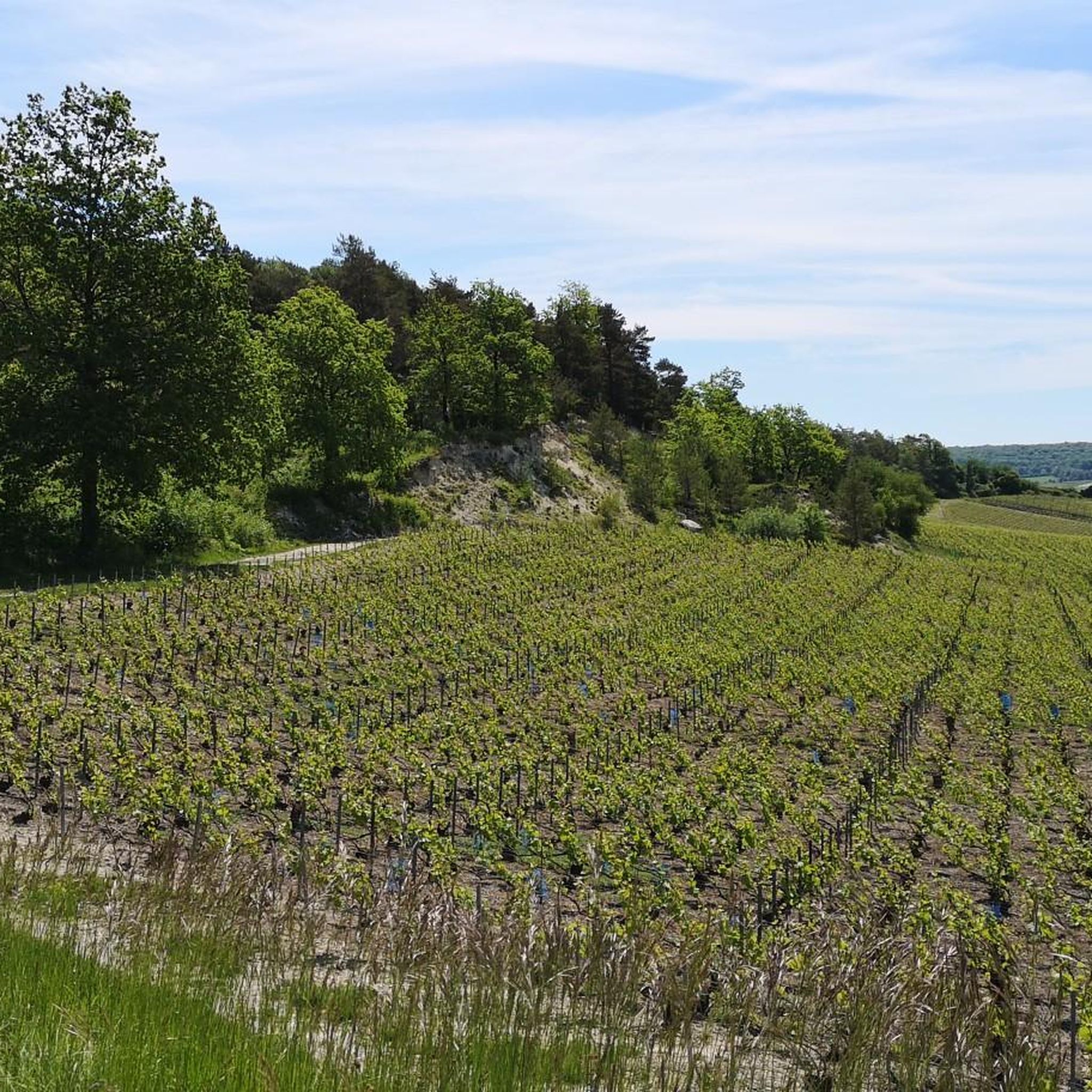
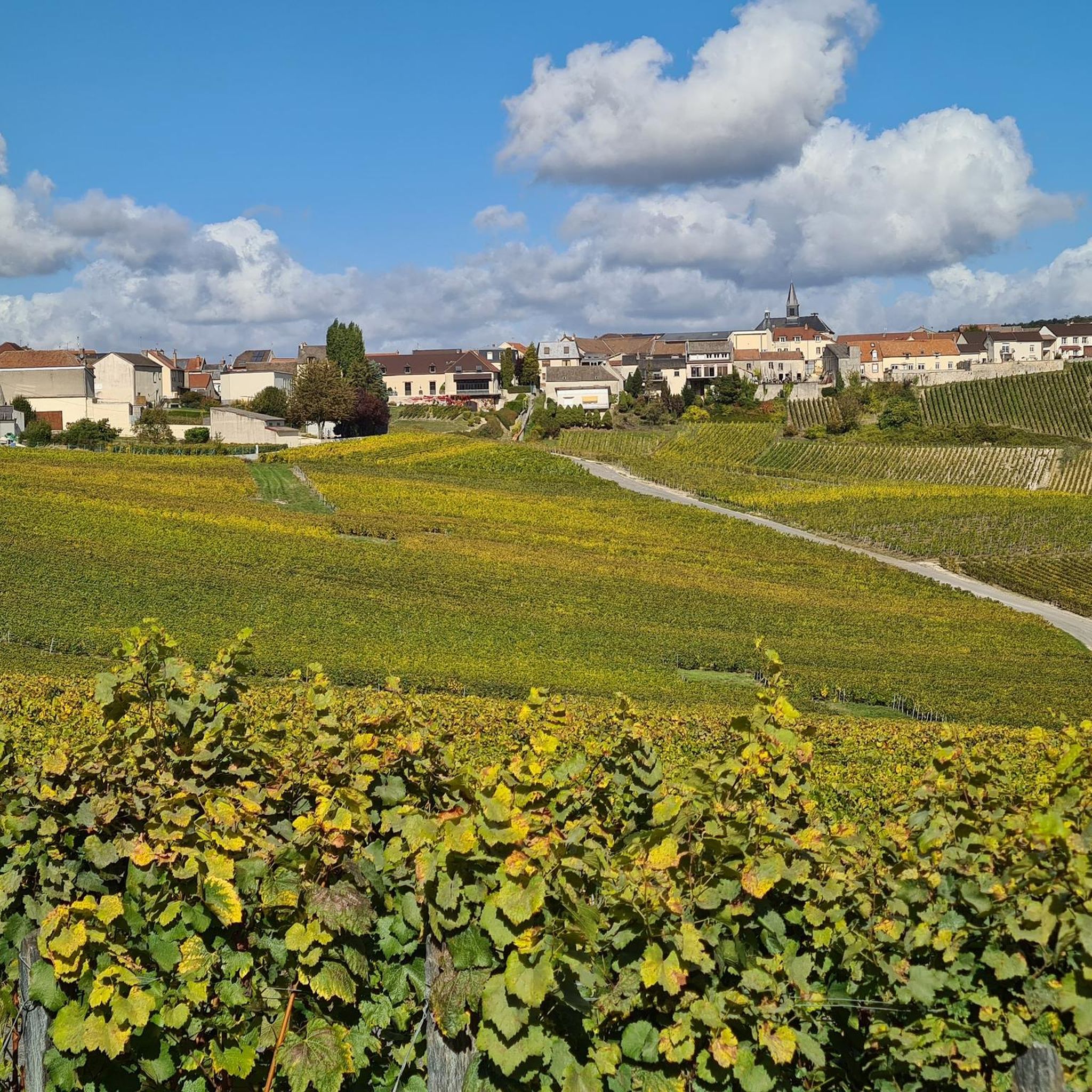
Hiking around Épernay offers diverse terrain characterized by extensive vineyards, river valleys, and dense forests. The region features rolling hills, particularly within the Montagne de Reims Regional Natural Park, and the Marne River shapes a landscape with gentle paths. Elevations like Mont Bernon provide panoramic views over the Champagne countryside. The area's geology includes chalk ridges, especially in the Côte des Blancs, contributing to varied hiking experiences.
Best hiking trails in Épernay
- The most popular hiking route is Ay Loop through Forests and Vineyards, a 7.1 miles (11.5 km) trail that takes 3 hours 14 minutes to complete. This moderate route traverses both forested areas and vineyard landscapes.
- Another top favourite among local hikers is Bubbles and Sketches Trail, an easy 4.0 miles (6.4 km) path. This trail leads through the Montagne de Reims Regional Natural Park, combining vineyards and forest sections.
- Local hikers also love the Circuit de Rinsillons — Parc naturel régional de la Montagne de Reims, a 2.9 miles (4.6 km) trail leading through the Montagne de Reims Regional Natural Park, often completed in about 1 hour 18 minutes.
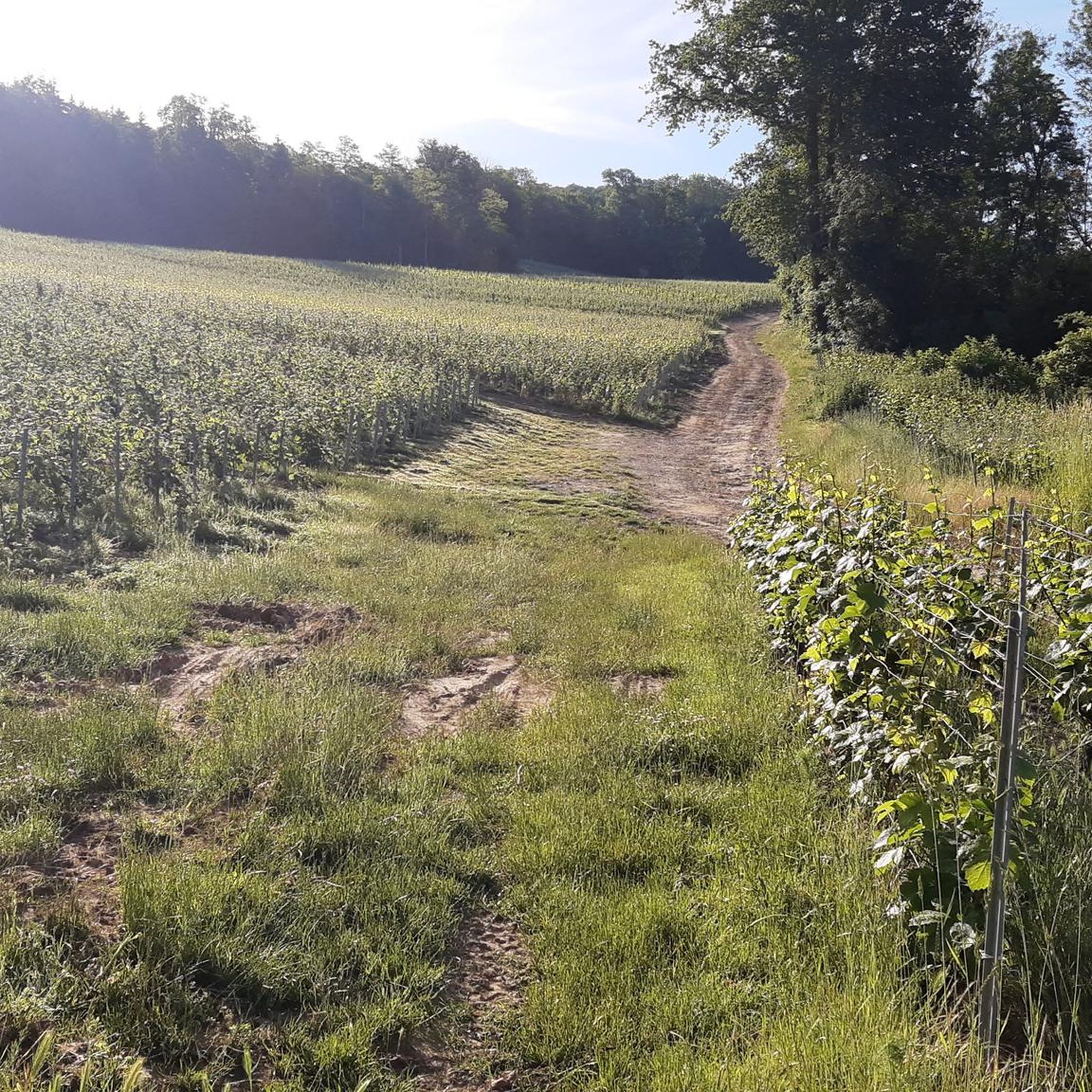
- Hiking around Épernay is defined by sprawling vineyards, the Marne River valley, and the forests of the Montagne de Reims. The network offers options for different ability levels, from easy strolls to more challenging treks.
- The routes in Épernay are highly rated by the komoot community with an average score of 4.4 stars from nearly 1,000 reviews. More than 5,000 hikers have used komoot to explore Épernay's varied terrain.
Last updated: August 17, 2026
4.7
(86)
367
hikers
6.37km
01:47
120m
120m
An easy 4.0-mile (6.4 km) hiking trail in Parc naturel régional de la Montagne de Reims, combining vineyards, forest, and art workshops.
4.5
(100)
311
hikers
11.5km
03:14
230m
230m
Hike the moderate 7.1-mile Circuit d'Ay through forests and vineyards in the Montagne de Reims, enjoying views of Ay and Champagne country.

Sign up for free
4.1
(20)
99
hikers
4.59km
01:18
100m
100m
Easy hike. Great for any fitness level. Easily-accessible paths. Suitable for all skill levels.
4.2
(17)
66
hikers
16.8km
04:33
230m
240m
Moderate hike. Good fitness required. Easily-accessible paths. Suitable for all skill levels.
4.9
(8)
48
hikers
22.8km
06:29
510m
510m
Hike the difficult 14.2-mile Between Marne and Champagne Trail through vineyards, charming villages, and historic sites with panoramic views
4.1
(8)
24
hikers
11.2km
03:00
130m
130m
Hike the moderate 7.0-mile Circuit Mussy — Brugny through Champagne vineyards, passing historic churches and châteaux.
4.3
(7)
19
hikers
10.5km
02:50
140m
130m
Moderate hike. Good fitness required. Easily-accessible paths. Suitable for all skill levels.
3.9
(7)
17
hikers
Easy hike. Great for any fitness level. Easily-accessible paths. Suitable for all skill levels.
4.5
(6)
17
hikers
12.5km
03:27
230m
230m
Hike the moderate 7.7-mile Côte des Blancs Loop from Grauves, exploring Champagne vineyards and enjoying views of Avize.
4.5
(4)
13
hikers
18.1km
04:55
260m
260m
Hike a moderate 11.3-mile loop through vineyards and woods from Moussy to Saint-Martin d'Ablois, gaining 845 feet in elevation.
Get access to more routes and recommendations from other explorers.
Sign up for free
Already have an account?
Our route recommendations are based on thousands of hikes, rides, and runs completed by other people on komoot.
Start today with a free account
Your next adventure awaits.
Login or Signup

Other adventures around Épernay


Tips from the Community

Small church on a hill in the middle of vineyards - not to be missed!
0
0

Very nice idea - this pergola.
1
0

Enjoy a relaxing time on the terrace with a glass of bubbles
3
1

Some of the buildings are monumental and an expression of capital - but even the small winemakers have very good champagnes to offer that are in no way inferior to the big houses!
1
0

Possibility of picnicking nearby with a view of the church and the valley
0
0
In 2011[9], the idea for the current Museum of Champagne and Regional Archaeology was born. The project was approved by the French Ministry of Culture in 2014, and in 2016 the renovation work was entrusted to the architectural firm Frenak + Jullien. Work began in 2018, under the supervision of the chief architect of historical monuments Lionel Dubois. Château Perrier has now been restored and contains one of the most important archaeological exhibits in France, with some 80,000 regional artefacts (dating from the Paleolithic to the Early Middle Period) and 4,000 artefacts relating to the history of Champagne wine (since 1960).[10]
4
0
The Château Perrier, at number 13, was built from 1852 to 1857[9] by the architect Pierre-Eugène Cordier, in an eclectic Louis XIII style. In 1854[10], the couple Pierre-Nicolas Perrier, a cork manufacturer, and Adèle Jouët (the founders of the Perrier-Jouët champagne house), who had married in 1811, commissioned the construction of this castle. The four facades are inspired by the architecture of the French Renaissance, to the Parisian image of the Palais du Luxembourg, the Palais des Tuileries or the Lescot of the Louvre. The facades are a play of colours with materials such as brick, natural stone, slate and glass.
4
0
In his day, the fermentation of wine in the bottle, which produces sparkling wine, was a huge problem for winemakers. When colder weather arrived in autumn, the fermentation process would sometimes halt before all the fermenting sugar in the wine had been converted into alcohol. If this wine was bottled at this stage, it literally became a time bomb. When the weather warmed in spring, the remaining yeast would begin to work again, producing carbon dioxide, which would at least force the cork out of the bottle and often cause the bottle to explode, setting off a chain reaction in nearby bottles. This posed a danger to workers and sometimes destroyed an entire year's worth of wine production.[citation needed] Dom Pérignon sought to prevent this imperfect fermentation and introduced several improvements that are still in use in the Champagne region today, such as the extensive blending of wines from different winemakers.
4
0
Frequently Asked Questions
How many hiking trails are available around Épernay?
There are over 490 hiking routes available around Épernay, offering a diverse range of experiences for all skill levels. These include easy strolls through vineyards, moderate paths in forests, and more challenging treks across varied terrain.
What kind of terrain can I expect on hikes in Épernay?
Hiking in Épernay offers a rich variety of landscapes. You'll primarily encounter sprawling vineyards, especially in the UNESCO World Heritage cultural landscape, and the rolling hills of the Montagne de Reims Regional Natural Park. Trails also follow the picturesque Marne Valley, pass through dense forests like the Épernay Forest, and traverse the chalk ridges of the Côte des Blancs.
Are there any easy, family-friendly hiking trails in Épernay?
Yes, Épernay offers several easy and family-friendly options. For instance, the Bubbles and Sketches Trail is an easy 6.4 km path through the Montagne de Reims Regional Natural Park, combining vineyards and forest sections. Another gentle option is the Circuit de Rinsillons, a 4.6 km trail also within the Montagne de Reims Regional Natural Park, perfect for a leisurely walk.
Can I bring my dog on hiking trails in Épernay?
Many trails in the Épernay region are dog-friendly, allowing you to explore the vineyards and forests with your canine companion. It's generally recommended to keep dogs on a leash, especially when passing through vineyards, near livestock, or in protected natural areas like the Montagne de Reims Regional Natural Park, to ensure the safety and comfort of all hikers and wildlife.
What are some notable landmarks or viewpoints to see while hiking?
The region is rich in landmarks and panoramic viewpoints. You can enjoy spectacular vistas from Mont Bernon, which offers views over Épernay and the vineyards. The belvedere of Cramant also provides excellent views of the Côte des Blancs. Additionally, the Abbaye de Hautvillers, known as the birthplace of Champagne, is a significant historical site often passed on trails. The Avenue de Champagne in Épernay itself is also a famous landmark.
Are there any circular hiking routes around Épernay?
Yes, many of the trails around Épernay are designed as circular routes, allowing you to start and end in the same location. Examples include the Ay Loop through Forests and Vineyards, the Moussy, Brugny, and Chavot Loop, and the Côte des Blancs Loop from Grauves. These loops are perfect for exploring the diverse landscapes without retracing your steps.
What is the best time of year to go hiking in Épernay?
The best time to hike in Épernay is typically from spring to autumn (April to October). During these months, the weather is generally pleasant, and the vineyards are lush and vibrant. Spring offers blooming landscapes, while autumn provides stunning colors as the leaves change, especially during the grape harvest season. Summer is also popular, but can be warmer, so early morning or late afternoon hikes are recommended.
Are there any challenging hikes for experienced trekkers?
For those seeking a more challenging experience, Épernay offers routes with greater distances and elevation changes. The Between Marne and Champagne Trail is a difficult 22.8 km route with significant ascents, providing a demanding trek through the region's varied landscapes. These trails often traverse steeper vineyard slopes and more rugged forest paths.
What do other hikers enjoy most about hiking in Épernay?
The hiking routes in Épernay are highly rated by the komoot community, with an average score of 4.4 stars from nearly 1,000 reviews. Reviewers often praise the stunning panoramic views over the Champagne vineyards, the peaceful atmosphere of the Montagne de Reims forests, and the charm of passing through picturesque villages. The unique combination of natural beauty and cultural heritage is frequently highlighted.
Are there opportunities to combine hiking with visits to Champagne houses or local villages?
Absolutely. Many hiking trails in Épernay are designed to pass through or near charming villages and renowned Champagne houses. This allows you to combine your outdoor activity with cultural exploration, such as visiting the historic village of Hautvillers, exploring local markets, or even arranging a tasting at a Champagne producer. The region's trails often connect these experiences seamlessly.
Is public transport available to reach hiking trailheads from Épernay?
While Épernay itself is well-connected, reaching specific trailheads in the surrounding villages and natural parks often requires local buses or a car. Some villages like Ay, which is a starting point for routes like the Ay Loop through Forests and Vineyards, may have more frequent connections. For detailed information on public transport options to specific starting points, it's advisable to consult the local tourist office or regional transport schedules.
Are there any specific natural curiosities or unique features to look out for?
Yes, within the Montagne de Reims Regional Natural Park, you can discover the unique Faux de Verzy, a forest known for its mysterious twisted beech trees. These genetically mutated trees create a serene and unusual walking experience. Additionally, areas like the 'wet garden' in Chouilly and the Vix Park in Avize offer educational walks to observe local flora and fauna, including marsh irises and water lilies.
Most popular routes around Épernay
Most popular attractions around Épernay

Get inspired with the komoot mobile app


Didn’t find what you were looking for?
Check out more Hikes throughout Épernay below and find the perfect route in your destination.
Explore more
Browse the best Hikes in other regions.
