Top 10 Castles around Vesoul
Castles around Vesoul, a town in eastern France, offer insights into the region's rich history and diverse architectural styles. Located in the Haute-Saône department, the area features a landscape shaped by its historical significance and natural surroundings. Visitors can explore various historical sites, from medieval keeps to neoclassical estates. The region provides opportunities to discover historical architecture and cultural heritage.
Best castles around Vesoul
- The most popular castles is Fondremand Castle and its keep, a historical site that invites…
Last updated: July 7, 2026
Vallerois-le-Bois Castle
Highlight • Castle
Translated by Google •
Tip by

Oiselay-et-Grachaux Village Highlights
Highlight • Settlement
Translated by Google •
Tip by

Sign up now to discover places like this
Get recommendations on the best single tracks, peaks, & plenty of other exciting outdoor places.
Sign up for free
Château de Rosières
Highlight • Castle
Translated by Google •
Tip by

Fondremand Castle and its keep
Highlight • Historical Site
Translated by Google •
Tip by

Ollans Castle
Highlight • Castle
Translated by Google •
Tip by
Château de Champlitte
Highlight • Castle
Translated by Google •
Tip by
Rupt-sur-Saône Castle
Highlight • Castle
Translated by Google •
Tip by
Bridge with View of the Château de Pesmes
Highlight • Bridge
Translated by Google •
Tip by

Mantoche River Stop
Highlight • Rest Area
Translated by Google •
Tip by

Château de Frasne-le-Château
Highlight • Castle
Translated by Google •
Tip by

Sign up for free to discover even more castles around Vesoul.
Sign up for free
Already have an account?
Start today with a free account
Your next adventure awaits.
Login or Signup
Popular around Vesoul
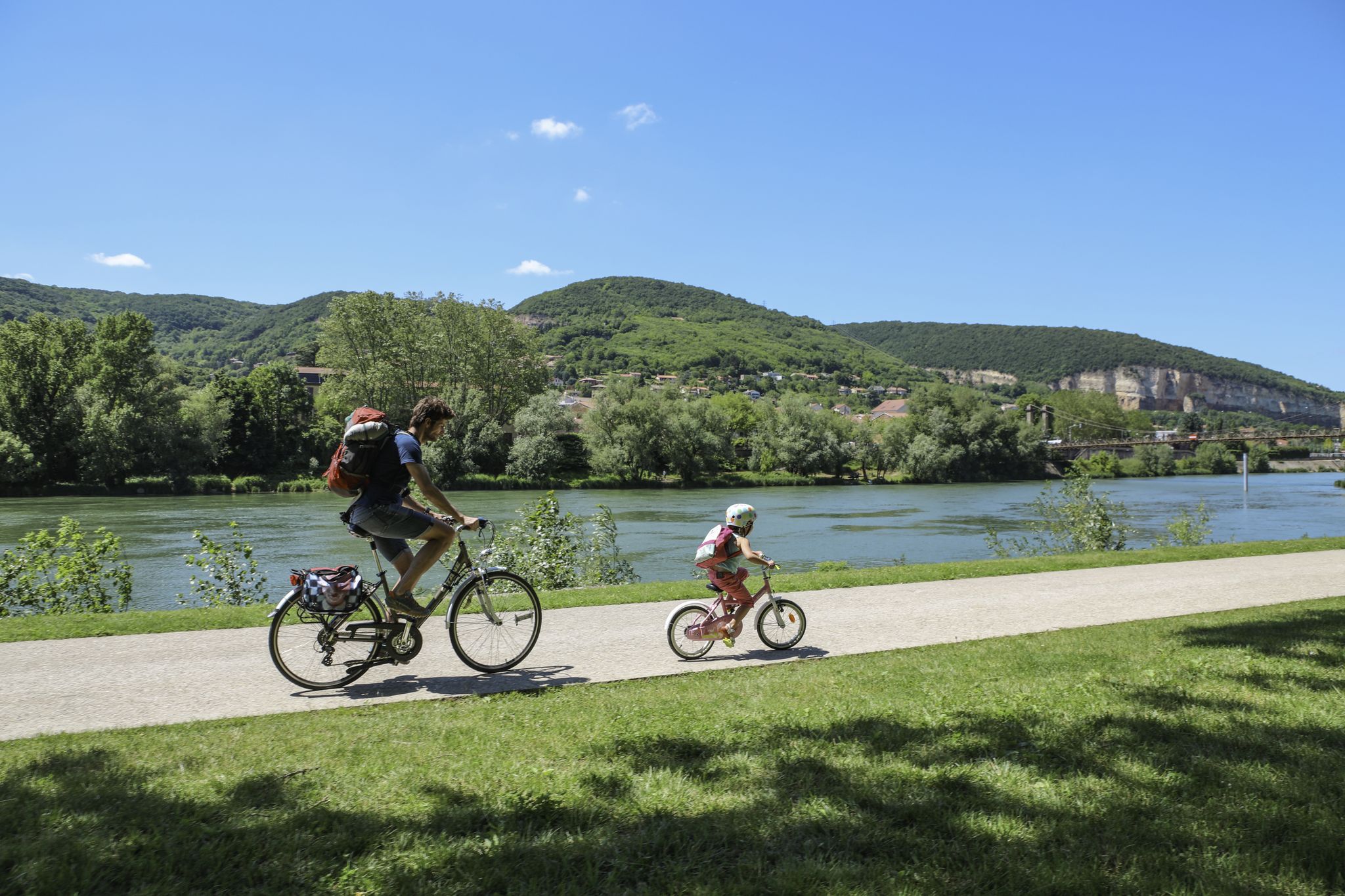
The Voie Bleue – Moselle-Saône by bike
Hiking in the Vallée de l’Ognon — between villages, forests and rivers
In the footsteps of History — GR 145, the Via Francigena
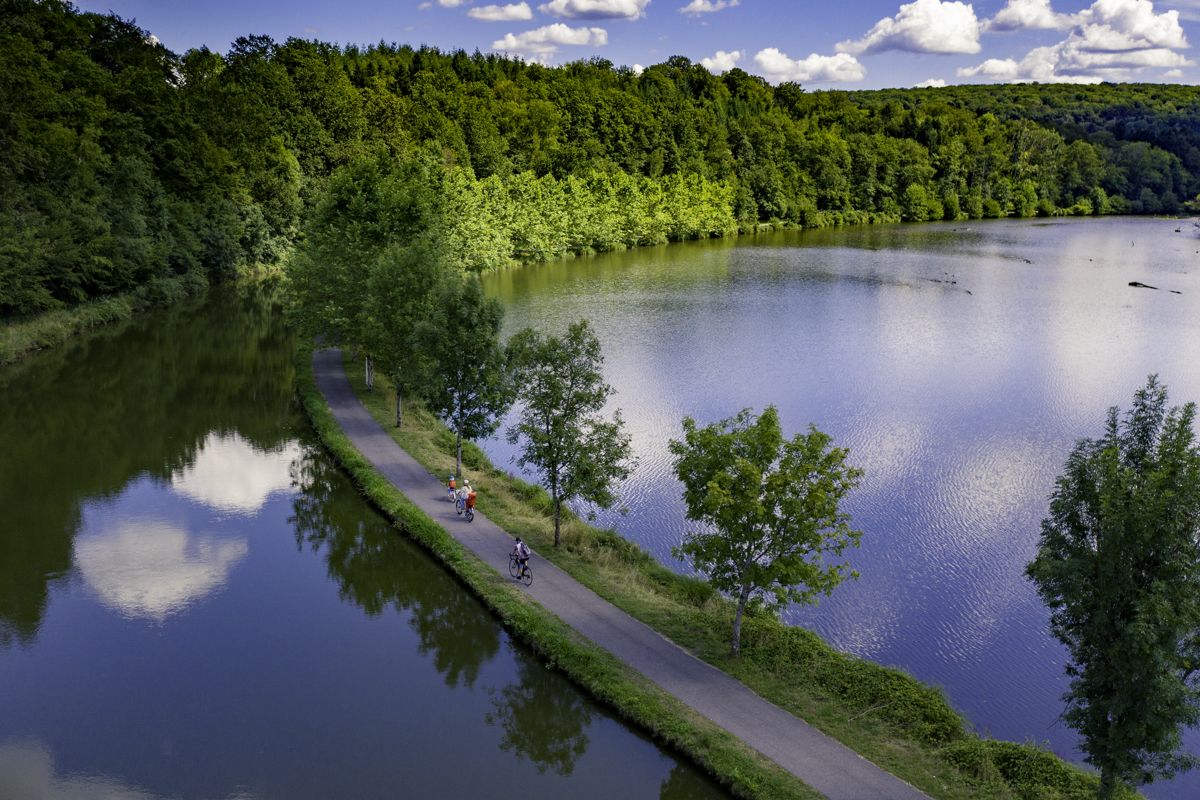
La Voie Bleue — “Cycle Route of the Year 2026”
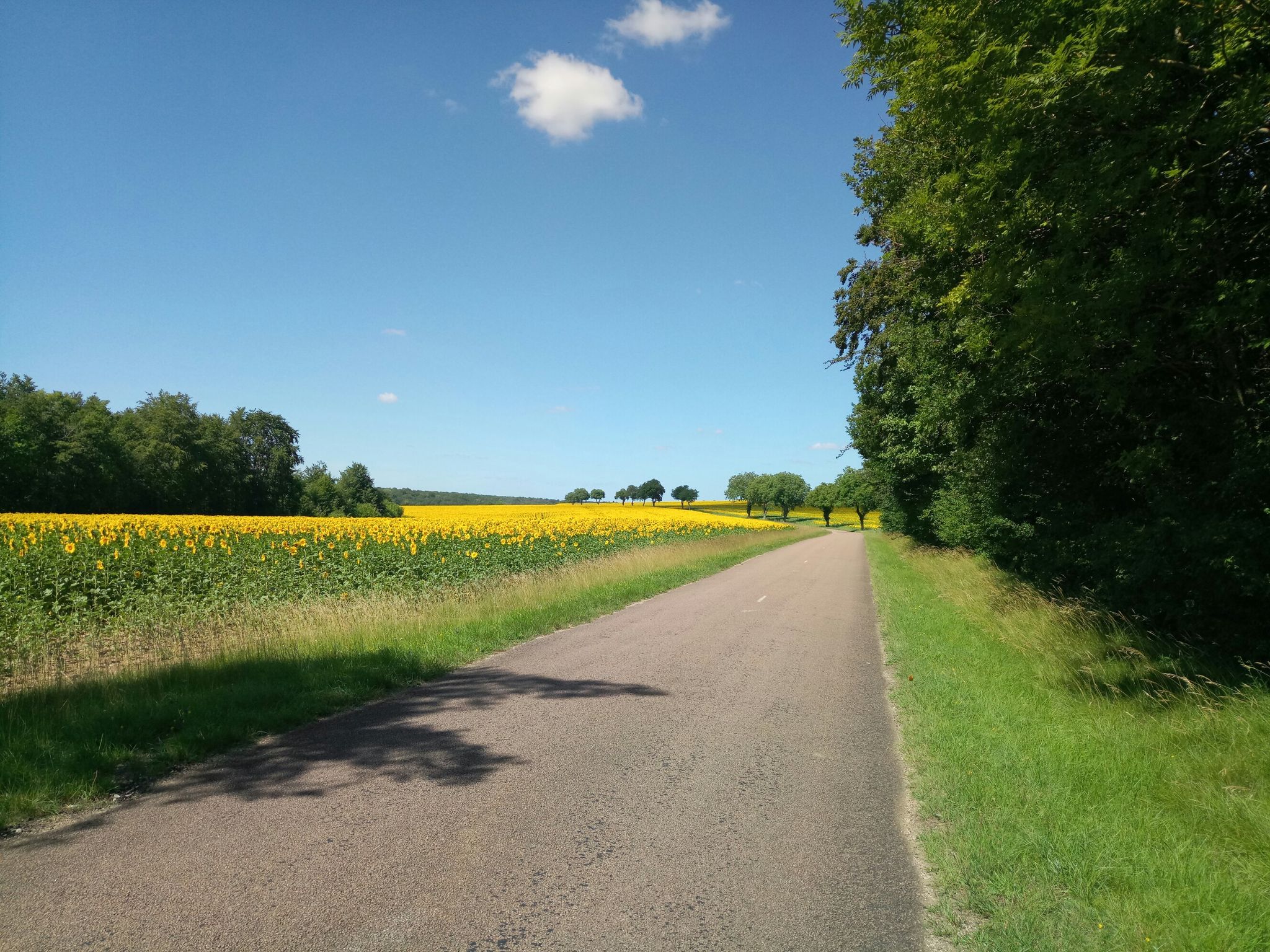
From Haute-Marne to Haute-Saône – discover France’s Forêts National Park
Cycling around Vesoul
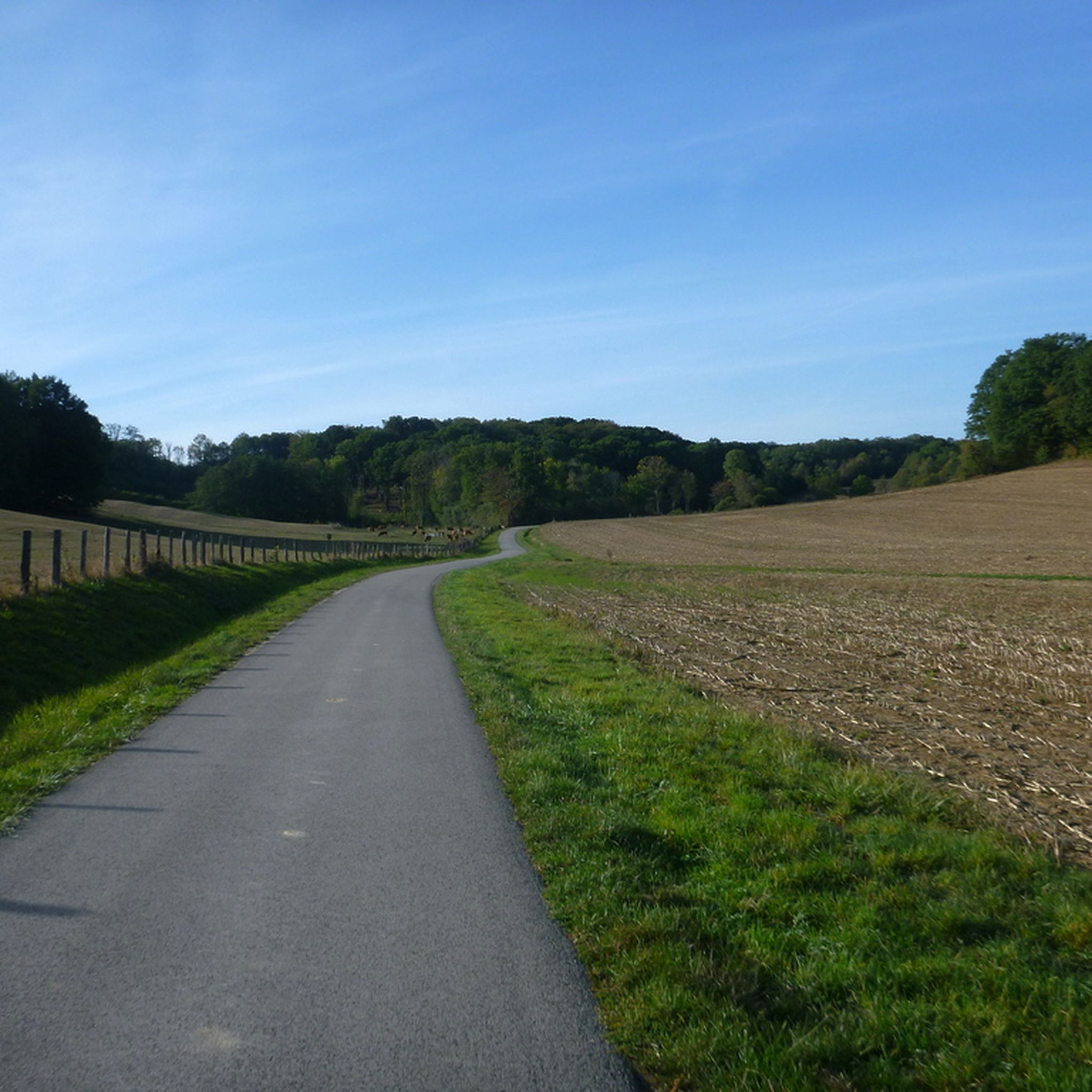
Road Cycling Routes around Vesoul
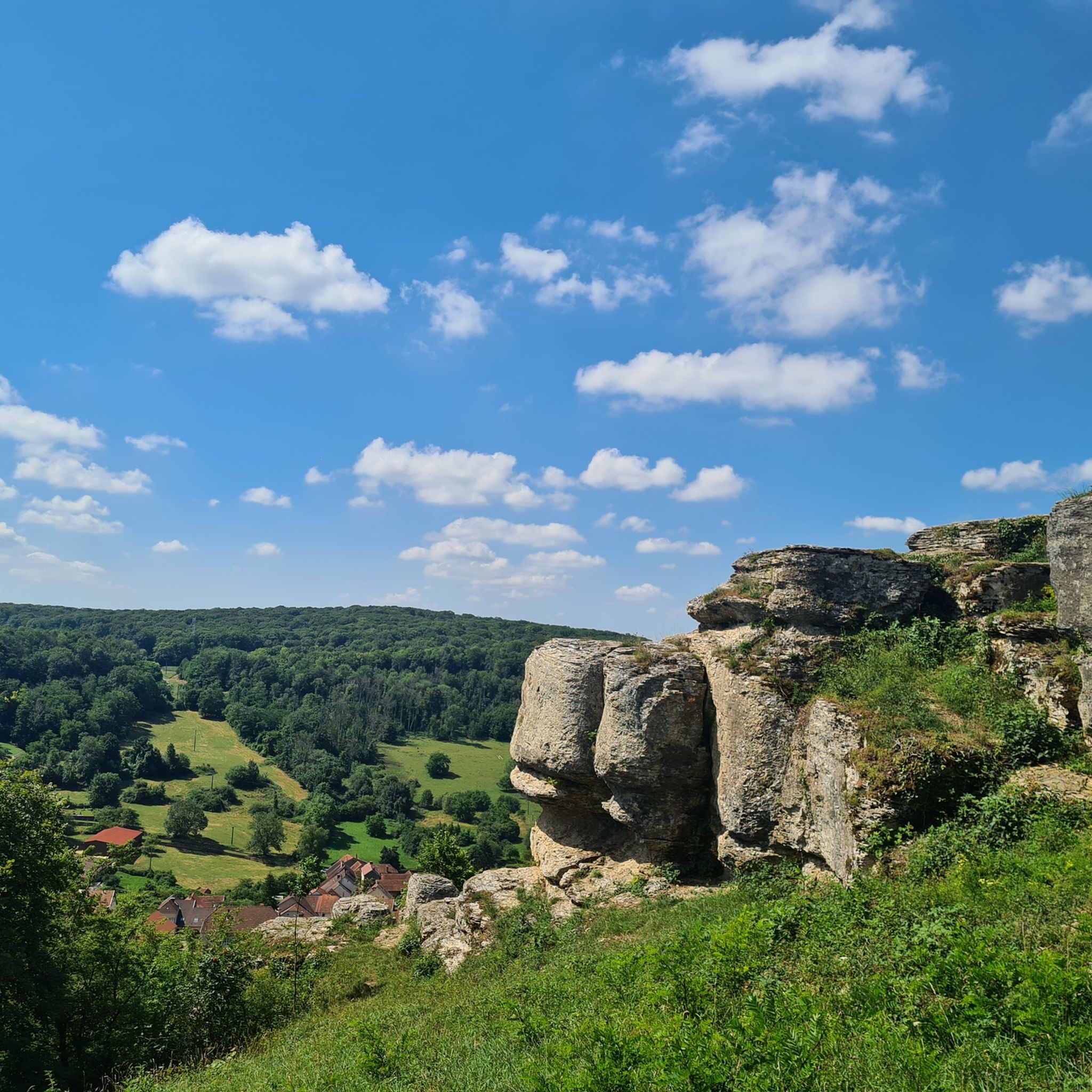
Hiking around Vesoul
Running Trails around Vesoul
MTB Trails around Vesoul
Other adventures around Vesoul


Tips from the Community


Discover the river stopover where a ford once allowed you to cross the Saône. Today, boaters and cycle tourists enjoy this peaceful place. Remember to take a look at the 18th century castle without forgetting the Saint-Nicolas church built in the 12th century where a chapel dedicated to the sailors is present.
0
0

Parish Church of the Beheading of Saint-Jean-Baptiste (rebuilt at the beginning of the eighteenth century on medieval foundations of the thirteenth century): Latin cross plan; three naves; cross vault; numerous paintings, sculptures.
10
4
The site of Oiselay-et-Grachaux, the "bird hill", has been inhabited since prehistoric times, as evidenced by the discovery of a Neolithic station. In ancient times, Oiselay was located on the Roman road linking Besançon to Langres. Until the eighteenth century, the Lord of Oiselay ruled the area. Stephen II of Oiselay, head of the younger branch of the House of Burgundy, had a fortified castle built in 1227 AD. * Fontaine-lavoir (xixe siècle) : basin ; borne fontaine ; stone of the waist ; columns. * Chapelle du cimetière recouverte de lierre. * Numbers of old houses and farms. * Croix de chemin du 19th century. * Mairie-school, du 19th century. * Ruins du château-fort were renovated during the twentieth century, dating from the seventh century during the armies of Louis XI and dismantled during Louis
10
4
The Château de Champlitte is a historic monument in the commune of Champlitte, in the Haute-Saône, France. The castle was originally built as a fortified fortress in the Middle Ages, but was later converted into a residential castle in the Renaissance and 18th centuries. The castle now houses the Museum of Popular Arts and Traditions, which shows the daily life and crafts of the past. You can visit the castle and the museum, and enjoy the formal gardens in the courtyard.
12
4

The Oiselay family had owned a fortified castle here since the 11th century. Following its destruction, this imposing U-shaped castle was rebuilt. The round tower dates from the 15th century and the courtyard façade from 1570. New work then took place on the building during the first half of the 19th century. Following a marriage linking the Oiselay family to the Granvelle family, we find icons recalling this illustrious family which notably included the Keeper of the Seals of Charles V, a cardinal and an ambassador. Currently private property, unfortunately it cannot be visited.
0
0

Ollans Castle was built in the 18th century. It is surrounded by a vast garden bordered by the river, and decorated with two statues from the 1740s representing Diana and Apollo. It belonged to Charles Derosne, a beekeeping enthusiast and friend of Sully Prudhomme. It is also in this castle that the writer composed his first collection of poetry, Le Bonheur. The castle cannot be visited these days, but it is a great place to take a photo.
3
0
The castle is private property and is only open to the public in the presence of the owners or a member of the association (an appointment can also be made). The rooms are open on Sunday afternoons from mid-April to early October (guided tours at 3:00 p.m., 4:00 p.m. and 5:00 p.m. or by appointment) and 4 weeks from July 14 to August 15. More info here: https://www.chateau-de-valleroy.fr/
2
0
Frequently Asked Questions
Which castles around Vesoul offer public access and tours?
Several castles in the region welcome visitors. The Château de Champlitte houses the Museum of Popular Arts and Traditions, with formal gardens to explore. Vallerois-le-Bois Castle is a private property that opens to the public at specific times, typically on Sunday afternoons from mid-April to early October, and for a few weeks in July and August, often with guided tours available.
Are there any family-friendly castles to visit near Vesoul?
Yes, the Château de Champlitte is a great option for families, offering a museum and gardens. While not always open for general visits, Château de Rosières is also categorized as family-friendly and operates as a bed and breakfast, offering a unique experience.
What kind of historical significance do the castles in the Vesoul region hold?
The castles around Vesoul offer a rich tapestry of history. The original Castrum Vesulium, though destroyed, was the fortified birthplace of Vesoul. The Rupt-sur-Saône Castle features a 12th-century keep, showcasing medieval architecture. Others, like the Château de Champlitte, display neoclassical and Renaissance styles from later centuries, often housing museums or preserving original interiors.
Can I find hiking or cycling routes near the castles?
Absolutely. The region offers various outdoor activities. For instance, you can find easy hikes around Fondremand Castle and its keep, which is located in a charming village. For more options, explore the easy hikes around Vesoul guide or the cycling routes around Vesoul guide, which include routes passing by several historical sites.
Are there any castles that are particularly picturesque or good for photography?
Many castles offer scenic views. Fondremand Castle and its keep is situated in a picturesque village, making it a scenic highlight. Although not open for visits, Ollans Castle, with its 18th-century architecture and vast garden bordered by a river, is noted as a great place for a photo.
What is the best time of year to visit the castles around Vesoul?
The best time to visit is generally from mid-April to early October, especially if you wish to take guided tours at places like Vallerois-le-Bois Castle. During these months, the weather is typically pleasant for exploring gardens and walking around the castle grounds.
Are there any castles near Vesoul that offer accommodation?
Yes, Château de Rosières, originally an 11th-century rural estate fortified in the 15th century, is now privately owned and operates as a bed and breakfast, offering a unique opportunity to stay within a historical castle.
What happened to the original castle of Vesoul, Castrum Vesulium?
The original Castrum Vesulium, a fortified castle on La Motte overlooking Vesoul, was the birthplace of the town. Unfortunately, it was destroyed in 1595 during the siege of Tremblecourt. While the original structure no longer stands, its historical significance is paramount, and remnants can still be found at the summit of La Motte. You can learn more about its history on Wikipedia.
Are there any castles that are primarily used for events?
Yes, the Château de la Tour Baignotte in Velle-le-Châtel, an 18th and 19th-century former seigniorial castle, is now primarily used for events such as weddings and seminars. While not a daily tourist attraction, it serves as a preserved historical venue for private functions.
Can I visit castles that are private residences?
Some private castles, like Vallerois-le-Bois Castle, do open to the public at specific times or by appointment. However, others, such as the Château de Colombe-lès-Vesoul, are inhabited private properties and are not accessible for public visits, despite their historical significance.
What kind of architectural styles can I expect to see among the castles?
The castles around Vesoul showcase a range of architectural styles reflecting different historical periods. You can find medieval keeps, such as at Rupt-sur-Saône Castle, neoclassical designs with Renaissance facades at places like Château de Champlitte, and 18th-century structures like Ollans Castle.
Are there any castles that are considered 'hidden gems' or less well-known?
While many castles in the region are notable, some, like Château de Frasne-le-Château or Chateau la Rochelle, might offer a quieter, more intimate experience compared to the more frequently visited sites. Exploring the smaller villages often reveals these less-traveled historical treasures.
Most popular routes around Vesoul
Most popular attractions around Vesoul

Get inspired with the komoot mobile app


Didn’t find what you were looking for?
Explore Vesoul’s best castles region by region:
Explore more
Looking for the best castles somewhere else? Discover other guides around Vesoul:
