Top 5 Natural Monuments around Cognac
Best natural monuments around Cognac offer a diverse landscape shaped by the Charente River and limestone-rich soils, integral to the region's heritage. This area, globally recognized for its brandy, also features significant natural sites that provide outdoor exploration opportunities. These locations range from ancient geological formations to protected natural habitats, showcasing the unique natural heritage of the Cognac region. Visitors can explore a variety of natural settings, from riverbanks to ancient quarries and historic trees.
Best natural monuments around Cognac
…Last updated: June 26, 2026
Blue Lake of Touvérac
Highlight • Lake
Translated by Google •
Tip by

Chêne de François 1er
Highlight • Natural Monument
Translated by Google •
Tip by

Sign up now to discover places like this
Get recommendations on the best single tracks, peaks, & plenty of other exciting outdoor places.
Sign up for free
View of one of the Guizengeard ponds
Highlight • Lake
Translated by Google •
Tip by

Dolmen of Saint-Fort
Highlight • Historical Site
Translated by Google •
Tip by
Angeac-Charente Paleontological Site
Highlight • Historical Site
Translated by Google •
Tip by

Start today with a free account
Your next adventure awaits.
Login or Signup
Popular around Cognac
GR 4 – Crossing the south of France from Atlantic Coast to Provence
History and local produce – Tour de la Charente MTB
The Flow Vélo – a route that transports you
Hiking around Cognac
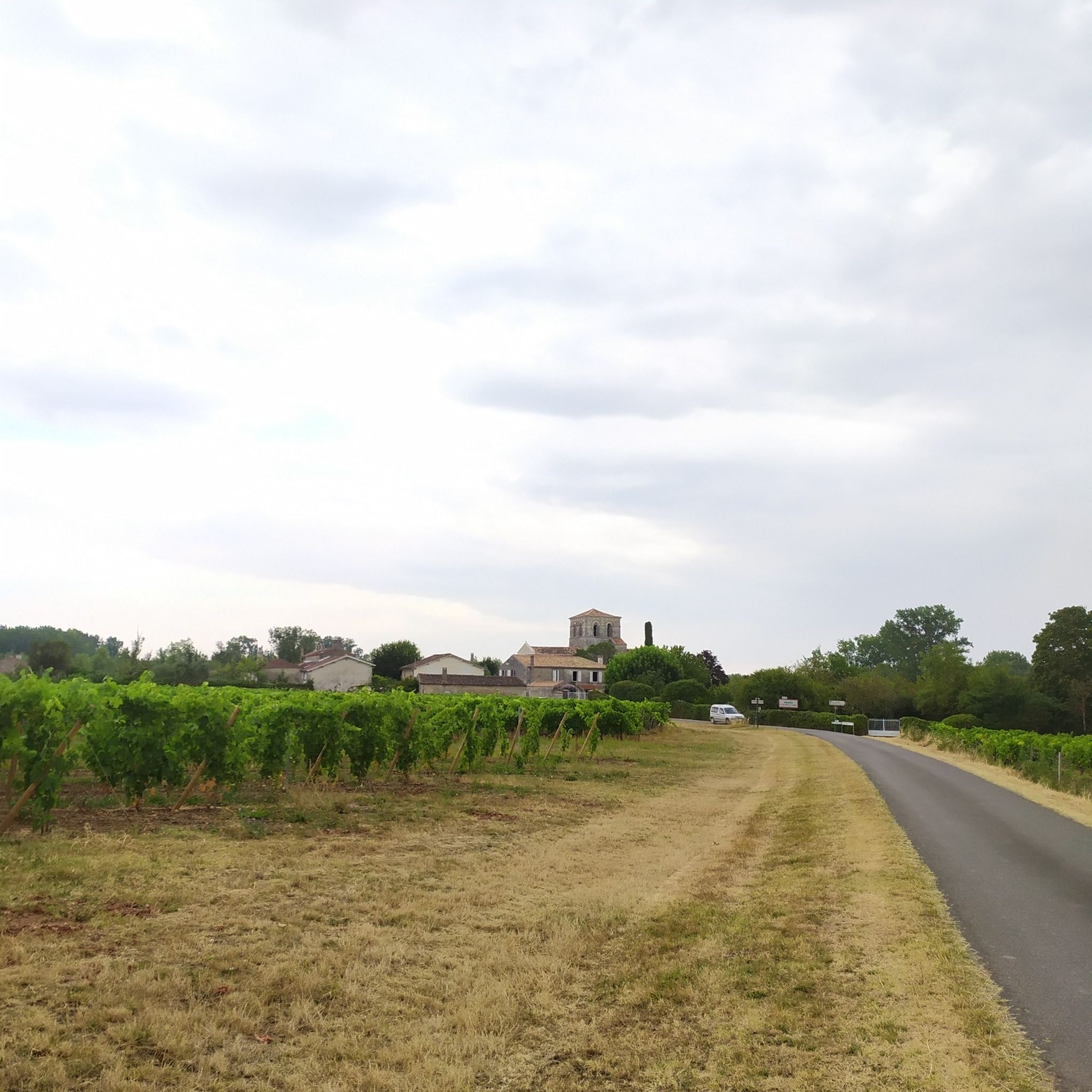
Cycling around Cognac
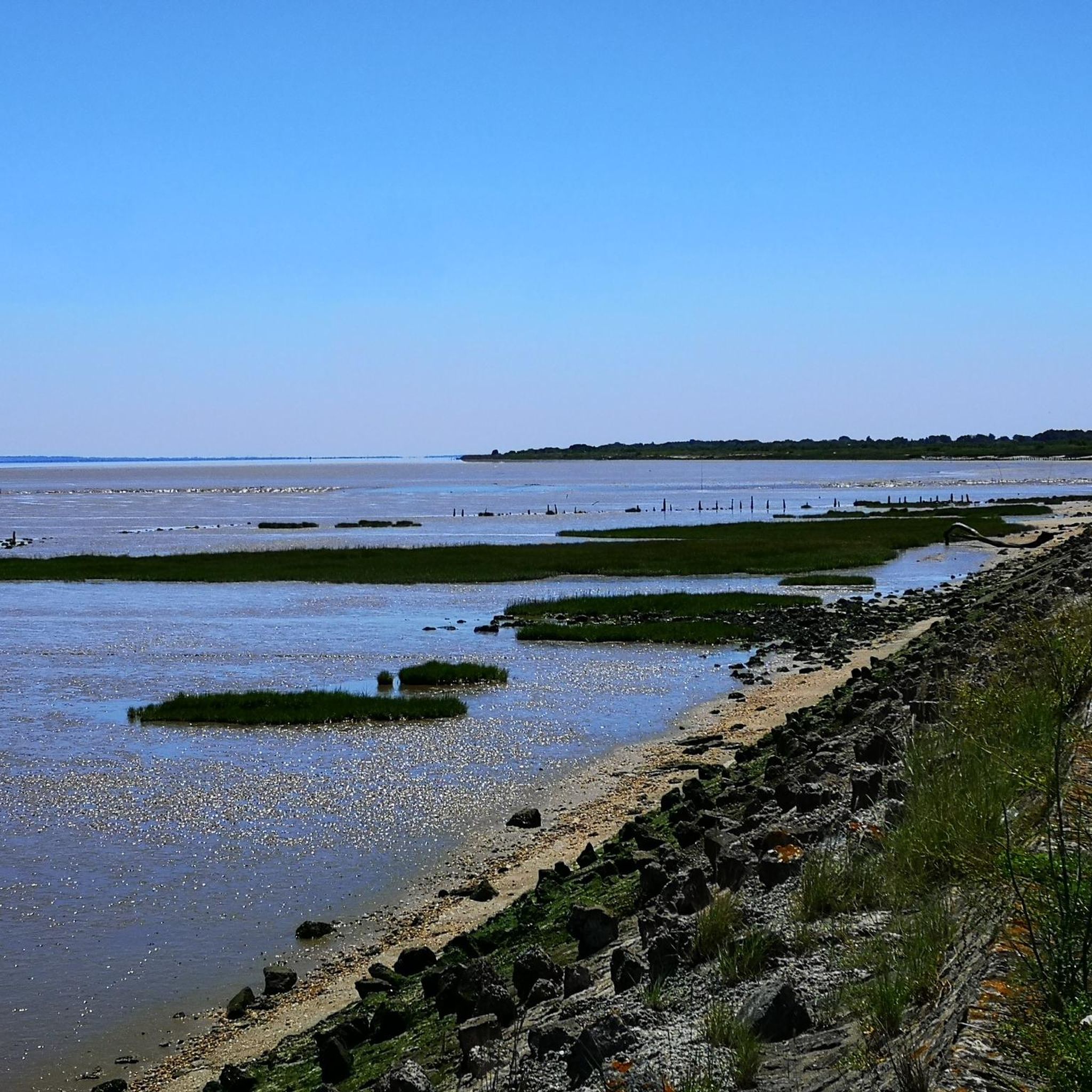
Running Trails around Cognac
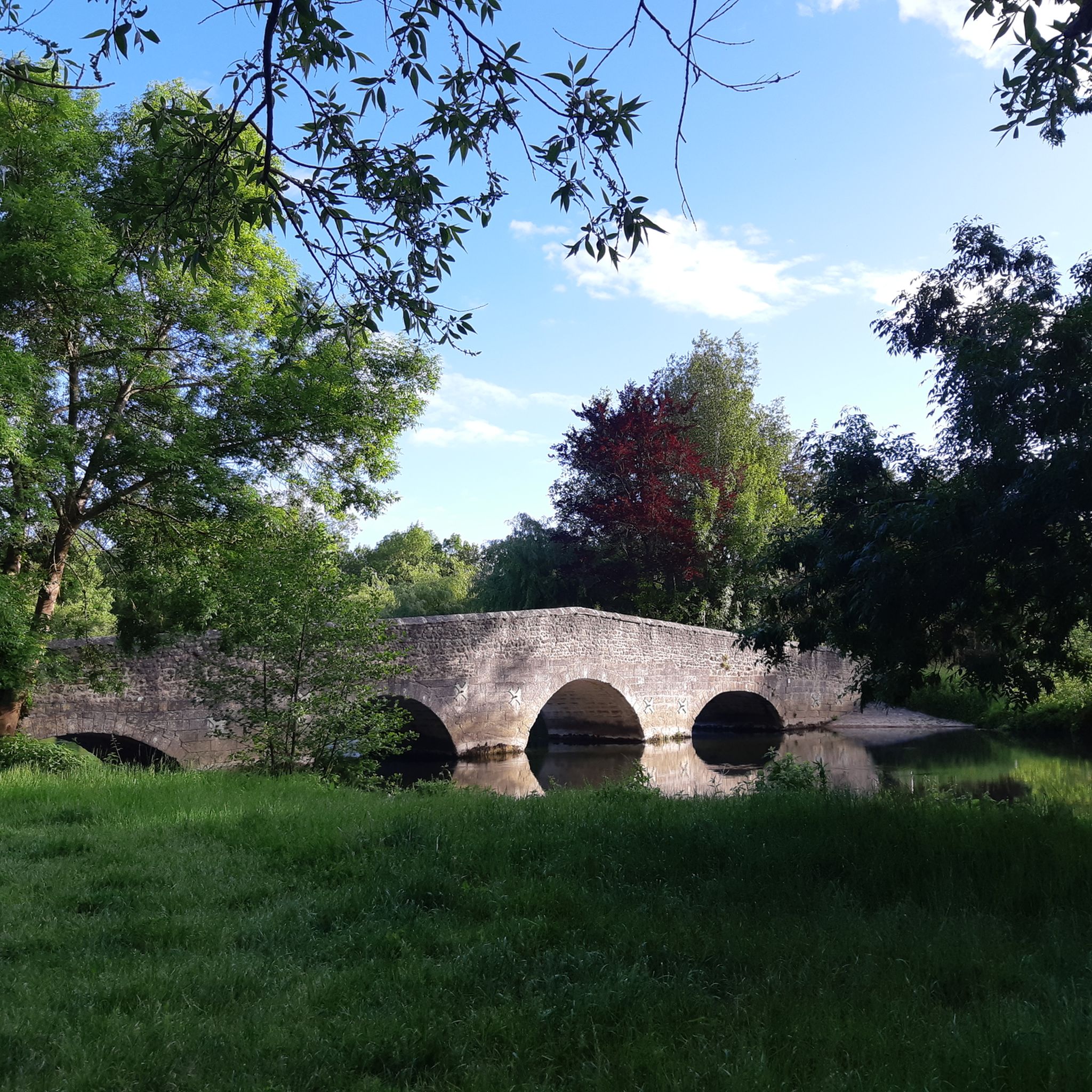
Road Cycling Routes around Cognac
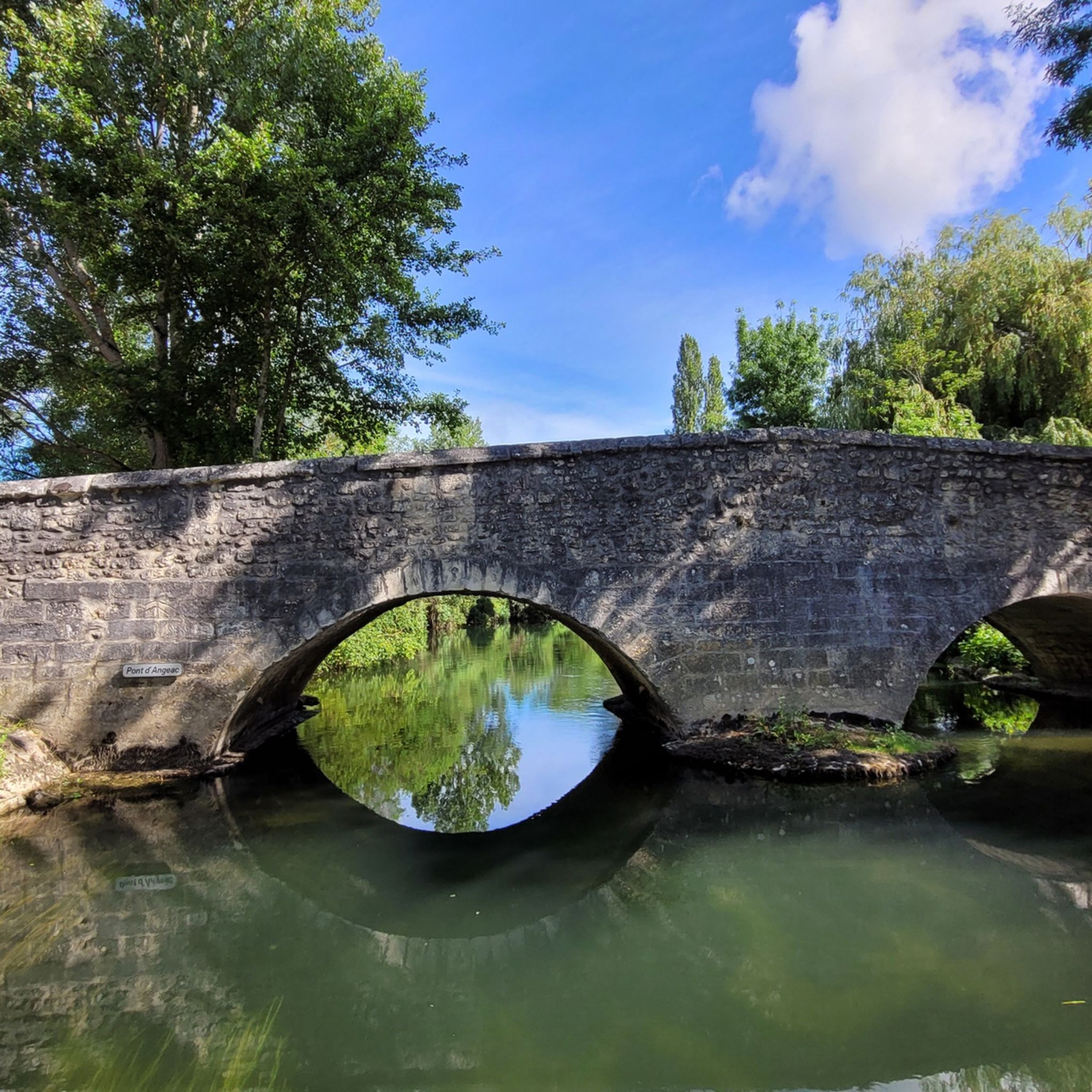
MTB Trails around Cognac

Gravel biking around Cognac
Other adventures around Cognac


Tips from the Community

Artificial natural site formed by the exploitation of a clay quarry
2
0

The trail offers a beautiful view of the blue lake of Guizengard. The water takes on a thousand azure hues, creating an almost unreal setting. The site has great ecological value with the presence of numerous plant and animal species. Among the most remarkable, the bee-eater, this beautiful, brightly colored bird has found refuge here to the delight of walkers.
0
0
This imposing holm oak is approximately 500 years old. We do not know if it was planted on the occasion of the birth of the future king of France François I in 1494, on the occasion of his coronation in 1515 or on the occasion of his death in 1547. What we do know, however, is that it measures 17 meters high with a trunk circumference of 5.5 meters. Classified as a “remarkable tree”, it was even elected “tree of the year” in 2014 by the National Forestry Office.
0
0

The hunebed stands on a ledge halfway up the hill. The tumulus which covered it has disappeared. This dolmen is of an imposing and unusual height in the region. The deck table rests alone on three perfectly square pillars 2.20 m high. Several orthostats show traces of wear or write-off attempts by stonemasons [ 2 ] . All orthostats are of shell limestone [ 3 ] . The table, in sandstone , measures 5.40 meters long and 4.40 meters wide for a maximum thickness of 0.90 m, it weighs about 40 tons. The room opens to the southeast, the presumed entrance corridor that originally existed has completely disappeared [ 2 ] . The plan of the burial chamber seems to have been dictated by the shape of the deck table, making it a totally atypical dolmen [ 4 ] . The dolmen has been emptied a long time ago as it has been listed as such since 1826
2
0

Remains of old white clay quarries, these blue lakes constitute a locally protected habitat with its flaura and forna. You have to go slowly and leave no traces. Swimming is prohibited in these lakes.
2
0
This dolmen has an unusual and imposing height of more than 2m high. The crowning table at the top would weigh 40 tons.
3
1
Remains of old white clay quarries, these blue lakes constitute a locally protected habitat with its flaura and forna. You have to go slowly and leave no traces. Swimming is prohibited in these lakes.
6
1

The Angeac-Charente site is particularly known for unearthing the remains of one of the largest known dinosaurs in the world. A 34-centimeter phalanx that once belonged to a sauropod, one of the largest terrestrial herbivores, was lifted from the earth in July 2014. In 2017, a forest more than 140 million years old was unearthed.
3
0
Frequently Asked Questions
What unique natural features can I discover around Cognac?
The Cognac region offers diverse natural features, including the striking turquoise waters of the Blue Lake of Touvérac, which are remnants of ancient white clay quarries. You can also explore the historic Chêne de François 1er, an impressive 500-year-old oak tree, and the significant Angeac-Charente Paleontological Site, known for its dinosaur fossil discoveries.
Are there any natural monuments with historical significance in the Cognac area?
Yes, several natural monuments in the Cognac area have historical significance. The Chêne de François 1er is an ancient oak tree with a legend linking it to the birth of King Francis I. Additionally, the Dolmen of Saint-Fort is an impressive prehistoric megalithic structure, notable for its unusual height and massive crowning table.
What outdoor activities can I do near the natural monuments around Cognac?
The region around Cognac provides excellent opportunities for outdoor activities. You can enjoy leisurely walks and cycling along the Charente River, which is also part of the 'La Flow Vélo' route. For more structured activities, explore various easy hiking trails, cycling routes, and MTB trails that often pass by or near these natural sites.
Are there family-friendly natural monuments to visit near Cognac?
Absolutely. The View of one of the Guizengeard ponds, an artificial natural site formed from a clay quarry, offers beautiful azure views and is considered family-friendly. The Dolmen of Saint-Fort and the Angeac-Charente Paleontological Site are also great for families, offering a blend of history and natural wonder.
Can I swim in the Blue Lake of Touvérac?
No, swimming is strictly prohibited at the Blue Lake of Touvérac. These lakes are remnants of old white clay quarries, and the kaolin clay can create quicksand-like conditions, making it unsafe. The site is a protected habitat, and visitors are asked to go slowly and leave no traces.
What kind of wildlife can I expect to see around Cognac's natural monuments?
The natural monuments around Cognac are home to diverse wildlife. The Charente River, for instance, is known for its abundant aquatic life, especially further upstream. The Guizengeard ponds are recognized for their ecological value, hosting numerous plant and animal species, including the brightly colored bee-eater bird.
What is the best time of year to visit the natural monuments in Cognac?
The natural monuments around Cognac can be enjoyed throughout the year, but spring and autumn offer particularly pleasant conditions for outdoor exploration. The weather is generally mild, making it ideal for hiking and cycling. In spring, you'll see lush greenery, while autumn brings beautiful foliage.
Are there any urban green spaces or parks in Cognac that are considered natural monuments?
Yes, the Cognac Public Garden and Parc François Ier offer significant green spaces within the town. The Public Garden is a 7-hectare English-style garden, partially classified as a historical monument, providing a tranquil oasis. Parc François Ier is a larger, more natural forested area with numerous walking paths, offering a chance to reconnect with nature right in Cognac.
What makes the Charente River a significant natural monument in the region?
The Charente River is a significant natural monument due to its historical importance for trade, particularly for salt and later for cognac export. It gracefully meanders through the region, offering scenic walking and cycling trails along its banks. The river is peaceful, with clean waters and abundant wildlife, making it an ideal spot for relaxation and outdoor activities like boat tours.
What is the geological significance of the Cognac region's natural landscape?
The geology of the Cognac region is primarily characterized by its limestone-rich soils. This unique geological composition plays a fundamental role in shaping the landscape and supporting the vineyards that are integral to the local ecosystem and economy. It influences the distinctive 'terroir' of the famous Cognac spirit, making the very ground a natural monument in itself.
Are there any specific hiking trails that lead to or around these natural monuments?
Yes, many trails are designed to showcase the region's natural beauty. For example, you can find trails like the 'Les Lacs bleus loop from Guizengeard' or 'View of the Blue Lake – Blue Lake of Touvérac loop from Touvérac' that explore the areas around the blue lakes. The Chêne de François 1er is also located at the crossroads of several hiking paths.
What do visitors enjoy most about the natural monuments around Cognac?
Visitors frequently appreciate the unique blend of natural beauty and historical context. The striking colors of the Blue Lake of Touvérac, the ancient grandeur of the Chêne de François 1er, and the fascinating paleontological discoveries at Angeac-Charente are often highlighted. The tranquility of the Charente River and the opportunity for leisurely outdoor activities also receive high praise.
Most popular routes around Cognac
Most popular attractions around Cognac

Get inspired with the komoot mobile app


Explore more
Extend your search for the best caves by checking out these guides of the top ones around Cognac:
