The best road cycling routes around Châtellerault
4.3
(177)
4,929
riders
888
rides
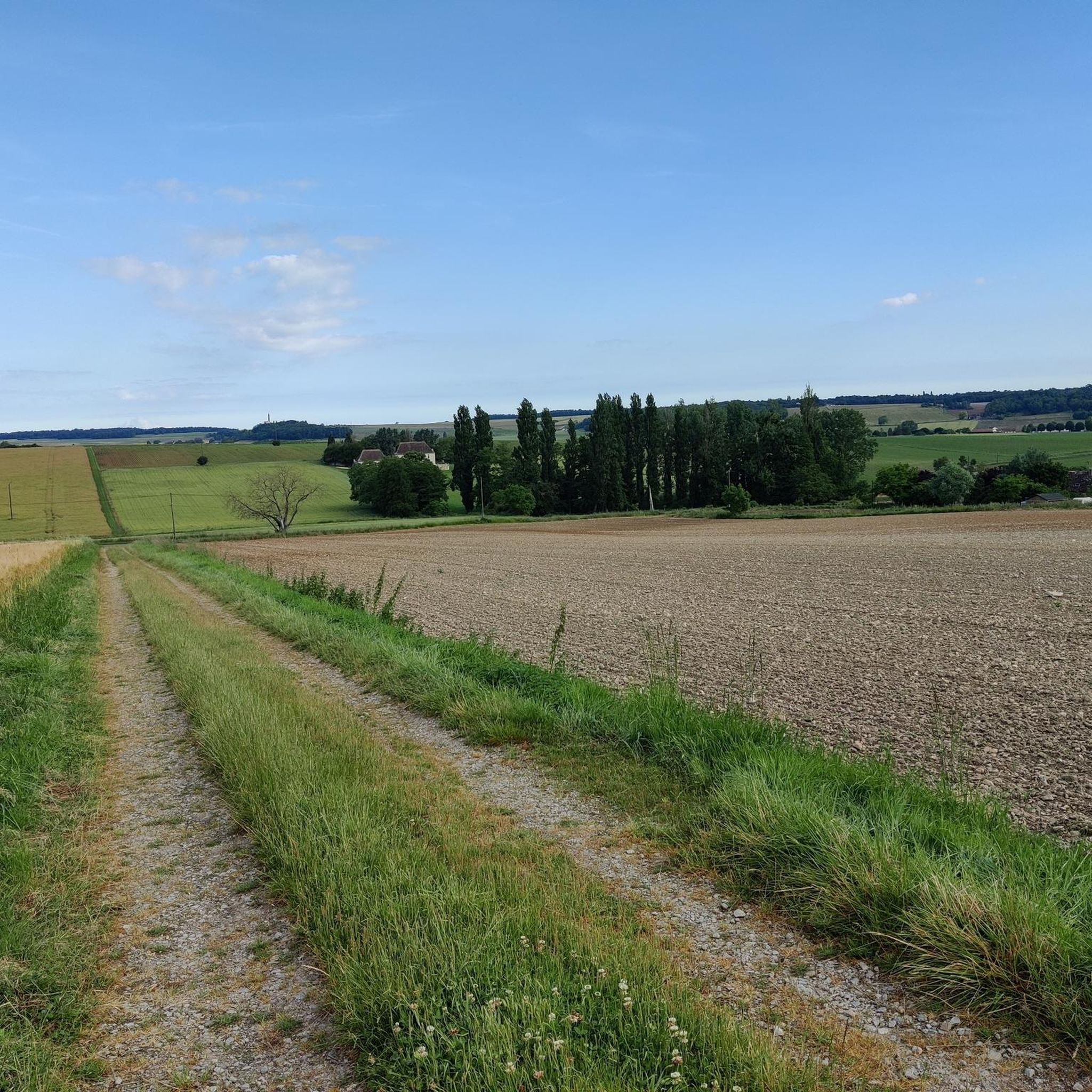
Road cycling routes around Châtellerault traverse a diverse landscape in the Nouvelle-Aquitaine region of France. The area features serene countryside, riverine paths along the Vienne River, and extensive forests like the Forêt de Châtellerault. Most routes utilize paved surfaces, offering a smooth cycling experience across varied terrain, from flat riverbanks to gentle rolling hills.
Best road cycling routes around Châtellerault
- The most popular road cycling route is Château de Dissay – Poitiers loop from Naintré-les-Barres, a 41.6 miles (67.0…
Last updated: August 19, 2026
4.4
(9)
147
riders
65.5km
02:50
450m
450m
Moderate road ride. Good fitness required. Some segments of this route may be unpaved and difficult to ride.
4.1
(12)
70
riders
40.3km
01:42
270m
270m
Easy road ride. Great for any fitness level. Mostly well-paved surfaces and easy to ride.

Sign up for free
57
riders
60.8km
02:36
280m
280m
Moderate road ride. Good fitness required. Mostly well-paved surfaces and easy to ride.
66
riders
51.4km
02:07
140m
140m
Moderate road ride. Good fitness required. Mostly well-paved surfaces and easy to ride.
4.5
(4)
53
riders
48.7km
02:05
350m
350m
Moderate road ride. Good fitness required. Mostly well-paved surfaces and easy to ride.
5.0
(1)
61
riders
124km
06:03
660m
660m
Hard road ride. Very good fitness required. Some segments of this route may be unpaved and difficult to ride.
3.0
(1)
46
riders
64.8km
02:36
280m
280m
Moderate road ride. Good fitness required. Mostly well-paved surfaces and easy to ride.
41
riders
47.4km
01:52
130m
130m
Easy road ride. Great for any fitness level. Mostly well-paved surfaces and easy to ride.
5.0
(3)
30
riders
179km
07:20
1,060m
1,060m
Hard road ride. Very good fitness required. Mostly well-paved surfaces and easy to ride.
53
riders
45.1km
02:15
380m
380m
Moderate road ride. Good fitness required. Mostly well-paved surfaces and easy to ride.
Get access to more routes and recommendations from other explorers.
Sign up for free
Already have an account?
Our route recommendations are based on thousands of hikes, rides, and runs completed by other people on komoot.
Start today with a free account
Your next adventure awaits.
Login or Signup
Popular around Châtellerault
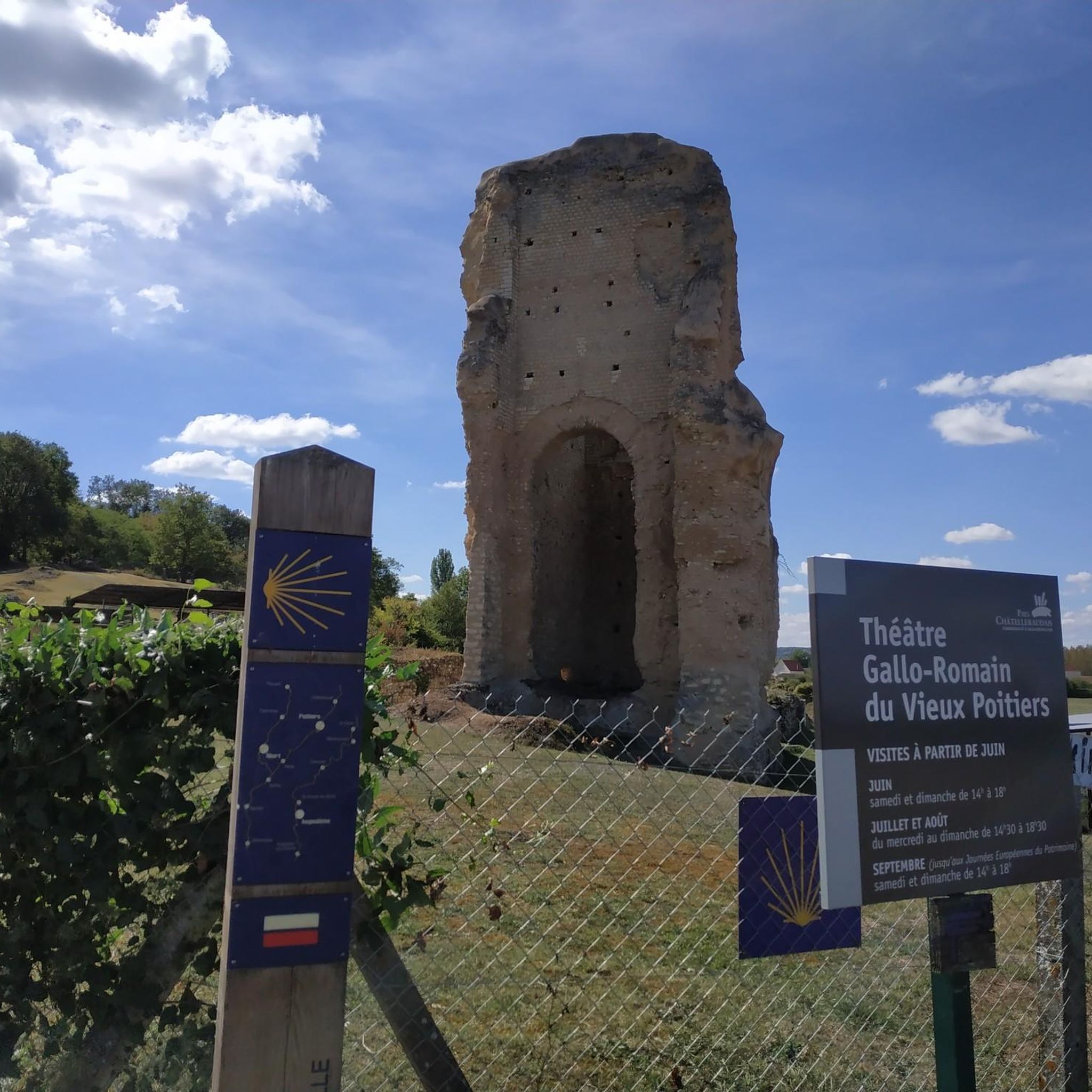
Road Cycling Routes around Naintré
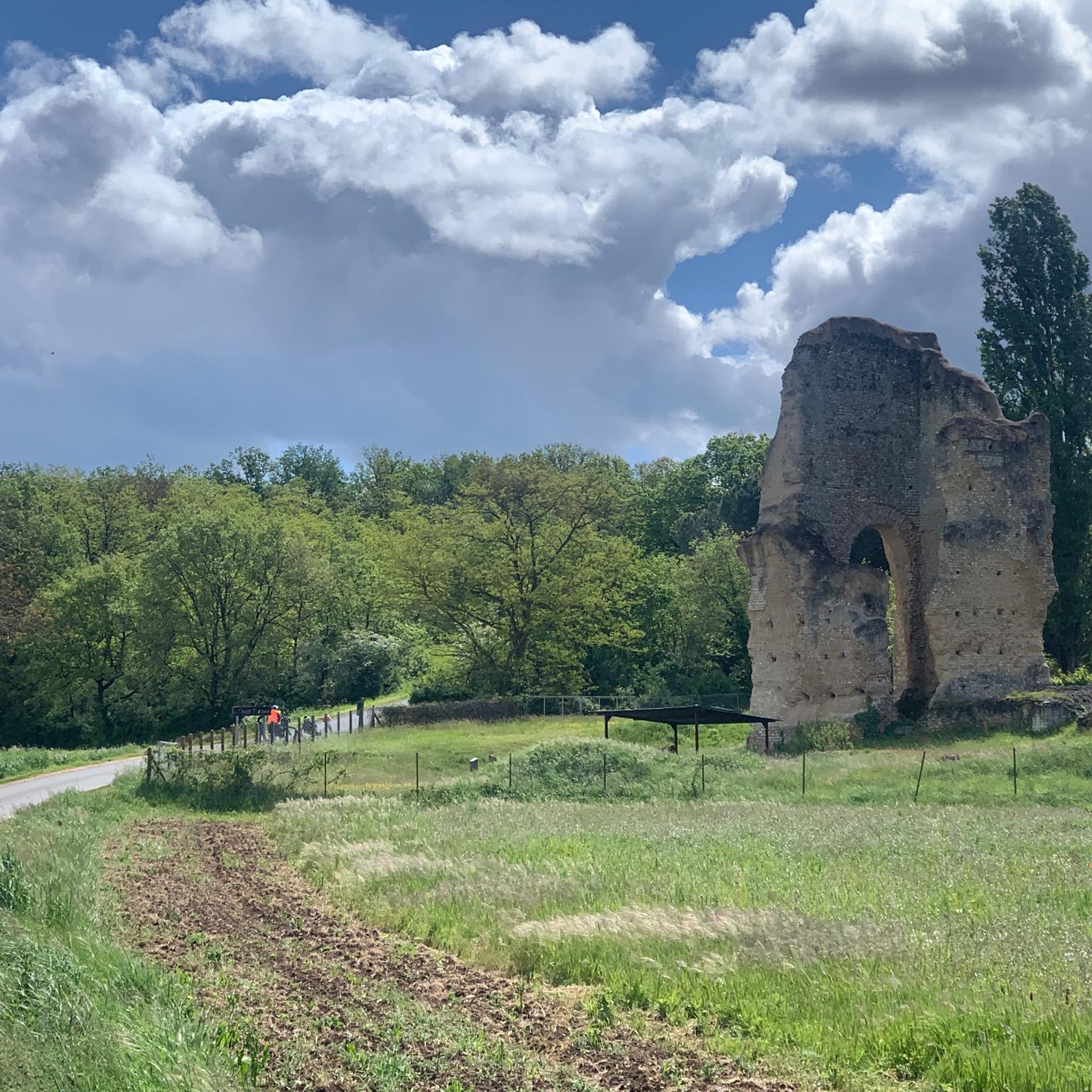
Road Cycling Routes around Cenon-Sur-Vienne
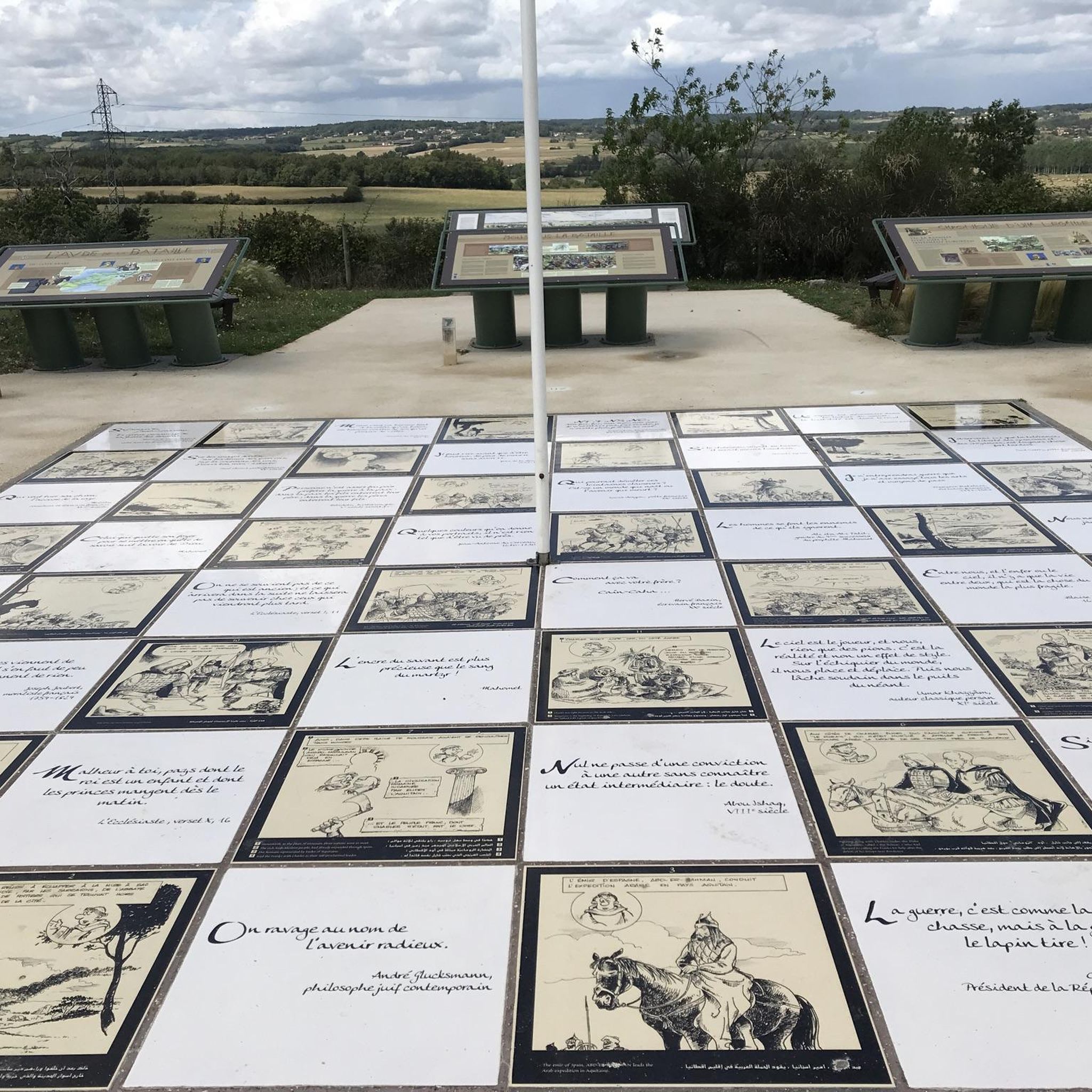
Road Cycling Routes around Vouneuil-Sur-Vienne

Road Cycling Routes around Senillé-Saint-Sauveur
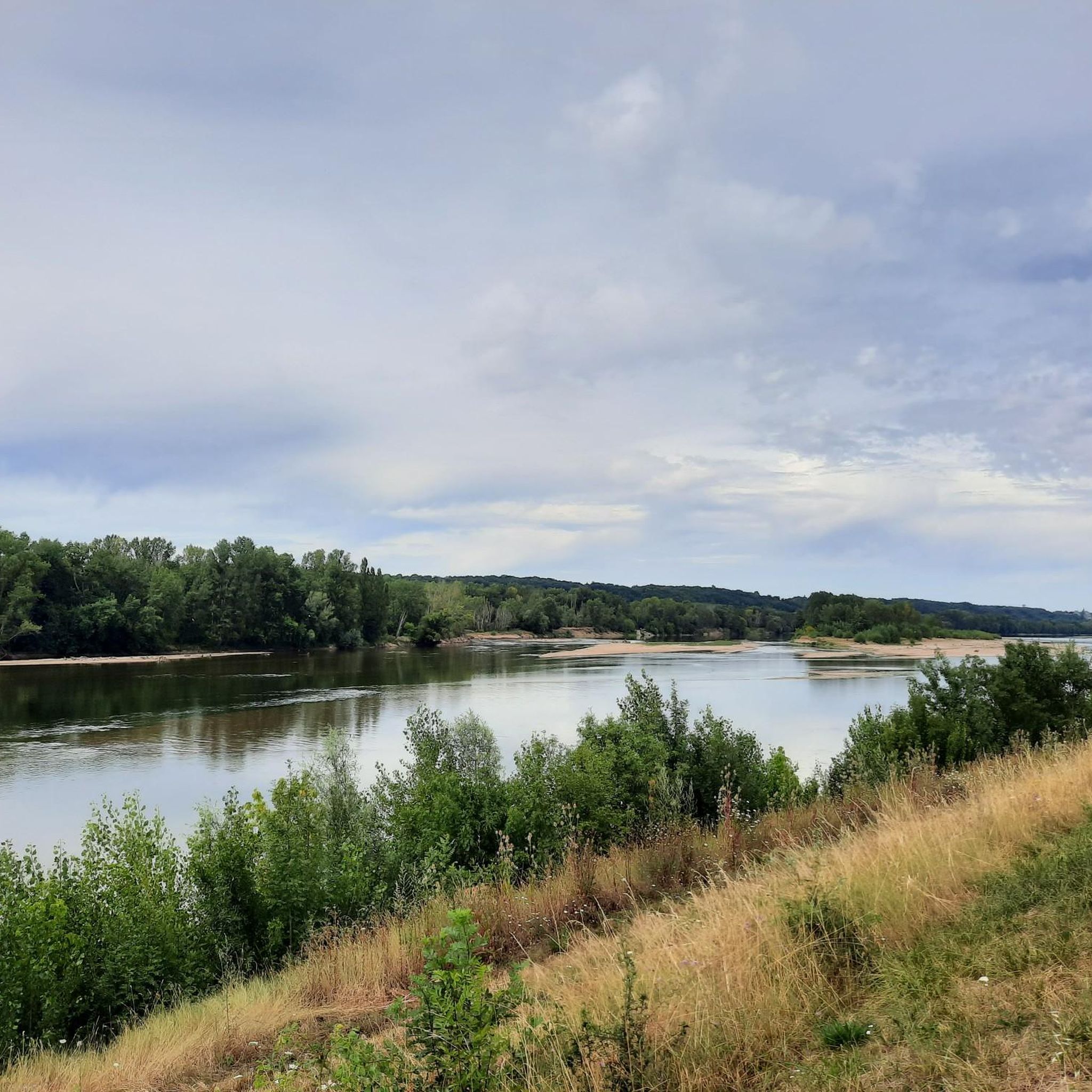
Road Cycling Routes around Mondion
Road Cycling Routes around Usseau
Road Cycling Routes around Leigné-Sur-Usseau

Road Cycling Routes around Oyré

Road Cycling Routes around Antran
Road Cycling Routes around Vaux-Sur-Vienne


Tips from the Community

🏭 1. A museum set up in the former “Manu” Le Grand Atelier - Museum of Art and Industry is located on the site of the former Châtellerault Arms Factory ("Manufacture d’armes"). The Manufacture was created by royal ordinance on July 14, 1819, under Louis XVIII. Construction began in 1820. Its location in Châtellerault was notably due to the presence of the Vienne river, which allowed for the use of hydraulic energy, and the existence of a significant local tradition of cutlery and metallurgy. Initially, it mainly produced edged weapons: sabers, swords, lances, and cuirasses. From the 1830s onwards, production also turned to firearms. The Manufacture gradually became a huge industrial complex, employing several thousand people. It played a considerable role in the economic and social history of Châtellerault. 🔧 2. The museum building The building now occupied by the Grand Atelier is particularly interesting. It is part of the former assembly and finishing workshop, built between 1886 and 1887, notably in the context of the production of the Lebel rifle. It is a characteristic industrial building from the late 19th century, with vast spaces, large glass bays, and saw-tooth roofs allowing for significant natural light. It is now protected as heritage. The Manufacture closed permanently in 1968. 🚗 3. The birth of the automobile museum After the closure of the Manufacture, part of the buildings was reused for cultural purposes. As early as 1969, the site hosted a museum, notably stemming from Bernard de Lassée's vehicle collection. It was first named Musée de la Technique et de l’Automobile, then became Musée Auto-Moto-Vélo. The town of Châtellerault acquired part of Bernard de Lassée's collection and gradually developed the museum. The collections include, in particular, vintage cars, motorcycles, bicycles, engines, posters, and accessories, featuring prestigious brands such as Panhard-Levassor, Delahaye, Talbot, Darracq, or Bugatti. 🏛️ 4. The merger with the former Sully museum This is an important step in understanding why the museum today bears the name “museum of art and industry”. Châtellerault also had another museum, located in the Hôtel Sully, dedicated to the history and heritage of the town: archaeology, fine arts, weapons, cutlery, ethnology, local artists, etc. Gradually, the collections of the two institutions were brought together on the site of the former Manufacture. The Ministry of Culture thus indicates that the collections were regrouped on the Manufacture site, first under the name Musée de la technique et de l’automobile, then Musée Auto-Moto-Vélo, and finally Grand Atelier. 🎭 5. The transformation into “Grand Atelier” After significant renovations, the museum was reorganized and took its current name in 2019: Le Grand Atelier – Musée d’art et d’industrie. It is therefore no longer just a museum dedicated to automobiles. It now offers three main tours: 🚗 Auto-Moto-Vélo: the evolution of transport from the 19th century to the 2000s; 🔫 Manufacture d’armes: the industrial and social history of the “Manu” and its workers; 🎭 Cabaret du Chat Noir: dedicated to Rodolphe Salis, born in Châtellerault and founder of the famous Montmartre cabaret. The museum now covers over 3,000 m² of exhibition space. An important clarification It is therefore necessary to distinguish: - The Arms Factory (“La Manufacture d’armes”) → the large industrial site created in 1819, closed in 1968. - The Grand Atelier building → a former workshop of the Manufacture, built in 1886-1887. - Le Grand Atelier – Museum of Art and Industry → the museum gradually created on this site, whose current name dates from 2019. - And the former Sully museum → a historic museum institution in Châtellerault, part of whose collections have been integrated into the Grand Atelier.
0
0
The Henri IV bridge of Châtellerault: a history of nearly 1,000 years The Henri IV bridge is one of Châtellerault's emblematic monuments. It crosses the Vienne river near its confluence with the Envigne and is today a remarkable work of the Renaissance. 🏰 Before the current bridge The existence of a bridge in Châtellerault is attested as early as the 11th century, around 1065, and again in 1120. It is said to have been initially linked to an old ford allowing crossing the Vienne. In the Middle Ages, several structures followed one another. A stone bridge is said to have been built in the 12th century, parallel to the development of the fortified district of Châteauneuf on the left bank. Around 1350, during the Hundred Years' War, the crossing was fortified with towers placed at the ends of the bridge. In the 16th century, the bridge was badly damaged. A major flood of the Vienne in 1556 notably destroyed the old wooden structure. King Henry II then considered rebuilding it in stone, but his accidental death in 1559 interrupted the project. 👑 The construction of the current bridge It was finally under Charles IX, then Henry III, that the project for a new large stone bridge was relaunched around 1564-1565, at the request of the inhabitants. The construction would be extraordinarily long: over forty years, from 1565 to 1609. Four architects succeeded each other in managing the site, including members of the famous Du Cerceau family, great architects of the Renaissance. The site was finally completed under Henry IV, with the decisive intervention of Sully, his superintendent of buildings and chief surveyor of France. Henry IV himself came to Châtellerault in 1606, while the bridge was not yet finished. It would be delivered in 1609, a year before the king's death. It is therefore important to specify that the bridge was not built "by Henry IV": it was started under Charles IX and completed during his reign. Why does it bear his name? It is even an interesting peculiarity: for several centuries, it was not called "Henri IV bridge". It is found under the names: -Pont-Neuf -Grands-Ponts -Bridge of Châtellerault -then in the 19th century Pont Sully. -It was only around 1900 that it definitively took the name of Henri IV bridge. 🏗️ An exceptional structure The bridge measures approximately 150 m in length and over 21 m in width. It consists of large stone arches. It has a very remarkable feature: two powerful round towers with conical roofs frame the entrance to the bridge on the left bank, on the Châteauneuf side. These towers give the bridge its almost "fortified" appearance. However, contrary to what one might think, they were not essentially military structures. They could notably be used to control the entrance to the town, especially during periods of unrest or epidemics. The towers formerly located at the other end, on the town side, have now disappeared. ⚔️ The bridge during the Second World War The bridge also played a dramatic role in August 1944. As German troops were withdrawing, the bridge was threatened with destruction. On August 31 and September 1, 1944, the action of police commissioner and FFI lieutenant Charles Bichat, as well as the negotiations of sub-prefect Pierre-Marcel Wiltzer, prevented its destruction. This is a particularly important episode in the contemporary history of the monument. 🏛️ Historic Monument The Henri IV bridge has been classified as a historic monument since 1913. Today it belongs to two owners: -the Department of Vienne for the bridge, arches, and roadway; -the City of Châtellerault for the two towers. 🔨 The major recent restoration An in-depth diagnosis carried out in 2017 revealed the importance of the necessary work. A first phase of restoration was launched in 2022: waterproofing of the deck, restoration of the buried parts, and then progressive restoration of the arches. After 16 months of work, the bridge was reopened to traffic on April 21, 2023, and the work was officially inaugurated on May 27, 2023. The overall cost of restoring the masonry had been estimated at over 7.5 million euros including tax, to which were added the works concerning the roadway. A particularly interesting architectural detail The Henri IV bridge belongs to the same generation of structures as the Pont-Neuf in Paris and the Pont-Neuf in Toulouse. However, it has a remarkable characteristic: great regularity and highly advanced architectural symmetry, with particularly sophisticated stonework.
0
0

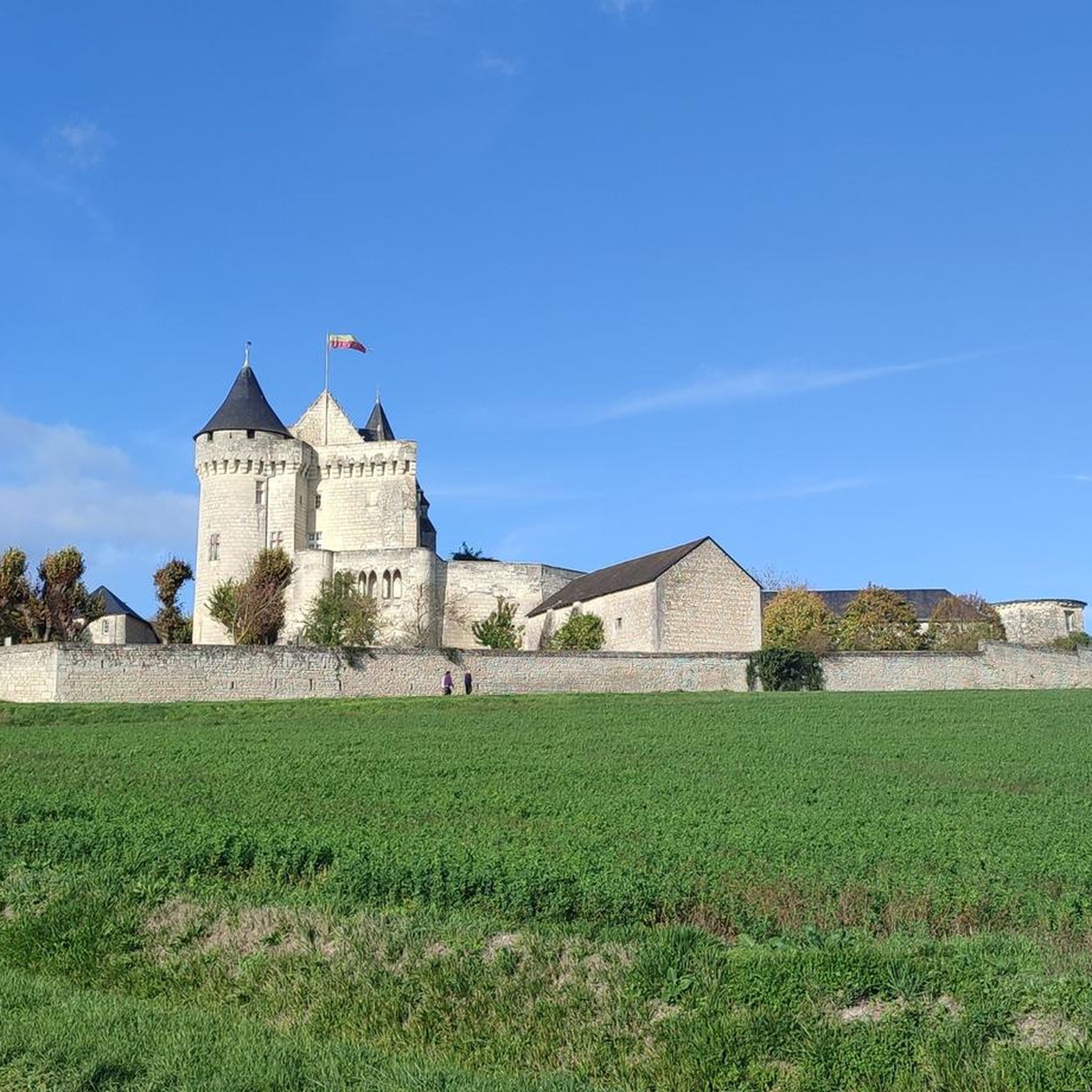
Luxury hotel and restaurant project. From the outside, the castle is interesting to see. It reminds me of the Château de Pierrefonds, in a miniature version. It is classified as a historic monument,
0
0


LES Ormes is known for its unique architectural ensemble of an unavoidable historical richness.
16
0
View from the bridge on Les Ormes.
16
0
Camping Les Ormes is located on the river
13
0
Beautiful path along the river
14
0
Frequently Asked Questions
How many road cycling routes are available around Châtellerault?
There are over 890 road cycling routes around Châtellerault, offering a wide variety of options for different skill levels and preferences. You can find routes ranging from easy to challenging, exploring the diverse landscapes of the Nouvelle-Aquitaine region.
What kind of terrain can I expect on road cycling routes in Châtellerault?
Road cycling routes in Châtellerault feature diverse terrain, including serene countryside, picturesque riverine paths along the Vienne River, and extensive forests like the Forêt de Châtellerault. Most routes utilize paved surfaces, offering a smooth cycling experience across varied landscapes, from flat riverbanks to gentle rolling hills.
Are there easy road cycling routes suitable for beginners in Châtellerault?
Yes, Châtellerault offers over 200 easy road cycling routes perfect for beginners or those seeking a relaxed ride. An example is the Château de Dissay – Château de Dissay loop from La Tricherie, which is 40 km long and leads through pleasant local landscapes.
Can I find challenging road cycling routes around Châtellerault?
While the majority of routes are moderate, there are 20 difficult road cycling routes available for experienced cyclists seeking more challenging excursions. These routes often feature greater elevation gains and longer distances.
Are there any circular road cycling routes in the Châtellerault area?
Many road cycling routes around Châtellerault are designed as loops, allowing you to start and finish in the same location. For example, the Châtellerault – Les Ormes loop from Châtellerault is a popular moderate option exploring the countryside.
What natural features can I see while cycling around Châtellerault?
Cyclists can enjoy the scenic Vienne River, which flows through the heart of the town, and explore vast forests such as the Forêt de Châtellerault and the larger Forêt de Moulière. The Ozon Valley also offers picturesque rural views, and the serene Lac de Châtellerault provides a tranquil spot.
Are there historical landmarks or attractions along the road cycling routes?
Yes, you can integrate visits to various historical and cultural sites into your rides. Notable landmarks include the 16th-century Henri IV Bridge, the former arms factory 'La Manu' with its panoramic Vilmouth towers, and the beautiful 15th-century Saint-Jacques Church. You can also explore nearby châteaux like La Mothe-Chandeniers Castle or the unique Troglodyte Village of Saint-Rémy-sur-Creuse.
Where can I find scenic viewpoints on road cycling routes?
For stunning views, consider routes that pass by the Vilmouth towers at La Manu, which offer 360° panoramas of the city and the national forest. The Troglodyte Village of Saint-Rémy-sur-Creuse also provides magnificent valley views. The View of the Wild Vienne River loop from Bellefonds offers beautiful river scenery.
Are there family-friendly road cycling options in Châtellerault?
Absolutely. For a car-free and family-friendly experience, the Green Line (La Ligne Verte) is an excellent choice. This dedicated cycle path, a former railway line between Châtellerault and Loudun, is flat and perfect for leisurely rides through nature and quaint villages. You can find more information about it here: The Green Line.
What is the best time of year for road cycling in Châtellerault?
The Nouvelle-Aquitaine region generally offers pleasant cycling conditions for much of the year. Spring and autumn provide comfortable temperatures and beautiful scenery, while summer can be warm but is still popular, especially along river paths. Winter cycling is possible, though cooler temperatures and shorter days should be considered.
What do other road cyclists enjoy the most about road cycling in Châtellerault?
The road cycling routes around Châtellerault are highly rated by the komoot community, with an average score of 4.3 stars from over 130 reviews. Cyclists often praise the diverse landscapes, the smooth paved surfaces, and the blend of natural beauty with historical points of interest that enrich their rides.
Does the Scandibérique (EuroVelo 3) pass through Châtellerault?
Yes, the Scandibérique (EuroVelo 3), a major European cycling route, passes directly through Châtellerault. It largely follows the picturesque banks of the Vienne River, utilizing minor roads with smooth asphalt surfaces. This route offers scenic views and connects to charming villages. You can explore sections like Châtellerault to Lussac-les-Châteaux or Sainte-Maure-de-Touraine to Châtellerault.
Most popular routes around Châtellerault
Most popular attractions around Châtellerault

Get inspired with the komoot mobile app


Didn’t find what you were looking for?
Check out more Road cycling routes throughout Châtellerault below and find the perfect route in your destination.
Explore more
Browse the best Road cycling routes in other regions.
