The best cycling routes around Langon
4.4
(749)
4,729
riders
401
rides
Touring cycling around Langon offers diverse routes through the Gironde department, characterized by its position on the Garonne River and its extensive alluvial plain. The region features a network of flat towpaths along the Canal de Garonne, rolling hills covered in vineyards, and shaded paths within the Ciron River Valley and the Landes Forest. This varied terrain provides a range of experiences for cyclists, from gentle riverside rides to more undulating routes through wine country.
Best touring cycling routes around…
Last updated: August 17, 2026
5.0
(2)
8
riders
33.8km
02:02
230m
230m
Moderate bike ride. Good fitness required. Mostly paved surfaces. Suitable for all skill levels.
5.0
(3)
9
riders
Moderate bike ride. Good fitness required. Mostly paved surfaces. Suitable for all skill levels.

Sign up for free
10
riders
Moderate bike ride. Good fitness required. Mostly paved surfaces. Suitable for all skill levels.
2
riders
59.6km
03:41
520m
520m
Hard bike ride. Very good fitness required. Mostly paved surfaces. Suitable for all skill levels.
4.0
(3)
2
riders
Easy bike ride. Great for any fitness level. Mostly paved surfaces. Suitable for all skill levels.
1
riders
47.6km
02:59
490m
490m
Hard bike ride. Very good fitness required. Mostly paved surfaces. Suitable for all skill levels.
1
riders
32.6km
02:05
320m
320m
Moderate bike ride. Good fitness required. Mostly paved surfaces. Suitable for all skill levels.
1
riders
Moderate bike ride. Good fitness required. Mostly paved surfaces. Suitable for all skill levels.
4.7
(42)
264
riders
49.3km
02:54
340m
340m
Moderate bike ride. Good fitness required. Mostly paved surfaces. Suitable for all skill levels.
4.7
(86)
456
riders
137km
08:16
930m
930m
Hard bike ride. Very good fitness required. Mostly paved surfaces. Suitable for all skill levels.
Get access to more routes and recommendations from other explorers.
Sign up for free
Already have an account?
Our route recommendations are based on thousands of hikes, rides, and runs completed by other people on komoot.
Start today with a free account
Your next adventure awaits.
Login or Signup
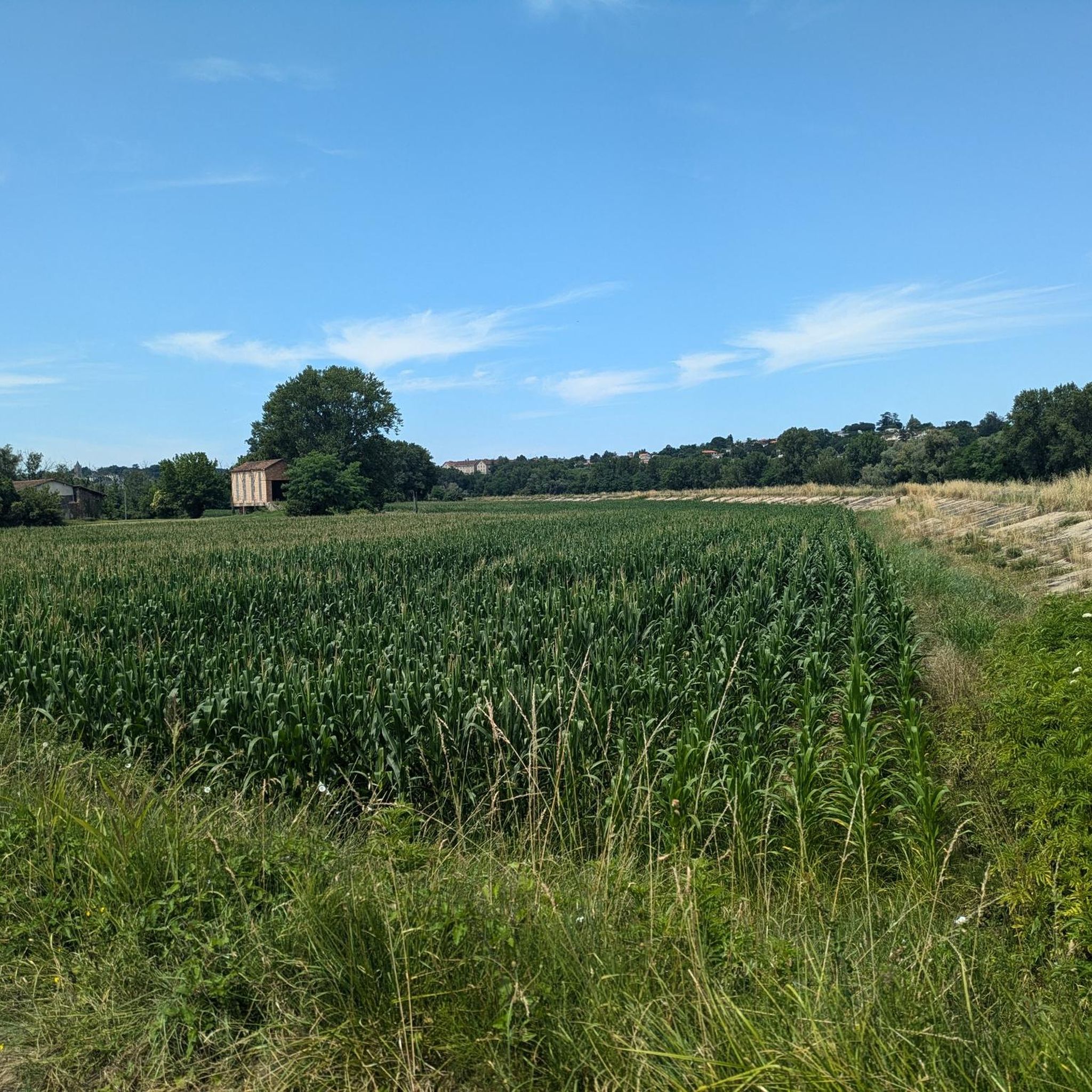
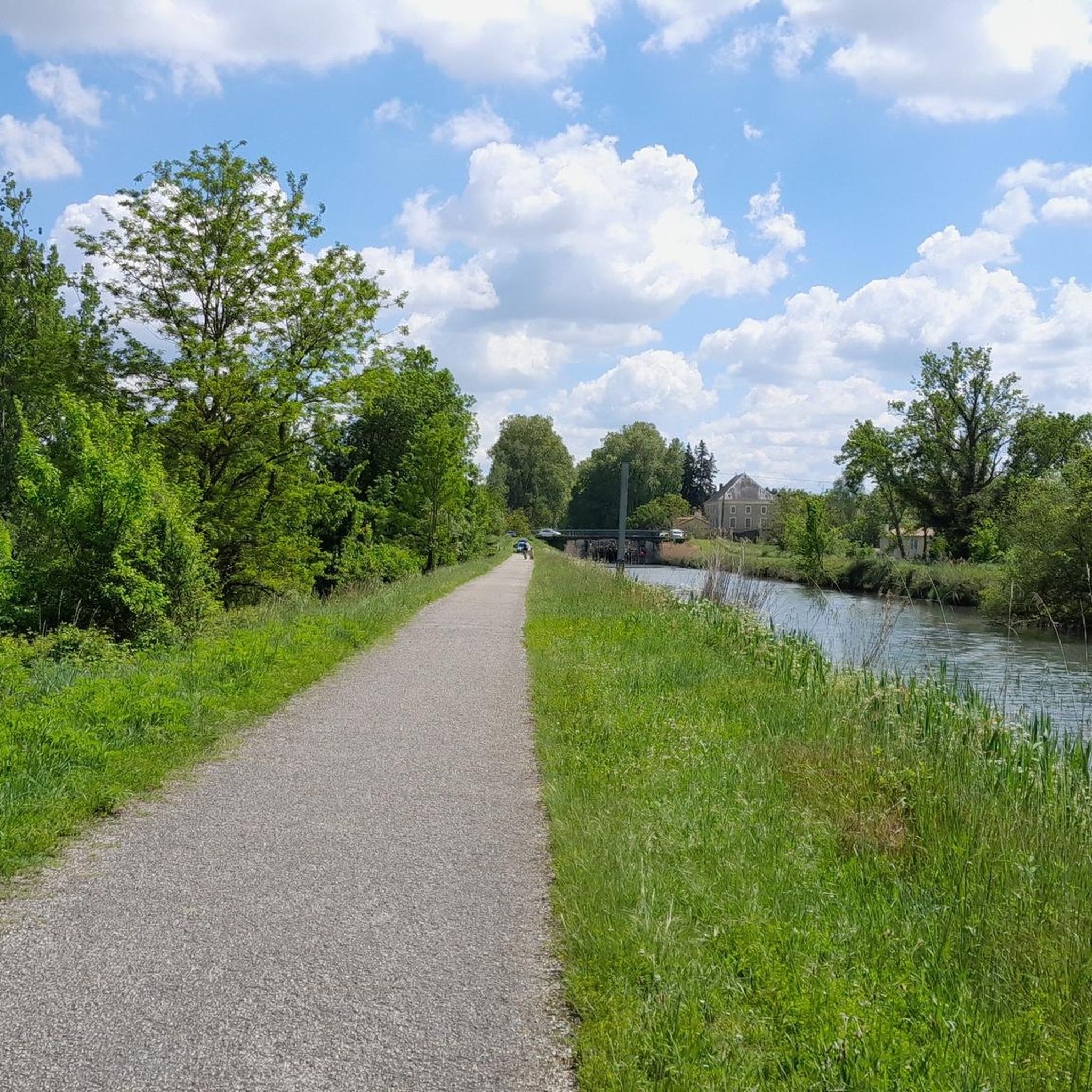
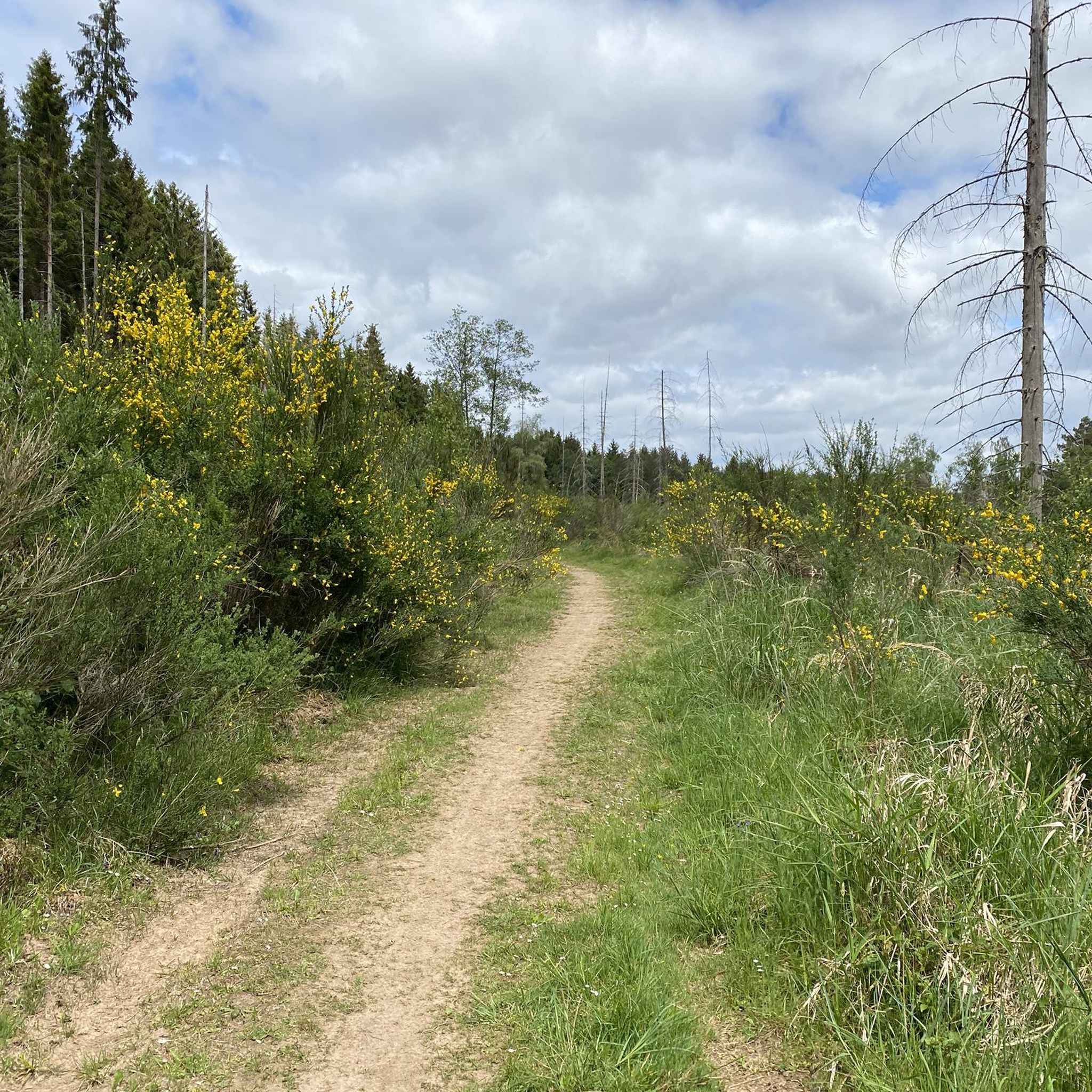
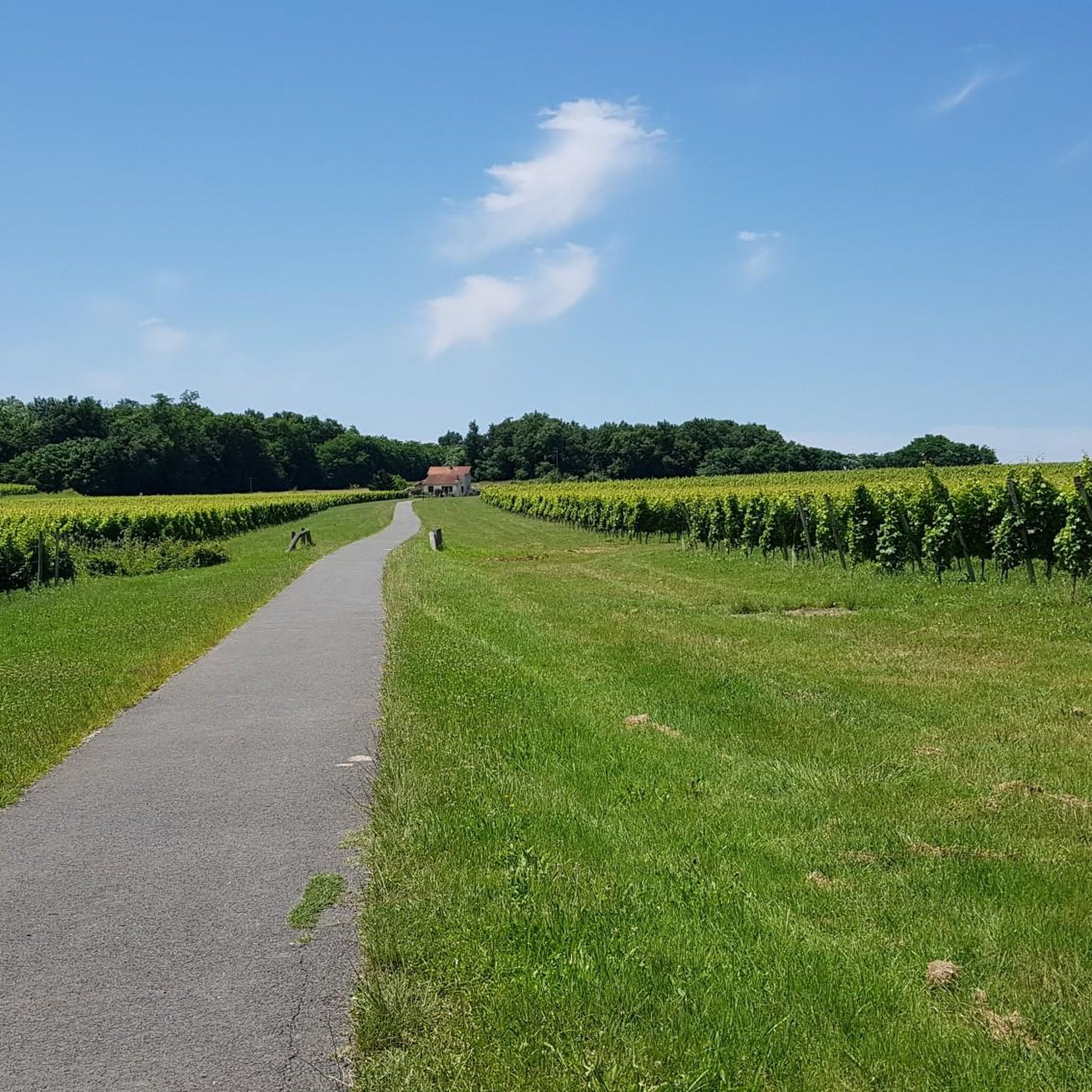
Other adventures around Langon


Tips from the Community

Very beautiful sculpture right next to the greenway
0
0

Beautiful passage with a train relic recalling the history of the place, formerly a railway.
0
0

At the Creon station, several information panels about the history of the railway line are offered, and wagons and engines that operated on this line can be seen.
0
0

Budos Castle is the work of Raymond Guilhem de Budos, nephew of Pope Clement V. Largely supported by his uncle, he rebuilt the old family castle in 1306, adopting the architectural features of the neighboring Château de Villandraut, as evidenced by the following document from King Edward I, written from Wynten on March 9, 1306, to the Seneschal of Gascony[4]: "The Knight of Budos, nephew of Clement V, Sovereign Pontiff, has begged us to allow him to crenellate his house in Budos, to surround it with walls, towers, moats, and finally to fortify it. Out of respect for the Sovereign Pontiff, and because a fortress of this nature will protect not only our possessions in this part of Guienne, but also the subjects of the Pope's nephew, we grant the aforementioned Raymond permission to fortify his castle and we grant it to him, his heirs, and successors in perpetuity, and we undertake not to disturb him in any way in this possession." In 1422-23, the King of England took possession of the castle and placed Pons, Lord of Castillon, in charge. Around 1433, Henry VI granted the lands and the castle to the Duke of Gloucester. In 1446-47, Budos was given to Gaston IV of Foix-Béarn, Count of Foix, following the death of the Earl of Gloucester. After the conquest of Guyenne, the Budos family, which had supported the cause of France, regained possession of its lordships in Guyenne. Purchased from the Budos family by Raymond de La Roque in 1571, Budos Castle suffered a severe assault in 1652 during the Fronde Wars. Lasserre ransacked, pillaged, and burned its archives. The Budos lordship remained in the La Roque family until the Revolution, which nearly destroyed it. It was sold as national property and used as a quarry to build dikes on the Ciron. In 1841, the Gironde Historical Monuments Commission was informed of this by Léo Drouyn. In 1860, it became the property of Léon de Brivazac, son of Delphine Catherine de La Roque de Budos (born at the castle in 1789). Five descendants (including Savary de Beauregard) entrusted it to the Adichats association, which brings together young people to enhance and preserve what can be preserved. The castle was registered as a historic monument in 1988
0
0


The castle has variable opening hours. In August, we found the gates closed. It only opens at 2:30 PM.
0
0

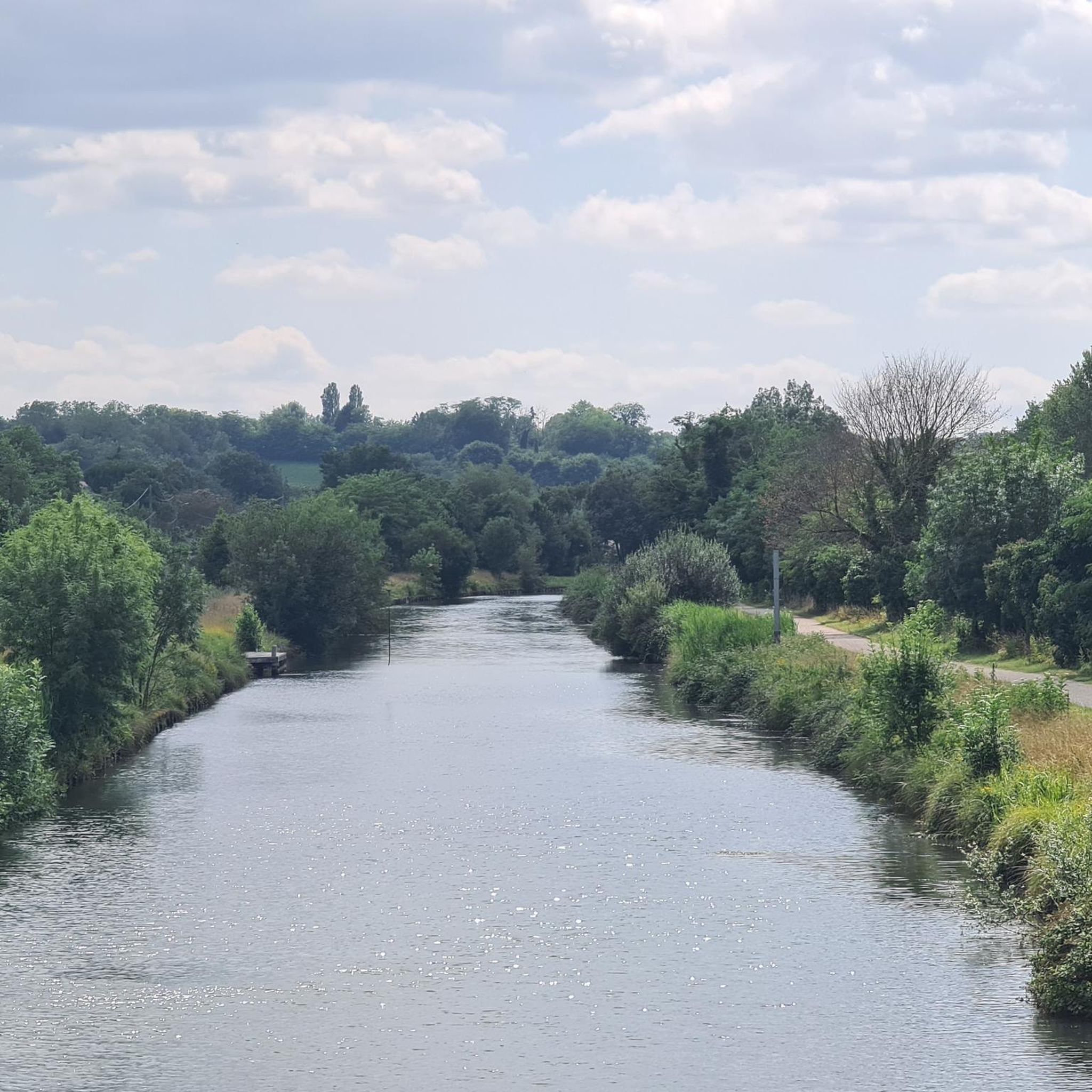
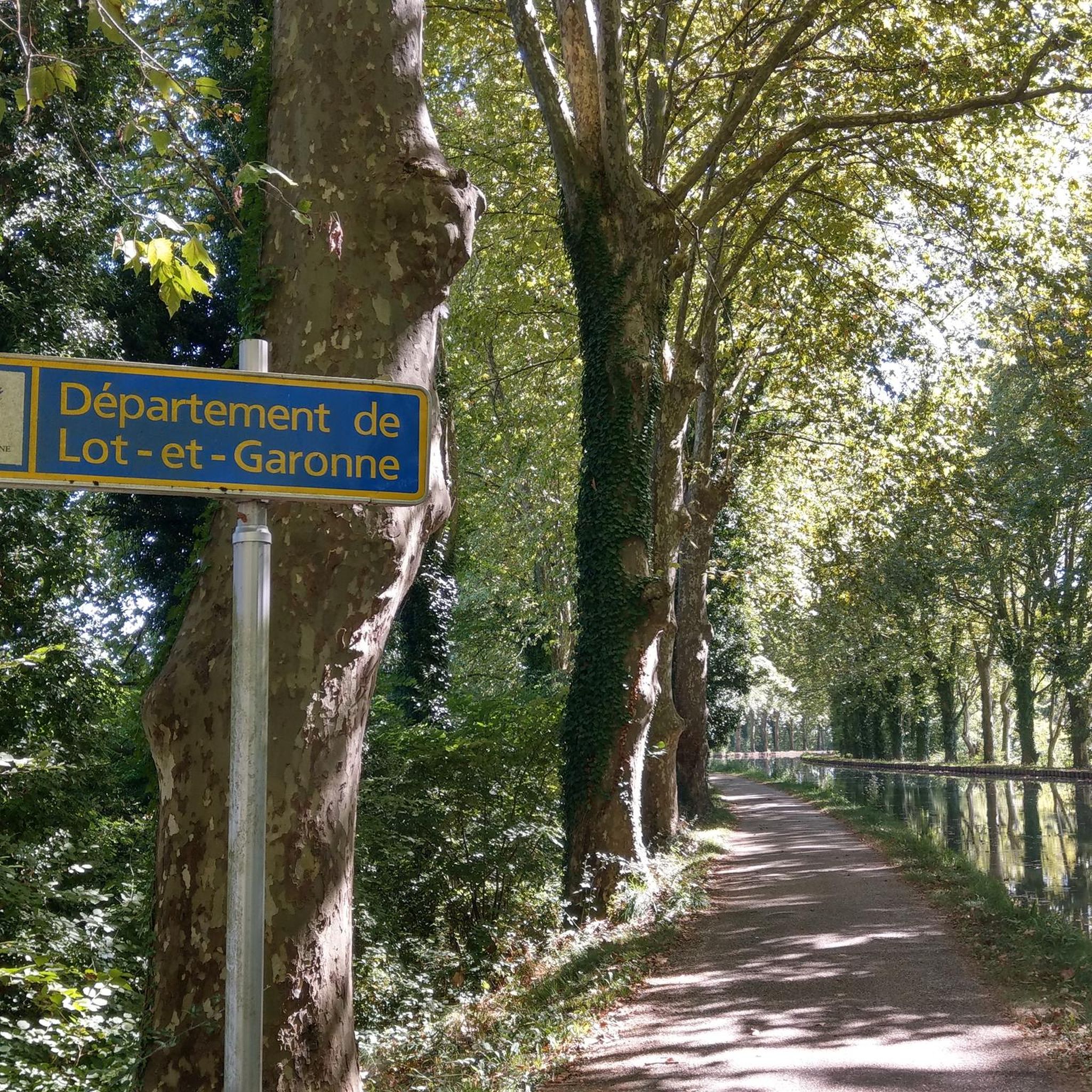
Quiet cycle path along the canal
0
0
Frequently Asked Questions
How many touring cycling routes are available around Langon?
Langon offers a wide variety of touring cycling routes, with over 400 options available. These routes cater to different preferences, including easy, moderate, and challenging rides through the region's diverse landscapes.
What is the best time of year for touring cycling in Langon?
The region around Langon is pleasant for cycling for much of the year. Spring and autumn generally offer the most comfortable temperatures and beautiful scenery, especially through the vineyards. Summer can be warm, but routes along the Garonne Lateral Canal or through the Landes Forest provide welcome shade.
What kind of terrain can I expect on touring cycling routes around Langon?
You'll find a mix of terrain. Many routes follow the flat towpaths of the Canal de Garonne, perfect for relaxed rides. Other routes wind through the rolling hills of the Sauternes, Graves, and Entre-deux-Mers vineyards, offering more undulating profiles. The Landes Forest provides shaded, often flatter paths, while the Ciron River Valley features wilder, protected natural areas.
Are there easy touring cycling routes suitable for beginners or families in Langon?
Yes, Langon has over 130 easy touring cycling routes, many of which are suitable for beginners and families. The flat, paved surfaces along the Garonne Lateral Canal, part of the broader Canal des 2 Mers à Vélo network, are particularly accessible. A good example is the Captieux, Goualade and lac de Taste - loop in the Parc naturel régional des Landes de Gascogne, which is rated as easy.
What historical sites or landmarks can I explore on a touring cycling trip around Langon?
The region is rich in history. You can cycle past impressive medieval landmarks such as Château de Villandraut and Budos Castle. The route Sainte-Croix-du-Mont, Verdelais et Saint-Macaire - loop in Entre-deux-Mers explores historic villages and vineyards. The charming medieval villages of Saint-Macaire and Bazas, with its Gothic cathedral, also make for excellent cultural stops.
Are there scenic routes with good viewpoints around Langon?
Absolutely. The wine routes, particularly through the Sauternes and Entre-deux-Mers vineyards, offer picturesque views of rolling hills and meticulously cultivated rows of vines. The Castles of Budos and Fargues - loop in the Sauternais vineyards provides tranquil rides through these scenic landscapes, often passing notable châteaux.
Are there any circular touring cycling routes around Langon?
Many of the touring cycling routes around Langon are designed as circular loops, allowing you to start and end at the same point. Examples include the Castles and Mauriac Chalet - loop in the Landes de Gascogne Regional Natural Park and the Pondaurat and lac de la Prade - loop via the Canal latéral de la Garonne.
What natural features can I discover while cycling near Langon?
The region boasts diverse natural beauty. You can cycle along the Garonne River and its alluvial plain, explore the protected Natura 2000 zone of the Ciron River Valley with its unique 'forêt galerie', or venture into the vast Landes Forest. Several lakes, such as Lac de Taste and Lac de la Prade, also offer scenic stops and recreational opportunities.
Are there challenging touring cycling routes for experienced cyclists?
Yes, for experienced cyclists seeking a challenge, there are over 60 difficult touring cycling routes around Langon. These routes often feature longer distances and more significant elevation changes. The Bastide de Monségur et Abbaye de Saint-Ferme - loop in Entre-deux-Mers is an example of a more demanding route.
Can I access long-distance cycling networks from Langon?
Yes, Langon is a key point for accessing the Canal des 2 Mers à Vélo, which follows the Canal de Garonne. This network offers extensive, mostly flat cycling experiences along towpaths, connecting to other major routes like the Scandibérique (EuroVelo 3).
What do other touring cyclists enjoy the most about touring cycling in Langon?
The area is highly rated by the komoot community, with an average score of 4.3 stars from over 800 reviews. Reviewers often praise the diverse landscapes, from tranquil canal paths to picturesque vineyard routes, and the rich historical and natural attractions found along the way. The variety of routes catering to all skill levels is also frequently highlighted.
Are there any specific rules or permits required for cycling in Gironde, France?
Generally, no specific permits are required for recreational cycling on public roads and designated cycle paths in Gironde. However, always adhere to French traffic laws, including wearing a helmet (recommended for adults, mandatory for children under 12), using lights at night, and respecting local signage, especially in protected natural areas like the Ciron River Valley (Natura 2000 zones) or the Landes de Gascogne Regional Natural Park.
Most popular routes around Langon
Most popular attractions around Langon

Get inspired with the komoot mobile app


Didn’t find what you were looking for?
Check out more Cycling routes throughout Langon below and find the perfect route in your destination.
Explore more
Browse the best Cycling routes in other regions.
