Top 9 Castles around Rochefort
Best castles around Rochefort offer a journey through centuries of history, with fortifications and citadels marking the landscape. The region is characterized by its strategic coastal position, which led to the construction of numerous defensive structures. These historical sites provide insights into past military architecture and regional development. Visitors can explore a variety of castles, from well-preserved fortresses to ancient ruins, each telling a part of the area's story.
Best castles around Rochefort
- The most popular castles is Château-d'Oléron Citadel…
Last updated: August 23, 2026
Château-d'Oléron Citadel
Highlight • Castle
Translated by Google •
Tip by

Brouage Citadel
Highlight • Castle
Translated by Google •
Tip by

Sign up now to discover places like this
Get recommendations on the best single tracks, peaks, & plenty of other exciting outdoor places.
Sign up for free
Fort de Fouras
Highlight • Castle
Tip by

Fort Vauban
Highlight • Castle
Translated by Google •
Tip by
Fort Liédot
Highlight • Historical Site
Translated by Google •
Tip by

Château du Bois-Vert
Highlight • Castle
Tip by
Surgères
Highlight • Historical Site
Translated by Google •
Tip by

Citadel of Château-d'Oléron
Highlight • Castle
ile-oleron-marennes.com/preparer-mes-vacances/quoi-faire/patrimoine-et-musees/citadelle-du-chateau-d-oleron
Translated by Google •
Tip by

La Gateaudière Castle
Highlight • Castle
fr.wikipedia.org/wiki/Ch%C3%A2teau_de_La_Gataudi%C3%A8re
Translated by Google •
Tip by

Château des Granges
Highlight • Castle
Translated by Google •
Tip by

Sign up for free to discover even more castles around Rochefort.
Sign up for free
Already have an account?
Start today with a free account
Your next adventure awaits.
Login or Signup
Popular around Rochefort
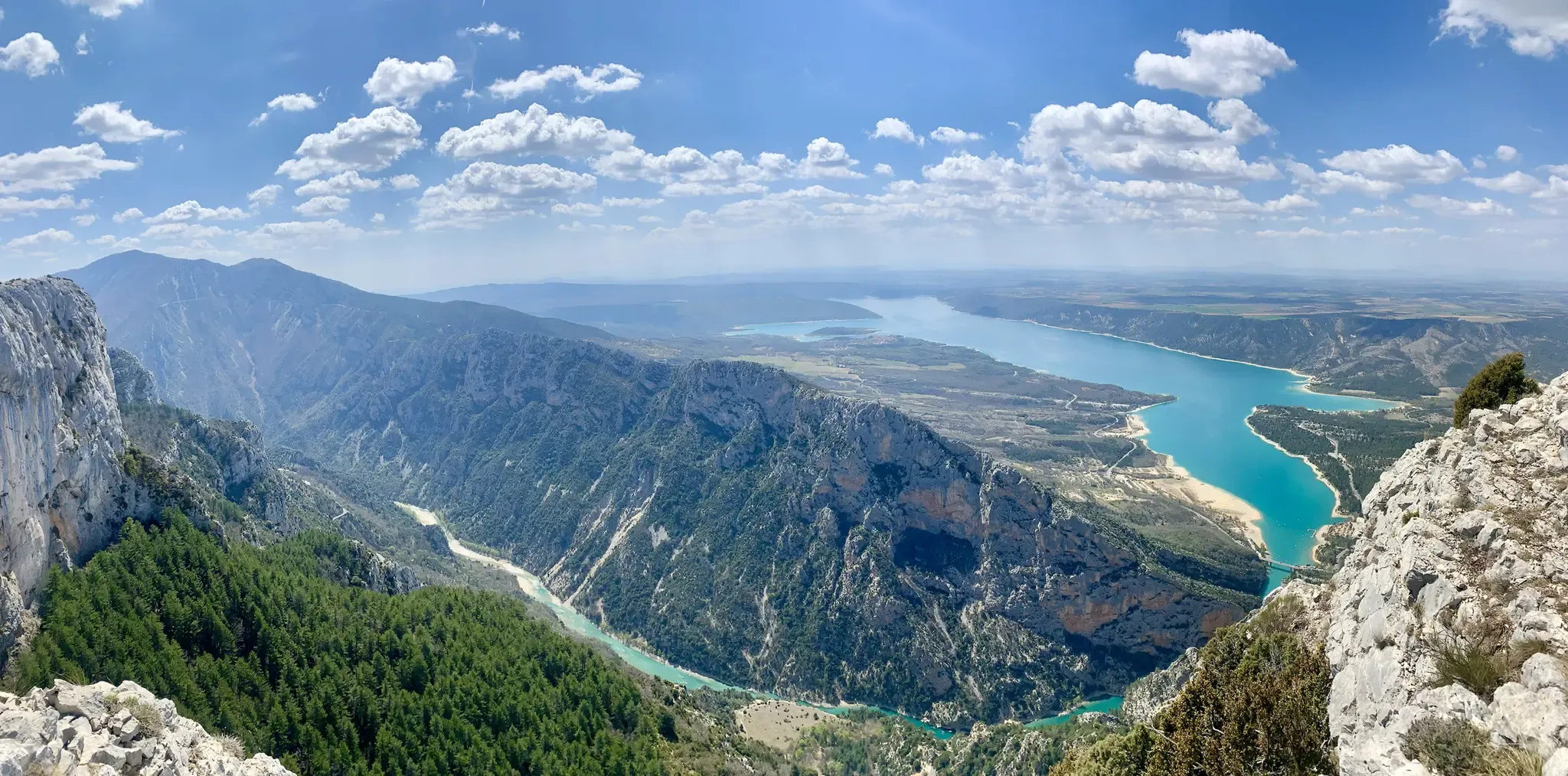
GR 4 – Crossing the south of France from Atlantic Coast to Provence
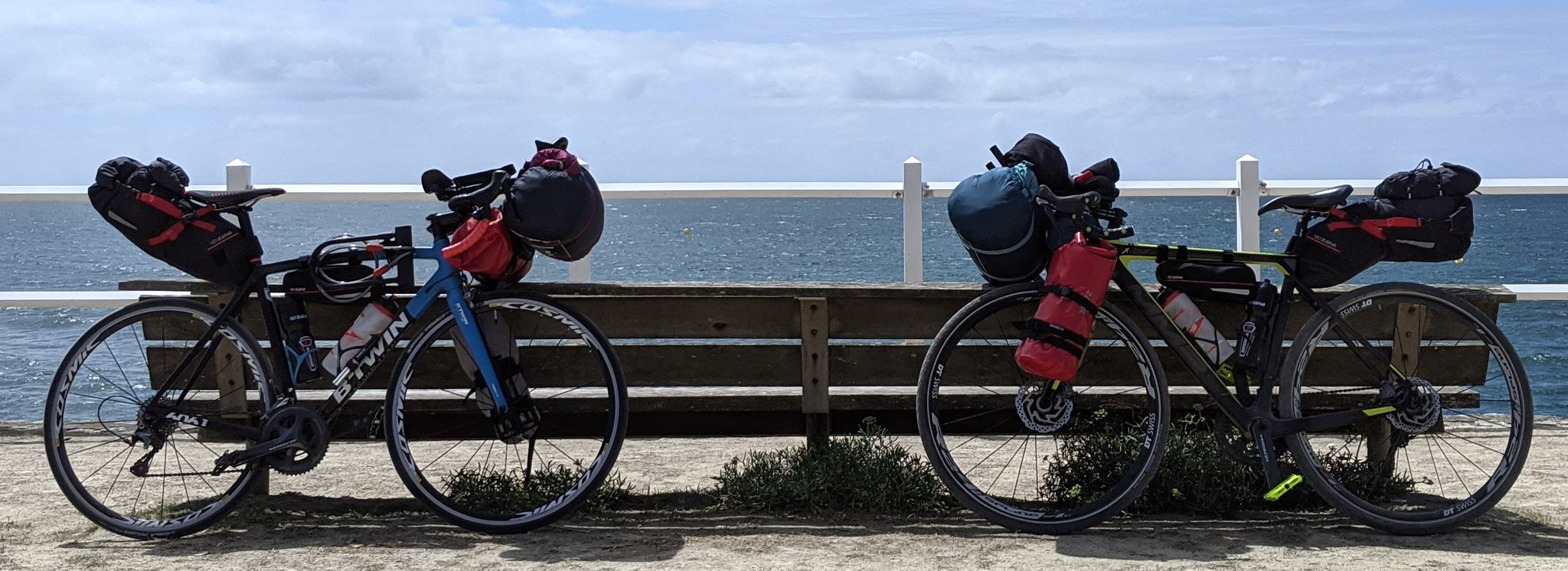
La Vélodyssée — From north to south via the ocean
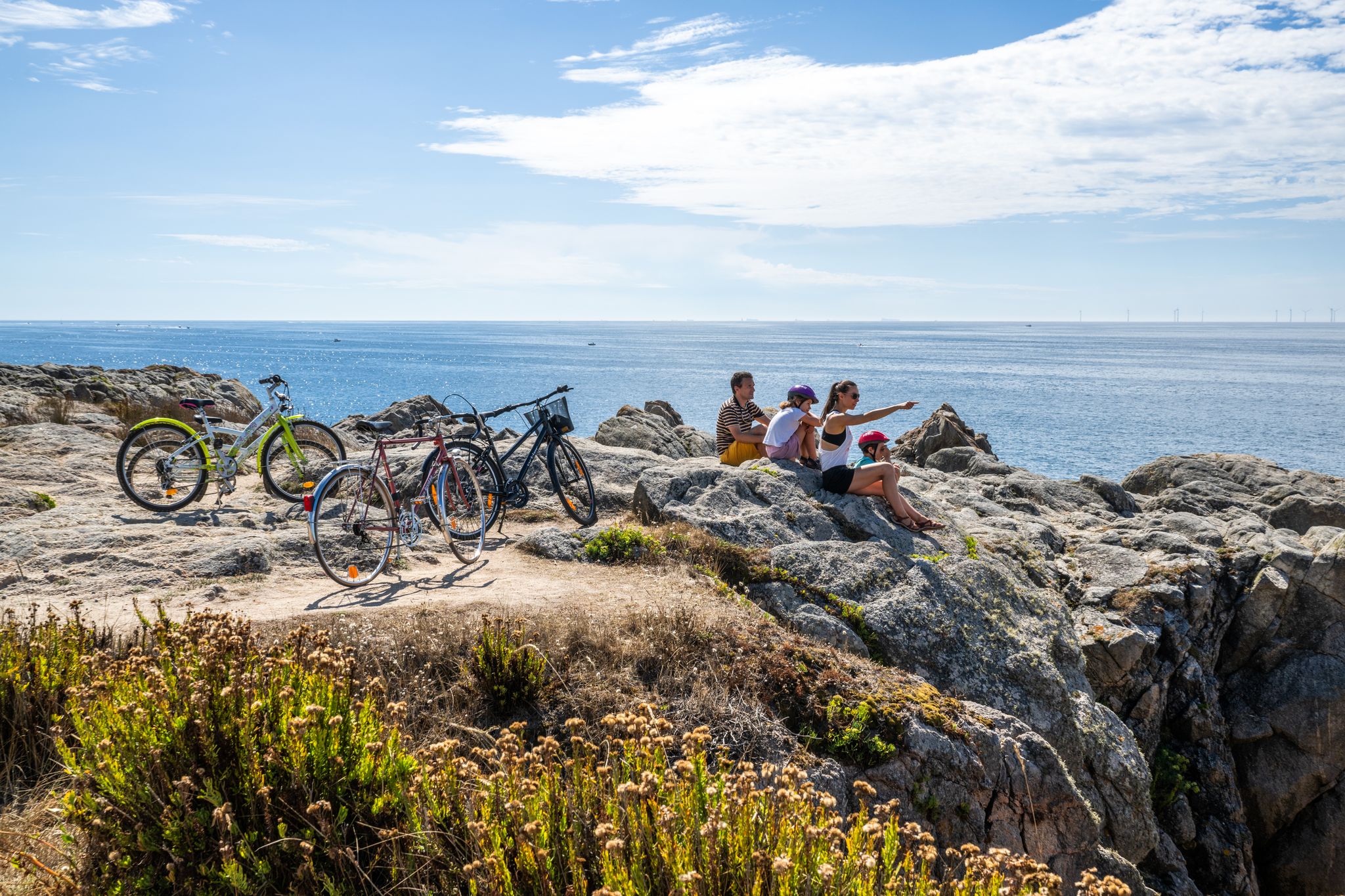
French Atlantic coast – 9 bike Tours from La Baule to Saint-Jean-de-Luz
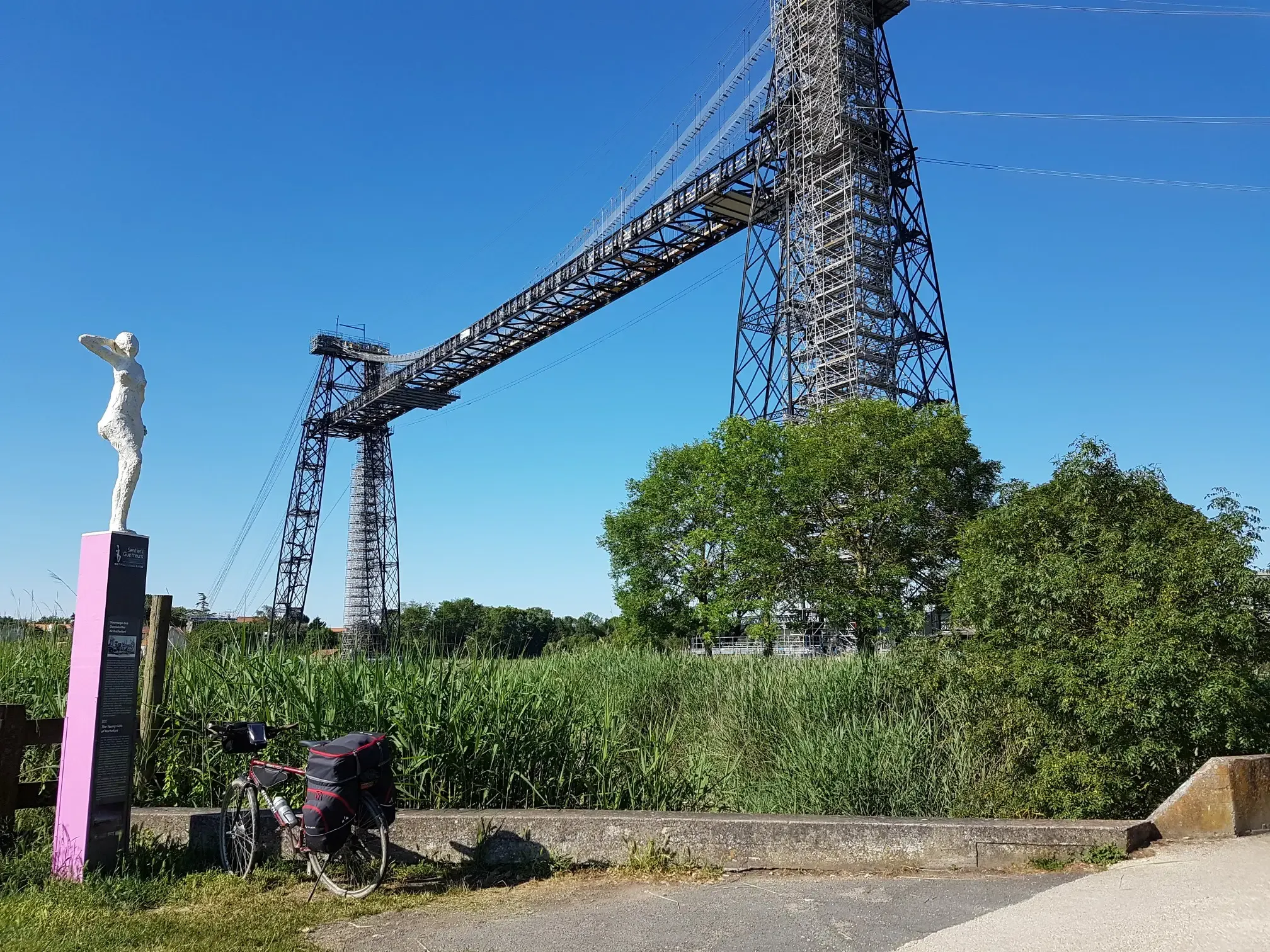
From the marshes to the Charente – a ride in the south of Aunis
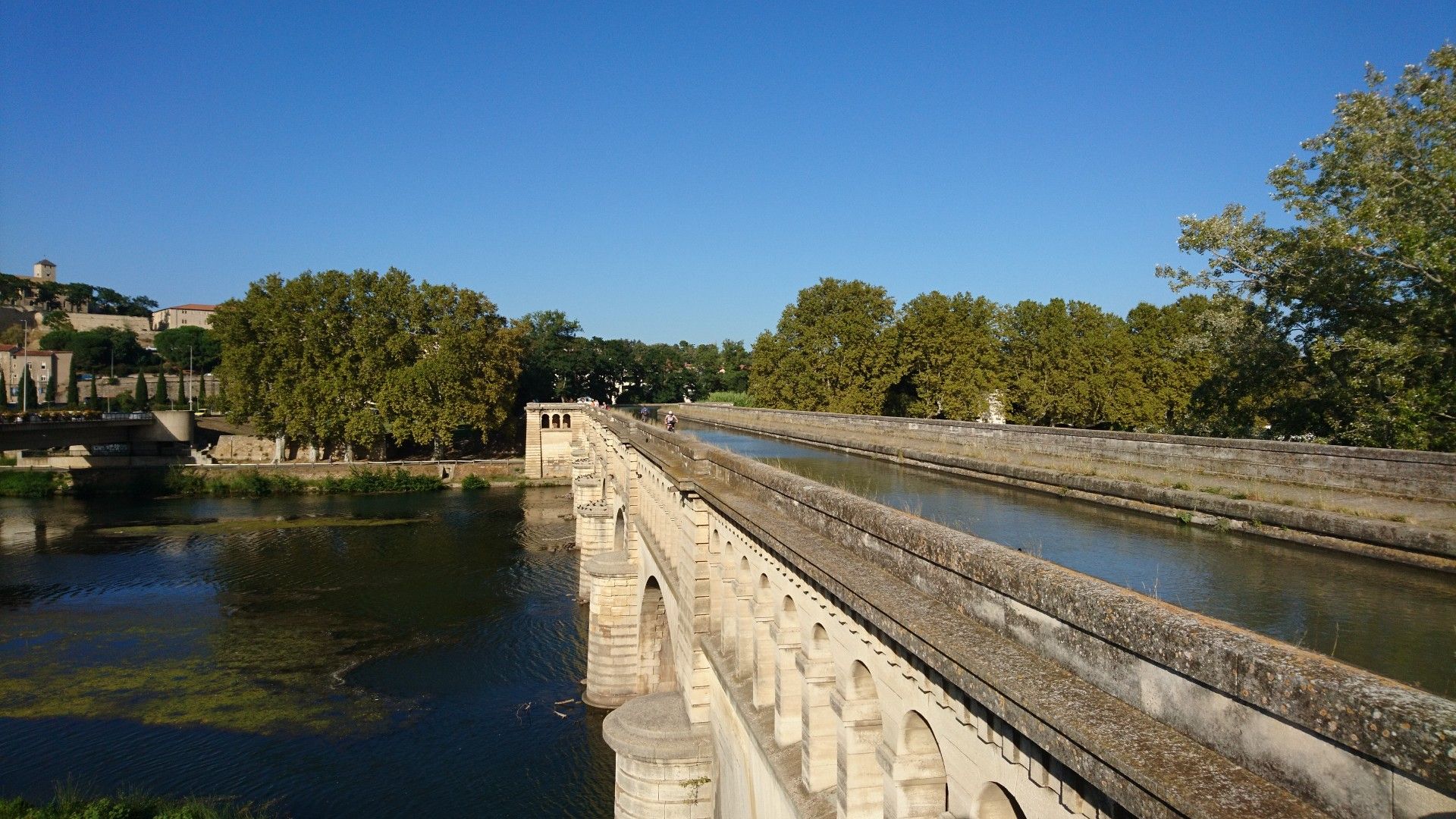
A river adventure – Canal des Deux Mers by bike
The Flow Vélo – a route that transports you
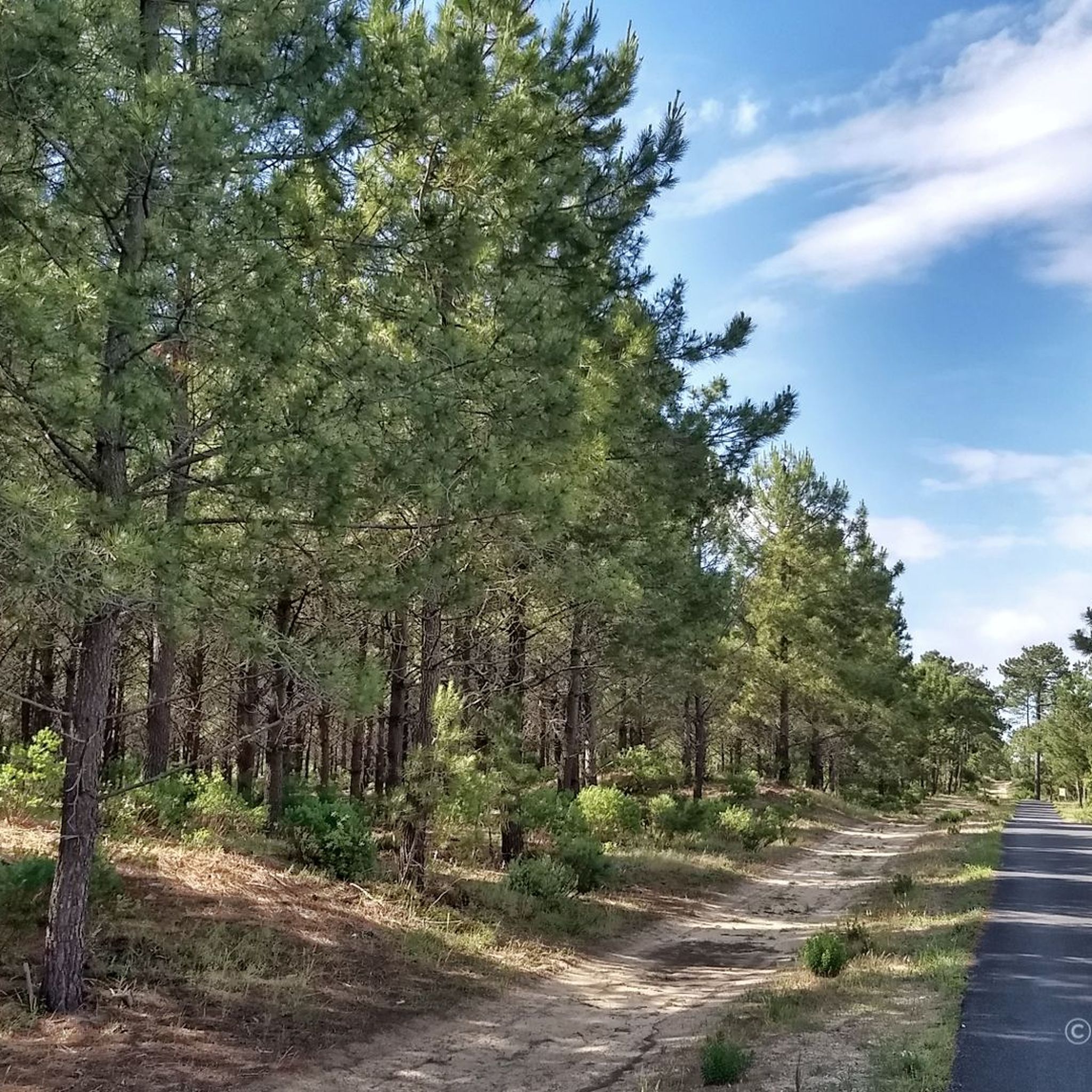
Cycling around Rochefort
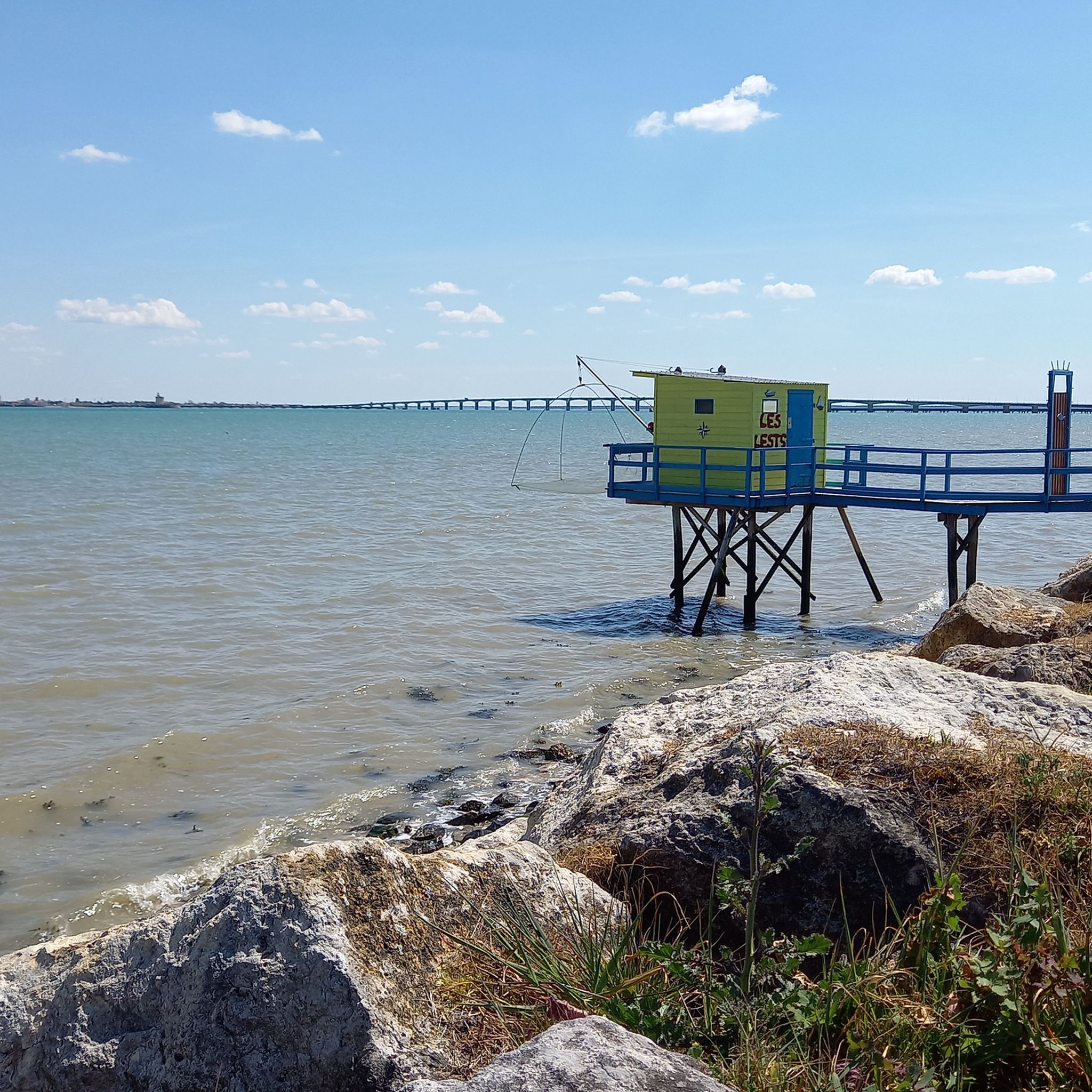
Hiking around Rochefort
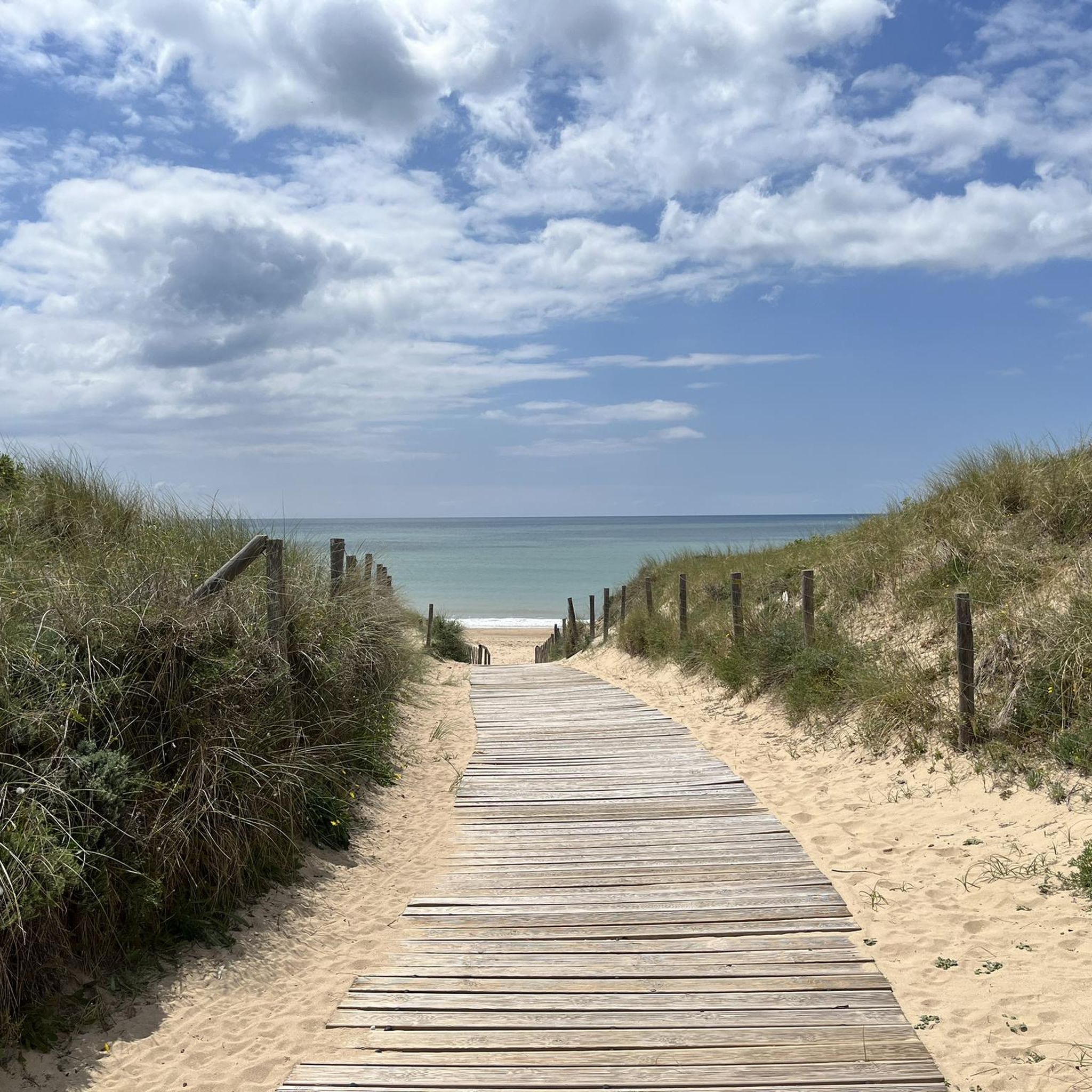
Running Trails around Rochefort
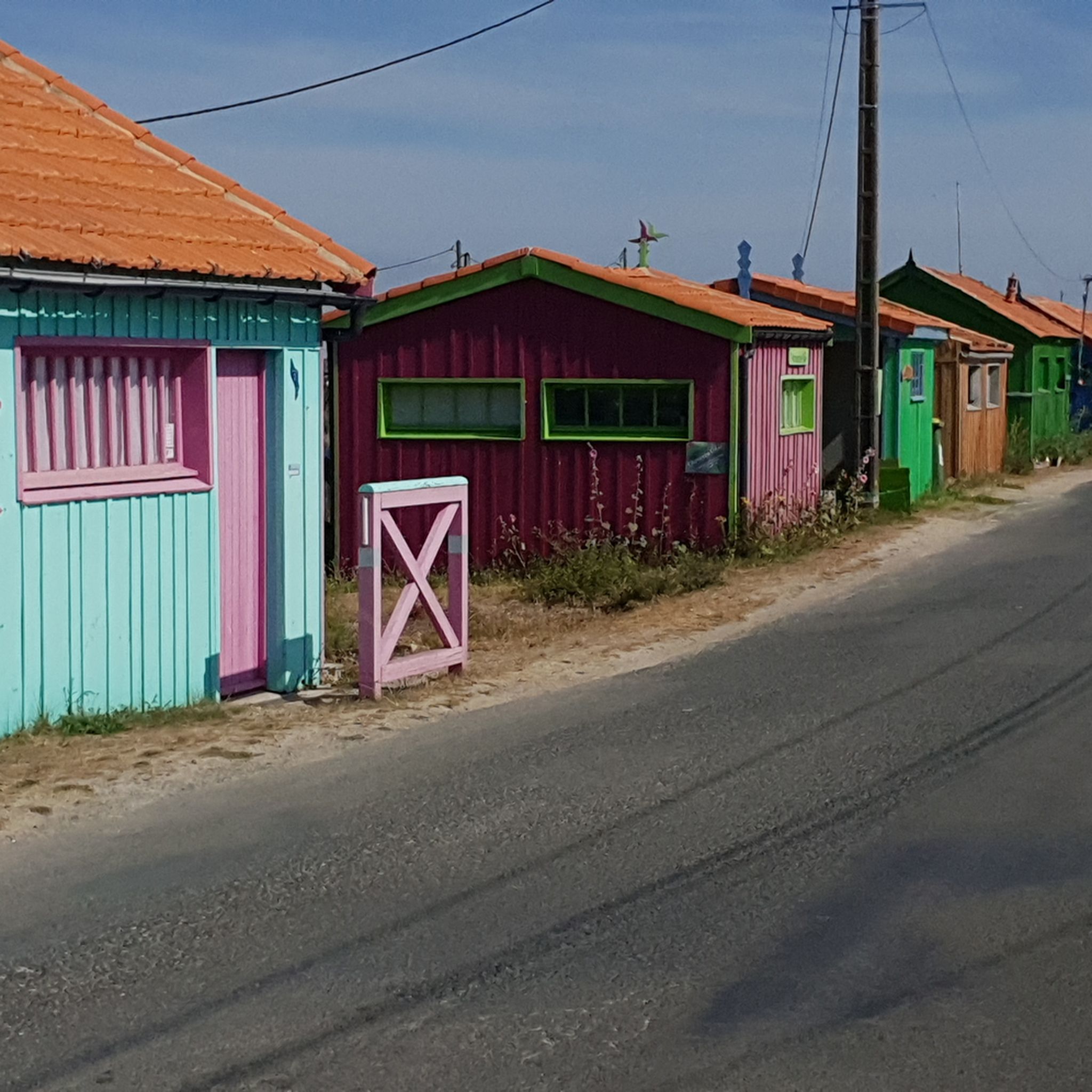
Road Cycling Routes around Rochefort
Other adventures around Rochefort


Tips from the Community


The citadel of Château-d'Oléron is a military fortress
0
0

A must-see for anyone visiting the island of Oléron. Richelieu ordered its construction, which began in 1630 on the remains of the old medieval castle. The work was led by the engineer Pierre d'Argencourt, who ordered the first bastion, and Louis Nicolas de Clerville later modified and enlarged the structure. The citadel and the town were completed in 1700 under the orders of Vauban. During this final phase of construction, part of the old village was razed to make way for a new fortified town, built on a grid pattern around the parade ground. A fortress with a defensive function, the citadel also housed disciplinary bodies, civilian and religious inmates during the Reign of Terror, and political prisoners in 1870. On April 17, 1945, an aerial bombardment destroyed many parts of the citadel. From 1959 to 1970, an initial restoration began. The stronghold was restored from 1988.
1
0
Admission is subject to a fee. The fee is used to preserve the fort. A historical monument with a worthwhile website: https://www.fortliedot.com/
1
0

Rather than a castle, it's a building called the park's salons. Located behind the casino, it's used primarily for shows, weddings, etc.
0
0

fortified village, former port of departure for the Americas, today it is located approximately 1.5km from the shore...
0
0

nice walk to do in and around the fort
0
0

Animated projections (atmosphere, life and seabed) on the walls of some rooms of the fort. Visit of a part of the patrol path and the casemates. History of Fort Lierot and Fort Boyard.
0
0
Frequently Asked Questions
What are the most popular castles and historical sites to visit around Rochefort?
The komoot community highly recommends several historical sites and castles. Among the most popular are Château-d'Oléron Citadel, known for its imposing fortress and charming fishermen's houses, and Fort de Fouras, a well-preserved site built on the foundations of a Roman castle. Another favorite is Brouage Citadel, a former salt trading port with significant historical ties, including to Samuel de Champlain.
Are there family-friendly castles or historical sites near Rochefort?
Yes, several castles and historical sites around Rochefort are great for families. Château-d'Oléron Citadel, Brouage Citadel, and Fort de Fouras are all categorized as family-friendly. These sites often offer open spaces for exploration and rich history that can engage visitors of all ages.
What kind of historical significance do the castles around Rochefort hold?
The castles and forts in the Rochefort area are deeply rooted in military and maritime history. Sites like Fort de Fouras were crucial for defending the mouth of the Charente River, with origins dating back to Roman times and later modifications by Vauban. Brouage Citadel was a significant Catholic war port, playing a role in the region's strategic importance during various conflicts and even linked to the founding of Quebec.
Can I combine a castle visit with outdoor activities like hiking or cycling?
Absolutely. The region around Rochefort offers numerous opportunities to combine historical exploration with outdoor activities. For instance, you can find many gravel biking routes and road cycling routes that pass by or near these historical sites. There are also running trails, such as the 'Tour of the Ile d'Aix' or 'Madame Island - loop', which allow you to enjoy the coastal scenery and historical landmarks.
Are there any castles near Rochefort that offer panoramic views?
Yes, many of the defensive structures in the region were strategically built on elevated positions. Fort de Fouras, for example, offers great views of the surrounding area and the sea. These sites provide excellent vantage points to appreciate the landscape and the historical context of their location.
What is the best time of year to visit the castles around Rochefort?
The best time to visit the castles and historical sites around Rochefort is generally during the spring (April-June) and autumn (September-October) months. The weather is typically milder and more pleasant for exploring, and you can avoid the peak summer crowds. This allows for comfortable walks around the sites and along nearby trails.
Are there any lesser-known or 'hidden gem' castles to explore near Rochefort?
While the major citadels are well-known, you might enjoy exploring Château du Bois-Vert or La Gateaudière Castle for a different experience. These offer a glimpse into the region's diverse architectural heritage beyond the prominent fortifications.
What natural features can I expect to see when visiting castles in the Rochefort area?
The castles and forts around Rochefort are often situated in diverse natural settings. For instance, Fort de Fouras is right on the beach, offering coastal views. Brouage Citadel, once a port, is now surrounded by marshes, which are protected natural spaces home to rare animal species like the European otter and storks. Many routes near these sites will take you through marshlands, along the coast, or through rural landscapes.
Are there any castles or historical sites that are particularly good for history buffs?
History buffs will find the detailed past of Brouage Citadel fascinating, with its transformation from a salt trading port to a war port and its connection to Samuel de Champlain. Fort de Fouras also offers a rich history, from its Roman origins to its role in defending the Charente estuary, with detailed accounts of its construction and military use.
What do visitors enjoy most about the castles and historical sites around Rochefort?
Visitors frequently appreciate the rich history and the well-preserved nature of the sites. Many enjoy the imposing architecture of places like Château-d'Oléron Citadel and the strategic significance of Fort de Fouras. The scenic views and the opportunity to explore these historical landmarks, often combined with pleasant walks, are also highly valued.
Are there any castles that are particularly suitable for a leisurely walk?
Yes, sites like Château-d'Oléron Citadel and Brouage Citadel offer pleasant environments for leisurely walks. Brouage, in particular, has ramparts and a well-preserved layout that invites exploration at a relaxed pace, though be aware that some streets inside the citadel are paved.
Can I find accommodation options near the castles in the Rochefort area?
The Rochefort region is a popular tourist destination, so you'll find various accommodation options ranging from hotels and guesthouses to campsites in towns and villages near the castles. It's advisable to book in advance, especially during peak season, to secure your preferred lodging.
Most popular routes around Rochefort
Most popular attractions around Rochefort

Get inspired with the komoot mobile app


Didn’t find what you were looking for?
Explore Rochefort’s best castles region by region:
Explore more
Looking for the best castles somewhere else? Discover other guides around Rochefort:
