The best cycling routes around Saint-Jean-De-Maurienne
4.3
(851)
39,410
riders
388
rides
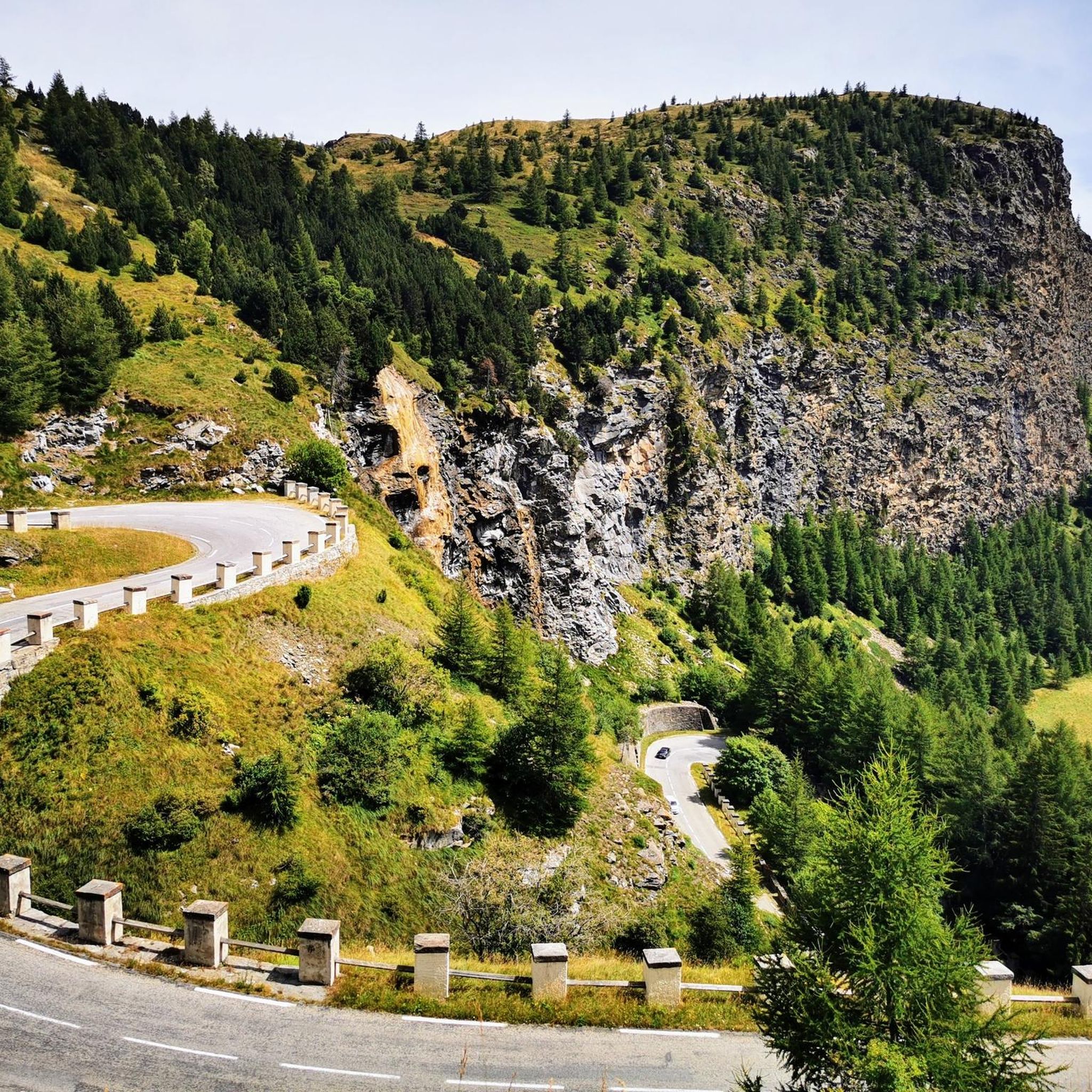
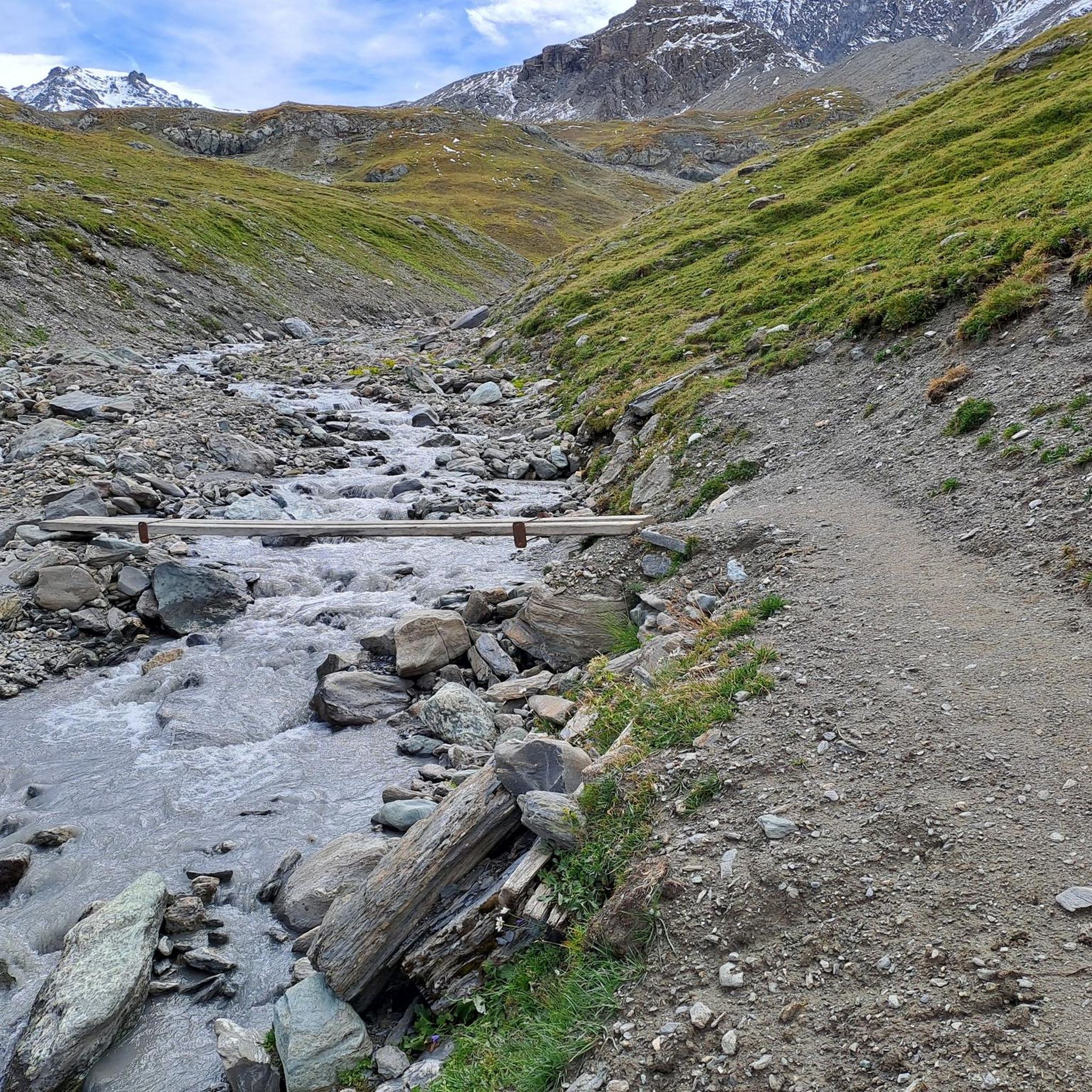
Touring cycling routes around Saint-Jean-De-Maurienne are set within the Maurienne Valley in the French Alps, characterized by its dramatic alpine landscapes. The region features the Arc and Arvan rivers, surrounded by majestic mountain ranges and natural parks. It is renowned for its iconic and challenging alpine passes, which offer significant elevation gains and panoramic views.
Best touring cycling routes around Saint-Jean-De-Maurienne
- The most popular touring cycling route is Col du Télégraphe, Col du Galibier et Col du Lautaret – Parc national des Écrins, a 53.7 miles (86.5 km) difficult trail that takes 7 hours 13 minutes to complete. This route traverses legendary alpine passes with substantial climbs.
- Another top favourite among local touring cyclists is Col du Glandon and Col de la Croix de Fer from Saint-Jean-de-Maurienne, a difficult 39.2 miles (63.2 km) path. This route combines two major alpine passes, offering challenging ascents and mountain vistas.
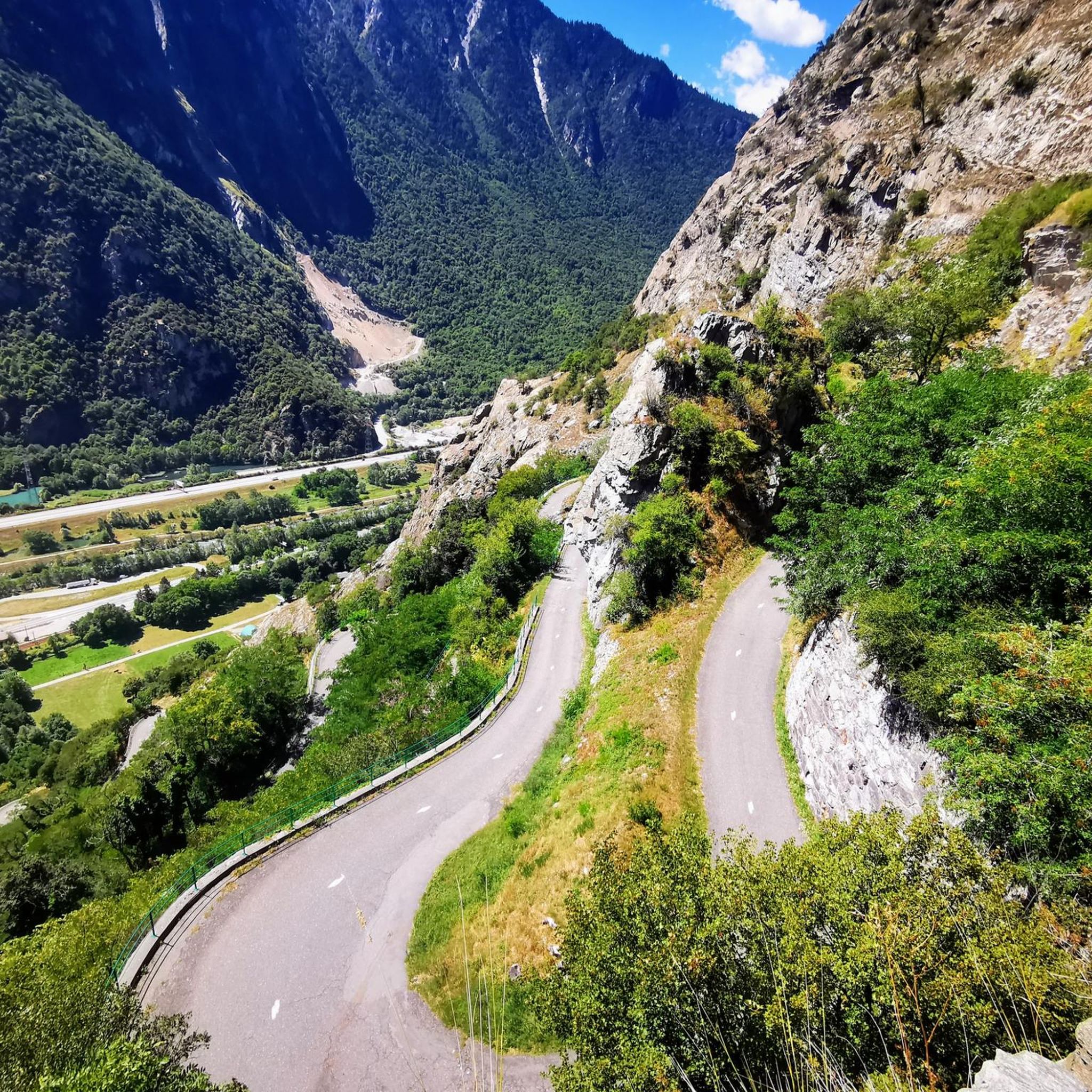
- Local touring cyclists also love the Lacets de Montvernier Loop, a 16.5 miles (26.6 km) trail leading through famous hairpin bends, often completed in about 1 hour 48 minutes.
- Touring cycling around Saint-Jean-De-Maurienne is defined by high alpine passes, deep valleys, and river routes. The network offers options for various ability levels, from moderate loops to difficult mountain climbs.
- The routes in Saint-Jean-De-Maurienne are highly rated by the komoot community with an average score of 4.4 stars from over 600 reviews. More than 36,000 touring cyclists have used komoot to explore Saint-Jean-De-Maurienne's varied terrain.
Last updated: August 30, 2026
4.7
(31)
1,875
riders
86.5km
07:13
2,850m
2,850m
Hard bike ride. Very good fitness required. Mostly paved surfaces. Suitable for all skill levels.
4.6
(24)
1,305
riders
63.2km
04:59
1,810m
1,800m
Hard bike ride. Very good fitness required. Mostly paved surfaces. Suitable for all skill levels.

Sign up for free
4.6
(7)
296
riders
26.6km
01:48
450m
450m
The Lacets de Montvernier Loop is a moderate 16.6-mile touring cycling route in the French Alps, famous for its unique hairpin bends and val
4.5
(6)
2,442
riders
23.7km
02:02
840m
840m
Hard bike ride. Very good fitness required. Mostly paved surfaces. Suitable for all skill levels.
4.6
(5)
129
riders
63.3km
05:39
1,780m
1,780m
Cycle the difficult 39.3-mile Tour of Lac du Mont-Cenis, gaining 5845 feet, for spectacular alpine views and historical forts.
4.8
(32)
1,933
riders
Hard bike ride. Very good fitness required. Mostly paved surfaces. Suitable for all skill levels.
4.6
(26)
1,443
riders
Hard bike ride. Very good fitness required. Mostly paved surfaces. Suitable for all skill levels.
1,696
riders
26.0km
01:35
250m
250m
Moderate bike ride. Good fitness required. Mostly paved surfaces. Suitable for all skill levels.
4.6
(15)
950
riders
69.9km
05:23
1,840m
1,840m
Hard bike ride. Very good fitness required. Mostly paved surfaces. Suitable for all skill levels.
4.3
(16)
704
riders
48.2km
03:52
1,410m
1,410m
Hard bike ride. Very good fitness required. Mostly paved surfaces. Suitable for all skill levels.
Get access to more routes and recommendations from other explorers.
Sign up for free
Already have an account?
Our route recommendations are based on thousands of hikes, rides, and runs completed by other people on komoot.
Start today with a free account
Your next adventure awaits.
Login or Signup
Popular around Saint-Jean-De-Maurienne
Other adventures around Saint-Jean-De-Maurienne


Tips from the Community

super mega pretty here
0
0

Pretty mountain village. Very pleasant, far from the big resorts.
0
0

Transit town in the valley, various options for mountains.
2
0
Either to Madeleine or to Chaussy.
2
0
Narrow road, great views. Relatively little traffic.
2
0
Narrow road by the rock, great views.
1
0
Narrow road by the rock, great views.
2
0
Orderly ascent, nice pass with chapel and bar/restaurant. Some water points, but not many.
1
0
Frequently Asked Questions
How many touring cycling routes are available around Saint-Jean-De-Maurienne?
The Saint-Jean-De-Maurienne area offers a vast network of over 370 touring cycling routes. These routes cater to a wide range of abilities, from moderate loops to highly challenging mountain climbs through the iconic alpine passes.
Are there touring cycling routes suitable for beginners or families in the Maurienne Valley?
Yes, while the region is famous for its challenging alpine passes, there are also routes suitable for beginners and families. You can find around 40 easy and 96 moderate touring cycling routes that offer a less strenuous experience, often following river routes or lower valley sections. These routes allow you to enjoy the stunning scenery without the intense climbs.
What are some of the most challenging touring cycling routes in the region?
For experienced touring cyclists seeking a significant challenge, the Maurienne Valley is home to numerous difficult routes. One such route is the demanding Tour of Lac du Mont-Cenis, which covers over 63 km with substantial elevation gain. Another option is the Col du Télégraphe – Col du Galibier loop from Le Col, offering over 93 km and more than 3000 meters of ascent.
What kind of landscapes can I expect to see while touring cycling in Saint-Jean-De-Maurienne?
Touring cycling in Saint-Jean-De-Maurienne offers incredibly diverse landscapes. You'll traverse the deep Maurienne Valley carved by the Arc River, encounter majestic alpine passes like the Col du Galibier and Col de la Croix de Fer, and ride through areas bordered by the Lauzière and Vanoise massifs. Expect dramatic mountain scenery, lush forests (especially larch forests turning golden in autumn), and panoramic views of the French Alps.
Are there any circular touring cycling routes available?
Yes, many touring cycling routes in the region are designed as loops, allowing you to start and finish in the same location. A notable circular route is the Lacets de Montvernier Loop, famous for its iconic hairpin bends and offering a moderate challenge over 26.6 km.
What are some interesting landmarks or attractions I can see along the touring cycling routes?
The region is rich in natural and historical landmarks. Many routes will take you past legendary mountain passes such as Col du Galibier and Col du Télégraphe, offering breathtaking views. You might also encounter the unique Montvernier Hairpins. For those interested in local history, the Opinel Museum is also located in the area, and some routes, like the Opinel Museum – Glandon Pass loop, incorporate it into the journey.
What do other touring cyclists enjoy the most about cycling in Saint-Jean-De-Maurienne?
The touring cycling routes around Saint-Jean-De-Maurienne are highly rated by the komoot community, with an average score of 4.4 stars from over 600 reviews. Cyclists frequently praise the challenging alpine passes, the stunning panoramic views, and the well-maintained routes that allow them to retrace the paths of professional riders from the Tour de France.
When is the best time of year for touring cycling in Saint-Jean-De-Maurienne?
The best time for touring cycling in Saint-Jean-De-Maurienne is typically from late spring to early autumn (May to October). During these months, the alpine passes are generally clear of snow, and the weather is most favorable for cycling. Summer offers warmer temperatures, while autumn brings beautiful golden larch forests, especially higher up the valley.
Are there any routes that offer views of the Aiguilles d'Arves?
Yes, the region offers routes with stunning views of the Aiguilles d'Arves. The Col de la Croix de Fer, for instance, provides breathtaking vistas of these iconic peaks from its summit. Routes that incorporate this pass, such as the Col du Glandon and Col de la Croix de Fer from Saint-Jean-de-Maurienne, will offer these spectacular sights.
Can I find long-distance touring cycling trails near Saint-Jean-De-Maurienne?
Absolutely. Saint-Jean-De-Maurienne is a key point on the famous "Route des Grandes Alpes," which offers extensive long-distance touring opportunities through the French Alps. Many of the challenging routes in the area, such as those crossing multiple high passes, can be integrated into longer multi-day tours.
Are there any touring cycling routes that pass by a lake?
Yes, some routes in the broader Maurienne Valley region feature beautiful lakes. The Tour of Lac du Mont-Cenis is a prime example, offering a challenging ride around the stunning Lac du Mont-Cenis, providing both a physical test and picturesque scenery.
Most popular routes around Saint-Jean-De-Maurienne
Most popular attractions around Saint-Jean-De-Maurienne

Get inspired with the komoot mobile app


Didn’t find what you were looking for?
Check out more Cycling routes throughout Saint-Jean-De-Maurienne below and find the perfect route in your destination.
Explore more
Browse the best Cycling routes in other regions.
