Attractions and Places To See around Verdun - Top 20
Best attractions and places to see around Verdun include a rich array of historical sites, cultural landmarks, and natural features. The region is primarily known for its pivotal role in World War I, with numerous memorials and battlefields. Beyond its commemorative sites, Verdun offers a blend of ancient architecture, museums, and tranquil green spaces along the Meuse River. Visitors can explore both the poignant history and the resilient natural landscape of the area.
Best attractions and places to see around Verdun
- The most popular attractions is Douaumont Ossuary, a man-made monument that houses the remains of approximately 130,000 unidentified French and German soldiers. Its tower offers panoramic views of the surrounding battlefield, serving as a powerful memorial against war.
- Another must-see spot is Monument to Victory and the Soldiers of Verdun, a monument dedicated to all combatants who sacrificed their lives. This monument features a warrior sculpture and a crypt containing registers of those awarded the Verdun Medal.
- Visitors also love Basilica of Our Lady of Avioth, a religious building in Gothic style. This 14th-century basilica is known for its grandeur in a small village, earning it the nickname "the Cathedral of the Fields."
- Verdun is known for its significant World War I historical sites, cultural institutions, and natural areas. The region offers a diverse range of attractions, from battlefields and memorials to ancient cathedrals and peaceful riverbanks.
- The attractions around Verdun are appreciated by the komoot community, with more than 290 upvotes and over 410 photos shared.
Last updated: June 22, 2026
Douaumont Ossuary
Highlight • Monument
Let us never forget this horror!
Translated by Google •
Tip by

Monument to the Dead and the Children of Verdun
Highlight • Other
Translated by Google •
Tip by

Sign up now to discover places like this
Get recommendations on the best single tracks, peaks, & plenty of other exciting outdoor places.
Sign up for free
Verdun Memorial
Highlight • Historical Site
Translated by Google •
Tip by
Verdun War Memorial
Highlight • Monument
Source: cirkwi.com/fr/point-interet/1163654-monument-aux-enfants-de-verdun-morts-pour-la-france
Translated by Google •
Tip by

Monument to Victory and the Soldiers of Verdun
Highlight • Other
Translated by Google •
Tip by

Basilica of Our Lady of Avioth
Highlight • Religious Site
Translated by Google •
Tip by

Fort de Vaux
Highlight • Historical Site
The car park is ideal for walks (for example to the Vaux pond). If you keep your eyes peeled, you can discover many other testimonies and memorials from the Battle of Verdun on the forest trails. The paths and trails should not be left, as there is a serious danger of encountering duds or live ammunition (even grenades)! We discovered e.g. even at the edge of the main gravel path, the remains of a stalk grenade.
More information and excellent photographic documentation: verdunbilder.de
Translated by Google •
Tip by

Bell Tower of the Douaumont Ossuary
Highlight • Monument
Translated by Google •
Tip by
Citadel of Montmédy
Highlight • Settlement
The village itself within the walls is also very nice, although it is still being restored. A large number of houses are still badly damaged.
Translated by Google •
Tip by

Verdun Citadel
Highlight • Historical Site
Underground galleries were dug under the citadel of Verdun between 1886 and 1893. Established and supported for 2,000 men, this underground city played an important role during the battle of 1916.
Source: tourisme-lorraine.fr/memoire-militaire/centenaire-14-18/sites-et-monuments/939000374-citadelle-souterraine-verdun
Translated by Google •
Tip by
Sign up for free to discover even more attractions around Verdun.
Sign up for free
Already have an account?
Start today with a free account
Your next adventure awaits.
Login or Signup
Popular around Verdun
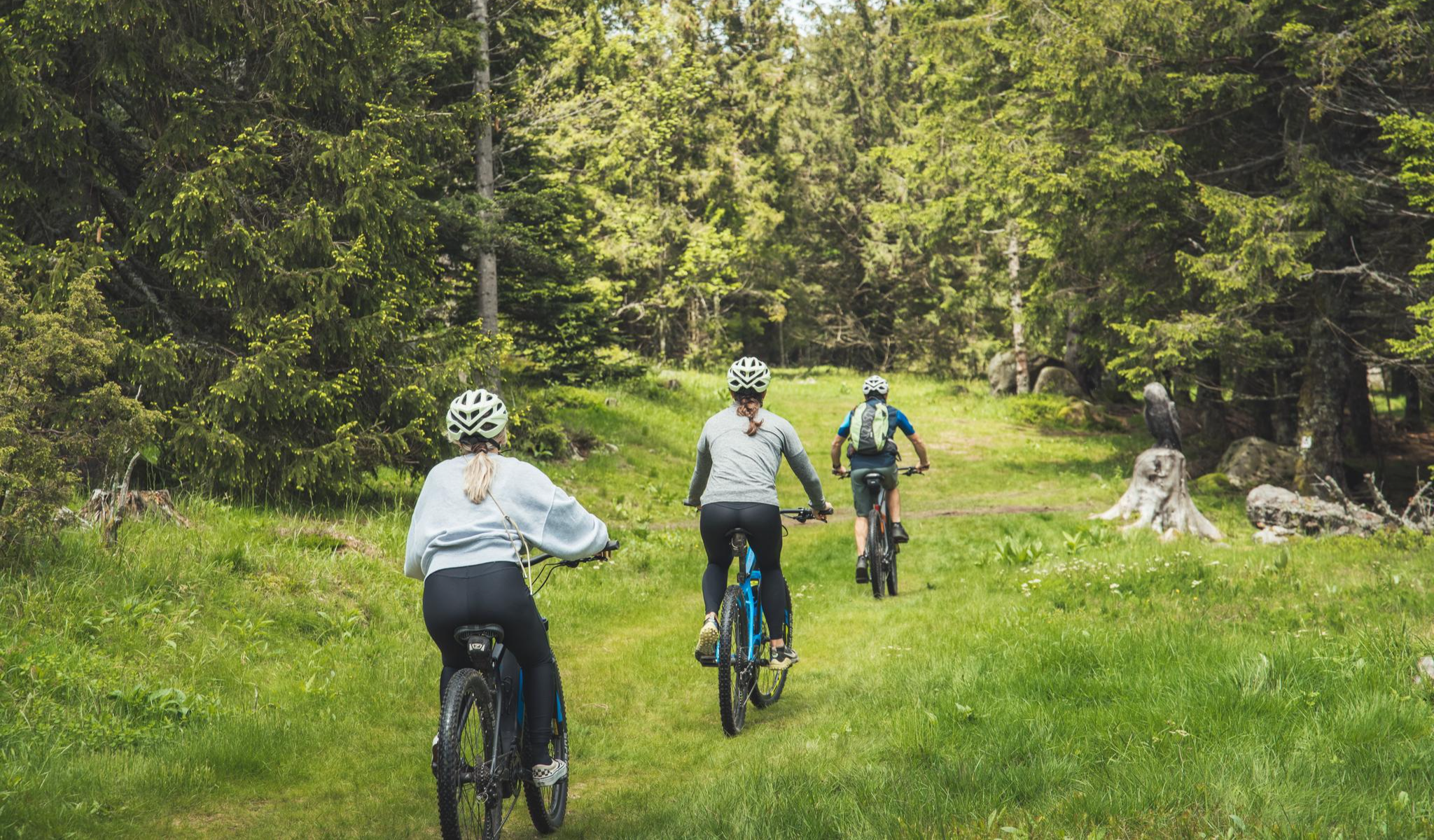
MTB and gravel in the Grand Est – the joy of the low mountains
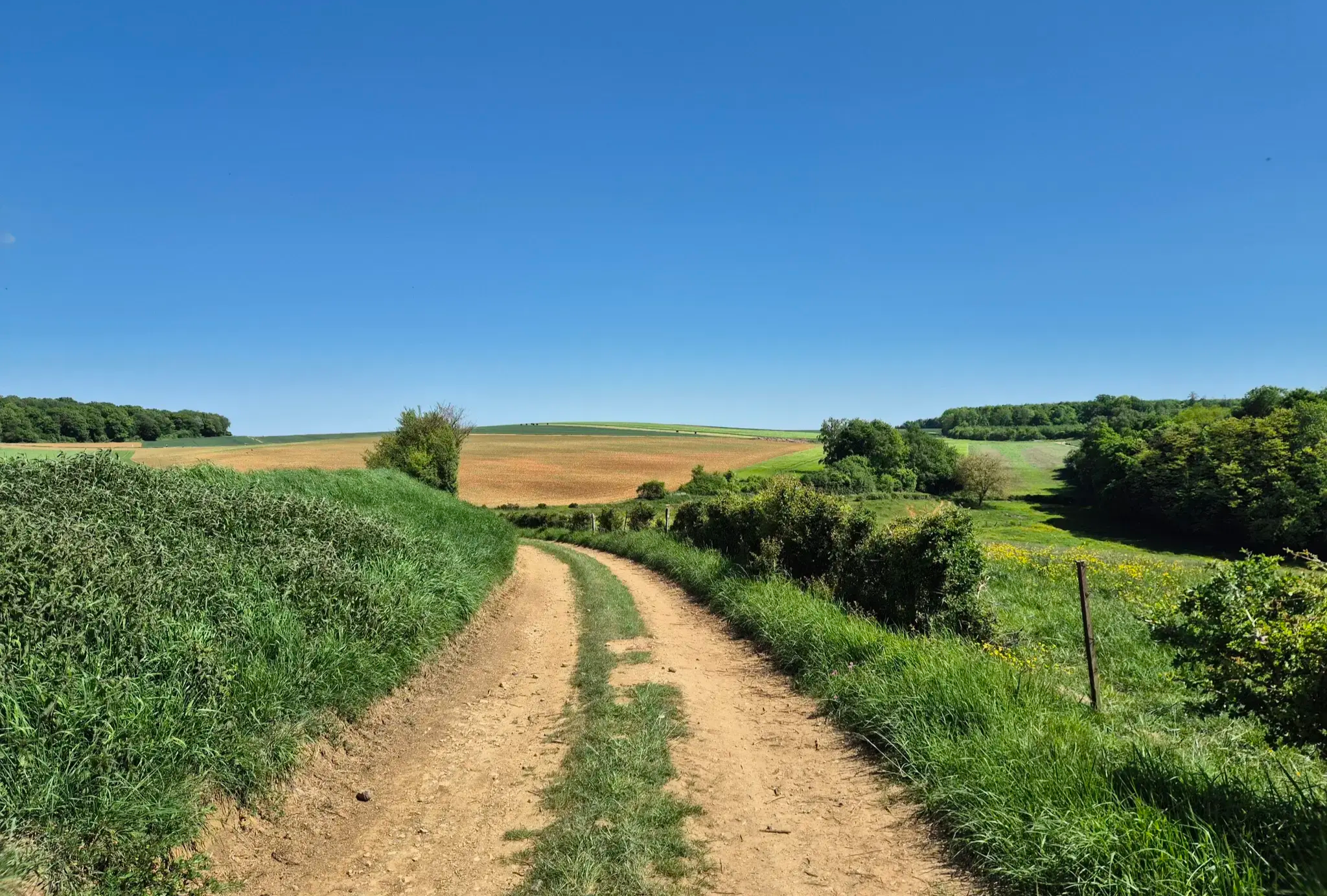
Une randonnée aux airs de Provence — La Transgaumaise
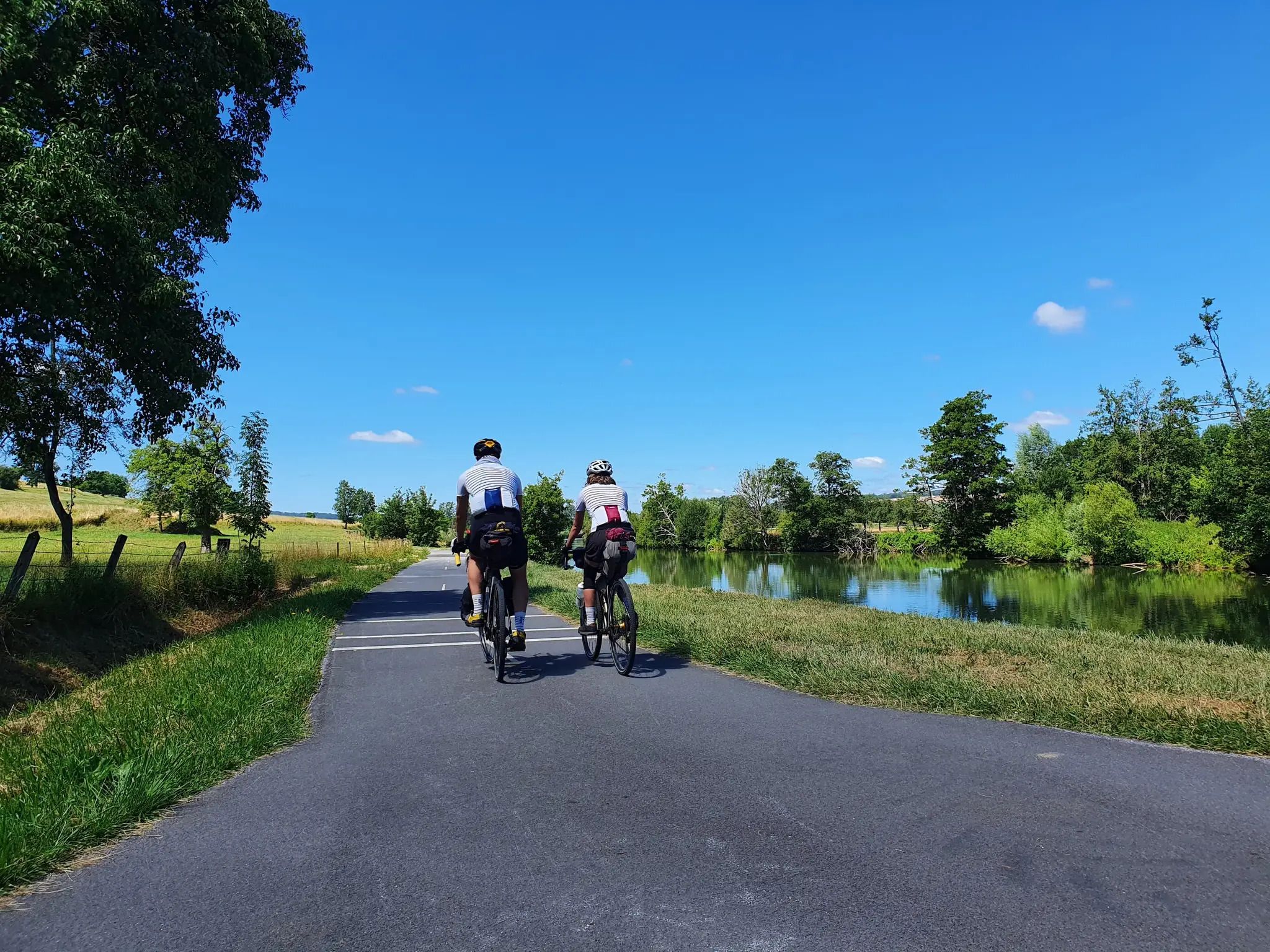
A river, three countries, countless experiences – Meuse Cycle Route
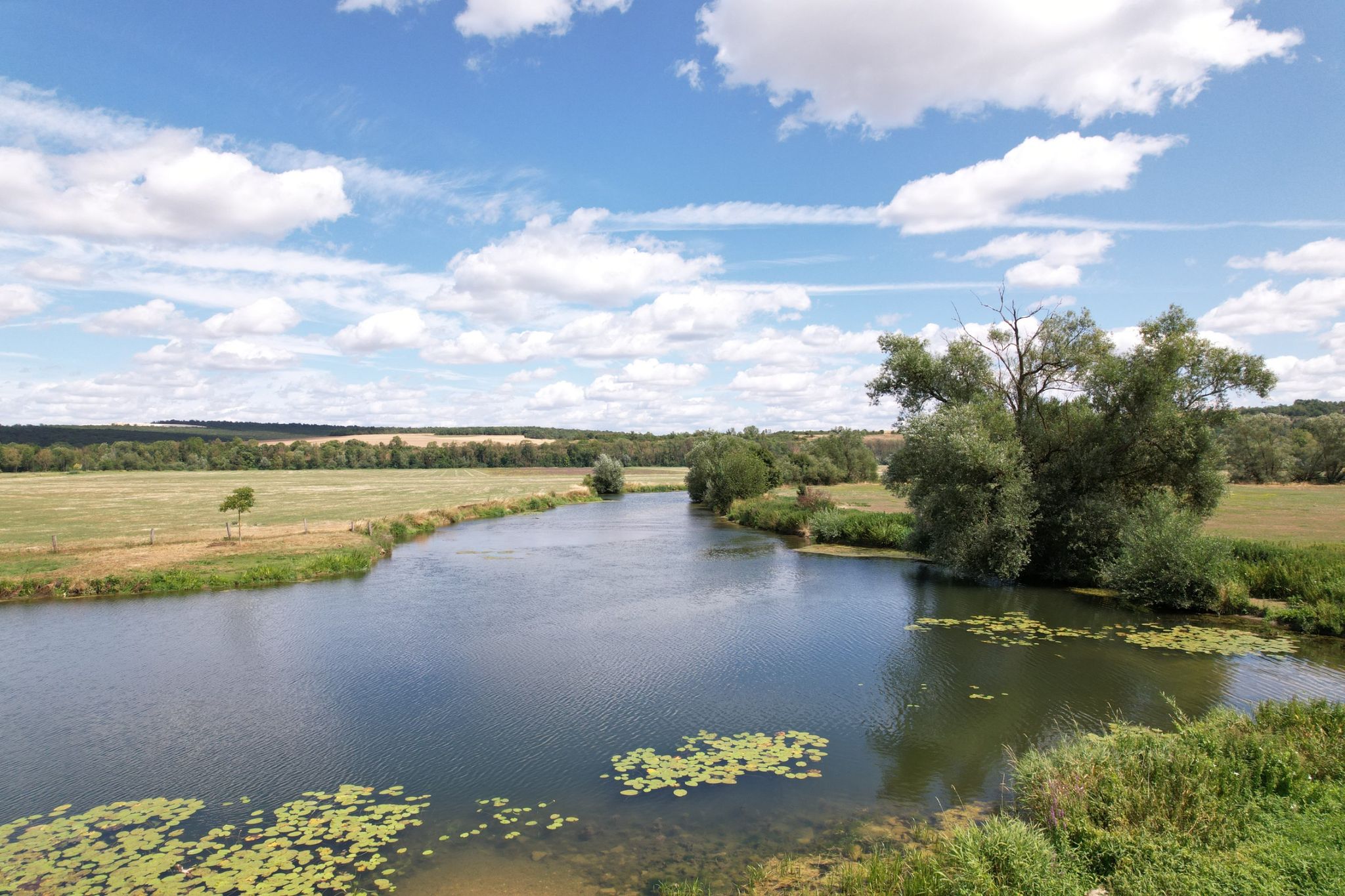
Along the Meuse River – an adventure on EuroVelo 19
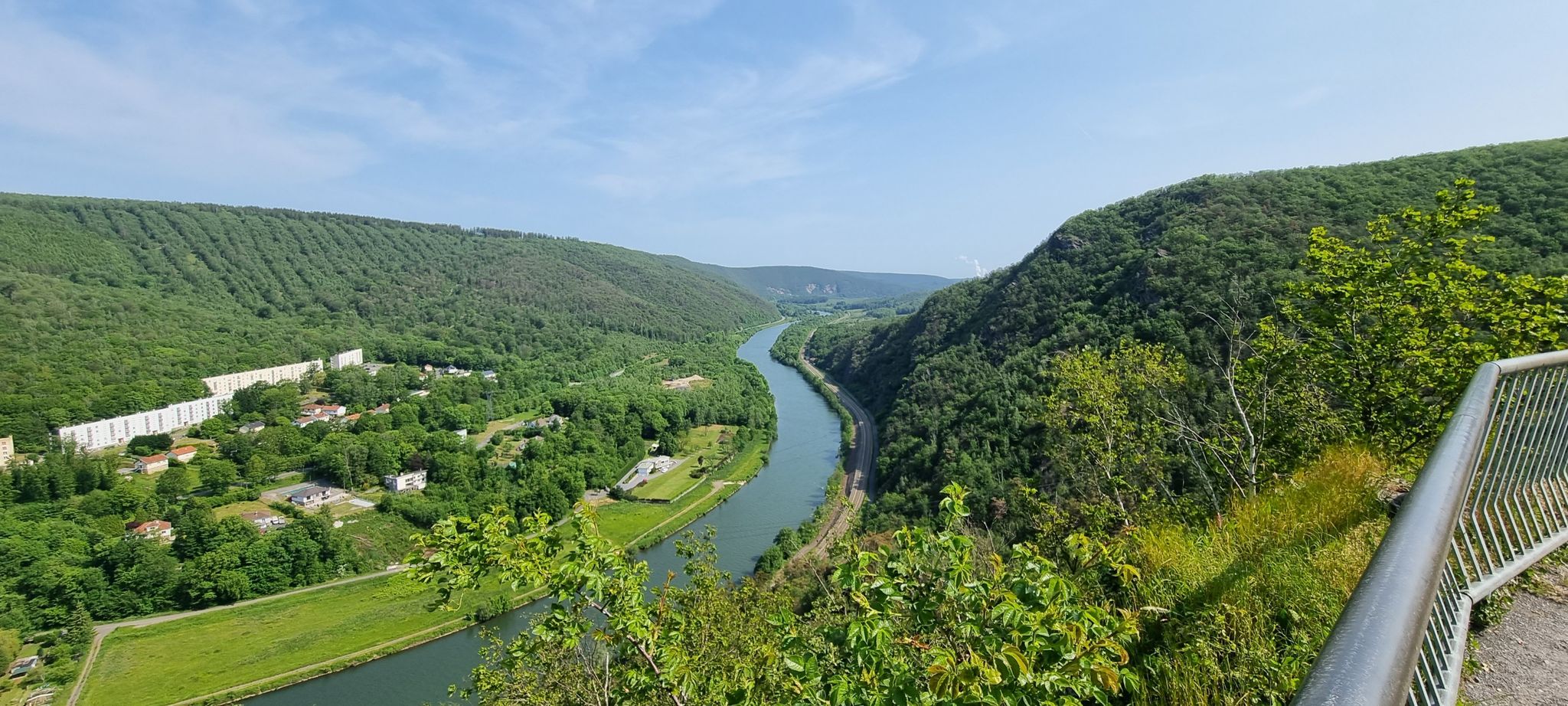
In the footsteps of the First World War — EuroVelo 19
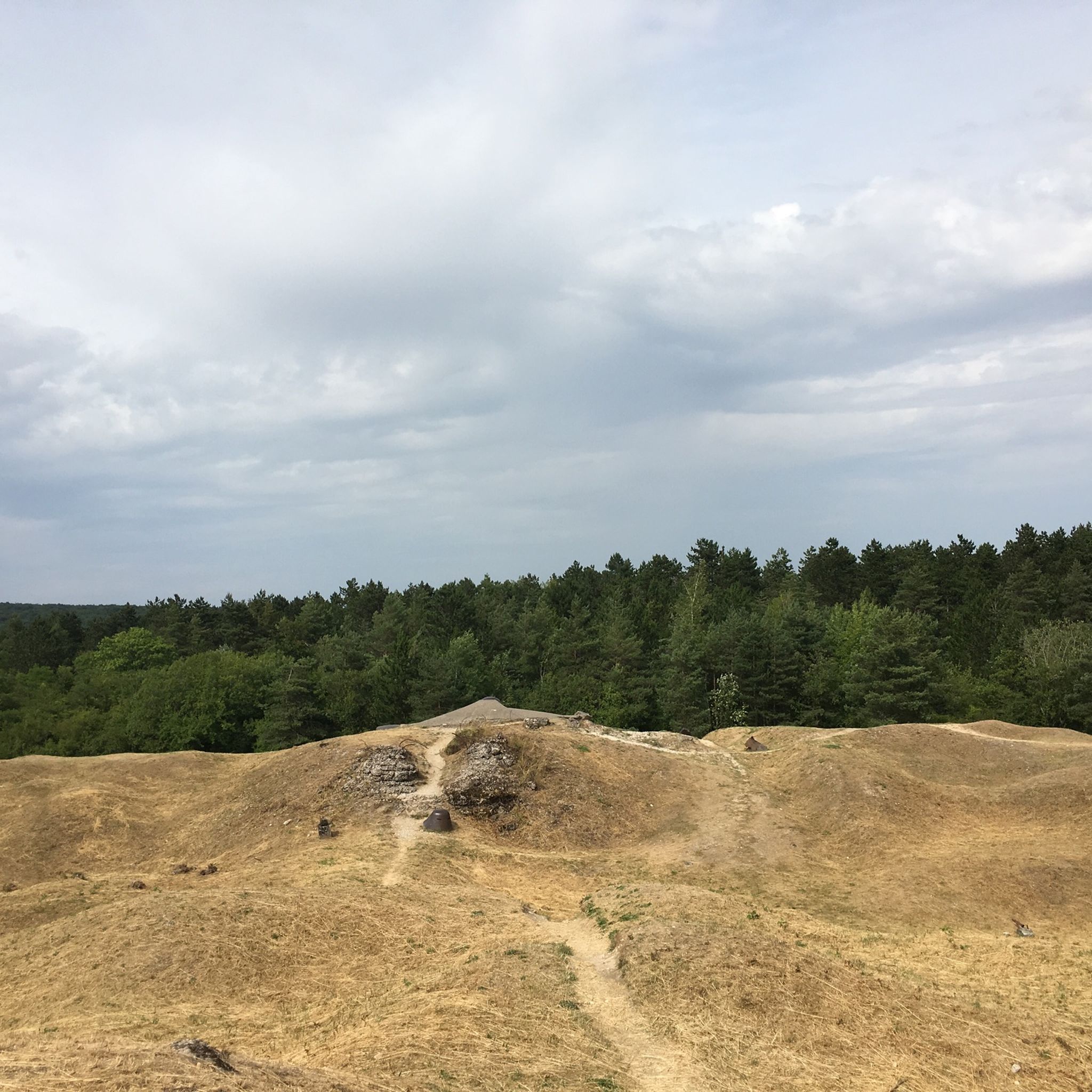
Hiking around Verdun
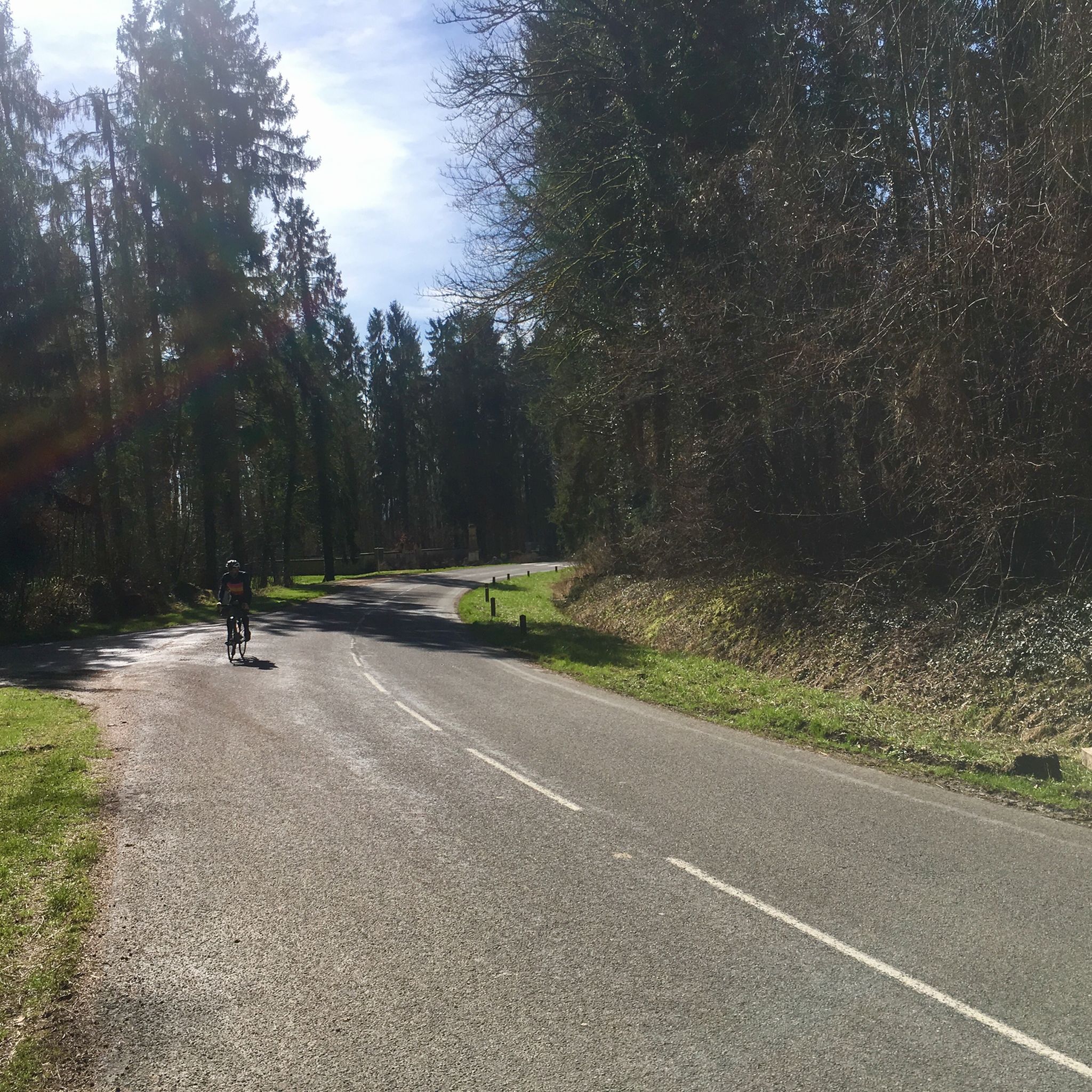
Road Cycling Routes around Verdun
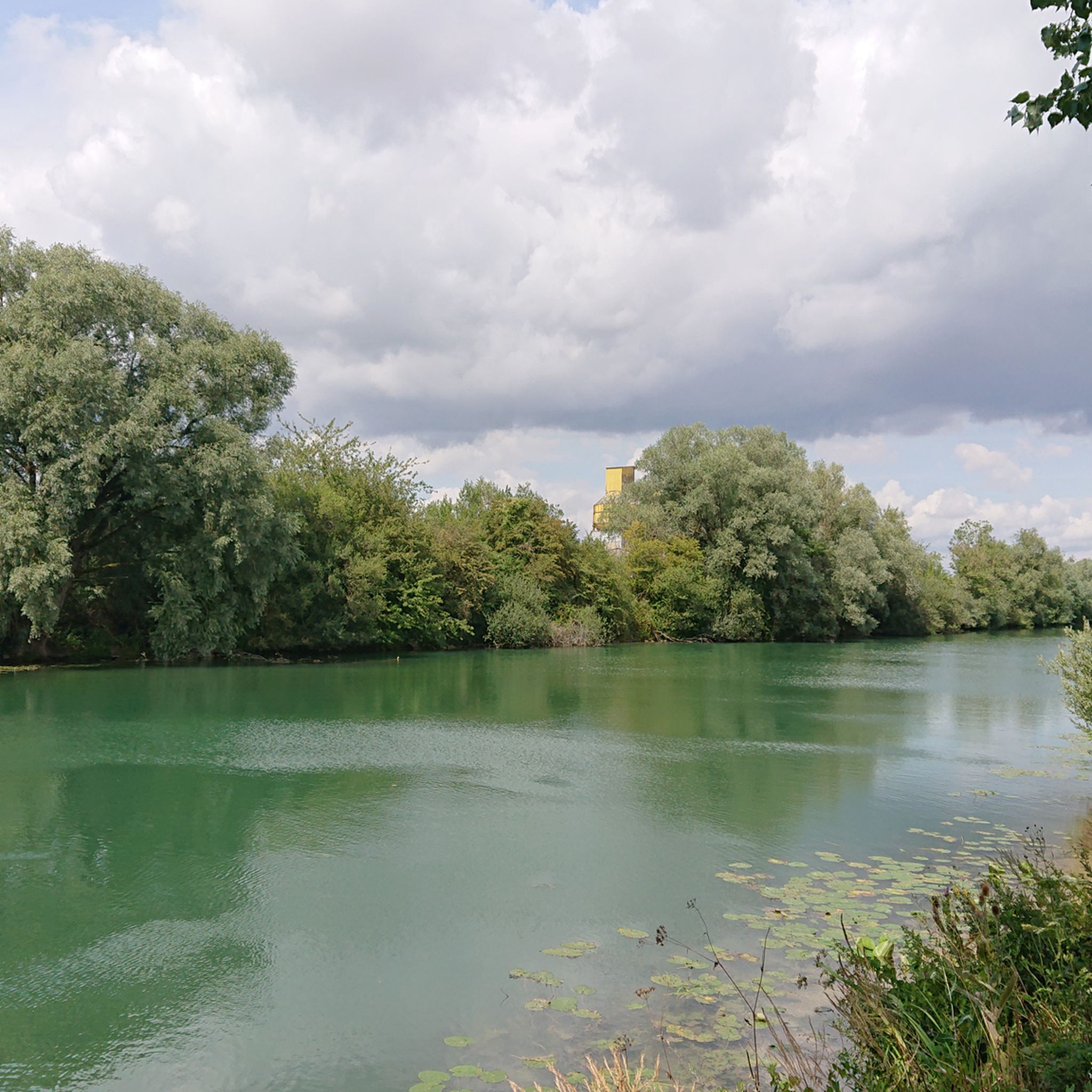
Cycling around Verdun
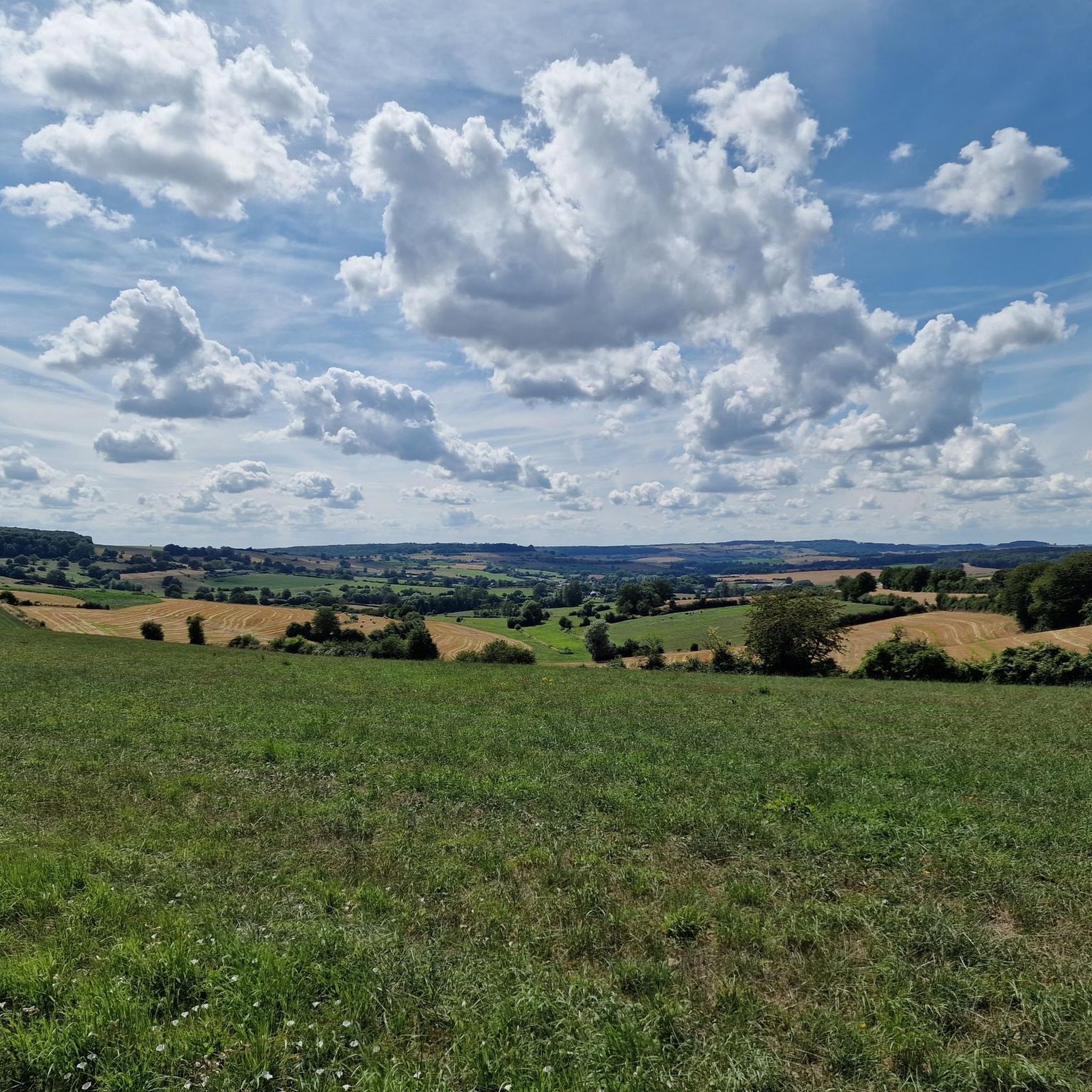
Running Trails around Verdun
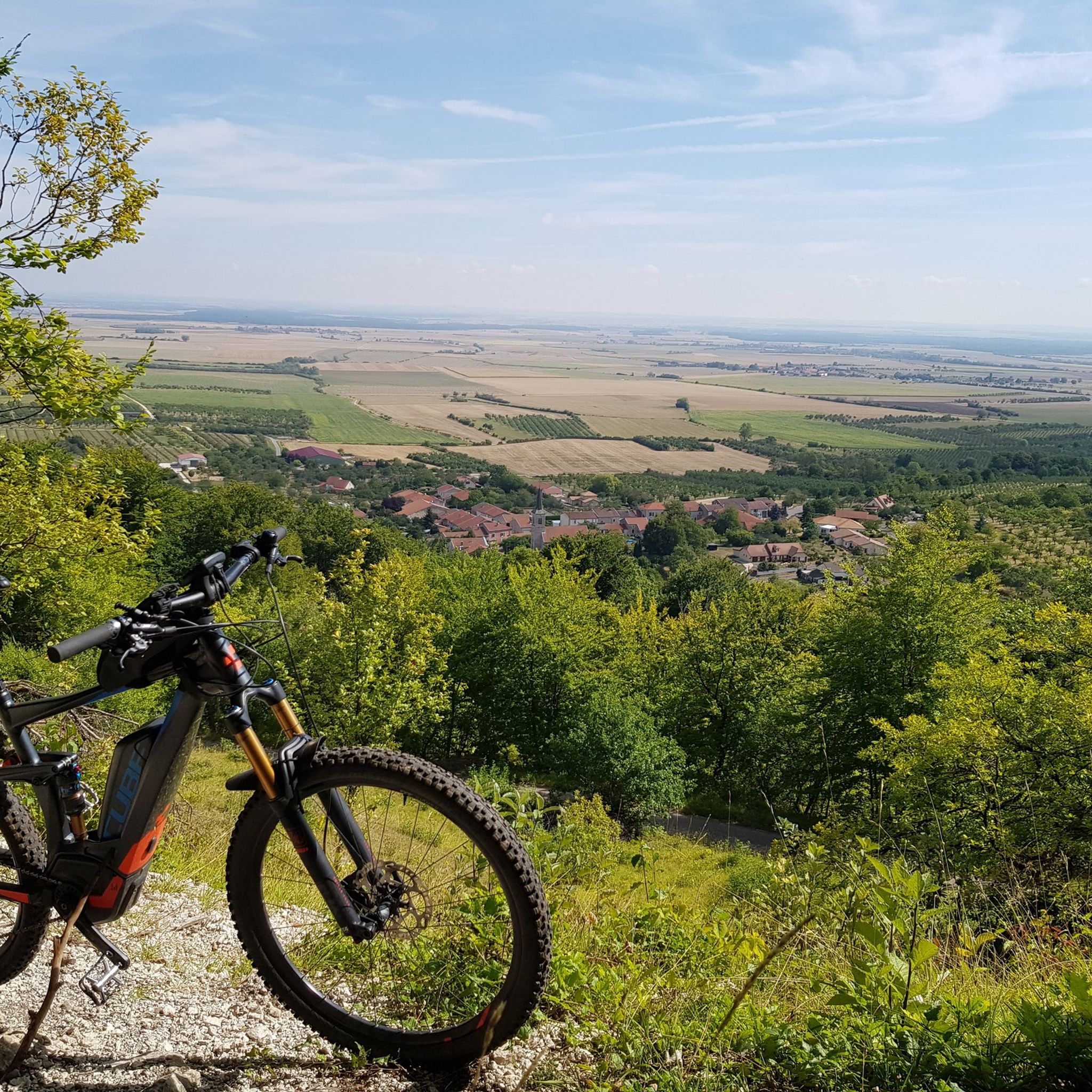
MTB Trails around Verdun
Other adventures around Verdun


Tips from the Community

The museum offers a good insight into soldiers' lives during World War I. Using an augmented reality helmet, visitors can travel through the underground citadel. Admission is €16 per person (as of October 2025). However, for background information, it is recommended to visit the Verdun Memorial beforehand.
6
0

You can walk all the way around the ramparts. We found it unique and impressive. The museum was also interesting.
0
0

An observation tower from which, apart from the cemetery, you can see the battlefield (now overgrown with trees) of Verdun.
3
0

Built in the 14th century, the Avioth Basilica is distinguished by its rich Gothic-style decorations. It is also called the Cathedral of the Fields because of its natural setting.
0
0

The Ossuary of Douaumont is an impressive memorial that holds the remains of more than 130,000 unknown French and German soldiers who died during the Battle of Verdun (1916). The bones are visible through small windows in the base – a confronting reminder of the horrors of war. In front of the ossuary is the Nécropole nationale de Douaumont, the largest French military cemetery of the First World War, with 16,142 graves, including a Muslim and Jewish plot. The complex was recognized as a UNESCO World Heritage Site in 2023.
8
0
The Mémorial de Verdun, located near the ruined village of Fleury-devant-Douaumont, is a leading museum and commemoration site for the Battle of Verdun (1916). The museum displays more than 2,000 objects and uses authentic objects, photographs and audiovisual installations to show how French and German soldiers experienced this battle – in the exact same place where they fought.
8
3
Inaugurated in 1928, this war memorial in Verdun honours the city’s inhabitants who died for France in both world wars. It was built on the remains of a military butcher’s shop, on the crescent of the Chaussée, a 17th-century fortification. The sculpture depicts five soldiers – a cavalier, an engineer, an infantryman (poilu), an artilleryman and a territorial – forming a symbolic wall under the motto of Verdun: “On ne passe pas”.
8
0

A huge monument honoring the fallen soldiers in and around Verdun. From the top, there's a magnificent view of the city.
6
0
Frequently Asked Questions
What historical sites related to World War I can I visit in Verdun?
Verdun is rich in WWI history. You can visit the poignant Douaumont Ossuary, which houses the remains of 130,000 unidentified soldiers and offers panoramic battlefield views from its tower. The Verdun Memorial provides an immersive journey into the 1916 battle. Other significant sites include Fort Douaumont, Fort de Vaux, the Trench of Bayonets, and the Nécropole nationale de Douaumont.
Are there any significant monuments dedicated to the soldiers of Verdun?
Yes, Verdun features several powerful monuments. The Monument to Victory and the Soldiers of Verdun is a tribute to all combatants, featuring a warrior sculpture and a crypt with registers of those awarded the Verdun Medal. The Verdun War Memorial, built in 1928, symbolizes the motto 'On ne passe pas' and lists soldiers who died in both World Wars. For American visitors, the Meuse-Argonne American Cemetery is also nearby.
What cultural and historical landmarks are there beyond WWI sites?
Beyond its WWI history, Verdun offers cultural gems. The Basilica of Our Lady of Avioth is a stunning 14th-century Gothic religious building, known as 'the Cathedral of the Fields.' Within Verdun city, you can explore the ancient Verdun Cathedral, the Musée de la Princerie (Museum of Art and History), and the Centre Mondial de la Paix, located in the former Episcopal Palace. Historic city gates like Porte Chaussée also remain.
Can I explore the fortifications around Verdun?
Yes, the region is home to several impressive fortifications. You can visit Fort Douaumont and Fort de Vaux, which offer insights into the formidable defenses and fierce fighting of WWI. The Verdun Citadel, an underground network of tunnels, served as a vital logistical hub for soldiers and offers recreated scenes of daily life during the battle. Further afield, the Citadel of Montmédy is another significant historical site.
What kind of outdoor activities can I do around Verdun?
The Verdun area offers various outdoor activities, especially hiking and road cycling. You can find numerous routes that explore both the historical battlefields and the resilient natural landscape. For detailed options, check out the guides for Hiking around Verdun and Road Cycling Routes around Verdun.
Are there easy hiking trails suitable for a relaxed walk?
Absolutely! Verdun has several easy hiking trails perfect for a leisurely stroll. Options include the 'Citadel Moat and Pré l'Évêque Park Loop' and the 'Verdun Citadel and Memorials Loop.' For more easy routes, consult the Easy hikes around Verdun guide.
Where can I find natural spaces or viewpoints in the Verdun area?
Beyond the historical sites, Verdun offers serene natural spaces. The Canal du Puty and Quai de Londres along the Meuse River provide tranquil spots. Parc Japiot is a peaceful green retreat within the city. For panoramic views, the tower of the Douaumont Ossuary and the Bell Tower of the Douaumont Ossuary offer sweeping vistas of the former battlefield, which has now become a unique biodiverse forest.
Are there family-friendly attractions in Verdun?
Many of Verdun's historical sites are considered family-friendly, offering educational experiences. The Douaumont Ossuary, Verdun Memorial, and the Verdun Citadel are suitable for families. The Musée de la Princerie and the Dragées Braquier Factory (known for Verdun's famous sugared almonds) also offer interesting visits for all ages.
What is the best time of year to visit Verdun for outdoor activities?
The spring and autumn months generally offer the most pleasant weather for outdoor activities like hiking and cycling around Verdun. Temperatures are mild, and the natural landscapes are particularly beautiful. Summer can also be good, but be prepared for warmer temperatures. Winter can be cold, but some sites remain accessible, offering a different, often more somber, atmosphere for historical exploration.
Are there any attractions that are wheelchair accessible?
While many historical sites in Verdun involve uneven terrain or stairs, some efforts have been made for accessibility. The Verdun Memorial Museum is generally accessible. It's recommended to check specific accessibility details directly with each attraction beforehand, especially for older fortifications or battlefield sites, which may have limited access due to their historical nature.
What do visitors particularly appreciate about the attractions in Verdun?
Visitors to Verdun deeply appreciate the profound historical significance and the powerful, moving experience of the WWI sites. Many highlight the solemn atmosphere of places like the Douaumont Ossuary, noting how it serves as a crucial memorial against war. The informative explanations at sites like Fort de Vaux are also highly valued, as is the overall sense of remembrance and reflection that the region evokes.
Most popular routes around Verdun
Most popular attractions around Verdun

Get inspired with the komoot mobile app


Didn’t find what you were looking for?
Are you keen on exploring more awesome places nearby? Browse our guides:
Explore more
Still not found the Highlight you’re looking for? See guides of the top attractions in other regions:
