Attractions and Places To See around Pont-Scorff - Top 20
Best attractions and places to see around Pont-Scorff include a blend of historical, cultural, and natural sites. This town, recognized as a "Petite Cité de Caractère®," is situated along the picturesque Scorff River, which flows through lush banks to its estuary. The area is known for its rich heritage, evident in its architecture and vibrant artistic community. Visitors can explore ancient landmarks, contemporary art spaces, and scenic natural landscapes.
Best attractions and places to see around Pont-Scorff
- The most popular attractions is Lorient Submarine Base, a historical site that was built during the German occupation between 1941 and 1944. It now serves as a cultural site dedicated to navigation, featuring a museum space and hosting nautical events.
- Another must-see spot is Laïta Estuary and Beach, a beach where the river meets the sea, offering views of the ocean and surrounding countryside. Visitors can explore sandy beaches and swim.
- Visitors also love Sainte-Croix Abbey, Quimperlé, a religious building with a history dating back to the 11th century. It was once one of Brittany's powerful abbeys and is now a listed historical monument.
- Pont-Scorff is known for its historical sites, natural features, and cultural attractions. The region offers a diverse range of experiences, from ancient landmarks to vibrant artistic communities and scenic river walks.
- The attractions around Pont-Scorff are appreciated by the komoot community, with more than 17 upvotes and 10 photos shared.
Last updated: May 25, 2026
Sainte-Croix Abbey, Quimperlé
Highlight • Religious Site
During the French Revolution, the abbey was abolished. It possessed a large library rich in ancient and valuable manuscripts. This literary treasure was plundered and dispersed. The buildings were preserved; the abbey church became the parish church, and the convent buildings became public buildings, housing the civil court and the gendarmerie barracks. The church was added to the list of monuments historique in 1840 and the monastery in 1926.
Translated by Google •
Tip by

Lorient Submarine Base
Highlight • Historical Site
Translated by Google •
Tip by

Sign up now to discover places like this
Get recommendations on the best single tracks, peaks, & plenty of other exciting outdoor places.
Sign up for free
Laïta Estuary and Beach
Highlight • Beach
Tip by

Haras National d'Hennebont
Highlight • Historical Site
Its rich built heritage, made up of no fewer than 32 buildings, makes it such a remarkable site that it is co-managed by the architect of the buildings of France.
It is now possible to visit it from the beginning of April to the end of December, on a self-guided or guided tour. If you feel like it, you can also attend high-flying equestrian shows.
Translated by Google •
Tip by

Pont du Bonhomme Towers
Highlight • Monument
Translated by Google •
Tip by

Sign up for free to discover even more attractions around Pont-Scorff.
Sign up for free
Already have an account?
Start today with a free account
Your next adventure awaits.
Login or Signup
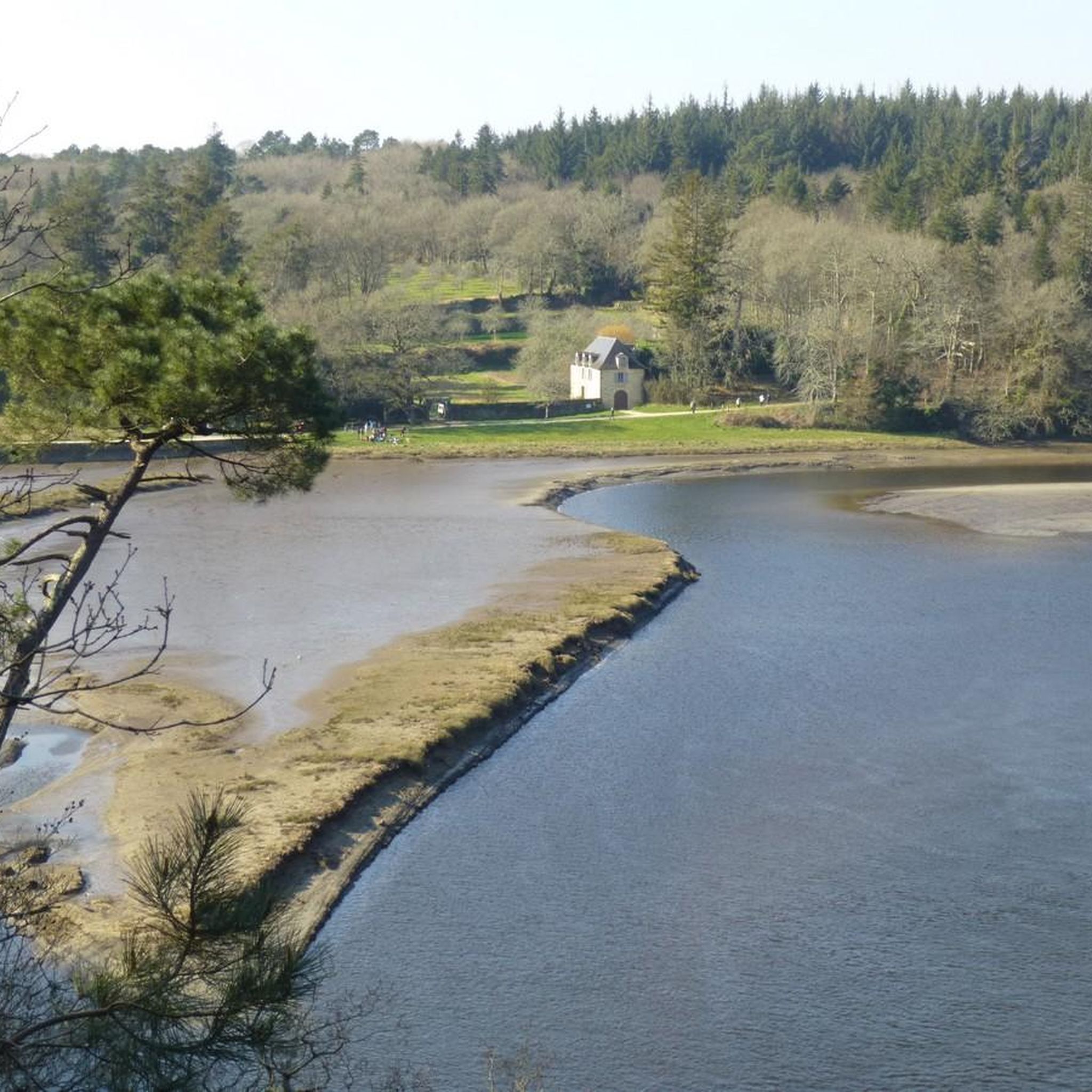
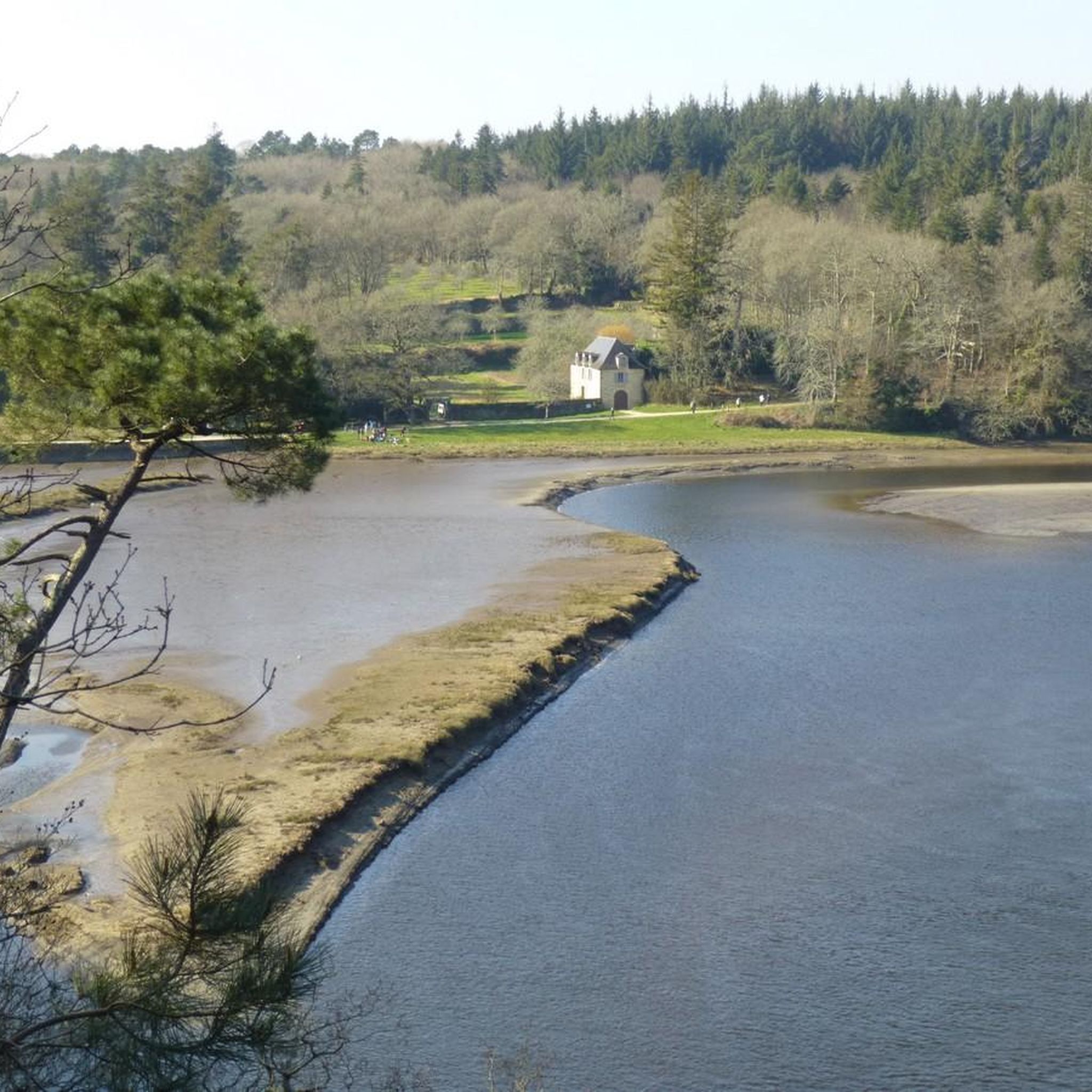
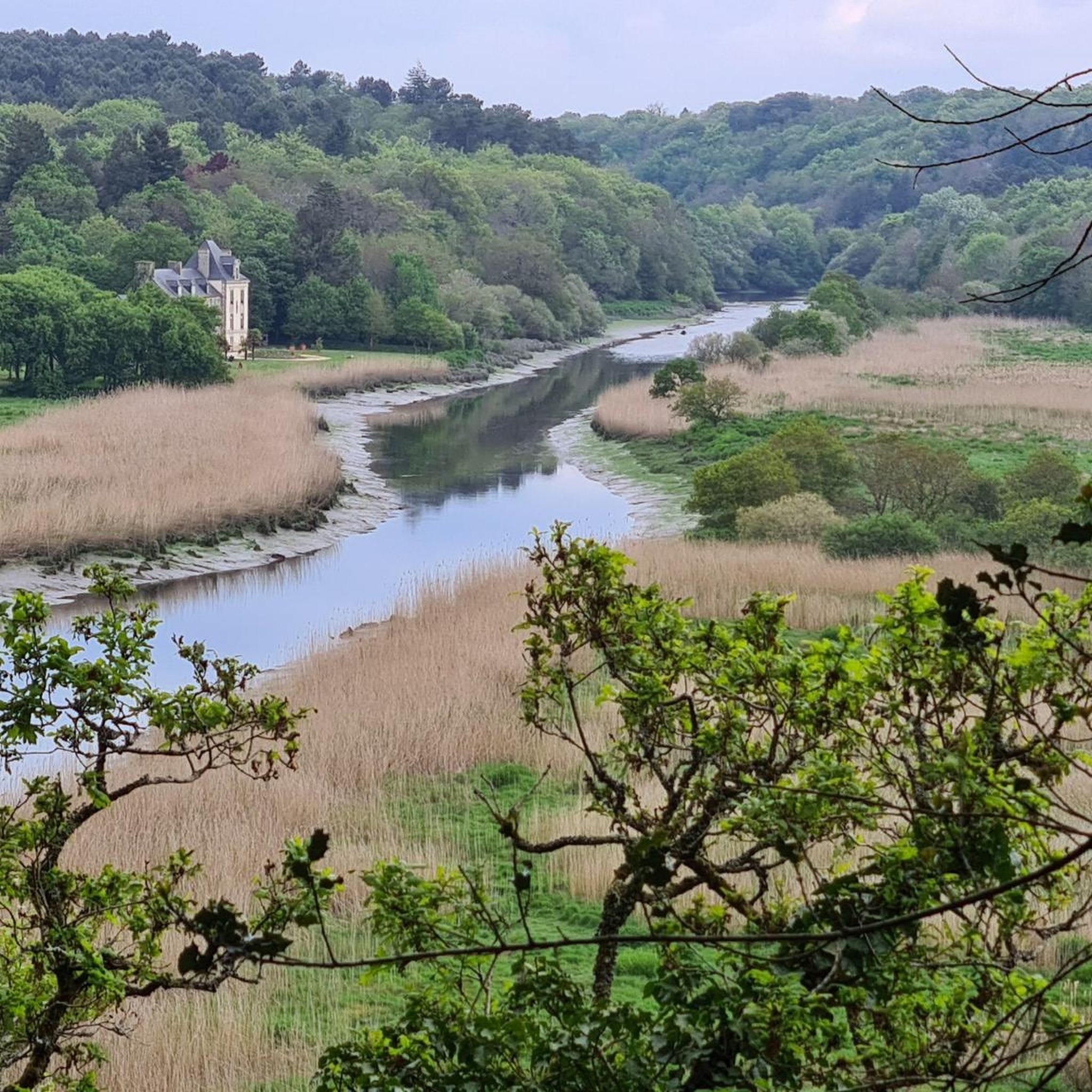
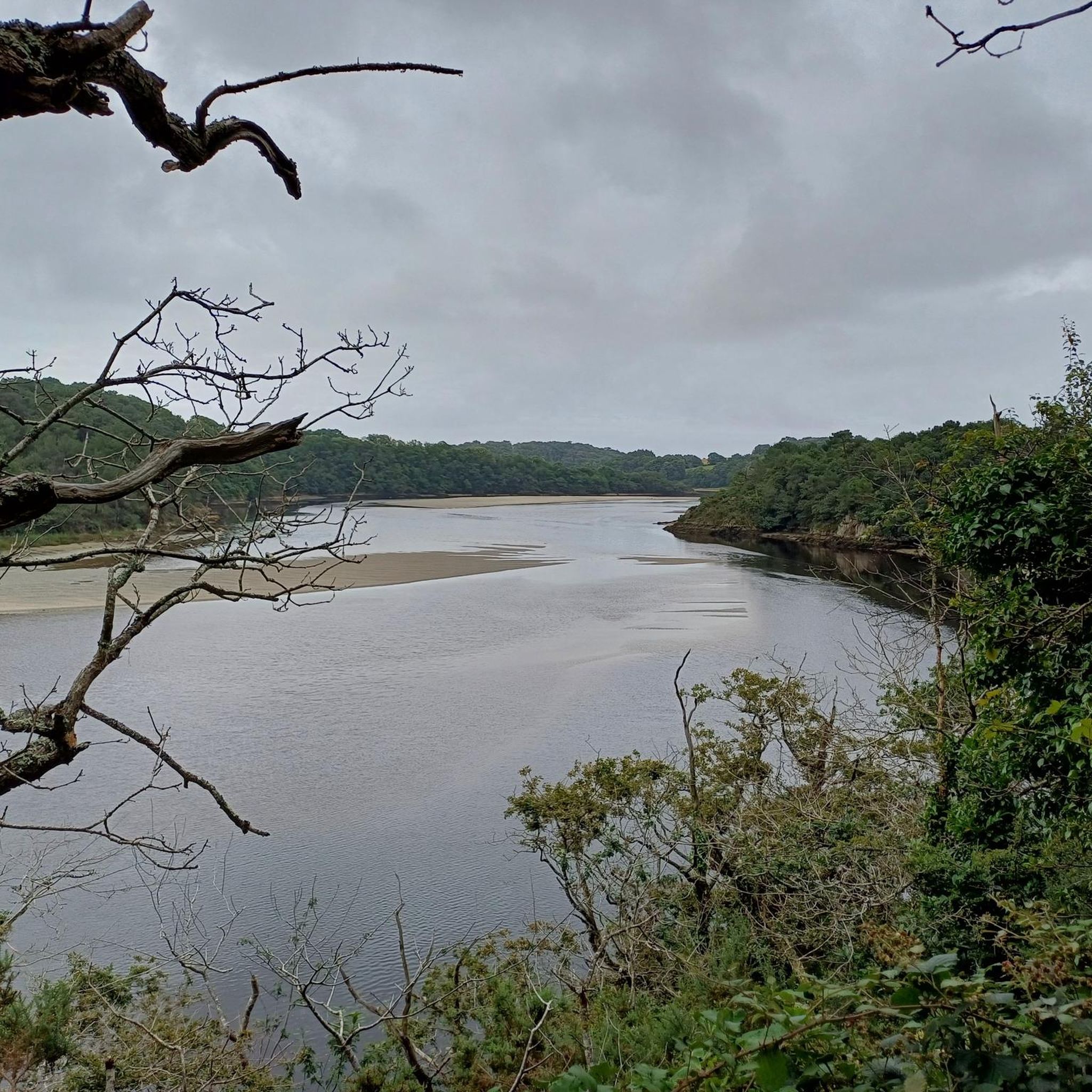

Tips from the Community

The church boasted rich furnishings. Numerous objects are protected as historical monuments. The pulpit and high altar were made for the reconstructed church in the second half of the 19th century. Others, however, remain from the original building, such as the tomb of Saint Gurloës in the crypt and the furniture and murals in the sacristy.
3
0
It is said that the abbey was founded in 1029 by Saint Gurloës thanks to a donation from Alain Canhiart, Count of Cournouaille. In reality, it was probably founded between 1040 and 1050. It was one of the most powerful abbeys in Brittany and possessed numerous priories and other dependencies. Under the commandery of 1553, the abbey declined somewhat in importance until its revival by the Congregation of Saint Maurus in 1665. During the French Revolution, the abbey was abolished. It possessed a large library rich in ancient and valuable manuscripts. This literary treasure was plundered and dispersed. The buildings were preserved; the abbey church became the parish church, and the convent buildings became public buildings, housing the civil court and the gendarmerie barracks. The church was added to the list of monuments historique in 1840 and the monastery in 1926.
3
0


As you cycle along the picturesque coast of Guidel-Plages, you'll discover the stunning Laïta River mouth. This tranquil estuary, where the river meets the sea, offers a breathtaking view of the ocean and the surrounding countryside. You can explore the vast sandy beaches, go for a swim in the refreshing waters, or simply relax and soak up the sun. Don't miss the opportunity to wander through the charming seaside town of Guidel, with its colorful houses, quaint shops, and delicious seafood restaurants.
0
0

Lorient La Base is the former submarine base built during the German occupation between 1941 and 1944. The site has become a cultural site dedicated to navigation with numerous nautical events organized throughout the year, the Éric Tabarly Sailing City and a museum space.
2
0

Of the bridge built between 1903 and 1904, all that remains is the two immense granite piles on either side of the Blavet. Today, the crossing is via the neighboring bridge of the same name, built in 1974.
1
0

The port facilities are easy to visit by bike.
1
0
Frequently Asked Questions
What historical sites can I explore in and around Pont-Scorff?
Pont-Scorff is rich in history. You can visit the 16th-century Maison des Princes, which now serves as the town hall, or the Pont-Scorff Castle, offering panoramic views. The town's origins trace back to the Gallo-Roman Bridge. Further afield, explore the significant Lorient Submarine Base, a historical site from WWII, or the ancient Sainte-Croix Abbey, Quimperlé, a powerful abbey dating back to the 11th century. The Haras National d'Hennebont, a historical stud farm, also offers insights into the region's equestrian heritage.
Are there any natural attractions or scenic spots near Pont-Scorff?
Absolutely. The picturesque Scorff River flows through the town, offering lovely opportunities for strolls along its lush banks. You can observe Atlantic salmon migration at the fish counting station at Moulin des Princes. The Laïta Estuary and Beach provides stunning views where the river meets the sea, perfect for relaxing or swimming. For dramatic landscapes, the Château-Gontier Cliffs to the north offer breathtaking vistas and hiking opportunities. Additionally, Scorff Park features beautiful gardens and walking paths.
What cultural and artistic experiences does Pont-Scorff offer?
Pont-Scorff is recognized as a 'Ville et Métiers d'Art,' boasting a vibrant artistic community. The Cour des Métiers d'Art showcases works from nearly 70 designers. You can also visit L'Atelier d'Estienne for contemporary art exhibitions or the Espace Pierre de Grauw, displaying a collection by the artist Pierre de Grauw. The Saint-Urchaut Manor House, a 17th-century building, also hosts contemporary art exhibitions.
Are there family-friendly activities available in Pont-Scorff?
Yes, Pont-Scorff offers several family-friendly options. Les Terres de Nataé is a 14-hectare wildlife park dedicated to endangered species, providing an educational and engaging experience for all ages. The Laïta Estuary and Beach is ideal for a day out with sandy beaches and refreshing waters. Scorff Park features playgrounds and walking paths perfect for families. The Haras National d'Hennebont also offers family-friendly visits and equestrian shows.
Where can I find local produce and crafts in Pont-Scorff?
For local produce, artisanal goods, and crafts, visit the Pont-Scorff Market, held every Tuesday and Saturday. It's a great way to experience the local culture and find unique items.
What outdoor activities, like hiking, can I do near Pont-Scorff?
The area around Pont-Scorff is excellent for outdoor activities. You can enjoy hiking along the Scorff River banks or explore trails like the 'Manoir st urchaud loop' which is an easy 5.8 km walk. For more moderate options, consider 'The Lands of Nataé – Le Scave loop' or 'Manoir st urchaud et el rocher du Corbeau'. You can find more details and routes in the Hiking around Pont-Scorff guide.
Are there cycling routes around Pont-Scorff?
Yes, there are several road cycling routes available. You can explore loops like 'Notre-Dame de Vérité Chapel – Pont-Scorff loop' or 'Fort Bloqué – Guidel Beach loop'. These routes vary in distance and offer scenic views of the countryside and coast. For more information on routes and their difficulty, refer to the Road Cycling Routes around Pont-Scorff guide.
What do visitors enjoy most about the attractions around Pont-Scorff?
Visitors particularly appreciate the blend of historical depth, natural beauty, and cultural vibrancy. The Lorient Submarine Base is valued for its historical significance and transformation into a cultural site. The Laïta Estuary and Beach is loved for its picturesque coastal views and opportunities for relaxation. The Haras National d'Hennebont is praised for its rich heritage and engaging equestrian shows.
Can I observe wildlife in the Pont-Scorff area?
Yes, the natural environment around Pont-Scorff offers opportunities for wildlife observation. The Scorff River is known for its Atlantic salmon, and you can even see them migrating at the Moulin des Princes fish counting station. The Scorff estuary, stretching towards Lorient, is a rich habitat for various bird species, making it an excellent spot for birdwatching.
What is the Pont du Bonhomme and can I cycle there?
The Pont du Bonhomme Towers are remnants of a bridge built in the early 20th century, with only the immense granite piles remaining. A newer bridge of the same name, built in 1974, allows for crossing. It features a secure cycle path, making it a good choice for cyclists and a starting point for walks along the Blavet river.
Are there any running trails near Pont-Scorff?
Yes, there are several running trails. You can find routes like the 'Ferme de Saint Urchaud loop' or 'The Lands of Nataé – Bon-secours loop'. These trails offer varying distances and difficulty levels, allowing you to enjoy the scenic surroundings while running. More details can be found in the Running Trails around Pont-Scorff guide.
Most popular routes around Pont-Scorff

Get inspired with the komoot mobile app


Explore more
Still not found the Highlight you’re looking for? See guides of the top attractions in other regions:
