The best cycling routes around Haucourt-En-Cambrésis
4.3
(62)
595
riders
91
rides
Touring cycling routes around Haucourt-En-Cambrésis traverse a rolling chalk landscape characterized by open fields and river valleys. The region features quiet lanes that wind through tranquil villages and cultivated areas. Canal-side paths, such as those along the Canal de l'Escaut, offer additional cycling environments. This terrain provides varied topography suitable for exploration on two wheels.
Best touring cycling routes around Haucourt-En-Cambrésis
- The most popular touring cycling route is Vauban ramparts in Bouchain – Canal de Saint-Quentin loop from Wambaix,…
Last updated: July 2, 2026
4.0
(2)
18
riders
165km
10:01
900m
900m
Hard bike ride. Very good fitness required. Mostly paved surfaces. Suitable for all skill levels.
5.0
(1)
6
riders
45.9km
02:42
320m
320m
Moderate bike ride. Good fitness required. Mostly paved surfaces. Suitable for all skill levels.

Sign up for free
4
riders
34.3km
02:07
220m
220m
Moderate bike ride. Good fitness required. Mostly paved surfaces. Suitable for all skill levels.
4
riders
33.0km
01:59
240m
240m
Moderate bike ride. Good fitness required. Mostly paved surfaces. Suitable for all skill levels.
2
riders
18.9km
01:07
130m
130m
Easy bike ride. Great for any fitness level. Mostly paved surfaces. Suitable for all skill levels.
Get access to more routes and recommendations from other explorers.
Sign up for free
Already have an account?
Our route recommendations are based on thousands of hikes, rides, and runs completed by other people on komoot.
Start today with a free account
Your next adventure awaits.
Login or Signup



Tips from the Community

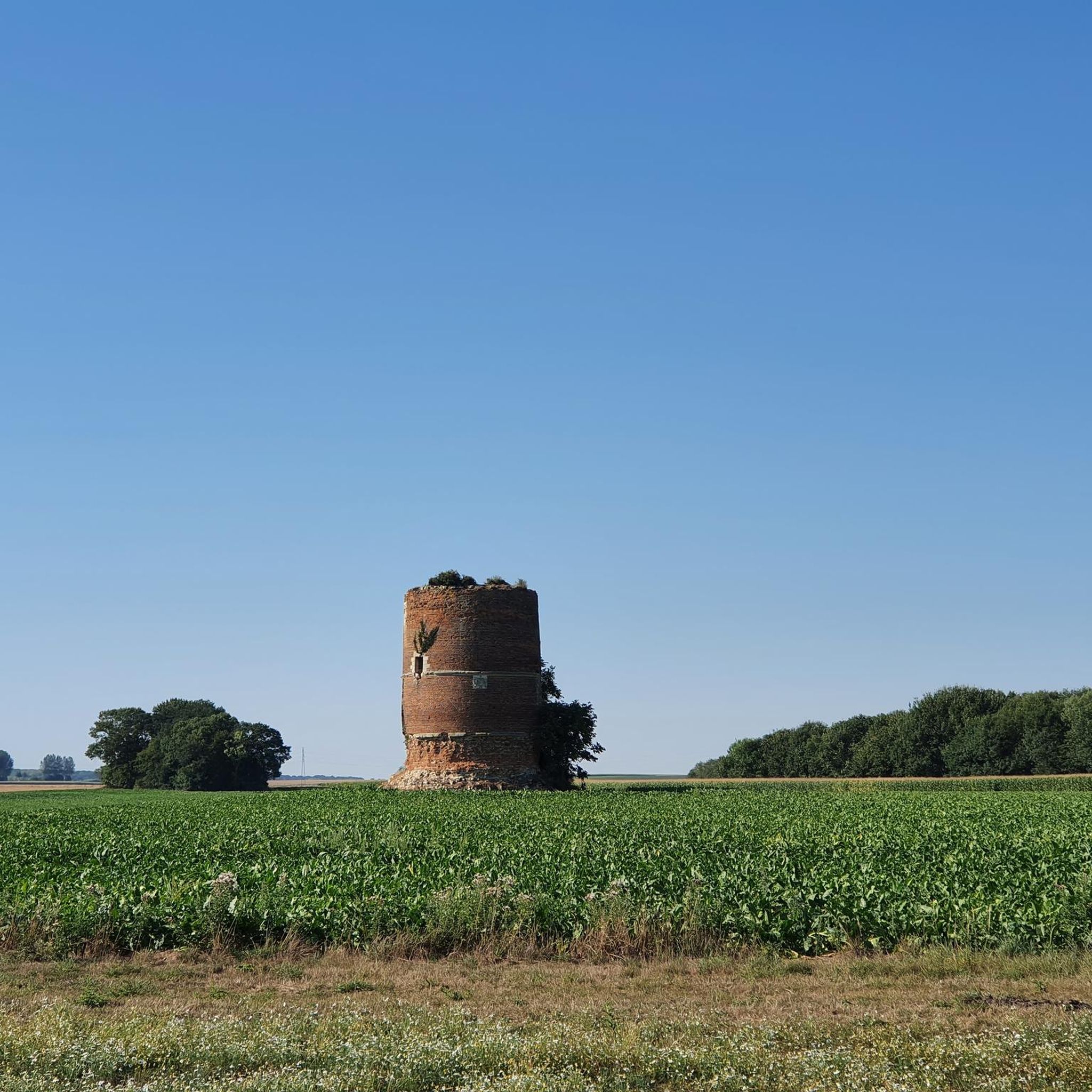
The Château d'Esnes is a historic castle located in the picturesque French village of Esnes. Dating back to the 18th century, the castle is surrounded by lush gardens and a charming park, giving it a picturesque and peaceful feel. The Château d'Esnes is known for its classical architecture, with impressive facades and elegant interiors that reflect the grandeur of that time.
1
0
This Cistercian abbey was founded in 1132 by Bernard of Clairvaux and grew into a large and influential community within a century. Royal armies camped there as in a fortress and Charles V signed peace with Henry II in 1556. In addition to the sick and outcasts, travellers and pilgrims also found shelter in the hospital. The largest abbey church in Europe stood here with an extraordinary length of 135 metres. On feast days, 3000 meals were provided to the needy in the wide area. After the French Revolution, it was declared national property and an inglorious end followed as an open-air quarry. Now, restored parts remain, such as the abbot's palace with the dormitories and monks' halls with the chapter house next to it. The 7-hectare abbey park is being restored to its former glory. Open March to November (Tue-Sat 10am-12pm and 2pm-5.30pm, Sun 3pm-6.30pm, closed Mondays).
1
0
The Carrière des Peupliers in Abscon is a former chalk and marl quarry used to produce lime for the USINOR factory in Denain. These industrial activities have significantly changed the landscape of the Denaisis plain. After the end of the industrial activities, the land was transferred to the Nord department. Today, the area is an interesting place for nature lovers and offers a unique insight into the industrial history of the region.
1
0

Parts of this gigantic abbey are interesting to visit. The church has disappeared but must have been enormous. Beautiful garden and shop with, among other things, abbey beer.
1
0

Despite a bike ride along the canal, it is still very varied!
0
0

Such places are still very important today as a memorial to the many dead. "Now you, O Lord, let your servant depart in peace, as you said..." says the so-called "Song of Simeon" (Gospel of Luke chapter 2, verse 29). However, the many people buried here did not die in peace, but became victims of war and an inhumane tyranny. The most important and, at the same time, enduring function of military cemeteries (usually called “war cemeteries” in German-speaking countries) is to commemorate this and to remind each generation anew to maintain peace in the long term.
0
0
This is more about the small cove with a bridge and a fishing hut, just next to the towpath.
7
0

Vaucelles Abbey is a former monastery of Cistercian monks. Founded in 1131 by Saint Bernard himself.
0
0
Frequently Asked Questions
How many touring cycling routes are available around Haucourt-En-Cambrésis?
There are over 90 touring cycling routes in the Haucourt-En-Cambrésis area. These routes cater to various skill levels, with 36 easy, 41 moderate, and 15 difficult options to explore the region's diverse landscapes.
What kind of terrain can I expect on touring cycling routes in Haucourt-En-Cambrésis?
The region around Haucourt-En-Cambrésis is characterized by a rolling chalk landscape, featuring extensive open fields and several river valleys like the Escaut and Iris. Cyclists will find quiet lanes winding through tranquil villages, cultivated areas, and pleasant canal-side paths, such as those along the Canal de l'Escaut near Cambrai. The terrain offers varied topography, from mostly paved surfaces to some unpaved sections on more challenging routes.
Are there any family-friendly cycling routes in Haucourt-En-Cambrésis?
Yes, Haucourt-En-Cambrésis offers several easy and moderate routes suitable for families. These often follow quiet lanes or canal paths, providing a safe and enjoyable experience. Look for routes with lower elevation gains and shorter distances, which are ideal for a leisurely family outing.
What historical landmarks can I see while cycling in the area?
The region is rich in history, particularly related to World War I. Cycling routes often pass by battlefields, military cemeteries, and memorials. You can also explore significant architectural sites such as the medieval Esnes Castle and the serene Vaucelles Abbey. In Cambrai, the impressive Gothic Belfry of Cambrai, a UNESCO World Heritage site, is a prominent landmark.
Are there any circular touring cycling routes available?
Yes, many touring cycling routes in the Haucourt-En-Cambrésis area are designed as loops, allowing you to start and finish at the same point. An example is the moderate Bike loop from Fontaine-au-Pire, which offers views of the typical rolling landscape and open fields of the Cambrésis area. Another is the Edouard DELBERGHE paved area – Le Tronquoy loop from Caudry, leading through cultivated fields and quiet lanes.
What do other cyclists say about touring cycling in Haucourt-En-Cambrésis?
The touring cycling routes around Haucourt-En-Cambrésis are highly rated by the komoot community, with an average score of 4.4 stars from over 80 reviews. Cyclists often praise the varied terrain, the quiet lanes, and the opportunity to explore both natural landscapes and historical sites.
Can I find routes that follow canals or rivers?
Absolutely. The region is shaped by several river valleys, and the Canal de l'Escaut (Scheldt Canal) near Cambrai offers particularly pleasant environments for cycling. Routes like the challenging Vauban ramparts in Bouchain – Canal de Saint-Quentin loop from Wambaix explore historical areas and canal paths, providing a unique cycling experience.
Are there any routes that pass by war memorials or cemeteries?
Given the region's historical significance in World War I, many cycling routes trace paths through areas with war memorials and cemeteries. For instance, the moderate Solesmes British Cemetery loop from Beauvois-en-Cambrésis takes you past a significant historical site, allowing for a reflective cycling experience.
What is the best time of year for touring cycling in Haucourt-En-Cambrésis?
The region's climate is generally temperate. Spring and autumn offer pleasant temperatures and beautiful scenery with blooming fields or changing foliage, making them ideal for touring cycling. Summer can also be enjoyable, though it's advisable to cycle earlier in the day to avoid the warmest temperatures. Winter cycling is possible, but be prepared for colder weather and potentially wet conditions.
Are there any specific points of interest or natural features to look out for?
Beyond the rolling chalk landscapes and open fields, the region's river valleys, including the Iris river flowing through Haucourt-En-Cambrésis, provide scenic natural features. You'll encounter charming 'sleepy villages' with traditional red brick architecture and can visit sites like the Porte Notre-Dame de Cambrai, a historical gate, or the unique Vaucelles watering trough.
What are the typical distances and durations for touring cycling routes here?
Routes vary significantly in length and duration. You can find shorter, moderate rides like the Chapelle Saint Jacques loop from Caudry, which is about 34 km and takes around 2 hours. For more challenging excursions, there are routes over 100 km, such as the Vauban ramparts in Bouchain – Canal de Saint-Quentin loop from Wambaix, which covers 164 km and can take over 10 hours to complete.
Most popular routes around Haucourt-En-Cambrésis
Most popular attractions around Haucourt-En-Cambrésis

Get inspired with the komoot mobile app


Explore more
Browse the best Cycling routes in other regions.
