Attractions and Places To See around Noyelles-Sur-Selle - Top 20
Best attractions and places to see around Noyelles-Sur-Selle include a mix of historical sites, natural features, and cycling routes. The commune itself offers the tranquil Parc de la Selle, designed around the Selle river with islands and footbridges. The surrounding Hauts-de-France region provides access to several natural reserves and historically significant towns, making it a starting point for various day trips. These things to do around Noyelles-Sur-Selle offer diverse experiences for visitors.
Best attractions and places to see around Noyelles-Sur-Selle
…Last updated: June 23, 2026
Pont Gibus (Pavé de Wallers à Hélesmes)
Highlight (Segment) • Cycleway
Translated by Google •
Tip by

Avesnes-le-Sec
Highlight • Settlement
Translated by Google •
Tip by

Sign up now to discover places like this
Get recommendations on the best single tracks, peaks, & plenty of other exciting outdoor places.
Sign up for free
Country house of the Abbey of Saint-Aubert in Cambrai
Highlight • Historical Site
Translated by Google •
Tip by
Ecluse de Thun Leveque
Highlight • Other
Translated by Google •
Tip by
Bridge Over the Canal
Highlight • Bridge
Translated by Google •
Tip by
Sign up for free to discover even more attractions around Noyelles-Sur-Selle.
Sign up for free
Already have an account?
Start today with a free account
Your next adventure awaits.
Login or Signup


Tips from the Community


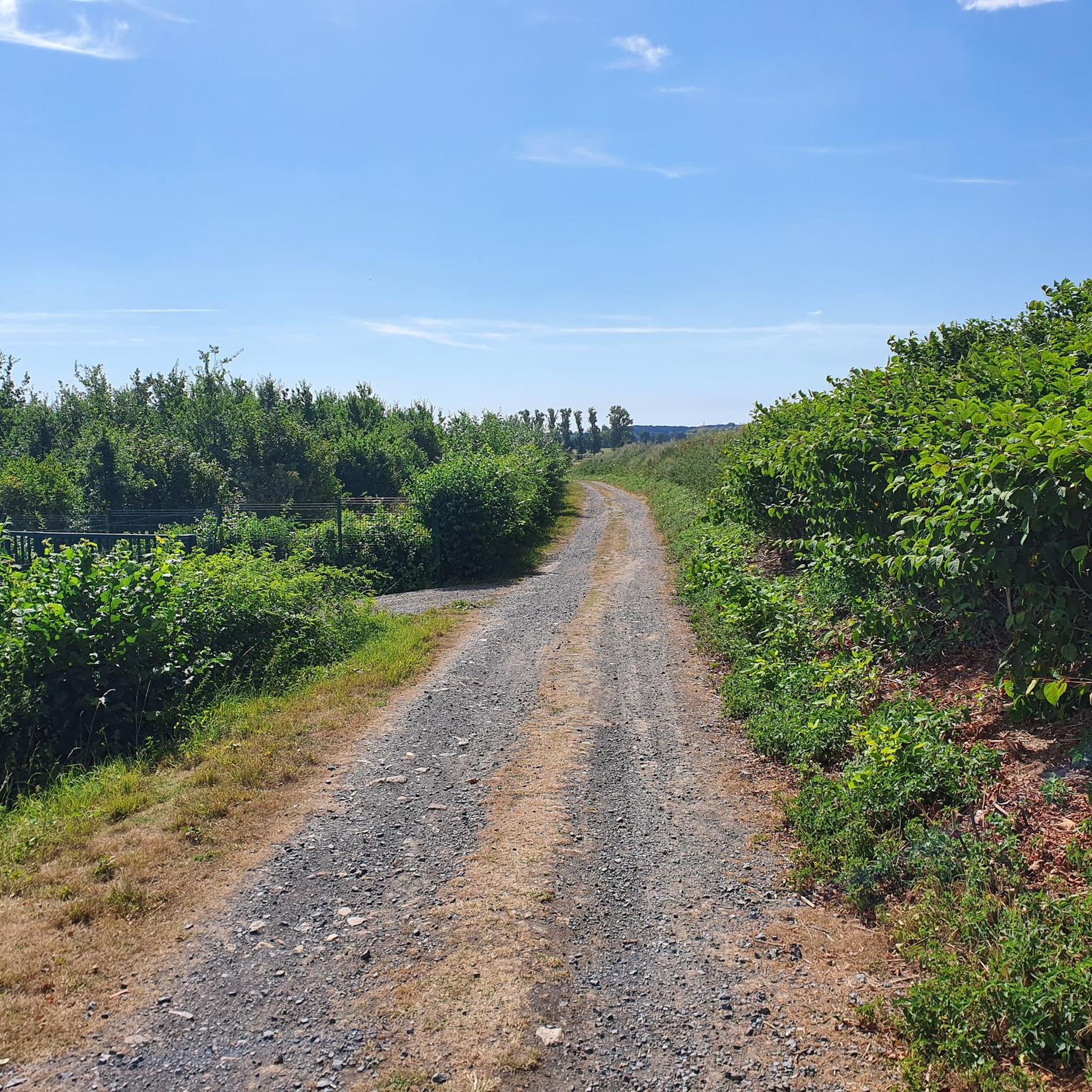
Strook is also called Pont Gibus. Gibus is the nickname for Duclos Lassalle who won Paris-Roubaix in 1992 and 1993.
1
0

Well-known photo moment here. There is always a professional sports photographer here during the Paris Roubaix Challenger. You can order his photos afterwards, of course for a fee
1
0

Avesnes-le-Sec is a commune in the French Northern Department, in the Hauts-de-France region. It has an area of 10.4 km² and has 1,445 inhabitants (2020). It is part of the arrondissement of Valenciennes and the canton of Denain. Avesnes-le-Sec has a number of sites and heritage that testify to its history and culture. Some examples are: Avesnes-le-Sec Communal Cemetery Extension, a war cemetery from the First World War, where 65 British soldiers are buried. The ruins of the Moulin de Pierre, a tower mill from the 18th century, built with white limestone from the region. The mill was destroyed by a German shell in 1918. The Saint Aubertus Church, a Gothic church from the 12th century, dedicated to the patron saint of the municipality. The church has a remarkable portal with sculptures and an organ from the 19th century. Avesnes-le-Sec is also a pleasant place for walking or cycling, thanks to its green surroundings and its proximity to the River Somme. There are several routes and paths that run along the water or through the countryside. One of the most beautiful routes is the Voie verte du cavalier d'Agincourt, which connects Aniche to Escaudain over a distance of 12 km.
5
0
The Thun Leveque lock is a double lock located on the Scheldt canal, between the municipalities of Thun-l'Évêque and Iwuy, in the Nord department. It allows boats to overcome a difference in height of 2.5 meters between the two reaches of the canal. It is part of a series of five double locks which were built between 1825 and 1830 to improve navigation on the canalized Scheldt1. The Thun Leveque lock has been classified as a historic monument since 19922. It is surrounded by a landscaped park which dates from the 19th century and which belongs to the domain of the Château de Hamel, an 18th century residence which is also protected as architectural heritage3. The Thun Leveque lock is a place of passage and discovery for boaters, cyclists and hikers who use the Scheldt canal or the greenway which runs along it.
2
0
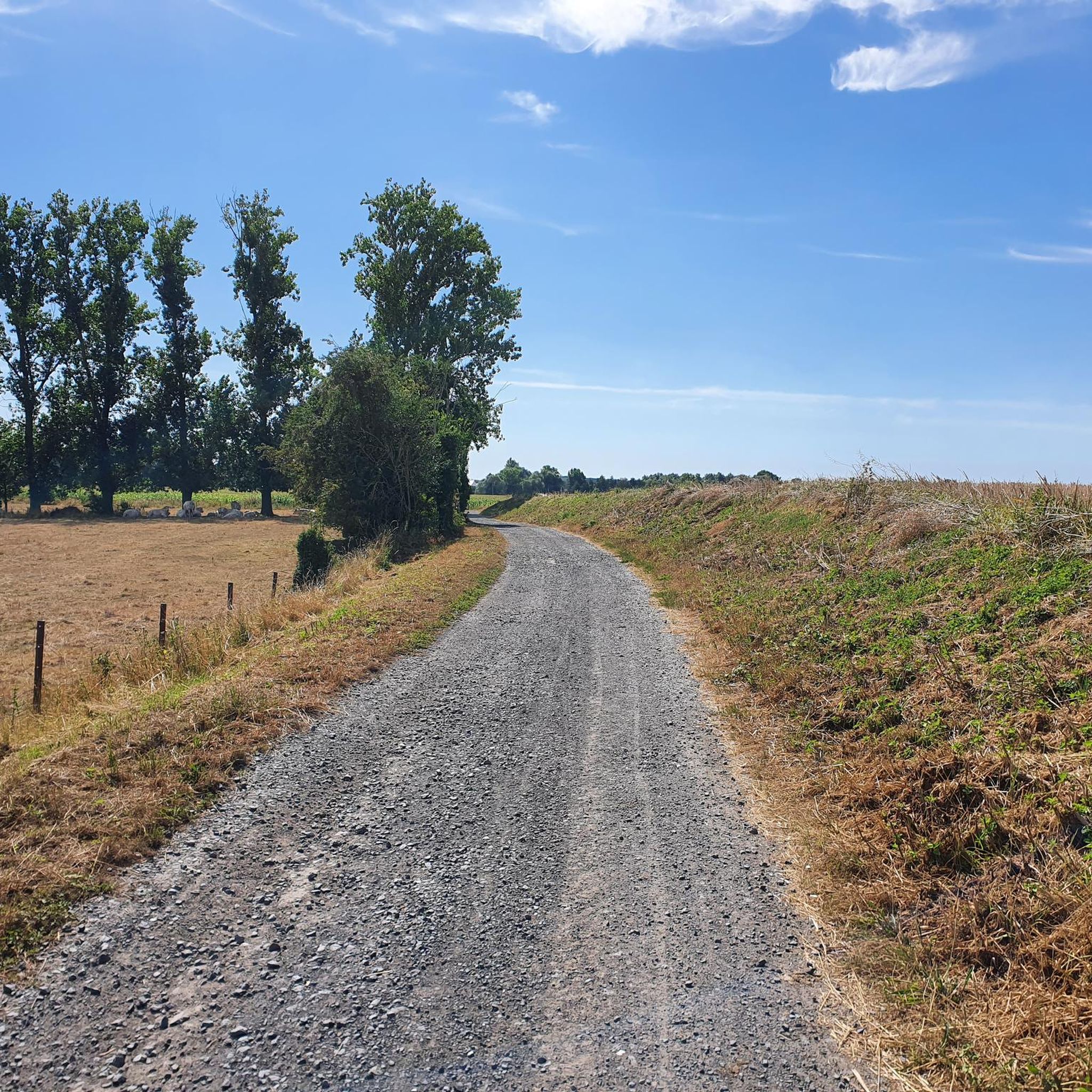
The Canal de la Sensée is a canal in northern France. The project was developed under Napoleon. In March 1806, the Imperial government ordered the construction of a canal connecting the Scarpe and the Scheldt. Work began under the direction of Augustin Honnorez in June 1819 and the Canal de la Sensée was opened to navigation in November 1820. Back then, the boats were pulled by men or horses who worked for ship owners. Shortly after World War I 1914-1918, horses were replaced by tractors. The Canal de la Sensée is part of the Dunkirk - Scheldt Canal.
3
0
The castle was built in the 17th century and was completed in the 19th century. Originally owned by the Abbaye Saint-Aubert de Cambrai, the castle was built on land owned by the abbey. The plans are said to have belonged to Ange-Jacques Gabriel or Alexandre-Théodore Brongniart. The castle was sold as national property during the Revolution. With the help of a stooge, Count François Marie Joseph de Frahan became the owner. It was sold by his descendants to Pierre Joseph Danjou in 1853 and then to Nicolas Meriaux in 1884. In 1887, Marie-Adélaide Verkinder, wife of deputy Ernest Déjardin, acquired the château. It passed to her daughter and son-in-law, Ambassador Pierre Lefèvre-Pontalis. During the First World War, the castle became the headquarters of Jagdgeschwader and Baron Manfred von Richthofen lived there. The castle, its moats and bridges have been classified as a historical monument since September 21, 1983, while the outbuildings, the old building on the edge of road number 4, the facades and roofs of the pigeon tower and the pavilion in the park and the perimeter wall with its gates since the same date have been registered as a historical monument.
5
0

Pont Gibus 1600 meters - 3 stars The strip has been in use since 1974 but has been missing in recent history due to its poor condition. In the autumn of 2012, the strip was restored - for a lot of money - and has been part of the trail again since the 2013 edition. The strip is characterized by the two bridgeheads halfway through the strip. On one of the bridgeheads it says in large letters: GIBUS. The official name of the strip is pavé de Wallers à Hélesmes, but has been known as Pont Gibus for years. Gibus is a pet name for Gilbert-Duclos Lassalle. The tough French hunk from Gap (high mountains, of all places) managed to win the Helle Classic twice and enjoyed great popularity among the French public. This strip is more or less attributed to Gilbert-Duclos Lassalle by the fans. In the final there is a strip just outside Cysoing and it has been formally named Pave Gilbert-Duclos Lassalle. The stretch starts at the D40 just to the south where the riders have reached it after crossing the Bos van Wallers. The strip runs northwest. Almost in a straight line and halfway at the old track there is a pendulum in the strip. The strip joins the D955 After the restoration, the strip lost a star and is now at three stars. That does not change if you have just passed the Forest of Wallers, this remains a difficult strip. That is why many riders will be happy with the restoration because before 2012 the strip was very bad and for many riders the intermediate section on the D40 was too short to catch their breath.
0
1
Frequently Asked Questions
What historical sites can I visit around Noyelles-Sur-Selle?
The region offers several significant historical sites. You can explore Avesnes-le-Sec, a settlement featuring a WWI war cemetery and the ruins of an 18th-century mill. Another notable site is the Country house of the Abbey of Saint-Aubert in Cambrai, a 17th-century castle with a rich history, including serving as a WWI headquarters. The Ecluse de Thun Leveque, a double lock on the Scheldt canal, is also classified as a historical monument.
Are there any natural attractions or parks to visit?
While Noyelles-sur-Selle itself features the tranquil Parc de la Selle, the surrounding Hauts-de-France region boasts several natural reserves. These include the Réserve naturelle régionale de la Tourbière de Vred, the Réserve naturelle régionale du Pré des Nonnettes, and the Réserve naturelle régionale du Marais de Wagnonville. The vast Forest of Mormal and the scenic Scarpe-Escaut Regional Nature Park are also within a short distance, offering opportunities for nature exploration.
What cycling opportunities are available near Noyelles-Sur-Selle?
The area is well-suited for cycling enthusiasts. You can experience Pont Gibus (Pavé de Wallers à Hélesmes), a challenging cycle way famous for its role in the Paris-Roubaix race. For more options, explore the various gravel biking and road cycling routes available. You can find detailed routes and guides for gravel biking and road cycling around Noyelles-Sur-Selle.
Are there family-friendly activities or places to visit?
Yes, Avesnes-le-Sec is considered family-friendly, offering pleasant walks or cycling along the River Somme and the Voie verte du cavalier d'Agincourt. The local Parc de la Selle in Noyelles-sur-Selle, with its footbridges and river, also provides a peaceful setting for families.
What are some easy walks or accessible paths in the area?
For an easy and pleasant walk, consider the path along the Bridge Over the Canal, which is part of the Canal de la Sensée. This path is also wheelchair accessible. Additionally, Avesnes-le-Sec offers routes along the River Somme that are suitable for walking. You can find more easy hiking options in the hiking guide for Noyelles-Sur-Selle.
What towns near Noyelles-Sur-Selle are worth visiting for their cultural significance?
Several historically rich towns are a short drive away. Cambrai, 18 km distant, is known for being the site of the world's first tank battle. Le Quesnoy, also 18 km away, is famous for its impressive ramparts. Douai, about 24 km away, features a charming old town and one of the region's most impressive belfries. Bavay, approximately 29 km away, contains an important Roman forum and other Roman ruins.
What kind of outdoor activities can I do near Noyelles-Sur-Selle?
Beyond cycling, the area offers excellent opportunities for hiking. You can explore various trails, including easy loops like the 'Bassin Rond and the Scheldt' from Bouchain or the 'Hiking loop from Avesnes-le-Sec'. For more detailed routes and options, refer to the hiking guide around Noyelles-Sur-Selle.
What do visitors enjoy most about the attractions around Noyelles-Sur-Selle?
Visitors appreciate the blend of historical significance and natural beauty. The tranquil walks along canals, the challenge of famous cycling routes like Pont Gibus, and the historical depth of sites like Avesnes-le-Sec are frequently highlighted. The community also values the well-maintained paths and the opportunities for photography, especially during events like the Paris-Roubaix race.
Are there any unique or 'hidden gem' attractions?
The Ecluse de Thun Leveque, a historic double lock on the Scheldt canal, offers a unique blend of engineering history and a peaceful landscaped park, making it a less-traveled but rewarding stop. Its connection to the 19th-century Château de Hamel adds to its charm.
What is the best time to visit Noyelles-Sur-Selle for outdoor activities?
The spring and summer months are generally ideal for outdoor activities, offering pleasant weather for cycling, hiking, and exploring the natural reserves. Specific events like the Paris-Roubaix race, which passes through the area, occur in spring and can be an exciting time to visit for cycling enthusiasts.
Can I find places to walk or cycle along water bodies?
Yes, the area is rich with water features. You can enjoy an easy walk along the Canal de la Sensée. The Parc de la Selle itself is designed around the Selle river. Additionally, Avesnes-le-Sec offers routes along the River Somme, and the Ecluse de Thun Leveque is located on the Scheldt canal, providing scenic paths for walking and cycling.
Most popular routes around Noyelles-Sur-Selle

Get inspired with the komoot mobile app


Explore more
Still not found the Highlight you’re looking for? See guides of the top attractions in other regions:
