The best walks and hikes around Cuvillers
4.4
(656)
1,441
hikers
122
hikes
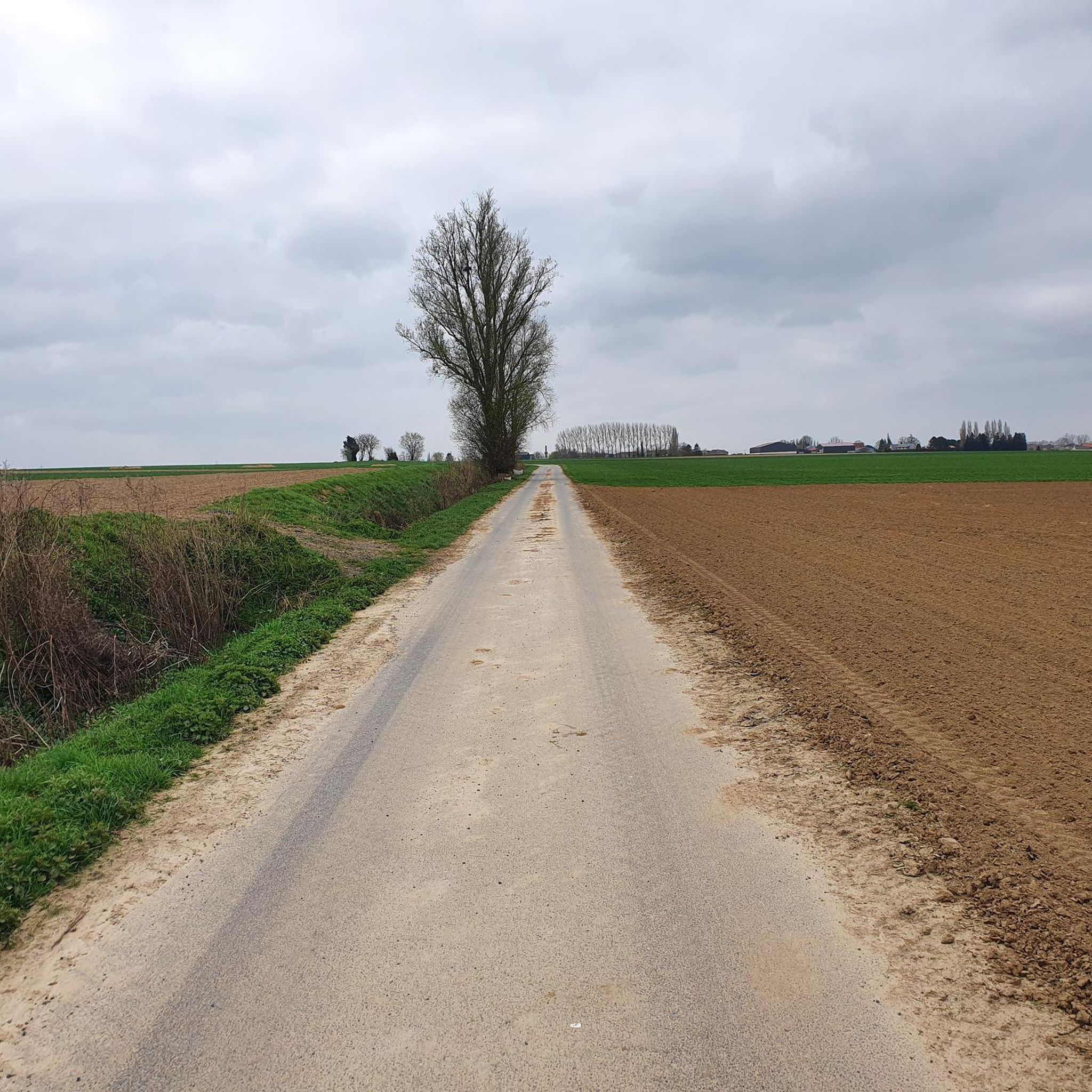
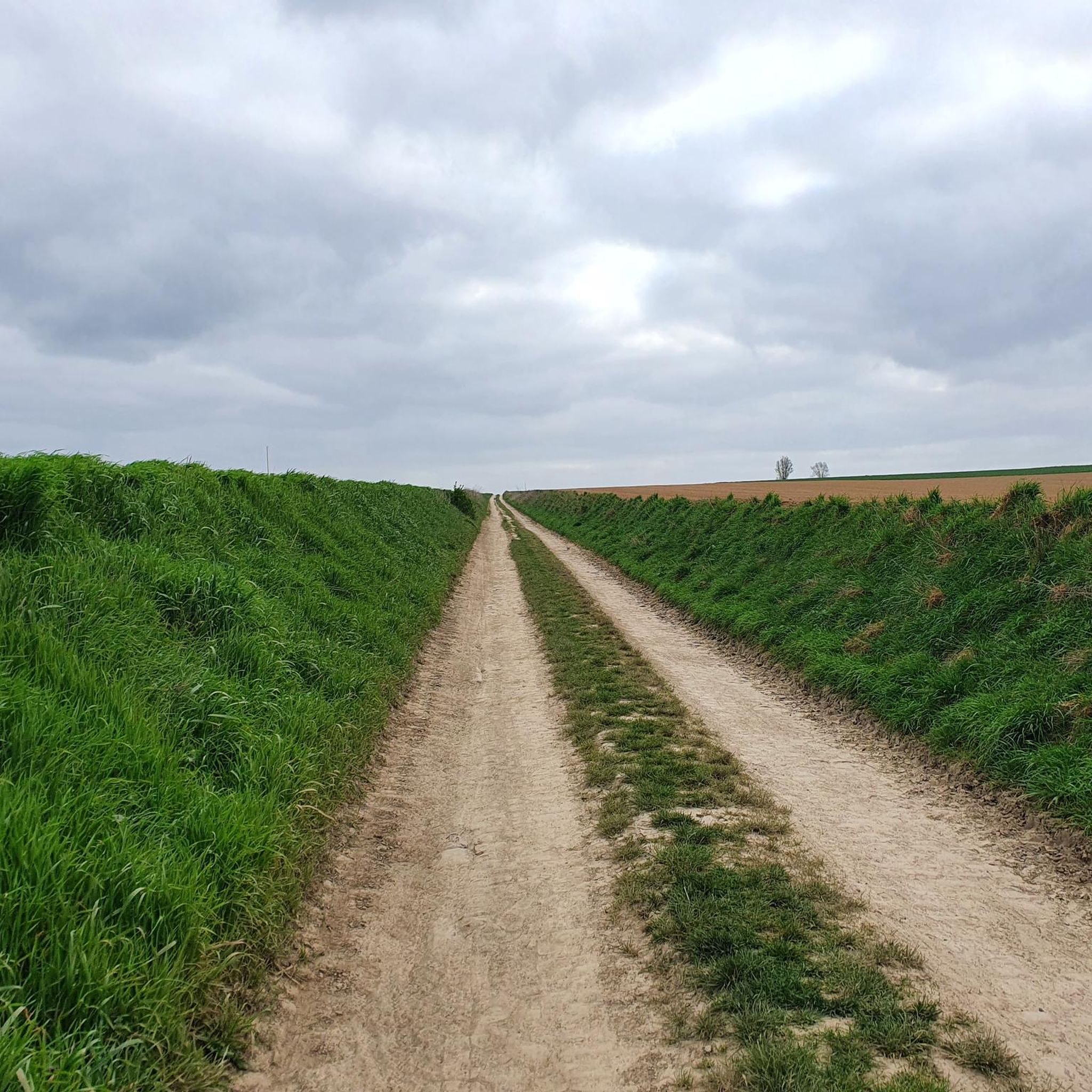
Hiking trails around Cuvillers are primarily characterized by flat to gently rolling terrain, typical of the Nord department in the Hauts-de-France region. The landscape features agricultural areas, local waterways, and small villages. Elevation changes are minimal, with routes generally staying below 30 meters of ascent.
Best hiking trails around Cuvillers
- The most popular hiking route is The gates of Cambrai — loop from Cambrai, a 2.4 miles (3.9 km) trail that takes about 1 hour to complete, offering a…
Last updated: June 26, 2026
4.0
(1)
6
hikers
3.87km
01:00
20m
20m
Explore the historical Gates of Cambrai on this easy 2.4-mile (3.9 km) loop, featuring urban scenery and notable landmarks.
4.4
(24)
78
hikers
10.9km
02:46
30m
30m
Moderate hike. Good fitness required. Easily-accessible paths. Suitable for all skill levels.

Sign up for free
4.9
(151)
85
hikers
4.64km
01:10
0m
0m
Easy hike. Great for any fitness level. Easily-accessible paths. Suitable for all skill levels.
4.9
(103)
72
hikers
5.58km
01:25
10m
10m
Easy hike. Great for any fitness level. Easily-accessible paths. Suitable for all skill levels.
4.3
(21)
76
hikers
11.3km
02:51
30m
30m
Moderate hike. Good fitness required. Easily-accessible paths. Suitable for all skill levels.
Get access to more routes and recommendations from other explorers.
Sign up for free
Already have an account?
Our route recommendations are based on thousands of hikes, rides, and runs completed by other people on komoot.
Start today with a free account
Your next adventure awaits.
Login or Signup


Tips from the Community


The former abbey church and the guest house, which has housed the Post Office since 1905, belonged to the Abbey of the Holy Sepulchre, founded in the 11th century. Between 1696 and 1702, under the episcopate of Fénelon, the whole was rebuilt in the classical style advocated by Louis XIV. The sobriety of the decor contrasts with the exuberant baroque façade of the Jesuit chapel opposite. The Church of the Holy Sepulchre was designated as the new cathedral by Bishop Louis Belmas in 1804 after the destruction of the Gothic cathedral during the Revolution. (City of Cambrai)
10
0
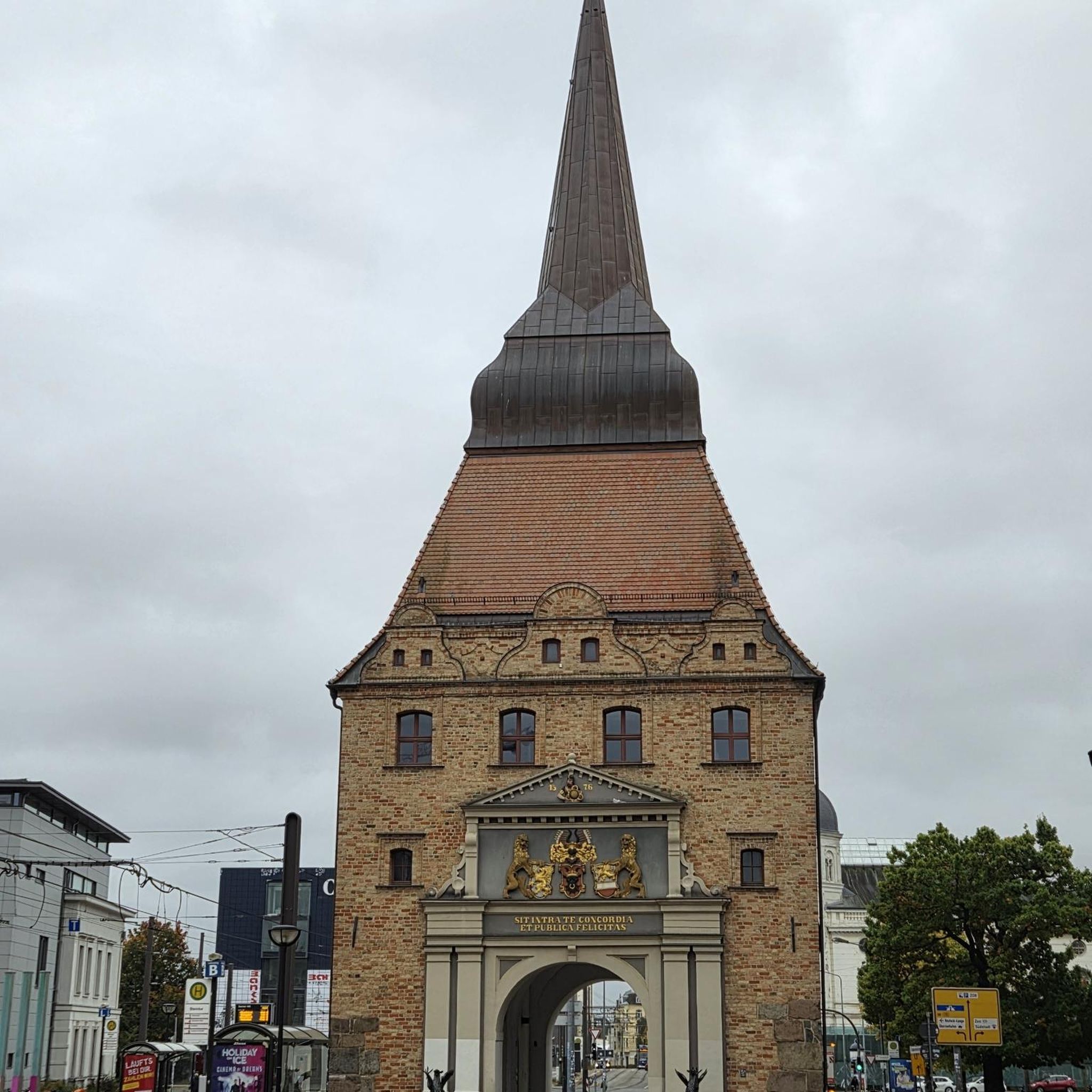
Built in 1623, the Notre-Dame gate marks the northern entrance to the city. At that time, city gates, protected by bastions, freed themselves from their defensive role and became symbols of the wealth of cities. With its “diamond point” hardware and its rich sculpted decoration, the Notre-Dame gate is representative of the Baroque style. The sun that adorns the upper part was added after the capture of Cambrai by Louis XIV. https://www.villedecambrai.com/decouvrir/decouvrir-la-ville/portrait-de-ville/patrimoine-et-architecture/heurs-et-malheurs-dune-ville-frontiere/la-porte-notre-dame
10
0
The Tour Saint-Fiacre, also known as the Tour des Sottes, is a historic tower in Cambrai. The tower is part of the old city walls of Cambrai and was built in the 14th century. The name "Tour des Sottes" comes from a nearby women's asylum in the 19th century. The tower has retained its Cambrésis stone structure up to the foot of the terrace, while the sandstone base is now buried.
9
0
The Porte de Paris in Cambrai is a historic city gate built in the 14th century as part of the city's defensive wall. The gate is known for its Gothic architecture and has a strategic location at the southern entrance to the city. The gate was originally known as the Porte du Saint-Sépulcre.
9
0
The Canal de la Sensée is a canal in northern France. The project was developed under Napoleon. In March 1806, the Imperial government ordered the construction of a canal connecting the Scarpe and the Scheldt. Work began under the direction of Augustin Honnorez in June 1819 and the Canal de la Sensée was opened to navigation in November 1820. Back then, the boats were pulled by men or horses who worked for ship owners. Shortly after World War I 1914-1918, horses were replaced by tractors. The Canal de la Sensée is part of the Dunkirk - Scheldt Canal.
3
0

It is one of the oldest monuments in the city. The Porte de Paris is a remnant of the fortifications that surrounded the city in the Middle Ages. It was built in the 14th century to protect the southern entrance to the city. It is Gothic in style with two round towers and a pointed arch. You can admire the architecture and history of the gate, which also served as a prison and a museum.
6
0
The Tour des Sottes is one of the few remaining towers of the city's medieval fortifications. It was built in the 14th century and was part of the defensive wall that surrounded the city. It is made of limestone and sandstone, and has a corbelled structure at the top which indicates the presence of latrines. You can see traces of the wall that connected the tower to the other towers.
6
0
Frequently Asked Questions
What kind of terrain can I expect on hikes near Cuvillers?
Hiking trails around Cuvillers are characterized by flat to gently rolling terrain, typical of the Nord department. You'll find routes through agricultural areas, along local waterways, and past small villages. Elevation changes are minimal, with most routes staying below 30 meters of ascent.
How many hiking trails are available around Cuvillers?
There are over 120 hiking routes available around Cuvillers, offering a wide range of options for different abilities and preferences. This includes 65 easy routes, 59 moderate routes, and a few more challenging options.
Are there any family-friendly hiking options in Cuvillers?
Yes, many of the trails around Cuvillers are suitable for families due to their generally flat and easy terrain. An excellent option is The Round Basin loop from Estrun, an easy 2.8-mile (4.6 km) path that provides pleasant views and can be completed in about an hour and ten minutes.
Can I bring my dog on the trails around Cuvillers?
Generally, dogs are welcome on trails in rural areas of France, especially if kept on a leash. The flat, open nature of many paths around Cuvillers makes them suitable for walks with your dog. Always ensure to follow local regulations and clean up after your pet.
Are there any circular hiking routes available?
Yes, many routes around Cuvillers are designed as circular loops, allowing you to start and end at the same point. For example, the Bridge Over the Canal – Canal bridge loop from Wasnes-au-Bac is a moderate 6.7-mile (10.8 km) circular trail offering canal-side scenery.
What are some interesting landmarks or attractions to see while hiking?
While hiking near Cuvillers, you can explore several historical and cultural landmarks. Consider visiting the impressive Belfry of Cambrai or the historic Porte Notre-Dame de Cambrai. The area also features the Country house of the Abbey of Saint-Aubert in Cambrai, offering a glimpse into the region's past.
What do other hikers say about the trails in Cuvillers?
The trails around Cuvillers are highly rated by the komoot community, with an average score of 4.4 stars from over 470 reviews. Hikers often praise the quiet agricultural paths, the pleasant canal-side routes, and the accessibility of the loops around local basins.
What is the best time of year to go hiking in Cuvillers?
The best time to hike in the Nord department, including Cuvillers, is typically from spring to early autumn (April to October). During these months, the weather is generally mild and pleasant, making for comfortable walking conditions. The landscape is also vibrant with greenery or autumn colors.
Are there options for longer, more challenging hikes?
While many routes are easy to moderate, there are options for longer walks. For instance, the Bassin Rond – Bridge Over the Canal loop from Estrun is a moderate 7.0-mile (11.3 km) trail that takes about 2 hours 50 minutes, offering a more extended experience through canal-side landscapes.
How accessible are the trailheads by public transport or car?
Access to trailheads around Cuvillers is generally good. Many routes start from villages like Estrun or Cambrai, which often have parking facilities. Public transport options, such as local buses, may connect some of these villages, but checking specific routes and schedules in advance is recommended for optimal planning.
Where can I find amenities like cafes or places to eat near the trails?
The villages and towns surrounding Cuvillers, such as Cambrai, offer various amenities including cafes, restaurants, and shops where you can refuel before or after your hike. It's advisable to check the specific village you plan to start from for available services.
Are there any specific natural features to look out for?
The region is characterized by its waterways and agricultural landscapes. You'll often encounter canals, small rivers, and open fields, providing a peaceful and scenic backdrop for your walks. The 'basins' mentioned in some route names refer to local water features that are often focal points of the trails.
Most popular routes around Cuvillers
Most popular attractions around Cuvillers

Get inspired with the komoot mobile app


Explore more
Browse the best Hikes in other regions.
