Attractions and Places To See around Blécourt - Top 20
Attractions and places to see around Blécourt offer a variety of historical and natural sites, primarily located in the Nord department of France. This region features significant architectural landmarks, ancient megaliths, and waterways. Visitors can explore a blend of cultural heritage and natural landscapes.
Best attractions and places to see around Blécourt
- The most popular attractions is Belfry of Cambrai, a man-made monument that is an impressive Gothic-style tower approximately 62 meters high. It is a UNESCO World Heritage…
Last updated: July 7, 2026
Belfry of Cambrai
Highlight • Monument
Translated by Google •
Tip by

Porte Notre-Dame de Cambrai
Highlight • Monument
Translated by Google •
Tip by
Sign up now to discover places like this
Get recommendations on the best single tracks, peaks, & plenty of other exciting outdoor places.
Sign up for free
The Big Rock
Highlight • Historical Site
Be careful, the place is very swampy and it is more easily accessible in dry weather 😉.
Translated by Google •
Tip by

the stone that grows
Highlight • Historical Site
Translated by Google •
Tip by
Ecluse de Thun Leveque
Highlight • Other
Translated by Google •
Tip by
Sign up for free to discover even more attractions around Blécourt.
Sign up for free
Already have an account?
Start today with a free account
Your next adventure awaits.
Login or Signup
Tips from the Community

The menhir is located in the marsh of Aubigny-au-Bac, on a footpath leading to Brunémont. It is a block of Landenian sandstone 2.90 m high (including 1.48 m above ground) by 2.15 m wide and 0.70 m thick. It is said to have been sunk to about 2.40 m. Shaped like a horse's head, it is associated with a prehistoric megalith despite the absence of evidence.
0
0

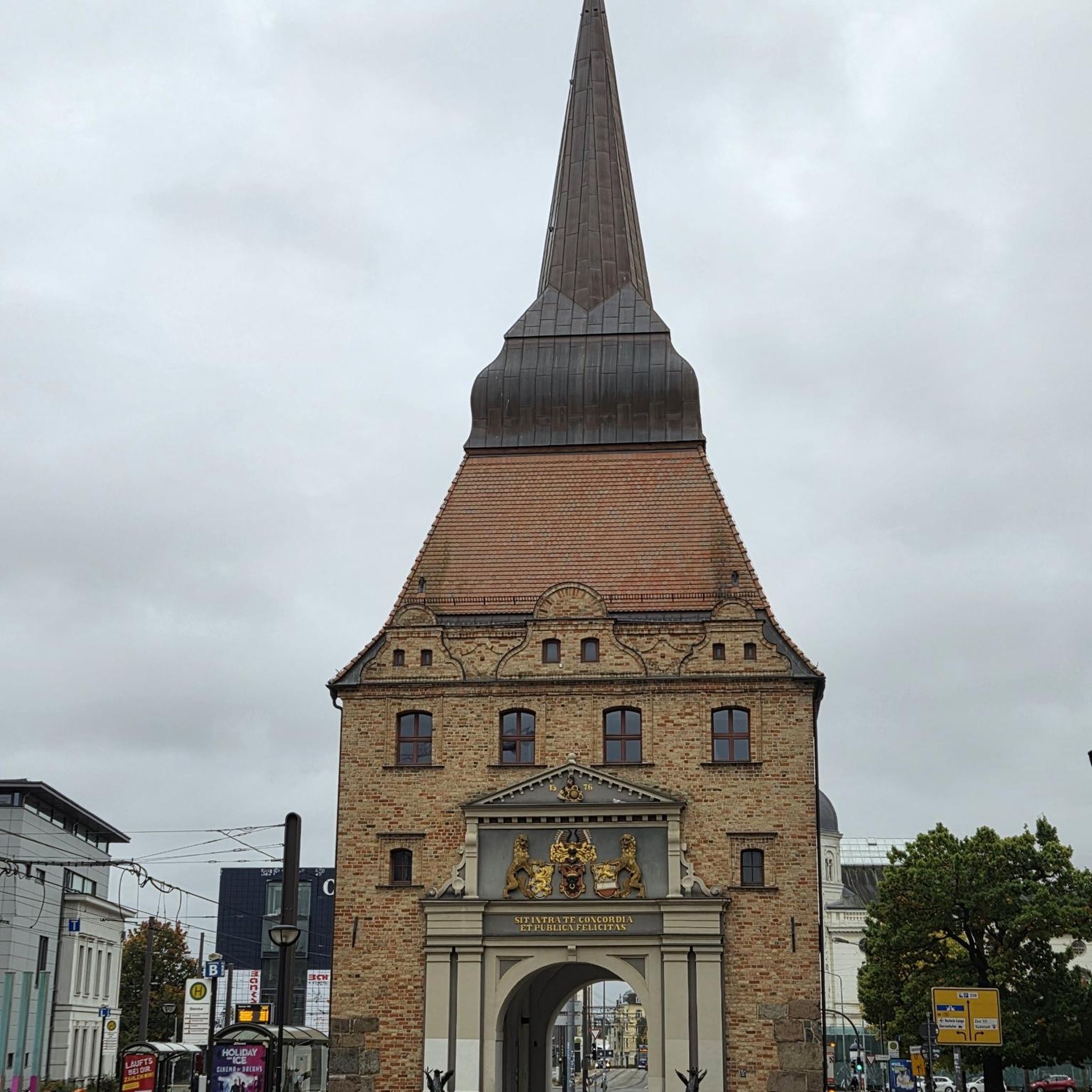
Built in 1623, the Notre-Dame gate marks the northern entrance to the city. At that time, city gates, protected by bastions, freed themselves from their defensive role and became symbols of the wealth of cities. With its “diamond point” hardware and its rich sculpted decoration, the Notre-Dame gate is representative of the Baroque style. The sun that adorns the upper part was added after the capture of Cambrai by Louis XIV. https://www.villedecambrai.com/decouvrir/decouvrir-la-ville/portrait-de-ville/patrimoine-et-architecture/heurs-et-malheurs-dune-ville-frontiere/la-porte-notre-dame
10
0
The belfry, now a UNESCO World Heritage Site, was once the bell tower of the Saint-Martin church, the rest of the building having disappeared during the French Revolution. A symbol of communal freedoms, this belfry also ensured the security of the city. Night and day, lookouts monitored the city and warned of the arrival of enemies or the start of fires by sounding the tocsin. The oldest parts of this building date back to 1474 and rise from the base to the height of the cornice. Supported by wide buttresses, the first bell chamber opens onto triple bays in a Gothic-style pointed arch. Since 1736, this tower has been raised by another level in the classical style into which the second bell chamber opens. This part is topped by a drum where the watch room was located, the whole being topped with a dome and a lantern. Four sculptures made of cast concrete by Marcel Gaumont after the First World War evoke the historical periods of the city. We can see a Frankish warrior; a crossbowman symbolizing the communal militia; Louise of Savoy, mother of François I, who signed the Treaty of the Peace of the Ladies in Cambrai and the knight of Cezen, first governor of the city that became French. The entrance to the belfry has a sculpted decoration by René Faches. The central part bears the arms of Cambrai, surmounted by Saint Martin sharing his cloak to offer it to a poor man. These sculptures evoke the civil and religious duality of this belfry. (Cambrésis Tourisme)
6
0
The Beffroi de Cambrai is an impressive tower in Cambrai, located in the Nord department of France. Originally part of the old Saint Martin's Church, this tower is built in the Gothic style and is approximately 62 metres high. The beffroi is known for its sturdy buttresses reminiscent of medieval donjons. At the foot of the tower is a statue of Saint Martin, the patron saint of the city. The tower has a rich history and has survived both world wars unscathed. Since 1965, the beffroi has been classified as a historical monument and in 2005 it was included on the UNESCO World Heritage List, together with other beffrois in the region.
7
0
The Thun Leveque lock is a double lock located on the Scheldt canal, between the municipalities of Thun-l'Évêque and Iwuy, in the Nord department. It allows boats to overcome a difference in height of 2.5 meters between the two reaches of the canal. It is part of a series of five double locks which were built between 1825 and 1830 to improve navigation on the canalized Scheldt1. The Thun Leveque lock has been classified as a historic monument since 19922. It is surrounded by a landscaped park which dates from the 19th century and which belongs to the domain of the Château de Hamel, an 18th century residence which is also protected as architectural heritage3. The Thun Leveque lock is a place of passage and discovery for boaters, cyclists and hikers who use the Scheldt canal or the greenway which runs along it.
2
0

A hike to Porte Notre Dame in Cambrai will take you to one of the most beautiful monuments in the city. It is an old gate of the medieval fortifications, built in the 14th century and renovated in the 17th century. With rich baroque decoration, a diamond-shaped stone pattern and a coat of arms of the city, you can admire the architecture and history of the gate, which was once the entrance to the cathedral and the episcopal palace.
5
0

Menhir part of the local history to discover. Be careful, the place is very swampy and it is more easily accessible in dry weather 😉.
1
0
Very beautiful monument of local history to discover during a walk in nature.
1
0
Frequently Asked Questions
What historical landmarks can I explore around Blécourt?
The region around Blécourt is rich in history. You can visit the impressive Belfry of Cambrai, a UNESCO World Heritage Site, which was once the bell tower of the Saint-Martin church. Another significant historical site is the Porte Notre-Dame de Cambrai, a Baroque-style gate built in 1623 that marked the northern entrance to the city. Further afield, in the Haute-Marne department, you'll find the 13th-century Notre-Dame de Blécourt church, known for its serene architectural style and majestic bell tower, and the Château du Grand Jardin in Joinville, one of only three Renaissance gardens in France.
Are there any unique natural or ancient sites to see near Blécourt?
Yes, the area features some unique sites. Don't miss the stone that grows, a menhir listed as a historical monument, with local tradition suggesting it continues to grow. Another ancient megalith is The Big Rock (Menhir of Oisy-le-Verger), a particularly impressive stone planted in marshy terrain, steeped in local legend. While Blécourt itself is a small village, the broader Haute-Marne region offers natural beauty, including Lac du Der-Chantecoq, a significant natural site approximately 31 km away.
What kind of outdoor activities can I do near Blécourt's attractions?
The area around Blécourt is excellent for various outdoor activities, especially cycling. You can explore numerous routes for road cycling, gravel biking, and mountain biking. For road cycling, consider routes like the Cambrai - Vaucelles Abbey Loop or the Roucourt Castle – Big Rock Passage loop from Cambrai. Gravel biking options include the Escluse proville – The Round Basin loop from Proville. For mountain biking, the Tour de l'Échauguette – Vaucelles Abbey loop from Cambrai is a popular choice.
Are there family-friendly attractions or activities around Blécourt?
Yes, several attractions are suitable for families. The Porte Notre-Dame de Cambrai is considered family-friendly, offering a glimpse into the city's history and architecture. The menhir known as the stone that grows is also listed as family-friendly, providing a unique historical and natural point of interest. In the Haute-Marne Blécourt, the Lavoir (Wash House) features a picnic area and a children's play space, making it a pleasant stop for families.
What are some lesser-known or 'hidden gem' attractions in the Blécourt area?
Beyond the main highlights, consider exploring the Big Rock (Menhir of Oisy-le-Verger), which, despite its historical significance, is located in a swampy area making it a bit more off the beaten path. The Ecluse de Thun Leveque, a double lock on the Scheldt canal, is a classified historic monument surrounded by a landscaped park, offering a peaceful and scenic discovery for those who enjoy canal infrastructure and history. In the Haute-Marne region, the village of Blécourt itself has four beautiful stone calvaries at its cardinal points, and the Lavoir (Wash House) with its unique architecture is a charming local find.
When is the best time to visit Blécourt for sightseeing and outdoor activities?
The best time to visit Blécourt for both sightseeing and outdoor activities is generally during the drier seasons. While specific weather patterns vary, spring and early autumn often offer pleasant temperatures for exploring historical sites and engaging in cycling or walking. Some natural sites, like The Big Rock, are more easily accessible in dry weather due to marshy terrain.
Are there any specific walking or hiking routes recommended near the attractions?
While specific hiking routes directly linked to the attractions aren't detailed in the guide, the region offers numerous walking and cycling paths along the Scheldt canal. For a more structured outdoor experience, you can explore the various cycling guides available, which often include sections suitable for walking. For instance, the Road Cycling Routes around Blécourt and Gravel biking around Blécourt guides provide routes that pass by many points of interest, offering opportunities for scenic walks.
What is the significance of the Notre-Dame de Blécourt church?
The Notre-Dame de Blécourt church, located in the Haute-Marne department, is a remarkable 13th-century edifice. It is considered one of the most complete religious structures of its era, known for its perfect regularity and serene Gothic architectural style. Constructed from local cut rubble stone, it features a majestic rectangular bell tower with a 13-meter-high spire, housing three bells. Its facade is adorned with robust buttresses and sculpted animals, while the interior boasts ogival and Romanesque windows, along with two striking eight-ray rose windows.
Can I find information about the industrial heritage of the region near Blécourt?
Yes, if you venture into the Haute-Marne region, approximately 10.5 km from Blécourt, you can visit the Metallurgic Park in Dommartin-le-Franc. This park offers insights into the industrial heritage of the area, showcasing the historical significance of metallurgy in the region.
What do visitors generally appreciate most about the attractions around Blécourt?
Visitors to the attractions around Blécourt often appreciate the blend of historical significance and unique natural features. Sites like the Belfry of Cambrai are admired for their impressive architecture and UNESCO status, while the ancient megaliths like the stone that grows offer a sense of mystery and local history. The area's canal infrastructure, such as the Ecluse de Thun Leveque, is also valued for its historical context and scenic beauty, especially by cyclists and hikers.
Are there any attractions related to Joan of Arc near Blécourt?
Yes, in the Haute-Marne department, Blécourt is part of 'Le Sentier Historique de Jeanne d'Arc en Haute-Marne' (The Historical Trail of Joan of Arc in Haute-Marne). This trail closely follows her journey through the region, offering a historical perspective for those interested in her story.
What is the significance of the Lavoir (Wash House) in Blécourt (Haute-Marne)?
The Lavoir in Blécourt (Haute-Marne) is a magnificent and architecturally unique wash house dating from 1878. It stands out for its semi-spherical design and a roof that resembles an upturned boat hull. Beyond its historical function, it's a pleasant spot, surrounded by a picnic area and a children's play space, making it a charming local landmark.
Most popular routes around Blécourt

Get inspired with the komoot mobile app


Explore more
Still not found the Highlight you’re looking for? See guides of the top attractions in other regions:
