Attractions and Places To See around Féchain - Top 20
Best attractions and places to see around Féchain include historical landmarks and natural features. Féchain, a commune in the Nord department of France, is situated in a region suitable for outdoor activities like hiking and cycling. The area features significant megalithic sites and is close to culturally rich towns. Visitors can explore both ancient history and architectural heritage within a short distance.
Best attractions and places to see around Féchain
- The most popular attractions is Belfry of Cambrai, a…
Last updated: May 21, 2026
Belfry of Cambrai
Highlight • Monument
Translated by Google •
Tip by

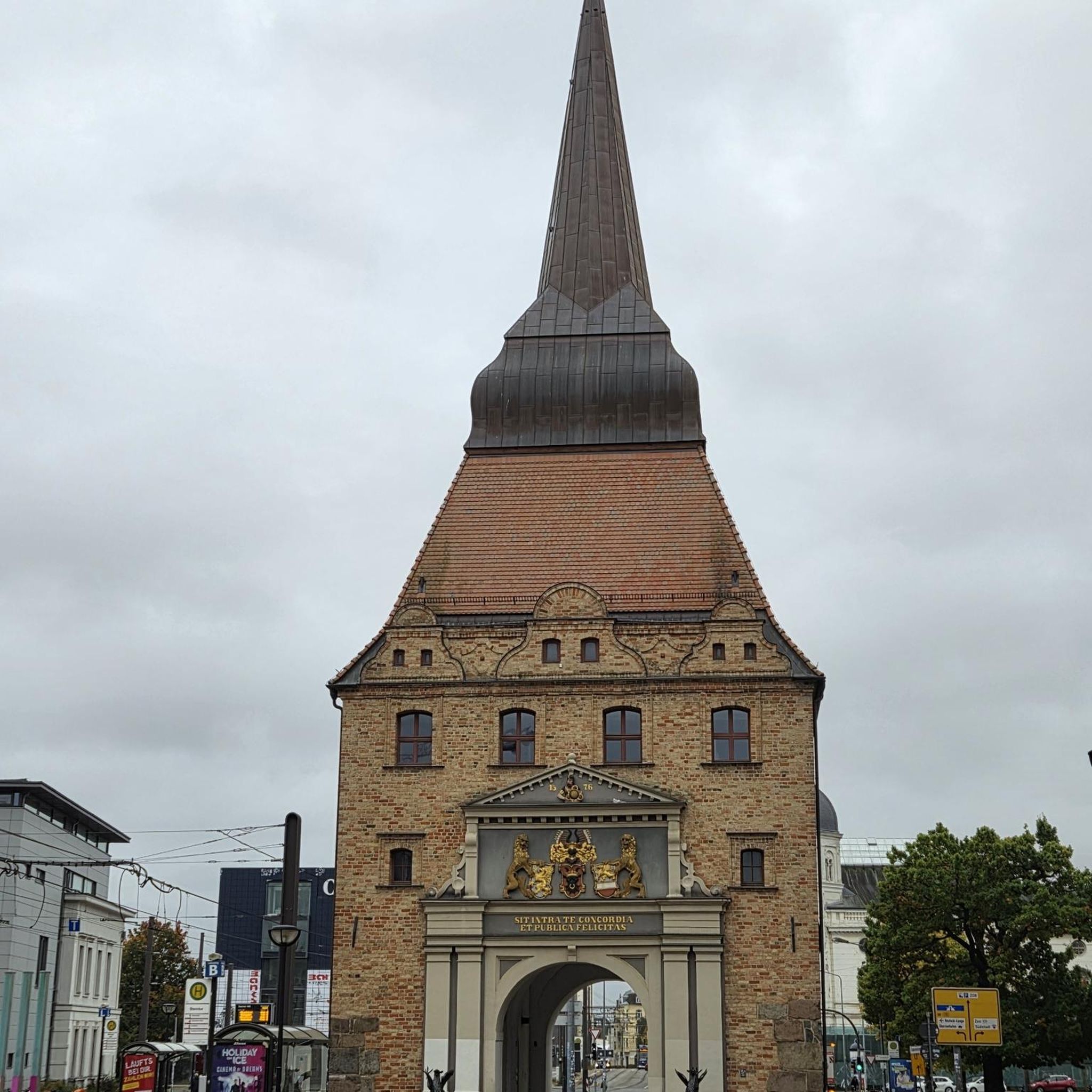
Porte Notre-Dame de Cambrai
Highlight • Monument
Translated by Google •
Tip by
Sign up now to discover places like this
Get recommendations on the best single tracks, peaks, & plenty of other exciting outdoor places.
Sign up for free
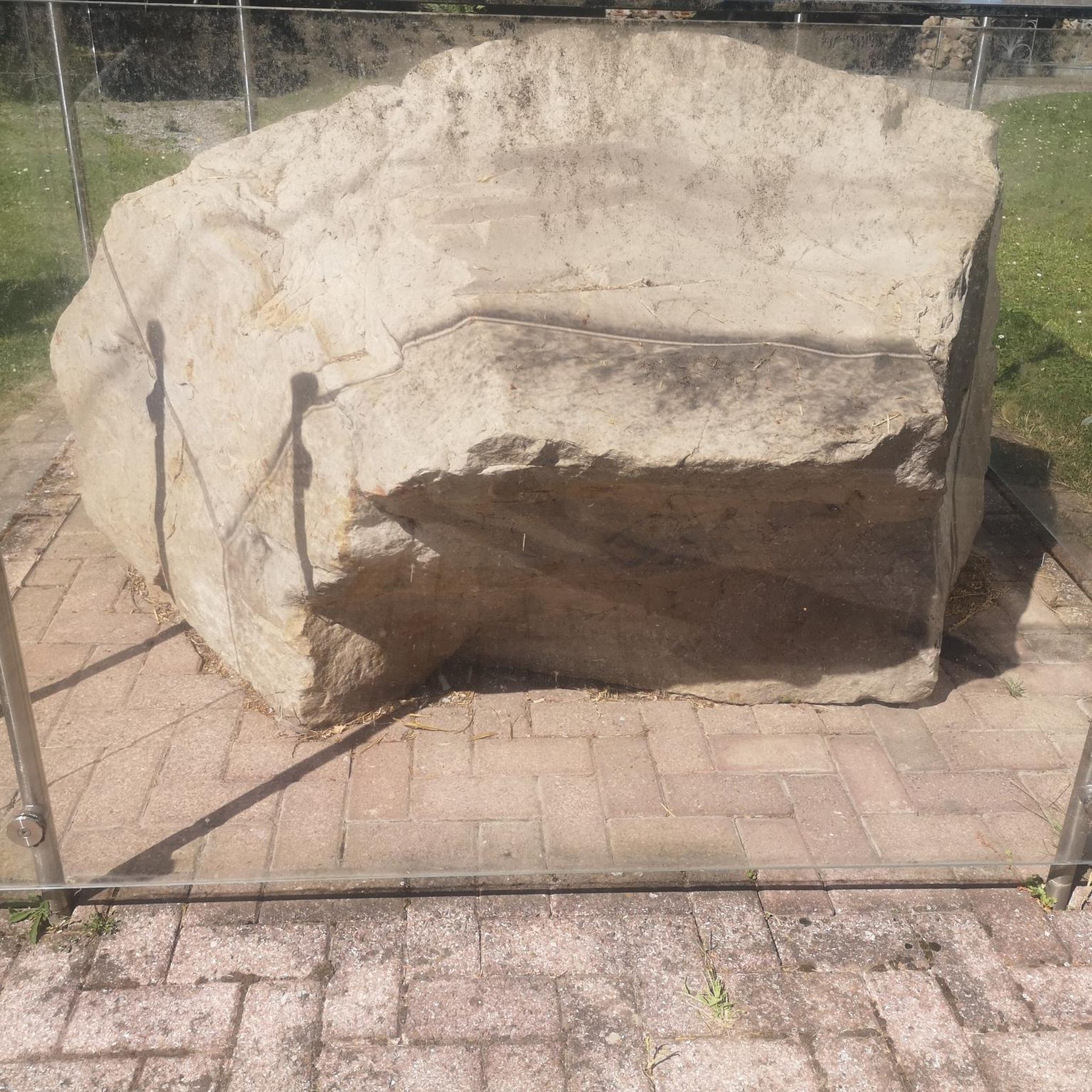
The Big Rock
Highlight • Historical Site
Be careful, the place is very swampy and it is more easily accessible in dry weather 😉.
Translated by Google •
Tip by

The Orangery Castle
Highlight • Parking
Roucourt Castle was built at the end of the 18th century by Monsieur Béranger, a cannon founder under the Empire.
Translated by Google •
Tip by

the stone that grows
Highlight • Historical Site
Translated by Google •
Tip by
Sign up for free to discover even more attractions around Féchain.
Sign up for free
Already have an account?
Start today with a free account
Your next adventure awaits.
Login or Signup
Tips from the Community

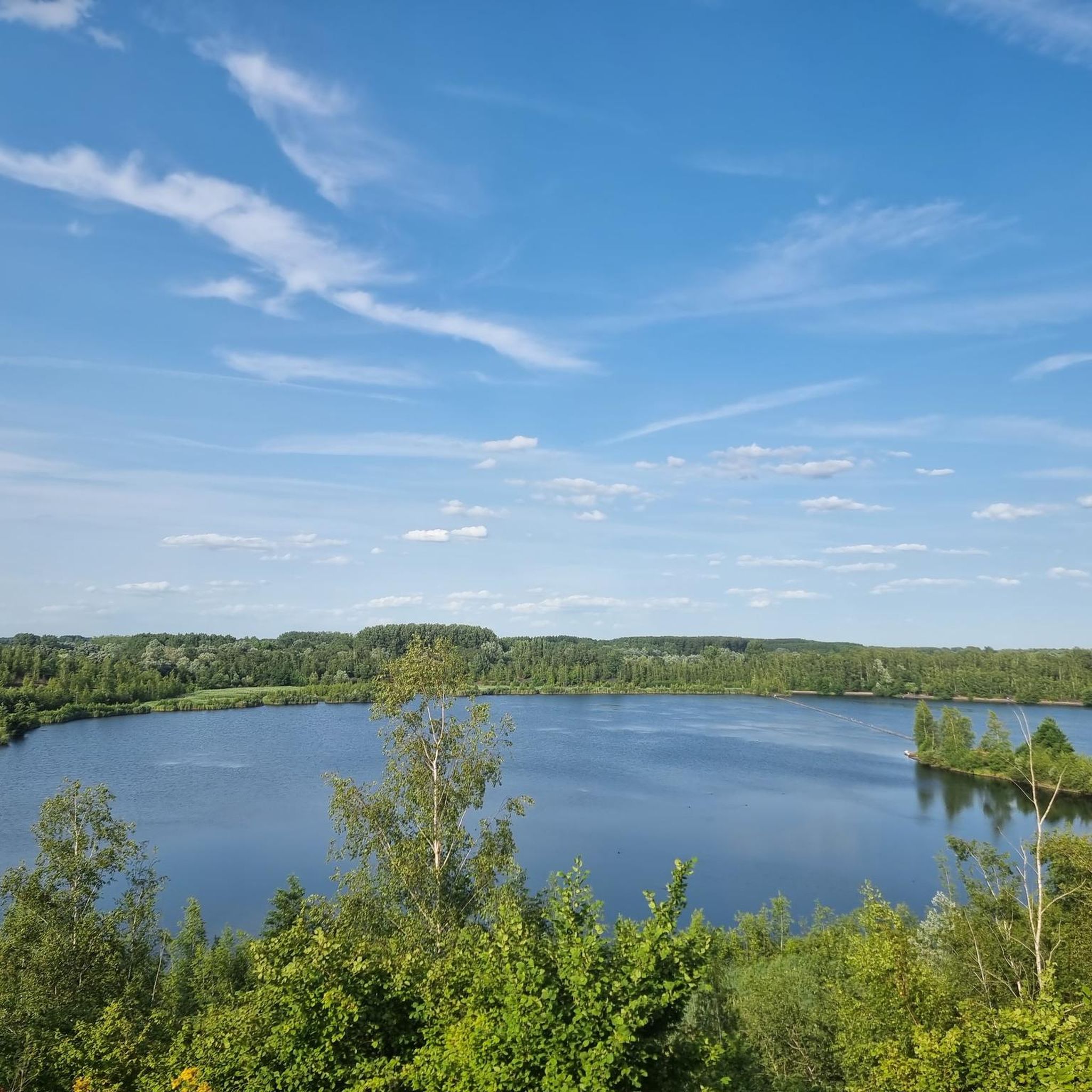
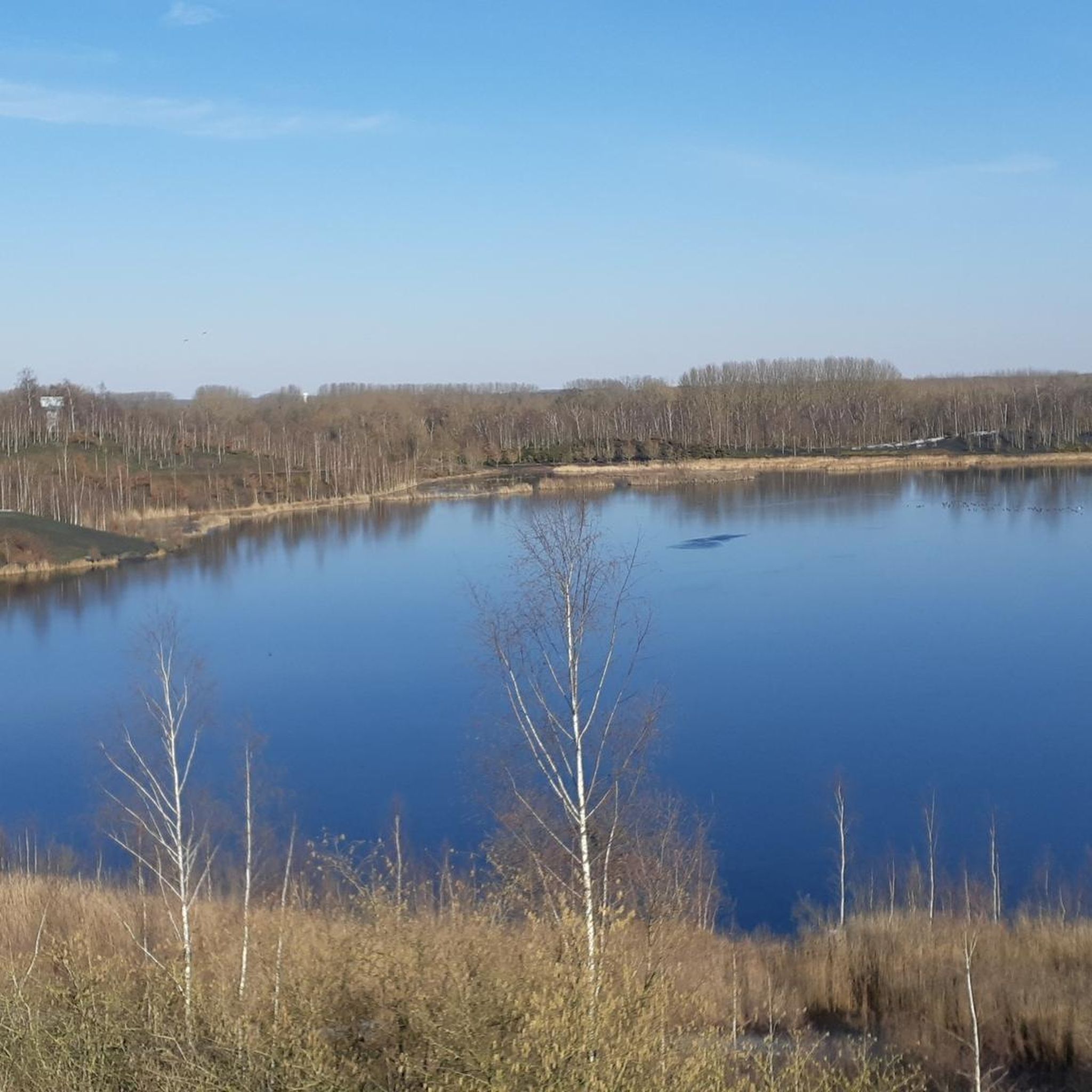
Magnificent..I love walking there to see the deer 😍
1
0

The menhir is located in the marsh of Aubigny-au-Bac, on a footpath leading to Brunémont. It is a block of Landenian sandstone 2.90 m high (including 1.48 m above ground) by 2.15 m wide and 0.70 m thick. It is said to have been sunk to about 2.40 m. Shaped like a horse's head, it is associated with a prehistoric megalith despite the absence of evidence.
0
0
A Brief History Note. Roucourt Castle was built at the end of the 18th century by Monsieur Béranger, a cannon founder under the Empire. …During World War I, the castle was occupied by the squadron and men of Captain Baron Von Richthofen, known as the "Red Baron," who sheltered his planes in the avenue of over 100-year-old lime trees that precede the entrance gate. Destroyed by fire in 1918, it was rebuilt between 1921 and 1923 and restored in 1997 by Colette and Guy Becquet de Mégille, the current owners.
3
0

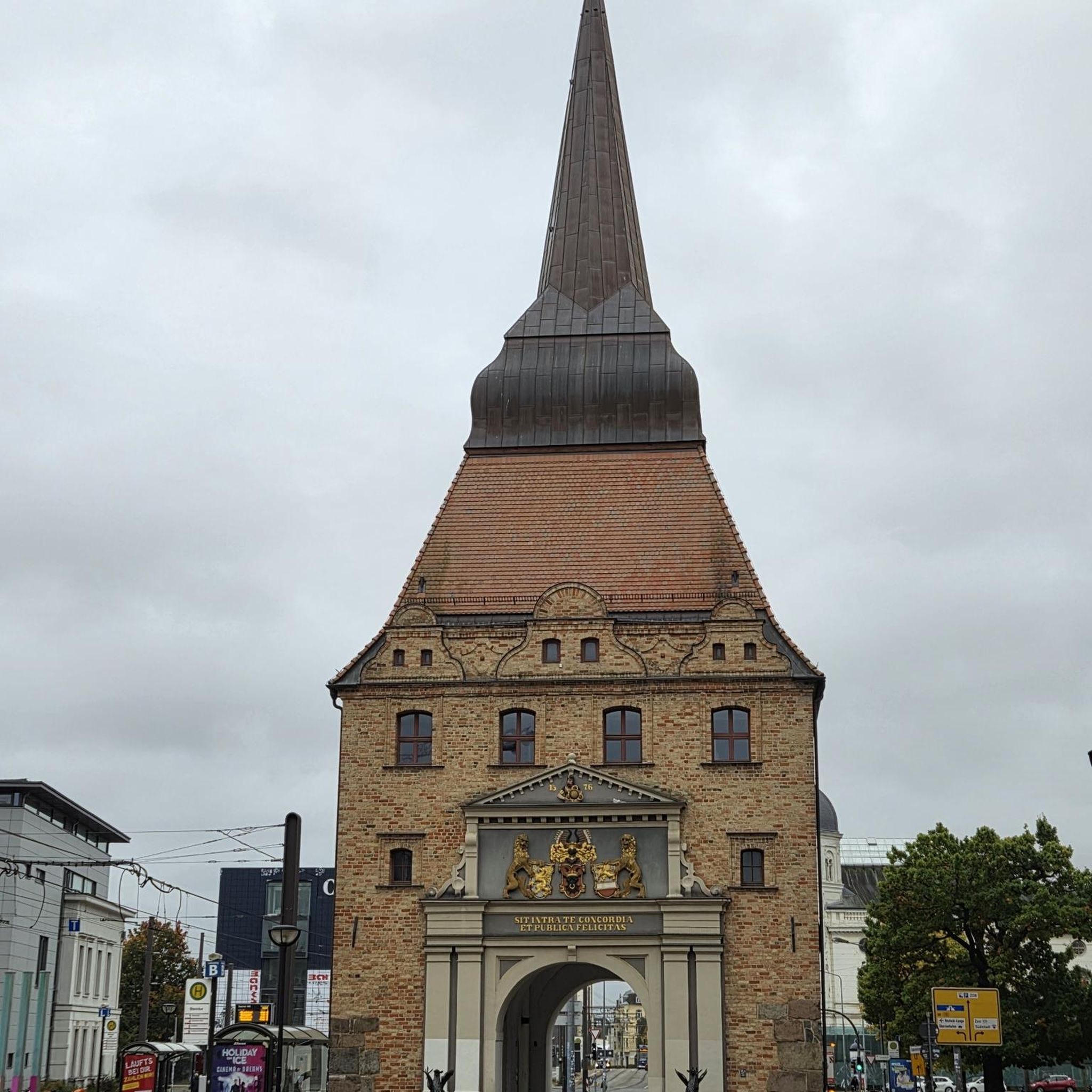
Built in 1623, the Notre-Dame gate marks the northern entrance to the city. At that time, city gates, protected by bastions, freed themselves from their defensive role and became symbols of the wealth of cities. With its “diamond point” hardware and its rich sculpted decoration, the Notre-Dame gate is representative of the Baroque style. The sun that adorns the upper part was added after the capture of Cambrai by Louis XIV. https://www.villedecambrai.com/decouvrir/decouvrir-la-ville/portrait-de-ville/patrimoine-et-architecture/heurs-et-malheurs-dune-ville-frontiere/la-porte-notre-dame
10
0
The belfry, now a UNESCO World Heritage Site, was once the bell tower of the Saint-Martin church, the rest of the building having disappeared during the French Revolution. A symbol of communal freedoms, this belfry also ensured the security of the city. Night and day, lookouts monitored the city and warned of the arrival of enemies or the start of fires by sounding the tocsin. The oldest parts of this building date back to 1474 and rise from the base to the height of the cornice. Supported by wide buttresses, the first bell chamber opens onto triple bays in a Gothic-style pointed arch. Since 1736, this tower has been raised by another level in the classical style into which the second bell chamber opens. This part is topped by a drum where the watch room was located, the whole being topped with a dome and a lantern. Four sculptures made of cast concrete by Marcel Gaumont after the First World War evoke the historical periods of the city. We can see a Frankish warrior; a crossbowman symbolizing the communal militia; Louise of Savoy, mother of François I, who signed the Treaty of the Peace of the Ladies in Cambrai and the knight of Cezen, first governor of the city that became French. The entrance to the belfry has a sculpted decoration by René Faches. The central part bears the arms of Cambrai, surmounted by Saint Martin sharing his cloak to offer it to a poor man. These sculptures evoke the civil and religious duality of this belfry. (Cambrésis Tourisme)
6
0
The Beffroi de Cambrai is an impressive tower in Cambrai, located in the Nord department of France. Originally part of the old Saint Martin's Church, this tower is built in the Gothic style and is approximately 62 metres high. The beffroi is known for its sturdy buttresses reminiscent of medieval donjons. At the foot of the tower is a statue of Saint Martin, the patron saint of the city. The tower has a rich history and has survived both world wars unscathed. Since 1965, the beffroi has been classified as a historical monument and in 2005 it was included on the UNESCO World Heritage List, together with other beffrois in the region.
7
0

A hike to Porte Notre Dame in Cambrai will take you to one of the most beautiful monuments in the city. It is an old gate of the medieval fortifications, built in the 14th century and renovated in the 17th century. With rich baroque decoration, a diamond-shaped stone pattern and a coat of arms of the city, you can admire the architecture and history of the gate, which was once the entrance to the cathedral and the episcopal palace.
5
0
It was built in 1765 in Roucourt in the Louis XVI style for Jean François Bérenger, commissioner general of the cast iron of the artillery of France, it replaces the old castle which was further north of the village. Since 1790, the estate has belonged to the family of Baron Becquet de Megille (then mayor of Douai) who have continued to develop it. The surrounding park is listed in the pre-inventory of remarkable gardens with its orchard and vegetable garden2. It includes a Chinese pavilion, the old village pillory and the dovecote.
0
0
Frequently Asked Questions
What historical sites can I visit in and around Féchain?
Féchain and its surroundings are rich in history. Within Féchain, you can discover Le Polissoir, a significant Neolithic megalith used for polishing flint axes, located at the Saint-Vaast church. Nearby, explore ancient megalithic sites like the stone that grows and The Big Rock, both menhirs with local legends. Further afield, the impressive Belfry of Cambrai, a UNESCO World Heritage site, and the historic Porte Notre-Dame de Cambrai offer insights into the region's architectural heritage.
Are there any natural features or monuments to see near Féchain?
Yes, the area features several natural monuments and points of interest. You can visit the stone that grows and The Big Rock, both ancient menhirs that stand as natural and historical landmarks. While specific natural features directly within Féchain are not extensively detailed, the region is suitable for outdoor activities, and the nearby Réserve naturelle régionale de la Tourbière de Vred offers insights into local natural beauty.
What kind of outdoor activities can I do around Féchain?
The region around Féchain is excellent for outdoor enthusiasts. You can find numerous routes for road cycling, running, and general cycling. For example, you can explore road cycling routes like the 'Lake Brunémont loop' or 'Col d'Erchin – The Marshes - Lécluse Pond loop'. Running enthusiasts might enjoy 'The Féchain Polishing Stone loop' or 'Marais de Brunémont – Marais du Bac loop'. For general cycling, consider the 'Bassin Rond Cycle Path' or 'Marais des Courbettes – View of the Haut Pont marsh loop'. You can find more details on these activities and routes in the dedicated guides for Road Cycling, Running, and Cycling around Féchain.
Are there family-friendly attractions near Féchain?
Yes, several attractions around Féchain are suitable for families. The Porte Notre-Dame de Cambrai, with its rich Baroque decoration and historical significance, is considered family-friendly. Additionally, the ancient megaliths like the stone that grows and The Big Rock offer an intriguing glimpse into prehistory that can captivate younger visitors. The Orangery Castle in Roucourt, with its historical background and surrounding park, also provides a pleasant family outing.
What is the Belfry of Cambrai and why is it significant?
The Belfry of Cambrai is an impressive Gothic-style tower, approximately 62 meters high, located about 10-12 km from Féchain. Originally part of Saint Martin's Church, it is known for its sturdy buttresses and a statue of Saint Martin. It holds significant historical and cultural importance, having been classified as a historical monument since 1965 and included on the UNESCO World Heritage List in 2005, symbolizing communal freedoms and the city's history.
Can you tell me more about Le Polissoir in Féchain?
Le Polissoir, or The Polisher Stone, is a significant megalith located at the Saint-Vaast church in Féchain. Discovered in 1968, this large sandstone block, weighing about 7 tons and standing 1.10 meters high, dates back to the Neolithic period (between the 6th and 3rd millennia BCE). Prehistoric people used its hollows and grooves to polish flint axes. It is the largest polissoir in the region and was inscribed on the supplementary inventory of historical monuments in 1980. You can find more information about it on the Douaisis Agglo Tourisme website: douaisis-agglo-tourisme.com.
What is the history behind the Porte Notre-Dame de Cambrai?
The Porte Notre-Dame de Cambrai, built in 1623, served as the northern entrance to the city of Cambrai. It exemplifies the Baroque style with its distinctive 'diamond point' hardware and rich sculpted decoration, reflecting the city's prosperity at the time. A sun motif, added after Louis XIV's capture of Cambrai, adorns its upper section, adding another layer to its historical narrative.
What is The Orangery Castle and its historical significance?
The Orangery Castle, located in Roucourt, has a fascinating history. Built in the late 18th century, it was notably occupied by Baron Von Richthofen, the 'Red Baron,' and his squadron during World War I. Though destroyed by fire in 1918, it was rebuilt between 1921 and 1923 and later restored in 1997. The castle and its surrounding park, which includes an orchard and vegetable garden, offer a glimpse into local aristocratic life and wartime history.
Are there any specific considerations for visiting the menhirs like The Big Rock?
When planning a visit to menhirs such as The Big Rock, be aware that the area around them can be swampy, especially after rain. It is generally more accessible and enjoyable in dry weather. These sites are part of the local history and offer a unique experience, but comfortable, waterproof footwear is recommended if conditions are wet.
What do visitors enjoy most about the attractions around Féchain?
Visitors particularly appreciate the blend of ancient history and architectural grandeur. The Belfry of Cambrai is often highlighted for its impressive Gothic architecture and UNESCO status. The ancient menhirs like the stone that grows are valued for their historical mystery and natural setting. The Porte Notre-Dame de Cambrai is admired for its beautiful Baroque details. Overall, the komoot community has shown appreciation with 11 upvotes and 9 photos shared, indicating a positive experience exploring these diverse sites.
Are there any nature reserves or significant natural areas nearby?
Yes, the Réserve naturelle régionale de la Tourbière de Vred is located about 14 km from Féchain. This regional nature reserve offers a chance to explore local natural beauty and biodiversity, providing a contrast to the historical and architectural sites in the area.
Where can I learn about the region's mining heritage?
For those interested in the industrial history of the area, the Mining History Centre in Lewarde is a notable attraction. It provides a comprehensive look into the region's rich mining heritage and also offers insights into local gastronomy, making it a culturally enriching visit.
Most popular routes around Féchain
Most popular attractions around Féchain

Get inspired with the komoot mobile app


Explore more
Still not found the Highlight you’re looking for? See guides of the top attractions in other regions:
