Attractions and Places To See around Aubigny-Au-Bac - Top 20
Best attractions and places to see around Aubigny-Au-Bac include a blend of local landmarks and natural beauty. The commune, located in the Nord department of France, features marshy areas and is shaped by the Sensée river, offering a verdant landscape. Visitors can explore significant historical sites and natural monuments within Aubigny-Au-Bac and its close surroundings. The region provides a variety of cultural and recreational sites for exploration.
Best attractions and places to see around Aubigny-Au-Bac
- The most popular attractions is…
Last updated: July 2, 2026
The Menhir of Lécluse or the Devil's Stone
Highlight • Summit
Translated by Google •
Tip by

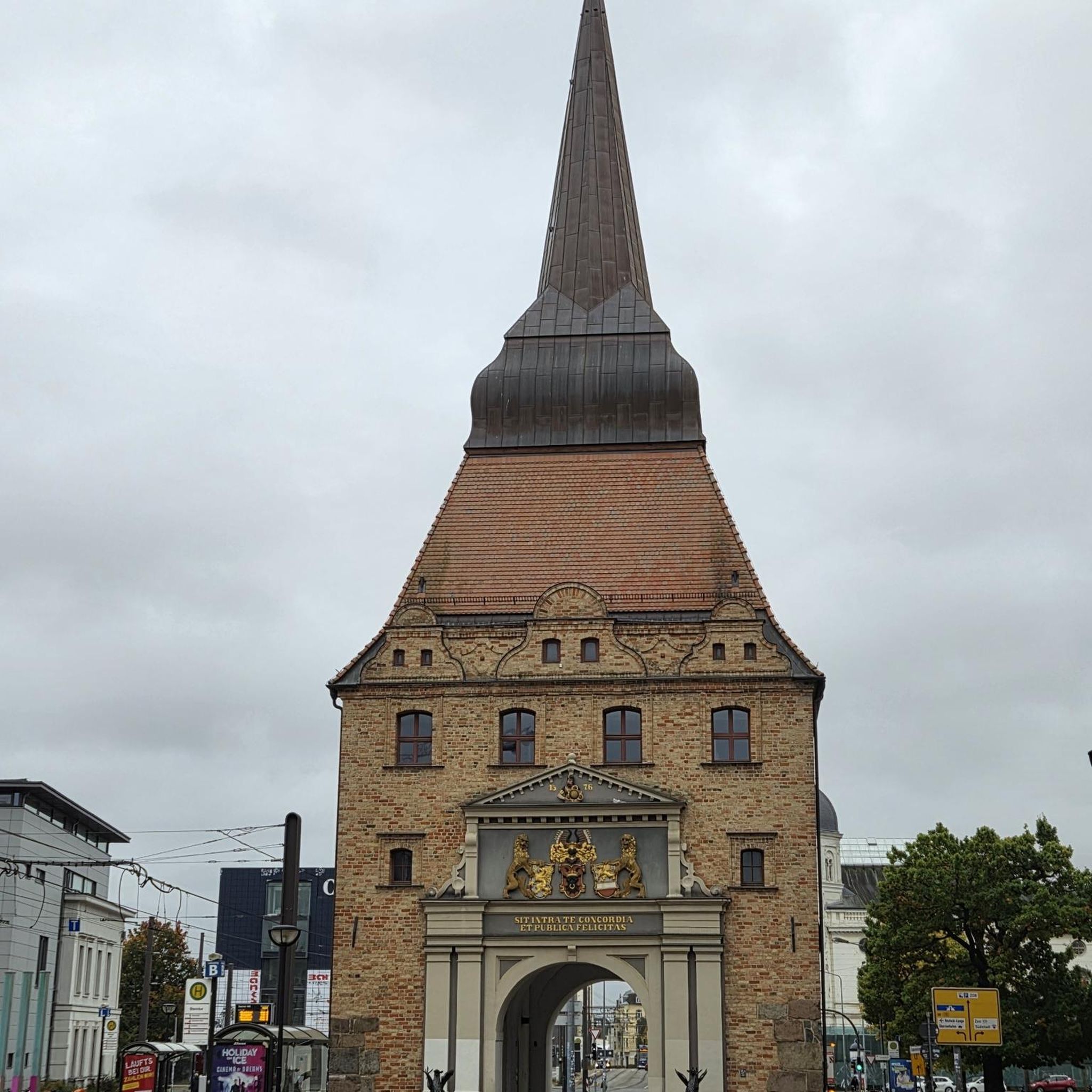
Porte Notre-Dame de Cambrai
Highlight • Monument
Translated by Google •
Tip by

Sign up now to discover places like this
Get recommendations on the best single tracks, peaks, & plenty of other exciting outdoor places.
Sign up for free
The Big Rock
Highlight • Historical Site
Be careful, the place is very swampy and it is more easily accessible in dry weather 😉.
Translated by Google •
Tip by

The Orangery Castle
Highlight • Parking
Roucourt Castle was built at the end of the 18th century by Monsieur Béranger, a cannon founder under the Empire.
Translated by Google •
Tip by

the stone that grows
Highlight • Historical Site
Translated by Google •
Tip by
Sign up for free to discover even more attractions around Aubigny-Au-Bac.
Sign up for free
Already have an account?
Start today with a free account
Your next adventure awaits.
Login or Signup
Tips from the Community

Magnificent..I love walking there to see the deer 😍
1
0

The menhir is located in the marsh of Aubigny-au-Bac, on a footpath leading to Brunémont. It is a block of Landenian sandstone 2.90 m high (including 1.48 m above ground) by 2.15 m wide and 0.70 m thick. It is said to have been sunk to about 2.40 m. Shaped like a horse's head, it is associated with a prehistoric megalith despite the absence of evidence.
0
0
A Brief History Note. Roucourt Castle was built at the end of the 18th century by Monsieur Béranger, a cannon founder under the Empire. …During World War I, the castle was occupied by the squadron and men of Captain Baron Von Richthofen, known as the "Red Baron," who sheltered his planes in the avenue of over 100-year-old lime trees that precede the entrance gate. Destroyed by fire in 1918, it was rebuilt between 1921 and 1923 and restored in 1997 by Colette and Guy Becquet de Mégille, the current owners.
3
0

Built in 1623, the Notre-Dame gate marks the northern entrance to the city. At that time, city gates, protected by bastions, freed themselves from their defensive role and became symbols of the wealth of cities. With its “diamond point” hardware and its rich sculpted decoration, the Notre-Dame gate is representative of the Baroque style. The sun that adorns the upper part was added after the capture of Cambrai by Louis XIV. https://www.villedecambrai.com/decouvrir/decouvrir-la-ville/portrait-de-ville/patrimoine-et-architecture/heurs-et-malheurs-dune-ville-frontiere/la-porte-notre-dame
10
0

They are part of the unknown treasures of Arras and the Pays d'Artois. The various megalithic sites are good for a beautiful walk, among mysteries and legends, history and extraordinary landscapes. Set sail for the Scarpe valley and the Sensée valley, in the wake of the megaliths of the Pays d'Artois.
2
0

A hike to Porte Notre Dame in Cambrai will take you to one of the most beautiful monuments in the city. It is an old gate of the medieval fortifications, built in the 14th century and renovated in the 17th century. With rich baroque decoration, a diamond-shaped stone pattern and a coat of arms of the city, you can admire the architecture and history of the gate, which was once the entrance to the cathedral and the episcopal palace.
5
0

The story goes that once the people of the country showed the scratches produced, according to legend, by the claws of the demon when he seized the stone. Streaks do indeed appear on two sides of the menhir… But are they the same as before or do they come from the destruction of the stone in 1918
2
0

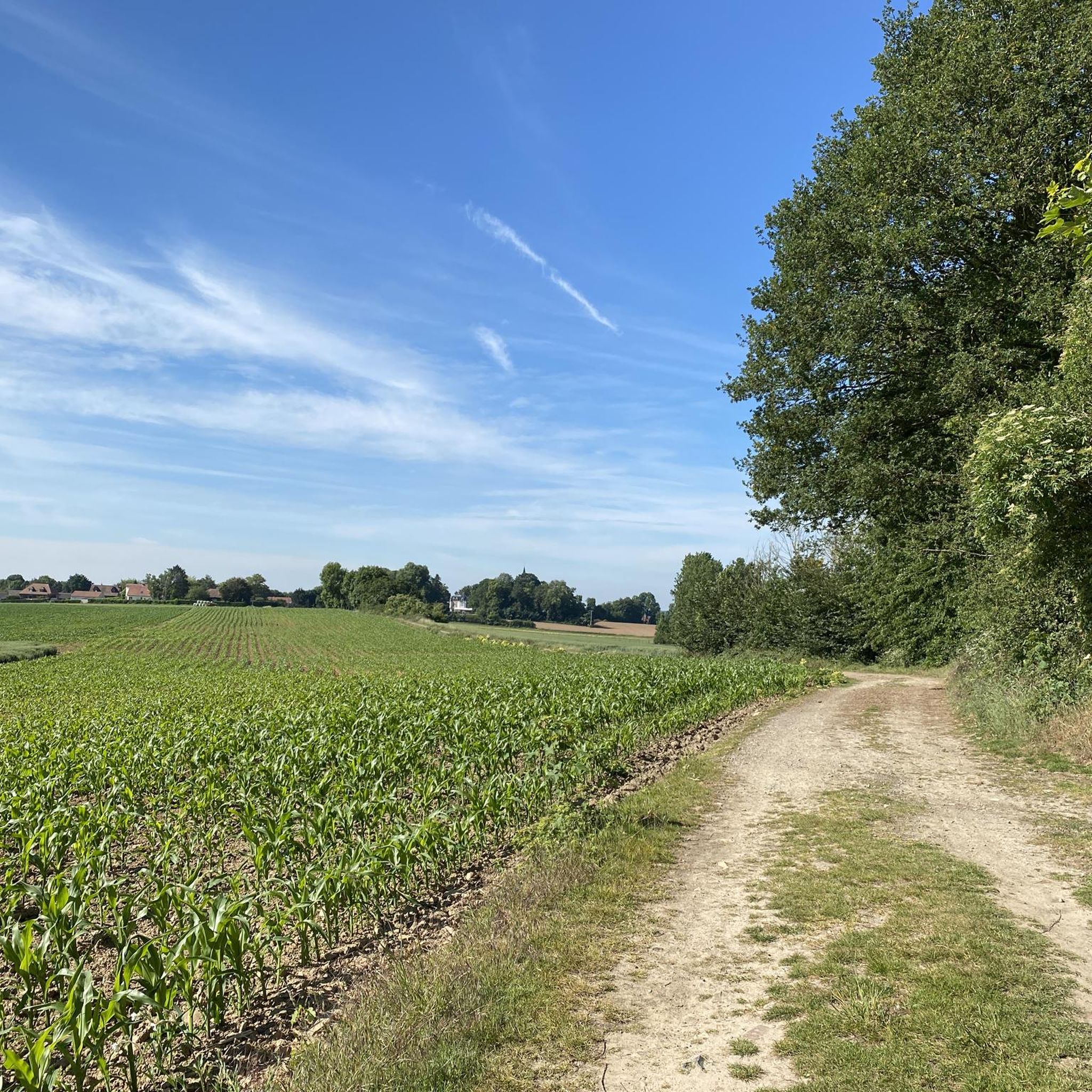
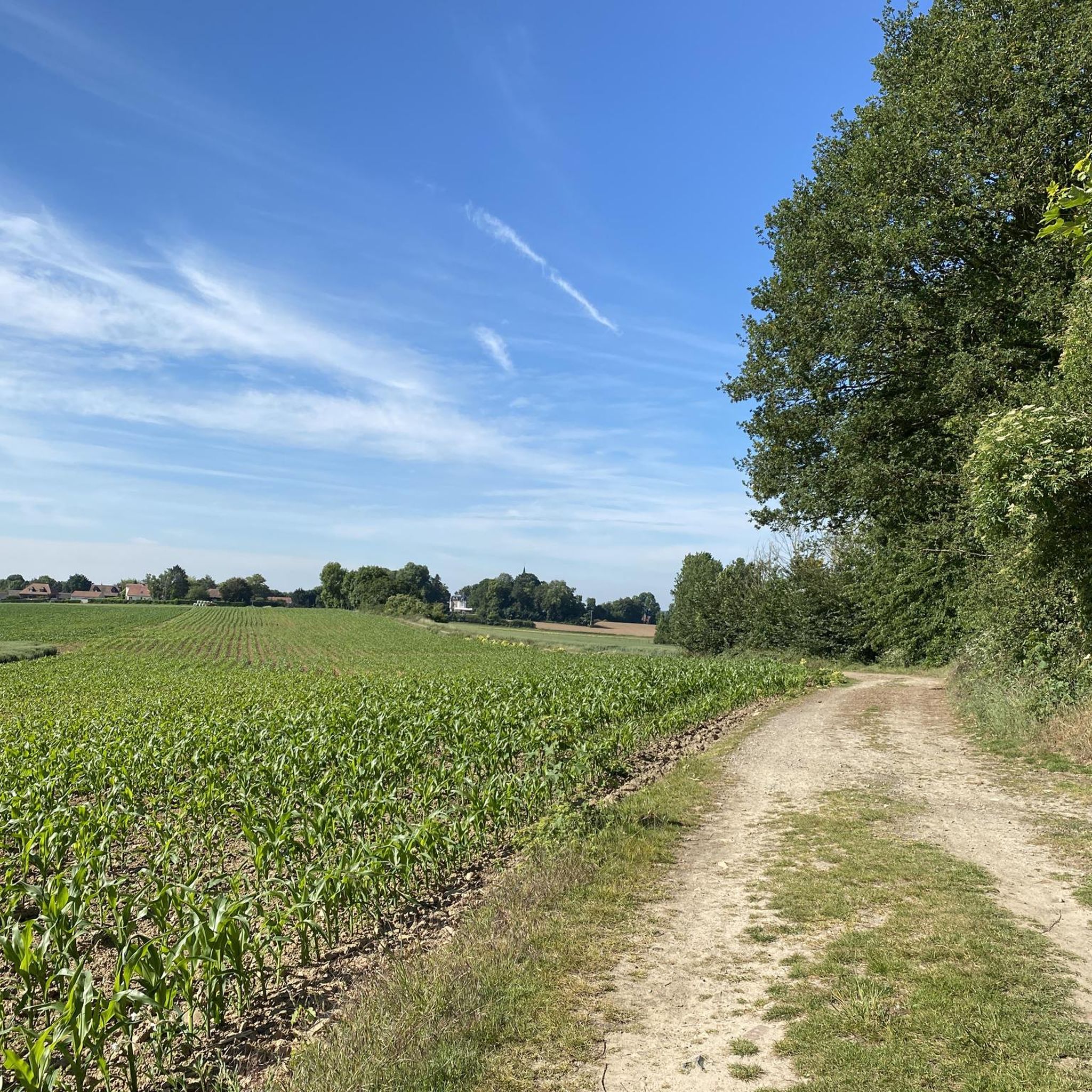
Menhir to discover. A descriptive panel is present at the parking lot of the site. Access is by a grassy path, not dented, practicable.
1
0
Frequently Asked Questions
What historical landmarks can I explore in Aubigny-Au-Bac?
Aubigny-Au-Bac and its surroundings offer several significant historical landmarks. You can visit The Menhir of Lécluse or the Devil's Stone, a classified historical monument known for its legends. Another intriguing site is the stone that grows, a menhir believed to continually increase in size. Further afield, you can see Porte Notre-Dame de Cambrai, a beautifully decorated Baroque gate marking the northern entrance to Cambrai, and The Orangery Castle in Roucourt, which has a rich history including its occupation during World War I.
Are there any unique historical sites with local legends?
Yes, the region is rich in folklore. The Menhir of Lécluse or the Devil's Stone is central to local legends, including tales of the devil's claws leaving marks on the stone. Similarly, The Big Rock in Oisy-le-Verger also has a legend involving the devil and a rooster, common to many megaliths in the area. These sites offer a blend of history and local mystique.
What natural features can I discover around Aubigny-Au-Bac?
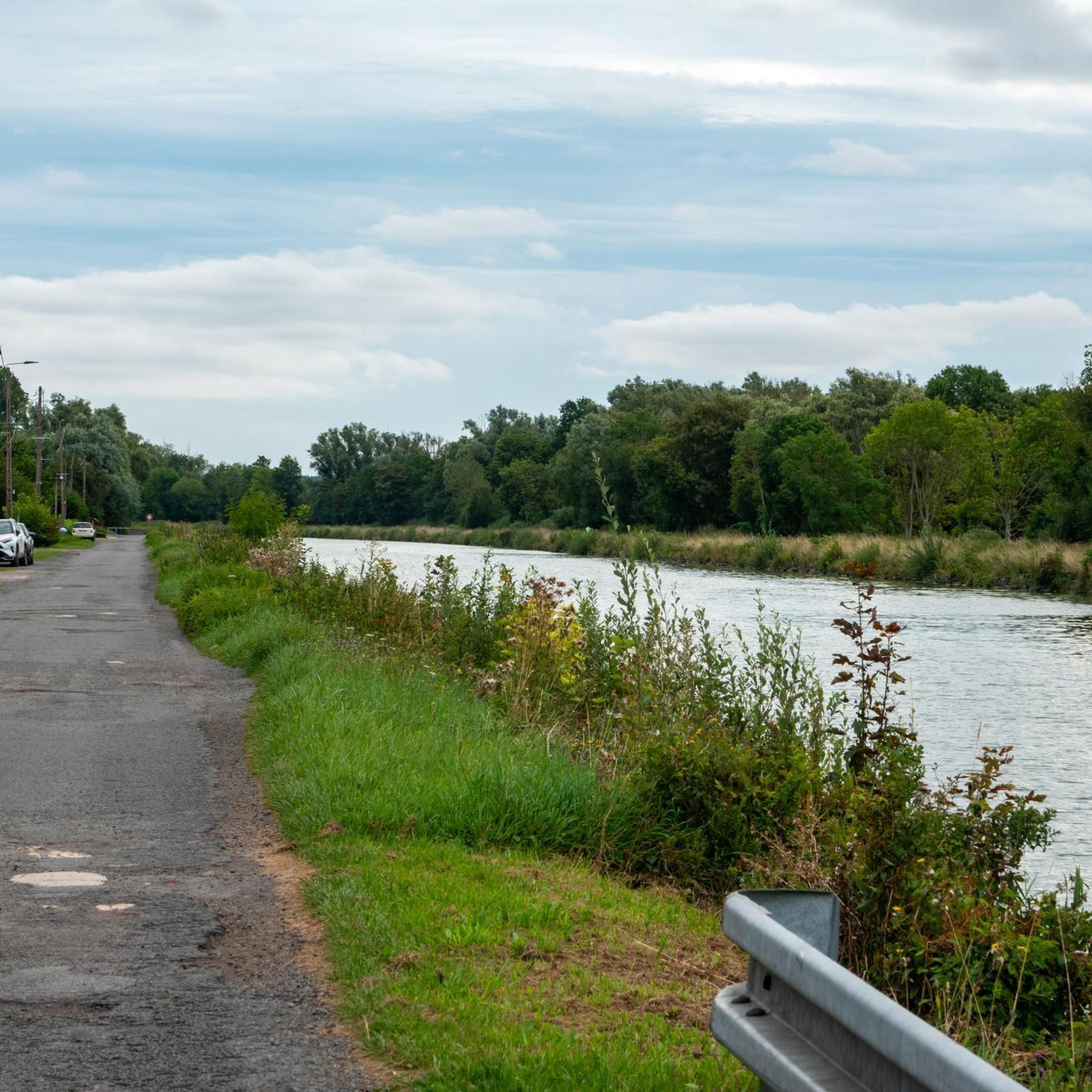
Aubigny-Au-Bac is characterized by its natural beauty, particularly the Marais d'Aubigny-au-Bac (Aubigny-au-Bac Marsh). This marshland is home to 'La Pierre qui pousse' (the growing stone) and is part of a very wide and humid valley bottom shaped by the Sensée river. The broader region features a succession of woods and ponds, offering a verdant and tranquil landscape ideal for nature observation.
What outdoor activities can I do near these attractions?
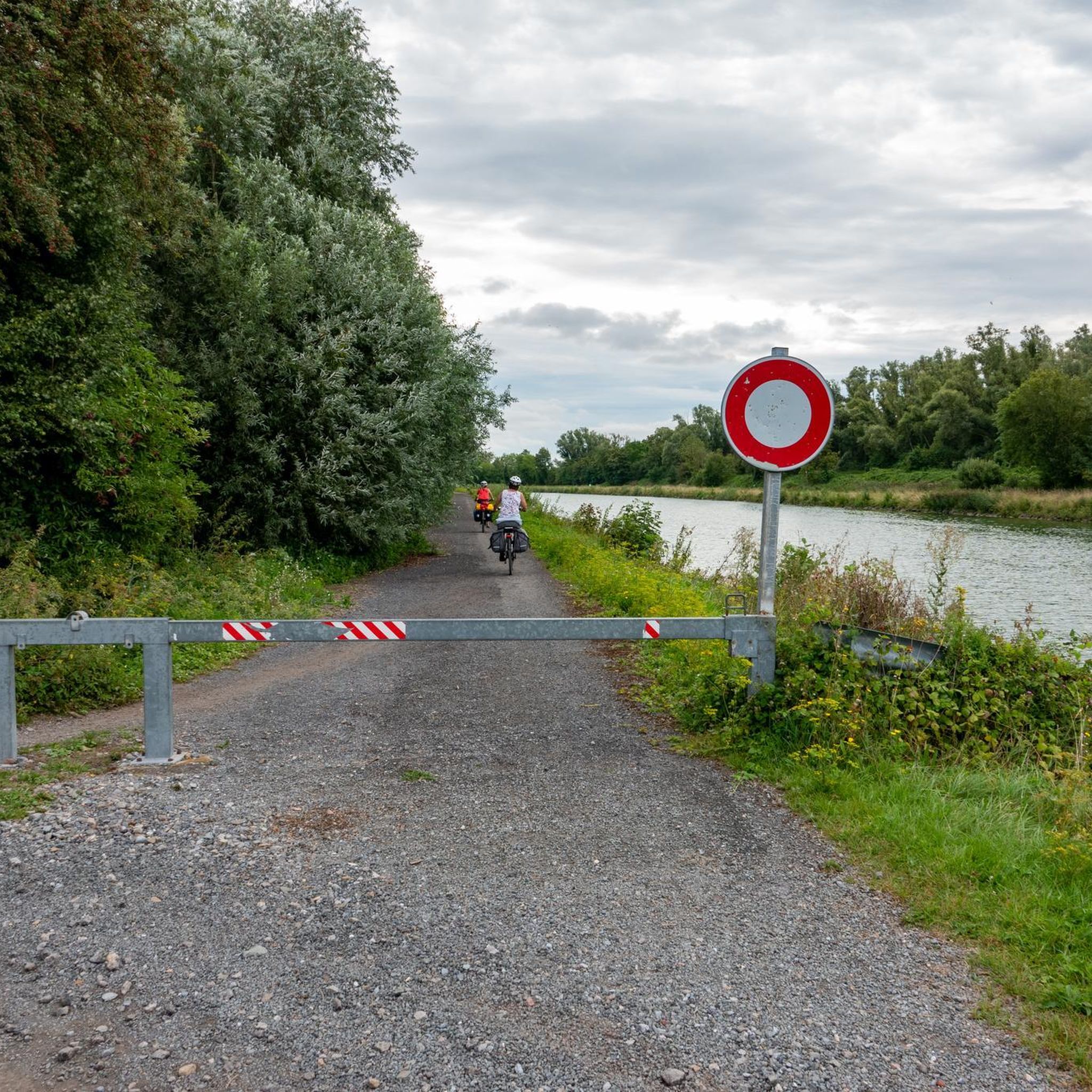
The area around Aubigny-Au-Bac is excellent for various outdoor activities. You can find numerous routes for road cycling, running, and general cycling. For example, explore road cycling routes like the 'Marchiennes State Forest – Croix-ou-Pile loop' or 'The Marshes - Lécluse Pond – Lake Brunémont loop'. Runners can enjoy trails such as 'The Little Sensée – Jetty on the Aubigny Marsh loop'. For more relaxed cycling, try the 'Jetty on the Aubigny Marsh – View of the Haut Pont marsh loop'. You can find detailed routes and guides for these activities on the respective komoot guide pages: Road Cycling Routes around Aubigny-Au-Bac, Running Trails around Aubigny-Au-Bac, and Cycling around Aubigny-Au-Bac.
Are there family-friendly attractions around Aubigny-Au-Bac?
Yes, several attractions are suitable for families. The menhirs, such as The Menhir of Lécluse or the Devil's Stone and the stone that grows, are listed as family-friendly and offer an interesting historical and natural experience. Additionally, The Orangery Castle is also considered family-friendly. For a dedicated family day out, Le Fleury - Parc d'Attractions in nearby Wavrechain-Sous-Faulx offers over 20 hectares of relaxation, games, and fishing.
What cultural sites are located near Aubigny-Au-Bac?
While Aubigny-Au-Bac itself is rich in local landmarks, the surrounding towns offer a wealth of cultural sites. You can visit the Musée des Beaux-Arts de Cambrai, which houses an extensive art collection. The Centre Historique Minier de Lewarde provides insights into the region's industrial heritage. Additionally, the impressive Belfries of Cambrai and Douai are UNESCO World Heritage Sites, and the Cathédrale Notre-Dame-de-Grace in Cambrai is another notable religious edifice.
What do visitors enjoy most about the attractions in Aubigny-Au-Bac?
Visitors particularly appreciate the blend of history and nature. The menhirs, like The Menhir of Lécluse and the stone that grows, are often highlighted for their mysterious legends and the beautiful natural settings they are found in. The marshy landscapes and the sense of discovery during walks are also frequently mentioned. The architectural beauty of sites like Porte Notre-Dame de Cambrai is also a draw.
When is the best time to visit Aubigny-Au-Bac and its attractions?
Given the marshy character of some key attractions like 'La Pierre qui pousse' and The Big Rock, visiting during drier weather is recommended for easier access and more comfortable exploration. Spring and summer typically offer pleasant conditions for outdoor activities and exploring the natural landscapes and historical sites.
Are there any hidden gems or less-known places to discover?
Beyond the main highlights, the charm of Aubigny-Au-Bac lies in its local character and natural environment. The Marais d'Aubigny-au-Bac itself, with its succession of woods and ponds, offers many quiet spots for exploration. The local churches, such as L'église Saint-Amand, and the Mairie (Town Hall), while not major tourist attractions, contribute to the authentic village atmosphere and are worth a look for those seeking local charm.
Can I find places to eat or stay near the attractions?
While specific cafes or accommodations directly within Aubigny-Au-Bac are not detailed in the provided information, the nearby city of Cambrai offers a wider range of options. For a unique dining experience, consider Le 109 - Château de la Motte Fénelon, a restaurant located near Cambrai within a historical setting.
Are there any specific considerations for visiting the menhirs in the marshy areas?
Yes, when visiting menhirs like The Big Rock in Oisy-le-Verger, be aware that the surrounding terrain can be very swampy, especially after rain. It is advisable to wear appropriate waterproof footwear. Access might be easier during dry periods. Some sites, like the stone that grows, are accessed via footbridges, making them more manageable.
Most popular routes around Aubigny-Au-Bac
Most popular attractions around Aubigny-Au-Bac

Get inspired with the komoot mobile app


Explore more
Still not found the Highlight you’re looking for? See guides of the top attractions in other regions:
