The best road cycling routes around Mons-En-Pévèle
4.3
(367)
6,988
riders
475
rides
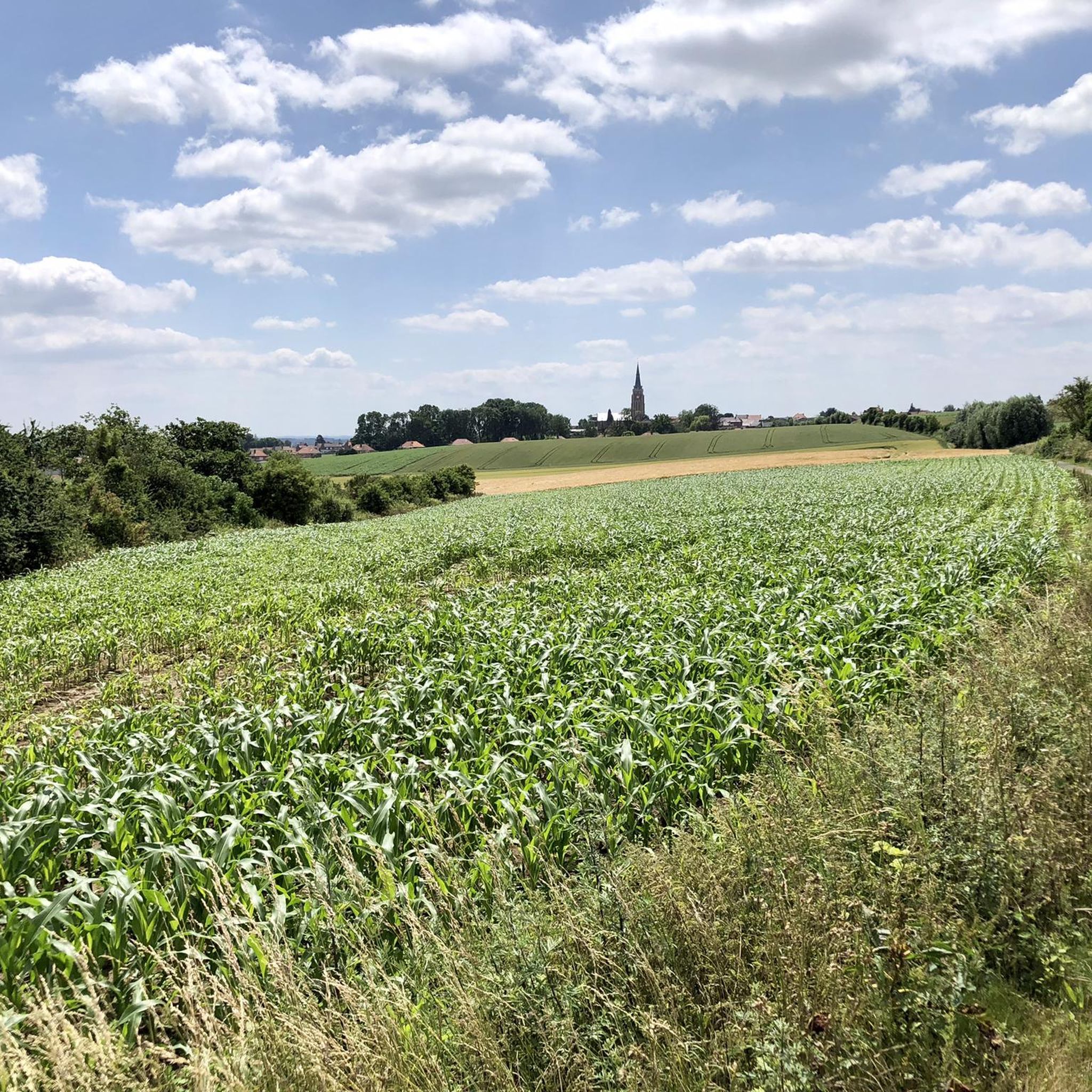
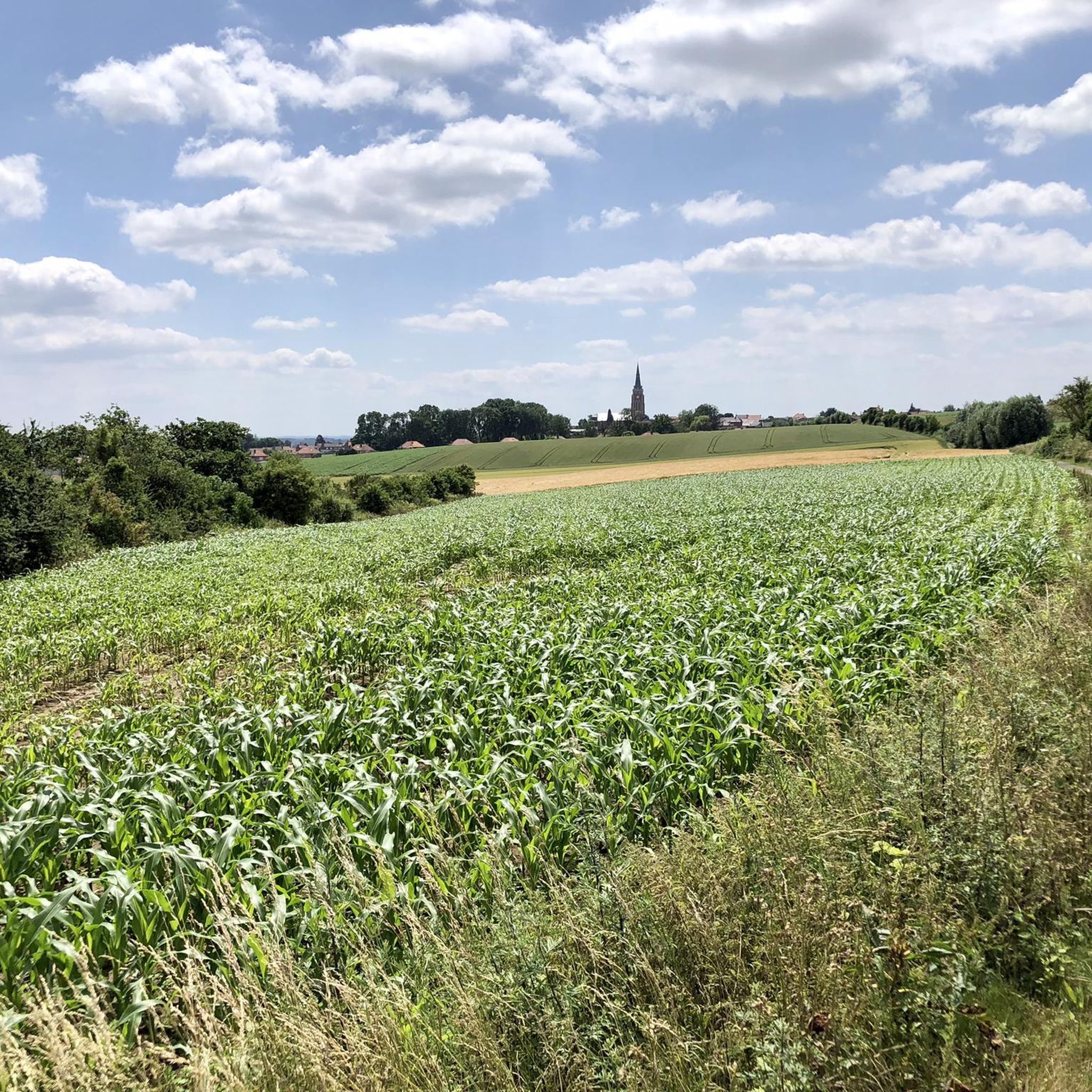
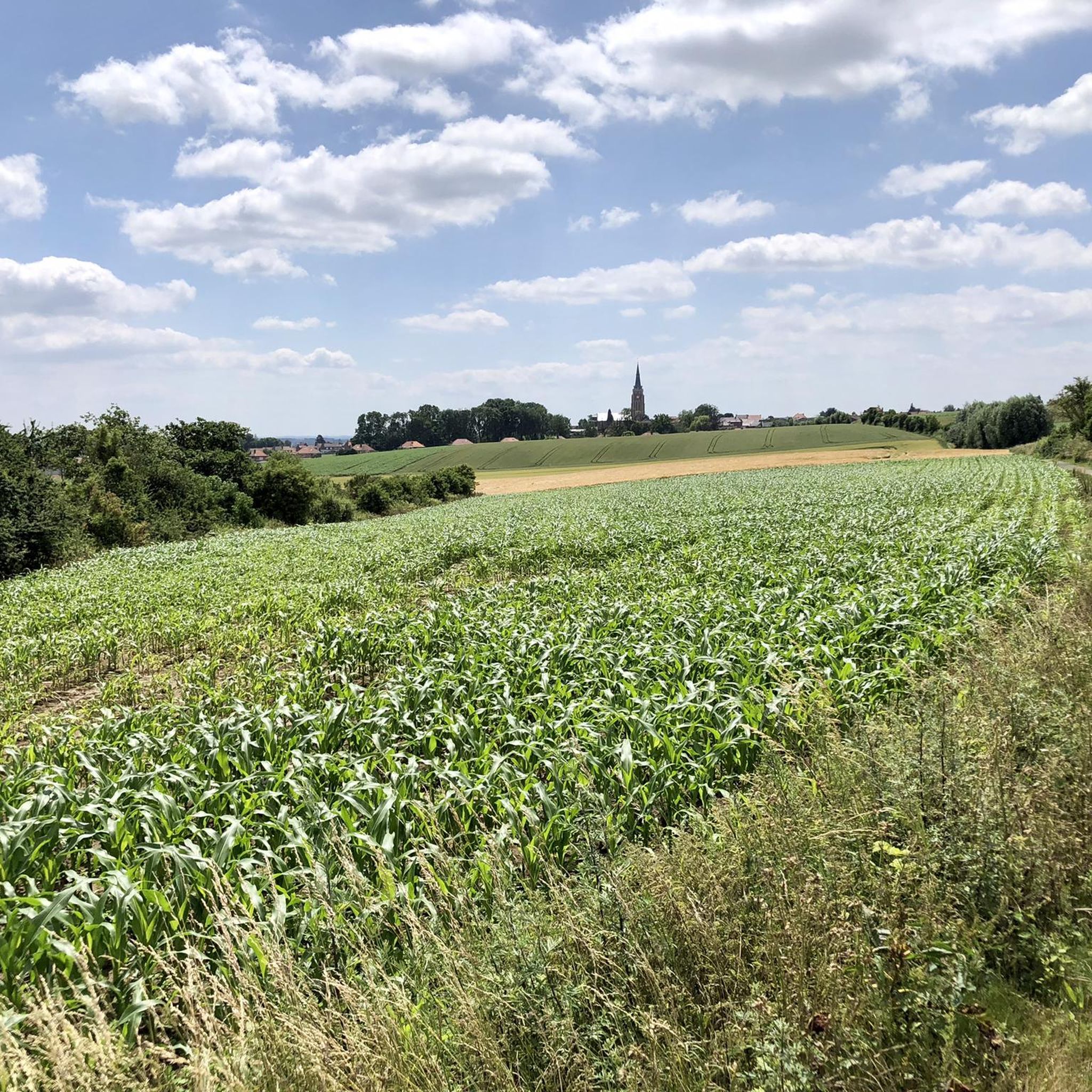
Road cycling around Mons-En-Pévèle, located in the Nord department of France, offers varied terrain for cyclists. The region is known for its challenging *pavé* sectors, including the historic Mons-en-Pévèle cobbles, alongside small hills and dips. Beyond these demanding sections, the landscape features varied countryside with fields, marshes, and small woods, providing diverse cycling environments. The area also includes natural features like the Marque river and the ancient sandstone quarry of Le Pas Roland.
Best road cycling routes around Mons-En-Pévèle
- The…
Last updated: November 1, 2026
4.5
(11)
65
riders
51.0km
02:05
160m
160m
Moderate road ride. Good fitness required. Mostly well-paved surfaces and easy to ride.
4.0
(1)
37
riders
59.2km
02:22
240m
240m
Moderate road ride. Good fitness required. Mostly well-paved surfaces and easy to ride.

17
riders
51.3km
02:03
230m
230m
Moderate road ride. Good fitness required. Mostly well-paved surfaces and easy to ride.
23
riders
17.6km
00:53
120m
120m
Moderate road ride. Some segments of this route may be unpaved and difficult to ride.
4.5
(2)
16
riders
38.6km
01:45
170m
170m
Easy road ride. Mostly well-paved surfaces and easy to ride.
Get access to more routes and recommendations from other explorers.
Already have an account?
Our route recommendations are based on thousands of hikes, rides, and runs completed by other people on komoot.
Start today with a free account
Your next adventure awaits.

Tips from the Community

In the Phalempin forest, the route is very pleasant for cycling in dry weather. In wet weather, it is better to go around unless you are on a gravel bike; if it is very muddy, a mountain bike is recommended.
0
0

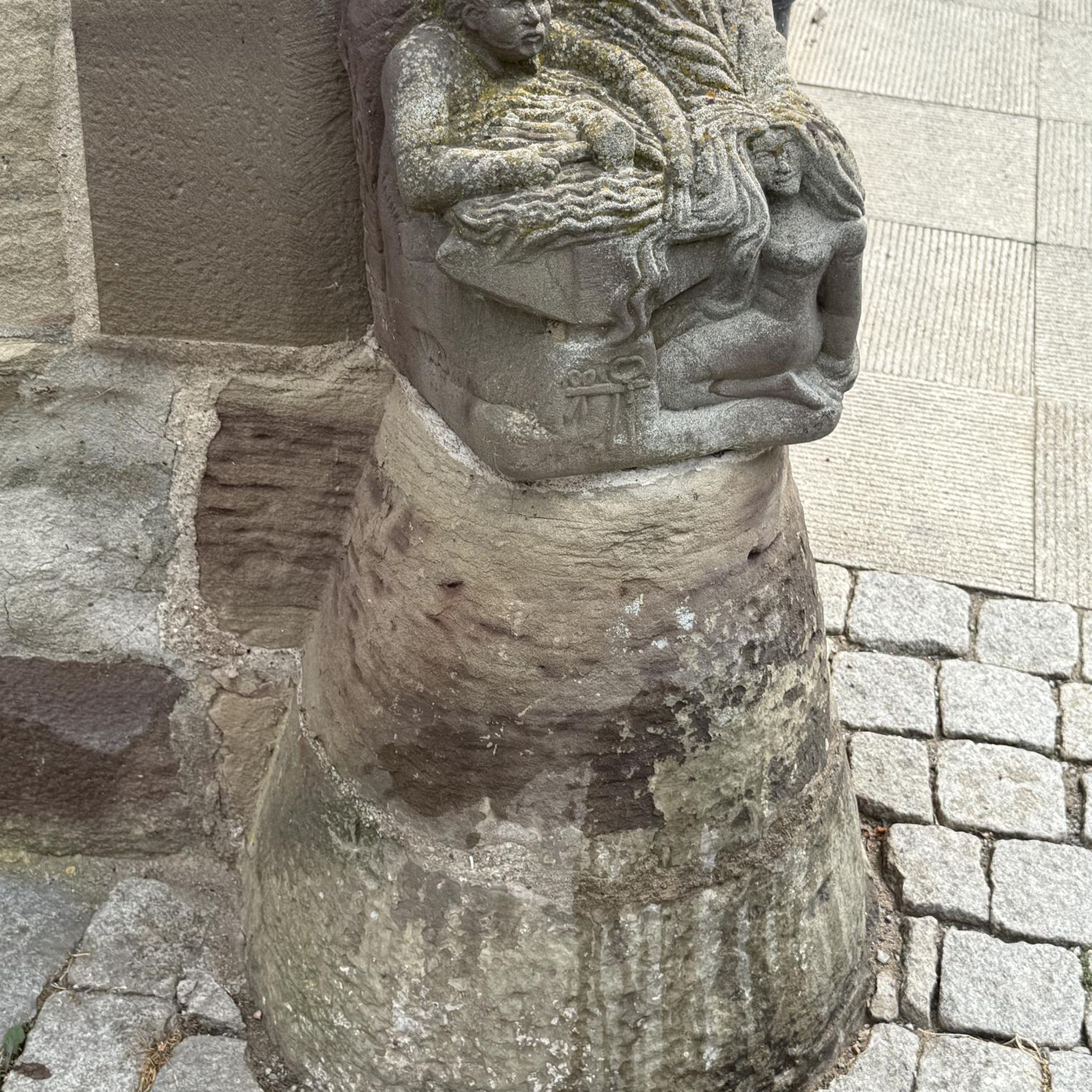
After the French Revolution, Protestants in Lille met in the former chapel of the Maison des Bons-Fils. This chapel was demolished around 1868 due to the construction of Rue Faidherbe. The city provided a plot of land in a new neighborhood being developed in connection with the city's expansion. This "Latin Quarter" would also house St. Michael's Church, the University of Lille, and the synagogue (100 meters further on Rue Auguste Angellier). Source: Wikipedia
4
0

Nice, and original, 2 streets away from it, you won't expect to stumble upon this old Porte.
1
1

Small climb accessible to all
1
0

The Palais Rameau was built in 1878 thanks to the bequest of Charles Rameau, President of the Lille Horticultural Society. It was originally intended for flower and fruit exhibitions, as well as for music and the arts. The project was entrusted to Lille architects Auguste Mourcou and Henri Contamine. Its architecture, based on the principle of a horticultural greenhouse, blends regional and oriental influences. Over time, it had lost its original purpose, serving notably as an examination center from 1930 to 1960. The Palais Rameau underwent a major renovation to see the birth of an innovative project, combining science, education, and experimentation, focused on urban agriculture. This project is the result of a partnership between the City of Lille, which owns the building, and Junia, the engineering school, which wanted to develop a demonstration project for the "Agriculture and Food of Tomorrow" there. The goal is to offer students, as well as professors and researchers, and residents an ecosystem conducive to discovering and reinventing the agriculture and food of tomorrow. The ambition of this space is to make it the first European demonstration site for urban agriculture and food. Ultimately, 3,600m² of space dedicated to the agriculture of tomorrow will be open, as well as 5,500m² of outdoor spaces.
0
0
The Church of the Sacred Heart is a church located at the intersection of Rue Nationale and Rue Solférino, in the Lille-Centre district of Lille. Built during the last decades of the 19th century, it contains a set of eleven stained-glass windows, listed as a historic monument since 1983. The building was constructed following a vow made by the Ladies of the Association of the Children of Mary of the Sacred Heart (in the Chapel of the Ladies of the Sacred Heart, Rue Royale) on October 7, 1870, to protect Lille from Prussian invasion. About ten years later, when the parish church was already open for worship, a second vow was made by the town's ladies concerning the construction of a chapel dedicated to the Sacred Heart (the Vow Chapel, an apsidal chapel located behind the choir) and intended to become a special place of contemplation within the church itself. The church was built by the architect Jules Batigny between 1875 and 1878 and again between 1895 and 1898. The apsidal chapels were added during the second half of the 1880s. When the church was consecrated on June 20, 1902, the bell tower was not yet completed. On this occasion, Marie-Alphonse Sonnois, Archbishop of Cambrai (at that time, Lille did not yet have its own diocese and was therefore incorporated into that of Cambrai), consecrated the city of Lille to the Sacred Heart of Jesus. On June 12, 1910, a major congress of the Guard of Honor of the Sacred Heart was held, presided over by Monsignor François-Marie-Joseph Delamaire (coadjutor bishop). The 75-meter-high bell tower was not completed until 1928 by the architect Charles Sarazin. Built of reinforced concrete, it was unable to withstand the elements and had to be completely restored from 2005 to 2008. The bell tower houses a carillon of several bells that has been silent for several years... Only seven stained-glass windows have been restored. The building is still awaiting the restoration of the other five, which are in poor condition. In April 2018, the church was closed to worship by municipal decree for six months. The reason was the presence of dry rot.
1
0
The temple of the United Protestant Church of France, on rue Jeanne d'Arc in Lille, was inaugurated in 1871. Even today, this parish is committed to promoting the richness of the two Reformed and Lutheran traditions from which it originates, during its services or beautiful musical evenings. Worldwide, there are an estimated 115 million Lutherans and Reformed. Evangelicals number more than 500 million. Worship is celebrated every Sunday at 10:30 a.m.
2
0

Frequently Asked Questions
How many road cycling routes are available around Mons-En-Pévèle?
There are over 490 road cycling routes available around Mons-En-Pévèle, offering a wide range of options for different skill levels and preferences.
What makes road cycling in Mons-En-Pévèle unique or challenging?
Mons-En-Pévèle is renowned for its challenging terrain, particularly the historic *pavé* (cobblestone) sectors, including the famous Mons-en-Pévèle cobbles. These sections, combined with small hills, dips, and exposure to strong winds, demand significant strength and endurance, making it a formidable destination for road cyclists.
What is the overall difficulty level of road cycling routes in Mons-En-Pévèle?
The routes around Mons-En-Pévèle cater to various abilities. While there are 17 difficult routes, the majority are moderate (329 routes), and there are also 152 easy routes available, ensuring options for most cyclists.
Can I experience the famous Paris-Roubaix *pavé* sectors on a road bike route here?
Yes, Mons-En-Pévèle is home to one of the most iconic and challenging *pavé* sectors of the Paris-Roubaix race. You can find routes that incorporate these historic cobblestone sections, such as the Mons-en-Pévèle cobbles, allowing you to experience a piece of cycling history.
Are there road cycling routes that avoid the challenging cobblestone sections?
Yes, while the region is famous for its *pavé*, many routes traverse the varied countryside with fields, marshes, and small woods, offering smoother surfaces. For example, the Hunaudières straight line – Phalempin Forest loop from Tourmignies winds through the Phalempin Forest and provides a different cycling experience.
What are some notable landmarks or scenic viewpoints to see while cycling in Mons-En-Pévèle?
Cyclists can explore several interesting points. The ancient sandstone quarry of Le Pas Roland offers panoramic views. The Phalempin Forest provides a natural setting, and you might encounter remnants of the region's mining heritage, such as slag heaps, which now offer elevated views.
What is the best time of year for road cycling in Mons-En-Pévèle?
The spring and summer months generally offer the most favorable conditions for road cycling in Mons-En-Pévèle, with milder temperatures. However, be prepared for potential strong winds, which can be a factor year-round. Autumn can also be pleasant with changing foliage, though cooler temperatures and increased rain are possible.
Are there family-friendly road cycling options in the area?
While some routes are challenging, the broader Pévèle region offers varied countryside with fields and small woods, which can be suitable for gentler cycling. Look for routes described as 'easy' or those that stick to paved, less trafficked roads to ensure a more comfortable experience for families.
Is it possible to bring my dog on road cycling routes around Mons-En-Pévèle?
Road cycling routes are generally on public roads, where dogs are typically allowed if kept on a leash and under control. However, the suitability for dogs depends on the specific route's traffic, surface, and your dog's endurance. Always prioritize your pet's safety and comfort.
Where can I find parking facilities for cyclists in Mons-En-Pévèle?
Parking is generally available in and around the village centers of Mons-En-Pévèle and surrounding communes. Look for public parking areas, especially near popular starting points for routes, to safely leave your vehicle while you cycle.
What do other road cyclists enjoy the most about road cycling in Mons-En-Pévèle?
The area is highly rated by the komoot community, with an average score of 4.3 stars from over 300 reviews. Cyclists often praise the unique challenge of the *pavé* sectors, the diverse countryside, and the well-maintained network of routes that offer a genuine taste of classic Northern French cycling.
Are there any circular road cycling routes available?
Yes, many routes in the region are designed as loops, allowing you to start and finish at the same point. An example is the Climb of Mons-en-Pévèle – Le pas Roland loop from Tourmignies, which offers a circular journey through local hills and past a notable viewpoint.
Most popular routes around Mons-En-Pévèle
Most popular attractions around Mons-En-Pévèle

Get inspired with the komoot mobile app


Explore more
Browse the best Road cycling routes in other regions.
