The best road cycling routes around Escobecques
4.4
(902)
14,224
riders
473
rides
Road cycling routes around Escobecques are set within the Métropole Européenne de Lille, a region characterized by generally flat terrain in the immediate village area, with altitudes ranging from 23 to 42 meters. The surrounding landscape offers varied cycling experiences, including gentle gradients, extensive canal networks, and agricultural plains. Further afield, the region features green spaces, rivers like the Deûle and Lys, and low hills, providing diverse options for road cyclists.
Best road cycling routes around Escobecques
- The most popular…
Last updated: June 28, 2026
92
riders
Moderate road ride. Good fitness required. Some segments of this route may be unpaved and difficult to ride.
5.0
(1)
51
riders
98.8km
04:13
590m
590m
Moderate road ride. Good fitness required. Mostly well-paved surfaces and easy to ride.

Sign up for free
5.0
(2)
28
riders
36.1km
01:44
60m
60m
Moderate road ride. Great for any fitness level. Some segments of this route may be unpaved and difficult to ride.
4.6
(5)
19
riders
Moderate road ride. Good fitness required. Mostly well-paved surfaces and easy to ride.
20
riders
53.5km
02:04
90m
90m
Moderate road ride. Good fitness required. Mostly well-paved surfaces and easy to ride.
Get access to more routes and recommendations from other explorers.
Sign up for free
Already have an account?
Our route recommendations are based on thousands of hikes, rides, and runs completed by other people on komoot.
Start today with a free account
Your next adventure awaits.
Login or Signup



Tips from the Community

The battle of Fromelles on 19 July 1916 was a bloody initiation for Australian soldiers to warfare on the Western Front. Soldiers of the newly arrived 5th Australian Division, together with the British 61st Division, were ordered to attack strongly fortified German front line positions near the Aubers Ridge in French Flanders. The attack was intended as a feint to hold German reserves from moving south to the Somme where a large Allied offensive had begun on 1 July. The feint was a disastrous failure. Australian and British soldiers assaulted over open ground in broad daylight and under direct observation and heavy fire from the German lines. Over 5,500 Australians became casualties. Almost 2,000 of them were killed in action or died of wounds and some 400 were captured. This is believed to be the greatest loss by a single division in 24 hours during the entire First World War. Some consider Fromelles the most tragic event in Australia’s history. https://www.awm.gov.au/articles/encyclopedia/fromelles
0
0


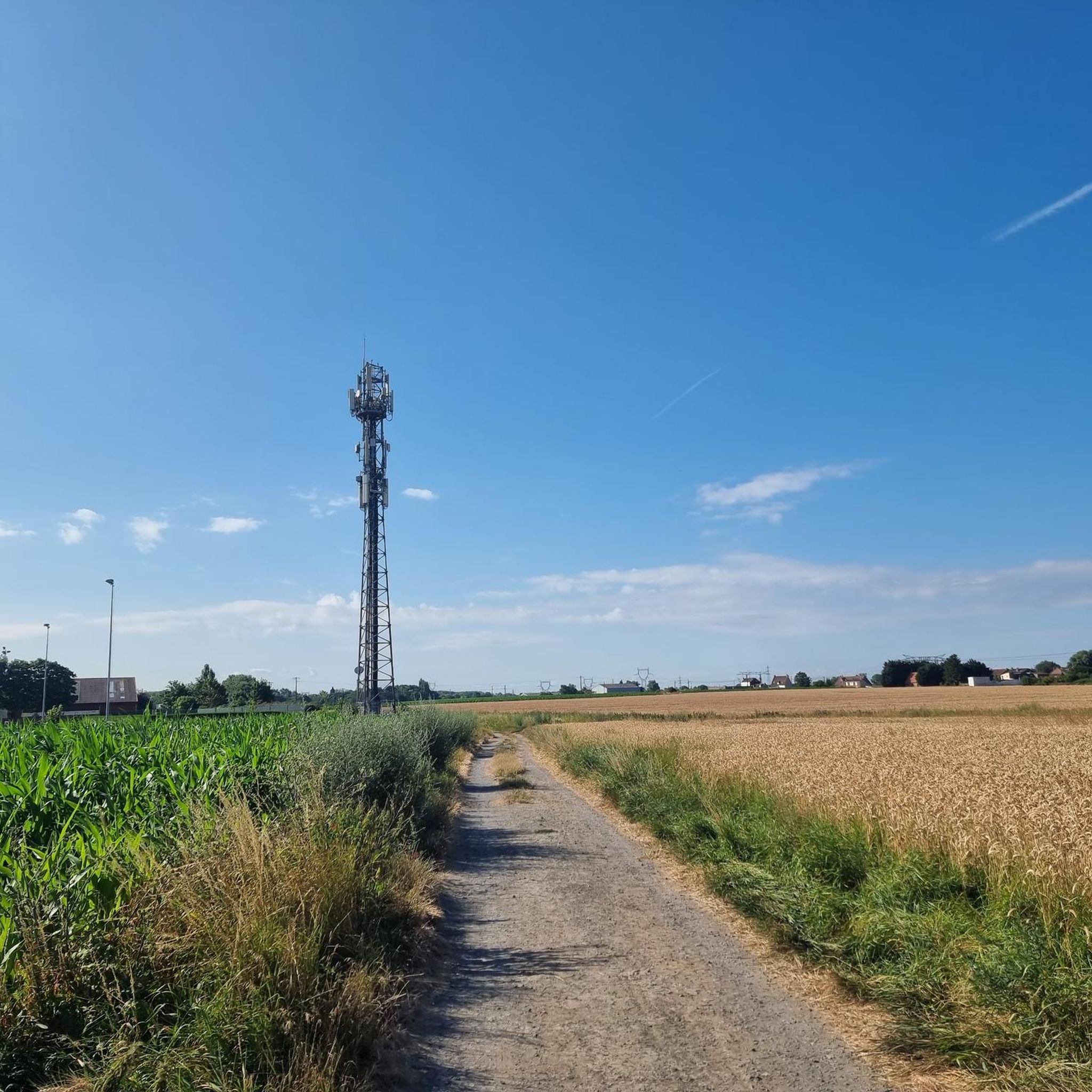
Towpath alternating between tarmac and fine gravel, fairly smooth. Perfect for a family stroll.
4
0


This British cemetery and memorial were built in memory of the Australian soldiers who died during the Battle of Fromelles on 19-20 July 1916. There are 410 Australian soldiers buried here, none of whom have been identified. Although the graves are individual, they are not marked with individual headstones, but the names of some 1,200 missing are recorded on the Memorial, a memorial wall at the rear of the cemetery. Two large concrete crosses have been placed on the grassed area. In front of the memorial wall is the Cross of Sacrifice.
7
0

Near the front line in 1916, a fierce battle was fought between the British (Australians) and the Germans. To commemorate 'la bataille' and the wounded who were brought back from the battlefield, a monument/statue was erected here.
1
0

Frequently Asked Questions
How many road cycling routes are available around Escobecques?
There are over 470 road cycling routes around Escobecques listed on komoot, offering a wide range of options for all skill levels. This includes 144 easy routes, 310 moderate routes, and 19 challenging routes.
What kind of terrain can I expect on road cycling routes near Escobecques?
While Escobecques itself is generally flat, the surrounding Métropole Européenne de Lille offers varied terrain. You'll find routes with gentle gradients and mostly paved surfaces, especially along the extensive canal networks and agricultural plains. For those seeking more challenge, the broader region includes routes with greater elevation gain in areas like Mont Noir and Mont des Cats, and even some unpaved sections for experienced cyclists.
Are there any family-friendly road cycling routes in the Escobecques area?
Yes, the region offers many family-friendly options, particularly along the numerous canal paths and through the quieter rural landscapes. These routes are typically flat and well-suited for leisurely rides. The extensive 'Points-nœuds' (Node Points) network also allows families to create customized, shorter itineraries that avoid busy roads.
What are some notable landmarks or attractions I can see along the cycling routes?
Cycling routes often pass through charming Flemish villages and offer glimpses of traditional architecture. You can also explore natural sites like Canteraine Park, or historical sites such as the Australian Memorial Park Fromelles. Further afield, the Métropole Européenne de Lille boasts landmarks like the Old Stock Exchange of Lille and General de Gaulle Square.
What do other road cyclists enjoy most about cycling in Escobecques?
The area is highly rated by the komoot community, with an average score of 4.4 stars from over 800 reviews. Cyclists frequently praise the diverse terrain, from flat canal paths to challenging regional hills, and the opportunity to explore rural villages and historical sites. The extensive network of routes, including sections of the EuroVelo 5, is also a highlight.
Are there any circular road cycling routes starting near Escobecques?
Yes, many routes in the region are designed as loops. For example, the Mount Kokereel – Mont Noir (West) loop from Santes is a popular moderate 80.8 km route. Another option is the Mont Noir (West) – Mont des Cats loop from Santes, which covers 98.8 km through regional hills.
What is the best time of year for road cycling around Escobecques?
The spring and summer months generally offer the most pleasant weather for road cycling in the Hauts-de-France region, with milder temperatures and longer daylight hours. However, the varied terrain means that routes can be enjoyed throughout much of the year, with autumn also providing beautiful scenery.
Where can I find parking for cyclists in Escobecques?
As a small rural village, Escobecques offers a calm atmosphere. While specific dedicated cyclist parking might be limited, you can typically find parking in the village center or near local amenities. It's advisable to check local signage upon arrival.
Can I reach Escobecques by public transport with my bike?
The Métropole Européenne de Lille has an active investment in cycling infrastructure and public transport options. For detailed information on bringing bikes on public transport, it's best to consult the official Lille tourism website or local transport authorities. You can find general cycling information for the region at lilletourism.com.
Are there cafes or restaurants along the road cycling routes near Escobecques?
Yes, many routes pass through charming Flemish villages and towns where you can find local cafes, bakeries, and restaurants to refuel. The Métropole Européenne de Lille, including nearby Lille and Roubaix, offers a wide array of dining options. Escobecques itself, being a quiet village, will have more limited options, but the surrounding area is well-served.
Are there any challenging routes for experienced road cyclists?
Absolutely. While many routes are moderate, the broader Lille Metropole area, including nearby Roubaix, features the legendary cobbled sectors of the Paris-Roubaix race. These historic 'pavé' sections offer a unique and demanding cycling experience for those seeking a significant challenge. Additionally, routes like the VC Corner Cemetery and Memorial – Le Trou Aid Post Cemetery loop from Santes offer longer distances and varied terrain.
What makes the cycling network around Escobecques unique?
The region benefits from an innovative 'Points-nœuds' (Node Points) network, allowing cyclists to create customized itineraries by following numbered intersections. This system, combined with major routes like sections of the EuroVelo 5 and the Tour du Grand Lille, provides exceptional flexibility and access to diverse landscapes, from urban environments to canals and forests.
Most popular routes around Escobecques
Most popular attractions around Escobecques

Get inspired with the komoot mobile app


Explore more
Browse the best Road cycling routes in other regions.
