The best road cycling routes around La Madeleine
4.4
(1976)
32,262
riders
53
rides
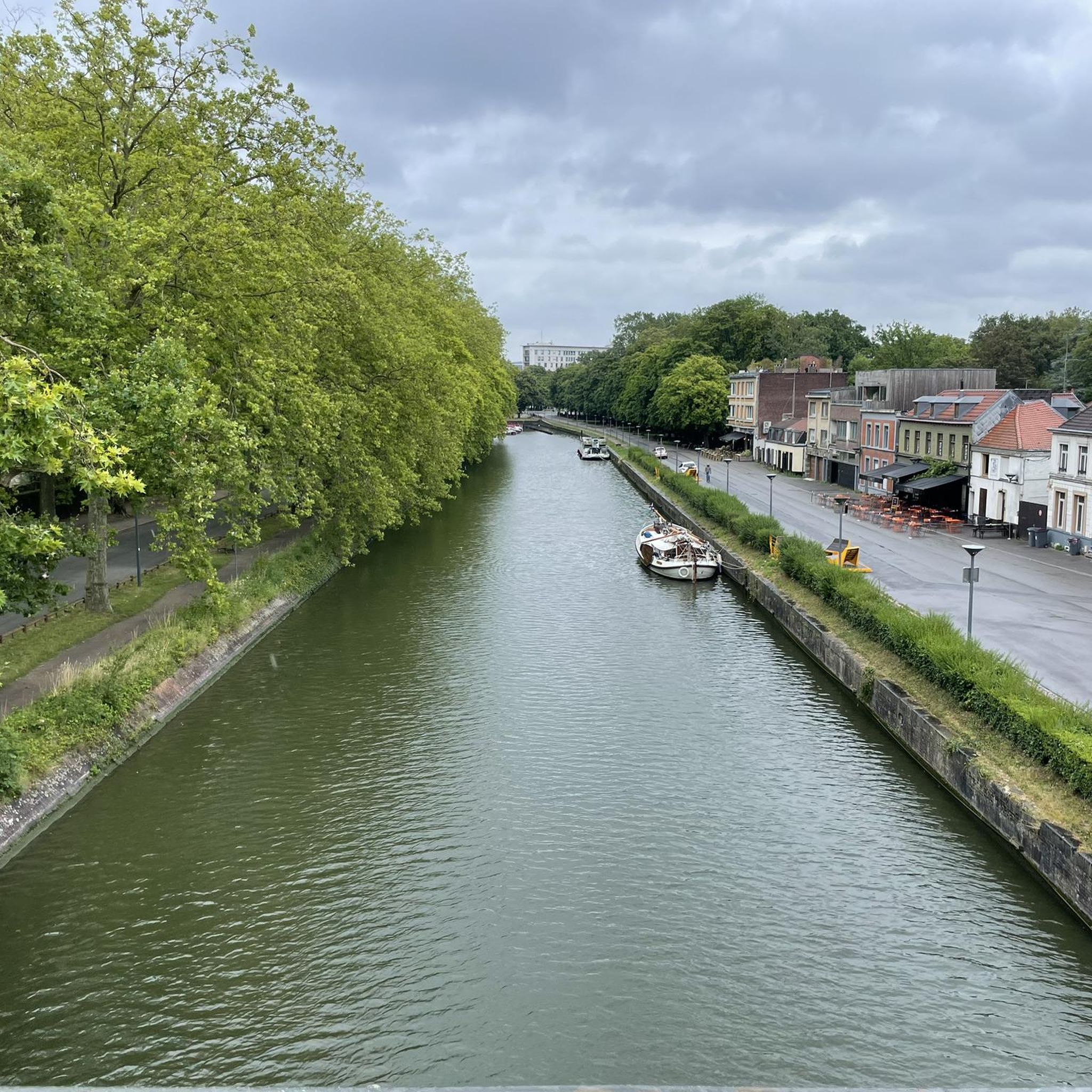
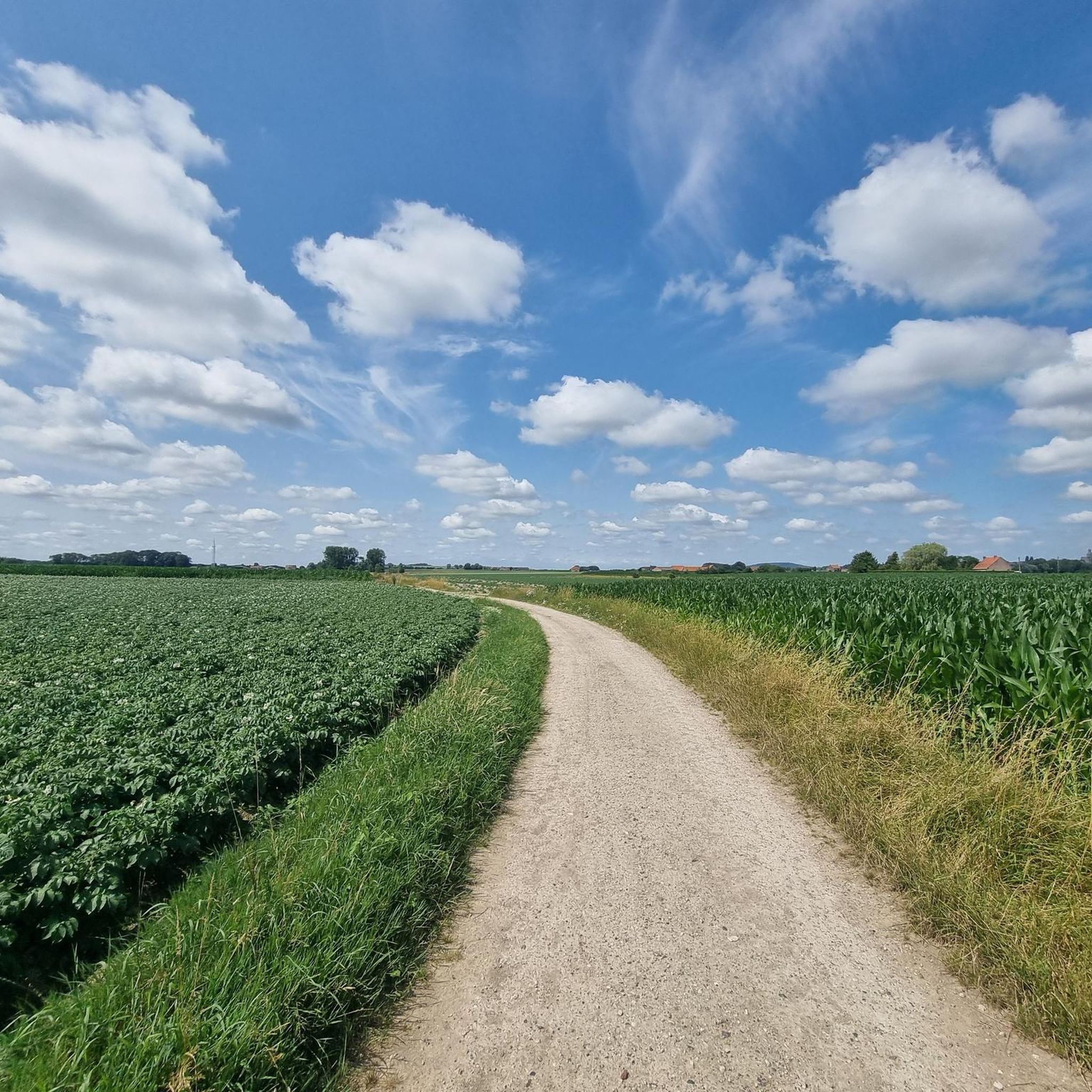
Road cycling routes around La Madeleine are characterized by a landscape of gentle hills, agricultural fields, and waterways, offering varied terrain for cyclists. The region features a network of well-maintained roads that connect historical sites and charming towns. Elevations are generally low, with routes traversing open countryside and occasional small climbs. This area provides accessible road cycling experiences for various skill levels.
Best road cycling routes around La Madeleine
- The most popular road cycling route is Sacred Heart Church –…
Last updated: August 22, 2026
4.5
(33)
238
riders
41.8km
01:41
110m
110m
Moderate road ride. Great for any fitness level. Some segments of this route may be unpaved and difficult to ride.
4.7
(38)
286
riders
33.7km
01:26
120m
120m
Easy road ride. Great for any fitness level. Mostly well-paved surfaces and easy to ride.

Sign up for free
5.0
(2)
124
riders
97.9km
04:04
220m
220m
Moderate road ride. Good fitness required. Mostly well-paved surfaces and easy to ride.
4.6
(9)
78
riders
63.7km
02:42
90m
90m
Moderate road ride. Good fitness required. Mostly well-paved surfaces and easy to ride.
4.4
(7)
115
riders
38.9km
01:31
70m
70m
Easy road ride. Great for any fitness level. Mostly well-paved surfaces and easy to ride.
Get access to more routes and recommendations from other explorers.
Sign up for free
Already have an account?
Our route recommendations are based on thousands of hikes, rides, and runs completed by other people on komoot.
Start today with a free account
Your next adventure awaits.
Login or Signup


Tips from the Community

A farm that grows hops and grains and brews seasonal beers from them, such as "Hommelpap". The brasserie is a family business where visitors can experience farm life, surrounded by hop fields and livestock.
3
0

We also visited the cathedral and the Market Place, a very pleasant area with restaurants.
1
0

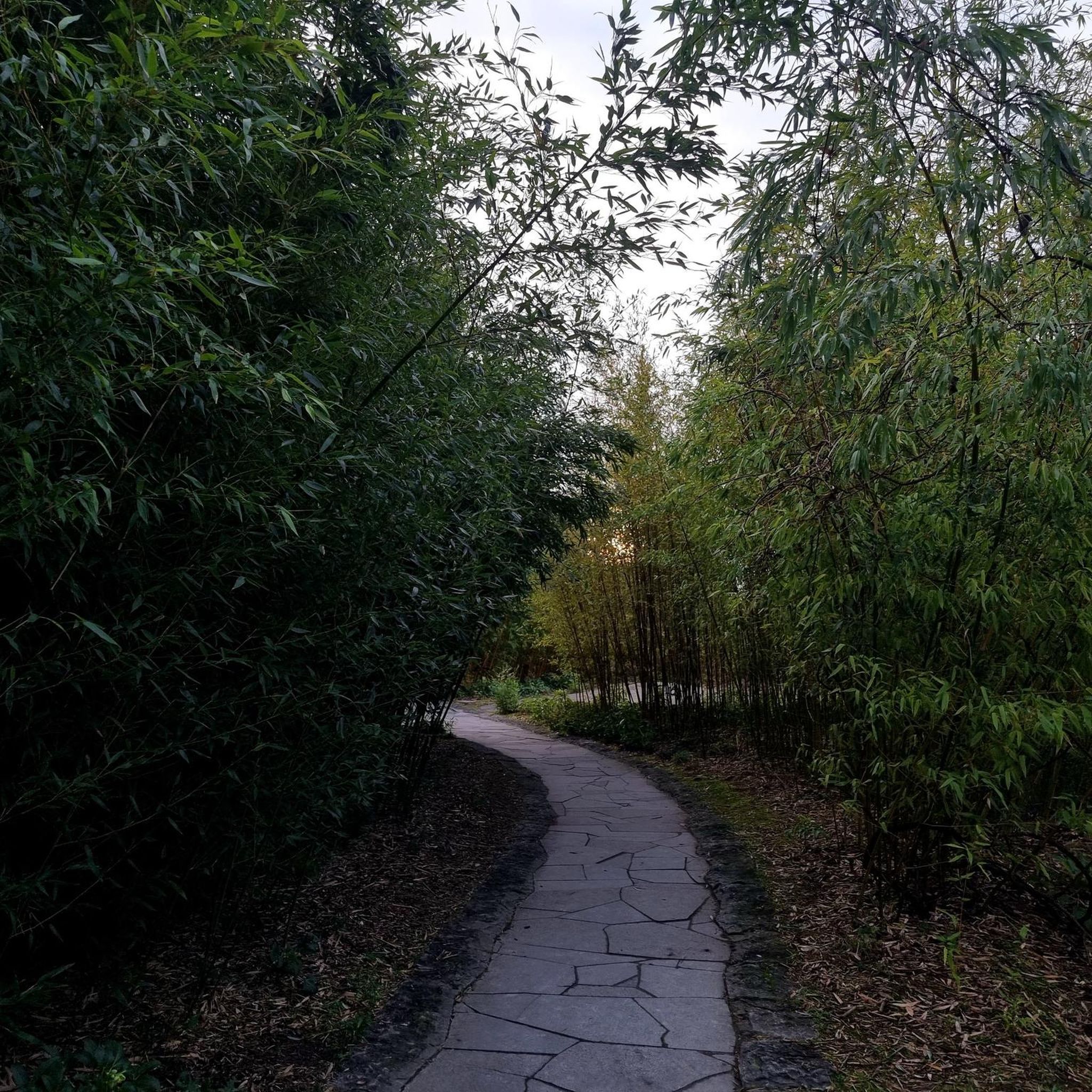
The Vauban Garden was created in the mid-19th century, in 1865. At that time, the city of Lille was expanding, and this was an opportunity for the city to create new green spaces, places for walking where the people of Lille could enjoy nature. In this garden, the bourgeoisie liked to show off, and the workers, from the industrial districts, enjoyed breathing the fresh air, far from the factories. First called the Empress Eugenie Park, the Vauban Garden took its current name in 1870. It became a listed site in 1991. By following the route opposite, take the garden's curving paths, cross its rolling lawns, and discover this romantic place inspired by English gardens. For the creation of this public garden, the City of Lille commissioned the Chief Gardener of Paris. He created and landscaped numerous gardens for the capital, such as the Luxembourg Gardens and the Buttes-Chaumont Park. This highly renowned landscape gardener has worked for other cities in France: Roubaix (Barbieux Park), Marseille, Cambrai, and abroad: Italy, Austria, and Egypt. At the bottom of the garden lies a cave from which a waterfall flows, feeding the ponds. Like the river, this cave is not natural: it was built of reinforced concrete and stone rubble. Over time, the accumulation of limestone dissolved in the water and trapped by plants (mosses) has revealed new rock, forming large blocks on the sides of the cave.
1
0
The Church of the Sacred Heart is a church located at the intersection of Rue Nationale and Rue Solférino, in the Lille-Centre district of Lille. Built during the last decades of the 19th century, it contains a set of eleven stained-glass windows, listed as a historic monument since 1983. The building was constructed following a vow made by the Ladies of the Association of the Children of Mary of the Sacred Heart (in the Chapel of the Ladies of the Sacred Heart, Rue Royale) on October 7, 1870, to protect Lille from Prussian invasion. About ten years later, when the parish church was already open for worship, a second vow was made by the town's ladies concerning the construction of a chapel dedicated to the Sacred Heart (the Vow Chapel, an apsidal chapel located behind the choir) and intended to become a special place of contemplation within the church itself. The church was built by the architect Jules Batigny between 1875 and 1878 and again between 1895 and 1898. The apsidal chapels were added during the second half of the 1880s. When the church was consecrated on June 20, 1902, the bell tower was not yet completed. On this occasion, Marie-Alphonse Sonnois, Archbishop of Cambrai (at that time, Lille did not yet have its own diocese and was therefore incorporated into that of Cambrai), consecrated the city of Lille to the Sacred Heart of Jesus. On June 12, 1910, a major congress of the Guard of Honor of the Sacred Heart was held, presided over by Monsignor François-Marie-Joseph Delamaire (coadjutor bishop). The 75-meter-high bell tower was not completed until 1928 by the architect Charles Sarazin. Built of reinforced concrete, it was unable to withstand the elements and had to be completely restored from 2005 to 2008. The bell tower houses a carillon of several bells that has been silent for several years... Only seven stained-glass windows have been restored. The building is still awaiting the restoration of the other five, which are in poor condition. In April 2018, the church was closed to worship by municipal decree for six months. The reason was the presence of dry rot.
1
0

Beautiful bridge, beautiful views and border.
0
0


This is what happens when you don't respect the rails of Amitram! You fall off your bike, nothing serious, wheel mark on your thigh, more hurt in my pride! The path is too beautiful!
0
1

Visit the mountains differently
1
0
Frequently Asked Questions
How many road cycling routes are available around La Madeleine?
There are over 50 road cycling routes around La Madeleine, ranging from easy to difficult, ensuring options for various skill levels and preferences. The komoot community has explored more than 50 routes in the area.
Are there easy road cycling routes suitable for beginners in La Madeleine?
Yes, La Madeleine offers several easy road cycling routes perfect for beginners or those seeking a relaxed ride. For instance, the Montagne de Wervicq – Bucolic Route in Wervicq-Sud loop from La Madeleine is an easy 20.6-mile (33.1 km) path that winds through pastoral landscapes with gentle terrain.
What kind of terrain can I expect on road cycling routes in La Madeleine?
Road cycling routes around La Madeleine are characterized by gentle hills, agricultural fields, and waterways. Elevations are generally low, making for accessible cycling experiences across open countryside and occasional small climbs.
Are there any long-distance road cycling routes in La Madeleine?
Yes, for those looking for a longer ride, routes like the Y Farm Military Cemetery – Beau chemin loop from La Madeleine offer a substantial challenge. This route is 60.3 miles (97.1 km) long, leading through historical areas and open countryside, typically completed in about 4 hours.
What do other road cyclists enjoy most about cycling in La Madeleine?
The area is highly rated by the komoot community, with an average score of 4.4 stars from over 120 reviews. Cyclists often praise the blend of urban and rural scenery, the well-maintained roads, and the variety of routes that connect historical sites and charming towns.
Are there any scenic loop routes for road cycling in La Madeleine?
Many routes in La Madeleine are designed as loops, allowing you to start and finish in the same location. The Sacred Heart Church – Rameau Palace loop from La Madeleine is a popular 25.7-mile (41.4 km) option that offers a blend of urban and rural scenery, passing by notable landmarks.
What historical sites or landmarks can I see along the road cycling routes?
Road cycling routes in La Madeleine often pass by significant historical sites and landmarks. You can explore places like the Citadel of Lille, the Old Stock Exchange of Lille, or the Port of Wambrechies. The region also features several castles, such as the Château de La Fontaine.
Are there family-friendly road cycling options in La Madeleine?
Given the generally low elevations and gentle terrain, many of the easier and moderate routes in La Madeleine are suitable for families. The network of well-maintained roads and the scenic, often quiet, agricultural landscapes provide a pleasant environment for family rides.
Where can I find parking for cyclists near the routes in La Madeleine?
While specific parking areas for cyclists are not detailed, La Madeleine is a town with various public parking options. It's advisable to check local municipal parking facilities or inquire with your accommodation provider for convenient parking spots close to your chosen starting point.
Is public transport accessible for cyclists in La Madeleine?
La Madeleine is well-connected by public transport, particularly within the Lille metropolitan area. Cyclists can often use regional trains or trams to reach the town, though policies regarding bicycles on public transport can vary. It's recommended to check the local transport operator's website for current regulations on carrying bikes.
Can I find cafes or places to stop for refreshments along the cycling routes?
Yes, as the routes connect charming towns and traverse populated areas, you will find opportunities for coffee stops and refreshments. Many routes pass through or near villages where local cafes and bakeries are available, especially in towns like La Madeleine itself or nearby Wambrechies.
What is the best time of year for road cycling in La Madeleine?
The spring and summer months (April to September) generally offer the most pleasant weather for road cycling in La Madeleine, with milder temperatures and longer daylight hours. The region's agricultural landscapes are particularly vibrant during these seasons.
Most popular routes around La Madeleine
Most popular attractions around La Madeleine

Get inspired with the komoot mobile app


Explore more
Browse the best Road cycling routes in other regions.
