Attractions and Places To See around Marquette-Lez-Lille - Top 20
Best attractions and places to see around Marquette-Lez-Lille include a mix of historical sites, cultural experiences, and natural spaces. The commune benefits from its location along the Deûle river, offering picturesque settings and green areas. Archaeological discoveries, industrial heritage, and proximity to Lille's cultural institutions contribute to the area's appeal. Visitors can explore a range of landmarks and natural features within and near Marquette-Lez-Lille.
Best attractions and places to see around Marquette-Lez-Lille
- The most popular attractions is Port of Wambrechies…
Last updated: July 2, 2026
Port of Wambrechies
Highlight • River
Translated by Google •
Tip by

Roubaix Velodrome
Highlight • Monument
Translated by Google •
Tip by

Sign up now to discover places like this
Get recommendations on the best single tracks, peaks, & plenty of other exciting outdoor places.
Sign up for free
Old Stock Exchange of Lille
Highlight • Historical Site
The tower features a gold-colored Mercury (the god of trade) and the facade looks rich due to the …
Translated by Google •
Tip by

General de Gaulle Square
Highlight • Settlement
Translated by Google •
Tip by

Napoleon Bridge
Highlight • Bridge
Translated by Google •
Tip by

Sign up for free to discover even more attractions around Marquette-Lez-Lille.
Sign up for free
Already have an account?
Start today with a free account
Your next adventure awaits.
Login or Signup


Tips from the Community

Although the Napoleon Bridge has a long history, the current bridge only dates from 2014! That year, as part of the overall redevelopment of the Citadel Park, the Napoleon Bridge was rebuilt. This was based on the design created by Philippe Canissié in 1849, after the original bridge had become significantly outdated (including the roof's need for renovation). During the 2014 project, new sphinxes and concrete abutments covered with the original stones and sculptures were added. The first version of the bridge was built in 1809, and inscribed with the names of French victories in the Napoleonic battles. The bridge was destroyed in both the First and Second World Wars.
4
0


Super nice, and go inside the courtyard, you have old book sellers there.
2
0

For a cycling tourist, the arrival at the Roubaix velodrome is also a great moment. Even after dozens of times!
5
0
For the legend this race is, and how normal in fact the velodrome is...
4
0

Place du Général de Gaulle is an old medieval market place, where a tree has never stood. The traders met here three times a day, in all weathers. Until they received permission from Philip IV of Spain to build the Old Exchange in 1652. The building was finished in 2 years and is made of porous stone, which is why it is painted. The restoration of the front facade was financed by companies, their logos can be found above the top row of windows. This building has 24 homes that are still mostly occupied by their owners. We also notice the many sculptures, typical of the Flemish Baroque style, but also because the architect, Julien Destrée, was a wood sculptor. Above the entrance gate we see the symbol of Lille (Fleur de Lys), with next to it the lions of Flanders and the crown of the city (with fortress towers on top) and two horns. Horns of Plenty, to refer to the wealth of Lille.
11
0

One of these important sights is the Place du Général de Gaulle, also known as the "Grand Place". A must-see! He was a general, resistance fighter and president - Charles de Gaulle is still a great personality for many French people today. He has been dead for over 50 years and this great square is here in his memory.
9
0
Frequently Asked Questions
What historical sites can I explore in Marquette-lez-Lille?
Marquette-lez-Lille offers a rich history. You can visit the Église Notre-Dame de Lourdes, a desacralized church now a cultural hub displaying Merovingian and Cistercian remains. The Grands Moulins de Paris, a former flour mill, is an impressive industrial building classified as a historical monument. Nearby, you can also see the Old Stock Exchange of Lille and the General de Gaulle Square, both significant historical landmarks in Lille.
Are there any significant cultural attractions or museums nearby?
Beyond Marquette-lez-Lille, the region benefits from its proximity to Lille's cultural institutions. The Église Notre-Dame de Lourdes in Marquette itself hosts archaeological and art exhibitions. A must-visit nearby is the Villa Cavrois in Croix, a modernist masterpiece and UNESCO World Heritage site. Lille also offers major museums like the Palais des Beaux-Arts de Lille and LaM (Lille Métropole Musée d'Art Moderne, d'Art Contemporain et d'Art Brut).
What natural spaces are available for relaxation and outdoor activities?
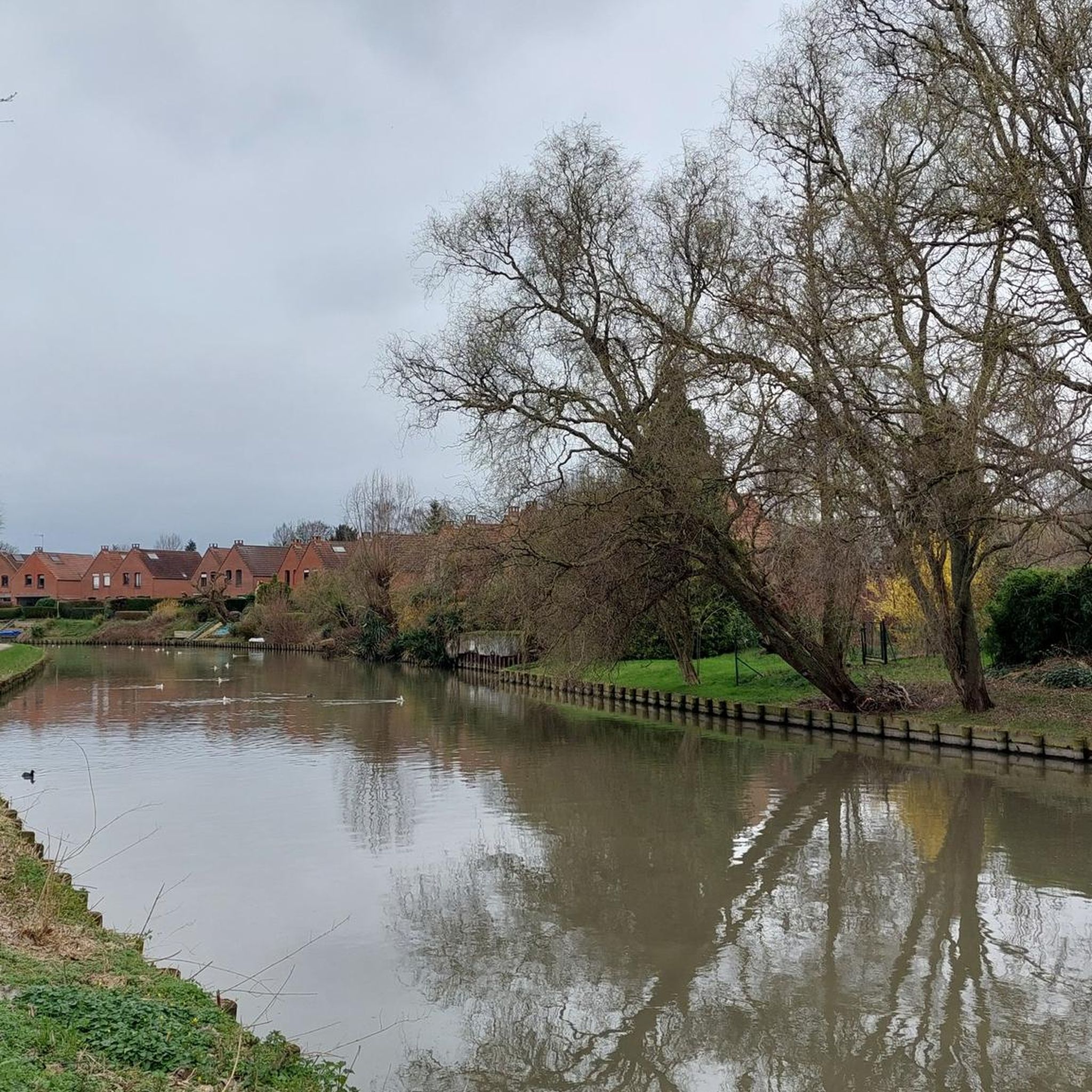
You'll find several green spaces for relaxation. The Berges de la Deûle provide picturesque settings for walks along the river. Urban parks like Parc Ravel and Parc Wicar offer green areas with playgrounds and walking paths. The Jardin des Sens is an 8,000m² green space showcasing nature's return to the city. The Port of Wambrechies also offers a quiet and peaceful setting by the river.
Are there family-friendly activities or attractions in the area?
Yes, Marquette-lez-Lille has options for families. Parc Ravel features a musical-themed playground, and Parc Wicar includes play areas and multi-sport fields. You can also take a nostalgic 3 km ride on early 20th-century Tourist Tramways between Marquette-lez-Lille and Wambrechies. For a unique experience, consider renting an electric boat from Marin d'Eau Douce in Lille to explore the Deûle river without a license.
Can I go hiking or cycling near Marquette-lez-Lille?
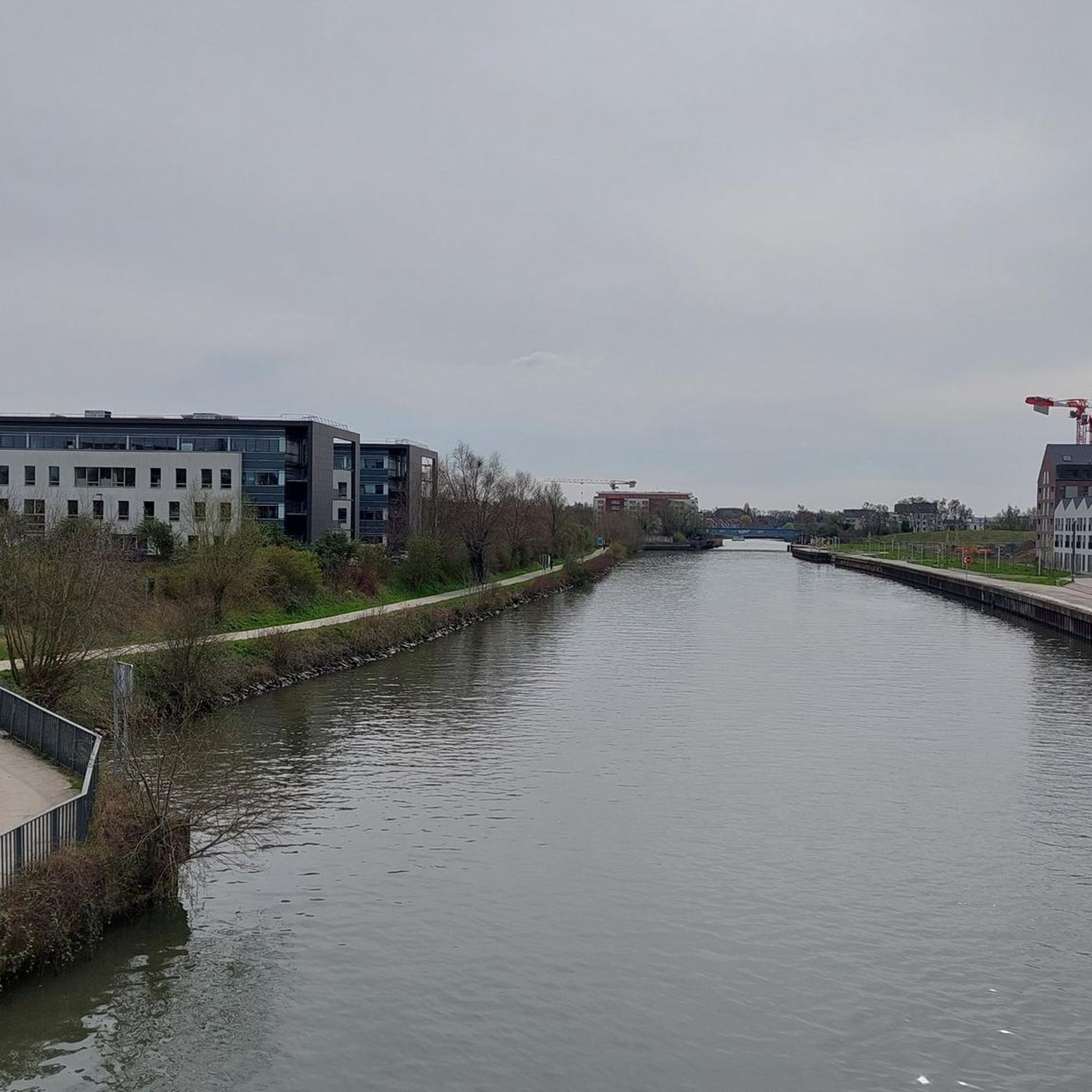
Absolutely! The area around Marquette-lez-Lille is great for outdoor activities. You can find numerous routes for hiking, road cycling, and gravel biking. For hiking, explore trails like the 'Ramponneau Bridge – Napoleon Bridge loop' or the 'Robersart Castle – Distillery of Wambrechies loop'. Cyclists can enjoy routes along the Deûle and La Marque canals. Find more details and routes on the Hiking around Marquette-Lez-Lille, Road Cycling Routes around Marquette-Lez-Lille, and Gravel biking around Marquette-Lez-Lille guide pages.
What is the industrial heritage of Marquette-lez-Lille?
The most prominent example of industrial heritage is the Grands Moulins de Paris. Constructed between 1920 and 1922, this impressive building with its 40-meter-high bell tower was once a leading flour mill in France. After its closure, it was rehabilitated into apartments and is now classified as a historical monument, showcasing the region's industrial past.
What archaeological discoveries have been made in Marquette-lez-Lille?
Marquette-lez-Lille has a rich archaeological history. Significant findings include a Merovingian necropolis in the Haut-Touquet quarter with 130 tombs and three funerary chambers. Vestiges of a 13th-century Cistercian Abbey, founded by Jeanne de Flandre, have also been discovered. The site of La Becquerelle revealed numerous ditches from the late Bronze Age to Antiquity, along with a monetary treasure of 79 sesterces.
Is there a good place for a leisurely stroll or picnic?
Yes, the Berges de la Deûle are perfect for leisurely strolls, offering picturesque views along the river. Parc Ravel is also an excellent choice, featuring picnic tables and green spaces for relaxation. Both provide a tranquil environment to enjoy the outdoors.
What is the Roubaix Velodrome, and why is it significant?
The Roubaix Velodrome is a world-renowned cycling track, famous as the traditional finish line of the prestigious Paris-Roubaix race. It has a long history in cycling and is considered a significant landmark for enthusiasts. The velodrome is 500 meters long with turns at a 44°3 slope and hosts various cycling events.
Where can I see impressive architecture in the region?
Beyond the industrial architecture of the Grands Moulins, you can admire the stunning Villa Cavrois in Croix, a modernist masterpiece. In Lille, the Old Stock Exchange of Lille is a prime example of 17th-century Flemish Baroque architecture, known for its lavishly decorated façade and beautiful courtyard. The General de Gaulle Square in Lille also features impressive buildings surrounding it.
What is the Port of Wambrechies known for?
The Port of Wambrechies is known for its quiet and peaceful setting along the river. It's a charming spot to visit, located close to the church, the castle of Robersart, and a distillery. It's a popular place for a relaxing walk or to enjoy the riverside atmosphere.
Are there any notable bridges or waterways to visit?
Yes, the Napoleon Bridge near the esplanade and the citadel of Lille is a historical covered footbridge crossing the Moyenne-Deûle canal, unique in France. The Berges de la Deûle and the La Marque Canal also offer scenic waterways for walks and outdoor activities.
Most popular routes around Marquette-Lez-Lille

Get inspired with the komoot mobile app


Explore more
Still not found the Highlight you’re looking for? See guides of the top attractions in other regions:
