Attractions and Places To See around Ohnenheim - Top 20
Best attractions and places to see around Ohnenheim, a village in the Bas-Rhin department of France, include a mix of historical sites, cultural experiences, and natural beauty. The area is characterized by its proximity to the Rhine forests and the Blind river, offering opportunities to explore local flora and fauna. Ohnenheim also serves as a gateway to the wider Alsace region, providing access to numerous landmarks and natural attractions.
Best attractions and places to see around Ohnenheim
- The most popular…
Last updated: October 23, 2026
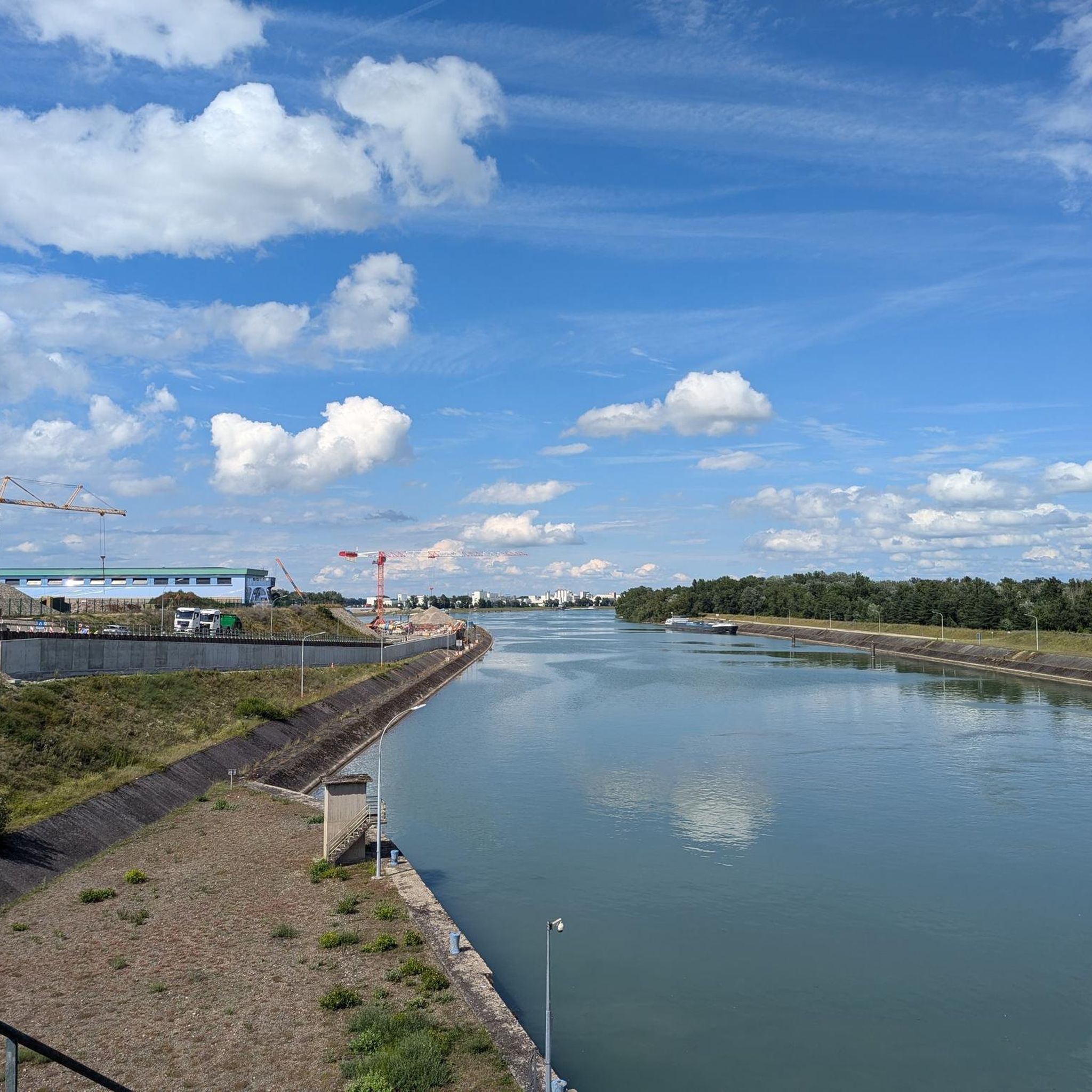
Colmar Canal
Highlight • Other
Translated by Google •
Tip by

Obertor (Upper Gate), Burkheim
Highlight • Monument
Translated by Google •
Tip by

Sign up now to discover places like this
Get recommendations on the best single tracks, peaks, & plenty of other exciting outdoor places.
Canal de Colmar Above Markolsheim
Highlight • Cycleway
Translated by Google •
Tip by

Burkheim Old Town
Highlight • Settlement
Translated by Google •
Tip by

Sponeck Castle
Highlight • Castle
Translated by Google •
Tip by

Sign up for free to discover even more attractions around Ohnenheim.
Already have an account?
Start today with a free account
Your next adventure awaits.
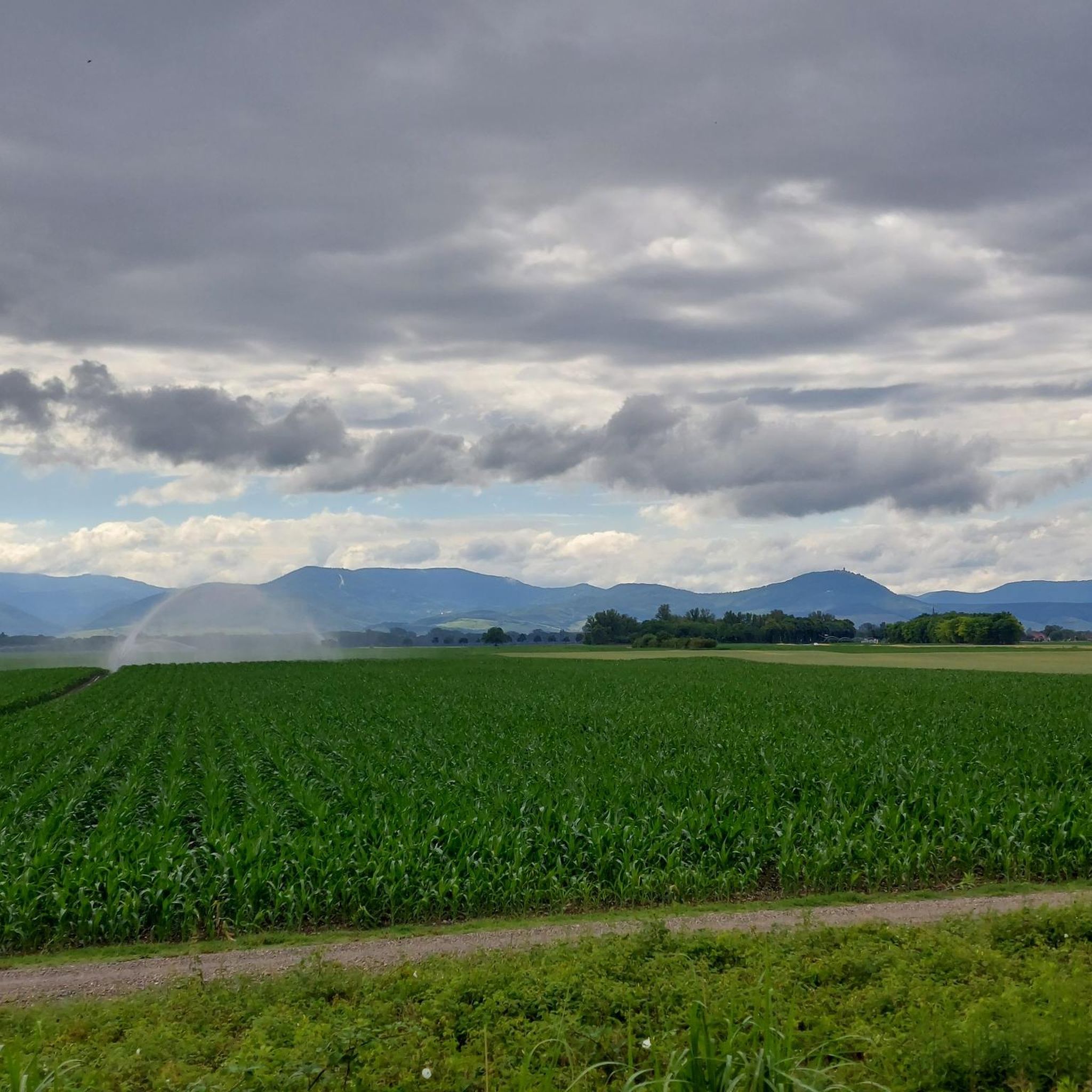
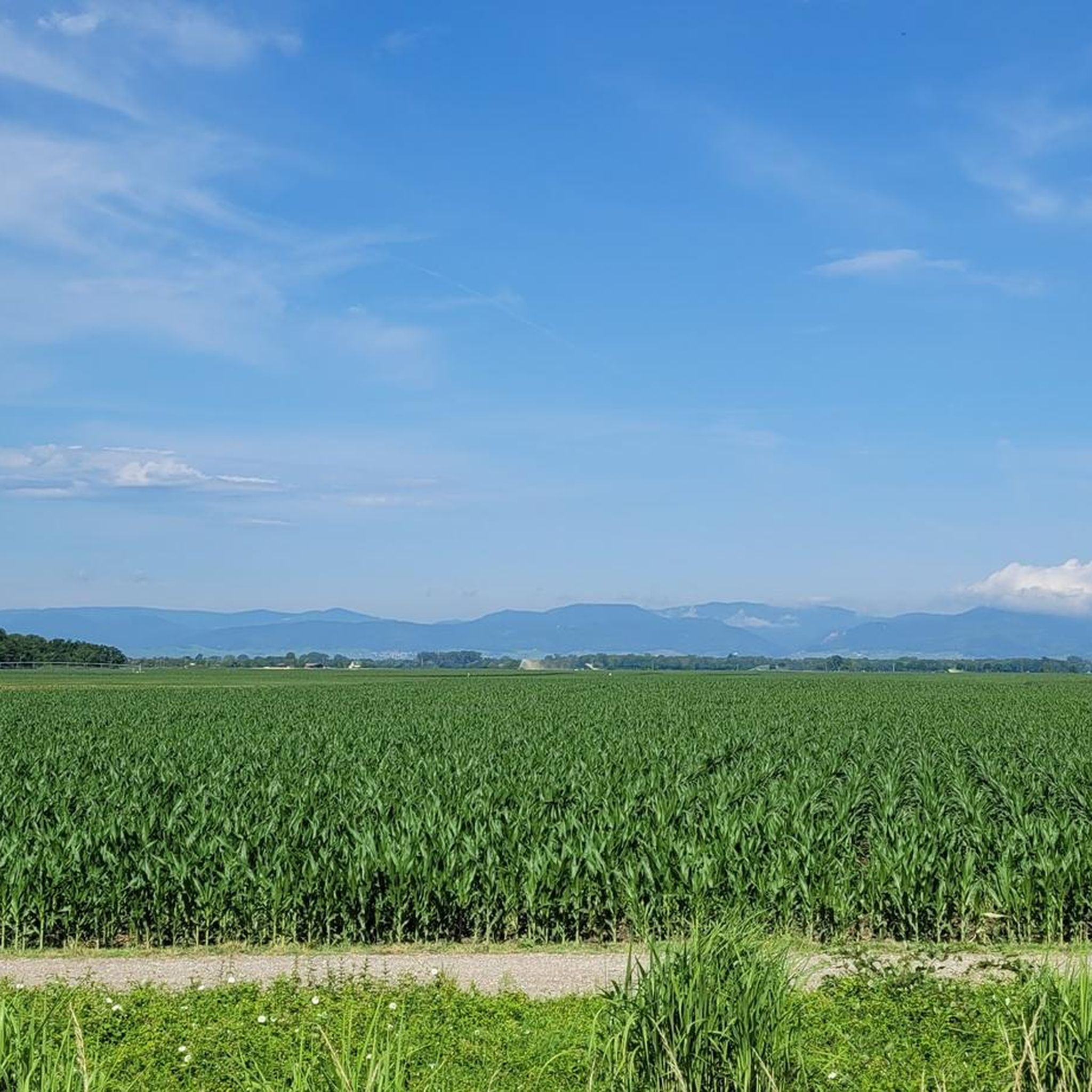
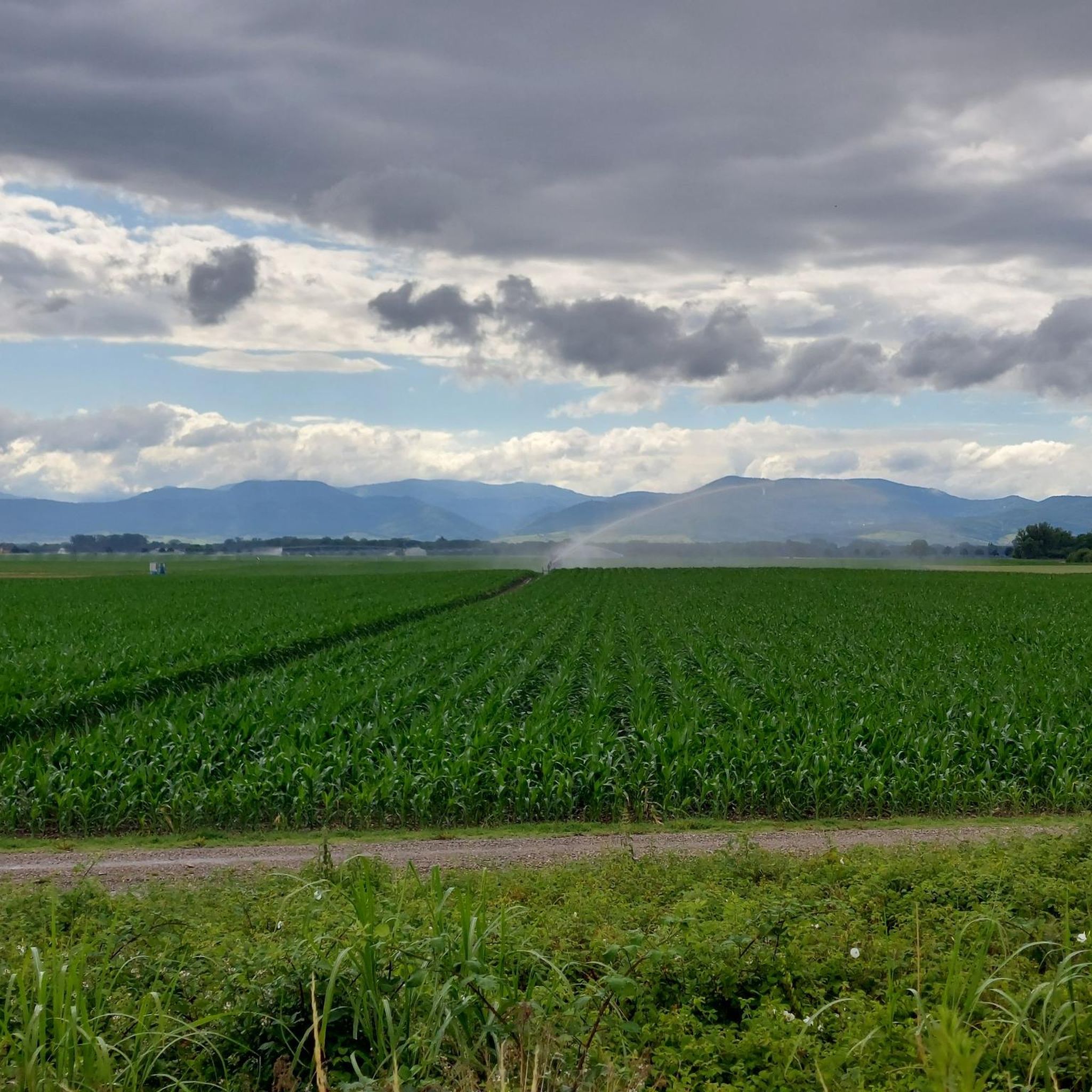
Tips from the Community

The first lord of the castle was Hildebrand Spenlin from Breisach. The word "Spenlin" means "little shavings" (from a plane). In Alemannic usage, Spenlin is called "Spänle." Without the diminutive, Span = Spon. The castle is mentioned in documents as Spenlins Eck, Span-Egge, or the Sponeck.
11
0

You feel like you've been transported back to the Middle Ages when you go through this gate
1
0

Burkheim's east gate was built when the city wall was built in the 13th century and is the last of three gates that still exists. It is also called the Rotweiler Gate because it is on the way to the small town of Rotweil (today, like Burkheim, part of Vogtsburg). The gate was built in its current form in the 18th century after being destroyed and rebuilt several times.
2
0


Simply a dream cycle path 👌
3
0

There are many rest areas along the canal with benches and occasionally tables.
3
1

The Canal de Colmar is easy to follow by bike. Well-developed paths without obstacles.
6
0

The old town of Burkheim (written with k, not g) is located on a hill in the Kaiserstuhl massif. The town of Burchheim was mentioned for the first time in a will of Bishop Heddo of Strasbourg on March 13, 762, who gave an estate in the town to the Ettenheimmünster monastery in the same year. On the occasion of a donation of a Heibo to the Lorsch Monastery, viticulture was documented for the first time in Burkheim. A local church is mentioned in the 9th century as St. Peter's Church. For Burkheim there is evidence of a local nobility from the first half of the 12th century (1113, 1139, 1179 and 1180) who worked as ministerials of the Zähringer family, who were mentioned several times as von Bugheim or de Burchaim until 1470. After Emperor Otto I confiscated Count Guntram the Rich's property for treason in 952, he gave the place away as part of the royal court in Riegel. This brought Burkheim to the Benedictine monastery of Einsiedeln in Switzerland and its patrons, such as Dietrich von Rimsingen (d. around 1052), and to the patrons of the Lords of Üsenberg. As a result of the division of the Riegeler Kammergut, ownership in Burkheim passed to the Lords of Hachberg around 1150 and then to the later legal successors of the Hachbergers, Margrave Heinrich I of Baden, founder of the new line of Margraves of Baden-Hachberg. In 1231, Margrave Heinrich I bequeathed donations in Castro Burchheim to the Tennenbach Monastery. Margrave Heinrich IV of Baden-Hachberg pledged the castle and village of Burkheim to his father-in-law Burkhart III in 1316 because of debts and then sold it to Austria around 1330. On December 26, 1347, Emperor Charles IV stayed at the castle. Together with the Gray Monks, the Cistercians, he put a lot of effort into the region's Pinot Gris vine, which is why Burkheim Castle is considered the cradle of Pinot Gris. A year later, Burkheim received city rights. The city and castle were often mortgaged. The first fiefdom was Hans Ulrich the Younger from Huse, then to the Lords of Hattstatt until 1412 and from 1471 to the Count Palatine of Tübingen-Lichteneck. From 1560 to the imperial general Lazarus von Schwendi, who converted the castle into a representative palace between 1561 and 1574. Further information about Burkheim on my homepage: https://www.breisgau-burgen.de/de/index.php/breisgau-burgen/staedte-im-mittelalter/482-stadt-burkheim-1348
5
0
Frequently Asked Questions
What are the best natural attractions to explore around Ohnenheim?
Ohnenheim is rich in natural beauty. You can explore the typical species of the Ried forest and the Blind river along the Botanical Footpath: Rhine Forests. The Blind River itself, along with the Blindengraben and Scheidgraben streams, are the main waterways crossing the commune. Additionally, the area is close to the Parc naturel régional des Ballons des Vosges, offering further opportunities for nature exploration.
Are there any historical sites or landmarks directly within Ohnenheim?
Yes, Ohnenheim has several significant historical sites. You can visit the ancient Iron Age Tumuli (Burial Mounds), which are among the oldest monuments in the commune. The village also features the Saint-Grégoire Catholic Church and a Lourdes Grotto. Historic buildings include an 18th-19th century farm, a 17th-century house at 74 rue du Général-de-Gaulle, an old post relay from 1700, and a 17th-century tithe house (Maison de la dîme).
What are some notable historical towns or sites near Ohnenheim?
Several historically rich locations are easily accessible. You can visit Burkheim Old Town, a historic and listed settlement with beautiful half-timbered houses and a visible castle. Another significant site is Neuf-Brisach, an 18 km drive away, known for its unique Vauban fortifications. The impressive Chateau du Haut-Koenigsbourg is also about 15 km away.
Are there family-friendly activities or attractions near Ohnenheim?
Absolutely! For amusement, Europa-Park and its water park Rulantica are located nearby in Rust, Germany. For wildlife encounters, you can visit La Montagne des Singes (Monkey Mountain), Cigoland, and The Eagle Park, all within 10-13 km of Ohnenheim in Kintzheim. Many of the cycling paths, like those along the Colmar Canal, are also suitable for families.
What kind of cycling routes are available around Ohnenheim?
The area around Ohnenheim offers diverse cycling opportunities. The Colmar Canal, once used for transporting goods, now delights cyclists with its well-developed paths. For more extensive rides, you can find various road cycling routes, including those leading to the Historic Centre of Sélestat or the Ascent to Haut-Koenigsbourg. There are also gravel biking options, such as routes around Burkheim Old Town. You can find more details on these routes in the Road Cycling Routes around Ohnenheim and Gravel biking around Ohnenheim guides.
Are there good options for hiking or walking near Ohnenheim?
Yes, Ohnenheim is a great base for walking and hiking. The Botanical Footpath: Rhine Forests offers a pleasant walk through local nature. For more structured hikes, you can explore routes like the Chapel of the Oak – Suspension bridge loop from Réserve naturelle du Ried de Sélestat (Ill*Wald), which offers both easy and moderate options. Discover more trails in the Hiking around Ohnenheim guide.
What are some charming villages to visit near Ohnenheim?
The Alsace region near Ohnenheim is home to several 'Most Beautiful Villages in France'. These include Hunawihr, situated in the heart of the Alsace wine region, Riquewihr, known for its historic charm, and Kaysersberg, featuring an attractive historic center and half-timbered houses. Each offers a unique glimpse into traditional Alsatian architecture and culture.
What do visitors particularly enjoy about the attractions around Ohnenheim?
Visitors frequently praise the well-preserved historical charm and scenic beauty. For instance, the Burkheim Old Town is appreciated for its beautiful half-timbered houses and medieval atmosphere. The Colmar Canal is loved for its idyllic, traffic-free paths, perfect for cycling. Many also enjoy the opportunity to combine historical exploration with outdoor activities.
Can I visit any castles or ancient forts in the vicinity?
Certainly. The impressive Chateau du Haut-Koenigsbourg is a substantial and frequently visited castle about 15 km away. Additionally, Sponeck Castle, an important Roman fort that secured the Rhine crossing, is nearby. While privately owned, its garden with works of art and Roman fort remains are always accessible.
Is there a historic city nearby known for its architecture?
Yes, Colmar, approximately 16 km from Ohnenheim, is renowned for its medieval center. It features brightly painted half-timbered houses along canals, often referred to as 'La Petite Venise.' Other highlights include Colmar Old Town and Saint Martin Church, making it a picturesque destination for architectural enthusiasts.
What is the significance of the Obertor (Upper Gate) in Burkheim?
The Obertor (Upper Gate), Burkheim is a significant man-made monument and a key part of the historic center of Burkheim. It contributes to the town's beautiful historic core, which features charming half-timbered houses and a medieval ambiance, making it a worthwhile visit for those interested in historical architecture.
Are there any religious or spiritual sites to visit?
Within Ohnenheim, you can visit the Saint-Grégoire Catholic Church and a reconstitution of the Lourdes Grotto located next to it. Further afield, the Ebersmunster Abbey, about 15 km away, is a remarkable example of Baroque style and a significant religious landmark in the region.
Most popular routes around Ohnenheim
Most popular attractions around Ohnenheim

Get inspired with the komoot mobile app


Explore more
Still not found the Highlight you’re looking for? See guides of the top attractions in other regions:
